Why Does Vine Tea Have Such a Lasting Sweet Aftertaste?
Tea lovers often judge the quality of a tea by its “hui gan” — the lingering sweet aftertaste that remains after each sip. In fact, for many teas, this lingering sweetness is a hallmark of excellence.
For regular tea leaves, the sweet aftertaste can be roughly explained by this formula:
36% tea polyphenols + 4% amino acids + 4% flavonoids + 3% organic acids + 3.5% sugars = a refreshing, memorable aftertaste.
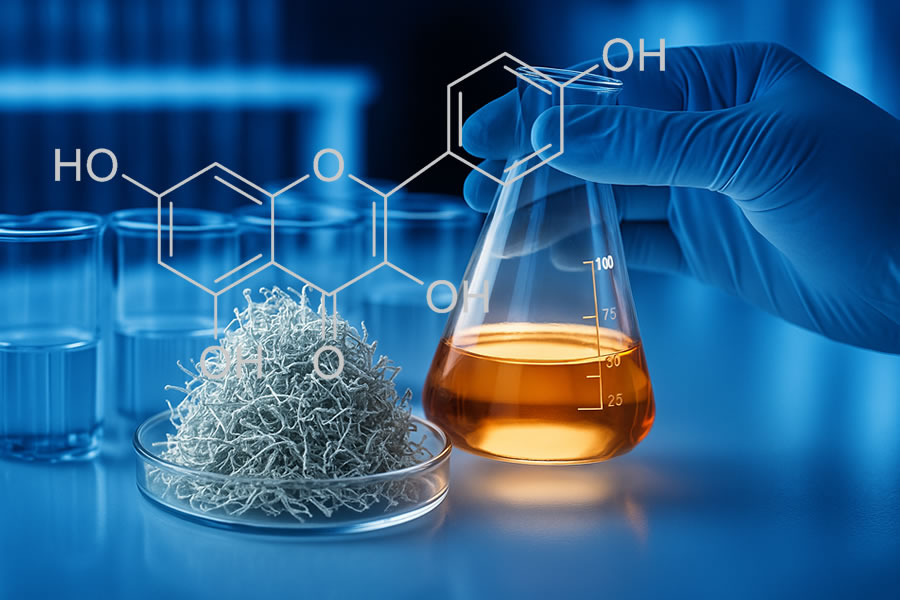
Two compounds in particular — tea polyphenols and flavonoids — have been scientifically proven to influence this sweetness:
-
Tea Polyphenols: Studies show a direct positive correlation between polyphenol content and the intensity of aftertaste — the higher the polyphenols, the stronger and more enduring the sweetness.
-
Flavonoids: These plant compounds have a unique taste journey — initially slightly bitter, but gradually transforming into a pleasant sweetness. This is why foods like olives with higher flavonoid content have a more noticeable sweet finish.
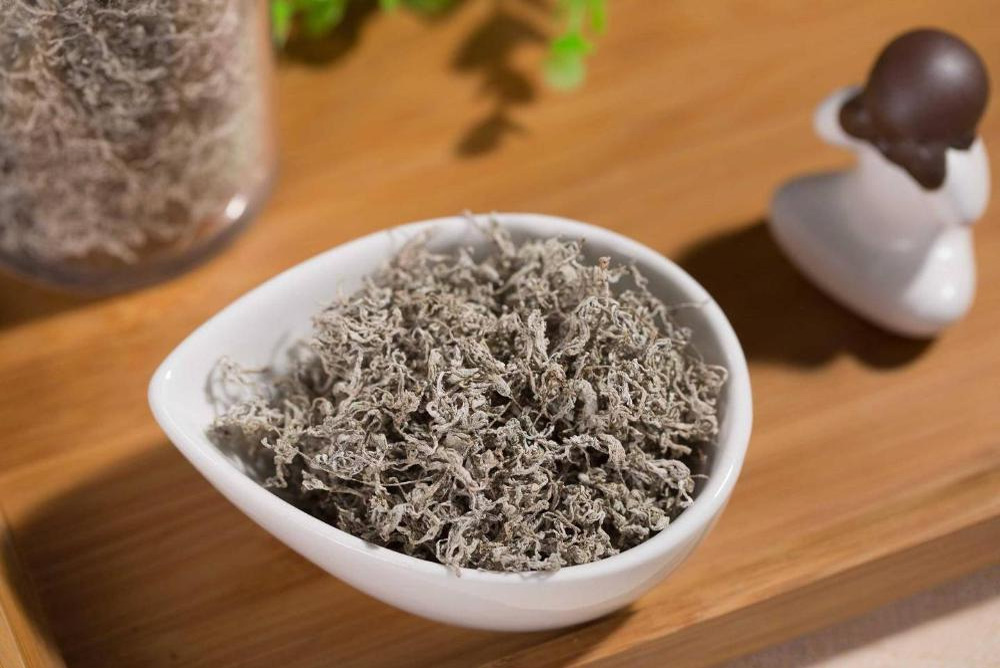
Well-known teas with excellent hui gan include Tieguanyin, raw Pu’er, and high-quality black teas. Vine Tea (Ampelopsis grossedentata), however, holds its own in this category — and for good reason.
The Science Behind VineTea’s Lasting Sweetness
Vine Tea is naturally rich in the two key compounds that create a lingering aftertaste:
-
Exceptionally High Tea Polyphenol Content
Mei Tea contains 43.58% tea polyphenols — more than three times that of regular green tea, which averages 13–15%. -
Flavonoid Powerhouse
On average, Mei Tea has 26.1% flavonoids, compared to just 3–4% in regular green tea. Premium varieties, such as Dragon Beard Bud Mei Tea, can reach an astonishing 43.7% flavonoid content.
This is why Mei Tea has earned its nickname: “The King of Flavonoids.”
The reason Mei Tea’s aftertaste lingers so beautifully is because it is naturally supercharged with the very compounds that create that delightful sweetness. Every sip offers a balance of gentle bitterness and evolving sweetness — the mark of a truly exceptional tea.