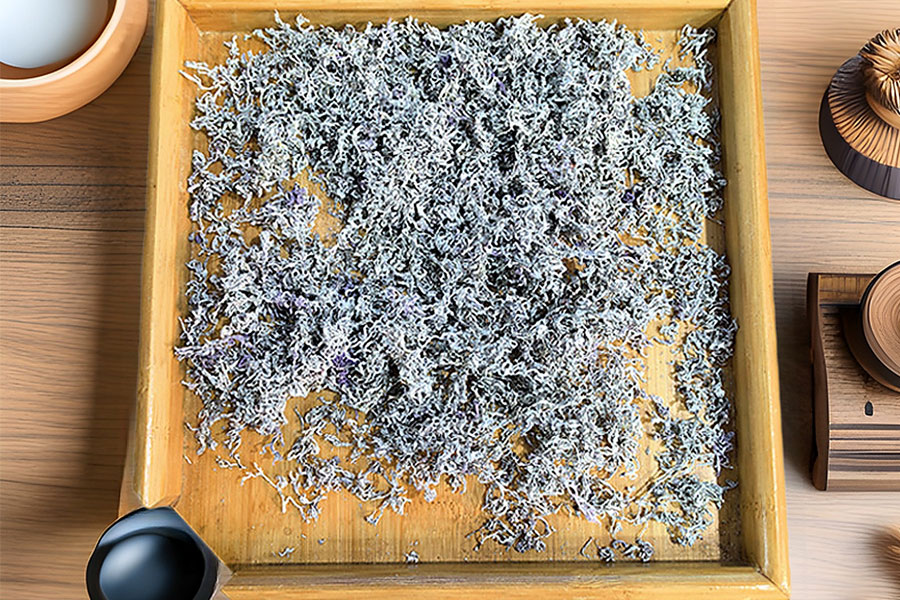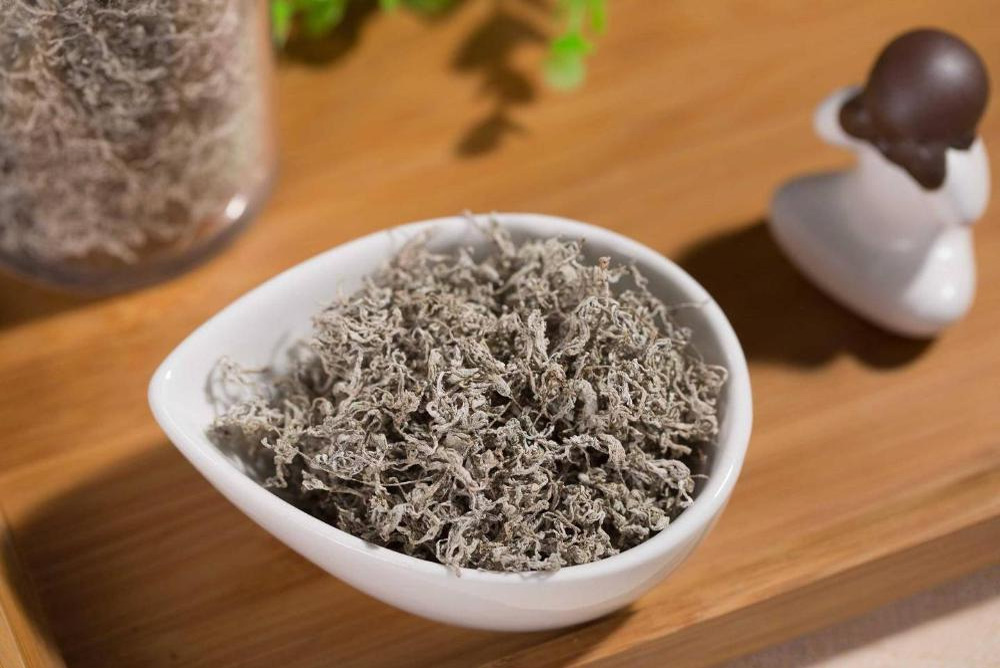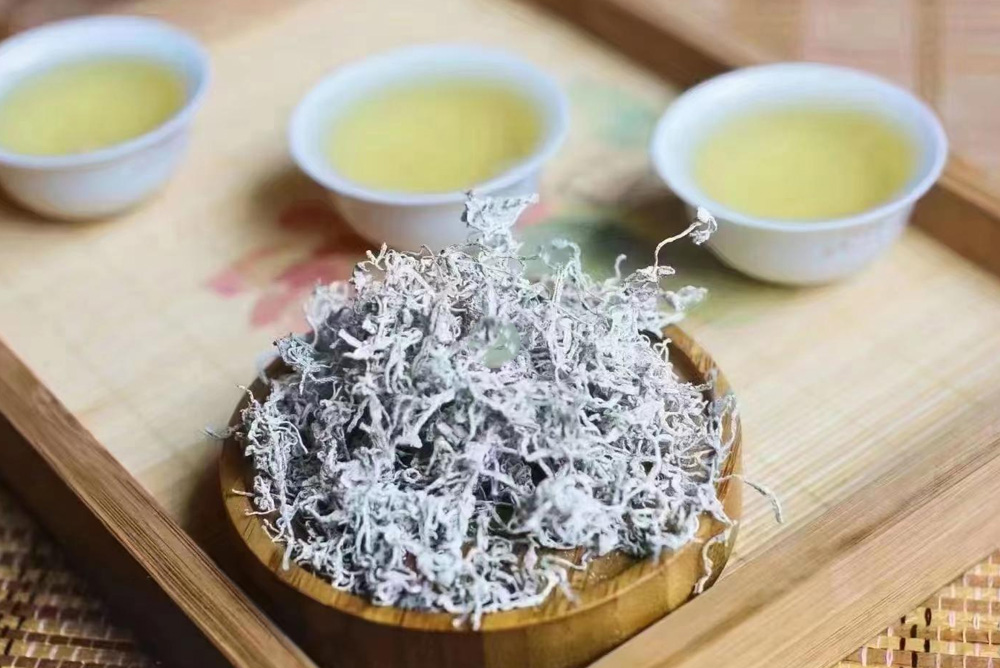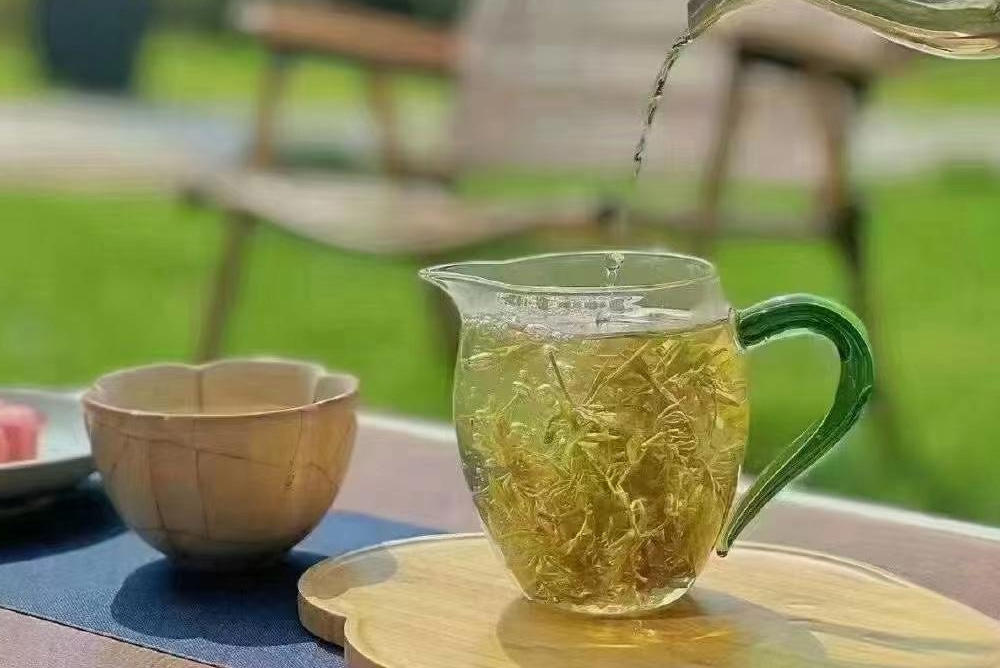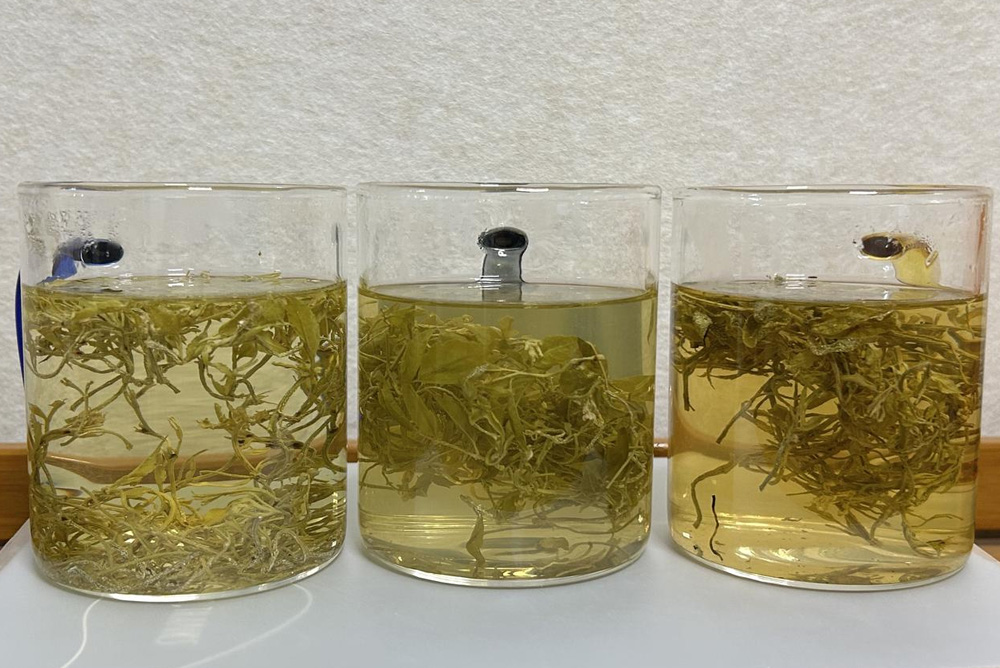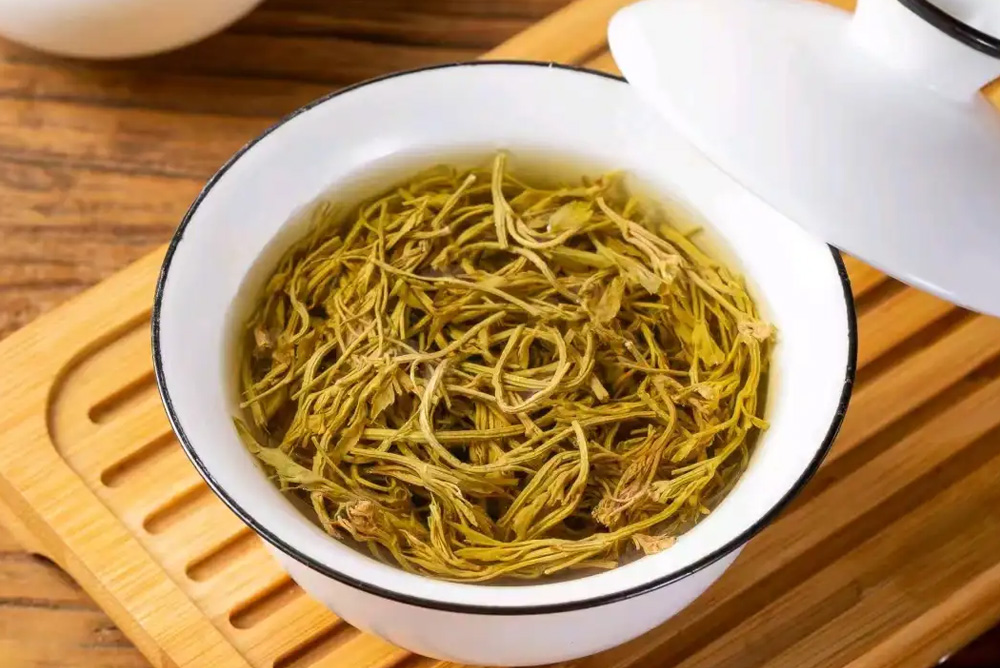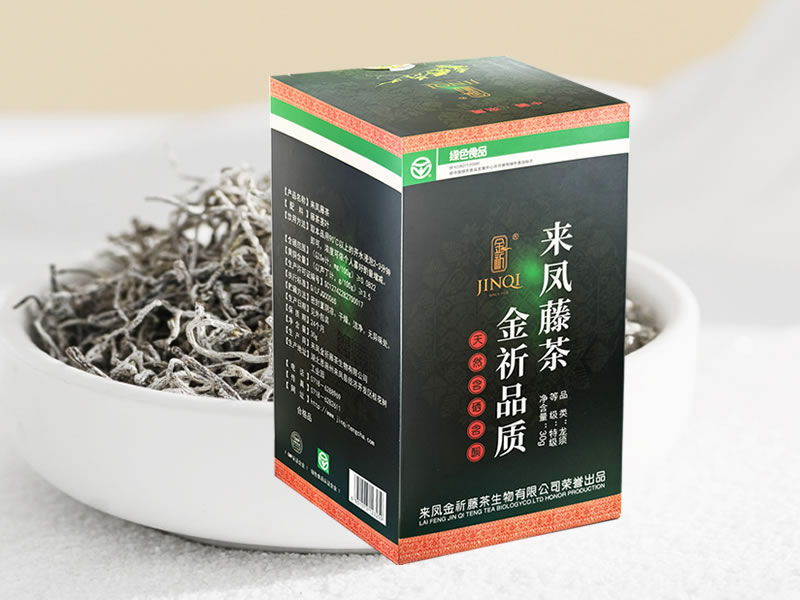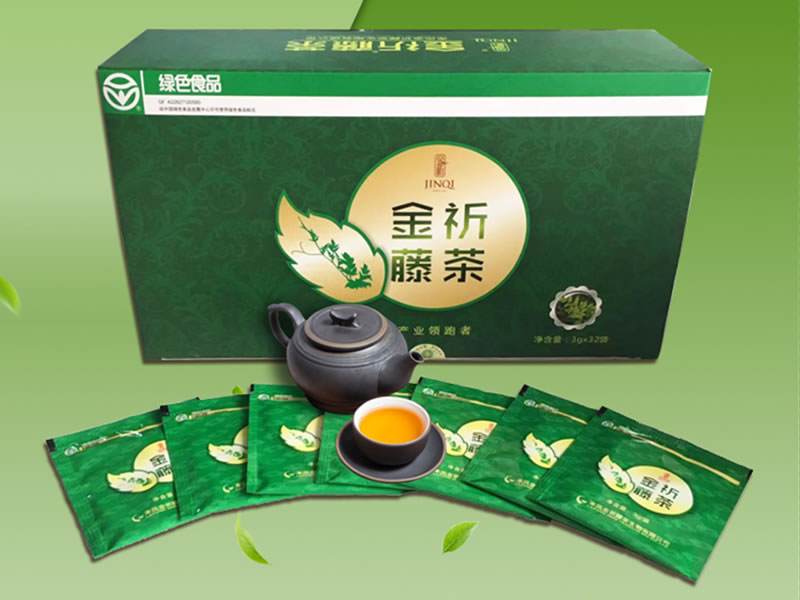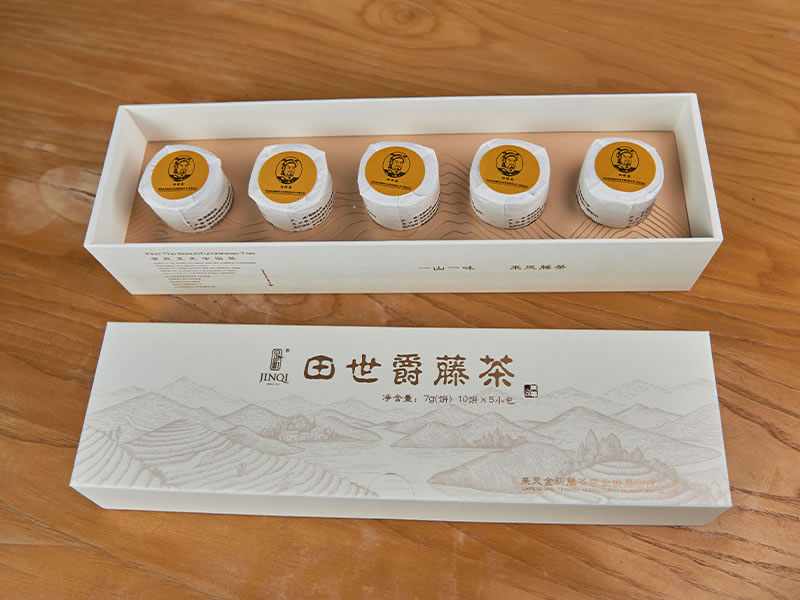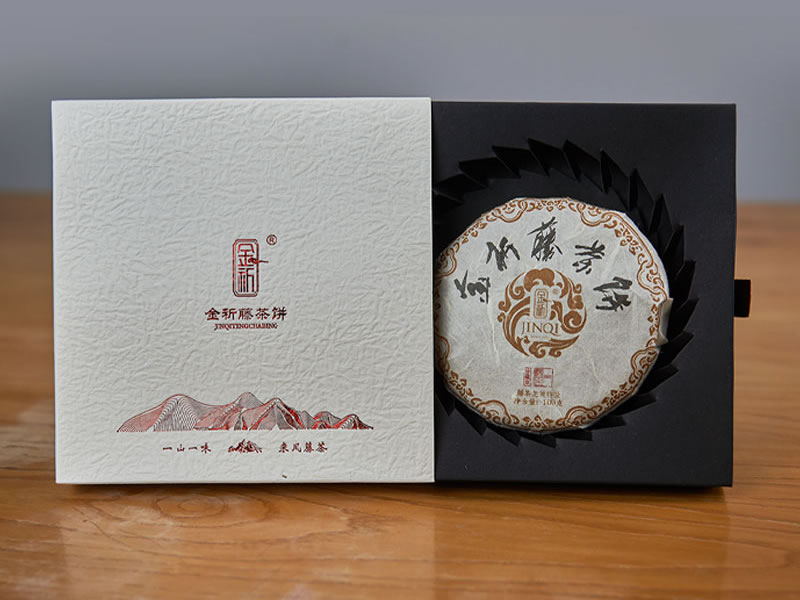
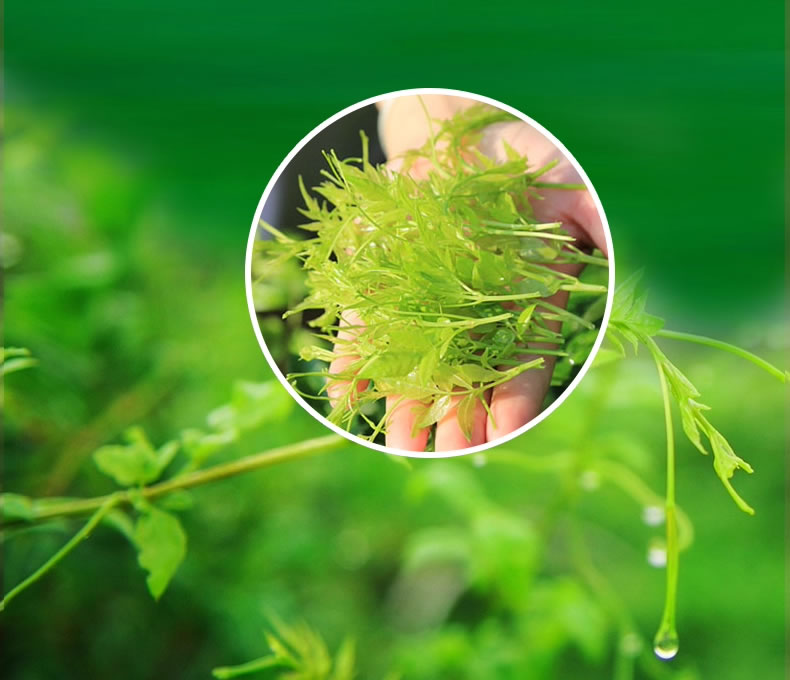
Laifeng County, Hubei Province – October 14, 2022 — Once a wild plant growing on the rocky slopes of the Wuling Mountains, Laifeng vine tea has become the backbone of a thriving local industry worth over RMB 1 billion (approx. USD 140 million) annually.
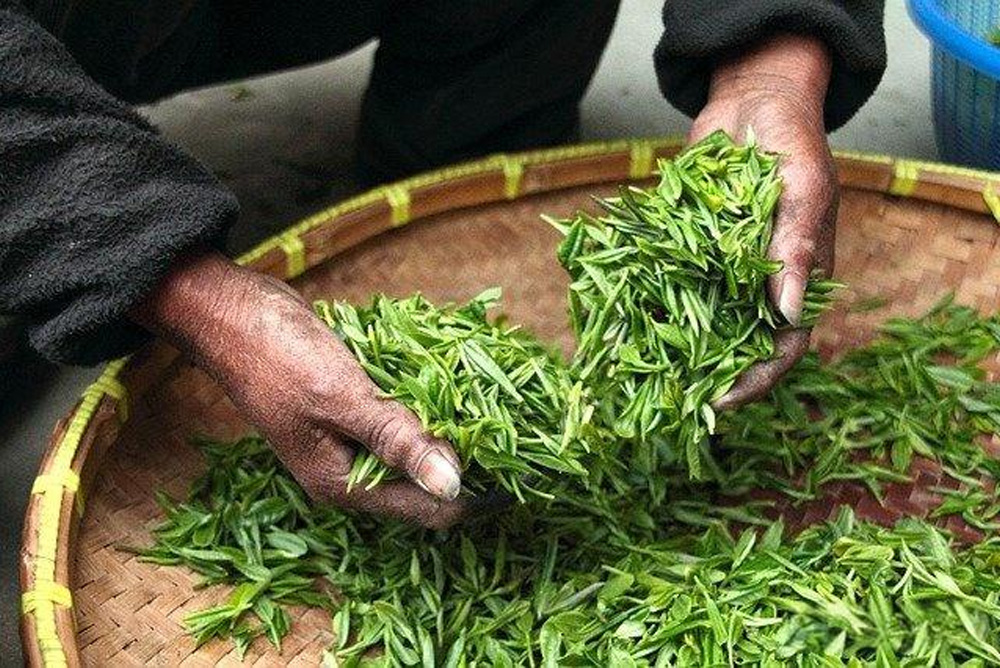
In Laizhai Village, Lishui Town, villager Liao Guixin busily harvests the last shoots of the season. “All 15 acres of my vine tea sold out this year. My income will exceed RMB 100,000,” he said, smiling. Packaged tea leaves are now being shipped to cities across China, marking the tail end of the harvest season.
In recent years, Laifeng County has worked hand-in-hand with local businesses to strengthen its brand as “China’s Number One Vine Tea County.” Sales have been growing by nearly 20% annually, with exports reaching international markets. Today, the county has 80,000 acres under cultivation, supporting over 10,000 farming households.
From Wild to Cultivated: Building an Industry from Scratch
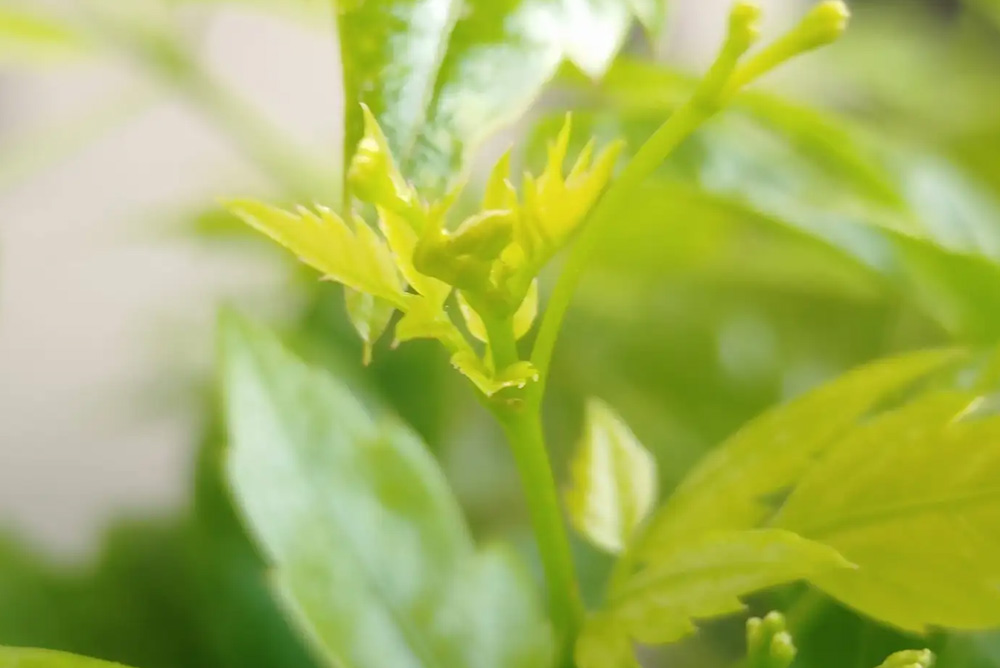
Known scientifically as Ampelopsis grossedentata, vine tea grows at altitudes of 400–1,000 meters and has been consumed in Laifeng for over 500 years. In 1996, local doctor Xiang Bangui discovered its potential health benefits, including high flavonoid content (42% dihydromyricetin) and rich amino acids and selenium, which may help alleviate cardiovascular issues and chronic pharyngitis.
After years of experimentation, Xiang developed multiple product lines and, by 2000, partnered with leading universities to domesticate wild vine tea. Eight years of research overcame key cultivation challenges, making large-scale planting possible. This breakthrough turned a local herbal tradition into a sustainable agricultural sector, attracting investors from across China.
Overcoming Market Challenges with Innovation and E-Commerce
By 2018, despite increased production, consumer awareness lagged behind traditional teas, leading to oversupply and price drops. Many farmers considered abandoning their crops. The county government responded with a ten-point sales incentive plan, subsidies for trade fair participation, and strong support for both offline and online sales.
Entrepreneur Yang Yiqiong, known online as the “Live-Streaming Grandma,” redirected her investments into vine tea, developing over 6,000 acres of green tea gardens and founding an e-commerce hub that now hosts eight companies. Her live-streaming sessions, combining graceful tea ceremonies with expert commentary, attract loyal audiences and generate millions in sales annually.
Other businesses, such as Hubei Xiaoxi Vine Tea Co., leveraged new media to expand into major markets like Wuhan, Shanghai, and Beijing, reaching annual sales over RMB 100 million in just two years. National initiatives, including poverty alleviation campaigns, further boosted visibility and demand, with exports now reaching Germany, Sri Lanka, Malaysia, and beyond.
Extending the Value Chain with Deep Processing
Laifeng is now focusing on deep processing to enhance product value. Companies are investing in advanced flavonoid extraction facilities, enabling an 80% yield rate. The county has developed four major product categories — health supplements, raw tea, food, and personal care — totaling 69 products, from teabags and beverages to toothpaste and lozenges.
Collaborations with the Chinese Academy of Sciences, China Pharmaceutical University, and the Tea Research Institute of the Chinese Academy of Agricultural Sciences have led to improved processing techniques and the establishment of the nation’s first vine tea production and quality standards. Laifeng vine tea products now hold multiple certifications, including China’s “Geographical Indication Protection Product” status.
With plans to expand further into food, pharmaceutical, and personal care markets, Laifeng’s vine tea industry is set to continue its impressive growth — a testament to how local innovation, scientific research, and strategic branding can transform a wild mountain plant into a global agricultural success.
Source: Hubei Daily – “Laifeng Vine Tea Grows into a 10-Billion-Yuan Industry”