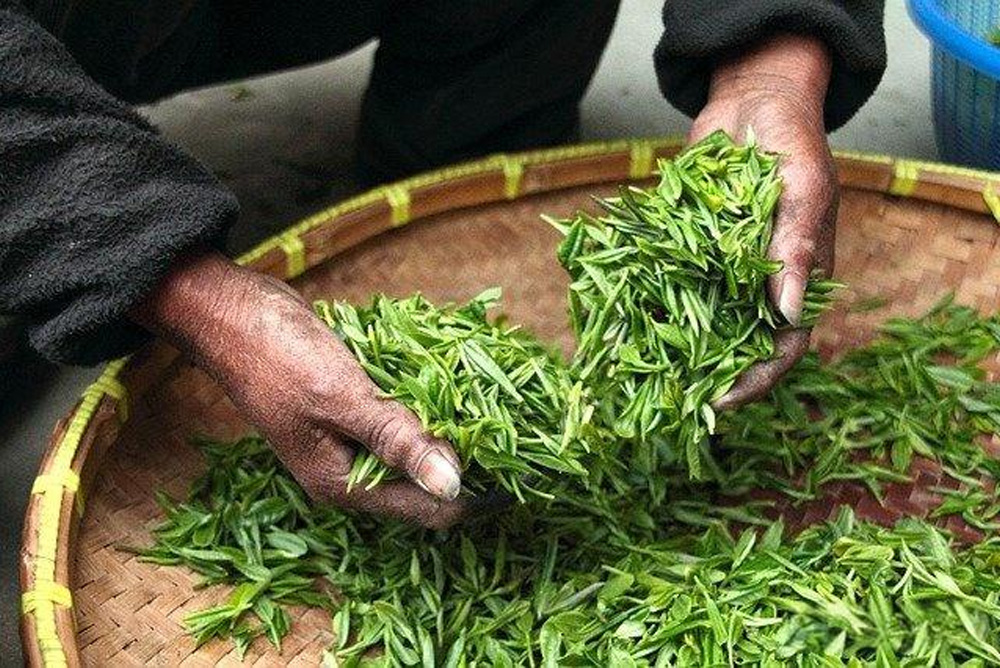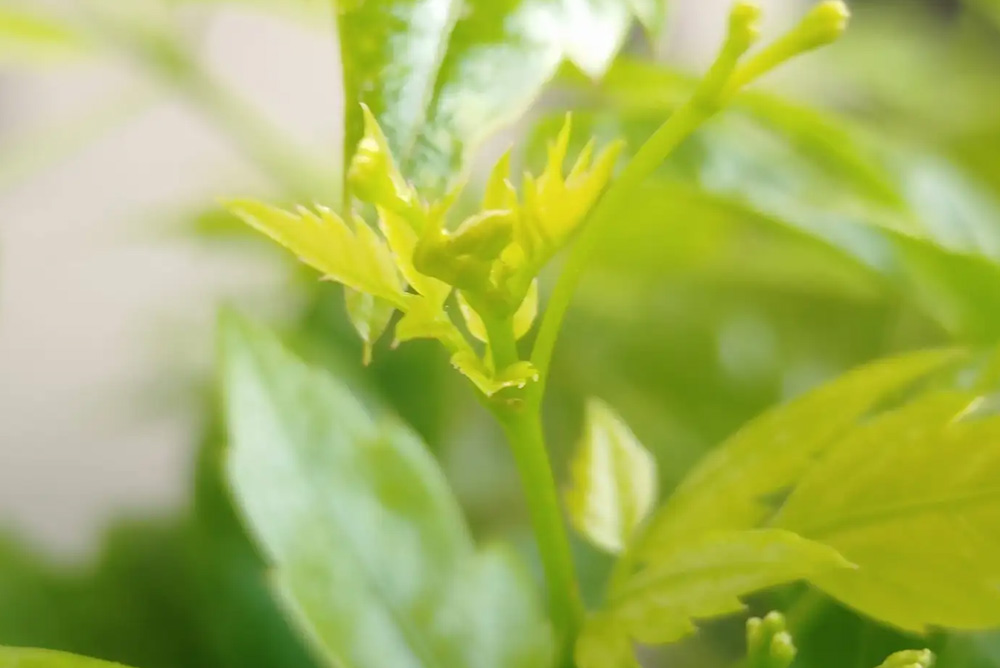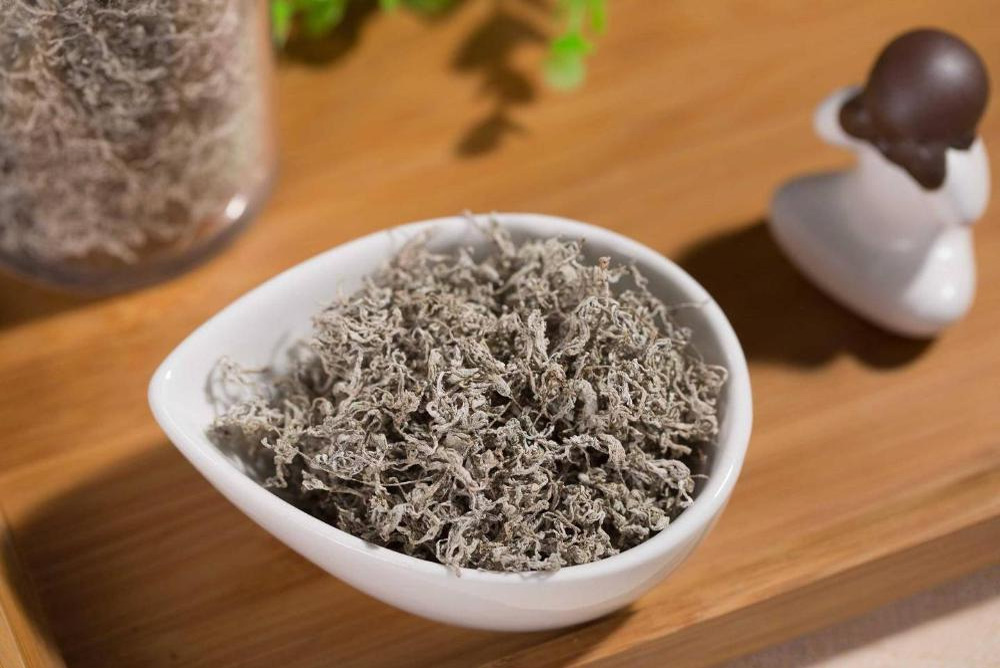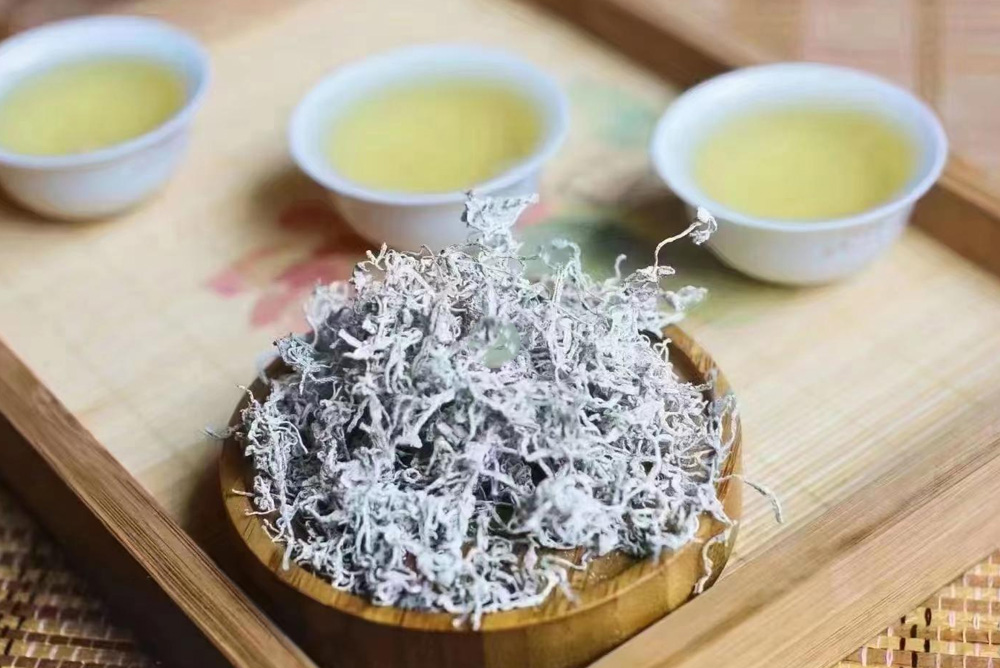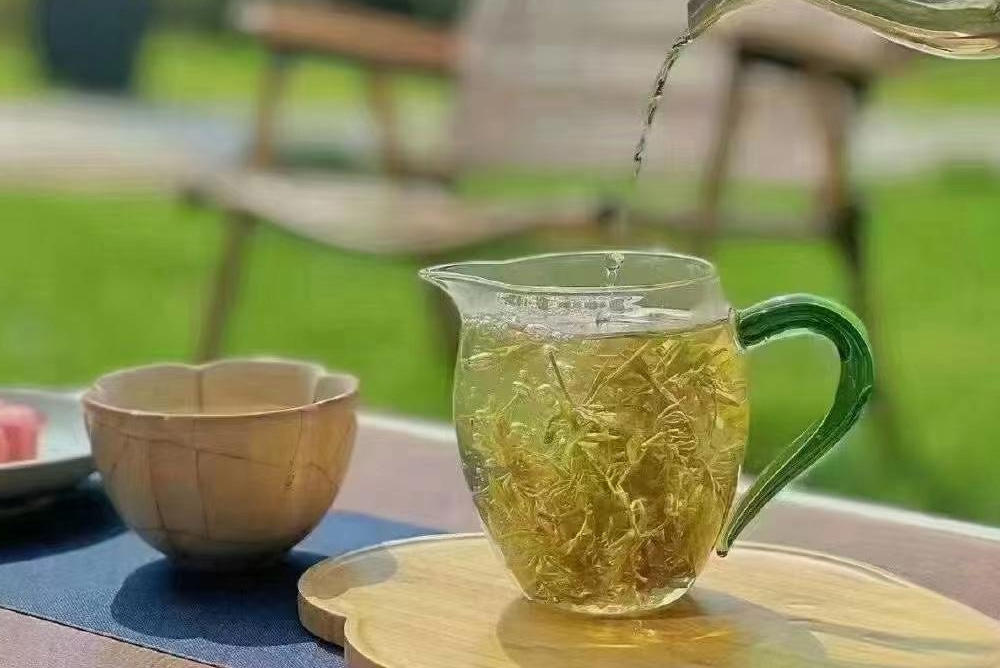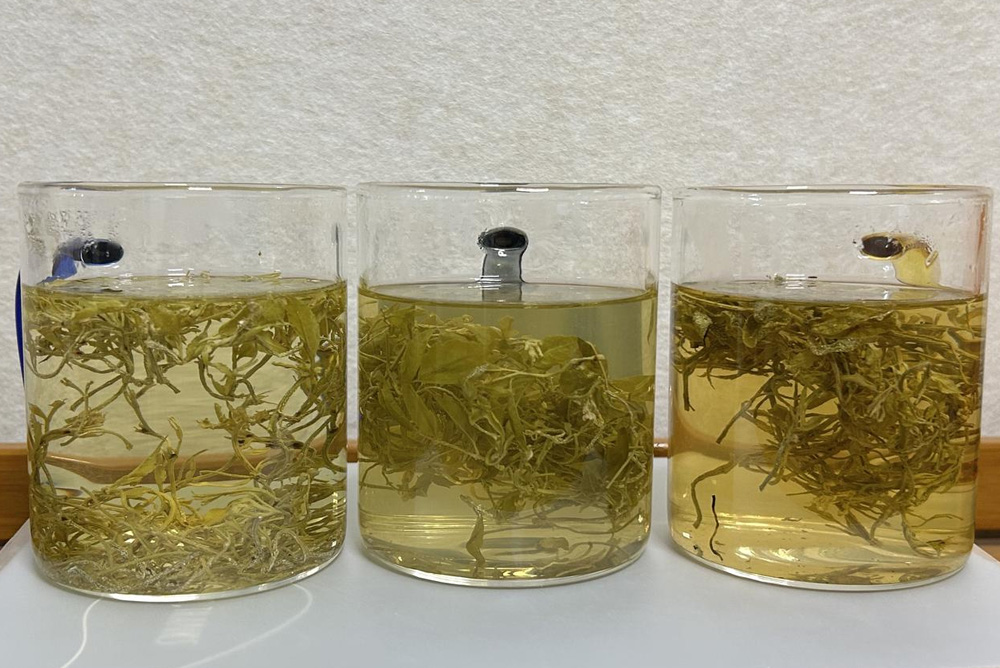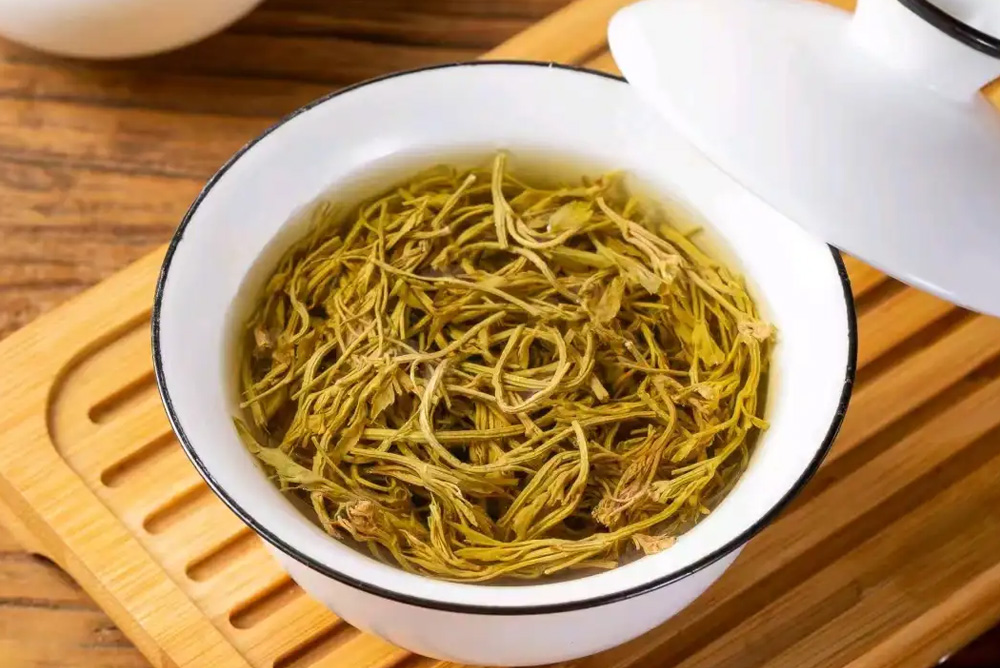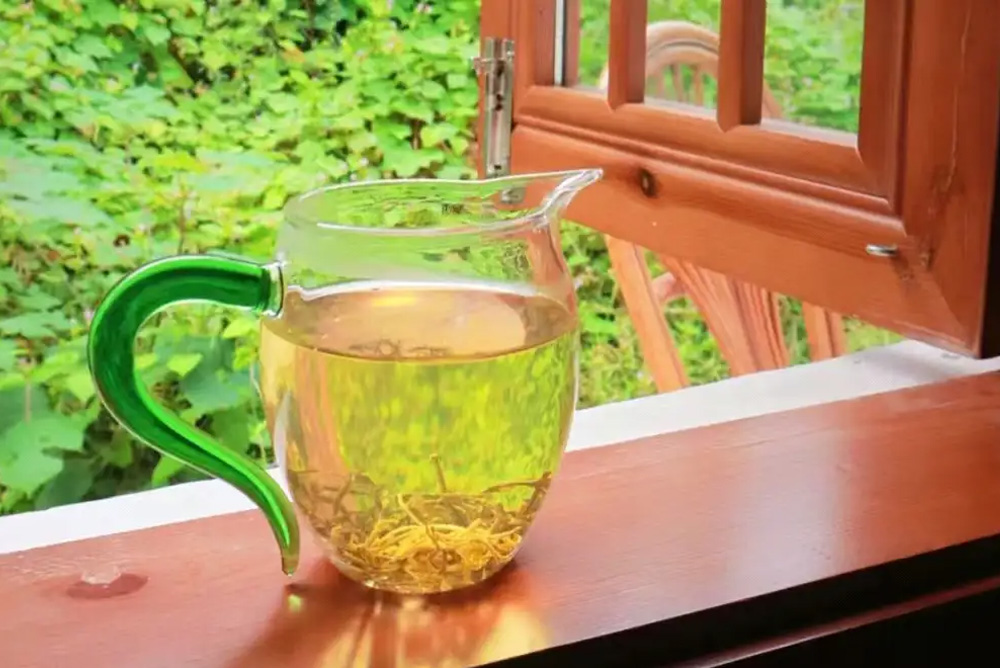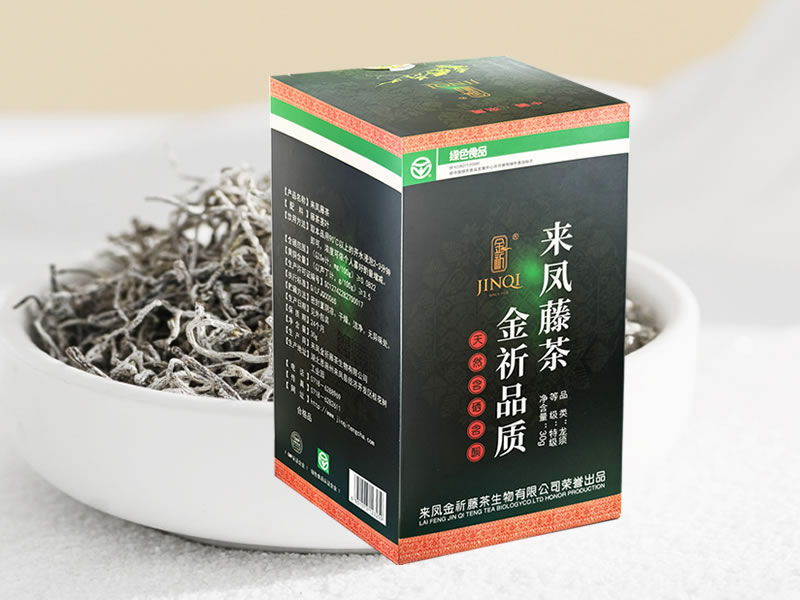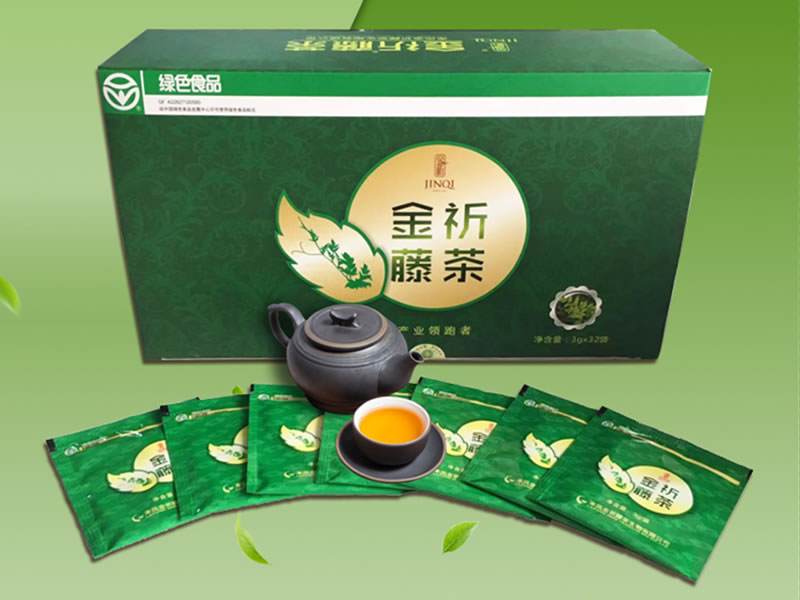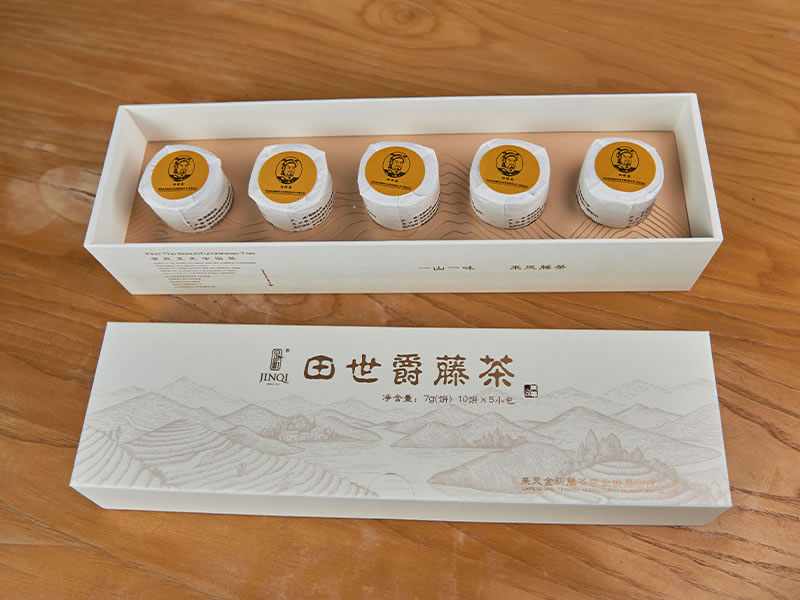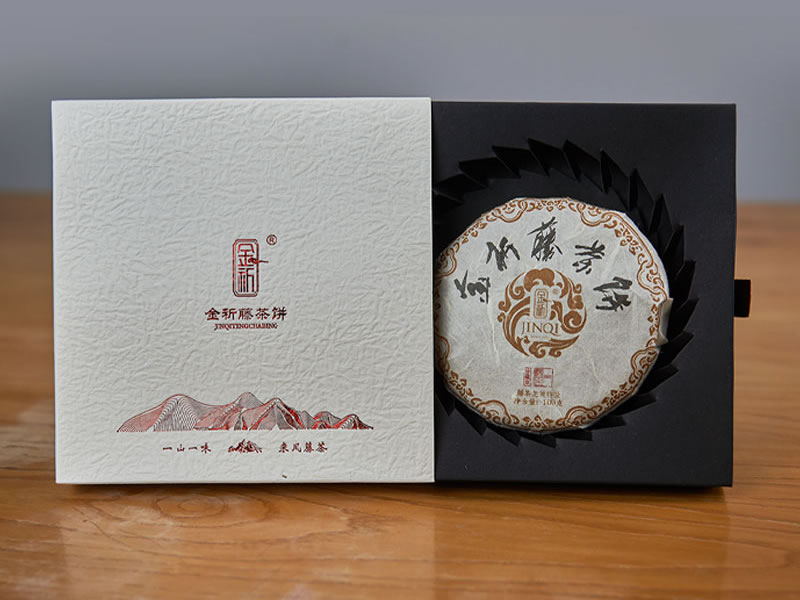
Ampelopsis grossedentata, taxonomically belonging to the genus Ampelopsis in the Vitaceae family, has wild resources mainly distributed in mountainous areas of southern China such as Hubei, Hunan, Guangdong, Guangxi, Jiangxi, and regions with large ethnic minority populations . Originally a vine plant that climbs scattered on wastelands, roadsides, and thickets, it becomes semi-erect after artificial cultivation (to facilitate picking of young stems and leaves). The substitute tea made from its young stems and leaves has different names among different regions and ethnic groups due to variations in picking time, processing methods, customs, and product appearance, such as Duanwu tea, Meicha, Zhangjiajie Meicha, Maoyan Meicha, sweet tea, Ganchamei, Ganoderma grass, longevity vine, Tengteng grass, tea vine, white tea, Bangbang tea, etc. When made into tea cakes, it is also called white tea cake . It is known as the “King of Flavonoids” because its dried stems and leaves are rich in total flavonoids (25.0%-47.0%). This article reviews its consumption history and safety, and provides ideas for its industrial development and utilization.
1, Historical Records and Consumption History of Ampelopsis grossedentata
In recent years, with the in-depth research on Ampelopsis grossedentata, the expansion of artificial cultivation area, and the continuous development and promotion of deep-processed products, many scholars have conducted research on its historical records and consumption history. Xu Lijia et al. and Ran Jingyan et al. have published “Preliminary Investigation on the Ancient and Modern Application History of Vine Tea – a Different Kind of Tea” and “Overview of the Herbal Resource Science Research on Vine Tea” in Chinese Modern Chinese Medicine and Chinese Herbal Medicines respectively. Later, Zhang Yousheng et al. made a detailed textual research in the book Zhangjiajie Meicha. A series of research results show that Ampelopsis grossedentata has a long history of being recorded in historical documents and consumed. Yin Shan Zheng Yao written by Hu Sihui in the Yuan Dynasty is the first historical book found to formally record the consumption and efficacy of Ampelopsis grossedentata, which is 694 years old. Later, Caomu Bianfang, a local pharmaceutical masterpiece in eastern Sichuan in the middle of the Qing Dynasty , included it. Among the Chinese herbal medicine compendiums or works after the founding of the People’s Republic of China, the earliest record of Ampelopsis grossedentata is in the Guangxi Plant List (Volume II. Dicotyledons), which first proposed that Ampelopsis grossedentata [Ampelopsis cantoniensis (Hook. et Arn.) Pl. var. grossedentata Hand.-Mazz.] is a variety of Ampelopsis cantoniensis (Guangdong Ampelopsis). The species name Ampelopsis grossedentata [(Hand. -Mazz.) W.T.Wang] was proposed by Mr. Wang Wencai in his article “New Discoveries in the Vitaceae”. Subsequently, Iconographia Cormophytorum Sinicorum published in China also included it as Ampelopsis grossedentata, and recorded that “Ampelopsis grossedentata is a variety of Ampelopsis cantoniensis (Guangdong Ampelopsis)”. Later, Medicinal Plant List of the Botanical Garden of Guangxi Institute of Medical Sciences , National Compendium of Chinese Herbal Medicines , Flora of Fujian , Flora of Guizhou , Chinese Materia Medica Resources , Chinese Materia Medica , Hunan Pharmaceutical Records , and Gui Materia Medica (Volume 1) all included Ampelopsis grossedentata. Among them, Chinese Materia Medica first linked Ampelopsis grossedentata with Meicha leaves in its aliases, and the third edition of National Compendium of Chinese Herbal Medicines first linked Maoyan Meicha with Ampelopsis grossedentata, but it used “Maoyan Meicha” instead of the currently promoted “Meicha”. It can be seen that nearly 700 years ago, Ampelopsis grossedentata was recorded in historical documents and had been consumed among the people, with a long consumption history; it has been included in the more famous Chinese herbal medicine compendiums or works published in China after the founding of the People’s Republic of China, indicating that Ampelopsis grossedentata is a resource with good inheritance and utilization.
2, Material Basis of Health Effects and Consumption Safety of Ampelopsis grossedentata
2.1 Material Basis of Health Effects of Ampelopsis grossedentata
Ampelopsis grossedentata is a tea plant with both nutritional and functional properties, and a characteristic resource with inherent health effects. The material basis of its health effects mainly includes nutritional components and active ingredients.
2.1.1 Nutritional Components
The nutritional components of Ampelopsis grossedentata are mainly reflected in its rich nitrogen-containing substances such as water-soluble proteins and free amino acids, as well as rich mineral elements . Although most of the proteins in Ampelopsis grossedentata (about 11.0%-15.0% of the total dry weight) are insoluble in water, the water-soluble proteins can still reach 0.8%-1.0% of the dry weight; in addition, the young leaves of Ampelopsis grossedentata also contain free amino acids with a total amount of 2.0%-5.0% of the dry weight. Water-soluble proteins and free amino acids not only provide rich flavor components to Ampelopsis grossedentata drinks, but also provide a certain functional material basis. Among the 17 free amino acids currently found in Ampelopsis grossedentata leaves, such as isoleucine, leucine, lysine, methionine, phenylalanine, threonine, tryptophan, valine, aspartic acid, glutamic acid, serine, glycine, alanine, tyrosine, cysteine, proline, and γ-aminobutyric acid, the most notable ones are γ-aminobutyric acid and methionine. γ-aminobutyric acid is a very important inhibitory neurotransmitter in the central nervous system. It is a naturally occurring non-protein amino acid, which is beneficial to promoting sleep, delaying brain aging, and also has certain effects on improving and protecting renal function, inhibiting fatty liver and obesity, and activating liver function . Methionine, also known as methionine, is an essential amino acid that cannot be synthesized by the human body and must be obtained from external sources. A lack of methionine will hinder protein synthesis in the human body and cause damage to the body .
For a long time, the relationship between inorganic elements and human health has been a very important topic. Unlike organic substances such as proteins and fats, no inorganic element can be synthesized by human tissues and must enter the body through food, water, air, drugs, and other channels.
Ampelopsis grossedentata is rich in inorganic elements. At present, 17 macro and trace elements have been detected, including N, P, K, Na, Ca, Mg, Fe, Al, Cu, Mn, F, Zn, Se, Cr, Co, Pb, and I, with a total amount accounting for 2.0%-5.0% of the dry weight. Especially in Ampelopsis grossedentata grown in selenium-rich areas such as Hunan and Hubei, the Se content is very high, and the selenium content of general products is above 0.21 mg/kg . According to the requirements of the Agricultural Industry Standard of the People’s Republic of China Selenium-Enriched Tea NY/T 600-2002, tea with a selenium content in the range of 0.25-4.00 mg/kg belongs to selenium-enriched tea. Therefore, quite a number of Ampelopsis grossedentata products from different regions can make functional claims as selenium-enriched Ampelopsis grossedentata.
2.1.2 Active Ingredients
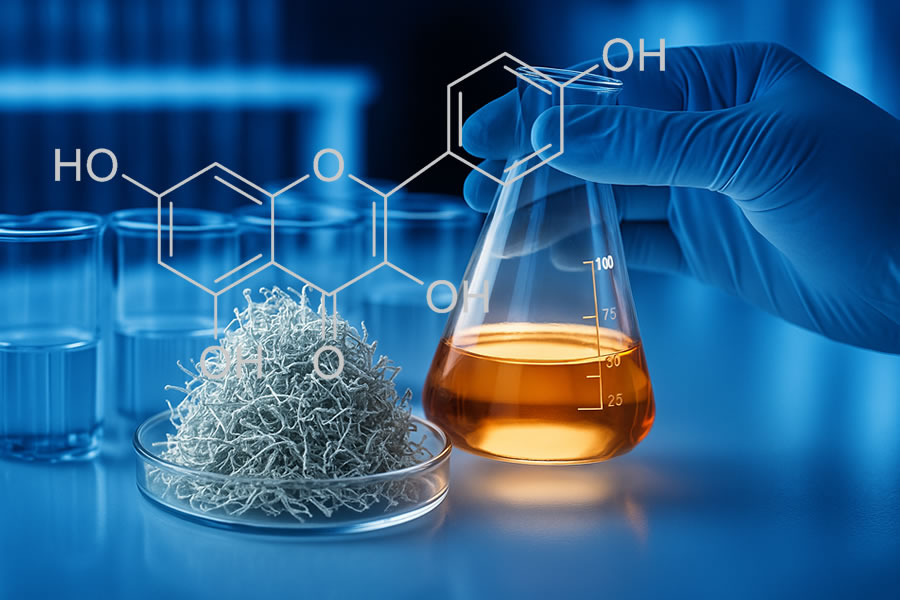
The health benefits of Ampelopsis grossedentata to the human body, in addition to the role of some nutritional components, are mainly achieved through its rich flavonoids and polysaccharides, two types of active ingredients. Firstly, the young stems and leaves of Ampelopsis grossedentata are rich in flavonoids, especially dihydromyricetin. Many experimental data show that the total flavonoid content in the dried young stems and leaves of Ampelopsis grossedentata can generally reach more than 30.0%, with a maximum of 47.2% . Among them, the monomer compound dihydromyricetin occupies an absolute position in the total flavonoids, generally accounting for 70.0%-80.0% of the total flavonoids. Like other flavonoids, dihydromyricetin has a series of physiological activities such as relieving cough and reducing phlegm, relieving spasm and inflammation, preventing upper respiratory tract infections, broad-spectrum bactericidal and bacteriostatic effects, antioxidant, scavenging free radicals, preventing liver function degradation, preventing and treating alcoholic liver damage, improving immunity, reducing blood viscosity, preventing hyperlipidemia, lowering blood sugar, and inhibiting some cancer cells. It has obvious effects on the prevention and treatment of functional diseases of the respiratory system, digestive system, cardiovascular system, and immune system . The reason why Ampelopsis grossedentata is a characteristic resource with inherent health effects is that it contains particularly high levels of flavonoids. After processing, the surface of young fresh leaves of Ampelopsis grossedentata can present a thick layer of “white frost”, which is the crystallization of dihydromyricetin, the rich active ingredient in Ampelopsis grossedentata, on the leaf surface. When processing Ampelopsis grossedentata leaves, through the rolling process, the complete cell structure in the leaves is destroyed, and the dihydromyricetin in the cell fluid slowly penetrates to the cell surface. After drying, it forms a slightly yellowish white crystal, and finally forms a layer of “white frost” on the surface of Ampelopsis grossedentata leaves. If the “white frost” is observed under a microscope, columnar crystals of different sizes can be seen. Secondly, in addition to flavonoid active ingredients, the young stems and leaves of Ampelopsis grossedentata also contain more polysaccharide active substances. Huang Yaozong et al. detected the polysaccharide content in 7 batches of samples from different locations in Zhangjiajie, Hunan in the same season. The total polysaccharide content in young stems and leaves is 8.21-10.97 mg/g, and that in coarse and old stems and leaves is 28.31-33.71 mg/g. Luo Zuyou et al. isolated two water-soluble polysaccharides from Ampelopsis grossedentata and preliminarily identified AGP-3, which was found to be composed of galactose, mannose, and glucose. Huang Yaozong systematically separated and purified the polysaccharides from Ampelopsis grossedentata to obtain three polysaccharide components: AGP-0a, AGP-2a, and AGP-3a, and analyzed their structures. The results showed that the weight-average molecular weights of the three polysaccharides were 6.77, 44, and 277 ku, and the total sugar contents were 85.67%, 83.11%, and 85.49% respectively. Among them, AGP-0a is a neutral polysaccharide, and AGP-2a and AGP-3a are acidic polysaccharides. All three polysaccharides show scavenging effects on DPPH free radicals, hydroxyl radicals, and superoxide anion radicals, and have a concentration-dependent inhibitory effect on the inflammatory response induced by LPS in RAW264.7 macrophages. There is no relevant report on whether Ampelopsis grossedentata contains other special active ingredients.
2.2 Consumption Safety of Ampelopsis grossedentata
Ampelopsis grossedentata has a long history of consumption, and years of consumption results have initially confirmed its safety, while modern toxicity studies have further scientifically clarified its safety. Ruan Xiangchun et al. made a suspension of Ampelopsis grossedentata extract (flavonoids) for acute toxicity tests on mice. The results showed that 0.5, 1.0, 2.0, and 5.0 g/kg doses of Ampelopsis grossedentata flavonoids had no acute toxic effects on mice, indicating that Ampelopsis grossedentata extract (flavonoids) is a non-toxic substance. Zhong Zhengxian et al. administered Ampelopsis grossedentata flavonoids to rats at doses of 1.5 and 0.3 g/kg for 12 consecutive weeks. By comparing the animals’ appearance and behavior, hematological and biochemical indicators, and pathological examinations, they finally concluded that long-term administration of total flavonoids from Ampelopsis grossedentata had no obvious toxicity to rats. Zhong Liyun et al. conducted an experiment where rats were continuously gavaged with extracts equivalent to 5.5, 11, and 22 g/kg of dry Ampelopsis grossedentata per day for 90 days. By measuring animal body weight, food utilization rate, blood routine, blood biochemical indicators, and histopathological examination, they also found that continuous administration of water extract of Ampelopsis grossedentata is safe.
Since the main active functional component in Ampelopsis grossedentata is dihydromyricetin, some researchers have directly conducted safety tests with dihydromyricetin. Su Donglin et al. used the maximum concentration of the test sample and the maximum gavage volume of the test animals as the test dosage, that is, Wistar rats were orally gavaged with dihydromyricetin with a purity of more than 95% at 5.0 g/kg. During the 14-day observation period, no abnormalities were found in their sensory performance, behavioral performance, and subsequent animal dissection, thus proving that dihydromyricetin has no obvious toxic and side effects. In addition, during the development of Ampelopsis grossedentata, many third-party authoritative institutions have also conducted tests to prove this. The Hunan Provincial Center for Disease Control and Prevention conducted a safety toxicological evaluation test on Ampelopsis grossedentata , and the results showed that the acute oral toxicity test of Ampelopsis grossedentata on mice was non-toxic, the three genotoxicity tests (Ames test, mouse bone marrow cell micronucleus test, and mouse sperm deformity test) were negative, and all test items in the 90-day feeding test were not abnormal compared with the control group.
In conclusion, Ampelopsis grossedentata and its active ingredient dihydromyricetin are plant resources and active ingredients with no toxic or side effects, and there are no special restrictions on the way and quantity of consumption. Because of this, the National Health and Family Planning Commission approved Ampelopsis grossedentata leaves as a new food raw material for development in Announcement No. 16 of 2013. The announcement does not clearly specify the consumer groups, consumption amount, and precautions. In other words, no obvious toxic or side effects of Ampelopsis grossedentata have been found so far, and it can be consumed by anyone in appropriate amounts, with no taboos or precautions that need special attention. According to the Chinese 居民膳食指南,adults should drink 1200-1500 mL of water every day. It is estimated that in daily consumption of Ampelopsis grossedentata, 50% of the water, i.e., 600-750 mL, can be used, divided into 4-5 times, with 4-5 g of Ampelopsis grossedentata brewed each time. Therefore, the daily consumption of Ampelopsis grossedentata for normal people should generally be controlled at 15-20 g/d.
3, Development and Utilization of Ampelopsis grossedentata
With the in-depth research on Ampelopsis grossedentata and the expansion of cultivation area, the research on application technology and product development of Ampelopsis grossedentata products has gradually become increasingly important. In recent years, although Ampelopsis grossedentata is still in the primary stage of development and utilization, deep-processing and fine-processing products have begun to attract the attention and even investment of many enterprises. According to the actual situation of Ampelopsis grossedentata resources, existing research progress, and current relevant national laws and regulations, the author believes that Ampelopsis grossedentata can be developed and utilized as at least seven categories of products: health food, ordinary food or ordinary food base, food additives, feed additives, daily cosmetics and cleaning products, Chinese medicinal materials, and special purposes (plant seed growth regulators).
3.1 Health Food
According to the physiological functions of Ampelopsis grossedentata and the functional classification described in the “Technical Specifications for the Inspection and Evaluation of Health Food” (2003 edition), Ampelopsis grossedentata can be developed as health food with functional claims such as throat-clearing function, auxiliary protection function against chemical liver damage, immunity-enhancing function, auxiliary blood lipid-lowering function, antioxidant function, and auxiliary blood sugar-lowering function. By inquiring about domestic health food from the website of the State Food and Drug Administration, at present, there are 8 products that have successfully obtained health food approvals using Ampelopsis grossedentata (including essentially equivalent raw materials such as Ampelopsis grossedentata and Maoyan Meicha) as single or compound raw materials, with functional claims including 4 categories: “throat-clearing function”, “auxiliary protection function against chemical liver damage”, “immunity-enhancing function”, and “auxiliary blood lipid-lowering function” .
3.2 Ordinary Food or Ordinary Food Base
According to the current classification principle of food production license (SC) in China, Ampelopsis grossedentata as ordinary food or ordinary food base can be developed into at least the “substitute tea products” subclass in the “tea and related products” category, the “solid drinks and other beverage categories subclass in the “beverages” category, as well as candy products, jelly, vermicelli, etc. In addition, in accordance with the “food functional categories” in the Standards for the Use of Food Additives, extracts from Ampelopsis grossedentata can also be developed as “antioxidants” and “color protectants” among food additives; polysaccharides (Ampelopsis grossedentata gum) from Ampelopsis grossedentata can be developed as thickeners or stabilizers.
3.3 Chinese Medicinal Materials
From 2006 to 2016, Ampelopsis grossedentata was successively included in the lists of Chinese medicinal materials in many provinces or regions and can be directly developed into Chinese medicinal materials for sale. For example, Fujian Provincial Standards for Chinese Medicinal Materials, Quality Standards for Zhuang Medicine in Guangxi Zhuang Autonomous Region, Hunan Provincial Standards for Chinese Medicinal Materials, and Practical Tujia Medicine all include Ampelopsis grossedentata.
3.4 Feed Additives
Ampelopsis grossedentata and its active ingredients not only have a series of physiological functions for the human body, but also play a positive role in improving animal immunity, enhancing production performance, promoting growth, resisting oxidation, and improving the quality of animal products in the breeding process of livestock, poultry, and aquatic products such as pigs, chickens, rabbits, and fish. A large number of experiments have proved that dihydromyricetin from Ampelopsis grossedentata can be directly added to feed raw materials as an antioxidant to replace the currently widely used chemically synthesized antioxidants such as BHT (2,6-di-tert-butyl-4-methylphenol) and TBHQ (tert-butylhydroquinone), so as to reduce some side effects caused by chemically synthesized antioxidants; directly adding dihydromyricetin to animal feed for animal production can not only improve animal muscle quality and animal immunity, but also inhibit and kill a variety of pathogenic bacteria. Therefore, Ampelopsis grossedentata and its extracts can be declared as new feed additives, and the application categories can be selected from “antioxidants”, “mold inhibitors”, and “others”. They can be declared as either nutritional feed additives or general feed additives.
3.5 Daily Cosmetics and Cleaning Products
Since Ampelopsis grossedentata was first included in the Catalogue of Allowed Cosmetic Raw Material Names (2015 edition) under the name “Ampelopsis grossedentata extract”, it was included in the 2020 edition under the name “Ampelopsis grossedentata extract”. Therefore, Ampelopsis grossedentata extract can be developed into daily cosmetics and cleaning products, such as functional facial masks, face creams, toothpaste, mouthwash, etc. At present, there are many daily cosmetics and cleaning products added with Ampelopsis grossedentata extract on the market, whose functions mainly focus on anti-oxidation, whitening, skin rejuvenation, etc. However, due to their addition amount in products is generally about 0.1%-0.5%, they have not played a significant role in the overall development of the Ampelopsis grossedentata industry.
3.6 Plant Seed Growth Regulators
Dihydromyricetin is the main active ingredient in Ampelopsis grossedentata, which not only has a series of health-regulating effects on animal cells (including human body), but also has a series of physiological regulating effects on plant cells. The Agricultural Gene Research Center of Guangdong Academy of Agricultural Sciences has applied dihydromyricetin as a plant seed physiological regulator to rice and vegetable seeds in a series of experiments. The results show that dihydromyricetin can improve the germination rate of seeds when they are soaked for germination, and can also increase the 1000-grain weight of rice and reduce ear germination when sprayed as a foliar fertilizer. The active ingredients of Ampelopsis grossedentata can be developed into special products such as plant seed growth regulators, foliar fertilizers, and ear fertilizers for application in agricultural production. At present, the Agricultural Gene Research Center of Guangdong Academy of Agricultural Sciences has developed 4 products, including “rice seed ear germination inhibitor”, “rice seed longevity extender”, “seed stress doctor”, and “seed vigor activator”, which have achieved good results after large-area application.
4, Conclusions and Prospects
Ampelopsis grossedentata is a characteristic tea plant emerging in southern provinces of China in recent years. Due to its rapid growth, it can bring benefits in the same year of cultivation, with high planting efficiency, and the area of artificial cultivation is constantly expanding. According to incomplete statistics, the current area of artificial planting in the country exceeds 200,000 mu, among which the area in Zhangjiajie, Hunan Province has exceeded 150,000 mu, and the area in Enshi, Hubei Province has exceeded 50,000 mu. Modern scientific research has proved that Ampelopsis grossedentata is rich in flavonoids and polysaccharide active ingredients, with anti-inflammatory, antibacterial, immunity-enhancing, liver-protecting, blood sugar-lowering, and blood lipid-lowering activities, and is a promising characteristic plant for the prevention and treatment of chronic metabolic diseases. Based on the literature review on the consumption history and safety of Ampelopsis grossedentata, the following viewpoints should be clarified in the rational development and utilization of resources and product development:
- Ampelopsis grossedentata has a long history of being recorded in historical documents and consumed. As early as 694 years ago, it was recorded in Yin Shan Zheng Yao written by Hu Sihui in the Yuan Dynasty and had been consumed among the people, with no taboos in consumption, especially in many modern medical works, there are more detailed descriptions. Ampelopsis grossedentata is not a new resource cultivated by modern science and technology, but the exploration and utilization of traditional resources with a long history supported by modern science and technology.
- Ampelopsis grossedentata and its active ingredient dihydromyricetin are plant resources and active ingredients with no toxic or side effects, and there are no restrictions on the quantity and frequency of consumption. When consuming Ampelopsis grossedentata, the main concerns should be: first, do not consume expired or contaminated Ampelopsis grossedentata; second, it should vary from person to person. Ampelopsis grossedentata is a “cold-natured” raw material in the category of traditional Chinese medicine, so people with partial cold constitutions should try to control the quantity and frequency of consuming Ampelopsis grossedentata.
- In accordance with the existing laws and regulations, although Ampelopsis grossedentata can be developed and utilized as a series of products such as health food, ordinary food or ordinary food base, food additives, feed additives, daily cosmetics and cleaning products, Chinese medicinal materials, and special-purpose products, it is still necessary to develop products targeting different plant parts, different components, and different regional raw materials. Only in this way can better economic and social benefits be achieved.
Original from:History and Safety of Ampelopsis grossedentata Consumption