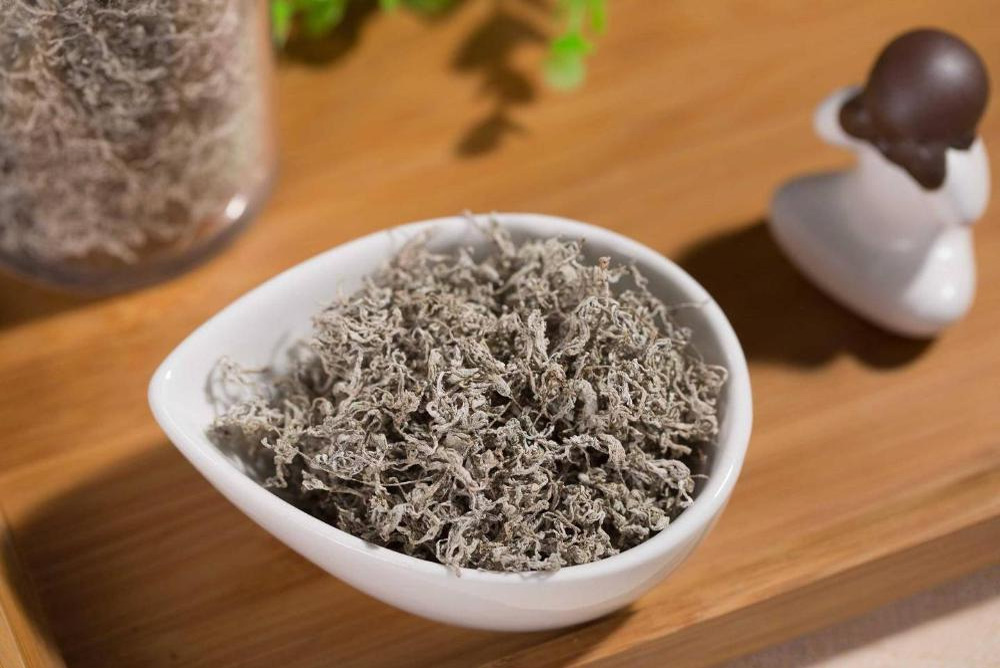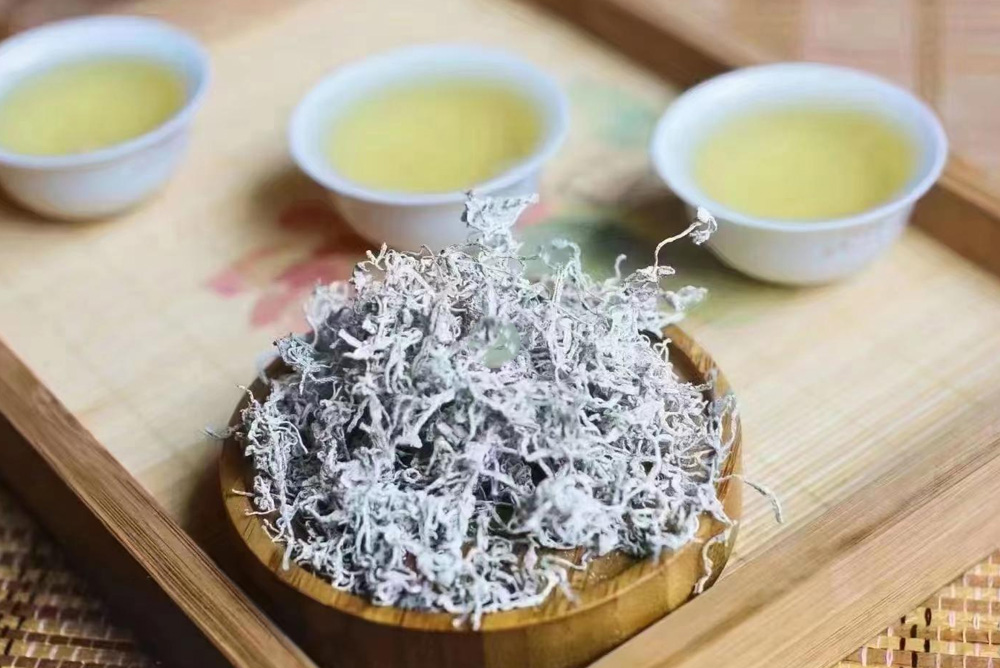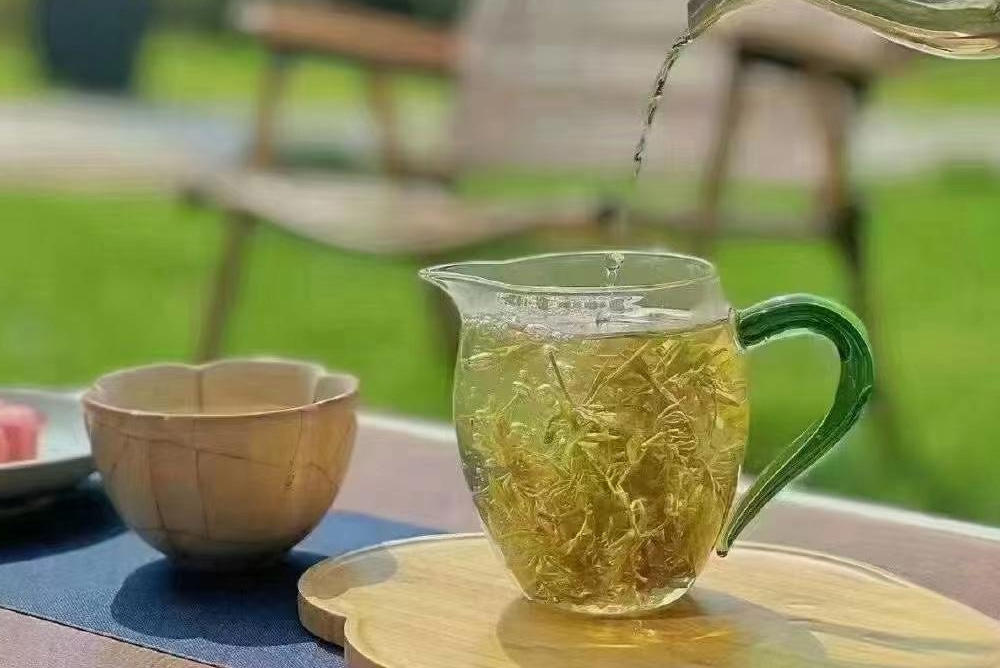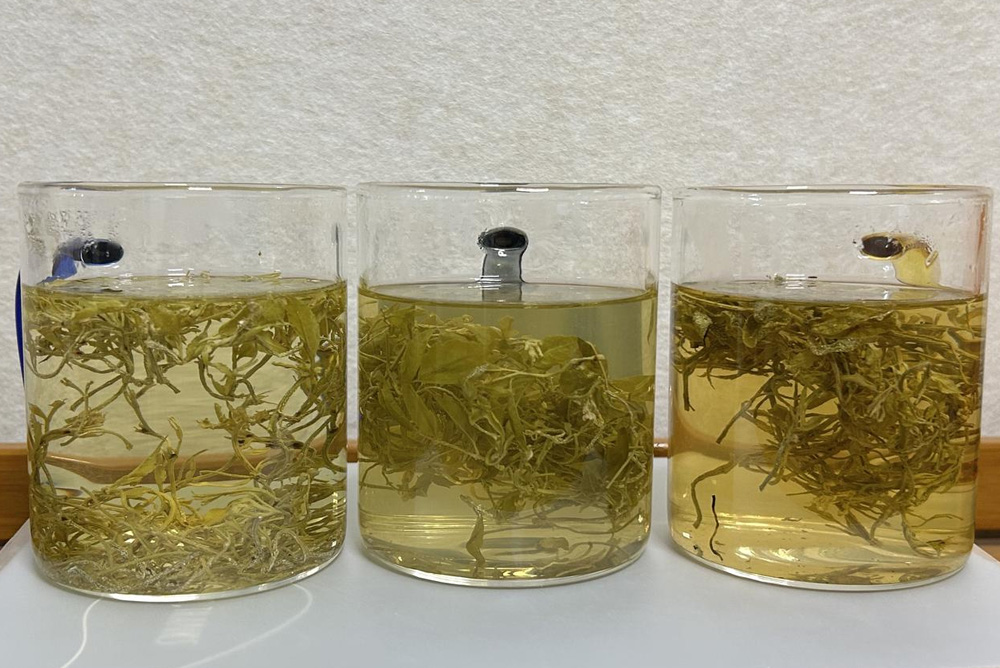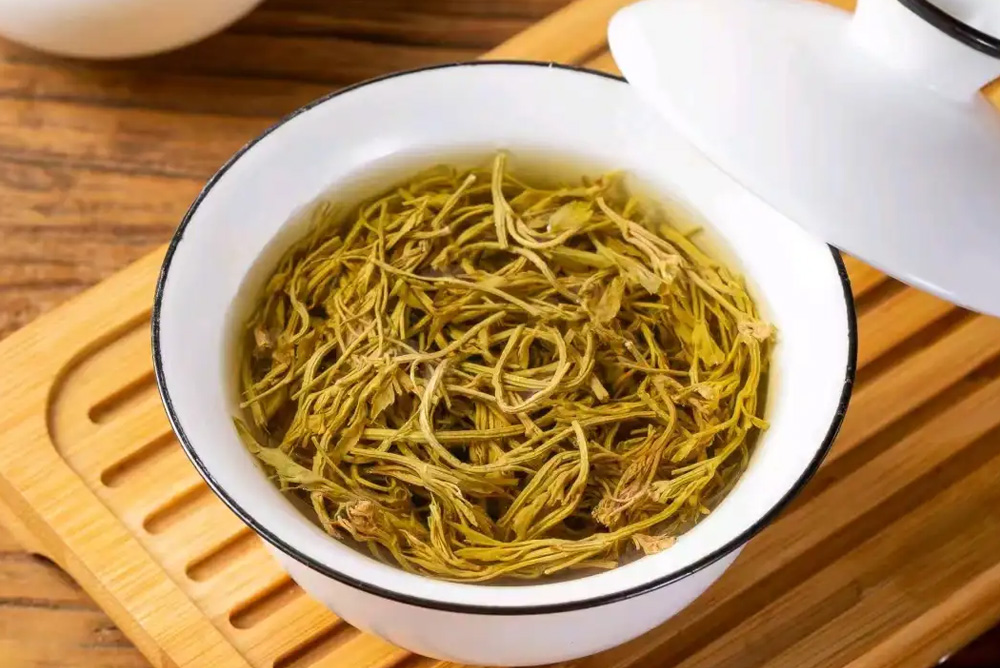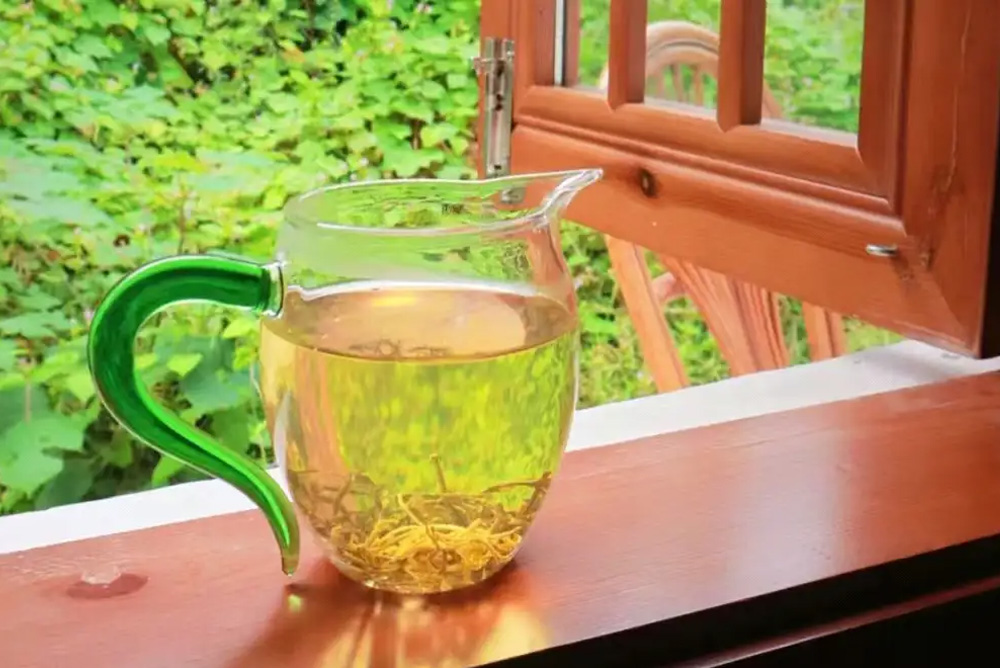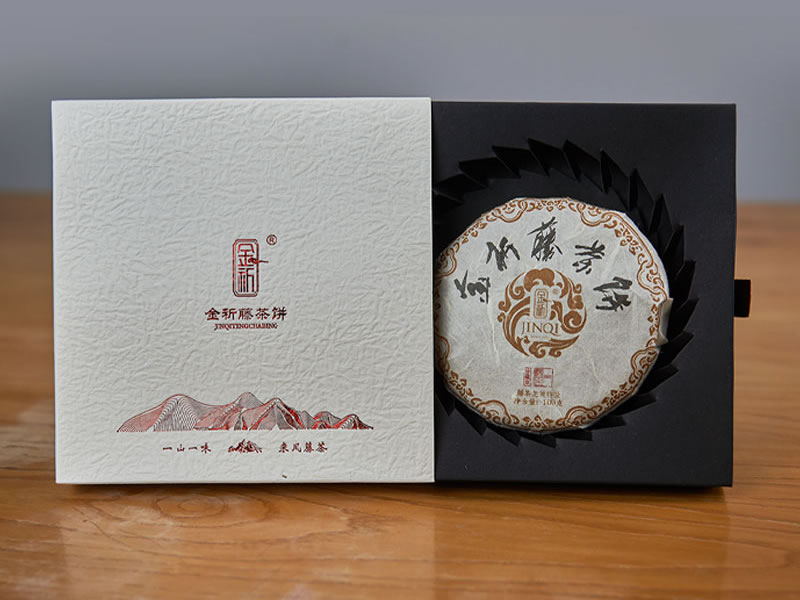
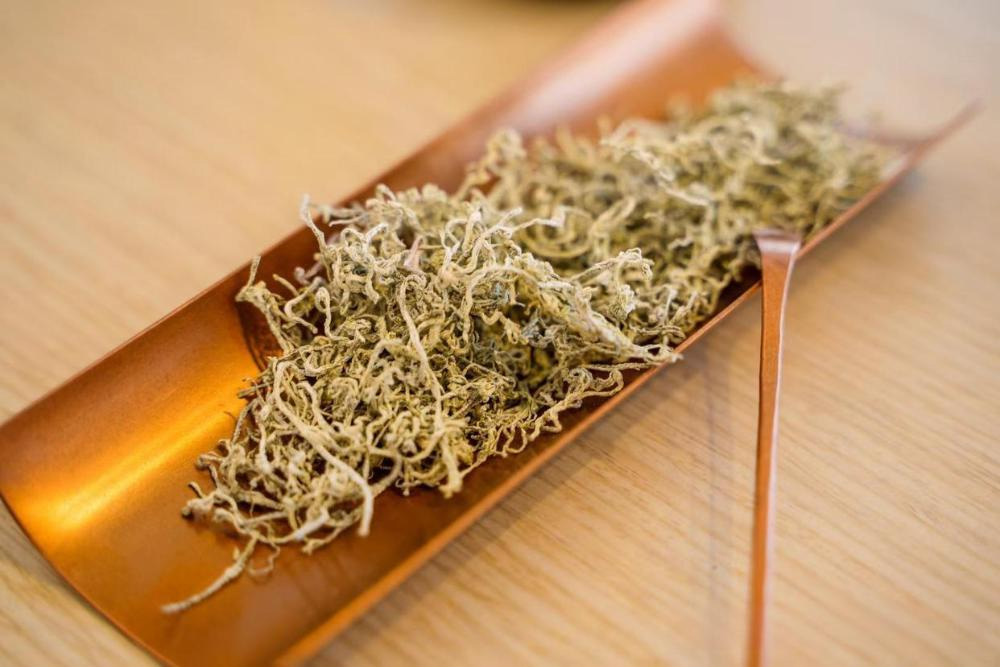
Vine tea, known scientifically as Ampelopsis grossedentata, is a rare herbal treasure from the mountains of China — and it’s not your everyday cup of tea. In fact, it isn’t even from the camellia family like green or black tea. Instead, it’s a “non-tea tea” traditionally enjoyed for its remarkable health benefits rather than just its flavor.
For centuries, the Tujia people of Zhangjiajie have relied on vine tea to stay strong in the challenging mountain climate. In modern times, science has confirmed what tradition has always known — vine tea is loaded with antioxidants, minerals, and bioactive compounds that make it a true health powerhouse. But here’s the catch: to get the best from it, you need to brew it the right way.
What Makes Vine Tea So Special?
The “King of Flavonoids”
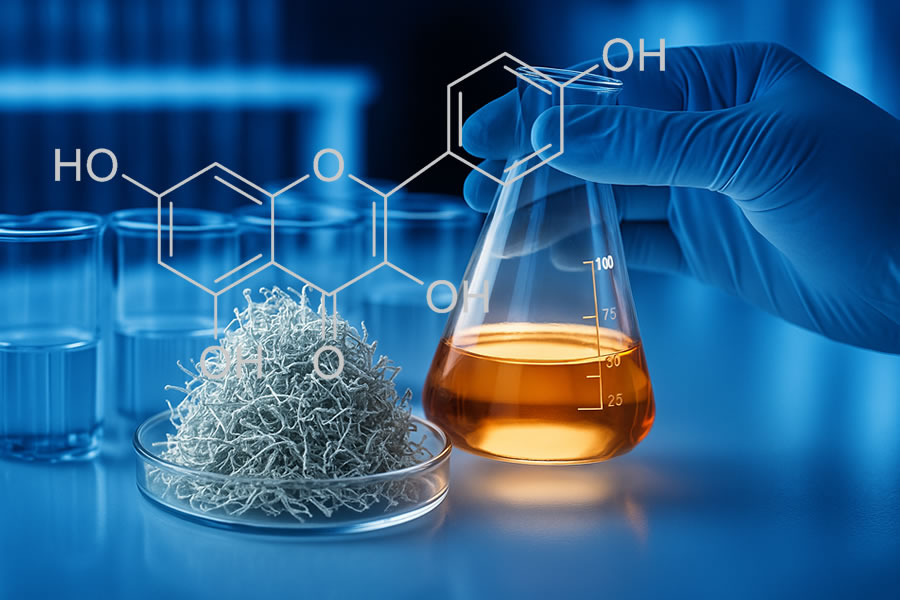
If antioxidants had royalty, vine tea would wear the crown. Its average flavonoid content is around 26.1%, and the tender bud tips can reach an astonishing 47.8%. For comparison, most green teas contain only about 3% flavonoids.
These flavonoids aren’t just numbers — they’re powerful plant compounds known to:
-
Support heart and liver health
-
Lower blood pressure, blood sugar, and cholesterol
-
Strengthen the immune system
-
Combat inflammation and oxidative stress
-
Slow down aging at the cellular level
Nutritional Richness
Beyond flavonoids, vine tea contains:
-
17 amino acids for metabolism and recovery
-
14 essential minerals including potassium, calcium, iron, zinc, and selenium
-
Natural anti-inflammatory and antibacterial agents
This makes it particularly beneficial for those with weak immunity, high stress levels, or nutrient deficiencies.
10 Best Ways to Drink Vine Tea for Maximum Benefits
Depending on your needs, vine tea can be enjoyed in different ways. Here’s how you can tailor your brew for specific results:
-
For Throat Health & Sore Throat Relief
Brew vine tea alone or mix with lotus seed core and honey. Drink warm, taking large sips and swallowing slowly to coat the throat. -
For High Blood Pressure, Blood Sugar, or Cholesterol
Drink 200–300 ml of strong vine tea about 30 minutes before meals to help improve circulation and support metabolic balance. -
For Liver Protection & Hangover Recovery
-
Before drinking alcohol: 300 ml of strong vine tea can help protect your liver and stomach.
-
After drinking alcohol: 200–300 ml helps the liver process toxins and can ease hangover symptoms.
-
-
For Constipation & Detox
Steep 8 g of vine tea in 200–300 ml boiling water for 5 minutes. Drink one strong cup on an empty stomach each morning to encourage healthy digestion. -
For Better Sleep
Sip 200–300 ml of warm vine tea about an hour before bedtime to promote relaxation and improve sleep quality. -
For Cold Stomach or Indigestion
Combine 4 g vine tea with 5 g sliced fresh ginger, boil in 200 ml water, and drink three times daily. This warms the stomach and reduces discomfort. -
For Toothache or Mouth Ulcers
Hold a mouthful of strong vine tea for 1 minute before swallowing. Repeat several times a day for soothing relief. -
For Cold or Flu
Increase the amount and drink 2–3 liters of warm vine tea throughout the day to help relieve symptoms. -
For Rheumatism
Soak 40 g vine tea in 500 ml of 50% alcohol for 15 days. Can be taken internally in small amounts or used externally for massage. -
For Asthma Relief
Use leftover brewed vine tea leaves (2 g), mix with one egg and a pinch of salt, cook into a pancake, then simmer briefly with water before eating once a day.
Brewing Vine Tea the Right Way
To preserve vine tea’s natural goodness, follow these steps:
-
Tea amount: 2–3 g per cup
-
Water temperature: Above 95°C (203°F)
-
Water volume: 200–300 ml
-
Steeping time: 2–3 minutes
-
Refills: You can re-steep 2–3 times without losing flavor or benefits
Important notes:
-
Do not rinse/wash the tea before brewing — you’ll lose valuable flavonoids.
-
Always use very hot water to fully release the nutrients.
A Heritage Brew for Modern Wellness
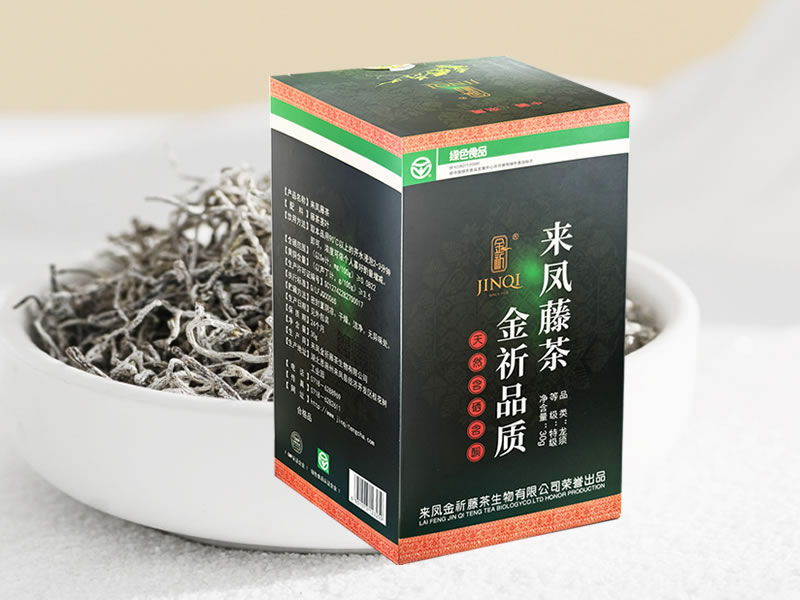
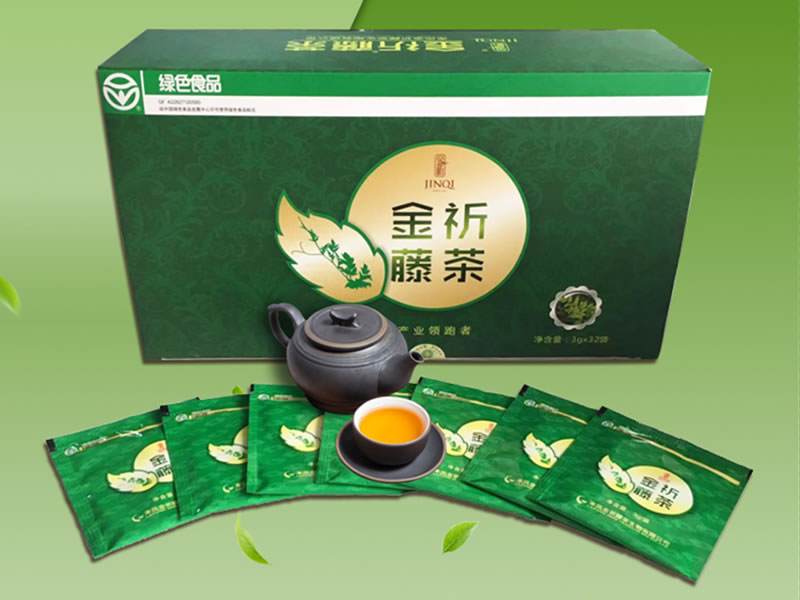
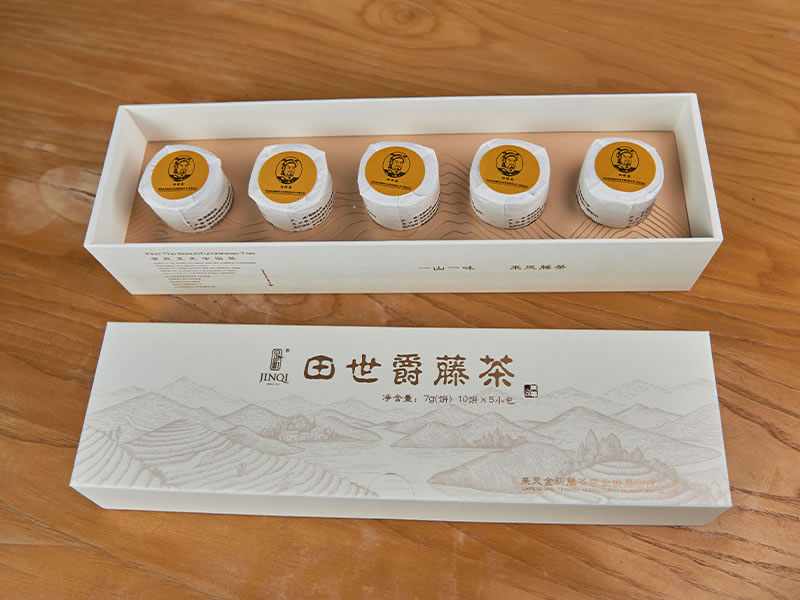
Vine tea (Ampelopsis grossedentata) isn’t just a drink — it’s a piece of living heritage. Every cup connects you to centuries of tradition and to the pristine mountains where it grows. At JINQI Vine Tea Co., Ltd., we’ve spent over 20 years perfecting the art of cultivating and processing authentic Laifeng-sourced vine tea under GMP-certified conditions.
From hand-picked loose leaves to convenient tea bags and innovative functional products, our mission is to bring the purest form of this remarkable tea to the world — sustainably, ethically, and with respect for its cultural roots.
Ready to experience the real “King of Flavonoids”?
Contact JINQI Vine Tea Co., Ltd. to source premium-grade vine tea directly from its authentic origin.
FAQs
Q: Can vine tea be drunk daily?
Yes! For most people, daily consumption is safe and can enhance overall health.
Q: Does vine tea contain caffeine?
No — it’s naturally caffeine-free, making it suitable for evening consumption.
Q: Can pregnant women drink vine tea?
Consult a healthcare professional before use during pregnancy or breastfeeding.
Q: How is vine tea different from green tea?
It’s not from the same plant family as green tea and has a much higher flavonoid content, giving it distinct health benefits.