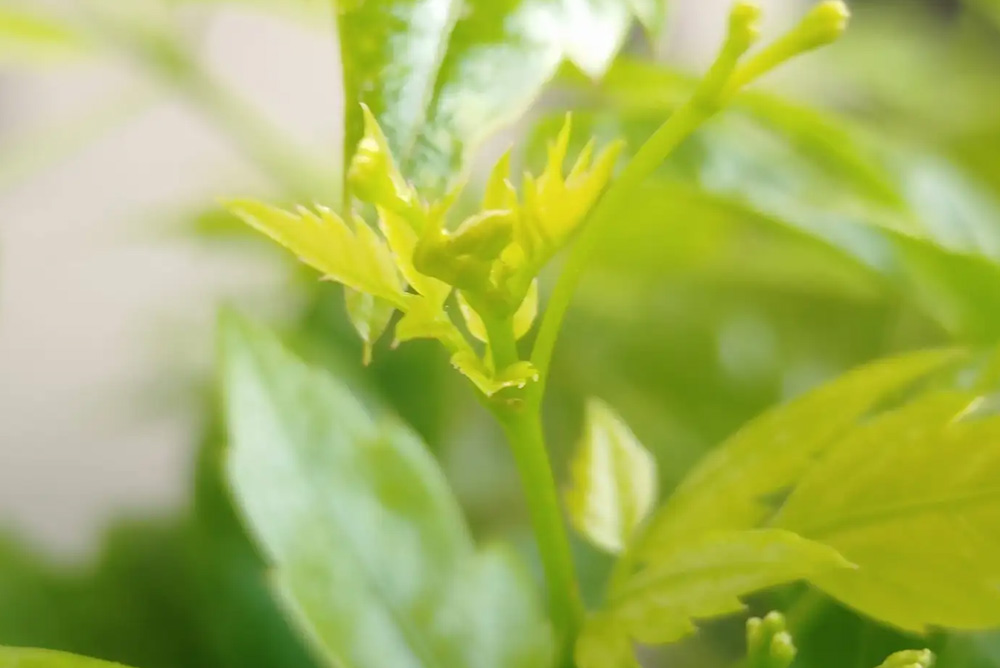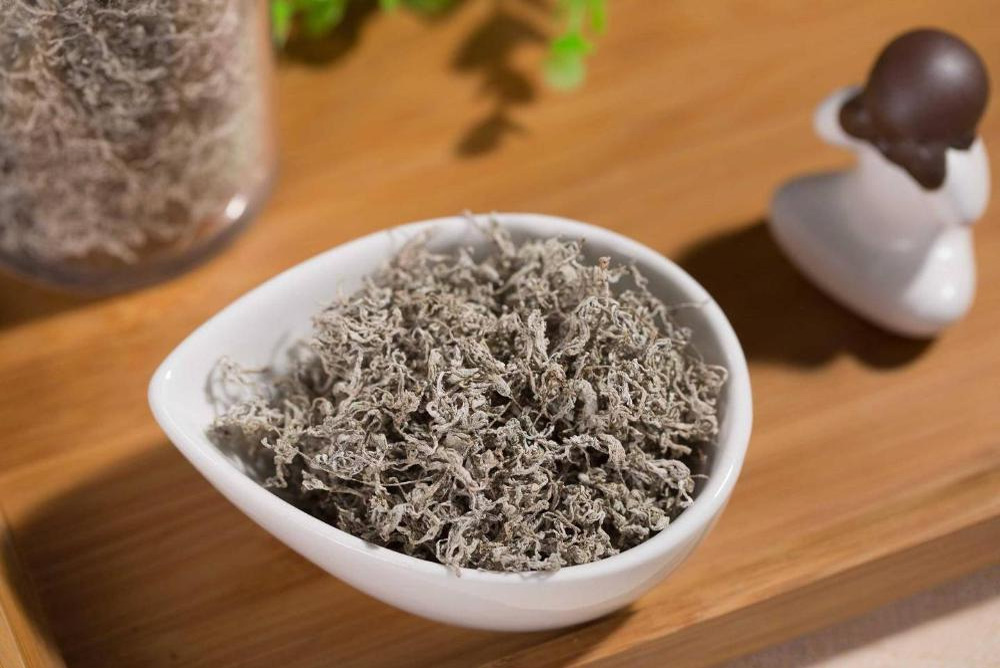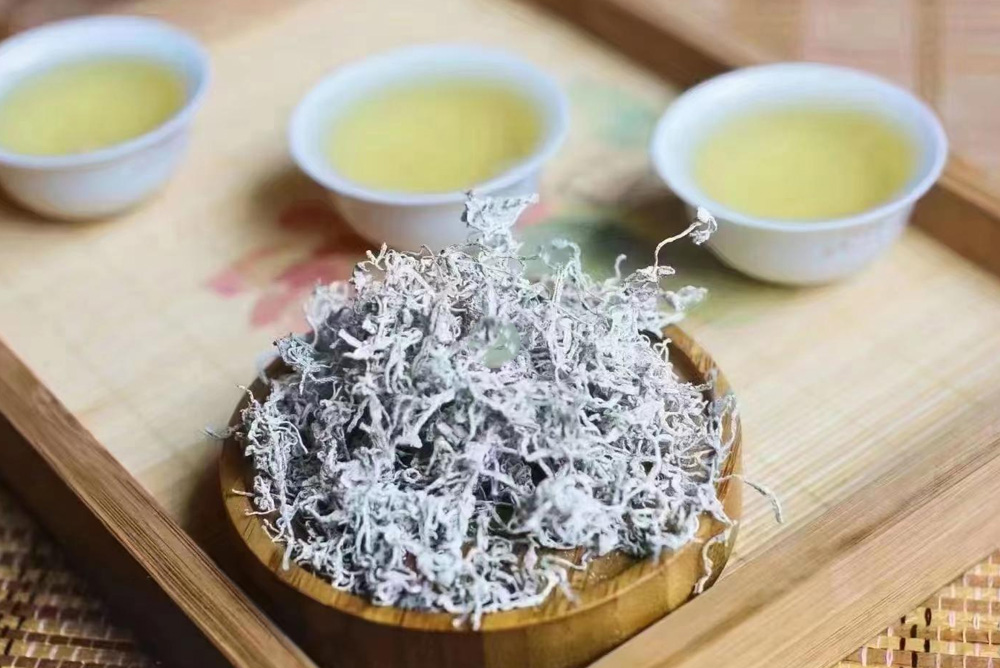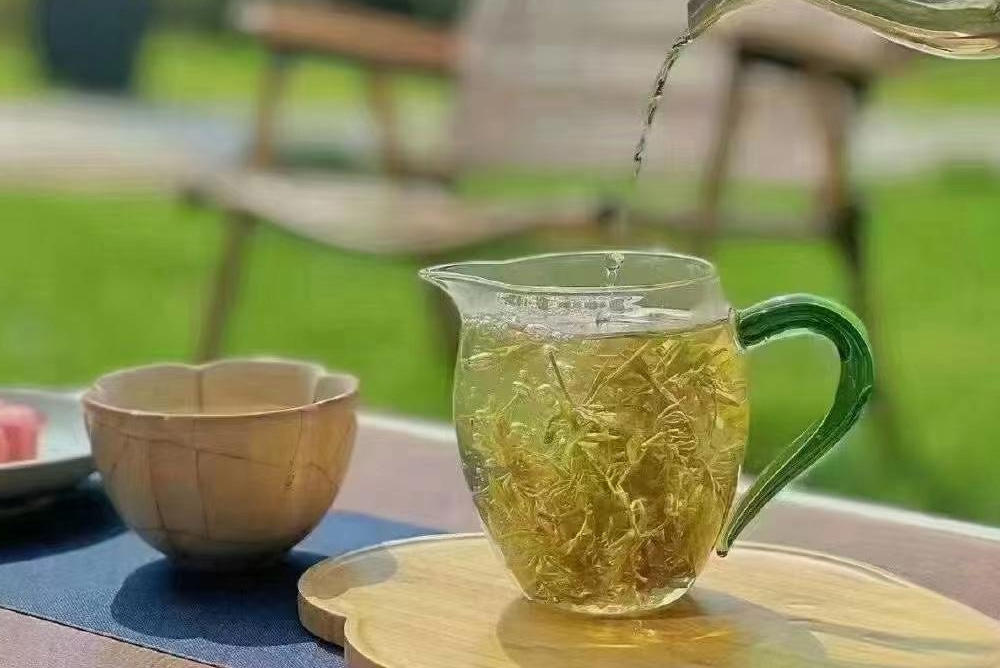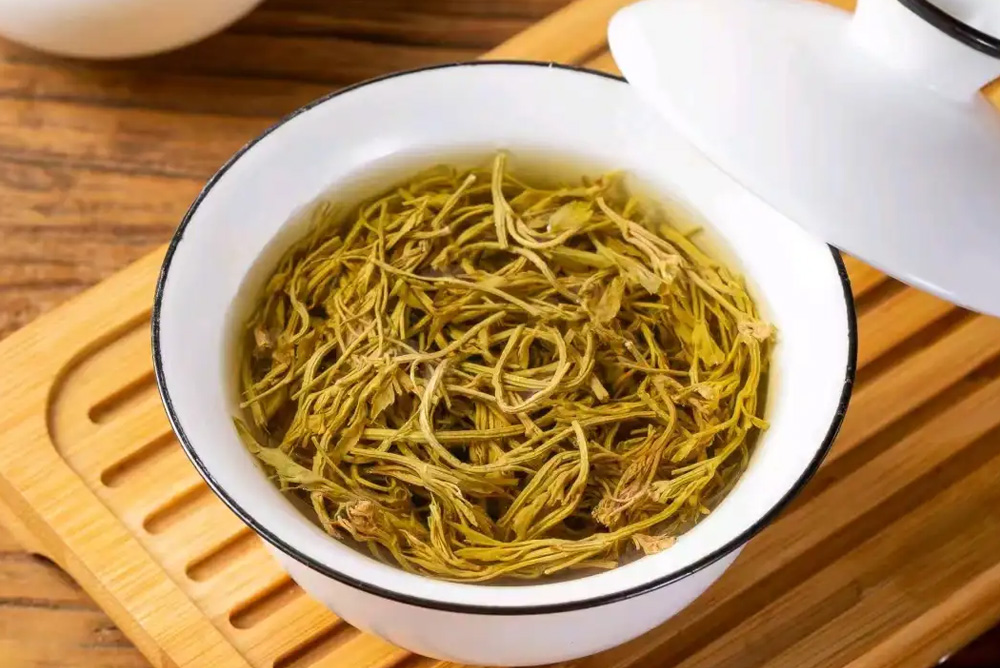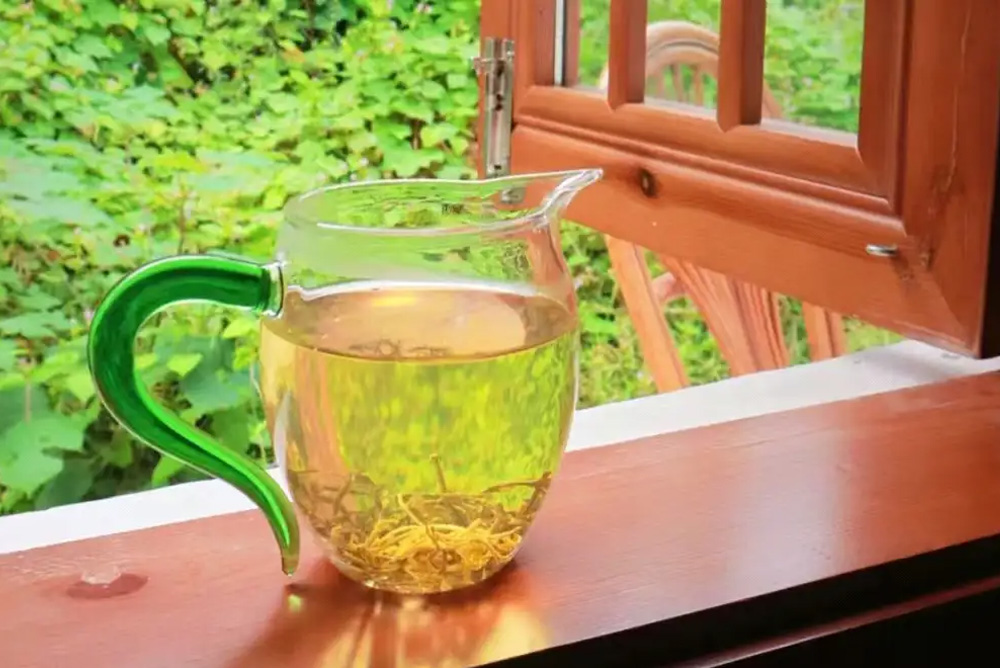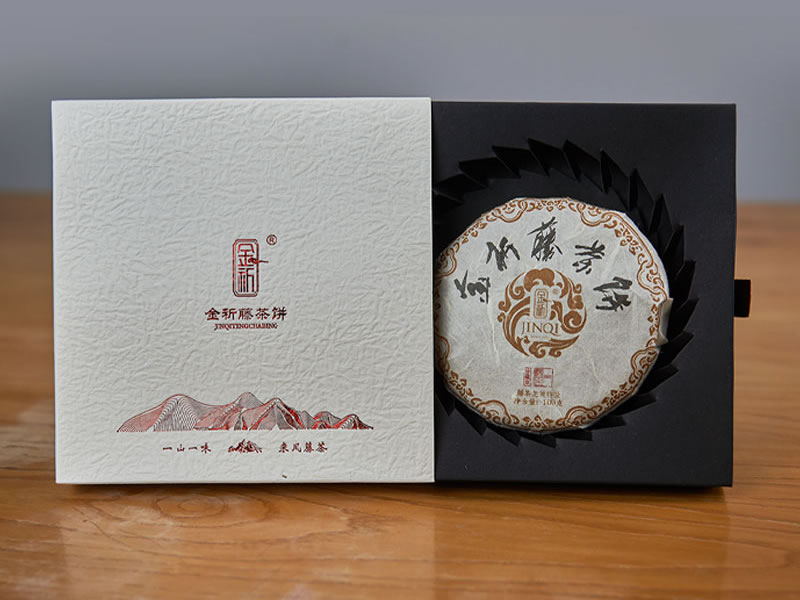
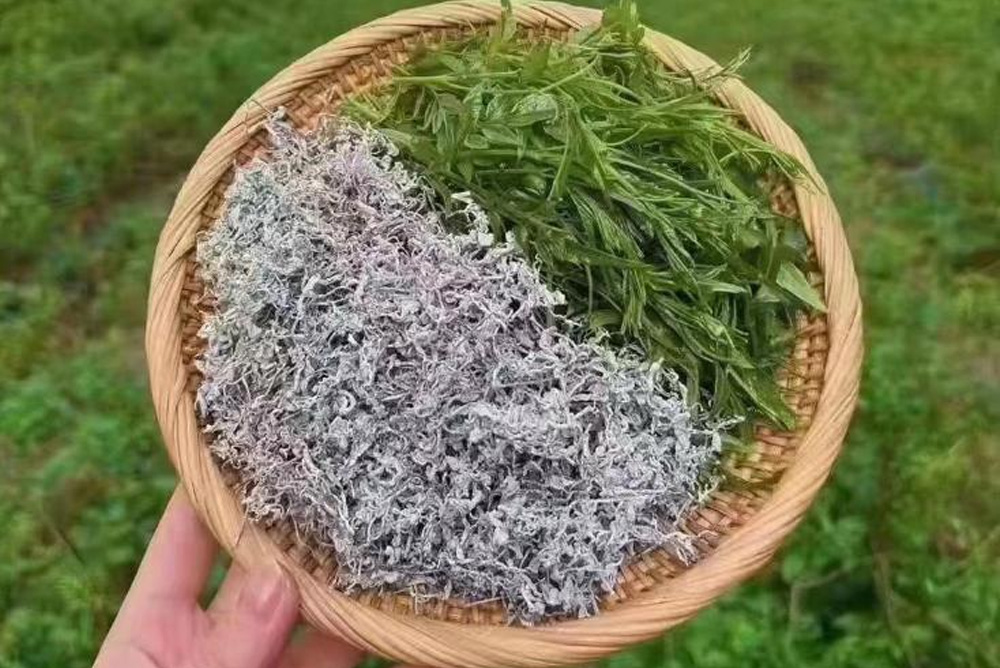
For over 700 years, the Tujia people of China’s Laifeng County have brewed a unique herbal drink called vine tea, known in botanical terms as Ampelopsis grossedentata. With its rich concentration of flavonoids and distinct cooling properties, vine tea has long been valued for soothing sore throats, refreshing the body, and supporting overall wellness.
In recent years, it’s been gaining global attention — thanks not only to its medicinal potential but also to a surge in eco-conscious, health-focused lifestyles. But here’s the thing: while vine tea can be an excellent choice for many, it’s not a perfect fit for everyone.
This guide will walk you through:
- The groups of people who may benefit most from vine tea
- The few cases where drinking vine tea is not recommended
- Practical brewing tips to maximize its benefits
Table of Contents
ToggleA Brief Look at Vine Tea’s Heritage
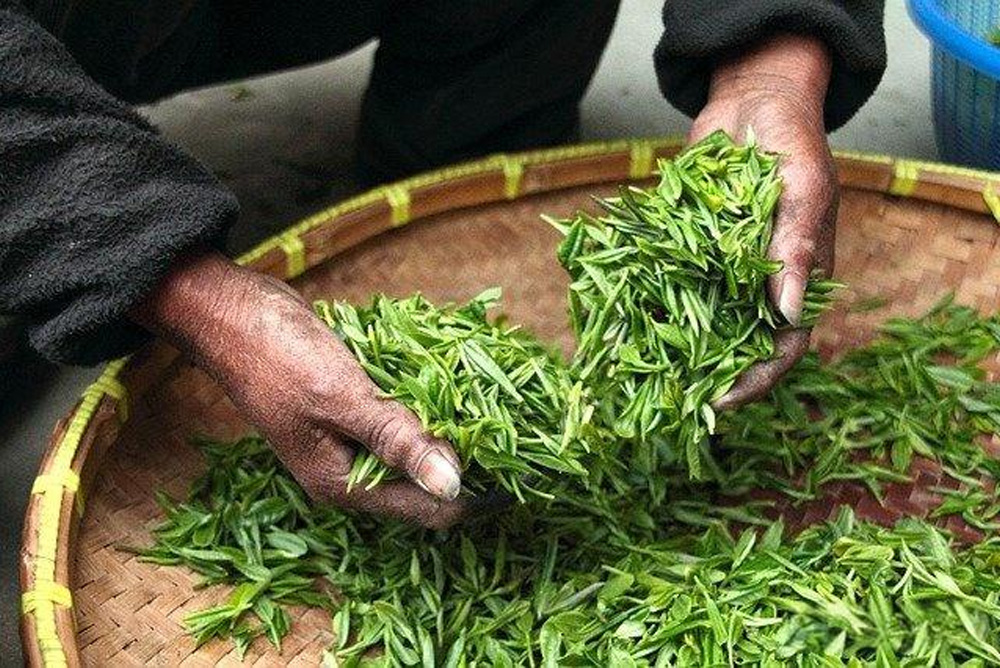
In the mountains of western Hubei Province, vine tea is more than just a drink — it’s a tradition. The Tujia people have relied on it for centuries, crafting it through over 20 meticulous steps that preserve its aroma, flavor, and bioactive compounds.
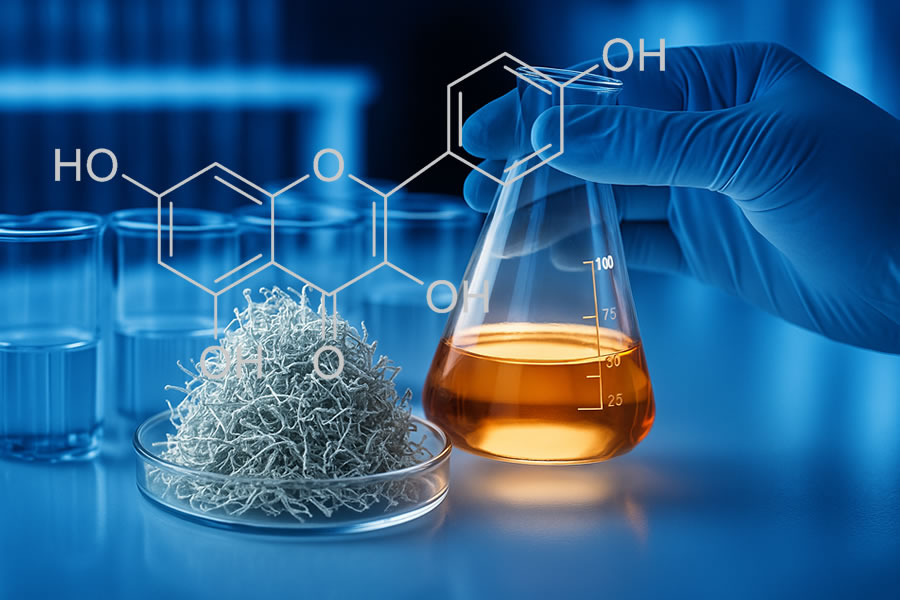
Traditionally, it’s the go-to remedy for everyday ailments like colds, sore throats, and inflammation. Today, scientific research confirms what locals have always believed: vine tea is loaded with beneficial flavonoids, including the rare dihydromyricetin (DHM), known for its antioxidant and liver-protective effects.
Who Benefits Most from Vine Tea?
While anyone can enjoy vine tea for its refreshing taste, certain people may see extra advantages from making it part of their daily routine.
1. Professionals Who Rely on Their Voice
Teachers, singers, broadcasters, public speakers — if your job requires talking or singing for hours, vine tea can be a natural throat soother. Its cooling nature helps ease irritation and supports vocal clarity over time.
2. Middle-aged and Older Adults with Cardiovascular Concerns
Studies suggest that vine tea may help regulate blood lipids, support healthy blood pressure, and promote better circulation. For those managing high cholesterol, hypertension, or blood sugar imbalances, it’s a gentle addition to a heart-friendly lifestyle.
3. People in Polluted or Dusty Environments
Urban dwellers, construction workers, or anyone exposed to poor air quality could benefit from vine tea’s detoxifying effects. The flavonoids may help neutralize harmful substances in the bloodstream and assist the body in flushing them out.
4. Frequent Alcohol Drinkers
Dihydromyricetin (DHM), one of vine tea’s most unique compounds, has been studied for its liver-protective qualities. Regular drinkers may find it helps the body process alcohol more efficiently and reduces next-day sluggishness.
5. Those with High Stress or Sleep Difficulties
Chronic stress and insomnia can take a toll on health. Vine tea’s flavonoids may influence melatonin secretion, helping the body find a calmer, more balanced state — which could lead to better sleep quality.
Who Should Avoid Vine Tea?
Vine tea is generally considered safe, with no known toxic side effects. However, it has a naturally cooling (yin) property in traditional Chinese medicine terms, which means it’s not ideal for everyone.
You may want to avoid or limit vine tea if:
- You have a cold or sensitive stomach: People with chronic digestive weakness or “cold stomach” symptoms may find it uncomfortable.
- You have a severe stomach ulcer: The tea’s natural compounds may aggravate sensitive stomach linings in advanced ulcer cases.
If you’re unsure, it’s best to consult a healthcare professional before making vine tea a daily habit.
How to Brew Vine Tea for Maximum Benefits
To enjoy vine tea’s health-promoting properties, preparation matters. Here’s a simple, effective method:
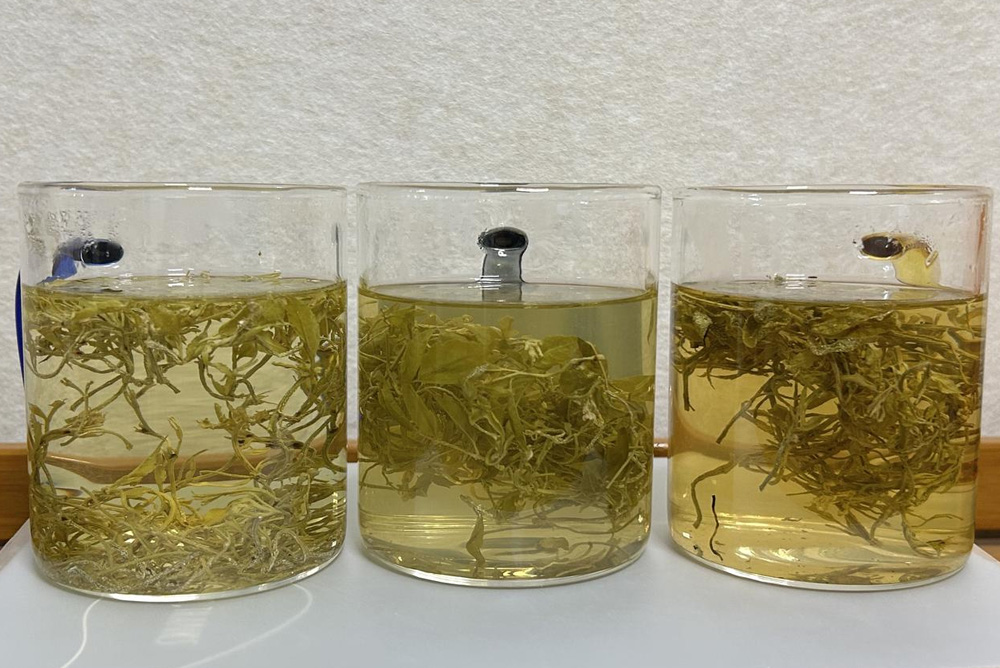
- Measure the tea: Use about 3–5 grams of loose vine tea leaves per 300 ml (10 oz) of water.
- Use hot, not boiling, water: Around 85–90°C (185–194°F) helps preserve delicate flavonoids.
- Steep briefly: 1–3 minutes is enough for the first infusion; re-steep up to 3–4 times.
- Avoid metal containers: Use glass, porcelain, or clay for best taste.
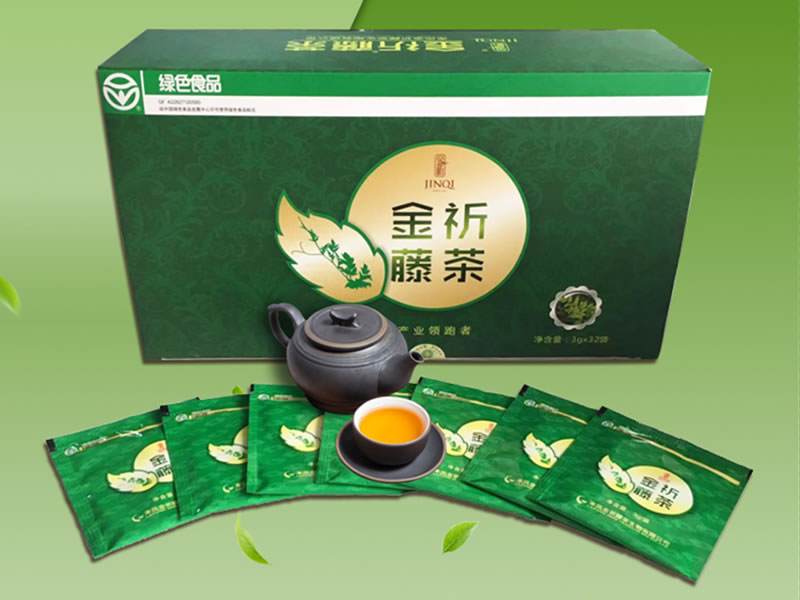
For convenience, vine tea is also available in tea bags, instant powders, and even functional beverages — ideal for busy lifestyles.
Beyond the Cup: Modern Applications of Vine Tea
Thanks to advanced processing techniques, vine tea’s benefits now extend into:
- Nutraceuticals & Supplements – Concentrated flavonoid capsules
- Functional Beverages – Vine tea blended with fruit and herbs
- Oral Care Products – Toothpaste and mouthwash with vine tea extract
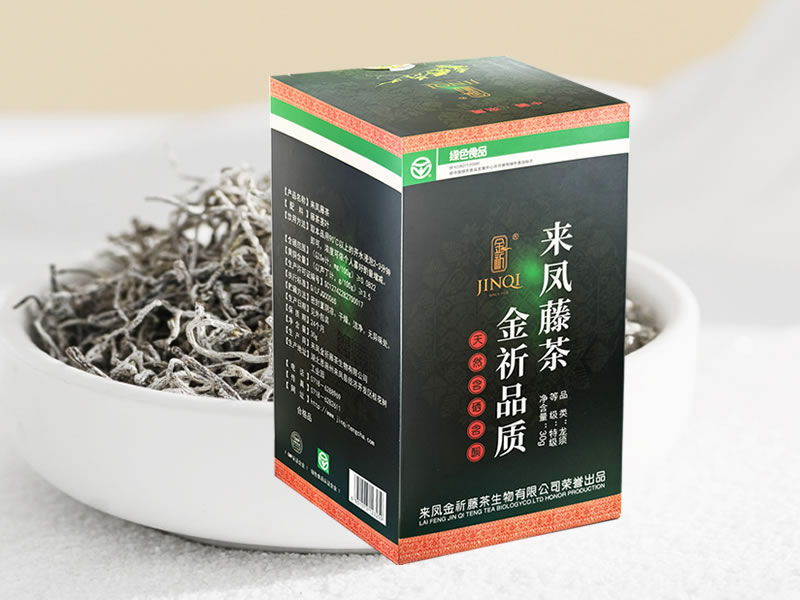
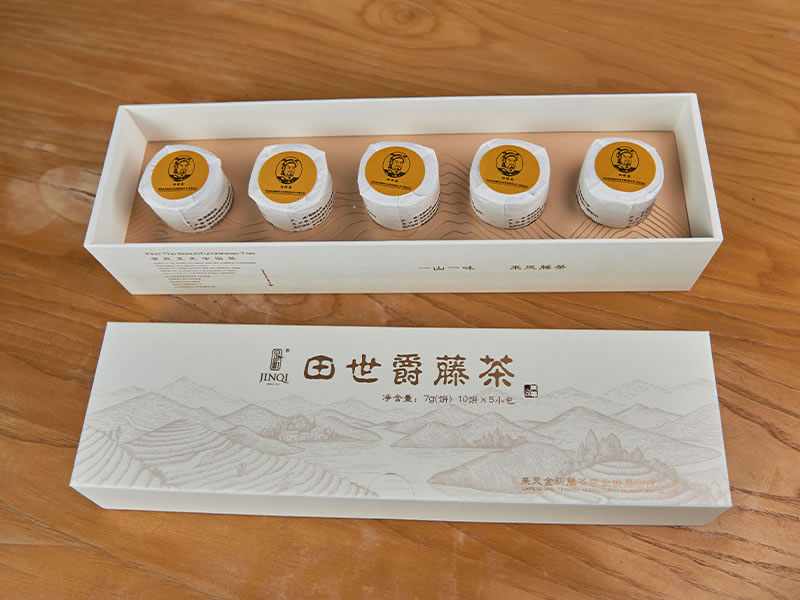
JINQI Vine Tea Co., Ltd., for example, produces everything from traditional loose leaves to innovative vine tea-based health products, ensuring quality through GMP-certified manufacturing and eco-friendly farming.
Final Thoughts
Vine tea (Ampelopsis grossedentata) is a remarkable herbal drink with centuries of tradition and a growing body of modern scientific support. Whether you’re a teacher protecting your voice, a health-conscious adult supporting heart wellness, or simply someone looking for a refreshing, antioxidant-rich tea, vine tea can be a worthwhile addition to your routine.
However, like all herbal remedies, it’s important to know your own body. If you have a cold-sensitive stomach or severe digestive issues, this may not be the right tea for you.
At JINQI Vine Tea Co., Ltd., we’re committed to sharing authentic vine tea from Laifeng County with the world — sustainably grown, expertly processed, and packed with natural goodness. If you’re ready to explore premium vine tea for personal use or wholesale supply, reach out to our team and discover why JINQI is a trusted name in Ampelopsis grossedentata.
FAQs
Q: Is vine tea the same as green tea?
No. Vine tea comes from the plant Ampelopsis grossedentata and has a different chemical profile, including a high DHM content.
Q: Can vine tea be drunk daily?
Yes, for most people, daily consumption is safe and beneficial.
Q: Does vine tea contain caffeine?
No, vine tea is naturally caffeine-free.
Q: Where can I buy high-quality vine tea?
Direct from producers like JINQI Vine Tea Co., Ltd., who offer both traditional and modern formats.