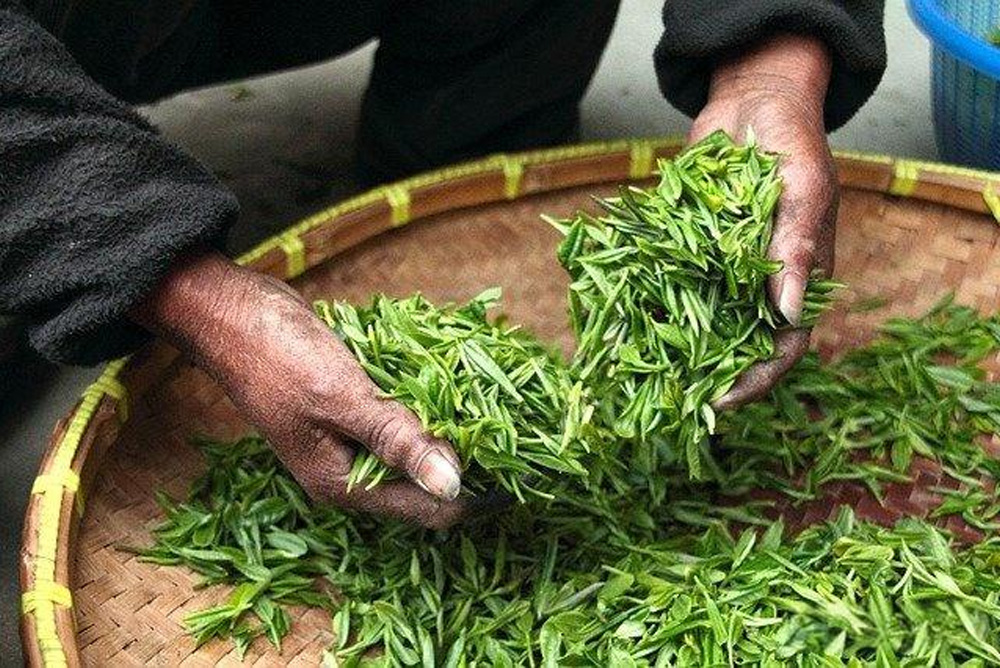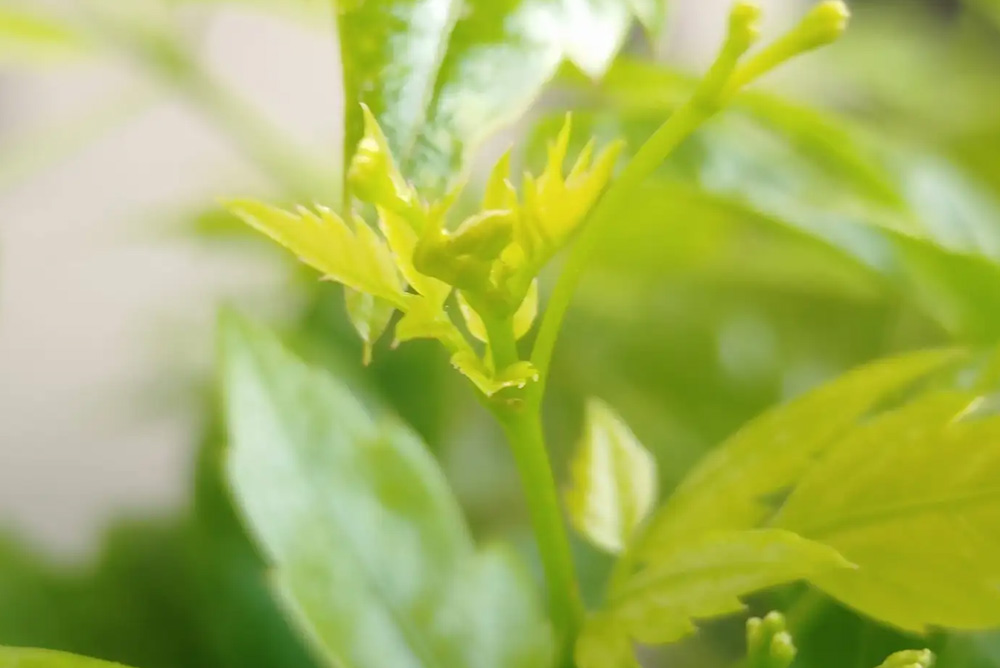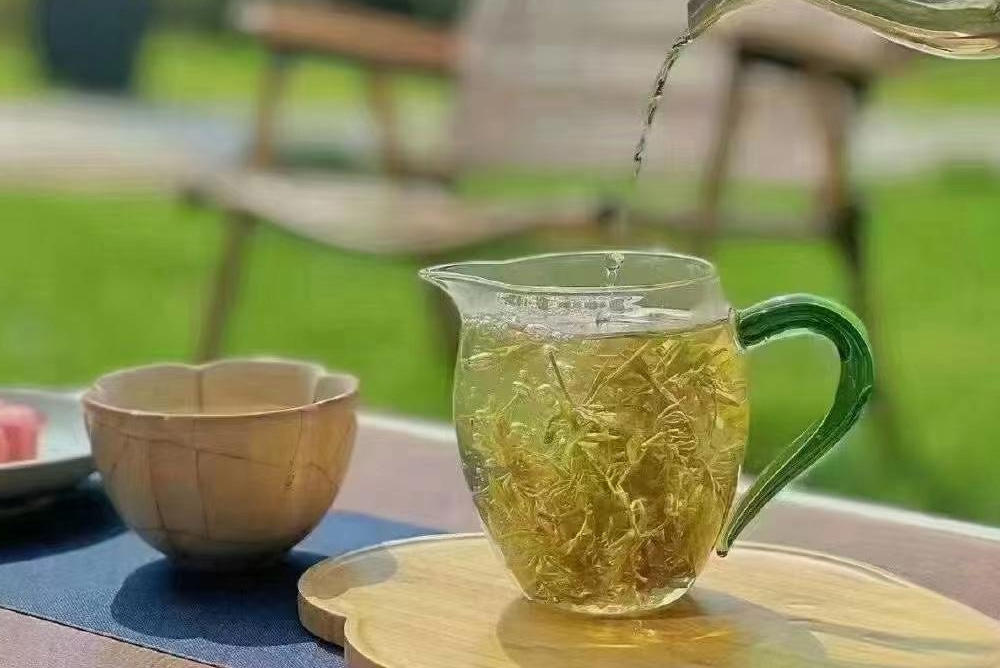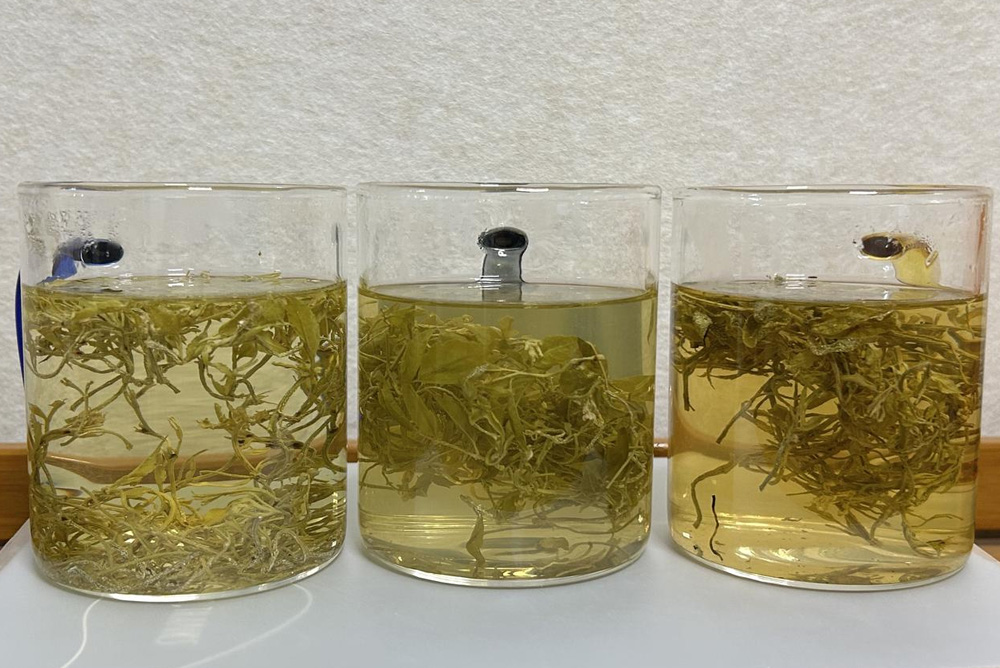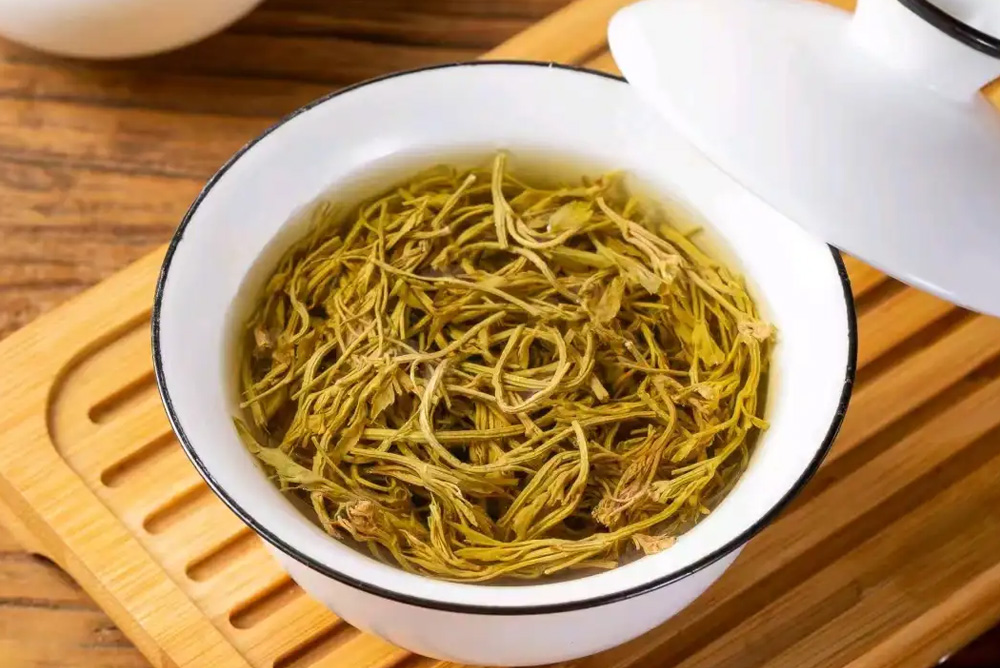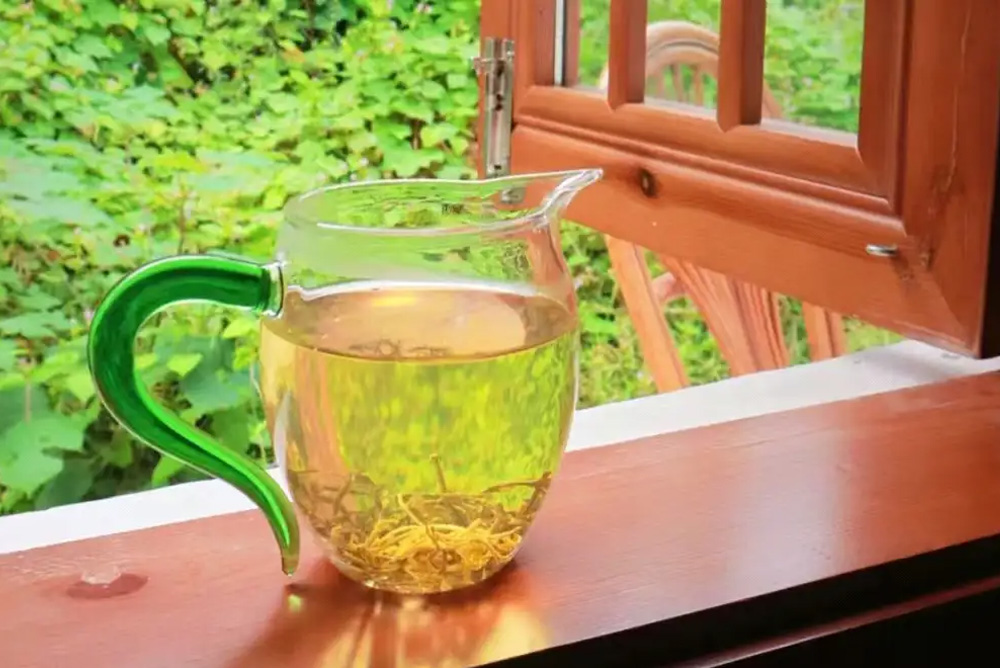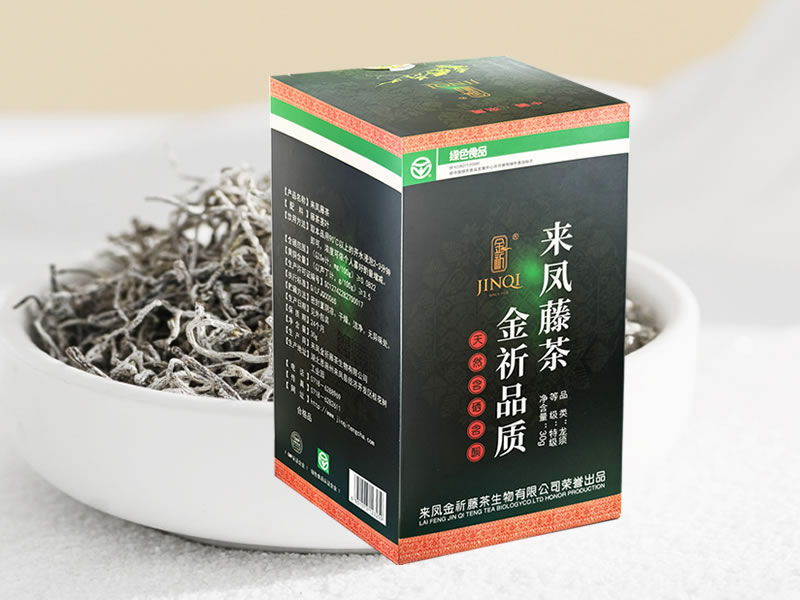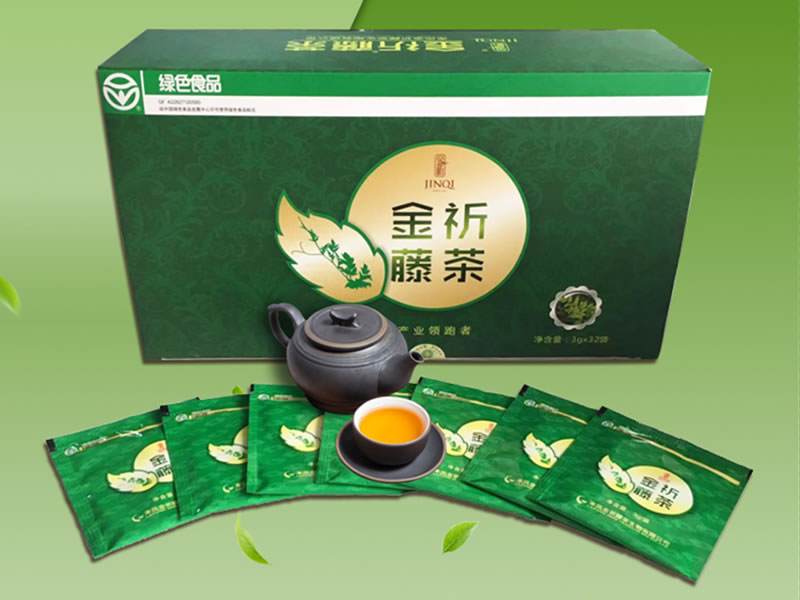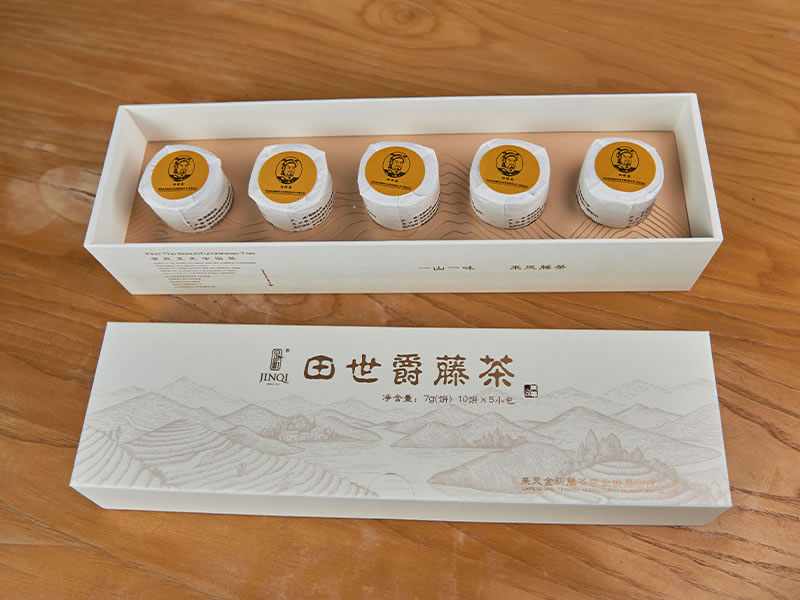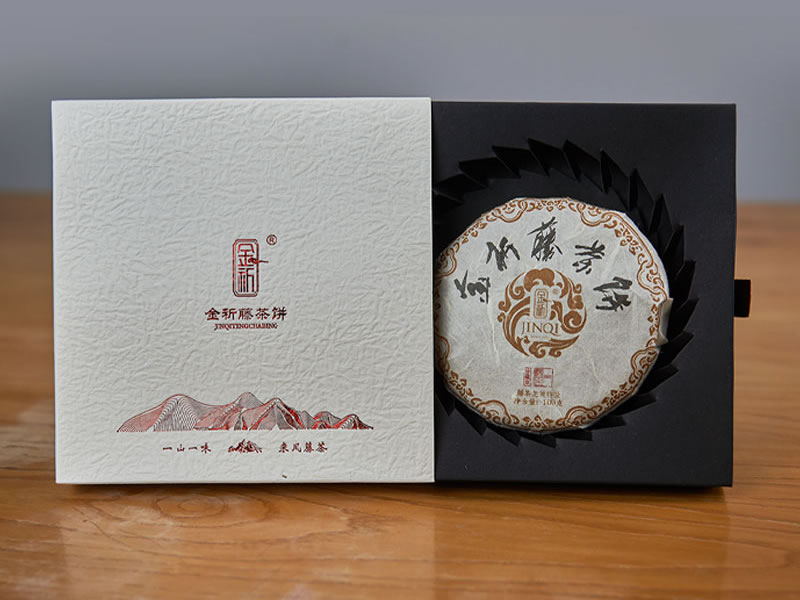
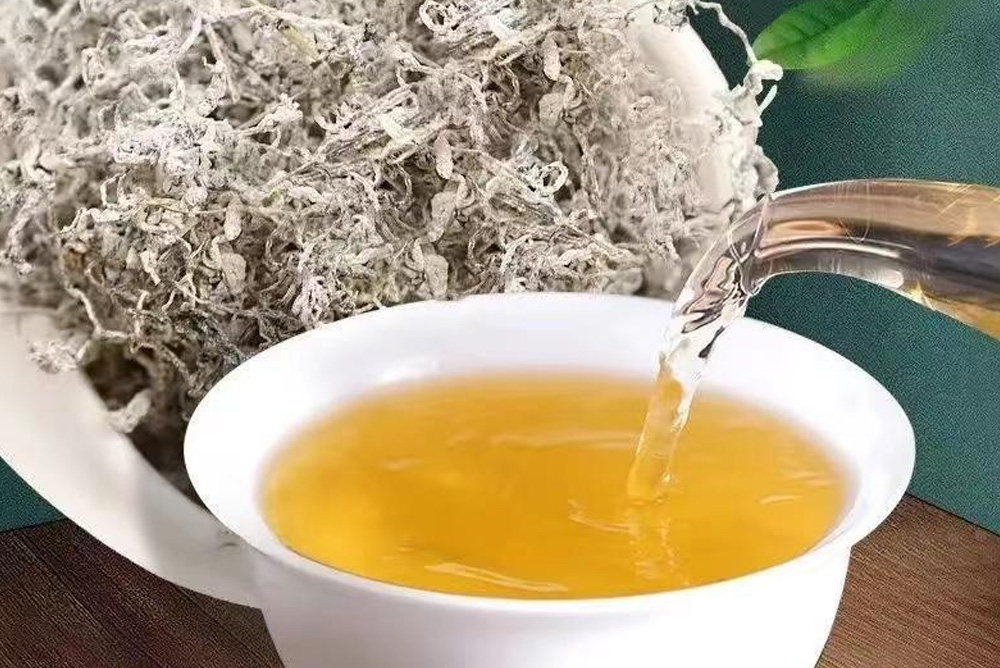
Vine tea, known in botany as Ampelopsis grossedentata, belongs to the grape family (Vitaceae) and the snake grape genus. For centuries, it was a treasured part of Tujia ethnic culture in Zhangjiajie, valued not only as a flavorful herbal drink but also as a traditional remedy for health and vitality.
From “Mold Tea” to “Vine Tea”
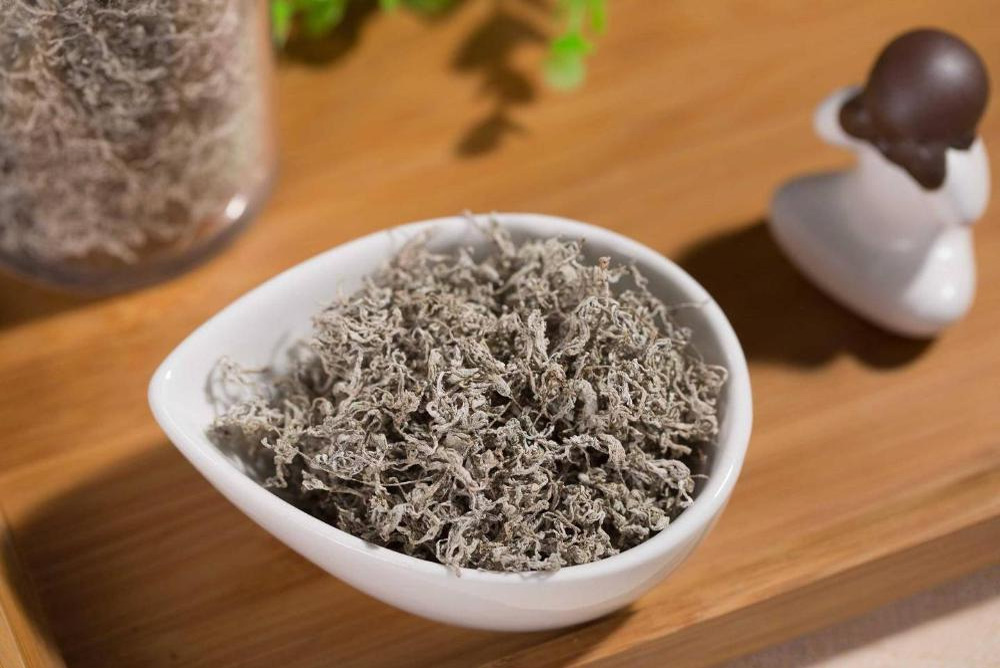
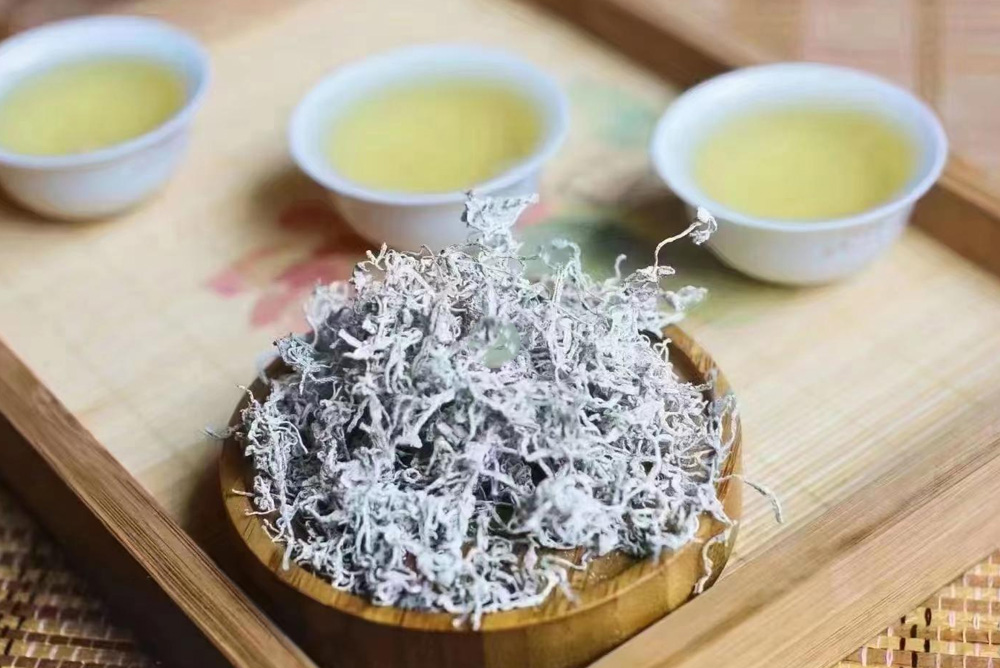
Historically, vine tea had a rather unusual name—“mold tea”. This was because after processing, the tea leaves develop a natural white frost-like coating, giving them a mold-like appearance. The name stuck for hundreds of years, even though the tea itself was prized for its benefits.
Since the plant is a climbing vine, it was also called “vine tea” in local dialects. The “mold tea” term lasted until the 1990s, when researchers and tea promoters decided it needed a name that better reflected its beauty and appeal.
A Tea Rooted in Tujia Tradition
Vine tea is deeply embedded in Tujia heritage, appearing in historical medical works like Tujia Medicine, National Compilation of Chinese Herbal Medicines, and Hunan Chinese Medicinal Materials (2009 edition). Locally, it has long been called Tujia Sweet Dew, Longevity Vine, and Immortal Herb because of its reputed healing properties—relieving illness, strengthening the body, and promoting long life.
One legend from the late Yuan and early Ming dynasties tells of “Divine Tea Saving Soldiers.” In this story, vine tea—referred to as “divine tea”—was used to aid the troops of Tujia leader Tan Hou Wang, earning it the honorable title “Chieftain King Tea.”
How “Mold Tea” Became “Berry Tea” and “Vine Tea”
In 1993, a group of researchers visited Shizinao Mountain along the Mao Yan River in Zhangjiajie. Guided by local Tujia people, they encountered and tasted this unique tea for the first time in a scientific context. Its pale yellow brew, grassy aroma, initial bitterness, and lingering sweetness fascinated them. Locals even claimed that when brewed in summer, it would stay fresh for several days without spoiling—a rare property for tea.
However, the name “mold tea” didn’t resonate well with modern consumers. To preserve tradition but avoid the negative connotation, someone suggested calling it “berry tea” because in autumn, the plant produces purple-red berries. This name retained the local heritage while sounding more appealing.
Because it was discovered and popularized along the Mao Yan River, it also became affectionately known as “Mao Yan Berry Tea.” Over time, the term “vine tea” emerged as an internationally friendly name, directly referencing its climbing plant nature and herbal identity.
Why This Story Matters Today
Understanding the history of vine tea (Ampelopsis grossedentata) is more than just knowing a name—it’s about connecting with centuries of cultural tradition, natural heritage, and community pride. At JINQI Vine Tea Co., Ltd., we honor this legacy by cultivating authentic vine tea in Laifeng County, ensuring every sip carries the essence of its origins.
Experience authentic vine tea rooted in tradition.
Explore JINQI Vine Tea Co., Ltd. and discover the rich heritage and health benefits of Ampelopsis grossedentata from the heart of China’s mountains.
FAQs
1. Why is it called vine tea?
It’s named for its climbing vine growth habit and natural white frost on the leaves after processing.
2. Where does vine tea come from?
Vine tea originates from Zhangjiajie, China, and has deep roots in Tujia ethnic culture.
3. Is vine tea the same as berry tea?
Yes. The name “berry tea” comes from its purple-red berries in autumn, but it’s the same plant—Ampelopsis grossedentata.