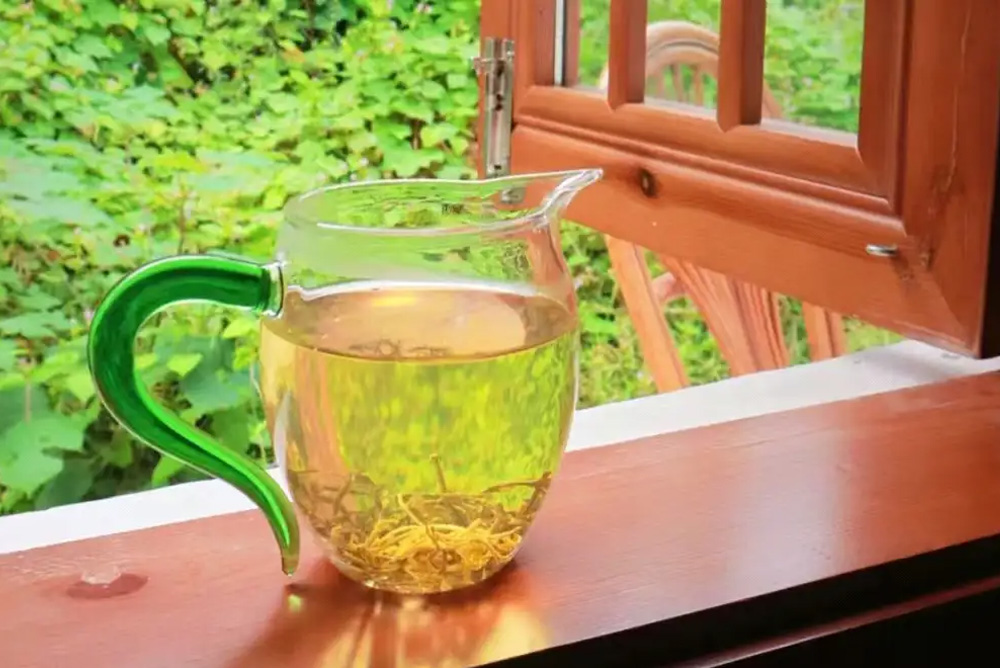
Ever brewed vine tea (Ampelopsis grossedentata) only to see the clear green or golden liquor gradually turn red? You’re not alone—many tea drinkers wonder if it’s still safe to drink. The good news? In most cases, the color change is perfectly natural. But there are also situations where it’s a warning sign.
This guide will walk you through the proper way to brew vine tea, explain why its color changes, and help you know when to sip and when to skip.
The Right Way to Brew Vine Tea
If you want to capture the fresh, smooth taste and health benefits of vine tea, brewing correctly makes all the difference.
Steps for perfect vine tea brewing:
-
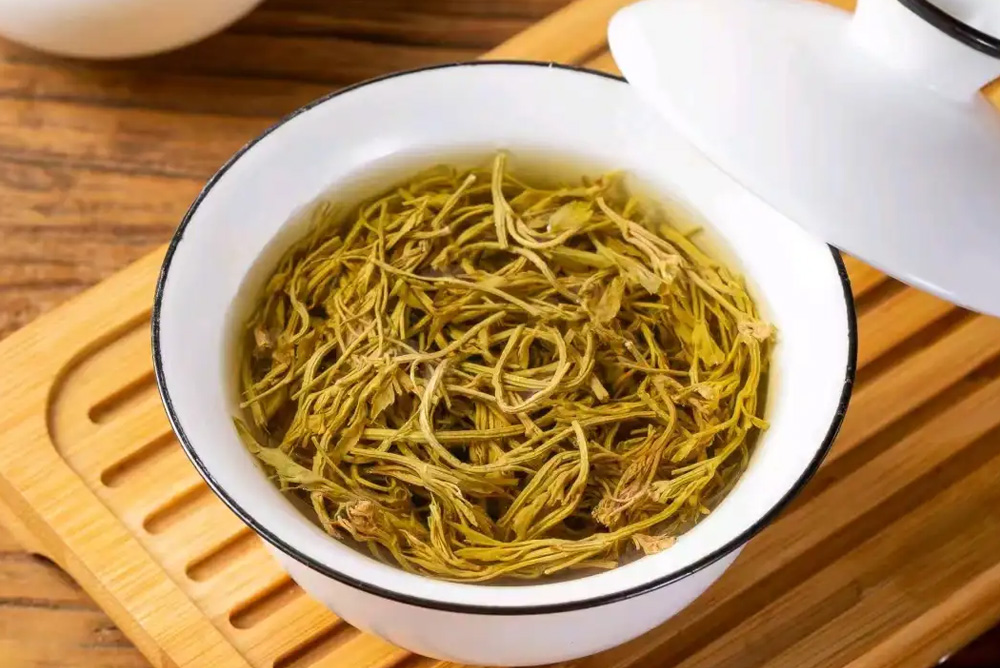
Measure 2–4 grams of vine tea leaves.
-
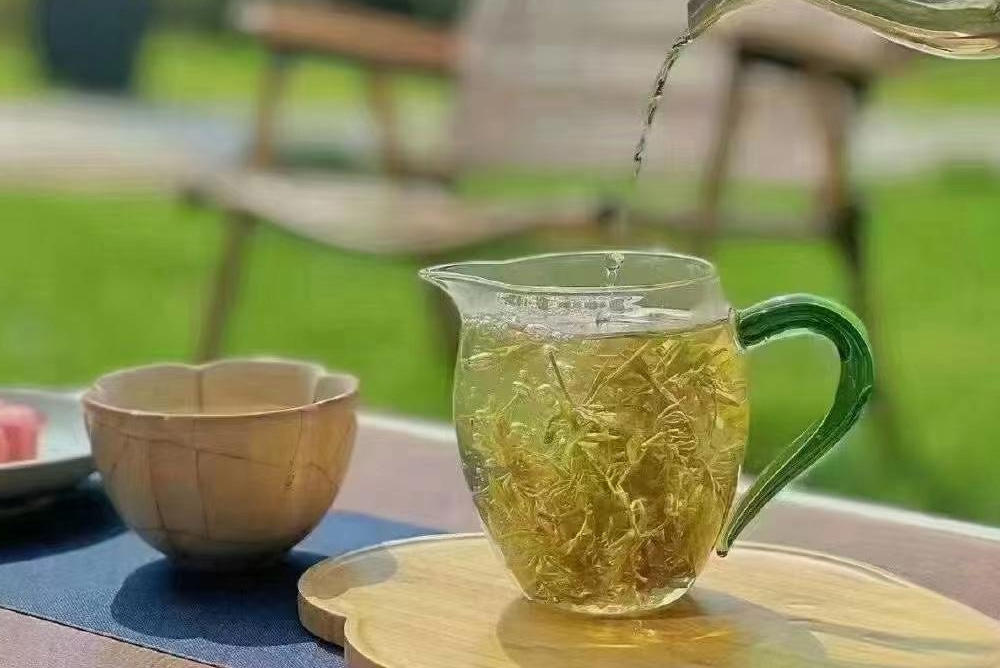
Water temperature: Use water above 95°C (203°F).
-
No rinsing needed: Unlike some teas, the first infusion is the most potent—about 70% of its beneficial flavonoids are released in this brew.
-
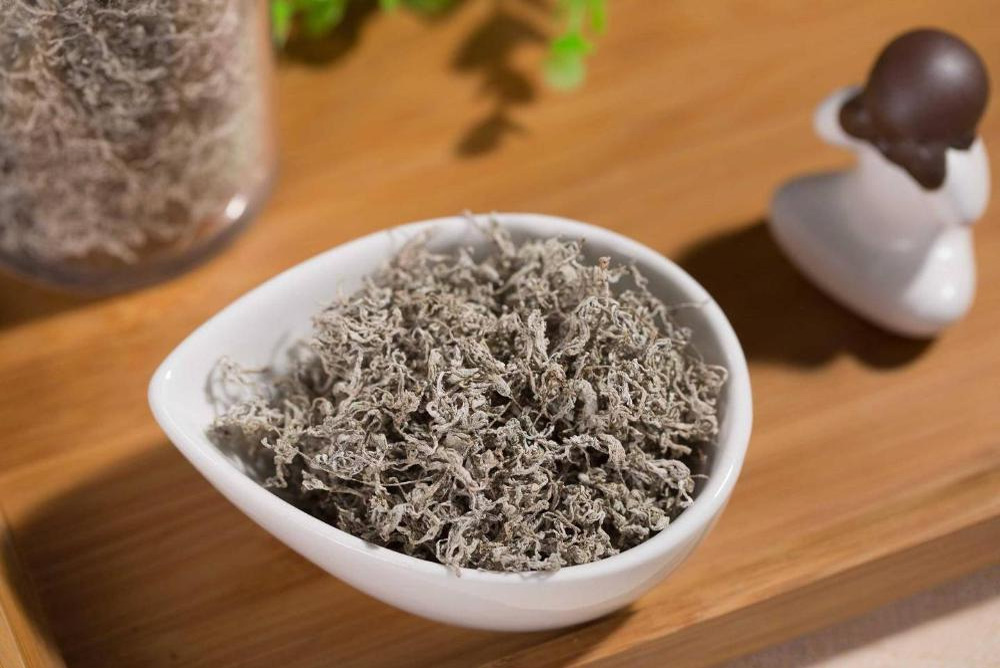
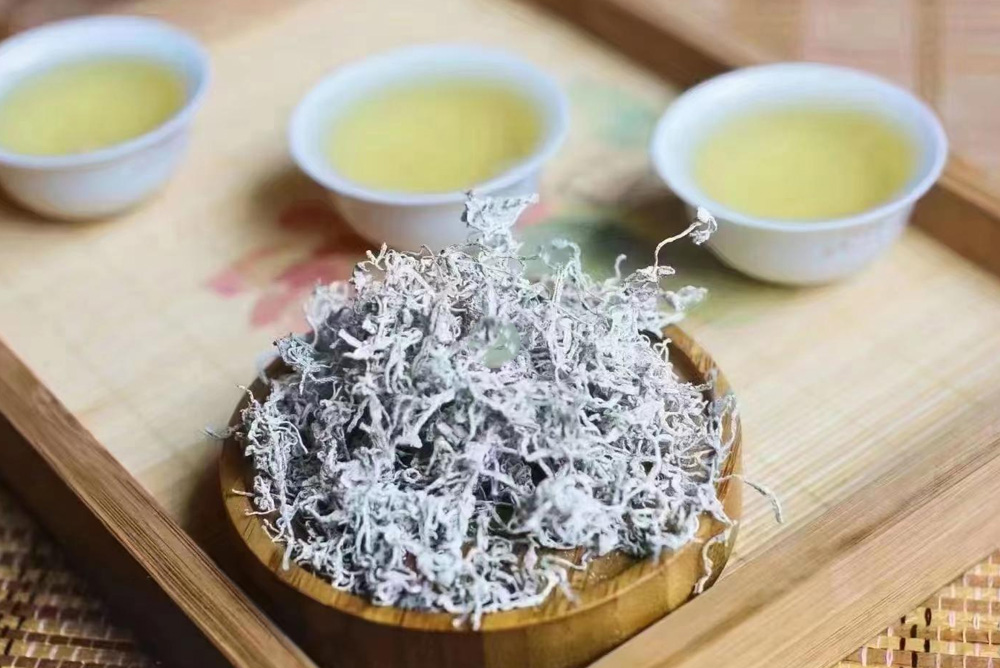
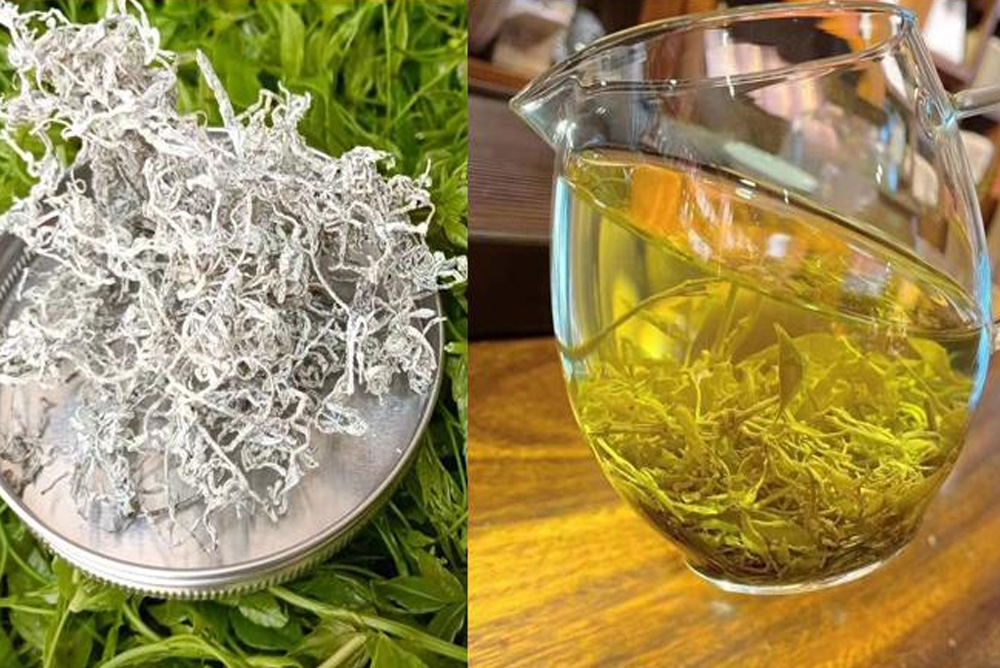
Steep: Wait until the fine white frost on the leaves dissolves, then enjoy.
-
Rebrew: Leaves can be steeped 2–3 times. Expect a mild bitterness up front, followed by a pleasant sweet aftertaste.
✅ Tip: If you notice a few tiny black specks in the cup, don’t worry—this is normal tea dust from leaf processing.
Why Vine Tea Changes Color to Red
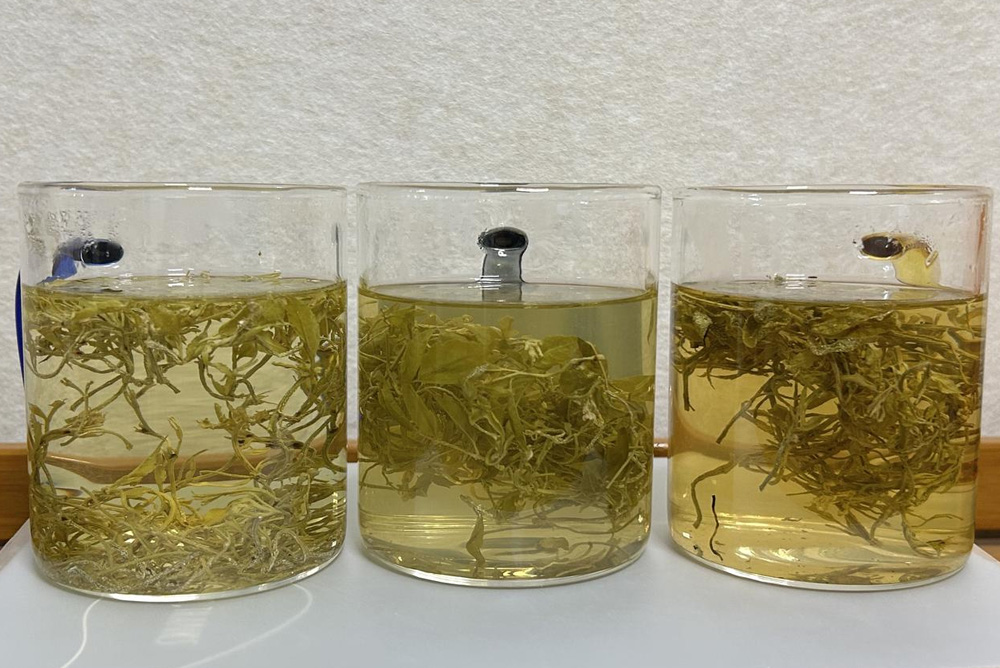
Although vine tea’s liquor is normally greenish or golden-yellow, certain factors can cause it to turn reddish:
-
Overnight Tea – Leaving tea to sit for many hours allows flavonoids to fully release, changing the liquor’s color to red.
-
Thermos or Long Steeping – In winter, keeping vine tea in a thermos or boiling it for too long means the leaves and water remain in close contact, deepening the color.
-
Too Much Leaf, Too Little Water – Overloading the teapot increases the concentration of dissolved compounds, producing a darker hue.
-
Older Leaves – Mature leaves naturally have larger, darker blades that brew into deeper colors.
-
Long Storage – Vine tea is mildly fermented and contains theaflavins, which can oxidize over time, leading to a reddish brew.
When NOT to Drink Vine Tea
While most color changes are harmless, some signs mean your tea isn’t safe:
-
Tea liquor appears blackish or milky white.
-
Cloudy appearance with visible floating white spots.
-
Strongly astringent, bitter, or unpleasant taste.
-
Signs of mold or spoilage.
If any of these occur, it’s best to discard the tea.
The Nutritional & Health Value of Vine Tea
Beyond its unique flavor, vine tea is celebrated for:
-
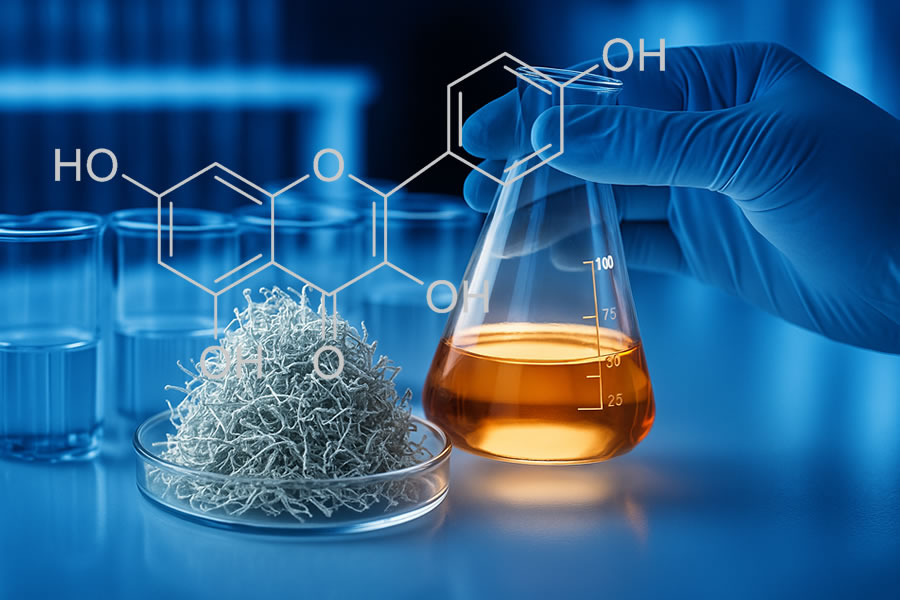
High Flavonoid Content – Natural antioxidants that support cardiovascular health.
-
Selenium – A trace mineral essential for immune function.
-
Caffeine-Free Nature – Perfect for those who want a soothing drink any time of day.
For centuries, Ampelopsis grossedentata has been prized in China’s Hubei Province for promoting wellness, reducing oxidative stress, and aiding digestion.
Brewing Tips for the Best Flavor
-
Use Glass or Porcelain Teaware – Metal containers can alter taste.
-
Avoid Continuous Steeping – Prolonged brewing can make the tea overly bitter.
-
Store Properly – Keep leaves in an airtight container away from moisture and sunlight to prevent oxidation.
Final Sip – Choosing Authentic Vine Tea
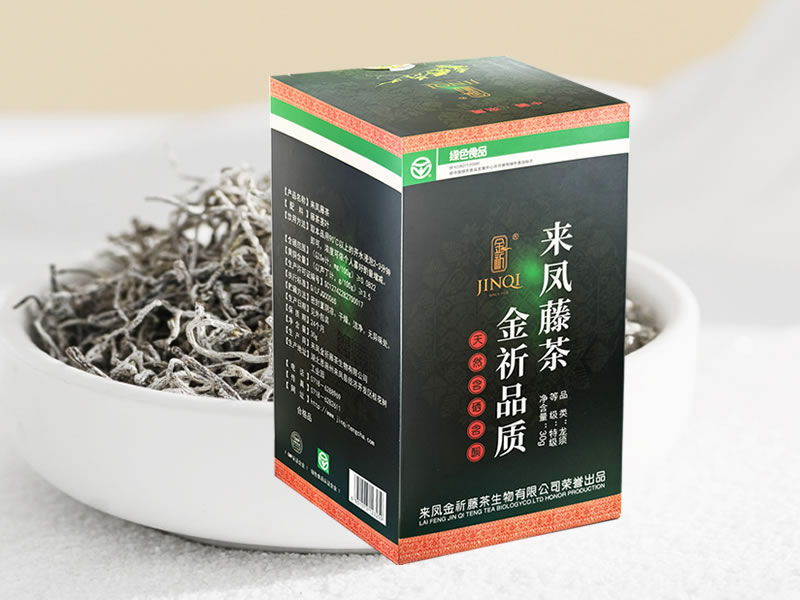
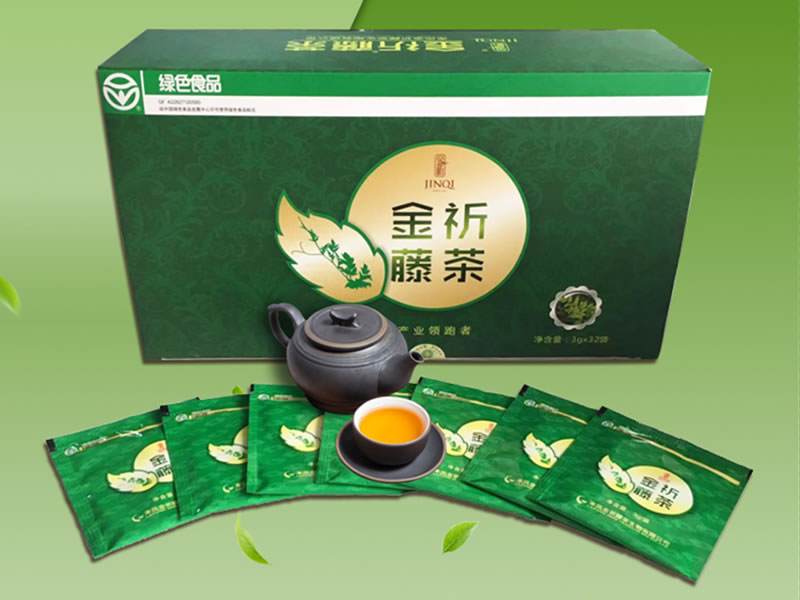
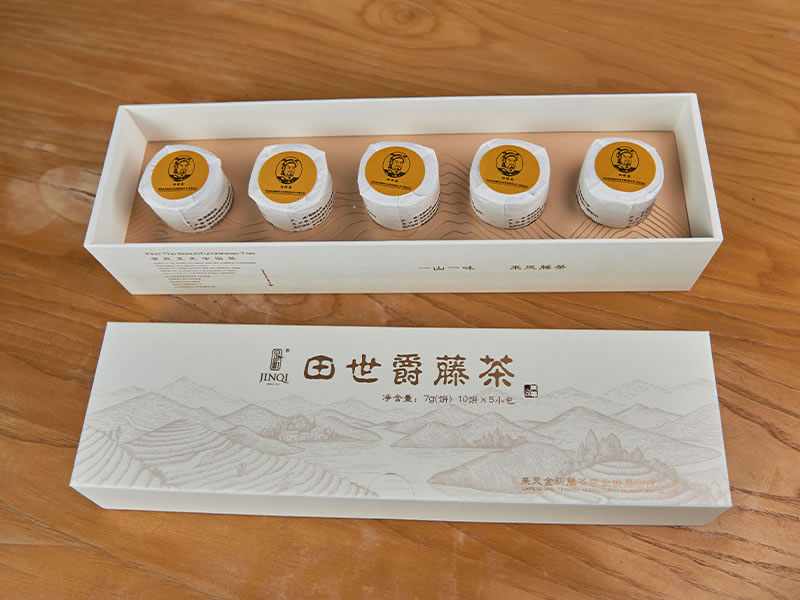
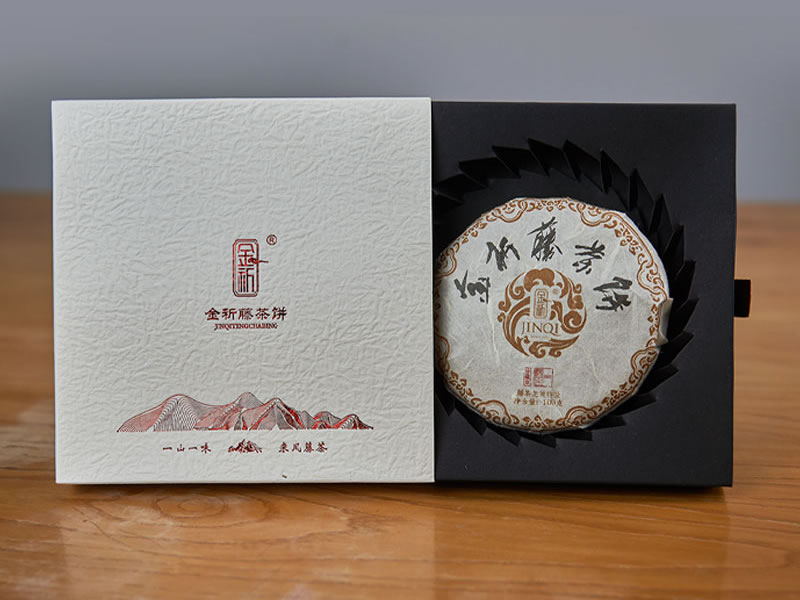
When brewed right, vine tea (Ampelopsis grossedentata) offers a crisp, slightly sweet experience with rich health benefits. If you want the true taste of Laifeng County’s authentic vine tea, choose a trusted source like JINQI Vine Tea Co., Ltd., where every batch is GMP-certified, eco-friendly, and packed with natural goodness.
FAQs
Q1: Is vine tea the same as green tea?
No. Vine tea (Ampelopsis grossedentata) is a herbal tea, naturally caffeine-free, and rich in unique flavonoids not found in green tea.
Q2: Why is the first brew of vine tea the most important?
Around 70% of vine tea’s beneficial compounds dissolve in the first infusion, making it the richest in flavor and nutrients.
Q3: Can I drink vine tea every day?
Yes. It’s gentle, caffeine-free, and suitable for daily enjoyment, but always ensure it’s brewed fresh and from a reputable source.