
Smoking remains a common habit worldwide. Even though global smoking rates have declined—dropping to about 16.4% of adults in 2023—there are still around 1.1 billion smokers. Whether you smoke yourself or live around those who do, exposure to cigarette smoke can increase the risk of throat inflammation, chronic bronchitis, and other respiratory issues.
One traditional wellness drink gaining attention for its potential respiratory benefits is vine tea (Ampelopsis grossedentata). Rooted in centuries of Chinese herbal culture and backed by modern analysis, vine tea is rich in compounds that may help soothe the throat, support lung function, and assist the body in clearing toxins.
Why Vine Tea Supports Throat and Lung Health
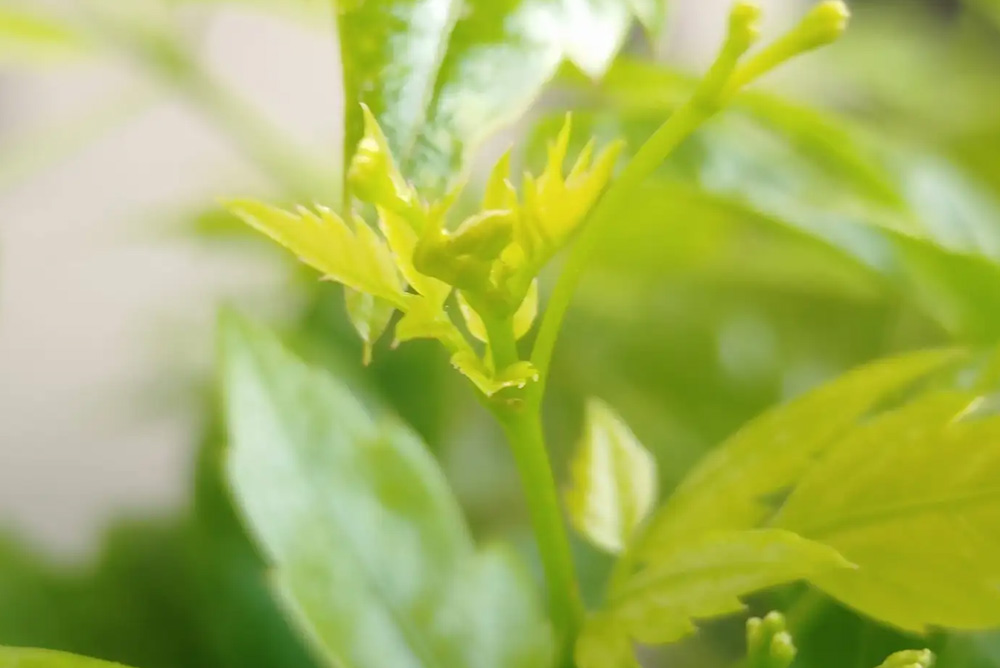
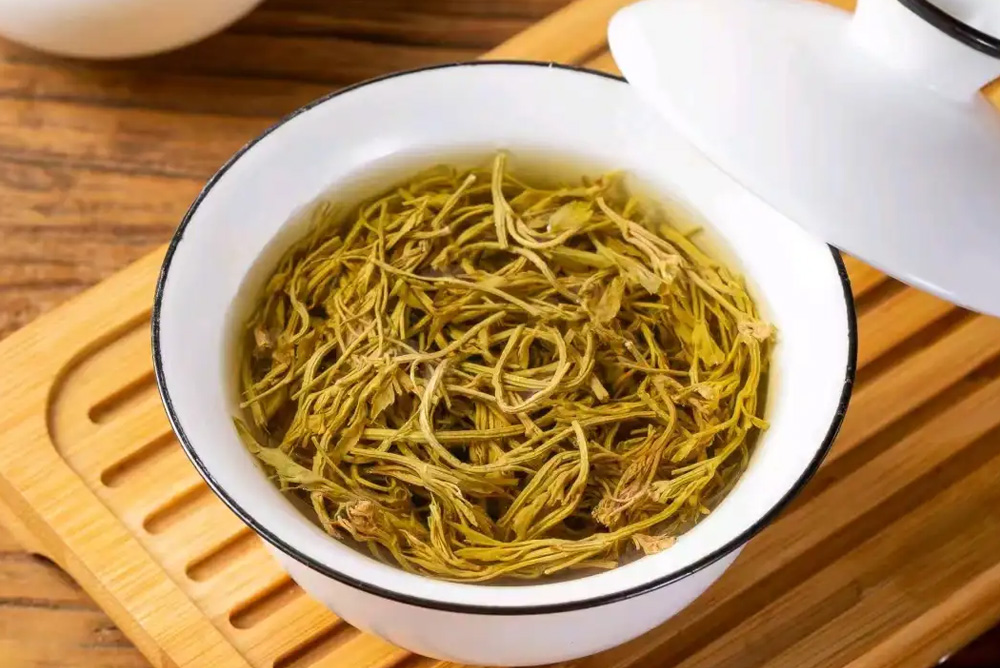
Vine tea is a perennial climbing plant naturally loaded with:
-
17 essential amino acids
-
14 trace minerals
-
High levels of flavonoids (≥ 6%)
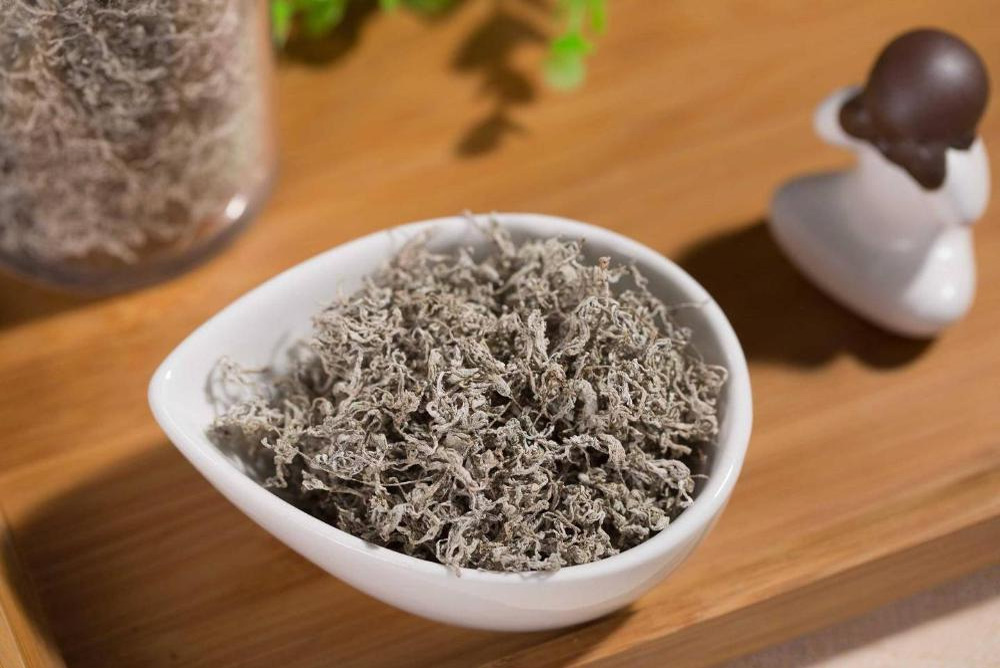
The white frost on vine tea leaves is mostly dihydromyricetin—a powerful flavonoid known for its anti-inflammatory, antibacterial, and throat-soothing effects.
For smokers, this means:
-
Helping break down and flush out harmful residues from smoke in the respiratory tract
-
Supporting alveolar (lung air sac) function
-
Improving oxygen utilization
-
Promoting overall respiratory comfort
Clinical observations have shown:
-
80% effective relief in chronic pharyngitis
-
100% effective relief in acute pharyngitis
While vine tea is not a substitute for medical treatment, it may be a valuable daily wellness beverage—especially for those exposed to cigarette smoke.
Who Can Benefit from Vine Tea?
You don’t need to be a smoker to enjoy the throat and lung support vine tea may offer. It’s also suitable for people who:
-
Use their voice frequently – Singers, teachers, public speakers
-
Experience throat dryness or swelling – Especially in dry environments
-
Suffer from coughs or excess phlegm – Wanting natural soothing support
-
Have frequent “lump in the throat” sensation – Often linked to mild throat inflammation
-
Feel nauseous when brushing teeth in the morning – A symptom sometimes related to chronic throat irritation
Brewing Vine Tea for Maximum Benefits
For the best results:
-
Use 2–4 grams of vine tea leaves
-
Brew with water above 95°C (203°F)
-
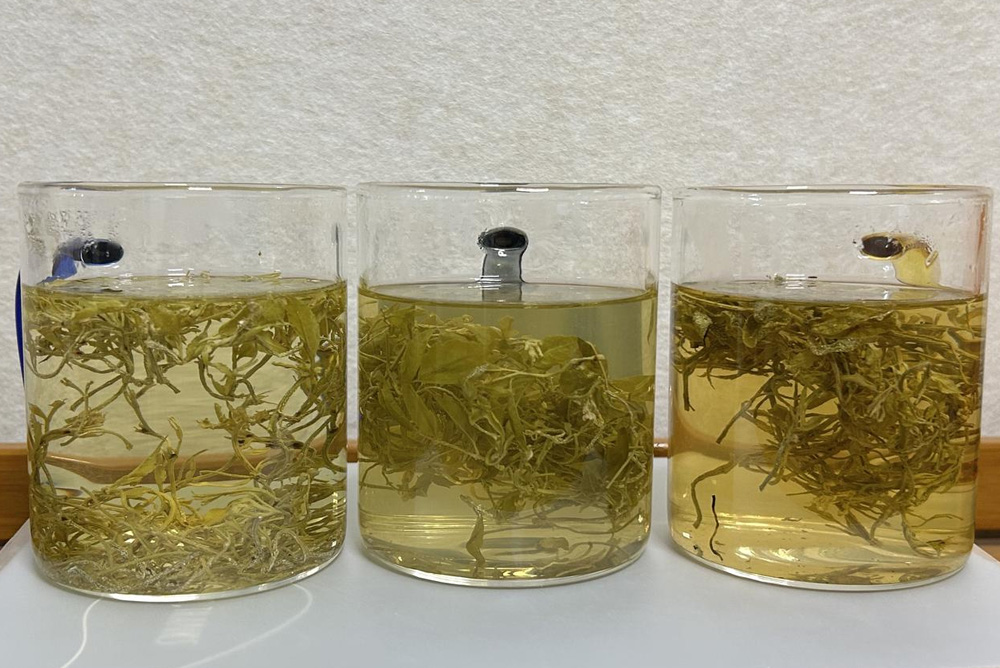
Do not rinse the leaves before brewing—first steep releases the most flavonoids
-
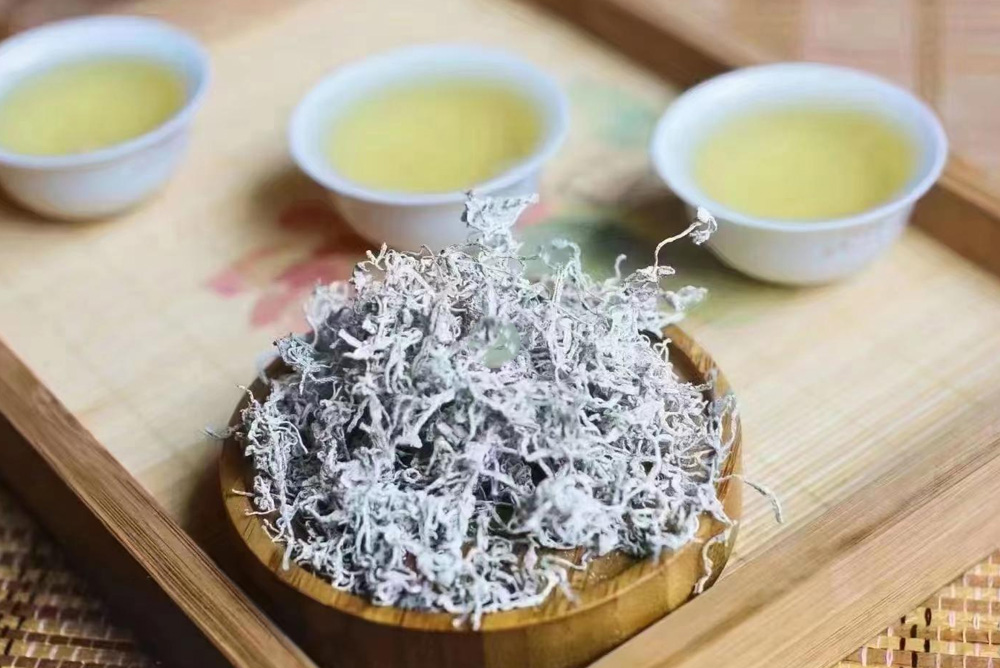
Steep until the fine white frost dissolves, then enjoy
-
Rebrew leaves 2–3 times for a milder cup
Final Note – The JINQI Promise
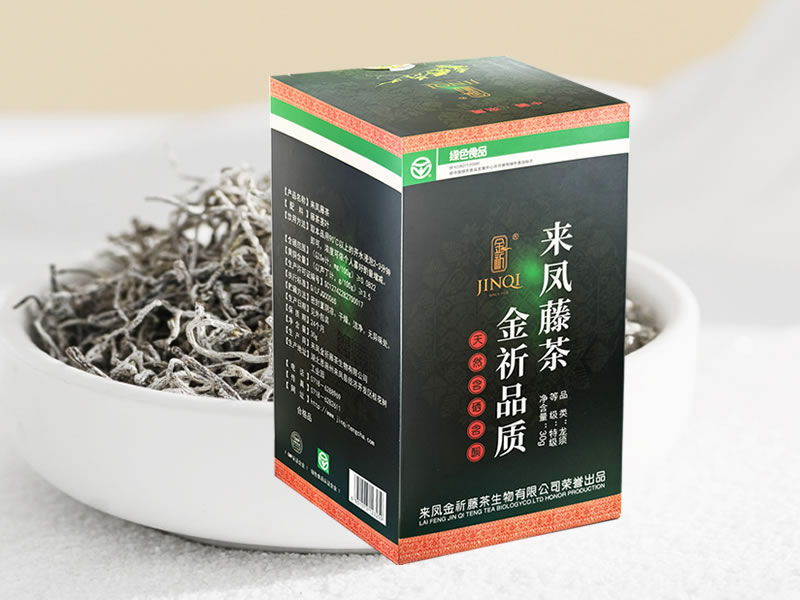
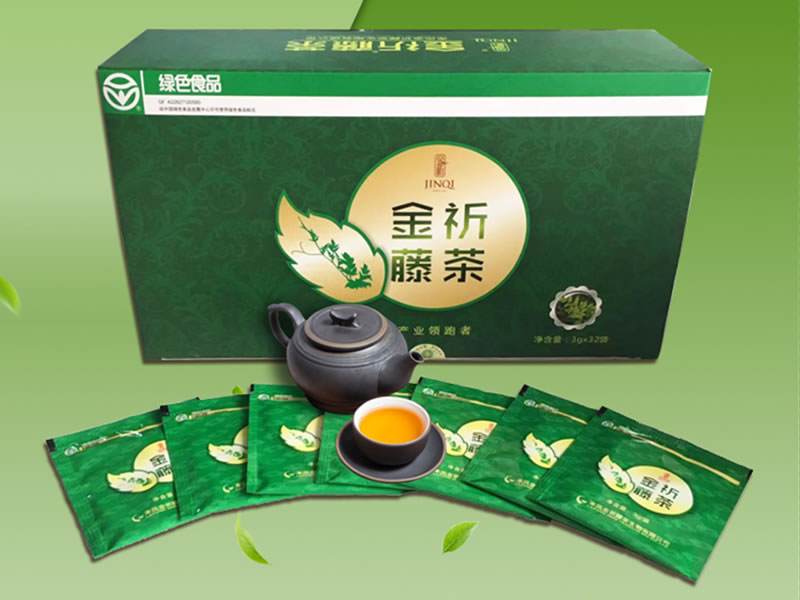
At JINQI Vine Tea Co., Ltd., we’ve been growing and perfecting Ampelopsis grossedentata for over 20 years in Laifeng County, Hubei Province—the heartland of authentic vine tea. Our products are GMP-certified, eco-friendly, and rich in the natural flavonoids that make vine tea such a remarkable herbal drink.
If you’re looking for genuine vine tea with full traceability and proven quality, JINQI is your trusted partner.
FAQs
Q1: Can vine tea help me quit smoking?
Vine tea isn’t a smoking cessation aid, but it may support throat and lung comfort while you work toward quitting.
Q2: Is vine tea safe for daily drinking?
Yes. It’s caffeine-free and gentle enough for everyday use when brewed fresh.
Q3: Does vine tea taste bitter?
It has a mild bitterness upfront, followed by a pleasant, lingering sweetness.