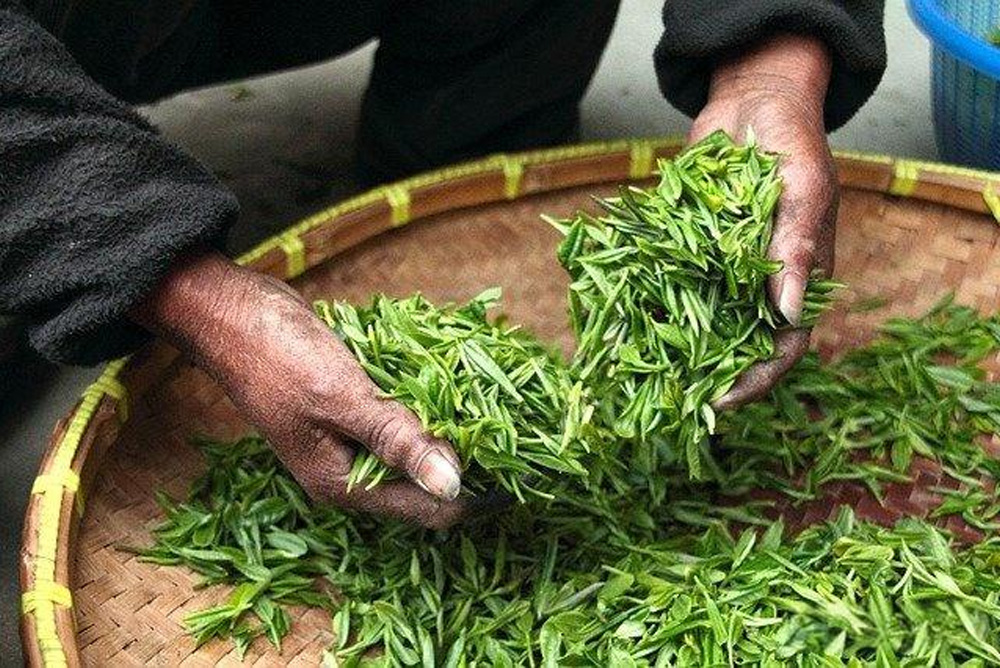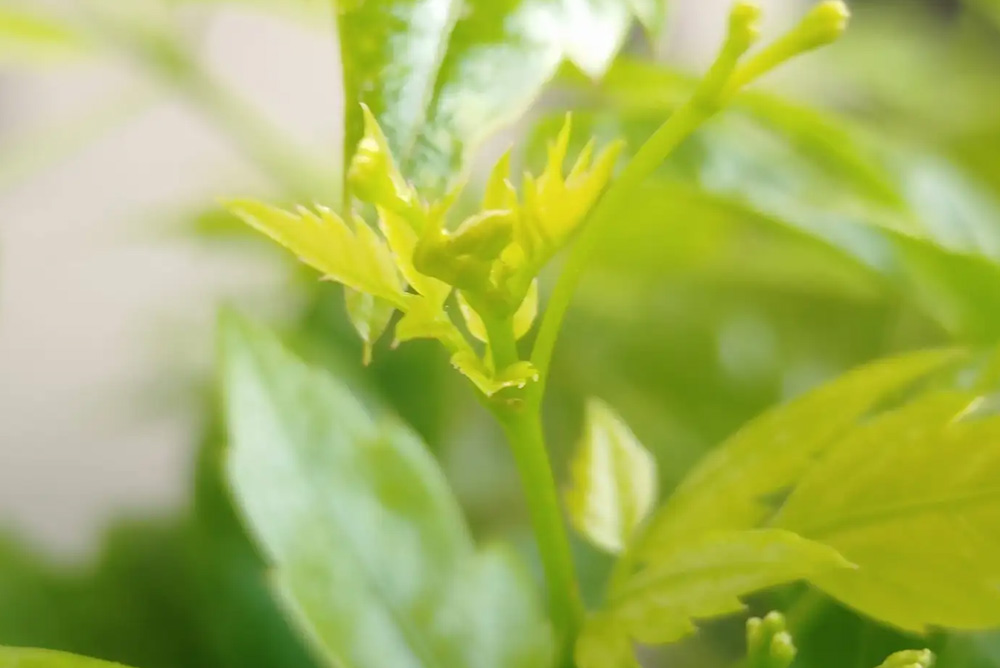
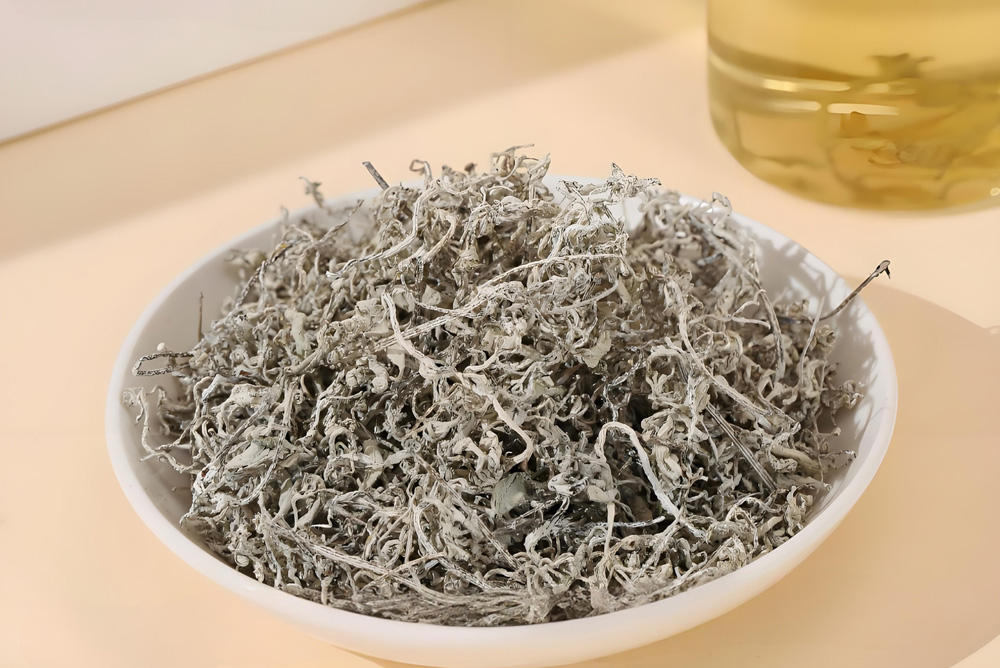
Vine tea, scientifically known as Ampelopsis grossedentata, is a woody climbing plant whose tender leaf tips are crafted into one of China’s most unique herbal infusions.
Many tea lovers ask: Is wild vine tea the only “authentic” vine tea? To answer this, we first need to explore how vine tea grows, its cultivation methods, and how to judge its quality.
Wild Vine Tea – Rare and Difficult to Harvest
Wild vine tea has some unique traits:
-
Natural climbing growth – As a vine, it wraps around tree trunks and climbs high, making harvest tricky.
-
Low yield – Only the tender buds are picked, and wild plants produce fewer tips. If left unpicked, the plant quickly develops fruit.
Because the global demand for vine tea is so high, it’s nearly impossible for all commercial products to come purely from wild harvesting. Most vine tea on the market is grown from cuttings of wild vines—combining the genetics of wild plants with the advantages of cultivation.
Laifeng & Enshi Vine Tea – Cultivated Close to Nature
In Hubei’s Wuling Mountain range, at elevations between 400–1,500 meters, the climate is cool, misty, and humid year-round. This environment mimics the natural habitat of wild vine tea.
Laifeng County’s red selenium-rich soil offers excellent drainage and nutrition, helping produce leaves with the same flavor and nutrient profile as wild tea. Local farmers use wild-simulation farming methods—hand-weeding, no chemicals, and minimal interference—to keep the tea as close to its natural state as possible.
How to Identify High-Quality Vine Tea
When choosing vine tea (Ampelopsis grossedentata), check these four aspects:
-
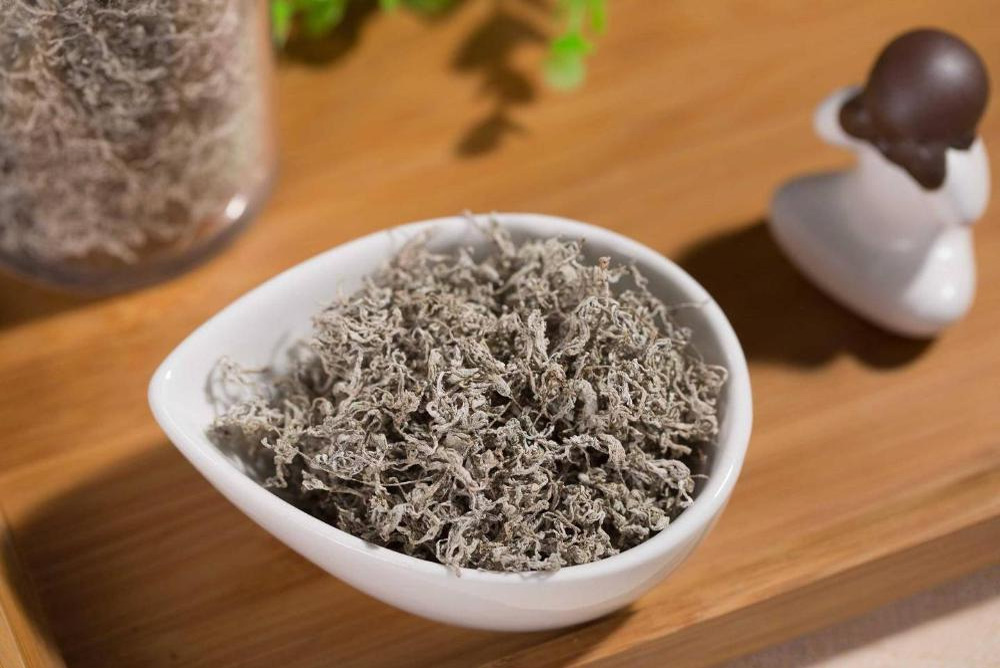
Appearance
-
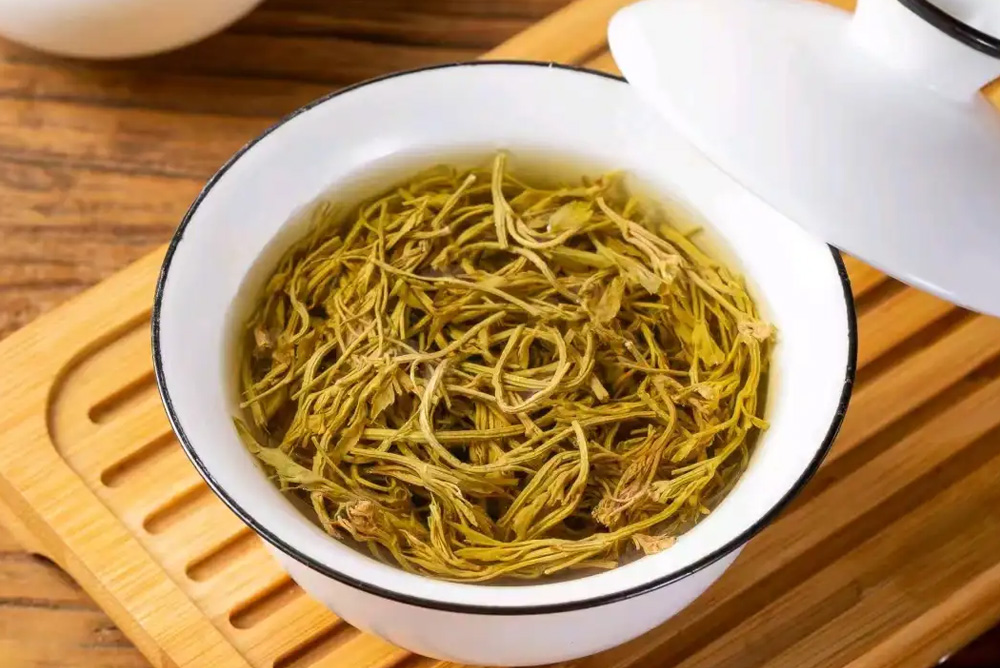
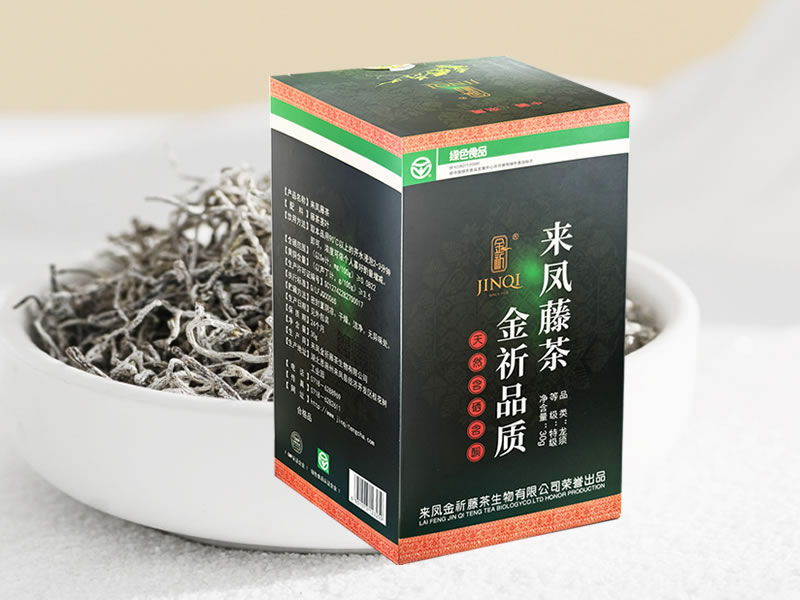
High quality: Buds 60–80 mm in length, with a uniform coating of natural white frost.
-
Low quality: Oversized leaves, thick stems, dull or uneven frost.
-
-
Aroma
-
High quality: Fresh, grassy scent similar to sun-warmed meadow herbs.
-
Low quality: Musty or moldy smell.
-
-
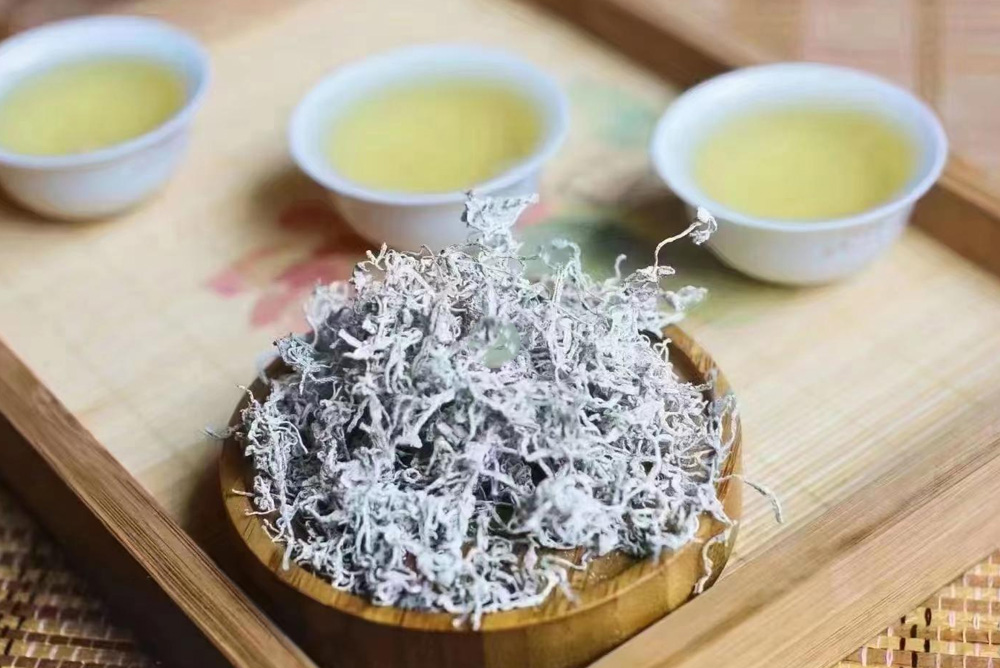
Liquor Color
-
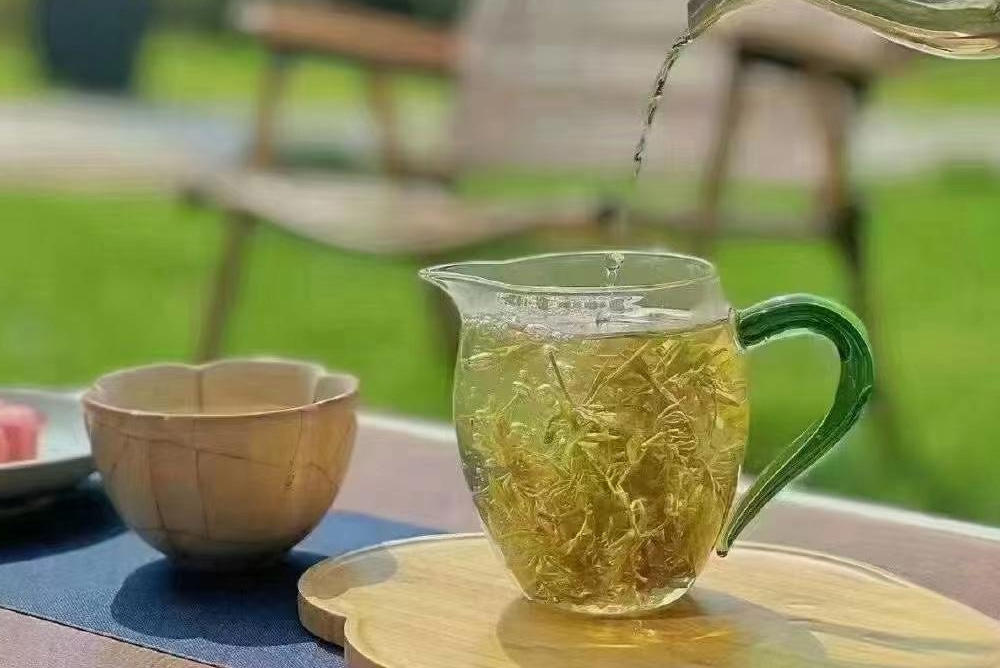
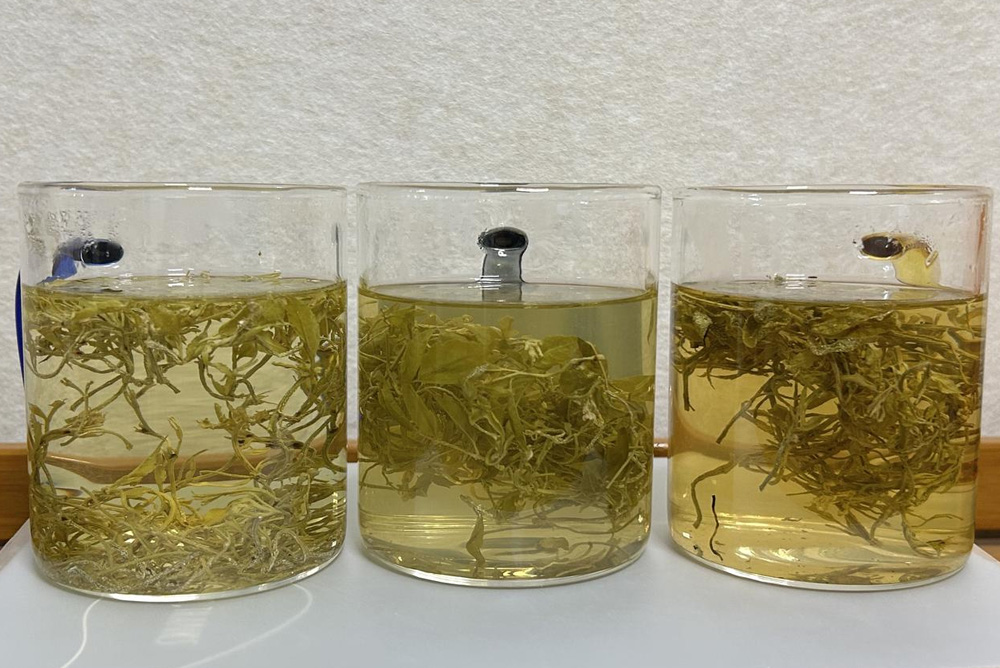
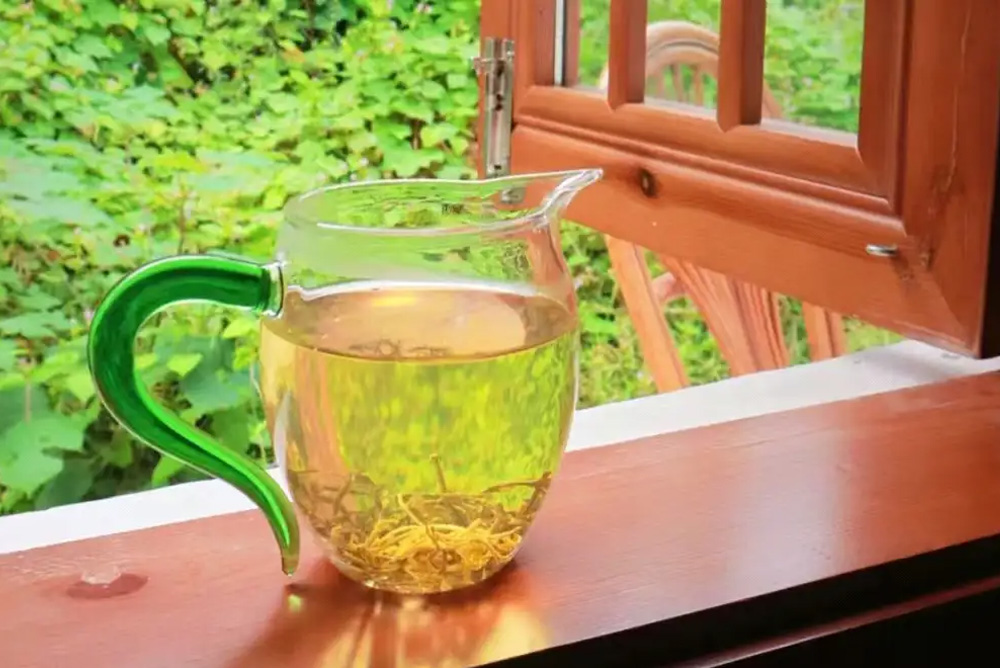
High quality: Spring harvest brews light green with golden hints; summer harvest brews more yellow, always clear with minimal tea dust.
-
Low quality: Cloudy, with visible impurities.
-
-
Taste
-
High quality: Mild initial bitterness that quickly transforms into a long-lasting sweetness and mouth-watering freshness.
-
Low quality: Weak sweetness or unpleasant astringency.
-
The Bottom Line – Wild or Cultivated?
Both wild and cultivated vine tea can be authentic Ampelopsis grossedentata if grown from original Laifeng wild strains and processed with care. The difference lies in the quality control, environment, and handling—not just whether it’s harvested from the wild.
Why Choose JINQI Vine Tea?
At JINQI Vine Tea Co., Ltd., we preserve the genetic heritage of wild Laifeng vine tea while cultivating it in pristine, high-altitude environments. With GMP-certified facilities, eco-friendly farming, and strict quality testing, we ensure every batch is rich in natural flavonoids, selenium, and flavor.
If you want vine tea that’s as close to wild as possible—without compromising safety, consistency, or availability—JINQI is your trusted source.
FAQs
Q1: Is wild vine tea healthier than cultivated vine tea?
Not necessarily. Cultivated vine tea grown from wild cuttings in natural conditions can match wild tea’s nutrient and flavor profile.
Q2: How can I tell if my vine tea is real Ampelopsis grossedentata?
Check for natural white frost, a fresh aroma, clear liquor, and a pleasant bitter-to-sweet taste transition.
Q3: Does vine tea have caffeine?
No. Vine tea is naturally caffeine-free, making it perfect for all-day enjoyment.