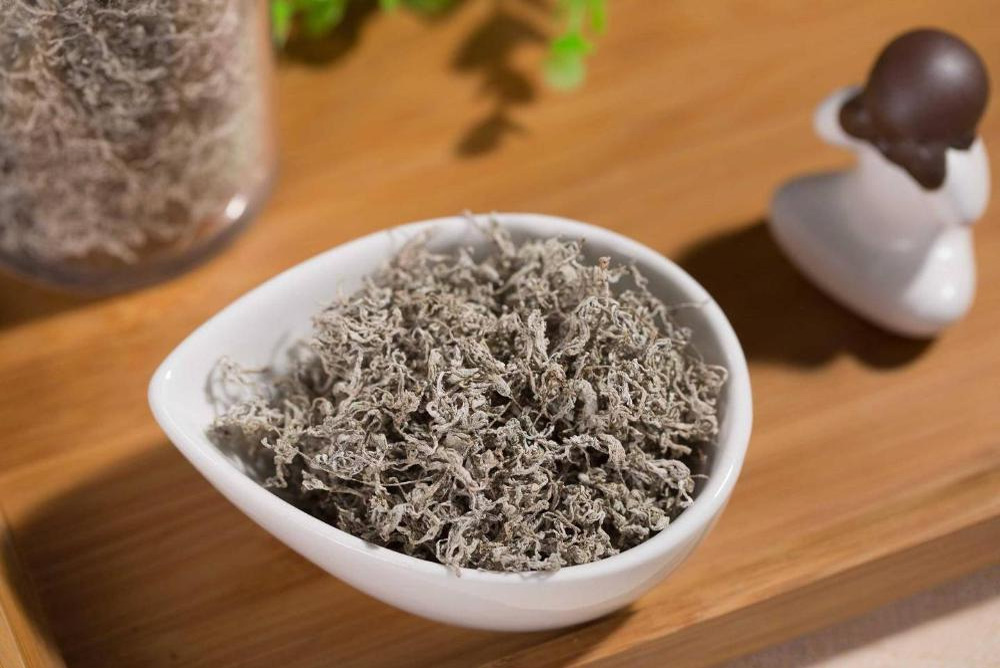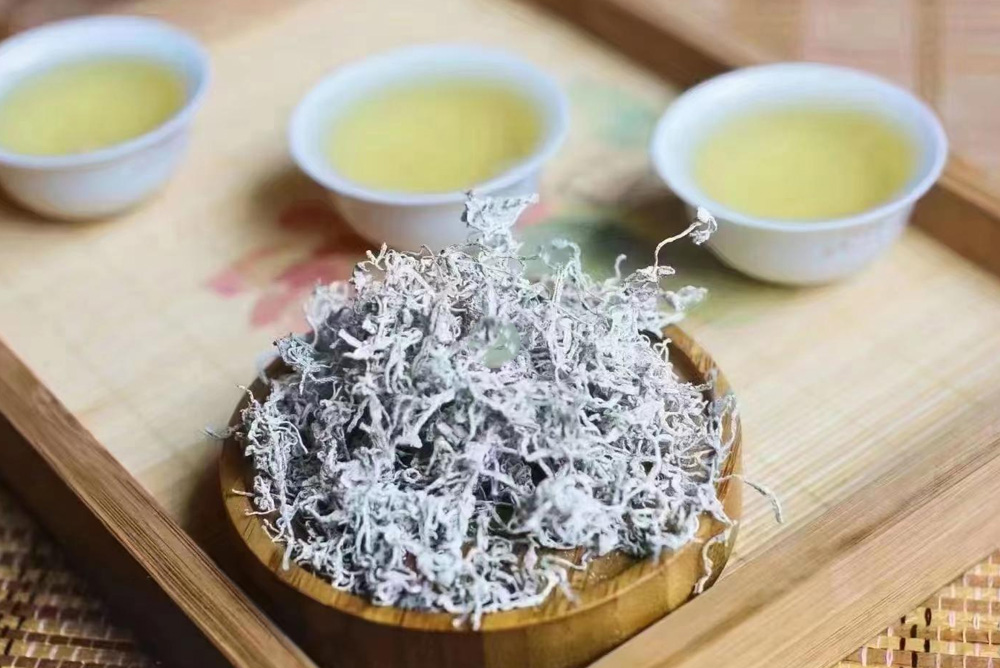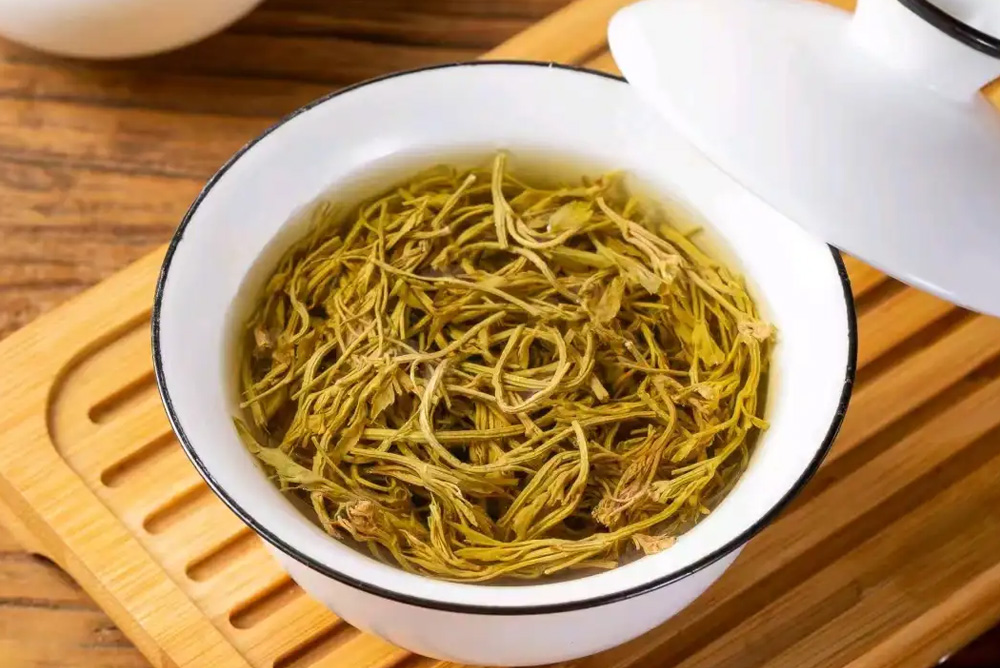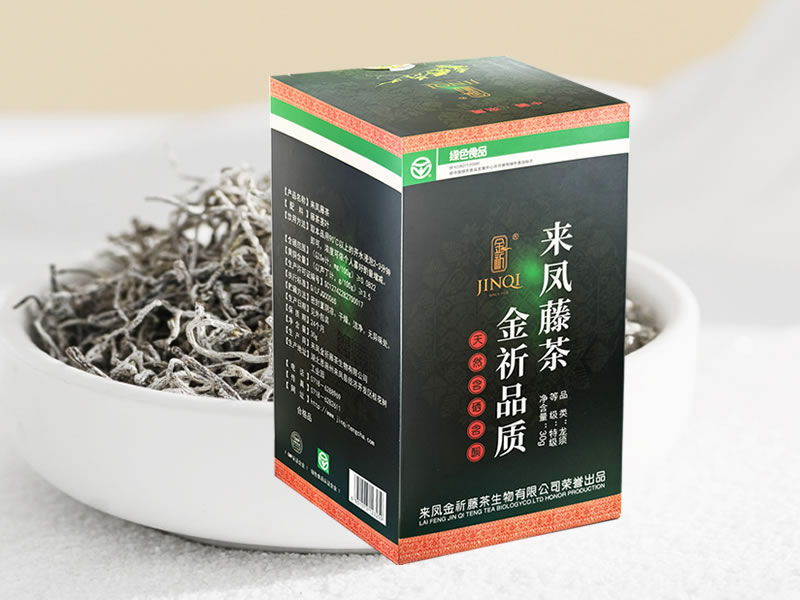
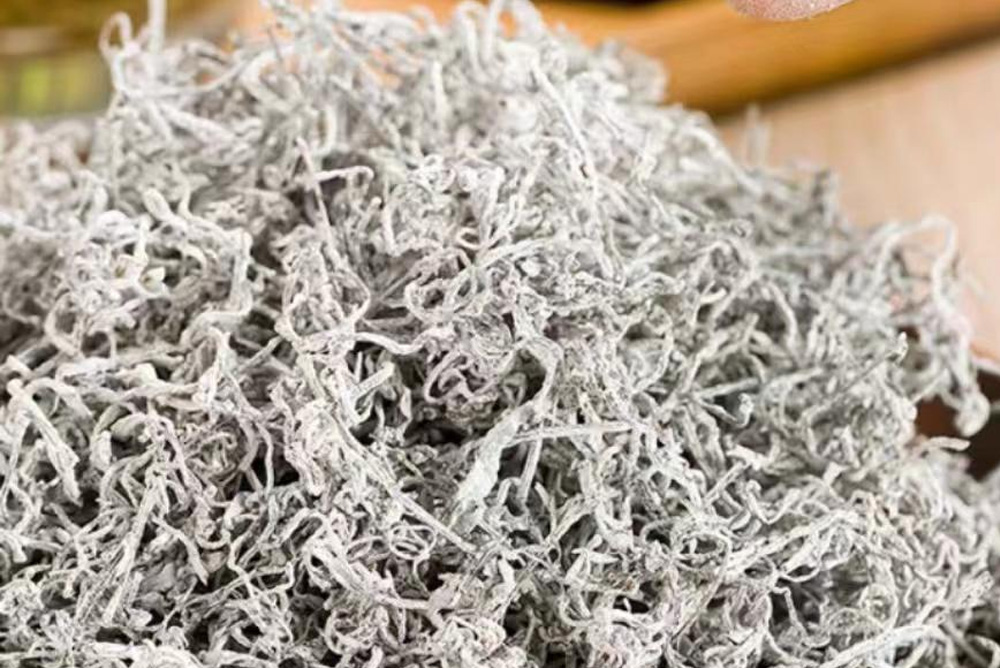
One of the first things newcomers notice about vine tea (Ampelopsis grossedentata) is the thin white coating on its leaves. Many people wonder—is this mold?
It’s an understandable question. The word “vine” in Chinese (téng) is sometimes confused with “mold” (méi), and visually, the frost can look like powder. Some even make the mistake of discarding the first infusion—where much of the nutrition lies—because they fear it’s spoiled.
The truth? That white frost is not mold at all, but a sign of exceptional quality.
What Is the White Frost?
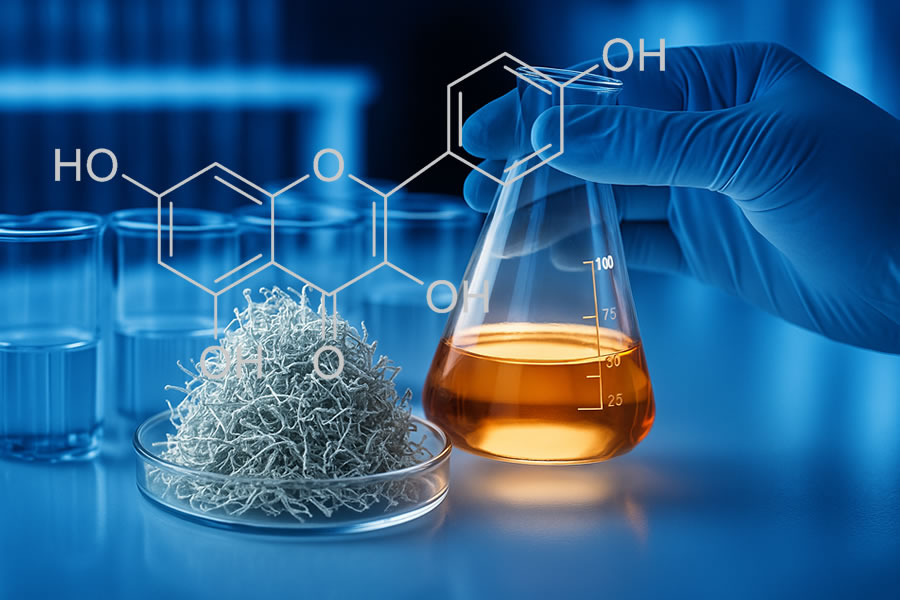
Laboratory tests from multiple authoritative institutions confirm that this coating is dihydromyricetin, a type of flavonoid found in Ampelopsis grossedentata.
Here’s how it forms:
-
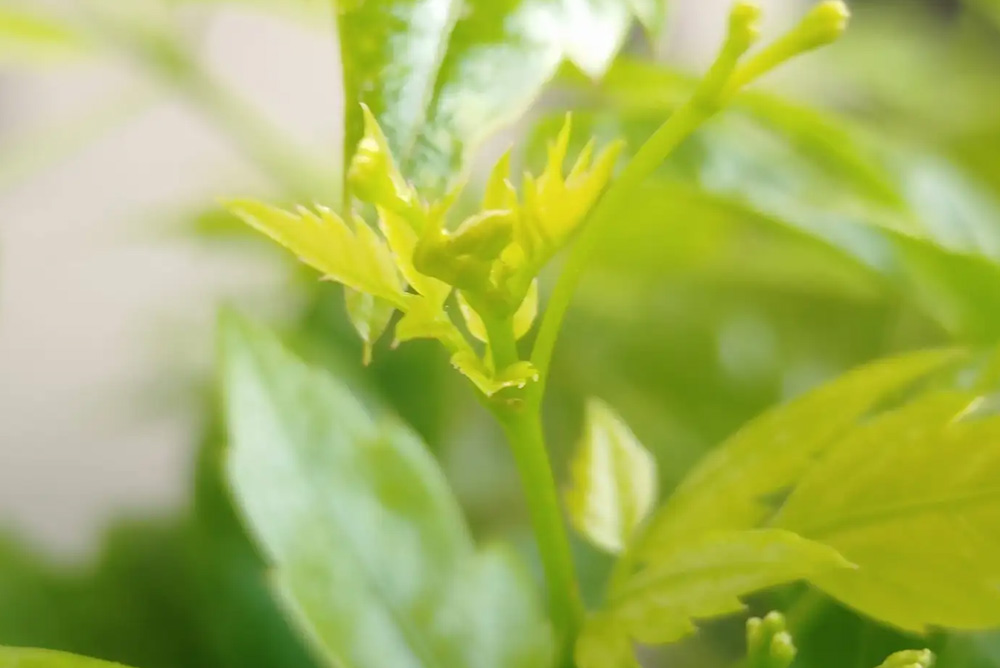
Vine tea buds and young leaves are naturally rich in dihydromyricetin.
-
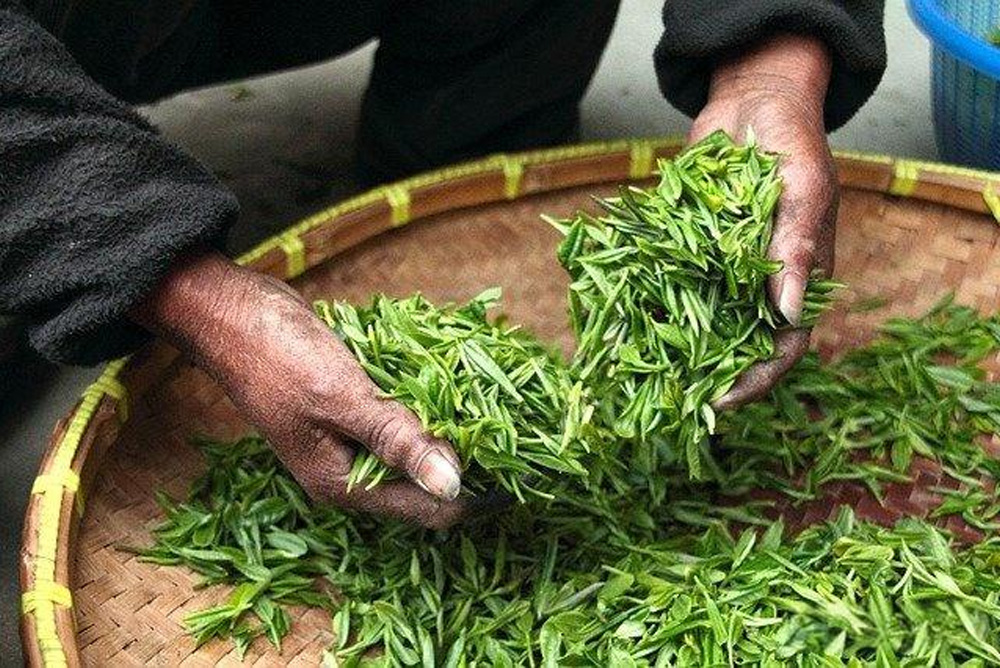
During traditional processing—especially the pan-firing and rolling steps—the plant cells break open.
-
This releases the compound to the surface, where it crystallizes during drying, forming a uniform white frost.
-
Proper sun-drying and roasting make it more visible and stable.
This unique appearance is part of what makes vine tea so distinctive.
What Is Dihydromyricetin?
Dihydromyricetin is a special flavonoid extracted mainly from woody vines in the grape family. It has all the antioxidant, anti-inflammatory, and free radical-clearing properties of typical flavonoids—plus some unique benefits:
-
Liver protection: Helps prevent alcohol-induced liver injury and supports recovery from fatty liver.
-
Hangover relief: Assists in breaking down alcohol and reducing intoxication effects.
-
Respiratory support: Particularly effective for throat inflammation and pharyngitis.
In fact, clinical studies have shown that people with mild pharyngitis can see improvement within a few days to a week of drinking vine tea regularly. For chronic or severe cases, longer-term use is recommended, as throat inflammation tends to recur.
Why the First Brew Matters
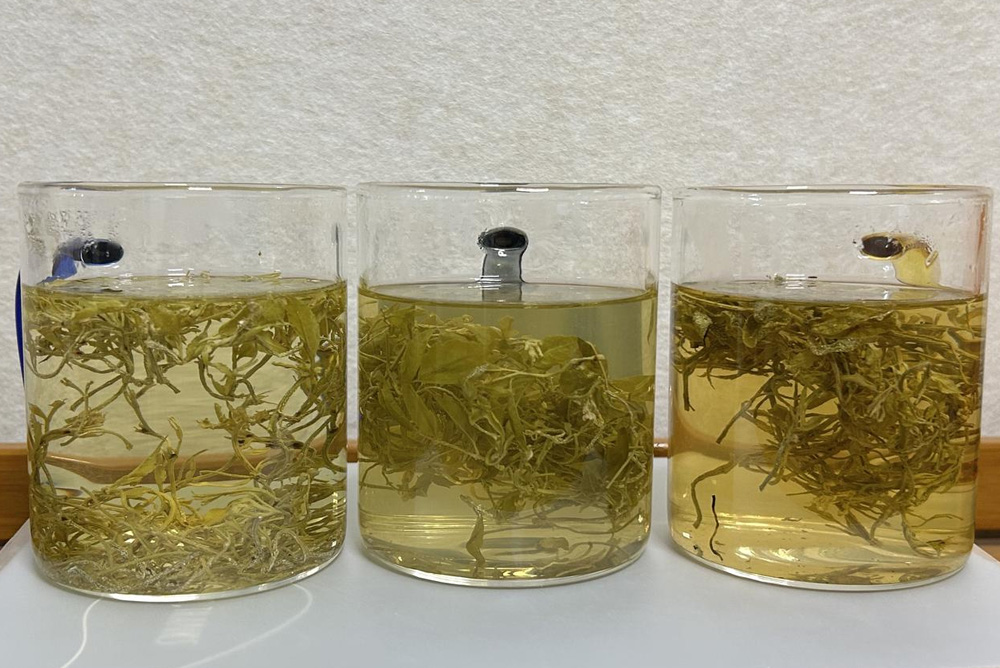
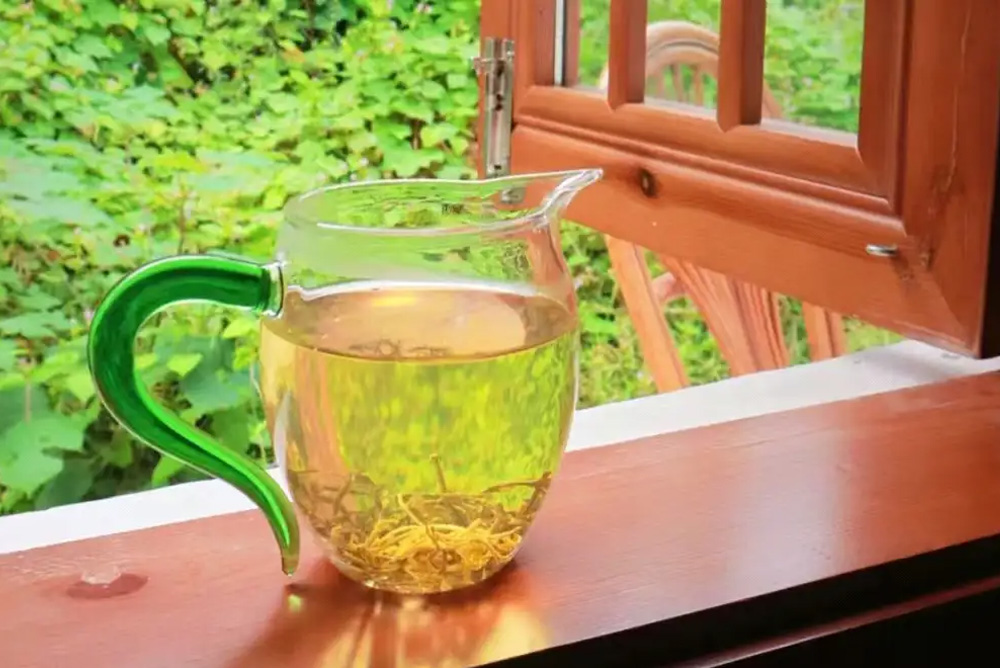
Because the majority of dihydromyricetin dissolves in hot water during the first infusion—up to 70%—throwing it away wastes the most potent part of the tea. Unlike many traditional teas, vine tea does not need to be rinsed before drinking.
Why Choose JINQI Vine Tea?
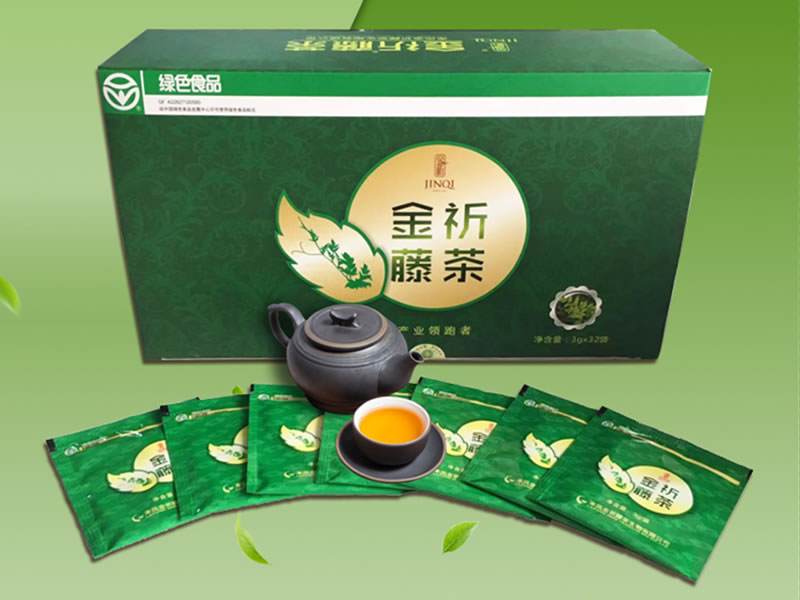
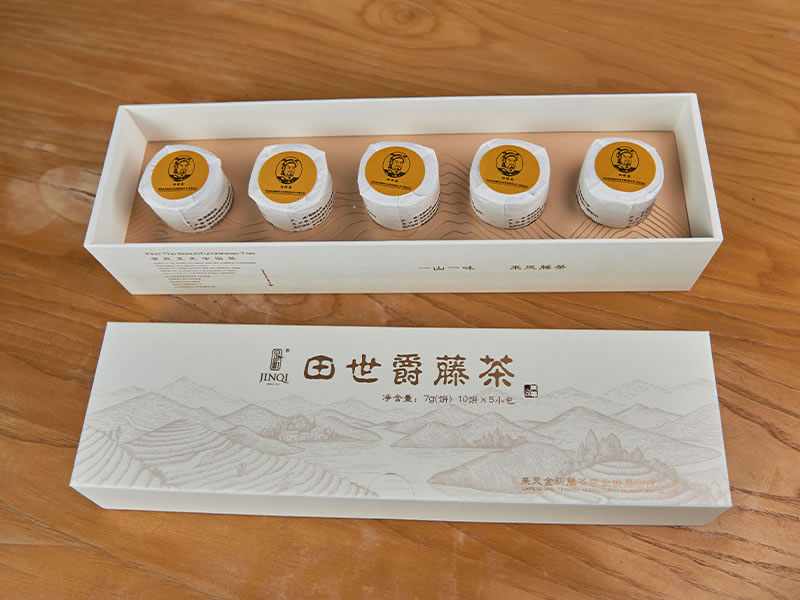
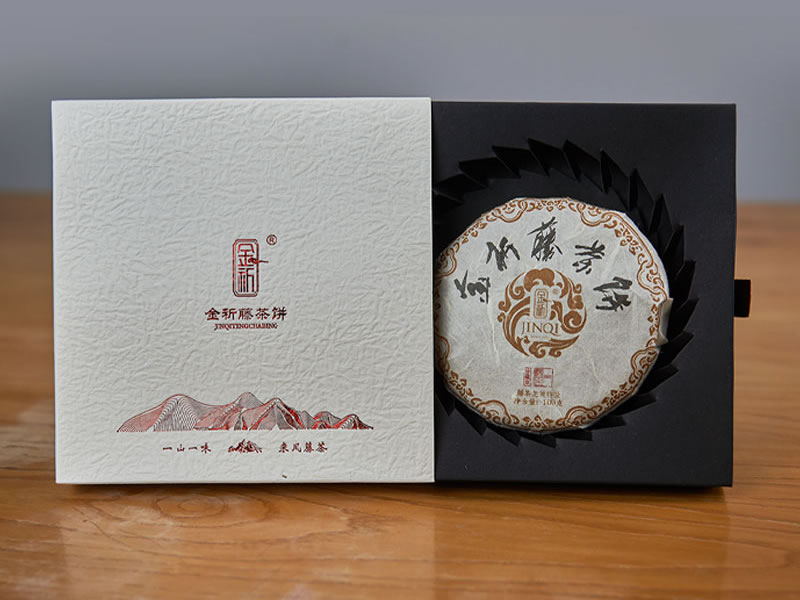
At JINQI Vine Tea Co., Ltd., we cultivate Ampelopsis grossedentata in Laifeng County’s pristine mountain environment. Our expert processing ensures that the natural white frost—rich in dihydromyricetin—remains intact, delivering the maximum health benefits in every cup.
We produce under GMP-certified standards, test every batch for safety, and ship globally so you can enjoy the authentic taste and healing properties of vine tea wherever you are.
Discover the natural health power behind vine tea’s white frost.
Visit JINQI Vine Tea Co., Ltd. to explore our premium products and taste the difference of authentic Ampelopsis grossedentata.
FAQs
1. Is the white frost on vine tea mold?
No. It’s dihydromyricetin, a natural flavonoid crystal with powerful health benefits.
2. Should I rinse vine tea before brewing?
No. The first brew contains most of its beneficial compounds, so enjoy it.
3. What is dihydromyricetin good for?
It supports liver health, helps with throat inflammation, and can aid in hangover recovery.