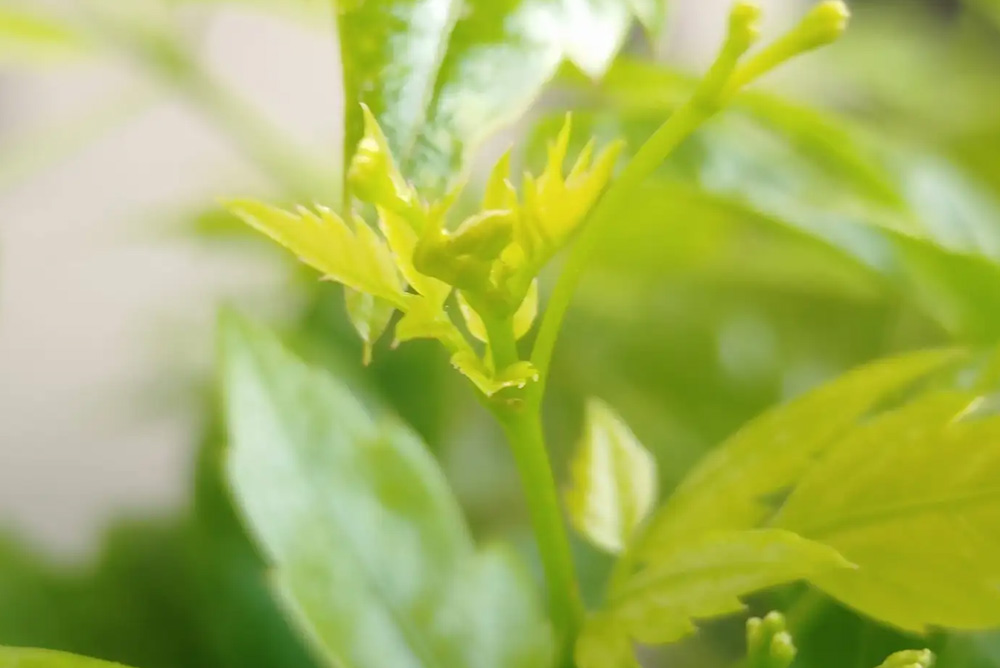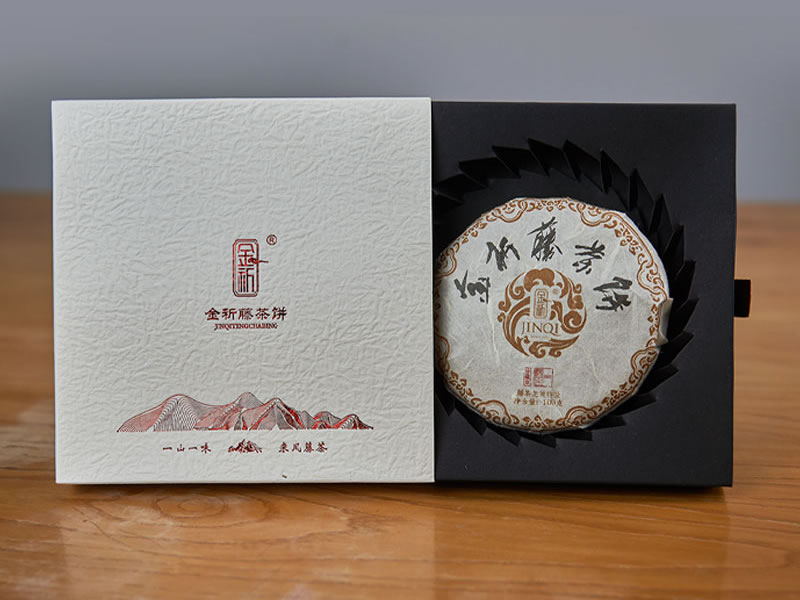
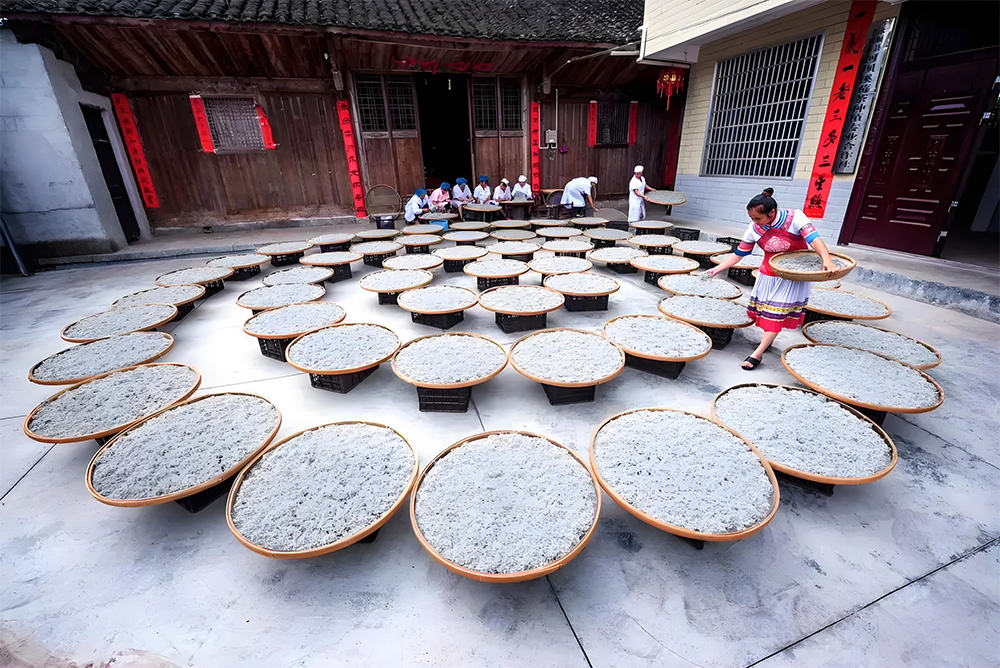
Vine tea—also called platinum tea, dragon whisker tea, longevity tea, and immortal herb—has been treasured in China for centuries. Native to Zhangjiajie, it is regarded as a rare plant resource that survived the mass extinction of the Fourth Ice Age. Known scientifically as Ampelopsis grossedentata, this herbal tea is both a traditional medicine and a daily health drink. But can you drink it every day, for years? Let’s explore.
1. Nutrient Profile
Vine tea is exceptionally nutrient-dense, containing:
-
17 essential amino acids
-
14 trace minerals
-
12.8–13.8% crude protein
-
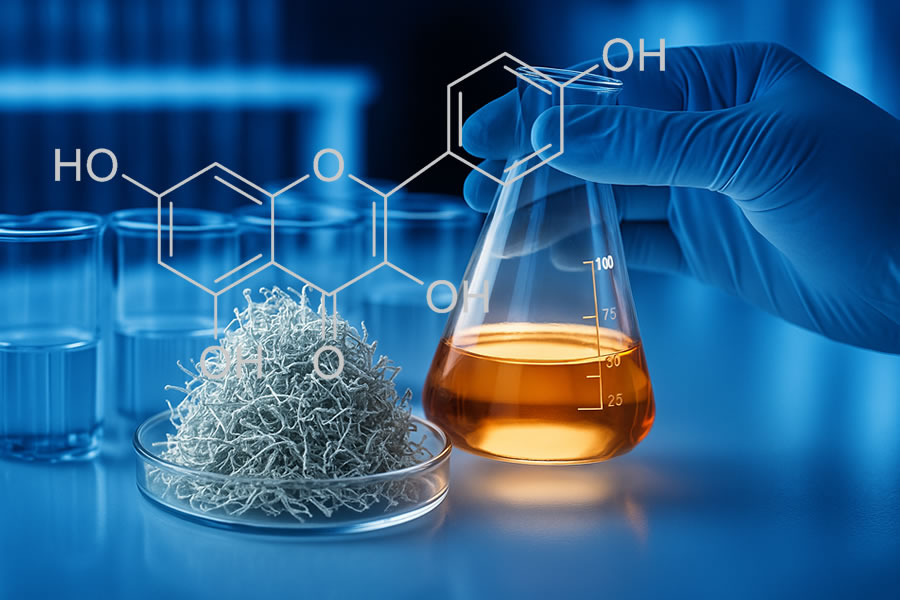
7.5–8.3% total flavonoids (never less than 6%), the highest recorded in any known tea plant—earning it the title “King of Flavonoids.”
2. Health Benefits
Regular consumption of vine tea may:
-
Reduce phlegm, relieve fever, and decrease swelling.
-
Soften blood vessels, dilate coronary arteries, and improve circulation.
-
Lower blood fat, blood pressure, and cholesterol.
-
Reduce red blood cell aggregation, prevent blood clots, and improve microcirculation.
-
Neutralize free radicals, providing anti-aging and anti-tumor effects.
-
Protect the liver, help detoxify alcohol, and prevent alcoholic or fatty liver disease.
-
Fight bacteria, viruses, and inflammation—especially effective for upper respiratory infections, pharyngitis, and bronchitis.
3. Unique Properties
Unlike traditional teas, vine tea:
-
Contains no caffeine or theobromine – Won’t cause nervous stimulation or sleep disturbance.
-
Improves sleep quality – Especially helpful for people with insomnia.
-
Has natural antibacterial effects – Brewed tea stays drinkable for up to a week without spoiling.
-
Can be consumed with other medicines – May aid absorption of both Western and herbal treatments.
-
Contains no tannins – Can be enjoyed after meals without interfering with protein absorption.
4. Is It Safe for Long-Term Drinking?
Yes—vine tea is natural, gentle, and has no known major side effects for most people. Long-term use can strengthen immunity, improve overall health, and help the body resist illness.
5. Brewing Tips
-
Water temperature: About 95°C (203°F)
-
Steeping time: 7–10 seconds for the first brew
-
No rinsing needed: The first infusion is rich in flavonoids and should not be discarded.
-
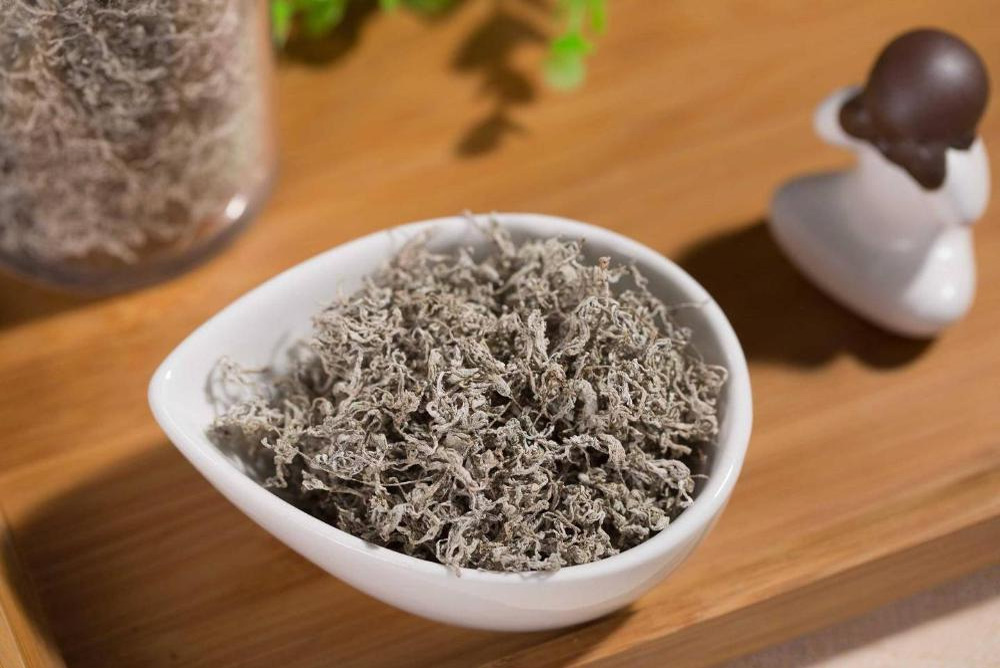
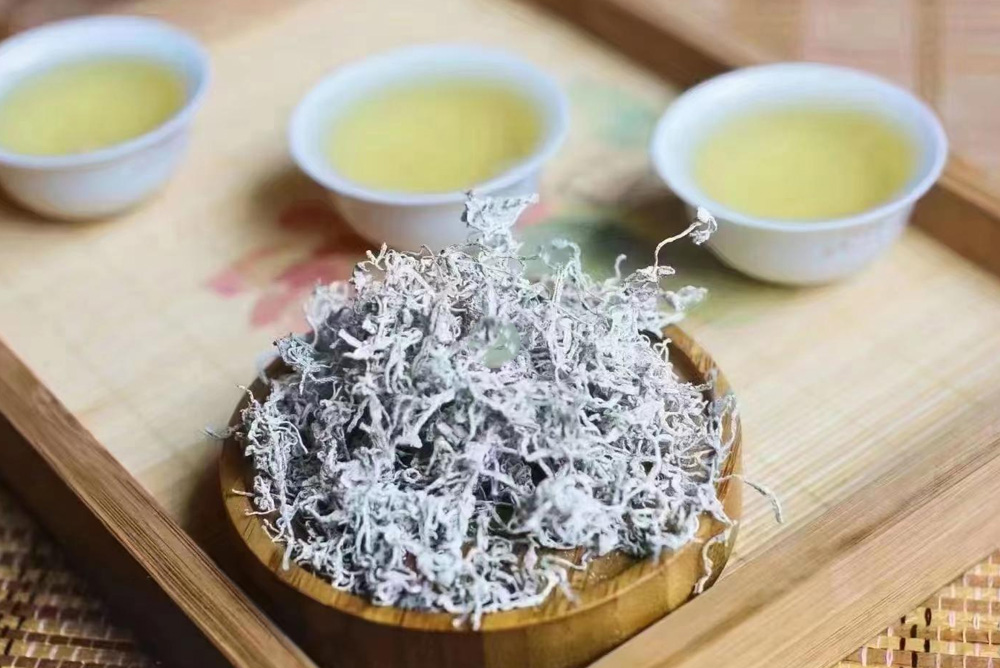
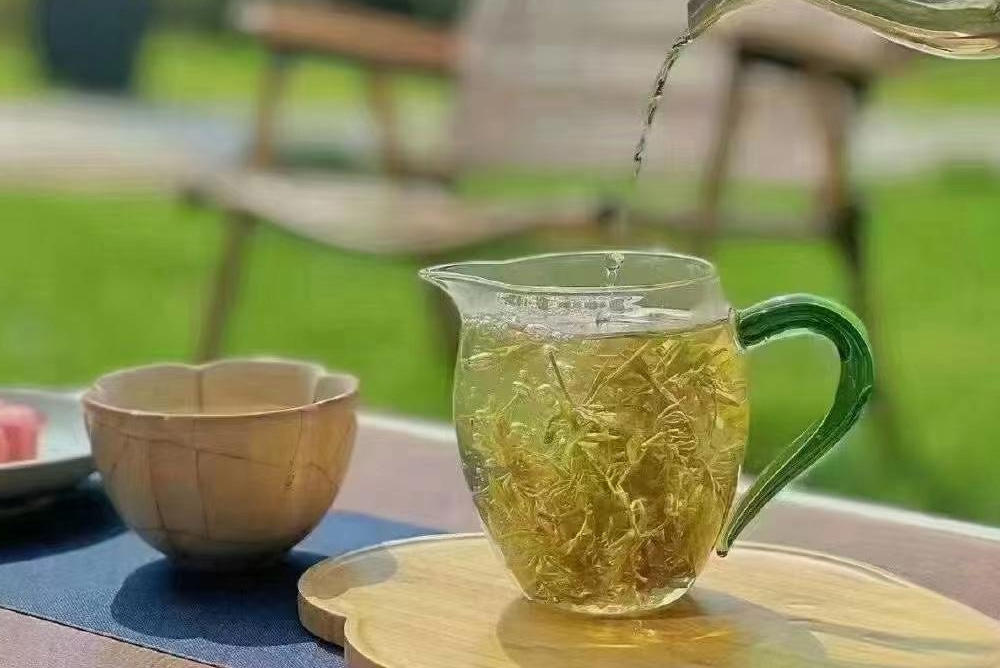
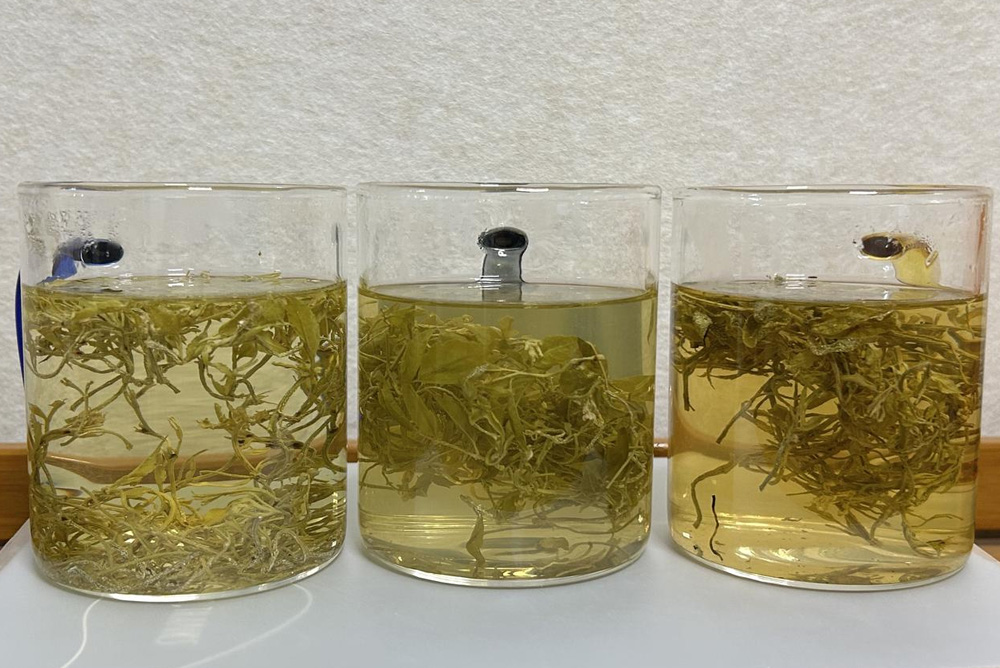
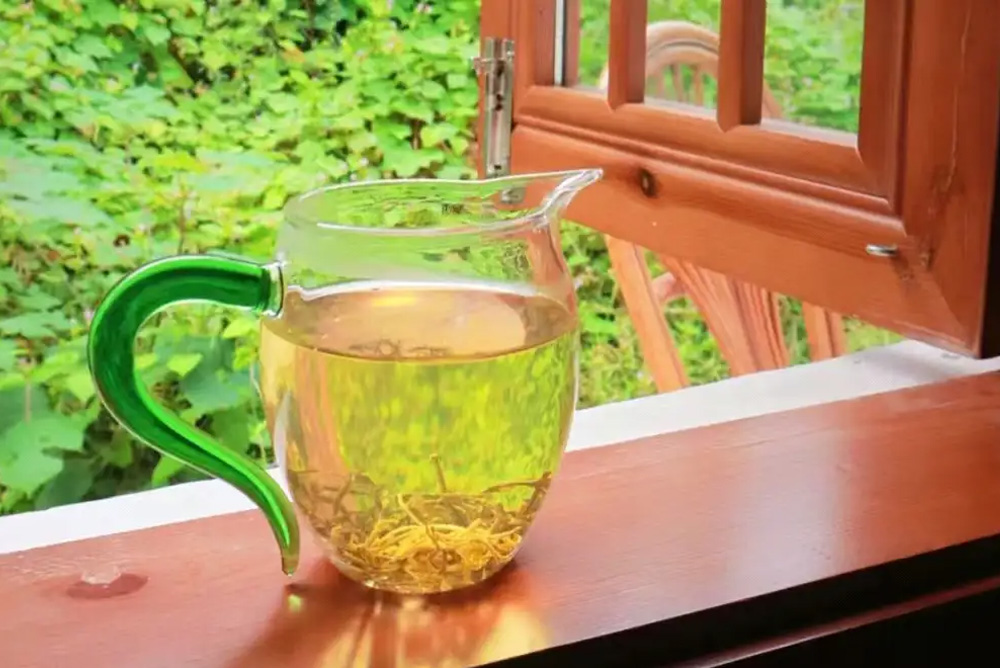
Taste profile: Pale yellow, clear liquor with a mild bitterness that quickly turns to natural sweetness. Rebrew until the color fades.
6. Who Should Avoid Vine Tea?
-
People with cold stomach conditions should drink sparingly.
-
Those with chronic digestive issues or frequent diarrhea should avoid it.
-
Pregnant women and very young children should consult a healthcare provider before drinking.
For most people, Ampelopsis grossedentata is not only safe for long-term drinking but also beneficial for health maintenance. A daily cup can support immunity, improve circulation, and promote overall well-being—just remember to brew it properly and be mindful if you have a sensitive stomach.
Why Choose JINQI Vine Tea?
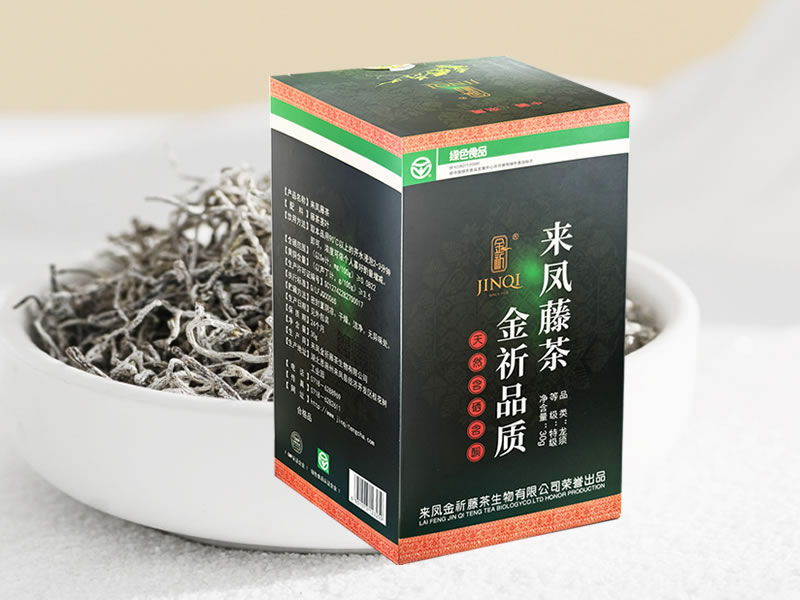
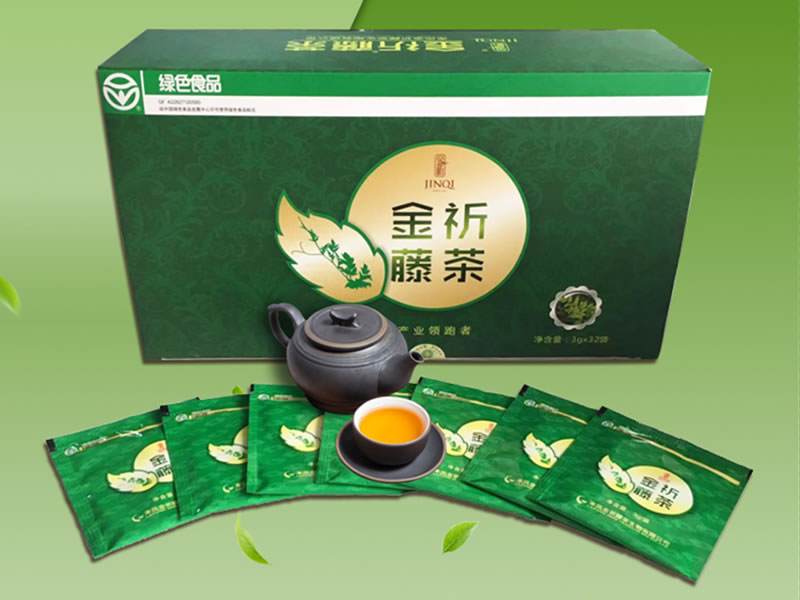
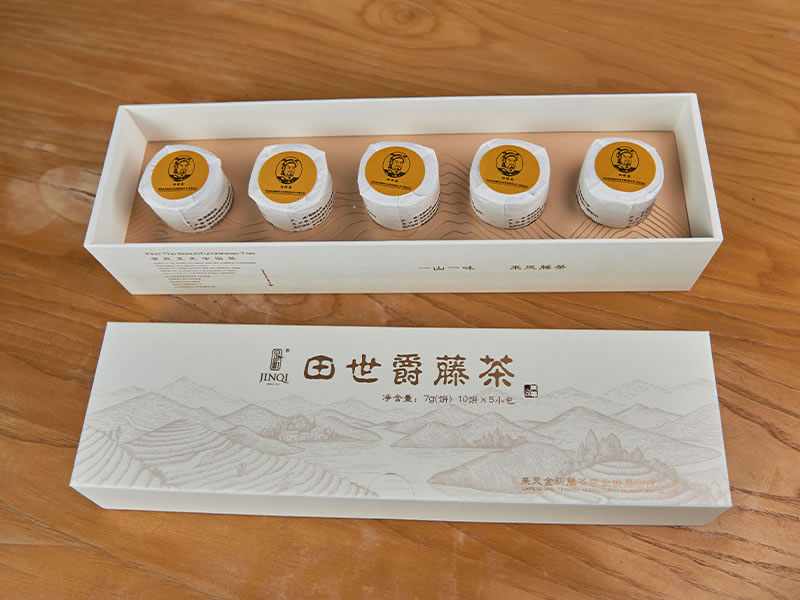
At JINQI Vine Tea Co., Ltd., we cultivate authentic Ampelopsis grossedentata in Laifeng County’s pristine Green Food Base gardens. Our GMP-certified process preserves its natural flavonoids, selenium, and aroma, ensuring maximum health benefits in every cup.
Make vine tea a healthy habit.
Visit JINQI Vine Tea Co., Ltd. to discover our premium vine tea, trusted by customers in over 10 countries.
FAQs
1. Is vine tea safe to drink every day?
Yes. Most people can enjoy it daily, and long-term use may strengthen immunity and improve health.
2. Does vine tea contain caffeine?
No. Vine tea is naturally caffeine-free and won’t affect sleep quality.
3. Who should avoid drinking vine tea?
People with cold stomach conditions, chronic digestive issues, or frequent diarrhea should avoid it.