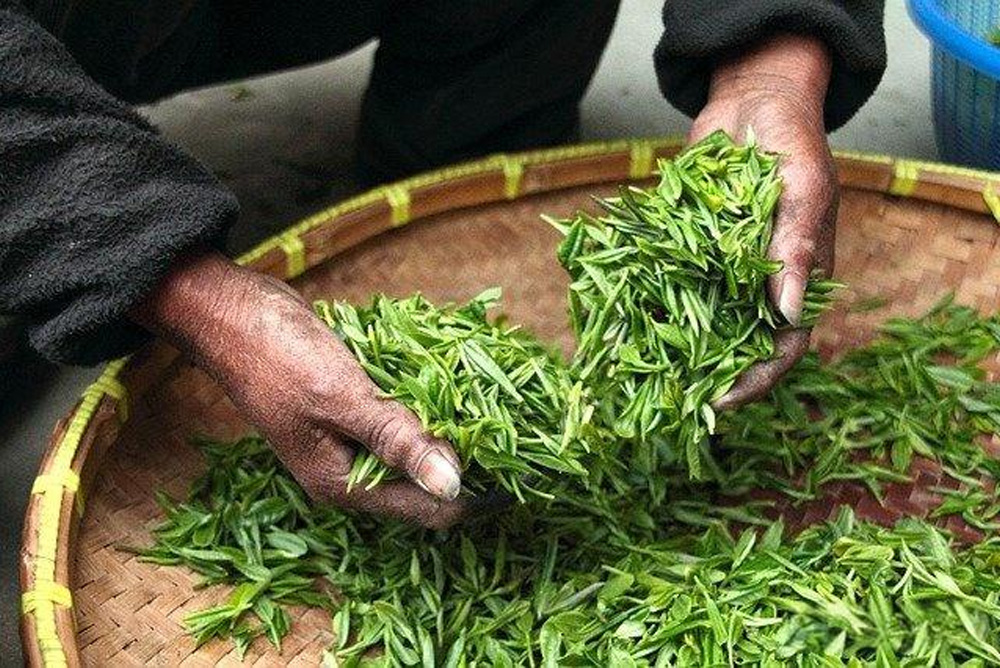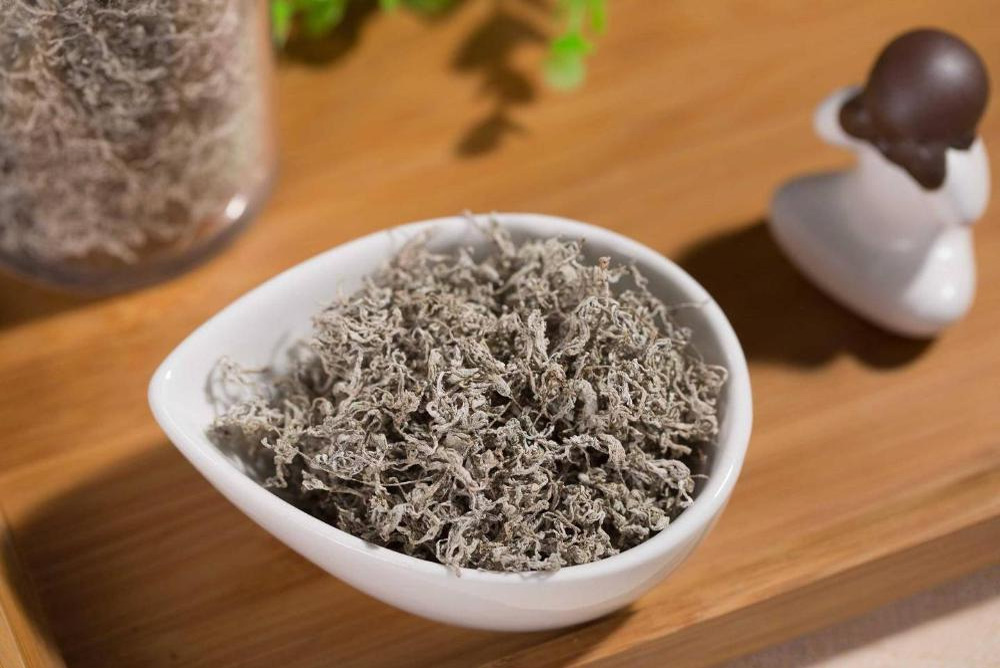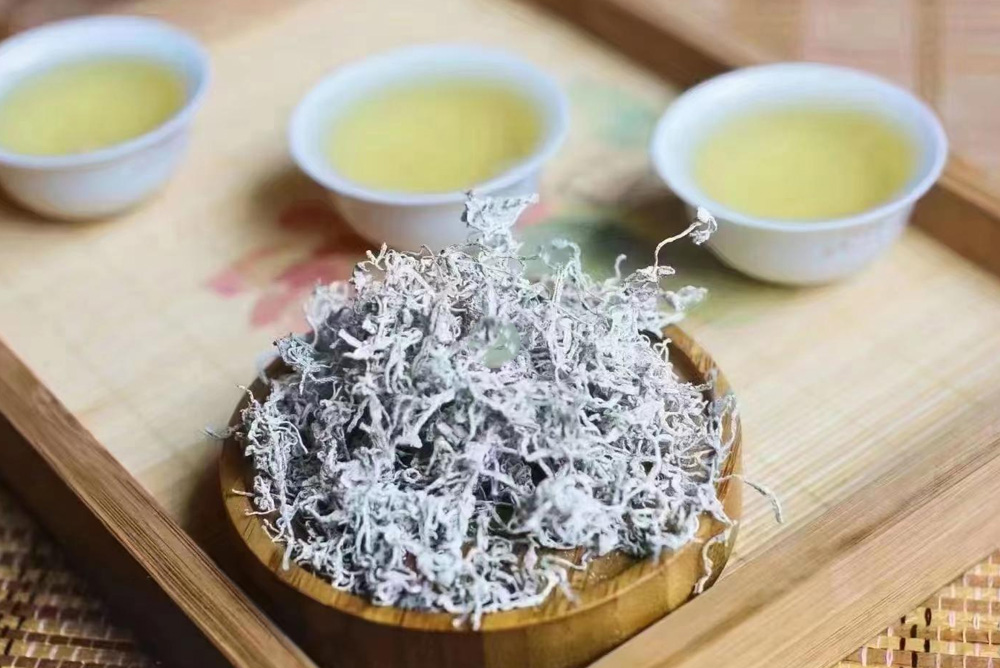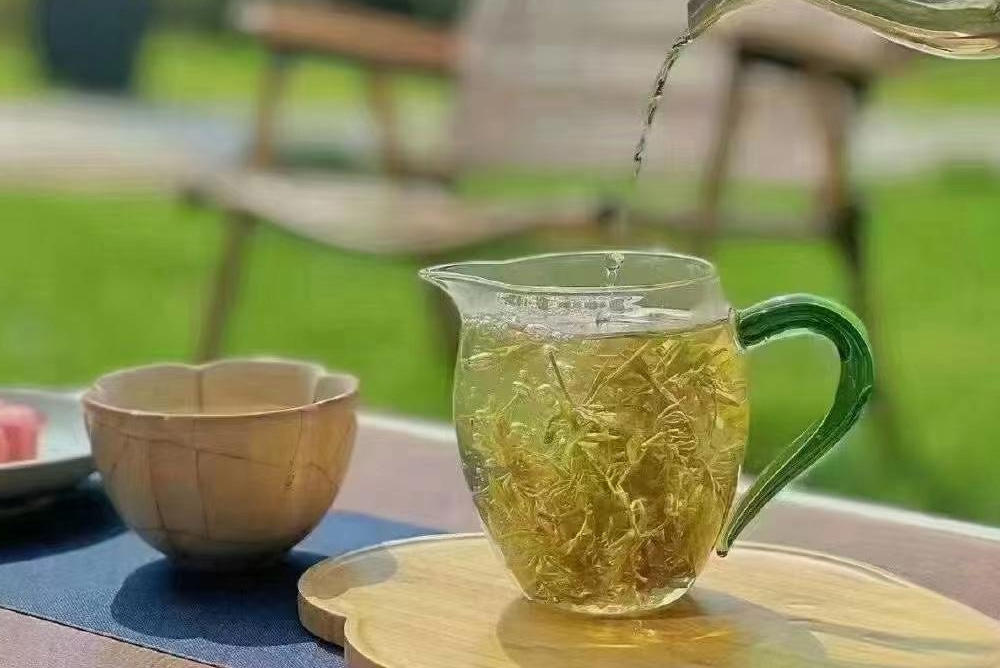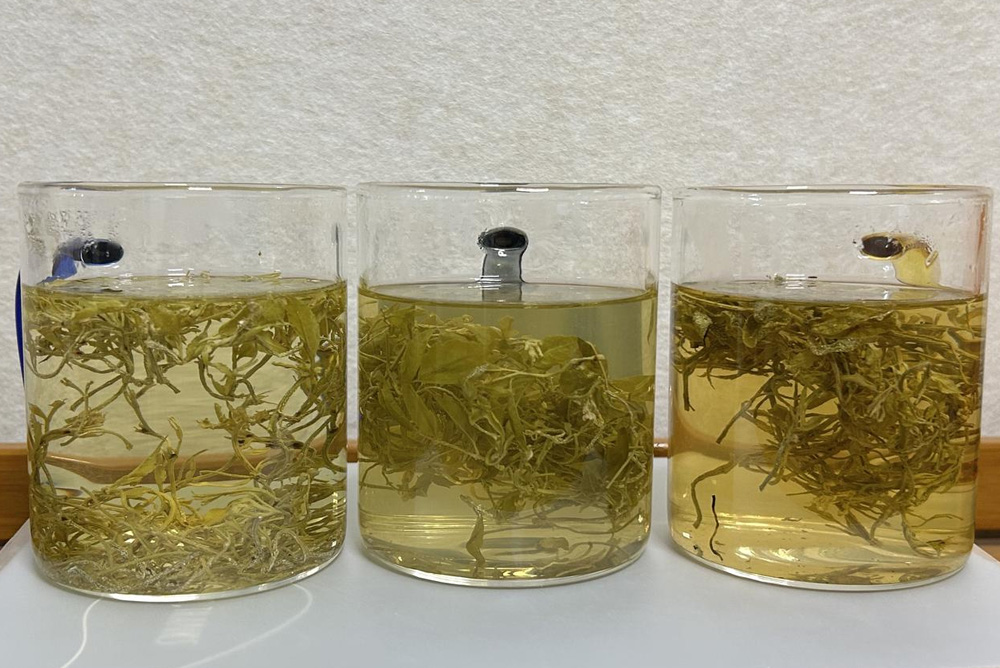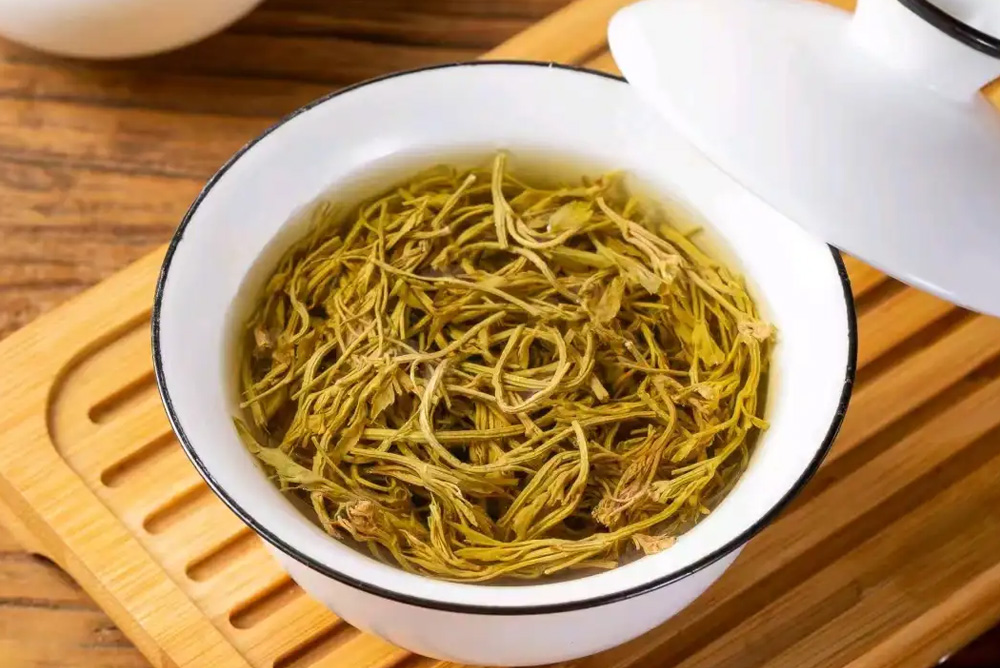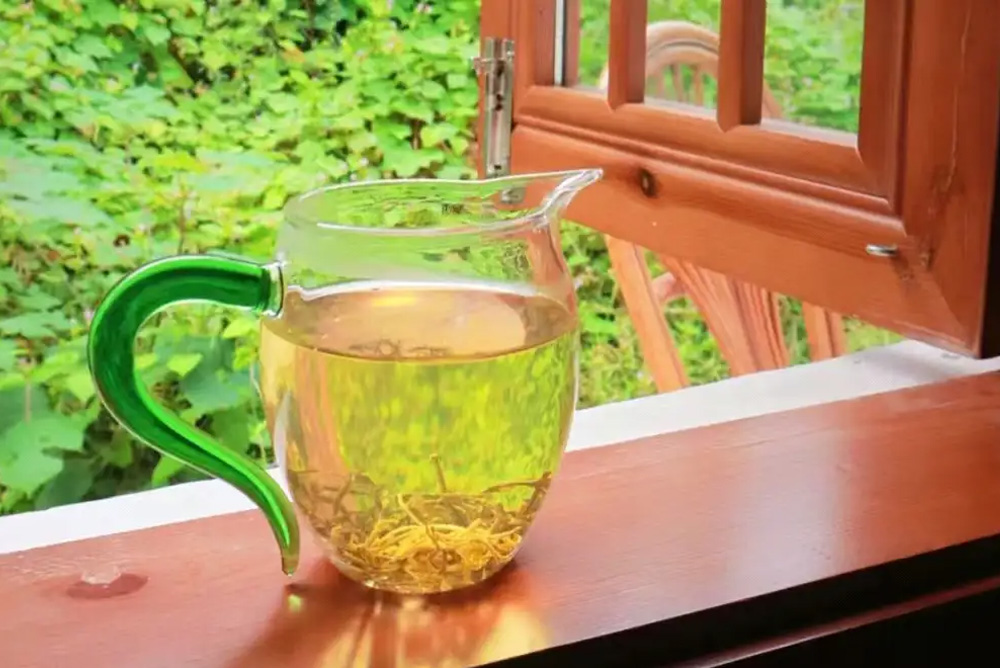
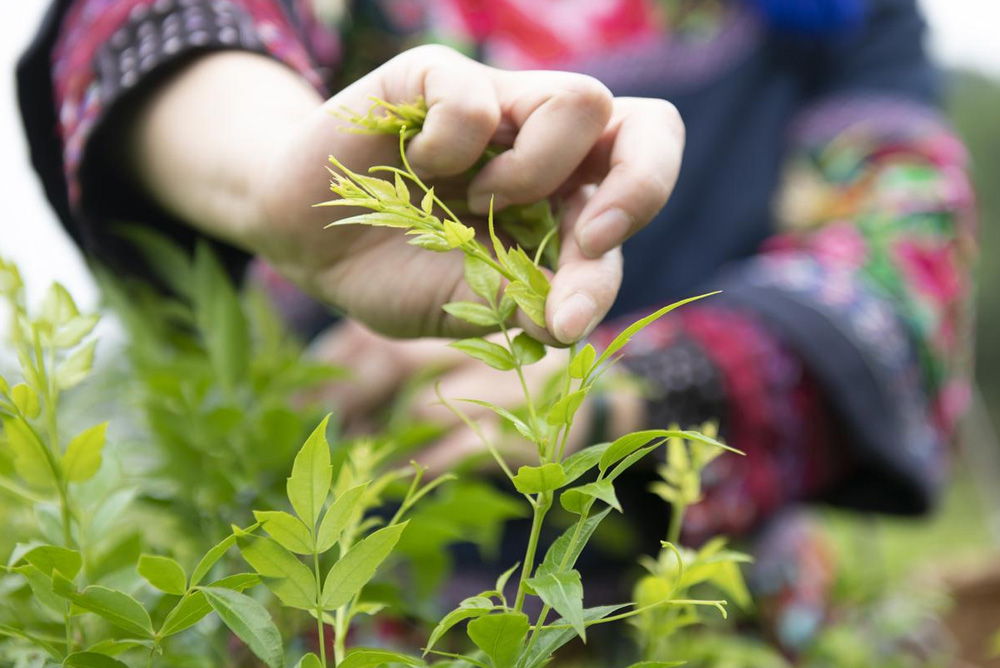
Vine tea, scientifically known as ampelopsis grossedentata, is a rare herbal gem native to the pristine mountains of Laifeng County, China. For centuries, locals have cherished it for its refreshing taste and impressive health benefits, particularly its exceptionally high flavonoid content. Today, with modern GMP-certified production, vine tea is reaching health-conscious consumers and tea enthusiasts worldwide.
In this guide, we’ll take a deep dive into its botanical classification, unique plant features, nutritional value, and the best ways to brew it—so you can enjoy this traditional tea at its finest.
1. Botanical Classification of Vine Tea
Although many herbal teas are cultivated from shrubs or herbs, vine tea stands out as a woody climbing plant. In botanical terms, it falls under the grape family (Vitaceae) and belongs to the genus Ampelopsis. Its full scientific classification looks like this:
-
Kingdom: Plantae
-
Phylum: Spermatophyta (Seed Plants)
-
Class: Dicotyledoneae (Dicotyledons)
-
Order: Vitales
-
Family: Vitaceae (Grape Family)
-
Genus: Ampelopsis
-
Species: Ampelopsis grossedentata
This classification was first formally documented in 1979 by botanist Wang Wencai in Acta Phytotaxonomica Sinica, who identified it as a wild variant of Ampelopsis cantoniensis.
2. Distinct Morphological Features
Vine tea isn’t just unique in taste—it has some fascinating physical traits:
-
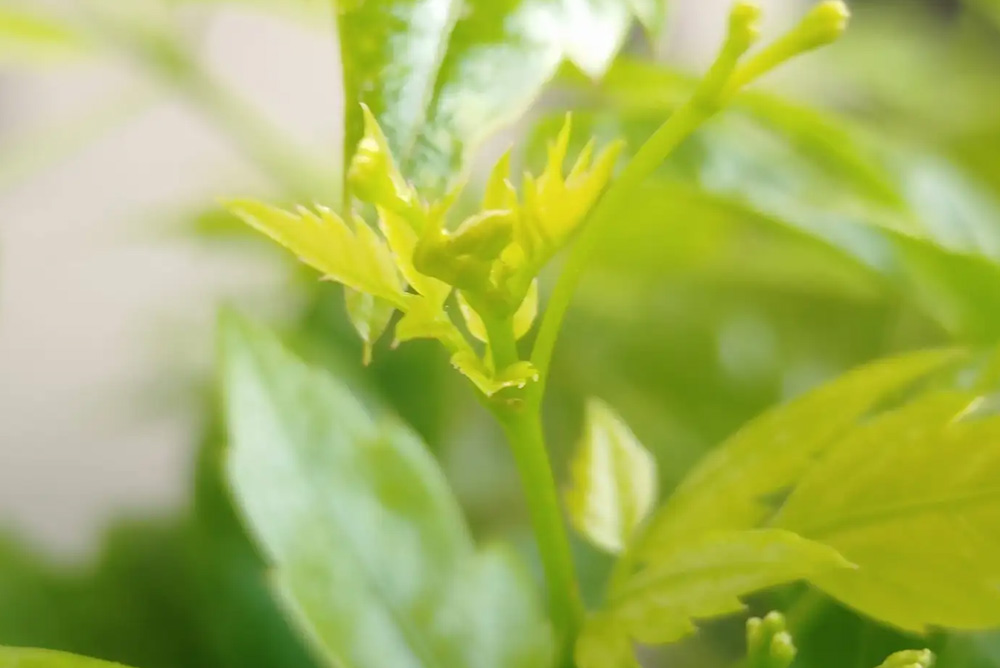
Growth Habit: A deciduous woody vine, sprouting in spring and shedding leaves in autumn.
-
Stem & Leaves: Smooth, hairless stems around 0.2–0.4 cm thick, with delicate tendrils that help it climb.
-
Leaf Shape: Double-pinnate compound leaves up to 17 cm long. The leaflets are thin, with serrated edges, coming in shapes ranging from elongated diamond to narrow oval.
-
Flowers & Fruit: Tiny, clustered flowers in umbrella-shaped inflorescences, giving way to small, near-spherical berries (3–6 mm in diameter).
-
Roots: Adventitious roots form at the nodes, helping it spread and anchor in varied terrains.
In the wild, vine tea prefers the edges of shrubland, climbing over bushes, or creeping along the ground when supports are absent.
3. Nutritional and Health Benefits
One of the reasons ampelopsis grossedentata has gained global interest is its extremely high flavonoid content—often exceeding 30% in dried leaves. Flavonoids are powerful antioxidants linked to:
-
Supporting cardiovascular health
-
Helping maintain healthy blood sugar levels
-
Boosting the body’s antioxidant defenses
-
Reducing oxidative stress and inflammation
Other notable benefits include:
-
Selenium Content: This trace mineral supports immune function and protects cells from oxidative damage.
-
Caffeine-Free: Perfect for those avoiding caffeine but still wanting a refreshing, flavorful tea.
-
Digestive Support: Traditionally consumed to soothe the stomach and aid digestion after heavy meals.
4. How Vine Tea Differs from Other Herbal Teas
Unlike chamomile, peppermint, or rooibos, vine tea comes from a climbing woody plant closely related to grapes. This gives it a subtle natural sweetness and smooth aftertaste without added sugar.
Other differences include:
-
Botanical Family: Part of the grape family, not typical herbal families like Asteraceae (daisies) or Lamiaceae (mints).
-
Nutrient Density: Far higher flavonoid content than most herbal teas.
-
Flavor Profile: Mildly sweet, slightly grassy, with no bitterness when brewed correctly.
5. Brewing Tips for the Perfect Cup
To fully appreciate vine tea’s aroma and health benefits, follow these brewing steps:
-
Water Temperature: Use water around 90°C (194°F)—boiling water can destroy delicate compounds.
-
Tea-to-Water Ratio: 3–5 grams of loose leaf tea per 250 ml of water.
-
Steeping Time: 3–5 minutes for a light infusion, 6–8 minutes for a stronger flavor.
-
Multiple Infusions: High-quality vine tea can be brewed 3–4 times without losing flavor.
-
Serving: Enjoy plain, or add a slice of lemon for extra freshness.
6. Why Sourcing Matters – The Laifeng County Advantage
Laifeng County in Hubei Province is the authentic origin of ampelopsis grossedentata. The region’s unique climate, high-altitude soils, and biodiversity create the ideal growing conditions for nutrient-rich leaves.
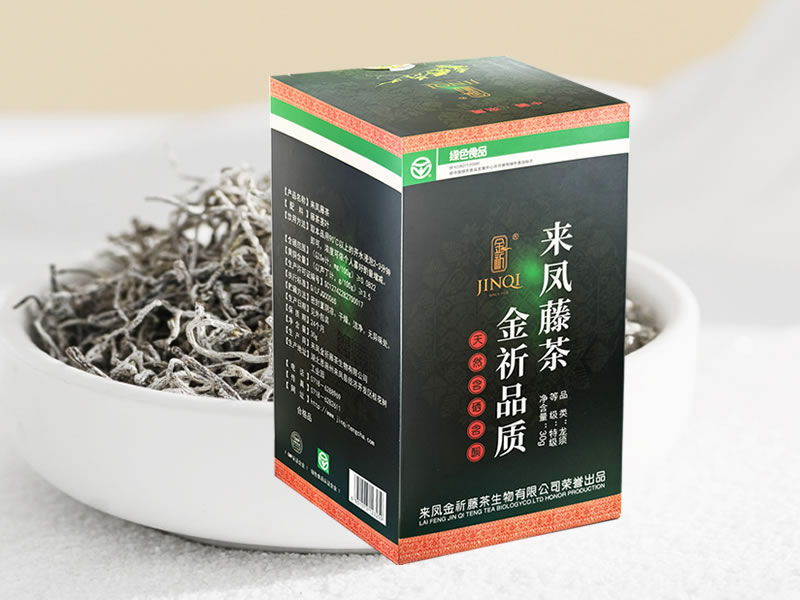
JINQI Vine Tea Co., Ltd., based in Laifeng, has spent over two decades perfecting vine tea cultivation and production. Their GMP-certified facilities, Green Food Base certification, and strict quality control ensure every batch meets international standards.
7. Vine Tea Beyond the Teacup
While traditional brewing remains the most popular use, JINQI is pioneering new applications for vine tea:
-
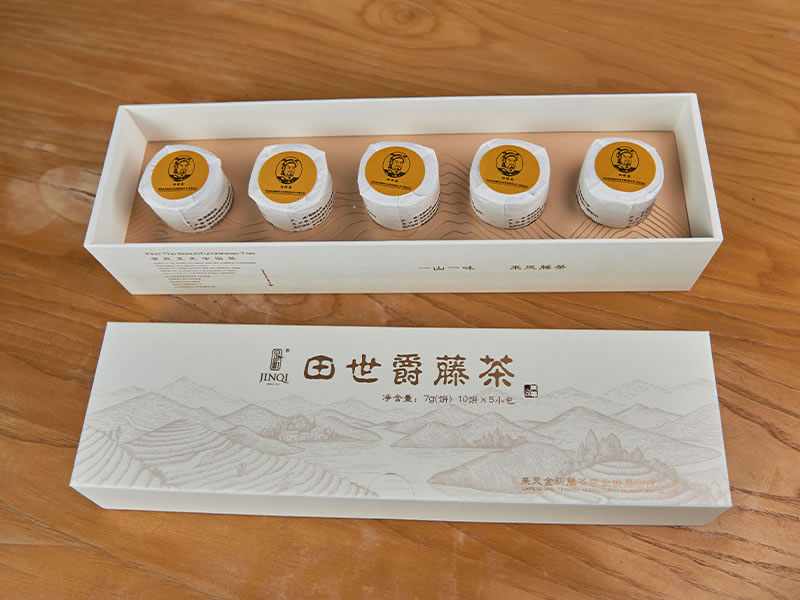
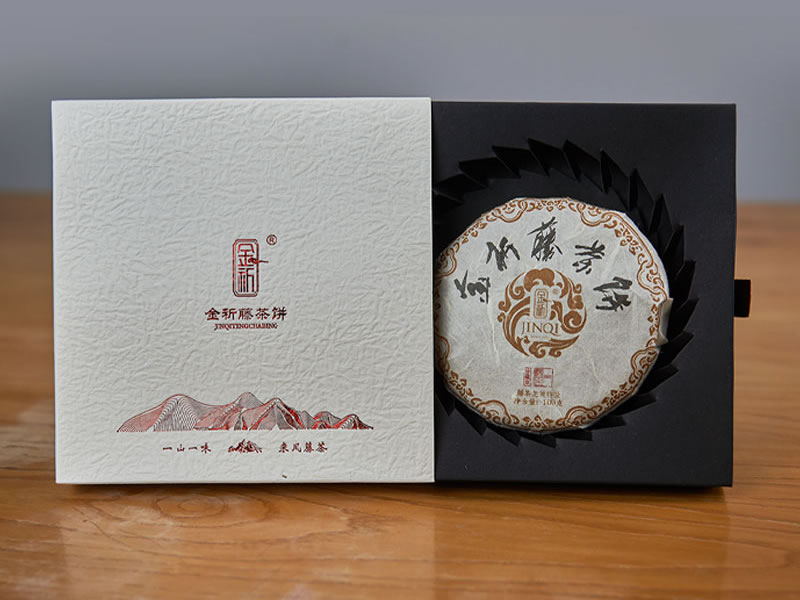
Pressed Tea Cakes & Pearls – ideal for aging and gifting.
-
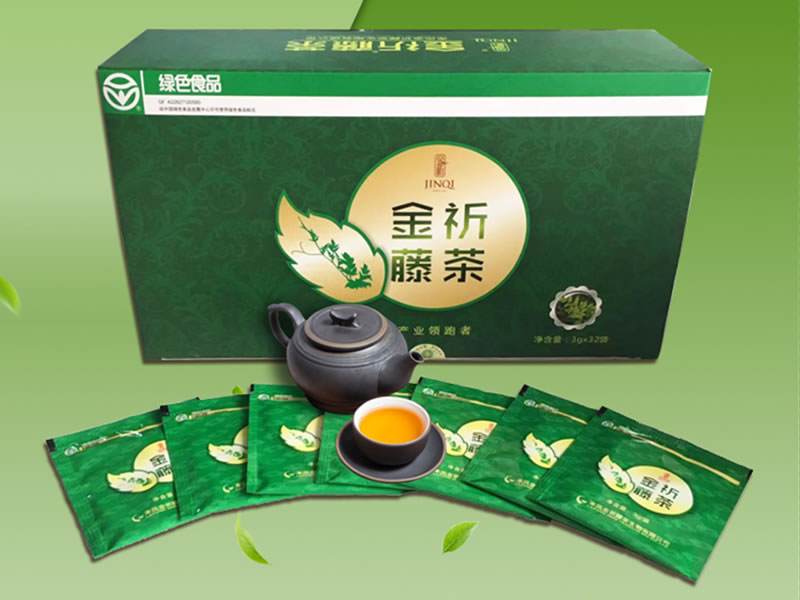
Tea Bags & Instant Vine Tea – convenience without compromising quality.
-
Functional Beverages – blends with herbs and fruits.
-
Nutraceuticals & Extracts – concentrated flavonoid supplements.
-
Oral Care Products – toothpaste and mouthwash with vine tea extract.
Bringing Vine Tea to the World
Vine tea (ampelopsis grossedentata) is more than a refreshing drink—it’s a botanical treasure with centuries of tradition and scientifically backed health benefits. Whether you’re a herbal tea enthusiast, a wellness advocate, or a B2B buyer seeking premium tea products, sourcing from Laifeng ensures authenticity and top-tier quality.
JINQI Vine Tea Co., Ltd. invites you to experience the smooth taste, natural sweetness, and health-promoting power of genuine Laifeng vine tea.
FAQs
1. What is vine tea (ampelopsis grossedentata) good for?
It’s rich in antioxidants, supports cardiovascular health, and is naturally caffeine-free.
2. How do you brew vine tea for the best flavor?
Steep in 90°C (194°F) water for 3–5 minutes to retain its aroma and nutrients.
3. Is vine tea caffeine-free?
Yes, making it suitable for any time of day.