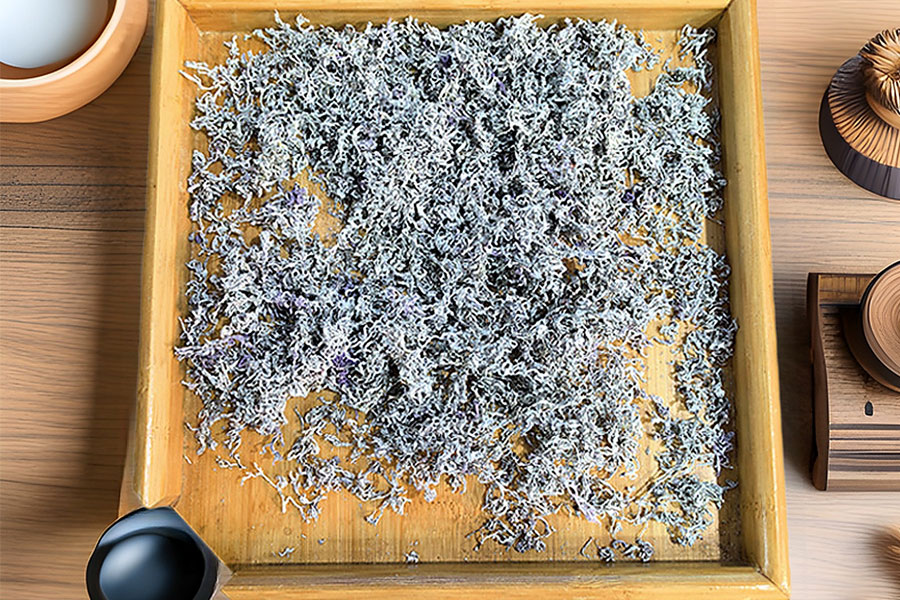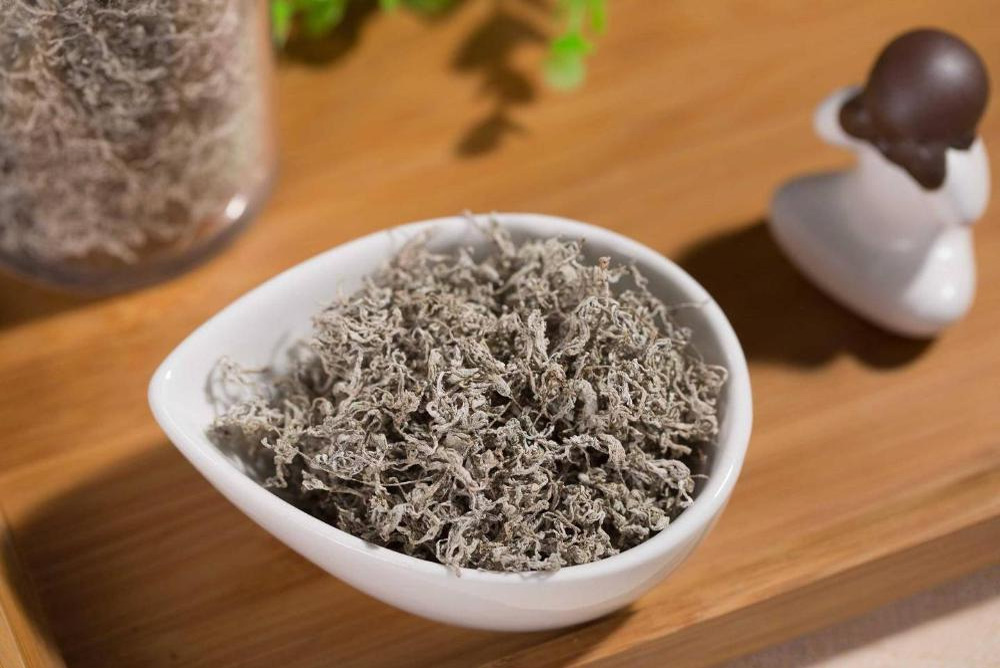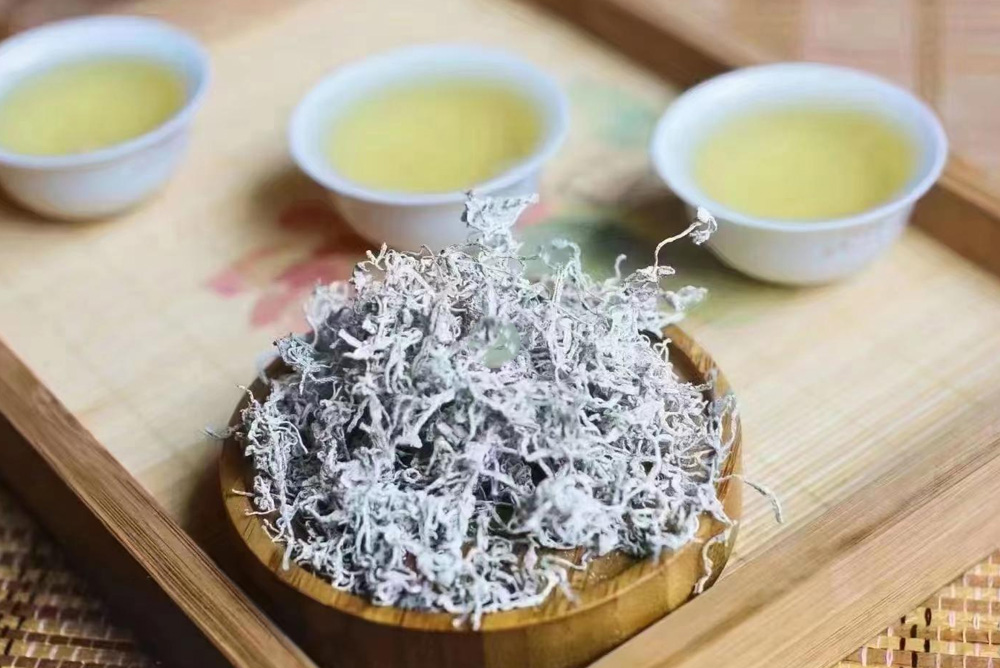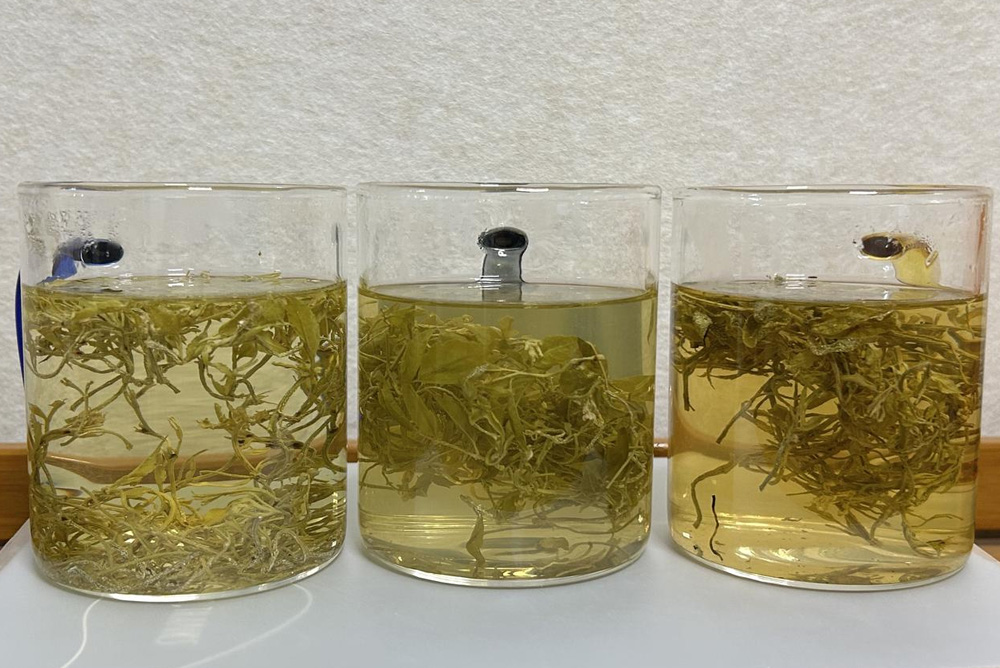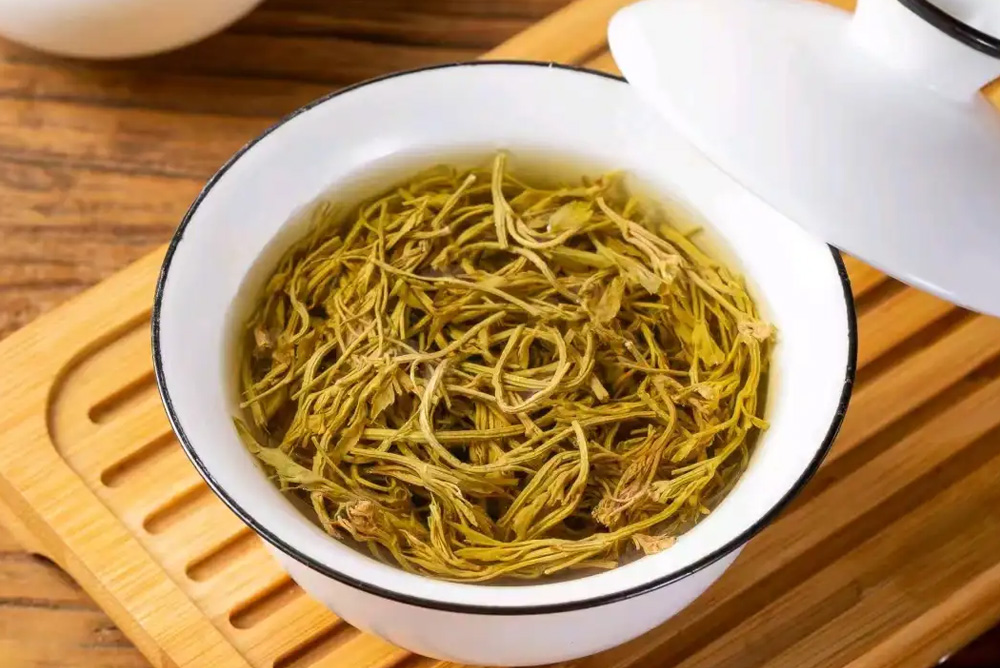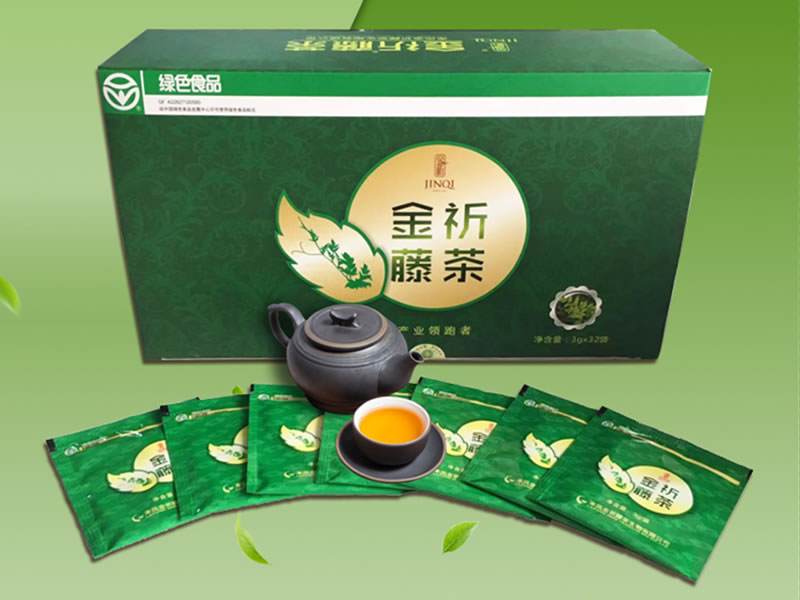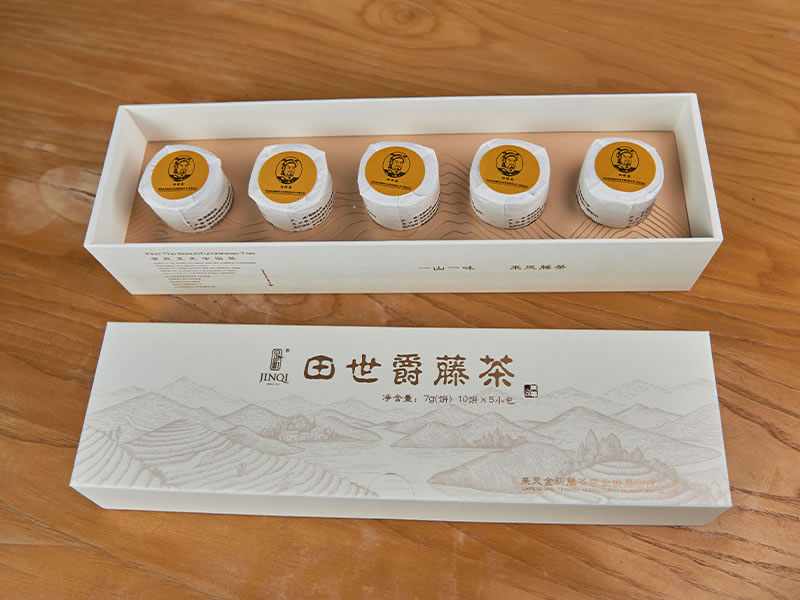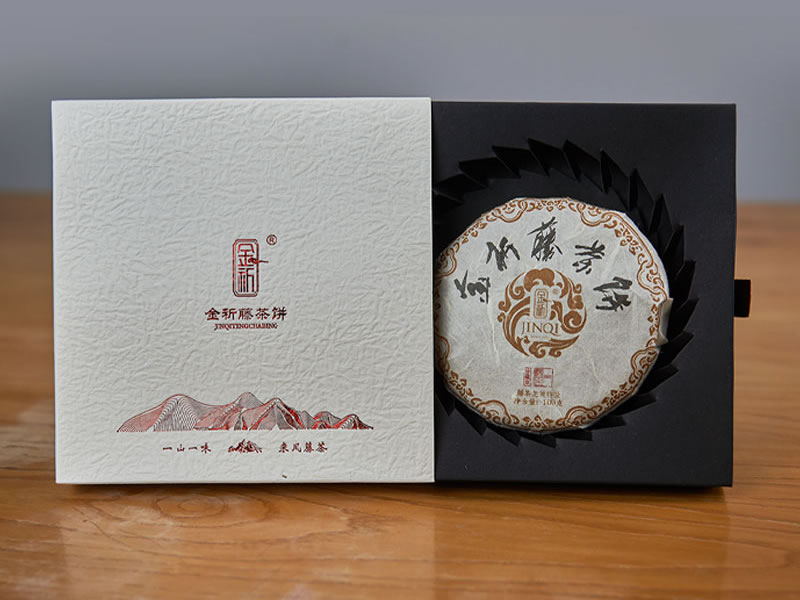
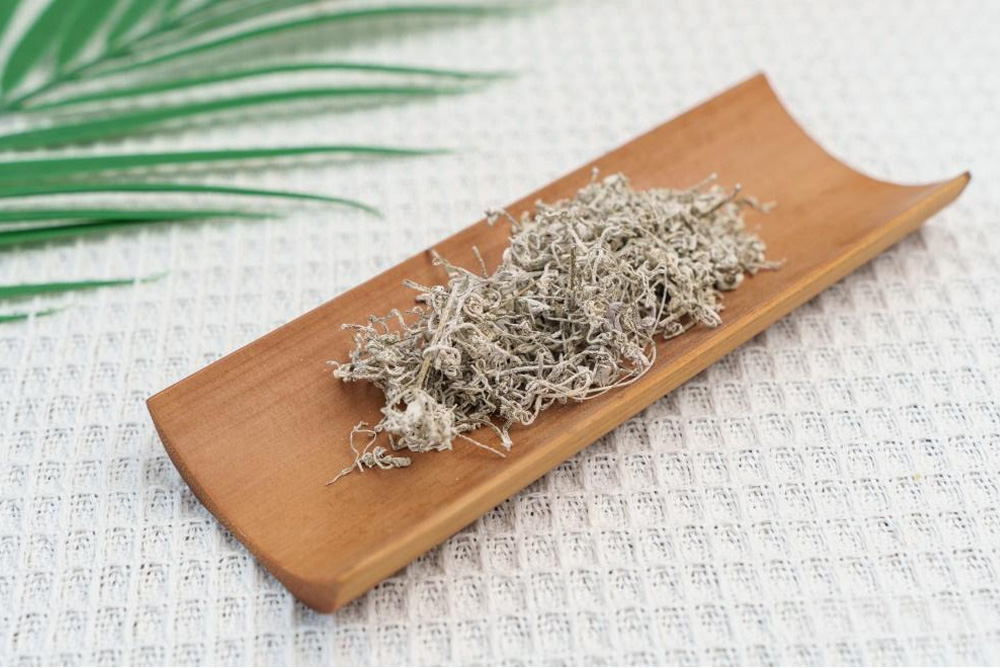
Vine tea, scientifically known as Ampelopsis grossedentata, is not your ordinary tea. While it brews like tea, it actually comes from the young stems and leaves of a grape family plant. For centuries, it was valued in traditional medicine for its healing properties, and today it is recognized by science as a powerhouse of nutrition and bioactive compounds.
Let’s explore the key components of vine tea and the remarkable ways it supports health.
1. Flavonoids – The Core of Vine Tea’s Power
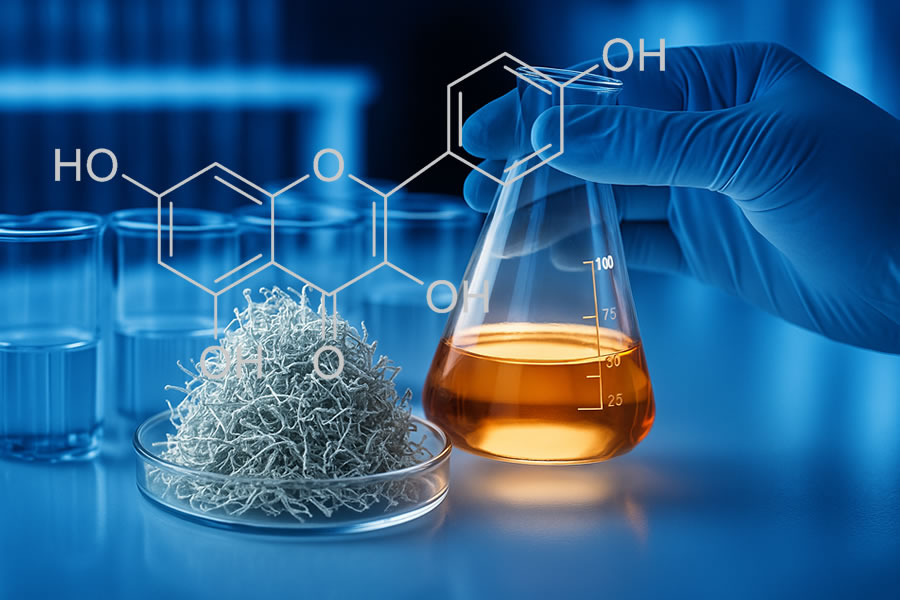
The hallmark of vine tea is its exceptionally high flavonoid content, especially Dihydromyricetin (DHM).
-
Antioxidant protection: DHM neutralizes free radicals, helping prevent oxidative cell damage—its antioxidant capacity can surpass that of Vitamin C.
-
Anti-inflammatory and antibacterial: It reduces inflammation and inhibits harmful bacteria such as Staphylococcus aureus and E. coli.
-
Cancer cell inhibition: Research shows DHM can slow the growth of certain tumor cells, including lung cancer and leukemia, by influencing cell signaling pathways.
Vine tea also contains other beneficial flavonoids like myricetin and quercetin, which work synergistically for even greater health effects.
2. Polysaccharides – Natural Immune Boosters
Using advanced extraction techniques such as ultrasonic enzyme-assisted methods, vine tea polysaccharides have been shown to:
-
Strengthen immune response
-
Act as antioxidants against harmful radicals like DPPH and ABTS+
-
Help regulate blood sugar by inhibiting carbohydrate-digesting enzymes
3. Other Key Nutrients
In addition to flavonoids and polysaccharides, vine tea contains:
-
Phenolic compounds like gallic acid for antimicrobial and antiviral effects
-
17 amino acids for nutrition and flavor
-
14 trace elements including potassium, calcium, iron, zinc, and selenium
These compounds work together to provide broad health benefits.
4. Proven Health Benefits of Vine Tea (Ampelopsis grossedentata)
✔ Anti-aging & antioxidant support – Protects cells from oxidative damage, slowing aging and reducing the risk of chronic diseases.
✔ Antibacterial protection – Fights bacteria and fungi naturally, offering potential uses in both health and food preservation.
✔ Anti-inflammatory & pain relief – Reduces inflammation markers, eases swelling, and alleviates discomfort.
✔ Heart and metabolic health – Lowers cholesterol and triglycerides while increasing beneficial HDL; helps manage blood sugar levels.
✔ Liver protection – DHM accelerates the breakdown of alcohol byproducts, protects against fatty liver, and supports liver regeneration.
✔ Anti-cancer potential – Inhibits tumor cell growth and may support cancer prevention strategies.
Choosing the Best Vine Tea
Vine tea (Ampelopsis grossedentata) is a natural health ally, offering protection for your heart, liver, metabolism, and immune system—all without caffeine or harsh tannins.
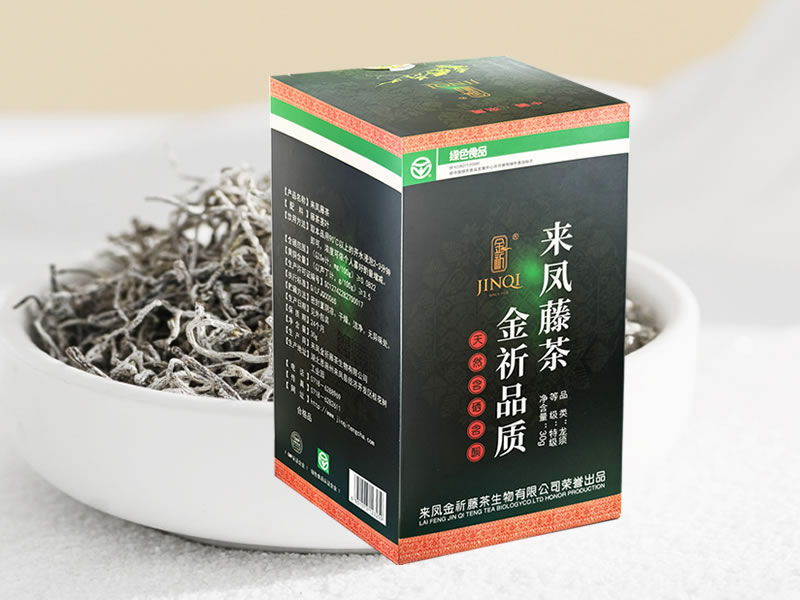
For the purest quality and richest flavonoid content, choose tea from trusted producers like JINQI Vine Tea Co., Ltd., where we’ve been cultivating and processing authentic Laifeng County vine tea for over 20 years.
Taste the difference of authentic origin. Experience the health of vine tea.
FAQ
Q1: Is vine tea the same as green tea?
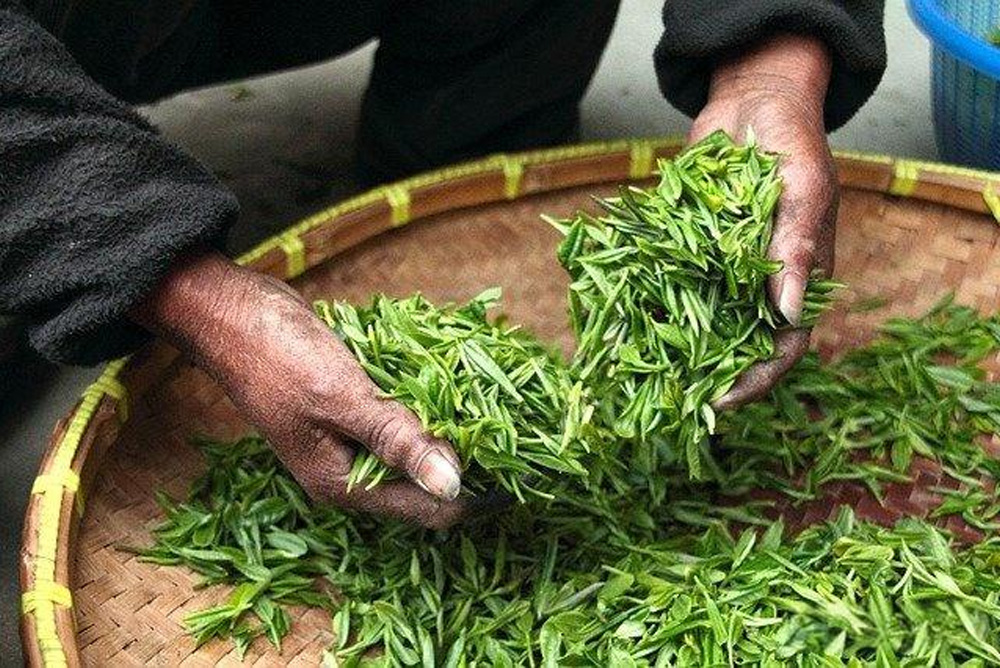
No. Vine tea is made from Ampelopsis grossedentata, not the traditional tea plant, and is naturally caffeine-free.
Q2: What is dihydromyricetin in vine tea?
DHM is a powerful flavonoid that supports liver health, fights oxidative stress, and may help protect against chronic disease.
Q3: Can I drink vine tea every day?
Yes. Most people can safely enjoy vine tea daily for long-term wellness benefits.