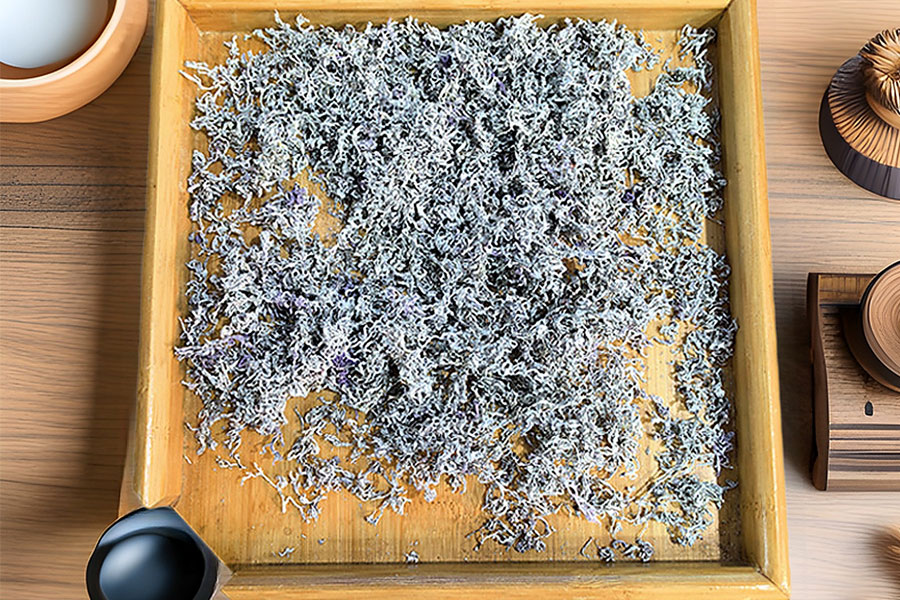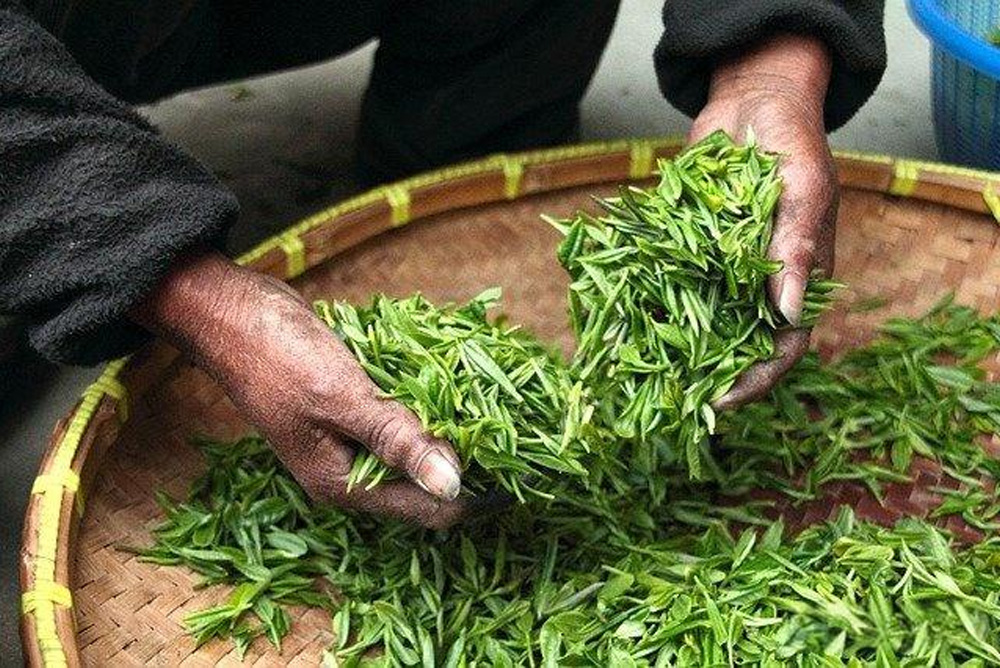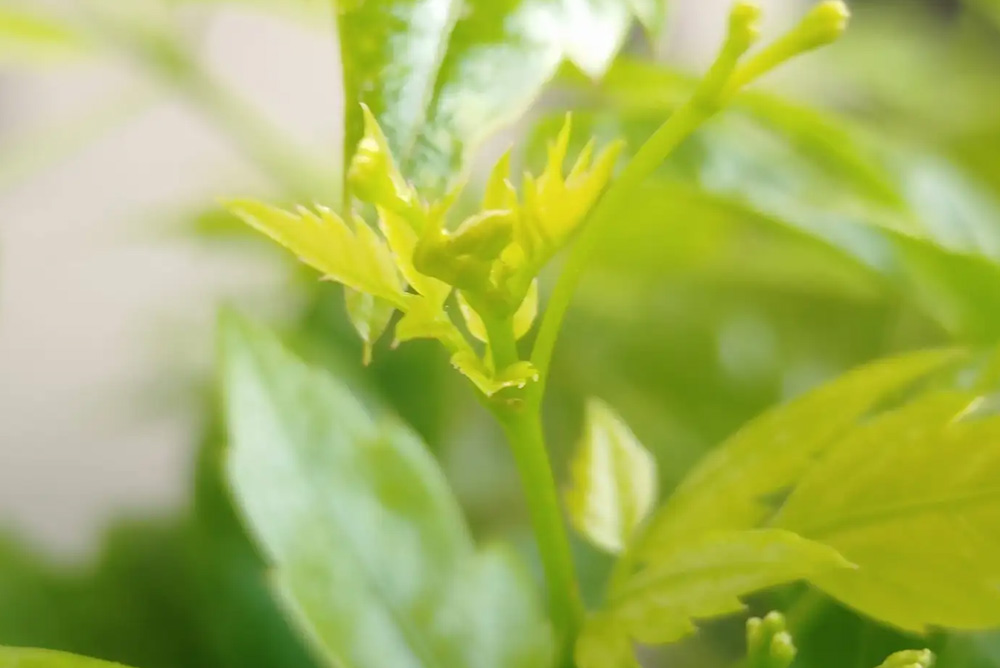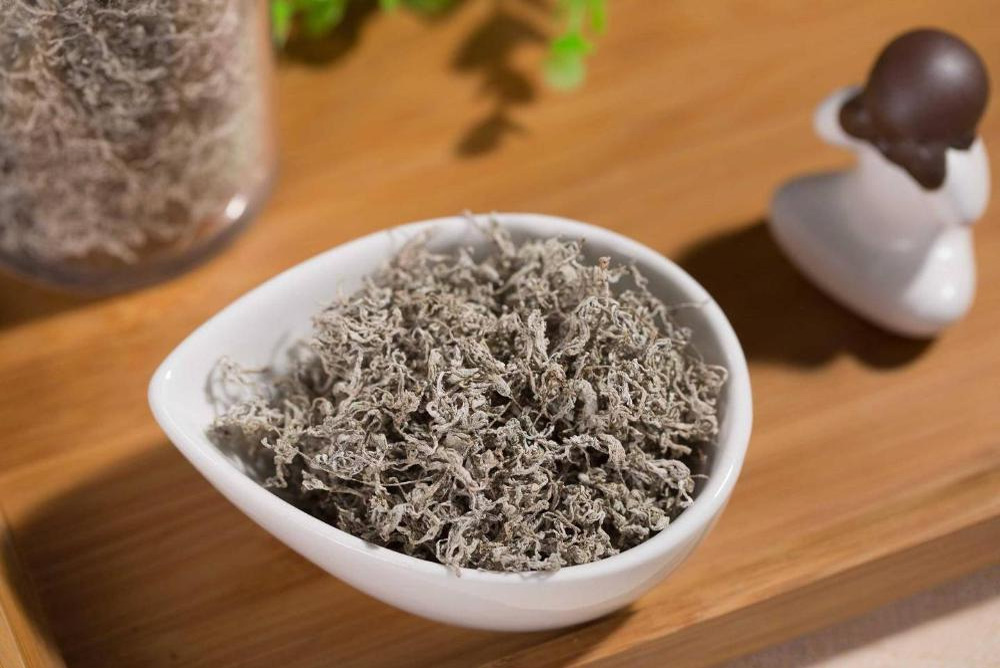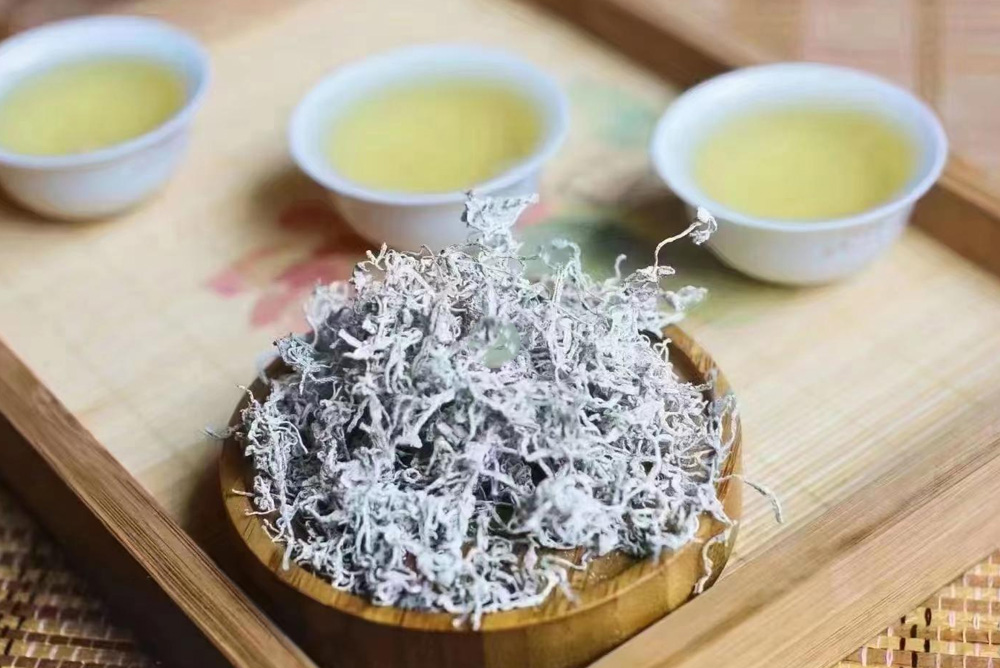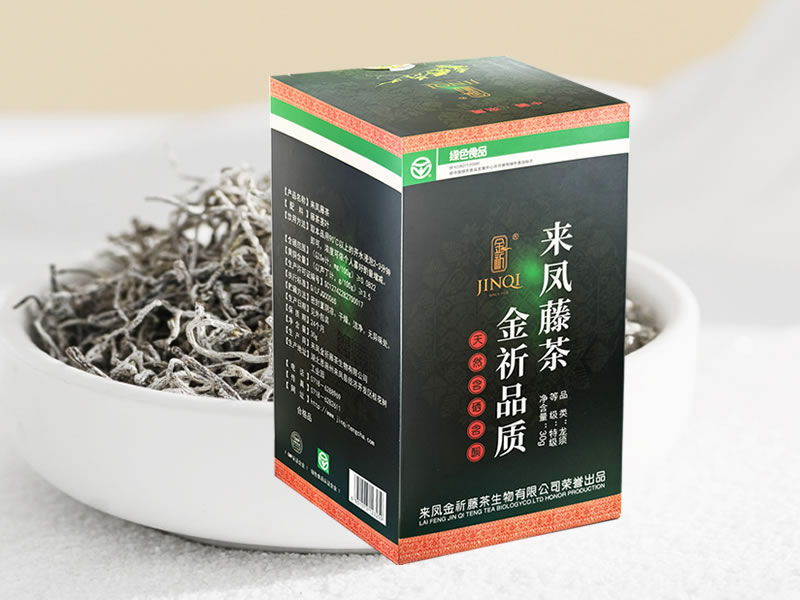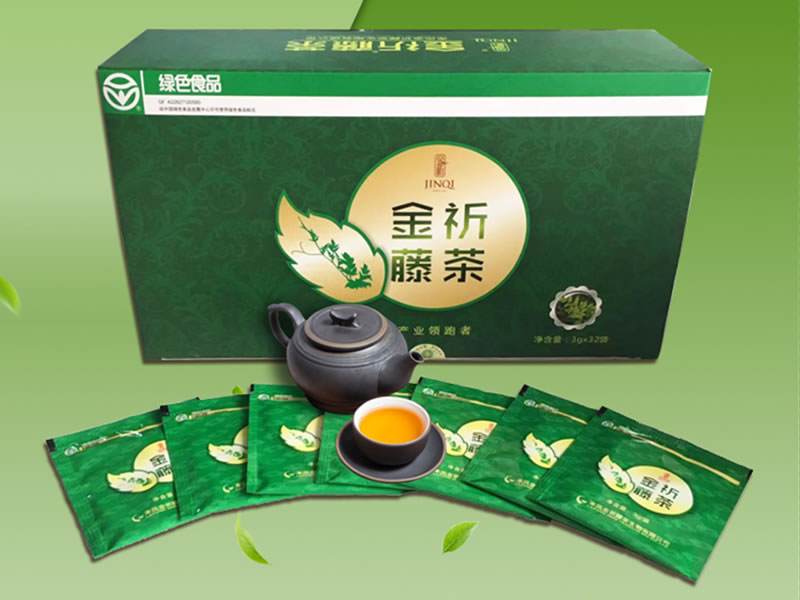
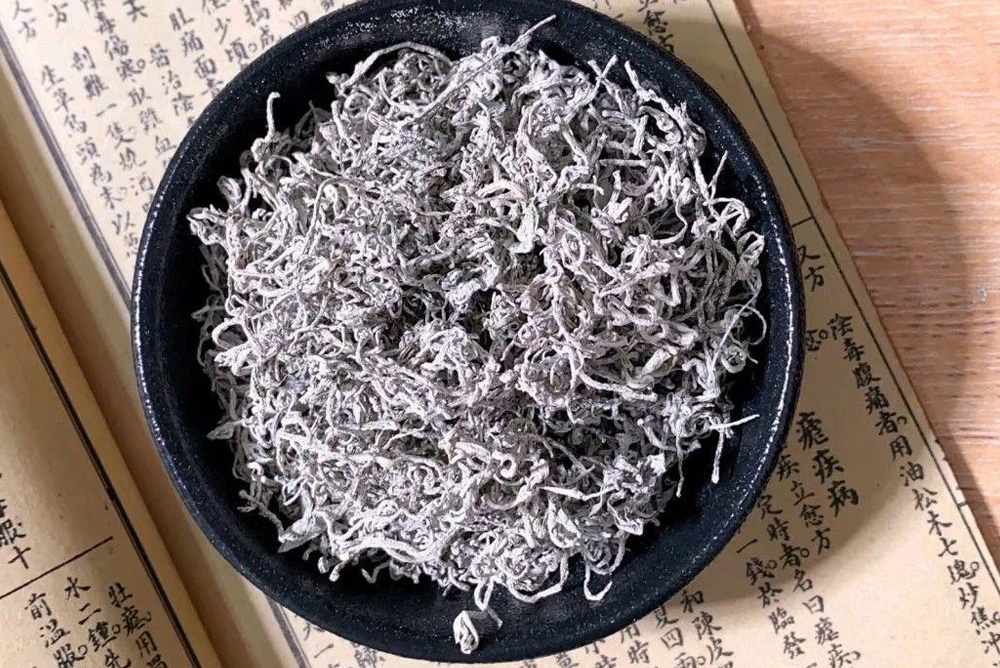
Vine tea, scientifically known as Ampelopsis grossedentata, is not your typical tea leaf. Classified as a “medicinal and edible” herbal tea, it comes from a climbing plant in the grape family, not the traditional tea plant. When dried, its leaves are covered with a natural white frost—often mistaken for mold—giving it the name “vine tea.”
In this guide, we’ll explore its origins, health benefits, how it differs from regular tea, and the best way to brew it.
1. Origins of Vine Tea
Vine tea was first discovered in 1993 in Luotaping, a longevity village in Zhangjiajie, Hunan Province, China. Locals who drank it daily were noted for their low incidence of chronic conditions like high blood pressure, high cholesterol, and high blood sugar.
Today, most vine tea comes from Zhangjiajie and surrounding regions in Hunan and Hubei, including Laifeng County in Enshi—an ideal environment with misty mountains and mineral-rich soil.
2. Why Vine Tea is White
The signature white frost on vine tea leaves is not mold—it’s a dense layer of natural flavonoids, with 80% being dihydromyricetin (DHM). Depending on grade, flavonoid content ranges from 26% to 50%, making it one of the richest natural sources of flavonoids known and earning it the title “King of Flavonoids”.
3. Health Benefits of Vine Tea (Ampelopsis grossedentata)
-
Antioxidant & Anti-aging – Flavonoids in vine tea neutralize free radicals, protecting cells from oxidative damage and slowing aging.
-
Liver Protection & Hangover Relief – DHM supports liver health by repairing cells, reducing stress on the liver, and speeding alcohol metabolism.
-
Better Sleep – Caffeine-free and naturally calming, vine tea can help improve sleep quality without causing insomnia.
-
Heart & Blood Vessel Support – Known as a “vascular cleaner,” its flavonoids help regulate blood lipids and blood pressure.
-
Throat Care – Called “natural penicillin,” vine tea has antibacterial and anti-inflammatory effects that soothe sore throats, coughs, and hoarseness.
Note: Vine tea has a cooling nature and may not be suitable for people with weak digestion or cold stomach. Pregnant women and children under 4 should avoid it.
4. Key Differences from Regular Tea
-
No Caffeine or Theobromine – Won’t cause jitters or affect sleep.
-
No Tannic Acid – Won’t interfere with medication absorption.
-
Different Active Compounds – Vine tea is rich in dihydromyricetin, while traditional tea contains tea polyphenols.
-
Higher Flavonoid Content – Much more potent in antioxidant and anti-inflammatory effects than regular green or black tea.
5. How to Brew Vine Tea
-
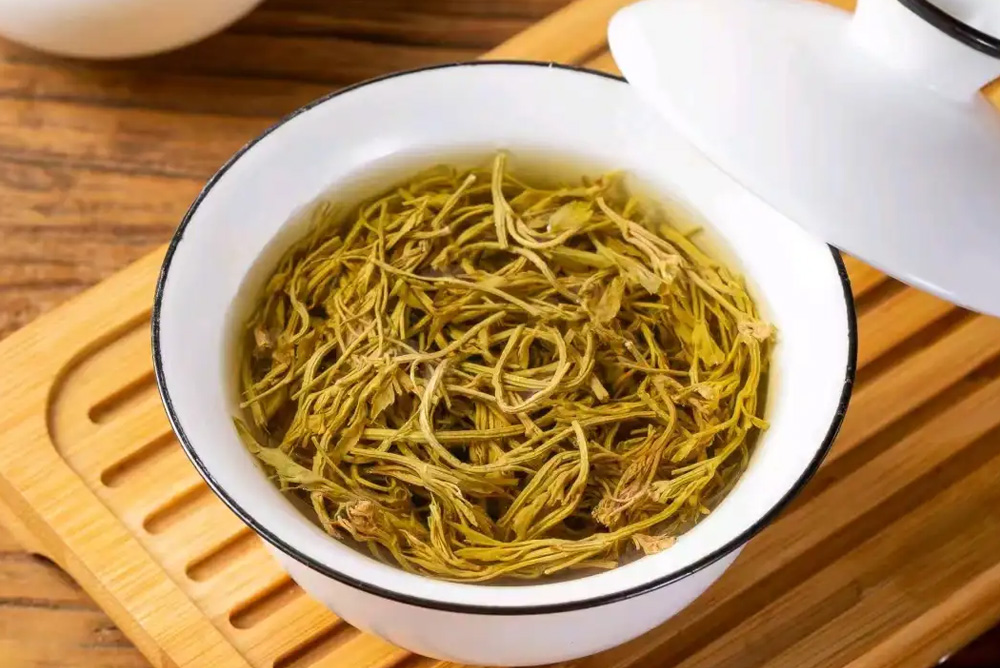
Use 2–3 grams of dried vine tea leaves in a glass or cup.
-
Do not rinse—the first brew contains the most nutrients.
-
Pour 95°C (203°F) hot water over the leaves.
-
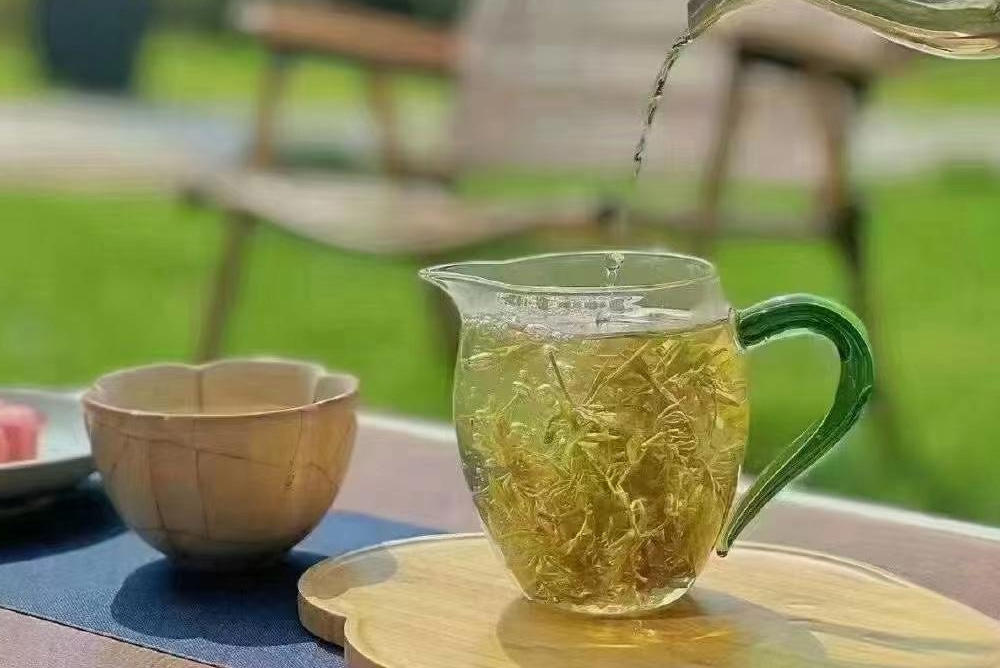
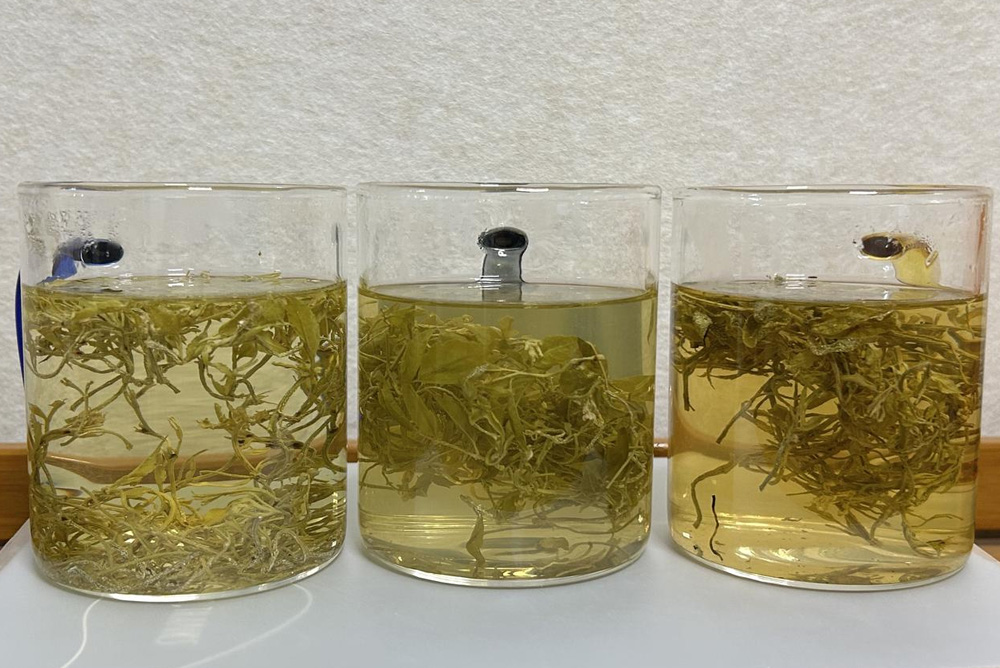
Wait for the white frost to dissolve, then drink when it cools to your preferred temperature.
-
Can be brewed up to 2 times; most benefits are extracted in the first two brews.
Tip: Avoid making it too strong, and don’t drink large amounts right before bed to prevent frequent nighttime trips to the bathroom.
Why Work with JINQI
Vine tea (Ampelopsis grossedentata) is more than a beverage—it’s a potent herbal infusion with powerful flavonoids, liver-protective properties, and throat-soothing effects.
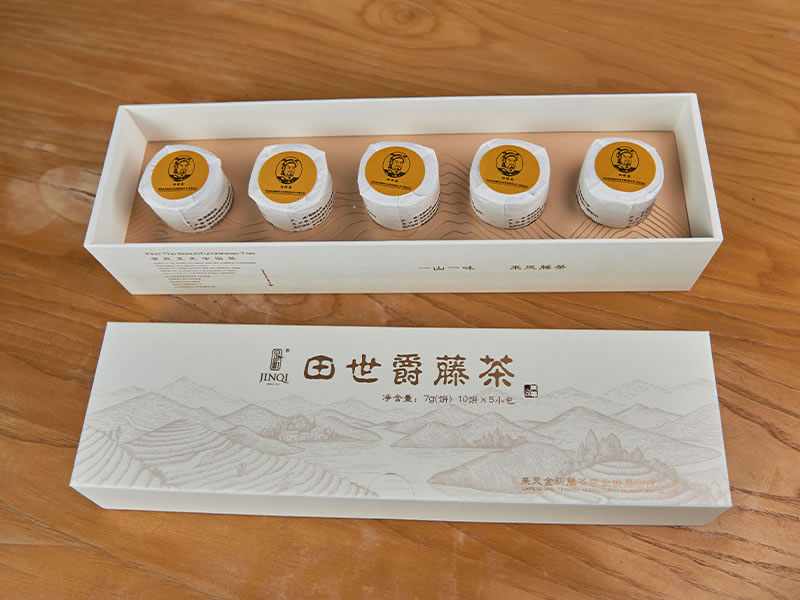
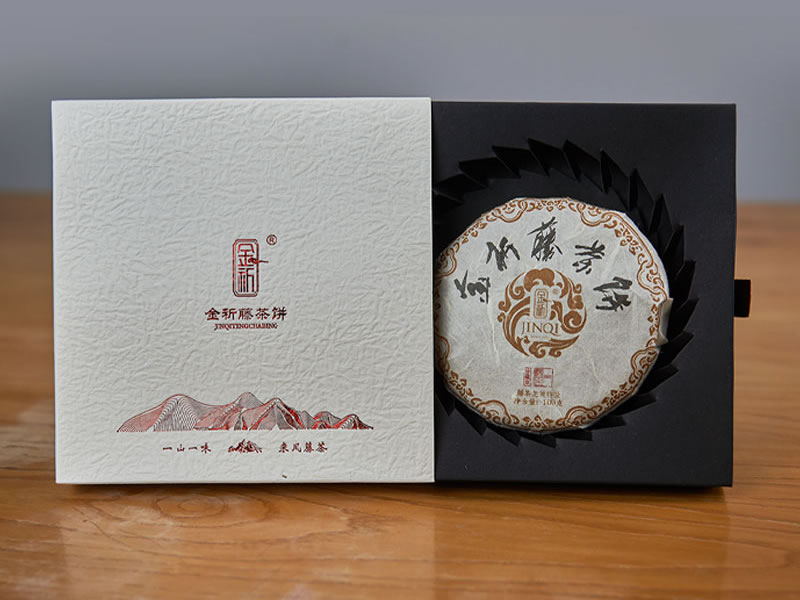
For authentic, high-flavonoid vine tea grown in the pristine mountains of Laifeng, choose JINQI Vine Tea Co., Ltd. With over 20 years of cultivation expertise, GMP-certified processing, and zero pesticide residue, JINQI delivers the purest vine tea to customers worldwide.
FAQ
Q1: Is vine tea caffeine-free?
Yes. Vine tea contains no caffeine and can be enjoyed even in the evening without affecting sleep.
Q2: What makes vine tea different from green tea?
Vine tea comes from a grape family vine and is rich in dihydromyricetin, while green tea comes from the tea plant and contains caffeine.
Q3: Can vine tea help with throat problems?
Yes. Its anti-inflammatory and antibacterial properties can help soothe sore throats and reduce coughing.