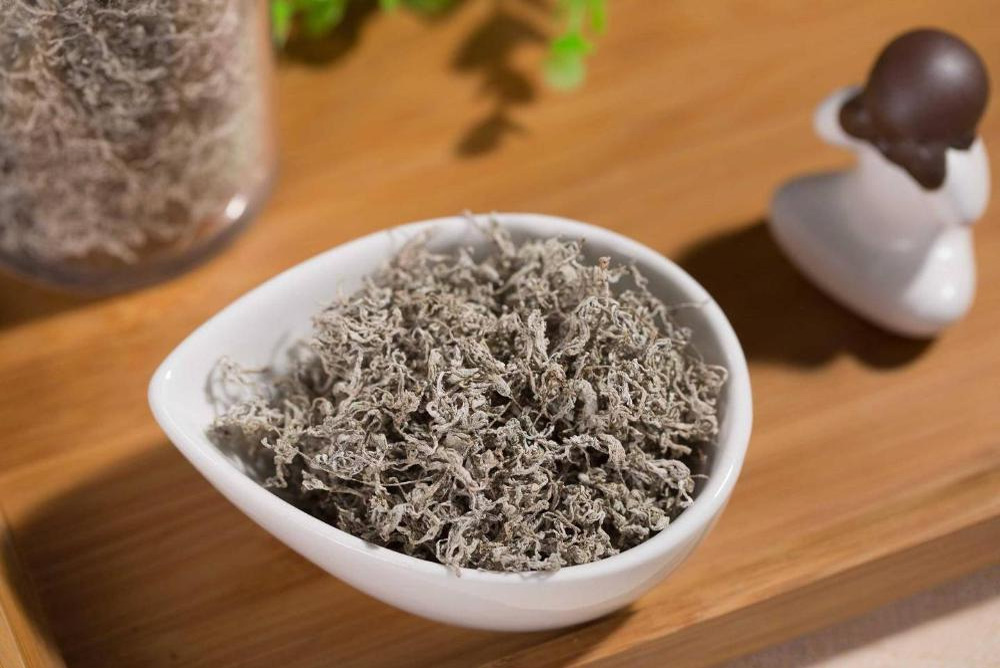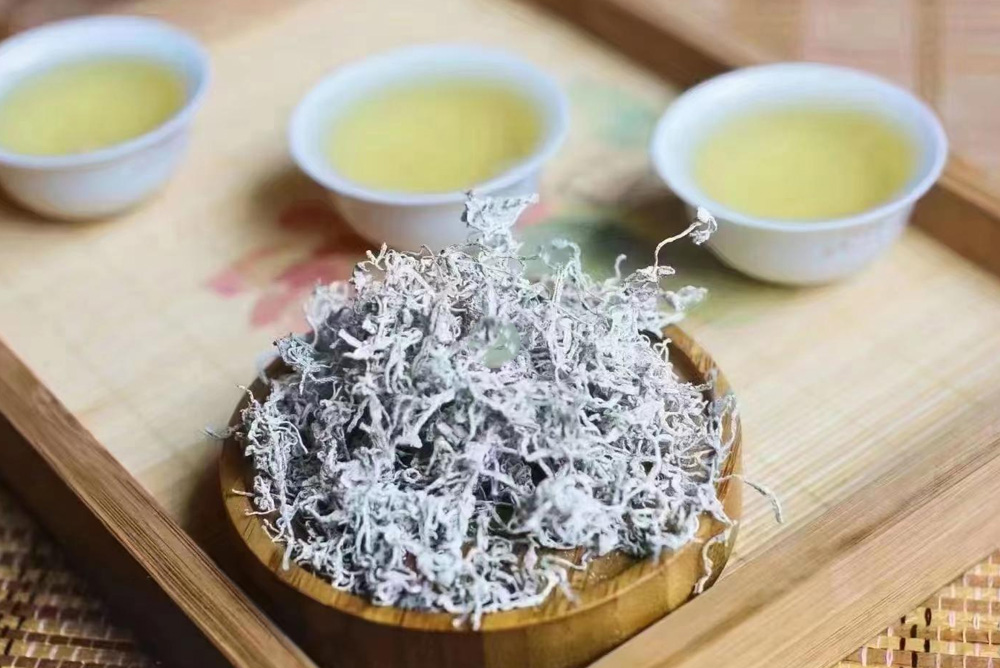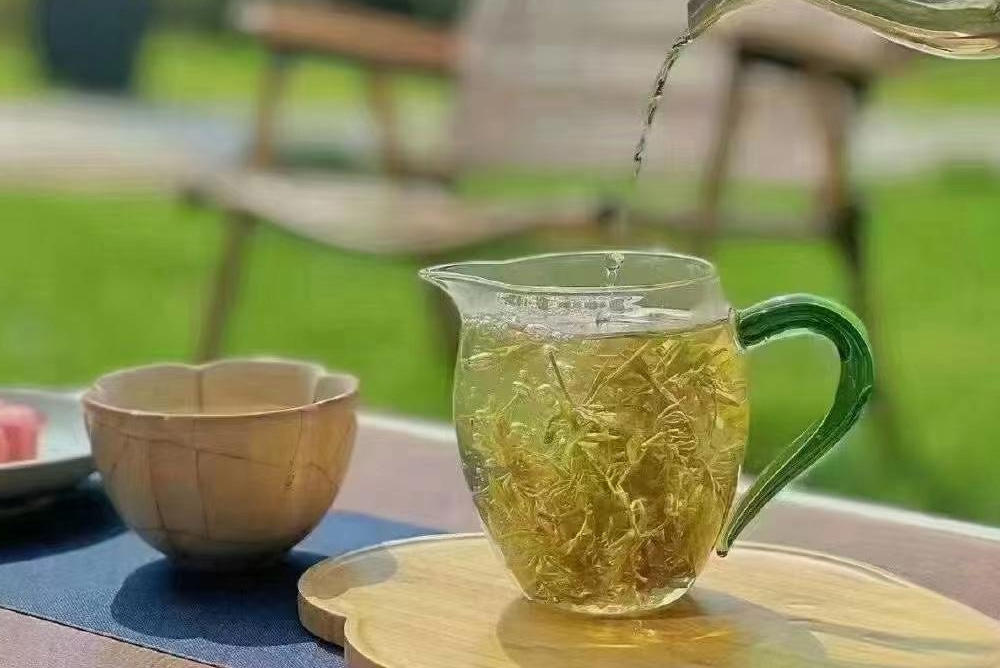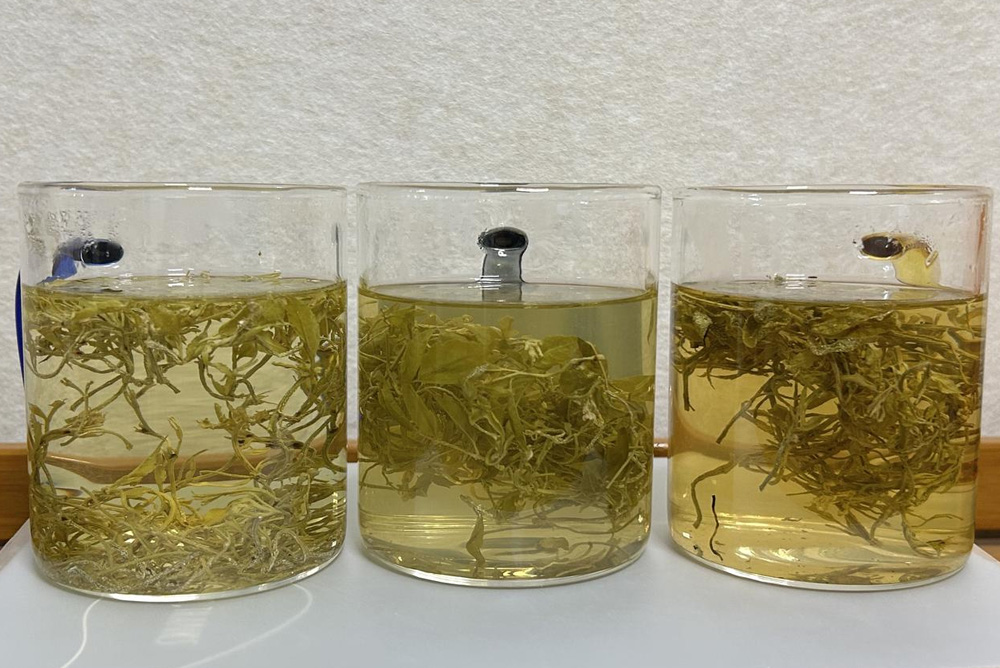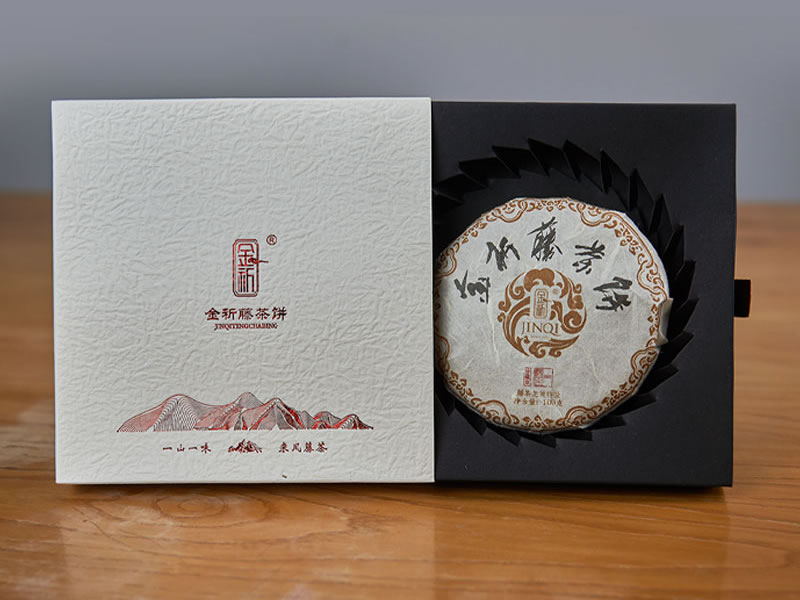
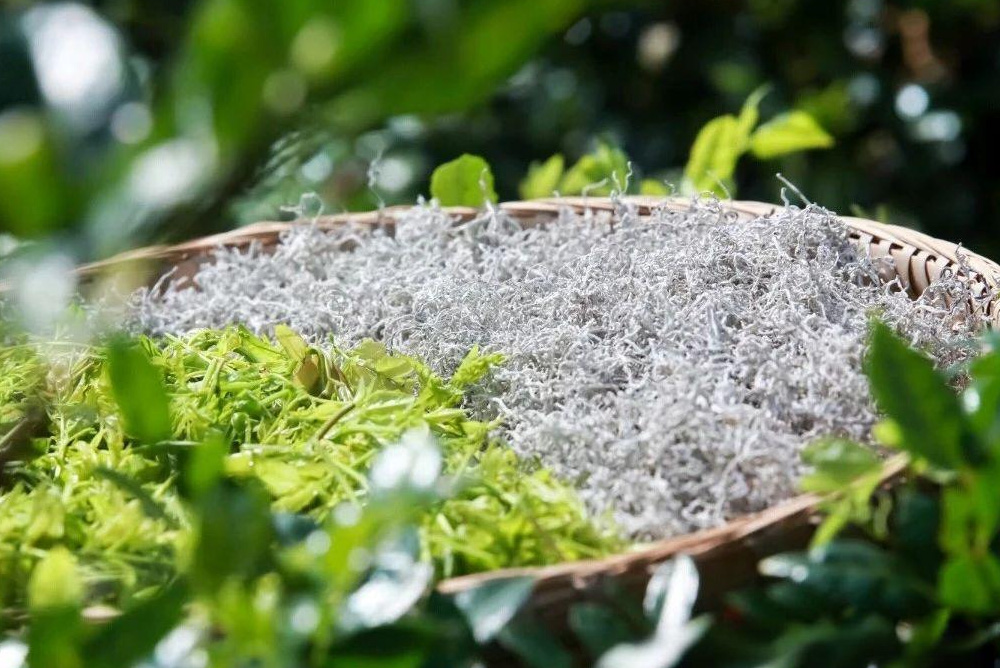
Vine tea—scientific name Ampelopsis grossedentata—has a gentle sweetness, a smooth finish, and a reputation for being rich in flavonoids. But here’s the thing: to truly enjoy its benefits, a little know-how goes a long way. Whether you’re a tea buyer, a wellness brand, or a curious sipper, this guide shows you how to drink vine tea the smart way: five important “don’ts,” three nourishing pairings, simple brewing ratios, and practical tips for taste and quality.
What Makes Vine Tea (Ampelopsis grossedentata) Special?
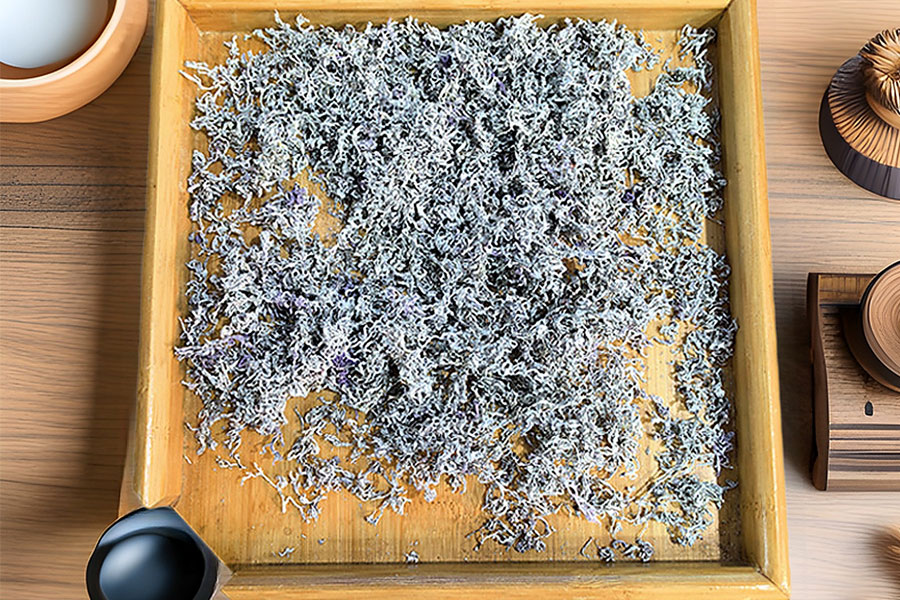
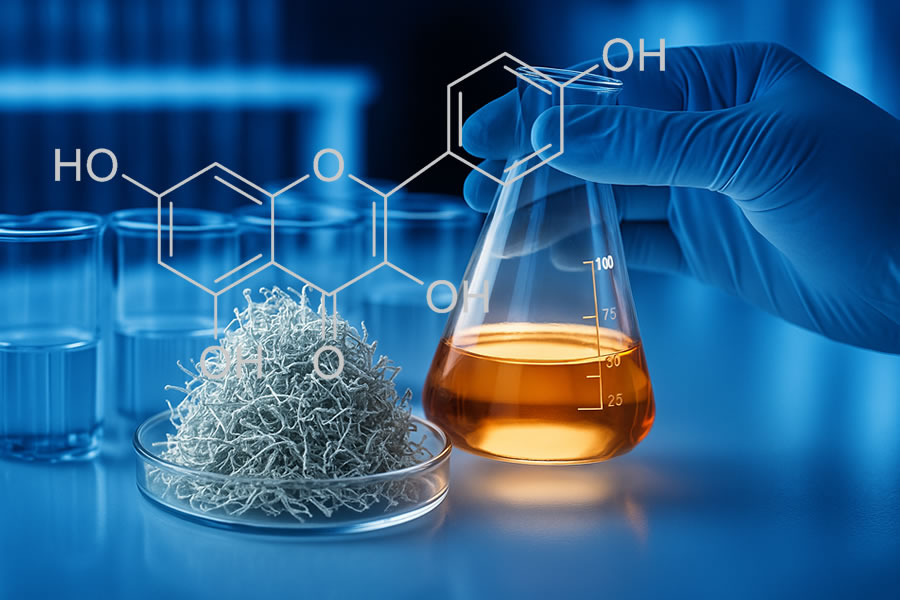
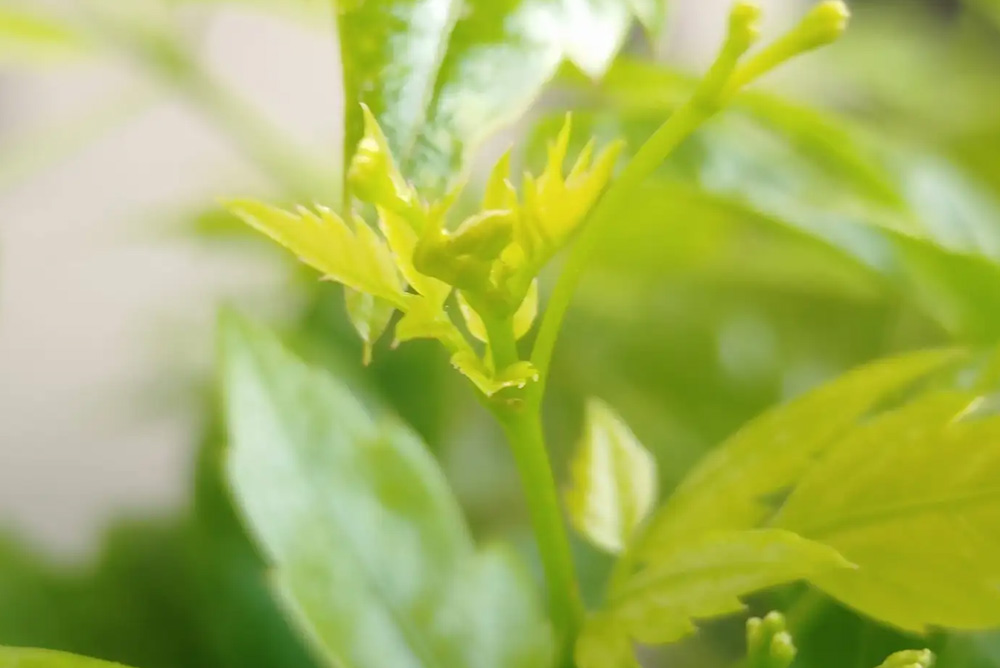
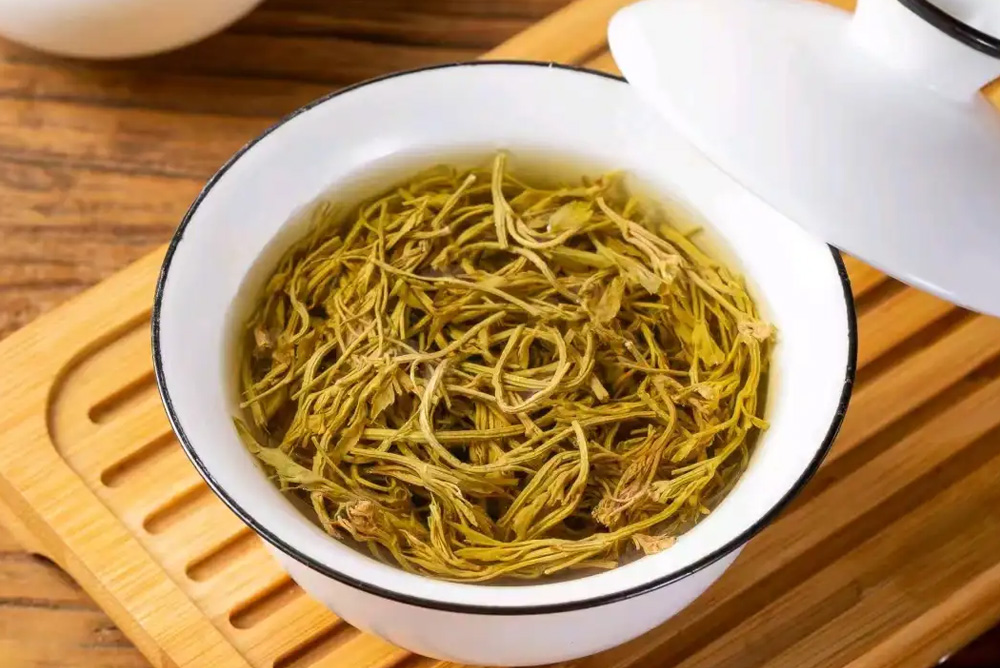
Vine tea isn’t your typical green or black tea. It’s an herbal infusion from the leaf and tender stems of Ampelopsis grossedentata, a species native to mountainous regions of China. Naturally caffeine-free, it’s known for its high flavonoid content (including dihydromyricetin/ampelopsin) and a clean, lightly sweet aftertaste.
Before You Sip: 5 Don’ts You’ll Want to Remember
Let’s keep it simple and practical. These five tips help you avoid common mistakes and enjoy vine tea comfortably.
-
If your stomach runs cold or sensitive, take it slow
Vine tea has a “cooling” nature in traditional usage. If you tend to feel chilly, get loose stools, or have a delicate gut, start low and go slow. Try drinking it 2–3 times a week at first. A small slice of fresh ginger alongside can help balance that cooling profile (more on pairings below). -
Pregnant women and young children (under 4) should skip it
Even though vine tea is caffeine-free, data in these groups is limited. Out of caution, expectant mothers and toddlers should avoid it. For everyone else with medical concerns, talk with a healthcare professional first. -
Don’t overdo it—more isn’t more
A traditional rule of thumb says moderation wins. A daily intake of 6–9 g dry tea is a sensible ceiling for most adults. New to vine tea? Begin with 1 cup per day and let your body adjust. -
Go light, not ultra-strong
A good starting ratio is 1:100 (tea to water). In practical terms, 2–3 g of dry tea in 300–400 ml hot water works for most palates. That’s about 1–1½ teaspoons per 10–14 fl oz. If you love stronger tea, increase gradually; if you rarely drink tea, go milder to start. -
Avoid drinking right before bed
Yes, vine tea is naturally caffeine-free and many people find it soothing. But liquids too close to bedtime can still disrupt sleep with extra trips to the bathroom. Aim to finish your last cup 1–2 hours before lights-out.
Friendly reminder: This content is for general information only and isn’t medical advice.
3 Golden Pairings That Elevate the Experience
These combos are simple, tasty, and popular with everyday drinkers. They balance flavor and comfort—especially helpful if you’re aiming for daily wellness routines.
1) Vine Tea + Fresh Ginger
Perfect for those with a sensitive stomach or a tendency to feel chilly.
-
Kitchen method (simple):
Brew 2–3 g vine tea in 300–400 ml hot water (≈95°C / 203°F). Add 3–5 thin slices of fresh ginger. Steep 3–5 minutes. -
Traditional decoction (more intensive):
Simmer 4 g vine tea + 5 g ginger in ~200 ml water, strain, and split into 2–3 servings/day.
2) Vine Tea + Aged Tangerine Peel (Chenpi)
This duo blends vine tea’s clean sweetness with chenpi’s warm, citrusy aroma.
-
Simmer chenpi in water first, then pour the hot (≈95°C / 203°F) chenpi infusion over 2–3 g vine tea.
-
Steep 3–5 minutes. Avoid boiling the vine tea itself; hot infusion extracts flavonoids more gently.
3) Vine Tea + Honey
A fan favorite for a silkier mouthfeel.
-
Brew 2–3 g vine tea with ~95°C (203°F) water.
-
Let the tea cool below 60°C (140°F) so the honey’s aroma and enzymes aren’t dulled.
-
Stir in ½–1 teaspoon honey to taste.
-
Many people with a scratchy throat find this combo especially pleasant.
Want variety? Vine tea also pairs nicely with goji berries, chrysanthemum, malva nuts (pang da hai), and red dates. Each brings its own flavor twist and tradition-backed comfort.
Brewing Basics: Ratios, Time, and Taste
Dialing in your brew is easy—just a few guidelines:
-
Tea-to-water ratio: Start at 1:100. That’s 2–3 g tea for 300–400 ml water (≈ 10–14 fl oz).
-
Water temperature: 95°C / 203°F works well to release flavonoids without harshness.
-
Steep time: 2–5 minutes in a glass or ceramic vessel.
-
Re-steeps: Many lots can handle 2–3 infusions. Add 30–60 seconds for each subsequent steep.
-
Rinse? Not necessary for clean, premium material. If you do a quick rinse, keep it under 5 seconds.
-
Storage: Airtight, cool, dry, and away from sunlight. Avoid strong odors.
-
Flavor notes: Expect a clean, lightly sweet finish with a smooth aftertaste—distinct from the tannic bite of black tea.
How Vine Tea Differs from Green & Black Tea
-
Different plant family: Vine tea comes from Ampelopsis grossedentata, not Camellia sinensis (the tea plant used for green/black/oolong).
-
Caffeine-free by nature: Easy to enjoy morning, afternoon, or evening.
-
Flavonoid-rich profile: Often cited for its high levels of flavonoids (including dihydromyricetin/ampelopsin).
-
Gentle sweetness, low bitterness: Many drinkers love its smooth, clean finish without the astringency you may get from over-steeped green or black tea.
Who Is Vine Tea For? (B2B & Consumer Use Cases)
For brands and buyers:
-
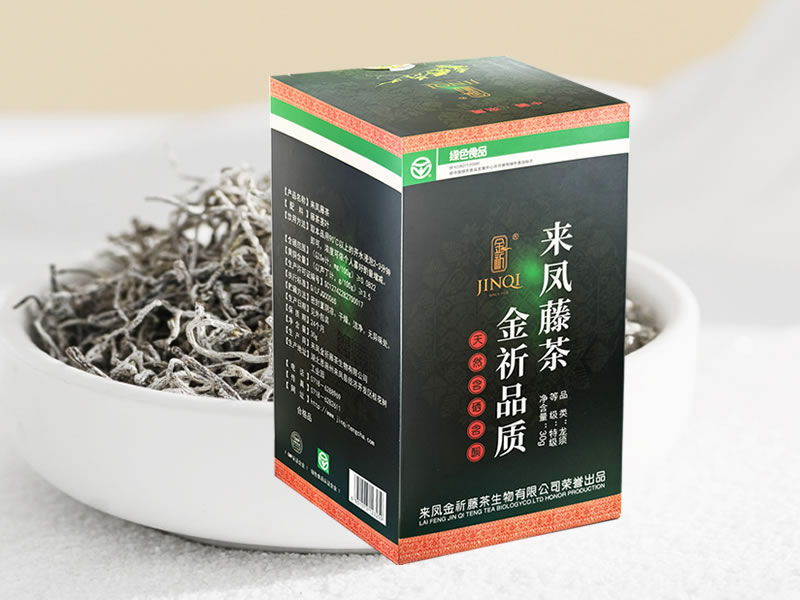
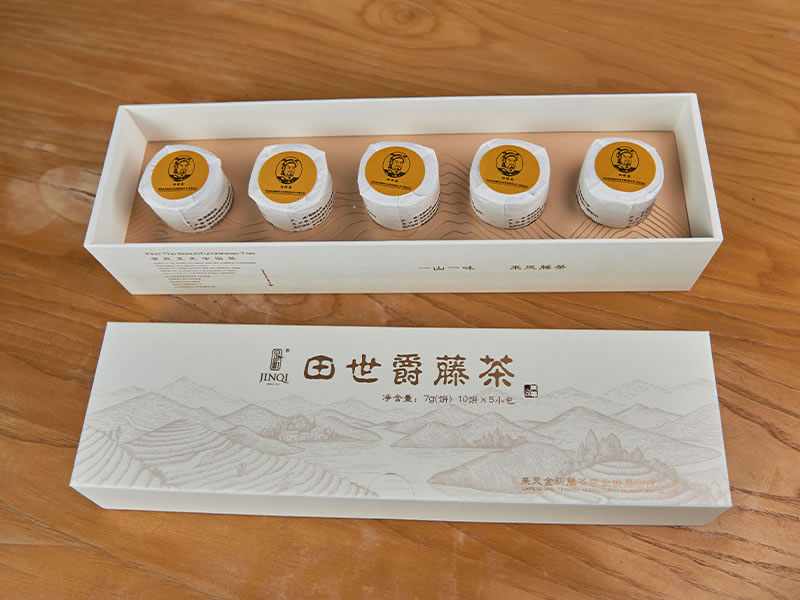
Loose leaf & pressed formats: Ideal for specialty tea lines and gifting.
-
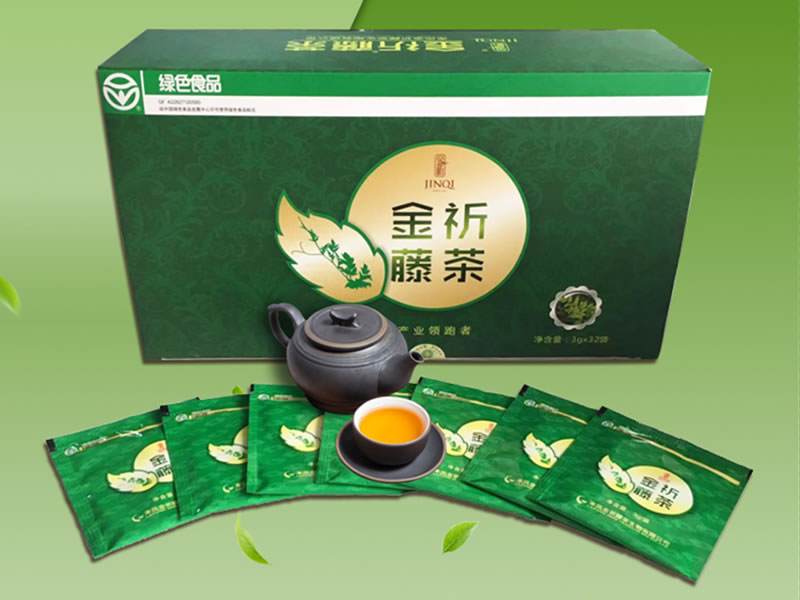
Tea bags & instant vine tea: Convenient SKUs for retail and foodservice.
-
Functional beverages: Blend with herbs or fruit for ready-to-drink concepts.
-
Nutraceuticals & extracts: Concentrate the flavonoids for capsules, powders, and shots.
-
Oral care: Toothpaste and mouthwash with vine tea extract for a clean-label angle.
For everyday drinkers:
-
Seek a caffeine-free daily sip.
-
Prefer clean, lightly sweet flavor without bitterness.
-
Want an herbal option that’s simple to brew and easy to pair.
Safe Use at a Glance
-
Start small: 1 cup/day for beginners.
-
Typical daily max: 6–9 g dry tea.
-
Sensitive stomach: Pair with ginger; reduce frequency (2–3 times/week).
-
Avoid: Pregnant women and children under 4.
-
Timing: Finish tea 1–2 hours before bedtime.
Why Source from JINQI?
JINQI Vine Tea Co., Ltd.
Guihua Tree Industrial Park, Economic Development Zone, Laifeng County, Hubei Province, P.R. China
-
Authenticity: 100% origin-sourced from Laifeng County, the core terroir for vine tea.
-
Quality: GMP-certified production with full traceability and independent batch testing.
-
Sustainability: Certified Green Food Bases, eco-friendly farming, and community support.
-
Innovation: From loose leaf, tea cakes/pearls, tea bags, and instant formats to functional beverages, extracts/nutraceuticals, and oral care applications.
-
Global supply: Established logistics serving Europe (Germany, France, Sweden), Asia (Sri Lanka, Malaysia, Japan), and North America (U.S., Canada).
FAQs
1) Does vine tea contain caffeine?
No. Vine tea (Ampelopsis grossedentata) is naturally caffeine-free.
2) Can I drink vine tea every day?
Many adults do, but start with 1 cup/day and keep daily intake around 6–9 g max. If you’ve got health conditions, check with your doctor first.
3) What’s the best water temperature and ratio?
Aim for 95°C / 203°F and about 2–3 g tea per 300–400 ml water (≈ 10–14 fl oz). Steep 2–5 minutes, then adjust to taste.
Further Reading (External Resources)
-
Google Scholar (flavonoids & ampelopsin): https://scholar.google.com/scholar?q=Ampelopsis+grossedentata+flavonoids
-
Botanical background (general reference): https://en.wikipedia.org/wiki/Ampelopsis_grossedentata
Interested in samples, private label, or bulk extracts?
Reach out to JINQI to discuss specs, MOQs, and custom formats that fit your market.