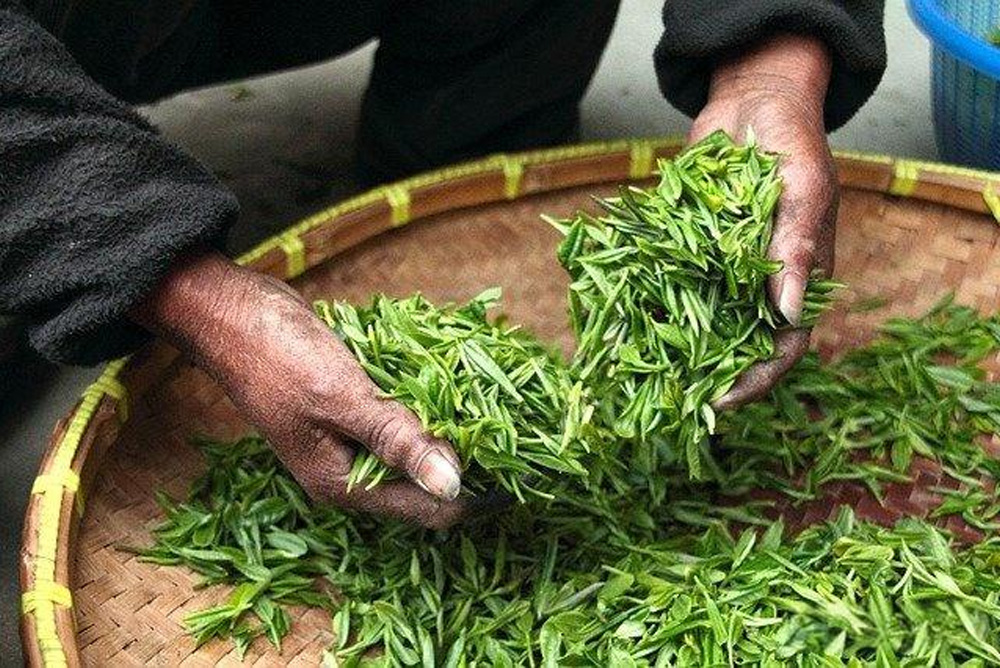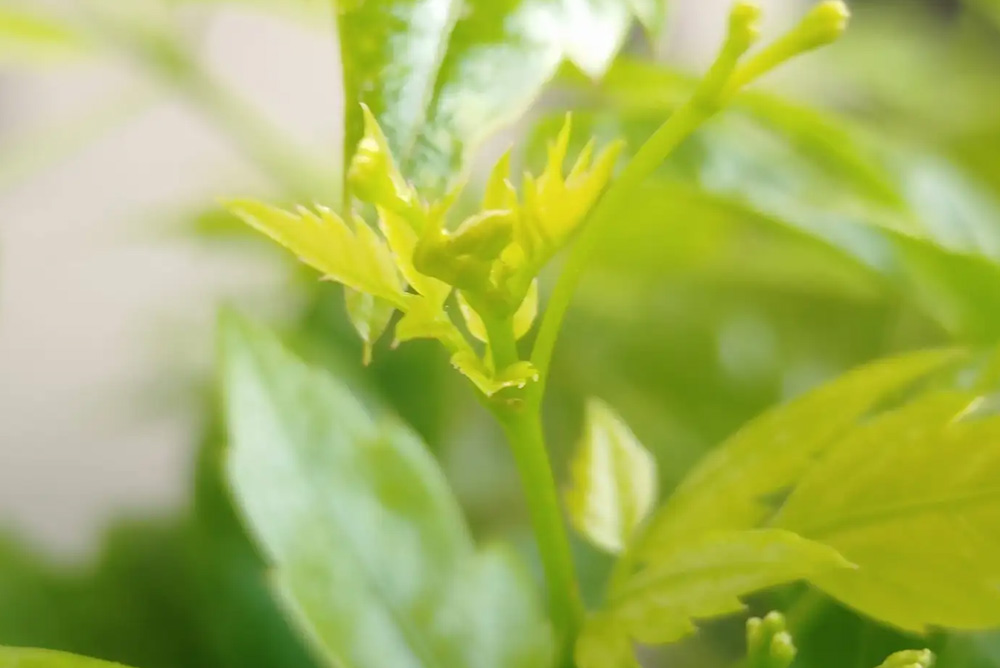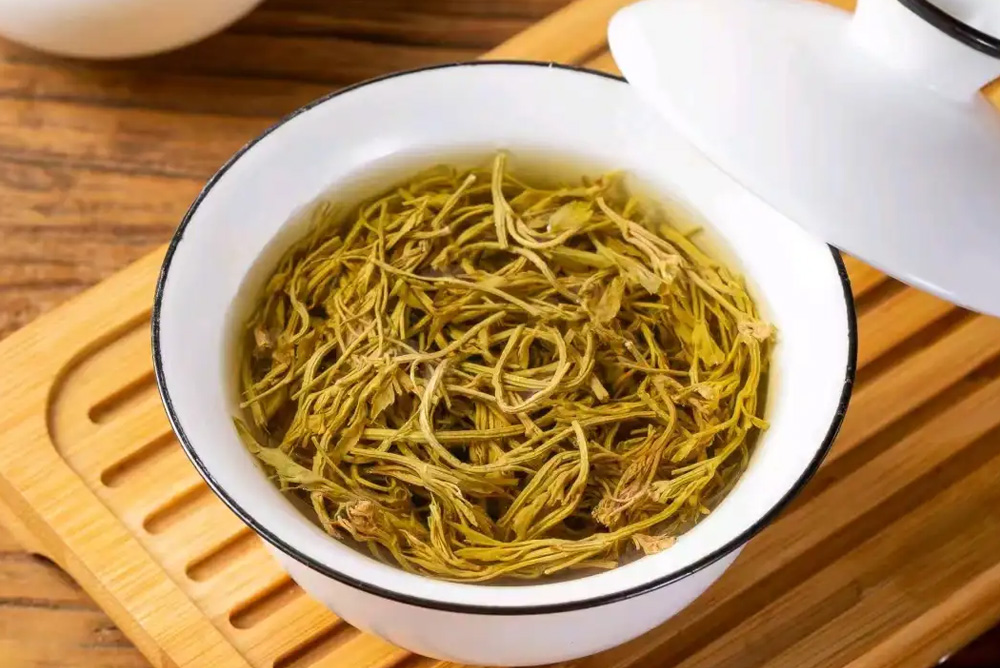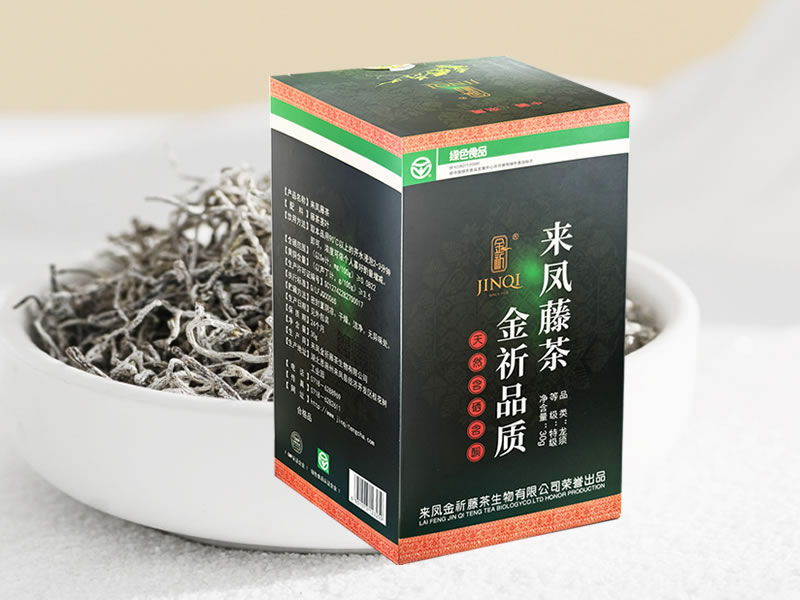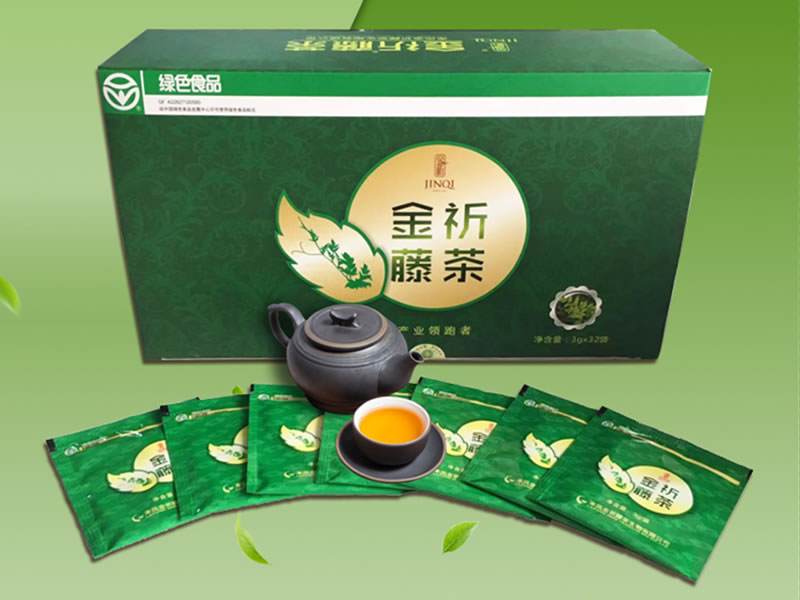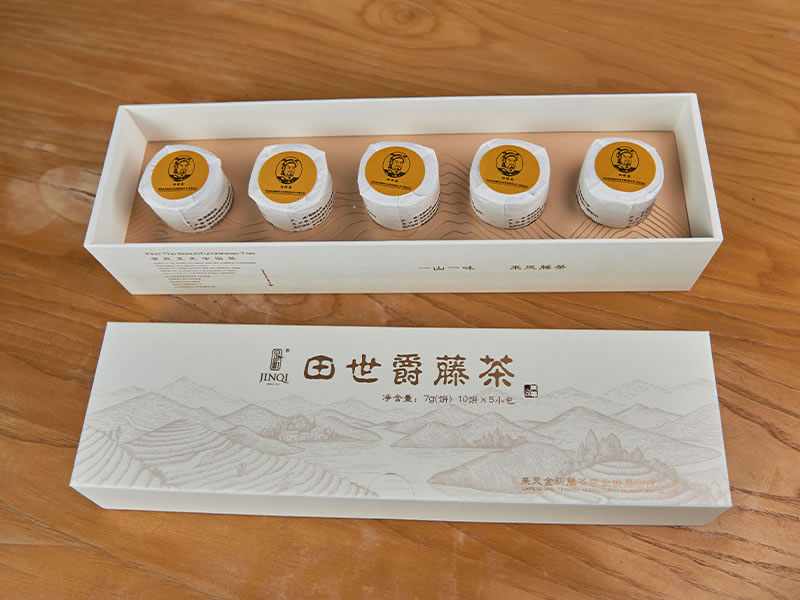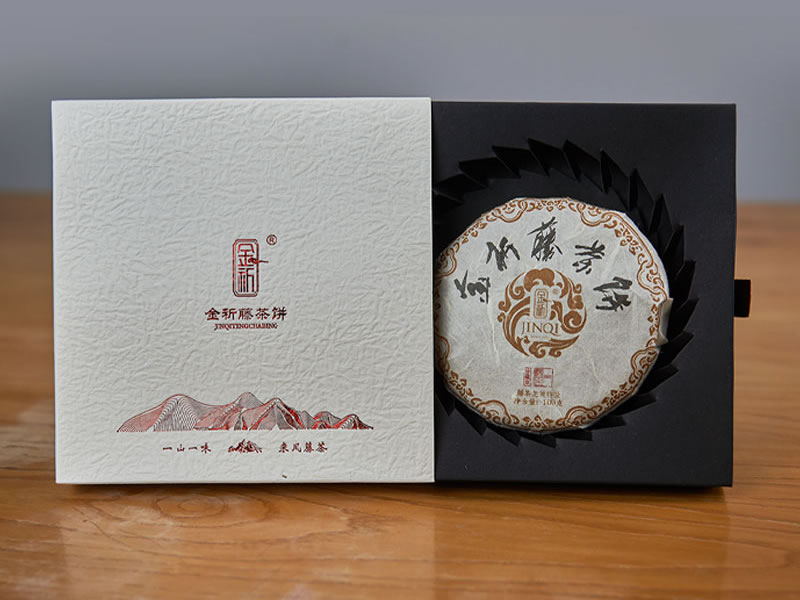
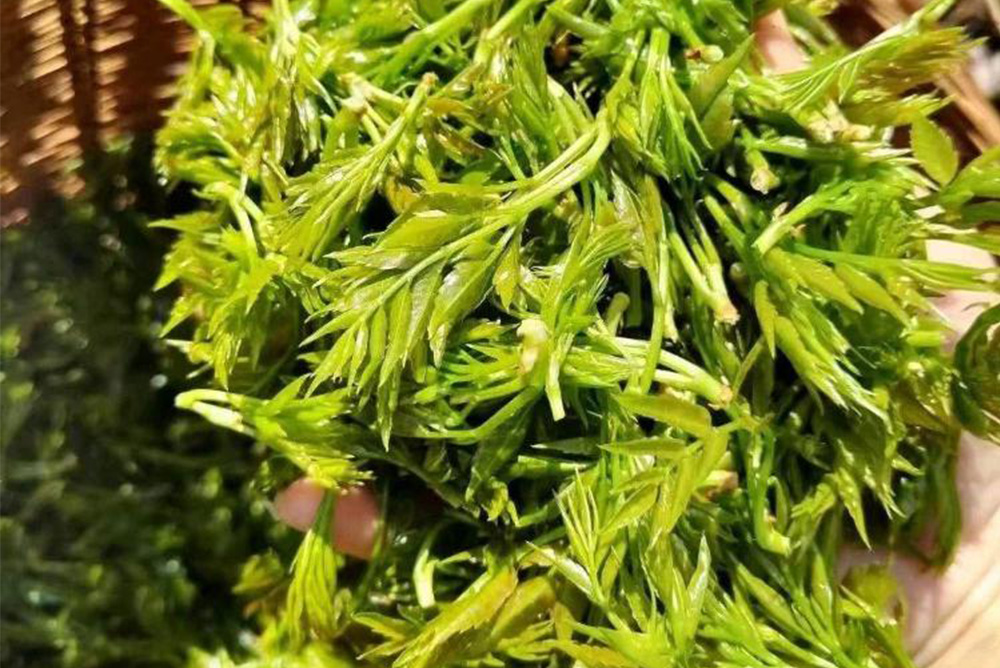
In recent years, vine tea — scientifically known as Ampelopsis grossedentata — has become a rising star in the world of herbal wellness drinks. Unlike traditional teas, it’s naturally caffeine-free, smooth on the palate, and leaves a pleasant, lingering sweetness. More impressively, it’s often called the “flavonoid treasure chest” of the plant world, thanks to its exceptionally high content of beneficial plant compounds.
But is vine tea for everyone? Mostly yes — with a few exceptions. People with very cold-sensitive stomachs should drink it sparingly, and it’s not recommended for pregnant women or children under four. For most others, vine tea can be a daily health companion. And if you belong to one of these six groups, it’s practically made for you.
1. People with Sleep Problems
If you struggle to fall asleep, wake frequently, or find yourself dreaming all night, vine tea might help you unwind. It contains gamma-aminobutyric acid (GABA), which helps regulate neurotransmitters and ease anxiety, promoting calmness.
Its rich flavonoids also work at a cellular level, improving cell permeability and supporting the pineal gland — the part of your brain that produces melatonin, the “sleep hormone.” The result? Better, deeper rest.
Pro tip: Because it’s caffeine-free, vine tea won’t interfere with sleep like many traditional teas. Drink 200–300 ml of warm vine tea about 1–2 hours before bedtime for best results.
2. Those with Liver Strain from Late Nights or Alcohol
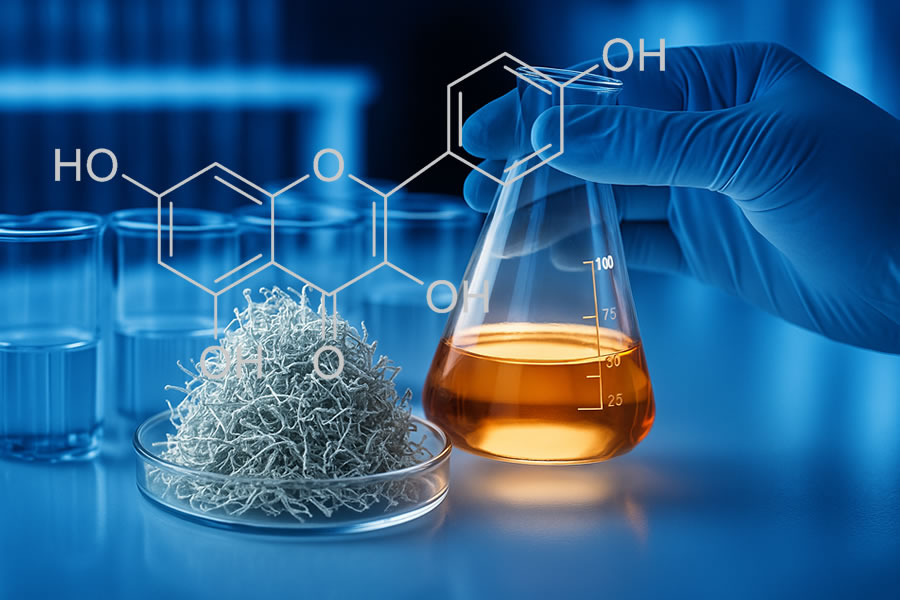
Busy schedules, late-night work, and frequent social drinking can quietly wear down your liver. Vine tea is rich in dihydromyricetin (DHM) — making up more than 30% of its composition — which not only shares the antioxidant and anti-inflammatory benefits of other flavonoids, but also:
-
Helps break down alcohol faster.
-
Protects against alcoholic and fatty liver disease.
-
Lowers the risk of liver cell damage and even liver cancer.
Pro tip: Drink a slightly stronger cup of vine tea before and after drinking alcohol to speed up recovery and ease hangovers. For daily liver care, enjoy it just like your regular tea.
3. People Prone to Inflammation or “Heatiness”
If spicy, fried, or oily foods leave you with sore throats, gum swelling, or mouth ulcers, vine tea’s naturally cool, slightly cold nature makes it a great choice.
In traditional herbal practice, it’s used to clear heat and detoxify, while its flavonoids act like “natural penicillin”, helping reduce inflammation.
4. Those Who Care About Heart & Blood Vessel Health
Cardiovascular wellness is a growing concern worldwide, with statistics showing 3 in 10 people having some form of heart or blood vessel issue. Vine tea has earned the nickname “vascular cleaner” for good reason — it:
-
Helps regulate blood lipids.
-
Supports healthy blood pressure and blood sugar.
-
Reduces oxidative damage to blood vessels, lowering the risk of cardiovascular disease.
For those at higher risk, a simple routine of one cup in the morning and one in the evening can make a difference over time.
5. Heavy Voice Users & People with Throat Issues
Teachers, singers, broadcasters, sales professionals — or smokers with chronic throat irritation — can benefit from vine tea’s soothing effects.
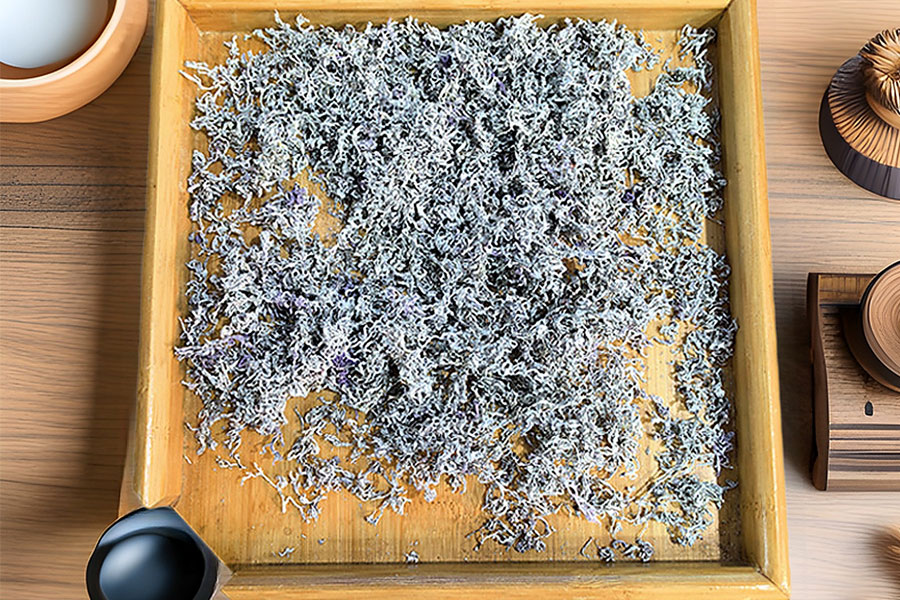
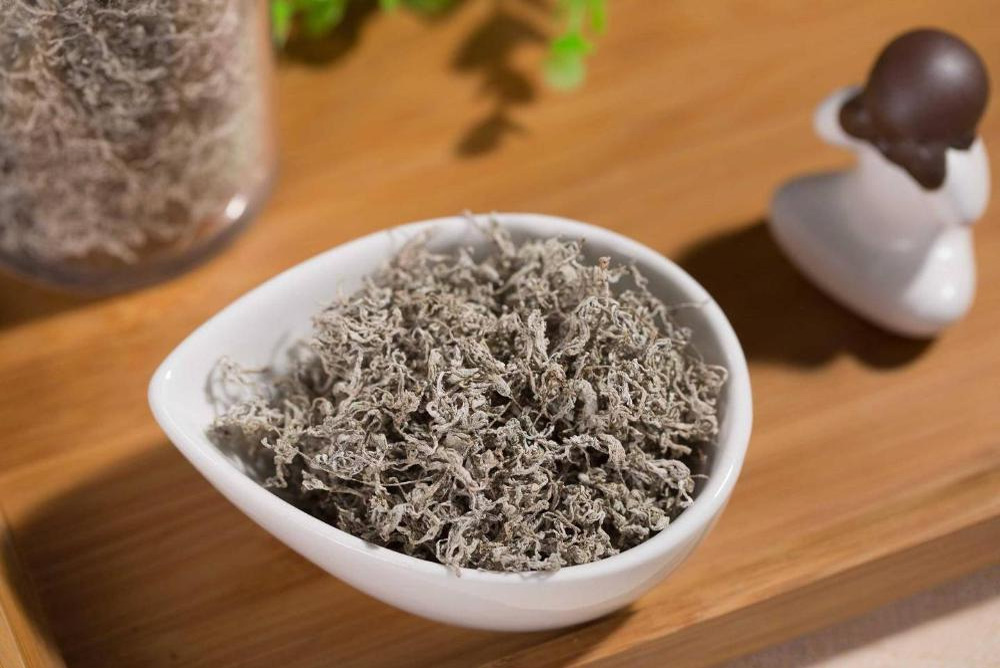
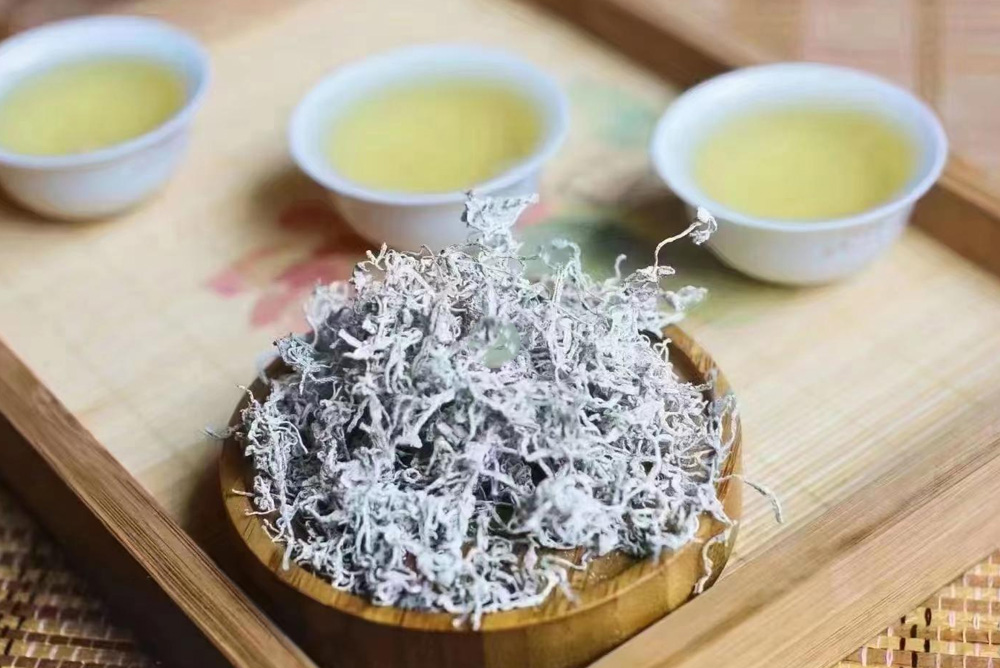
The white frost visible on quality vine tea leaves is actually concentrated DHM, which helps reduce inflammatory enzyme activity in the throat and speeds up healing.
Pro tip: For throat discomfort, drink a warm, stronger brew and let it slowly coat your throat.
6. Middle-aged & Older Adults Focused on Wellness
From around age 40 onward, the body’s natural repair mechanisms begin to slow, making preventive care even more important. Vine tea is a powerhouse of flavonoids, selenium, amino acids, and vitamins that:
-
Strengthen the immune system.
-
Support healthy metabolism.
-
Reduce oxidative stress that contributes to aging and chronic disease.
It’s a gentle, daily wellness ally for those who want to stay active and healthy into later years.
Who Should Avoid Vine Tea?
-
Pregnant women.
-
Children under 4 years old.
-
People with very cold-sensitive stomachs (limit intake).
Why Choose JINQI Vine Tea
At JINQI Vine Tea Co., Ltd., we’ve spent over two decades perfecting the cultivation, harvesting, and processing of Ampelopsis grossedentata. Our Green Food-certified gardens ensure zero harmful chemicals, while GMP-certified facilities preserve every drop of natural goodness.
We offer:
-
Loose Leaf Vine Tea – Smooth and rich in flavonoids.
-
Pressed Tea Cakes & Pearls – Traditional, collectible, and age-worthy.
-
Tea Bags & Instant Vine Tea – Convenience without compromise.
-
Functional Beverages & Extracts – For modern wellness applications.
By choosing JINQI, you’re not just buying tea — you’re investing in authenticity, quality, and the centuries-old tea culture of Laifeng County.
Final Takeaway
If you’ve ever wondered whether vine tea (Ampelopsis grossedentata) is right for you, the answer is yes — especially if you fall into any of the six groups above. This gentle yet powerful herbal tea supports sleep, liver health, cardiovascular function, throat comfort, and overall vitality.
Experience the health benefits of authentic Laifeng vine tea with JINQI — your trusted source for the finest quality.
FAQs
1. Is vine tea safe for daily drinking?
Yes, it’s suitable for daily use in moderate amounts for most people.
2. Does vine tea contain caffeine?
No, vine tea is naturally caffeine-free, making it ideal for evening use.
3. Can vine tea help with hangovers?
Yes, due to its high dihydromyricetin content, it supports faster alcohol breakdown and recovery.