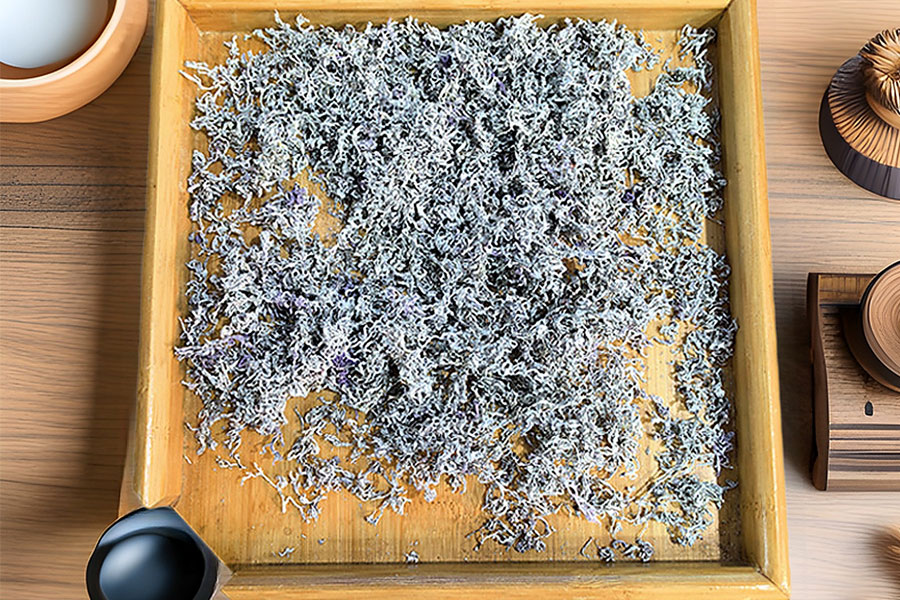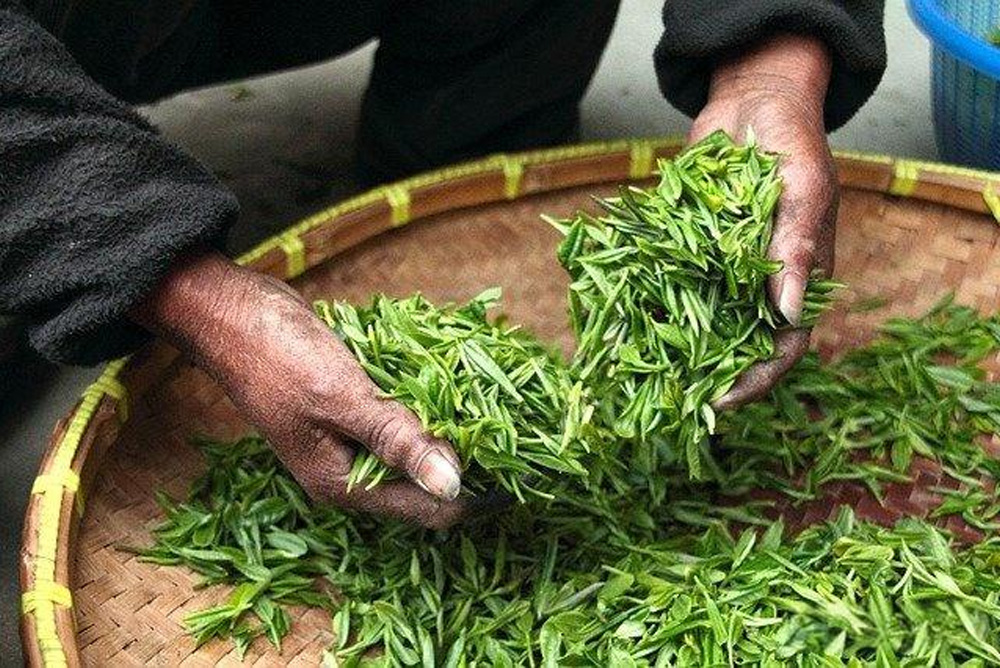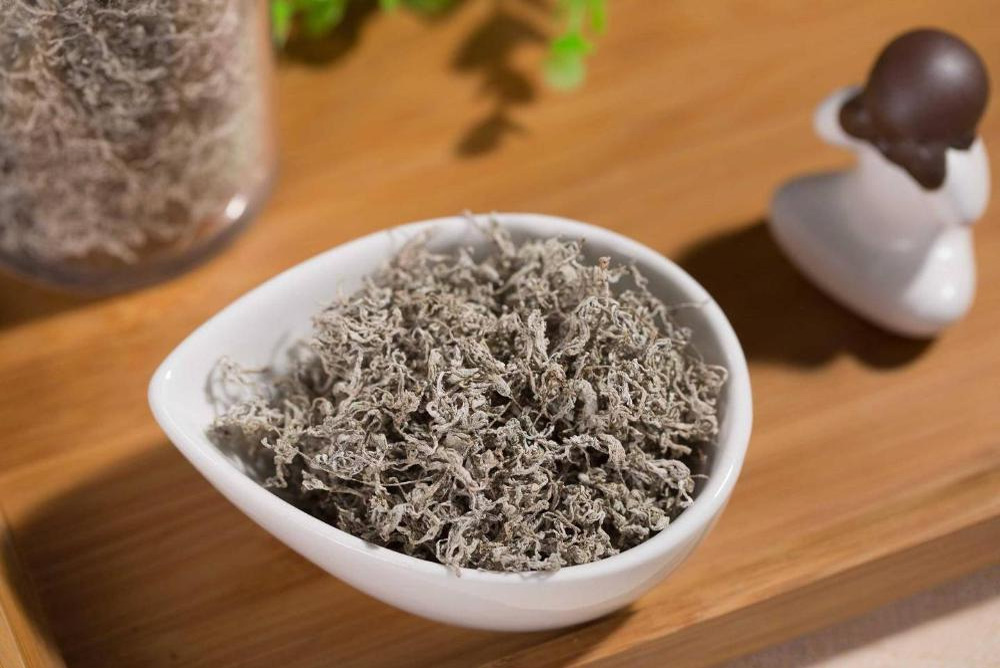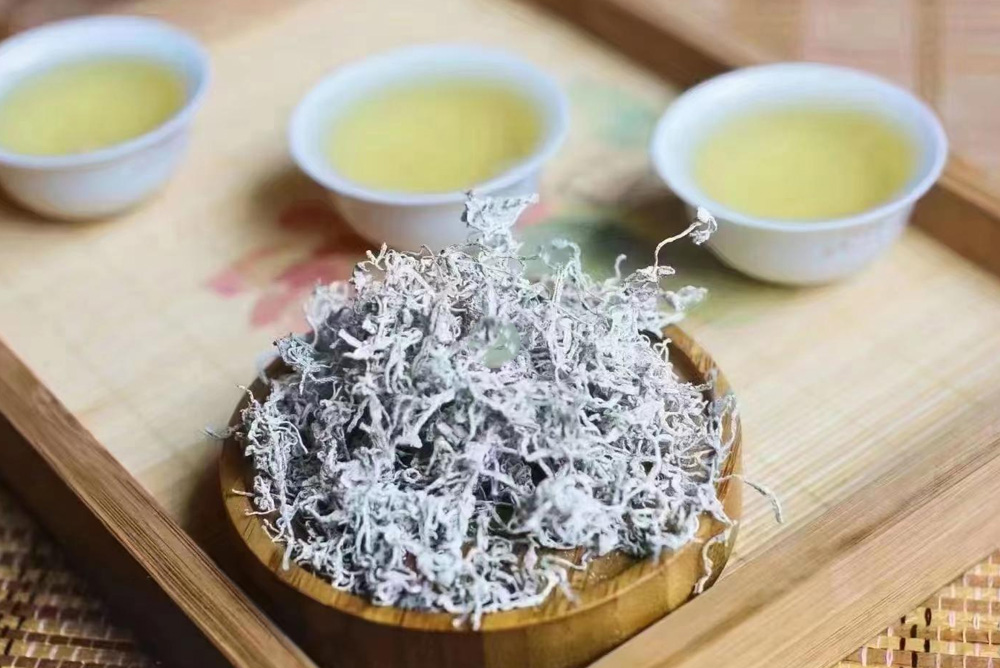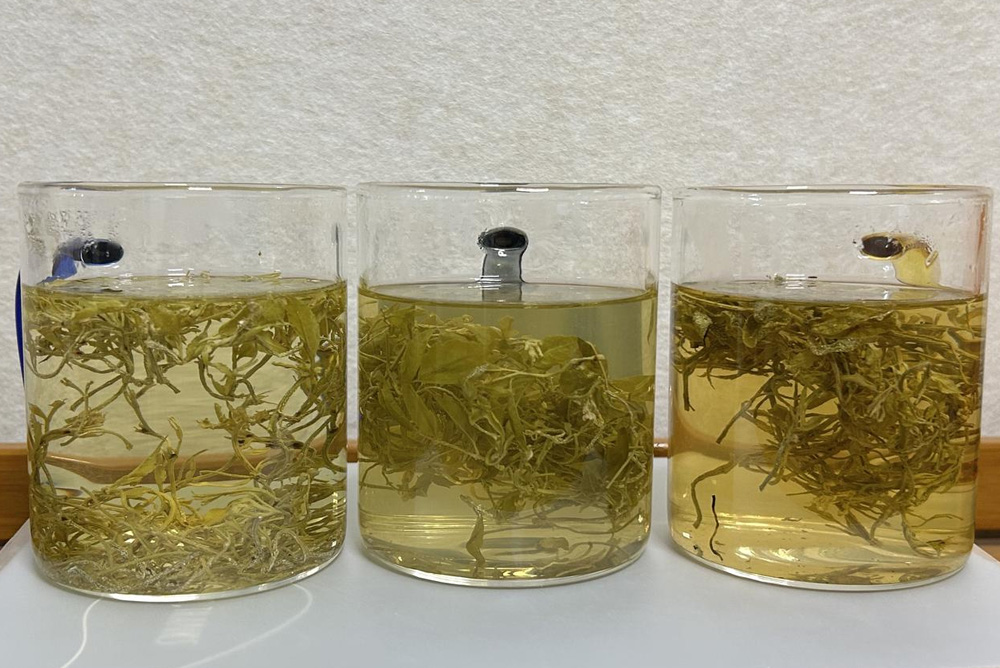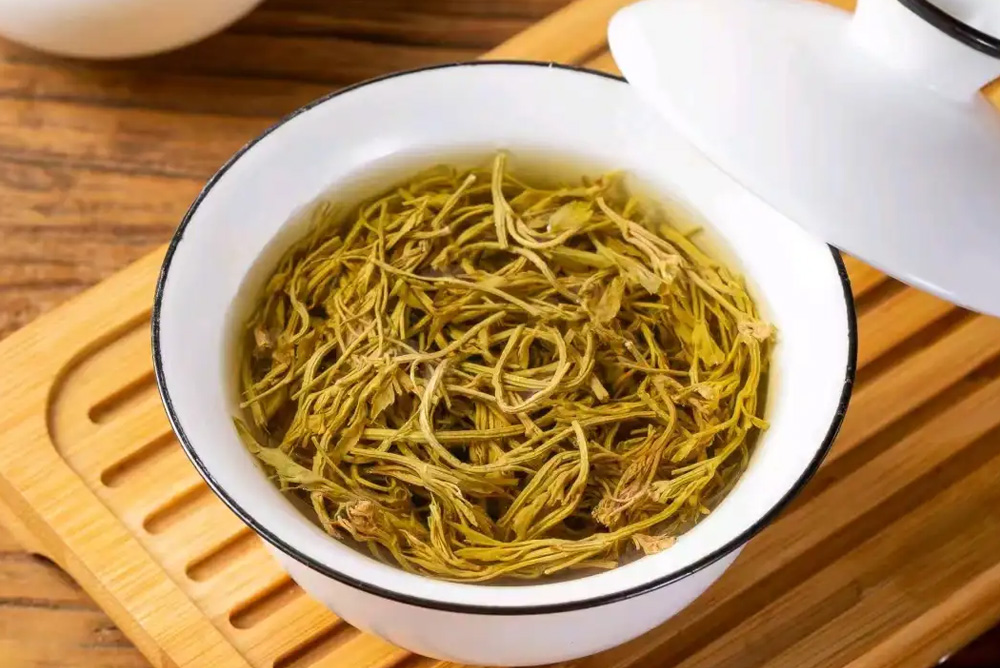
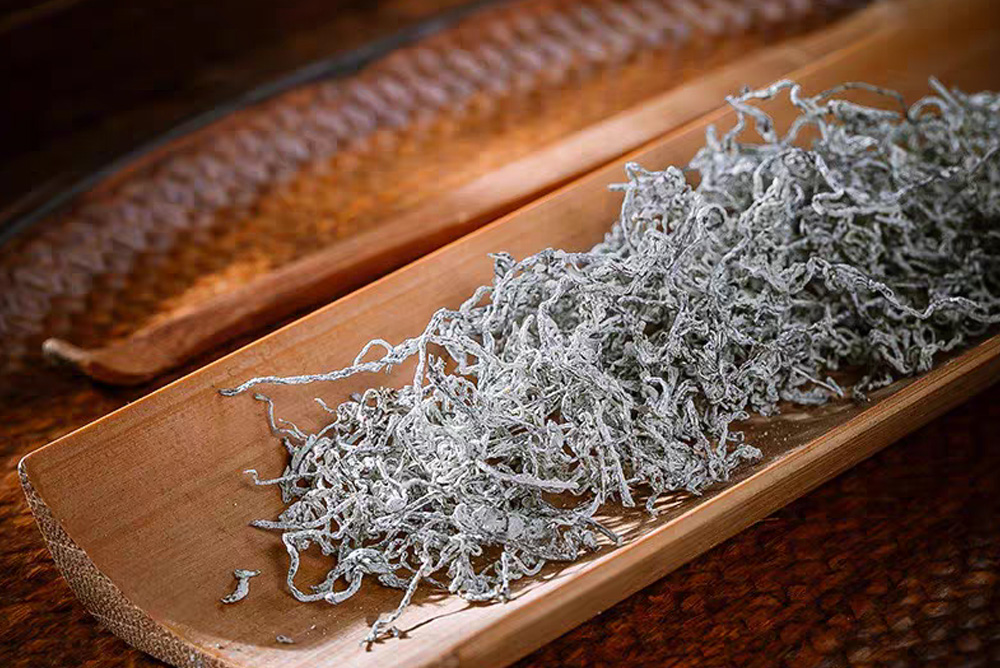
When people hear about vine tea (Ampelopsis grossedentata), they often think of its impressive nickname — the “King of Flavonoids.” Known for its long-lasting sweetness, it’s said to help regulate blood pressure, protect the throat, support liver health, improve sleep, and boost immunity.
But how much of this is true? And where do these health benefits really come from? Let’s take a closer look.
Where Vine Tea’s Health Power Comes From
The “medicinal” qualities of vine tea are directly tied to its rich nutrient profile.
A single cup of premium vine tea buds contains:
-
40–50% flavonoids
-
10–13% amino acids and proteins
-
14 trace minerals, with particularly high levels of iron, zinc, and selenium
-
Other beneficial compounds, including vitamins, dietary fiber, and polyphenols
Vine tea, also known as Ampelopsis grossedentata, comes from a small-leaf variety of this wild vine. Naturally rich in flavonoids, it holds the record for the highest flavonoid content of any known plant — earning its title as the “King of Flavonoids.”
Why Flavonoids Matter
Scientific tests show that vine tea’s average total flavonoid content is about 26% (across roots, stems, leaves, and buds). However, the young bud tea — the highest grade — can reach an impressive 40–50%, far exceeding most other plants.
Flavonoids are powerful antioxidants. A Harvard University study involving 77,000 people over 22 years found that increasing daily flavonoid intake by just 10 milligrams reduced the risk of accelerated aging by 20%. For middle-aged and older adults, this makes flavonoids an essential part of a healthy diet.
Proven Health Benefits of Vine Tea
Research by the China Academy of Chinese Medical Sciences, Hunan Provincial Center for Disease Control, and Hunan University of Chinese Medicine shows that vine tea’s flavonoids may help:
-
Support cardiovascular health by regulating blood pressure, balancing blood sugar, lowering cholesterol, and softening blood vessels.
-
Protect the liver and promote detoxification.
-
Improve sleep quality and calm the nervous system.
-
Relieve throat discomfort and improve respiratory conditions.
-
Ease constipation by supporting digestive health.
One clinical study even showed a 91.7% effectiveness rate in easing upper respiratory tract infections, chronic pharyngitis, and chronic bronchitis.
The Real Secret? Concentration
The health benefits of vine tea are not due to some mysterious ingredient found nowhere else — flavonoids exist in many plants. The key difference is how much vine tea contains. Its concentration is unmatched, making it a uniquely potent herbal tea for daily wellness.
A Natural Choice for Daily Health
Whether you’re a health-conscious individual or a B2B buyer seeking premium herbal products, vine tea (Ampelopsis grossedentata) offers unmatched nutritional value and proven wellness support.
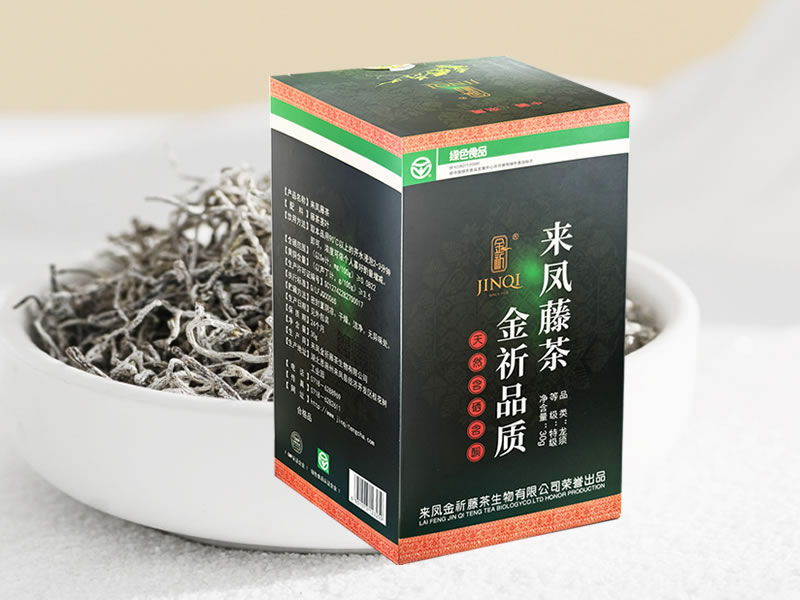
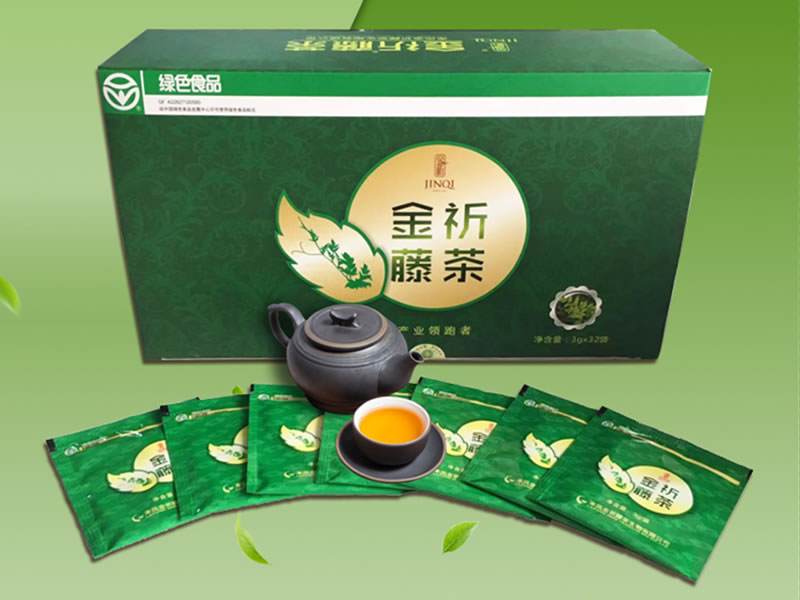
At JINQI Vine Tea Co., Ltd., we’ve dedicated over 20 years to producing the highest-quality vine tea from Laifeng County. Our GMP-certified facilities, eco-friendly farming, and strict quality control ensure every cup delivers maximum purity, flavor, and health benefits.
FAQs
Q1: Why is vine tea called the “King of Flavonoids”?
Because it has the highest known natural flavonoid content of any plant — up to 50% in its buds.
Q2: Can vine tea really help with sleep?
Yes. Its flavonoids, especially dihydromyricetin, help calm the nervous system and promote melatonin production.
Q3: Is vine tea safe for daily drinking?
For most people, yes. However, those with cold digestive conditions, pregnant women, and very young children should consult a doctor first.