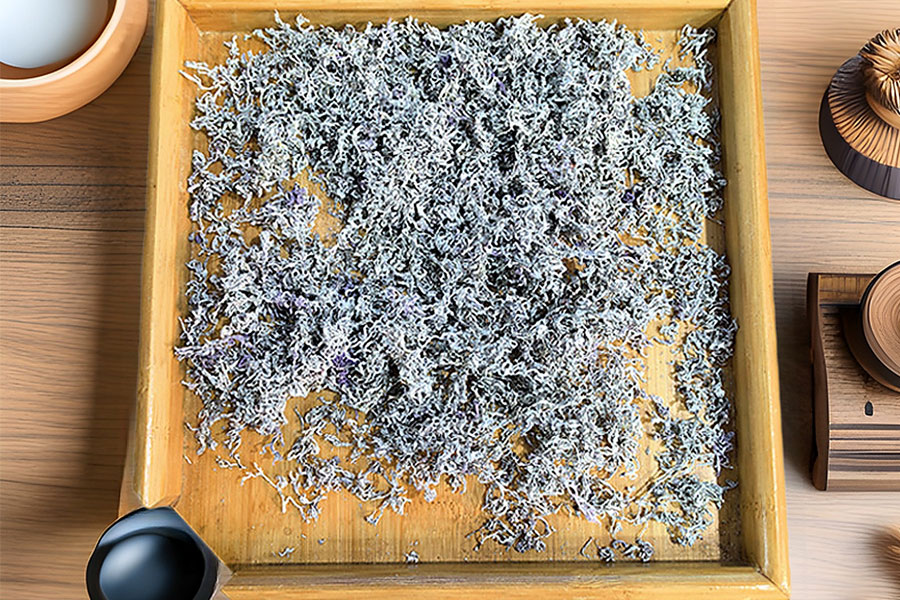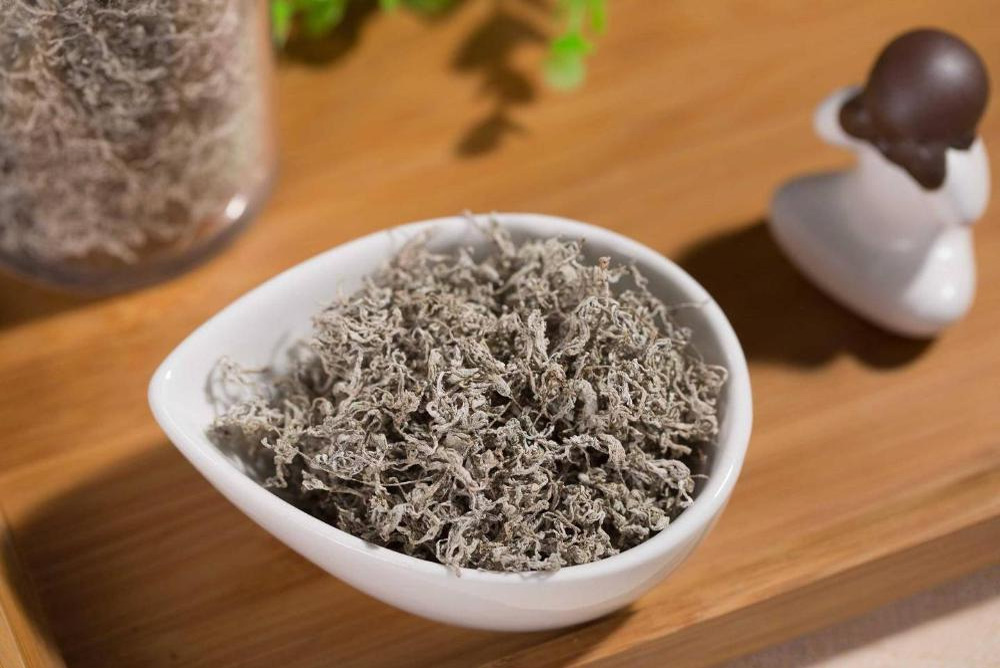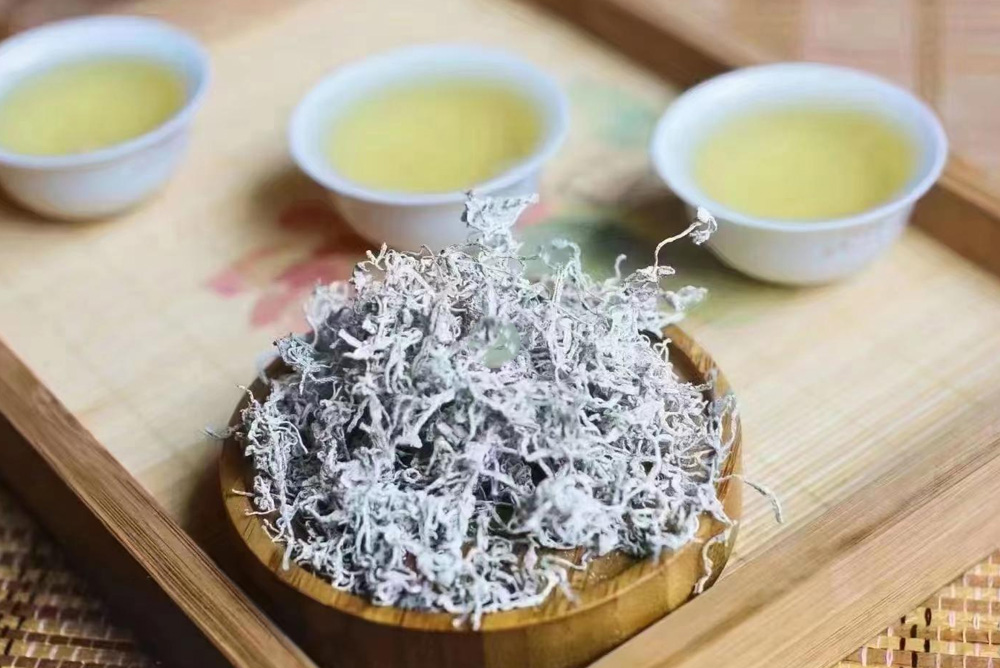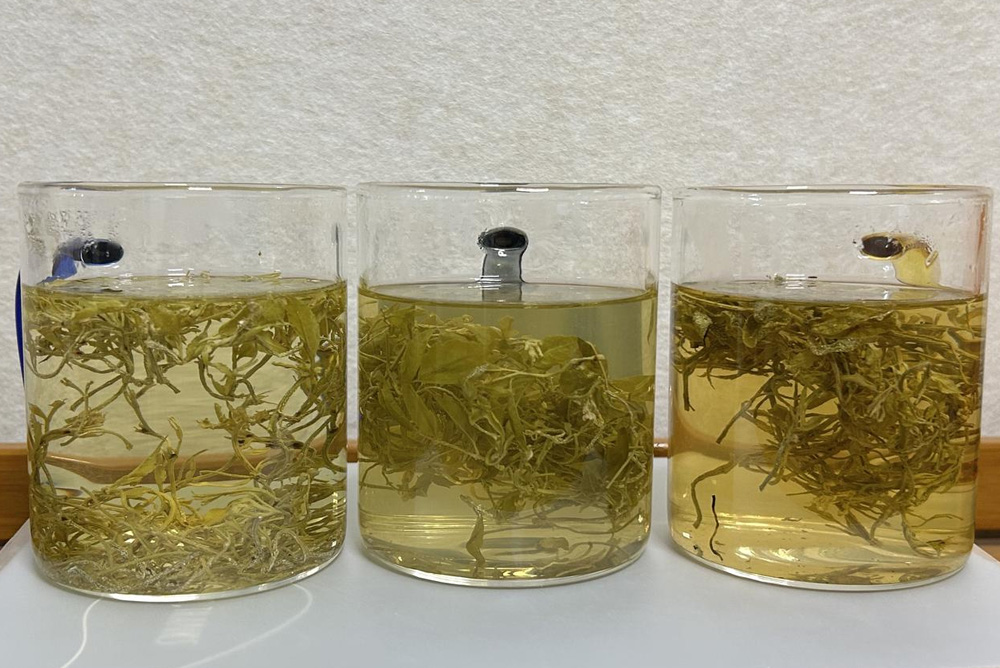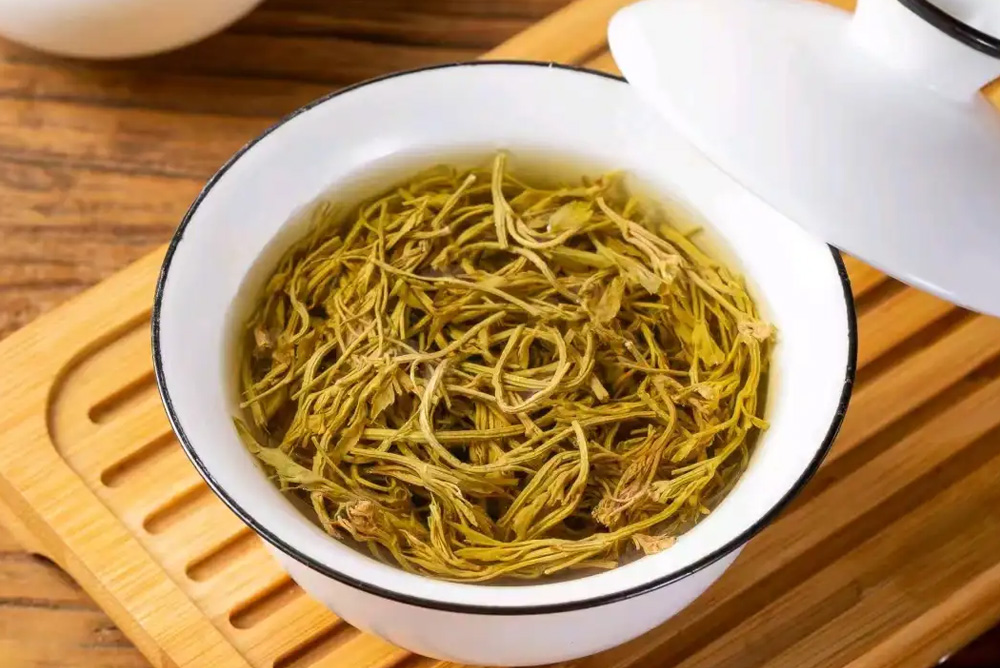

Tea is one of the world’s most beloved beverages, enjoyed not just for its aroma and flavor but also for its many health benefits. For centuries, teas — including vine tea (Ampelopsis grossedentata) — have been valued for their role in hydration, detoxification, and overall wellness.
Yet, many people overlook a simple truth: certain discomforts in the body may actually be signs that you’re not drinking enough tea — or fluids in general. Let’s explore six of these warning signs and how tea can help.
1. Dry Mouth and Cracked Lips
When your body lacks water, saliva production decreases, leading to a dry mouth, sticky tongue, and cracked lips. This not only feels uncomfortable but can also affect appetite and taste. Light teas, like vine tea, help replenish fluids while leaving a refreshing aftertaste.
2. Dry, Less Elastic Skin
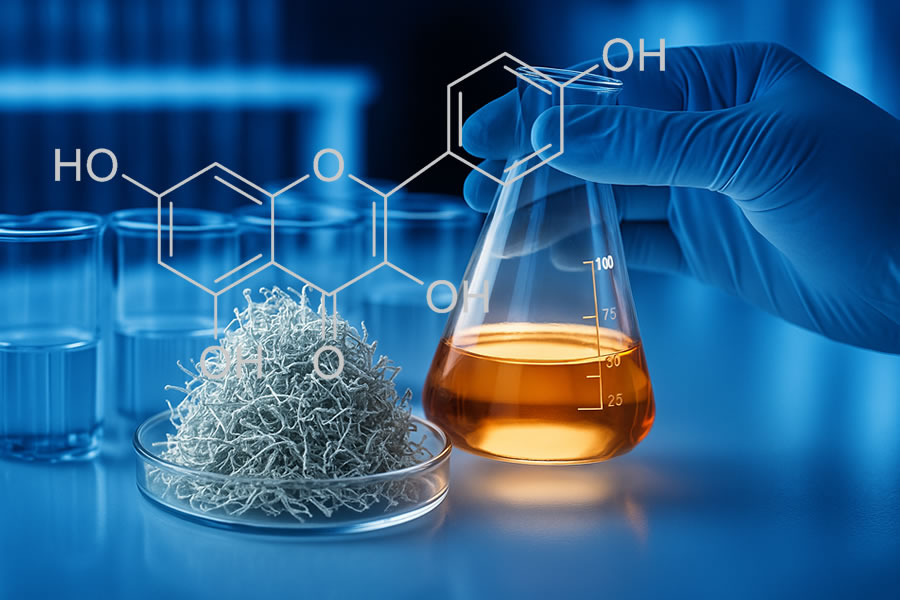
Dehydration can make skin rough, dull, and less elastic, speeding up the appearance of fine lines. The antioxidants in tea — such as polyphenols, flavonoids, and vitamin C — fight free radicals, helping your skin look healthier and more youthful.
3. Dark Yellow Urine or Reduced Urination
Urine that is dark yellow or noticeably reduced in volume may signal dehydration. A healthy urine color is pale yellow. Drinking water and mild teas, including vine tea, can restore hydration and support kidney function.
4. Headaches and Dizziness
The brain needs adequate water to function well. When dehydrated, blood becomes thicker, slowing circulation and potentially causing headaches or dizziness. Tea with essential minerals can improve blood flow and help relieve these symptoms.
5. Fatigue and Poor Concentration
Water is essential for energy metabolism. Without enough fluids, your metabolism slows, making you feel tired and unfocused. Teas containing L-theanine and mild natural stimulants — or caffeine-free options like vine tea — can improve alertness and mental clarity.
6. Digestive Issues and Constipation
Lack of water can slow digestion and reduce bowel movement frequency. Warm teas, especially vine tea or oolong, can stimulate gastric juices and promote bowel regularity.
How to Drink Tea for Better Hydration
-
Daily Intake: Aim for about 2 liters of total fluids, adjusting for activity level and climate. Tea can be part of this total.
-
Best Times: Morning (to kickstart metabolism), 1 hour before meals, and in the evening (opt for caffeine-free vine tea to avoid sleep disruption).
-
Temperature: Warm water or tea at 35–40°C (95–104°F) is gentle on the stomach.
-
Method: Sip slowly to aid absorption and fully enjoy the flavor.
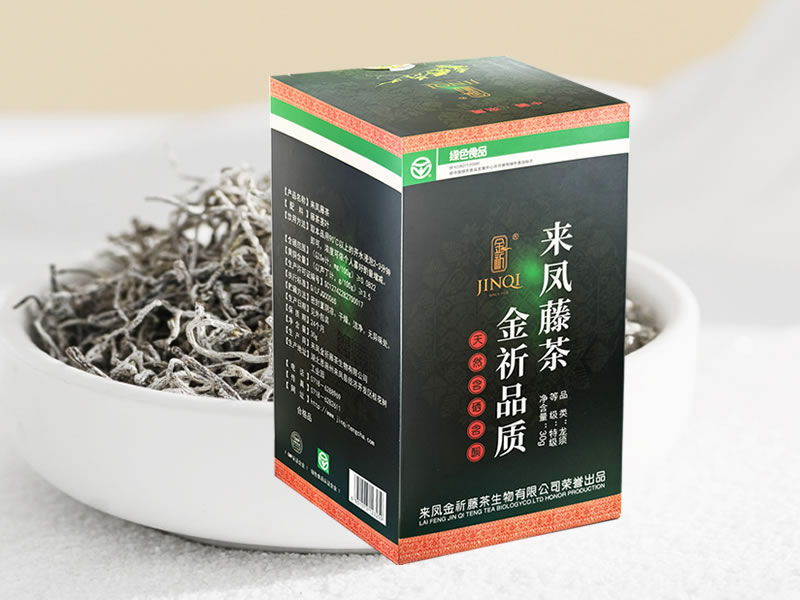
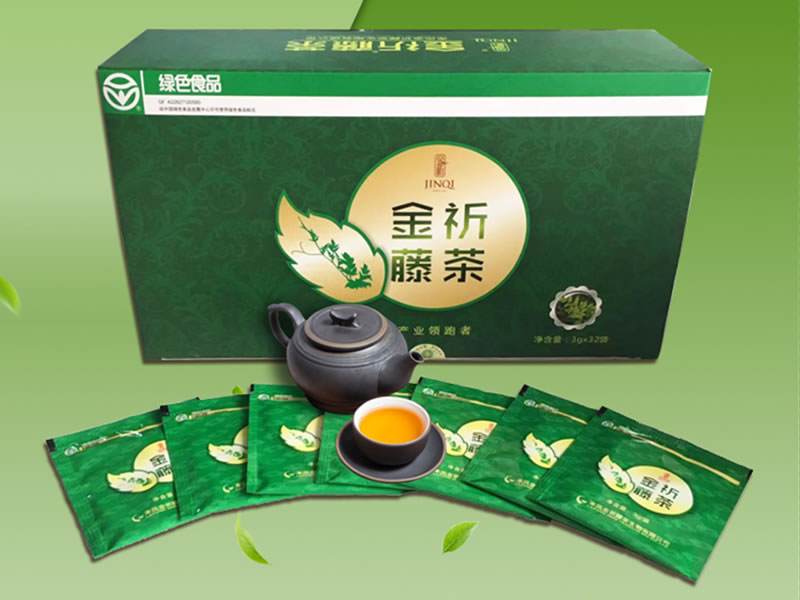
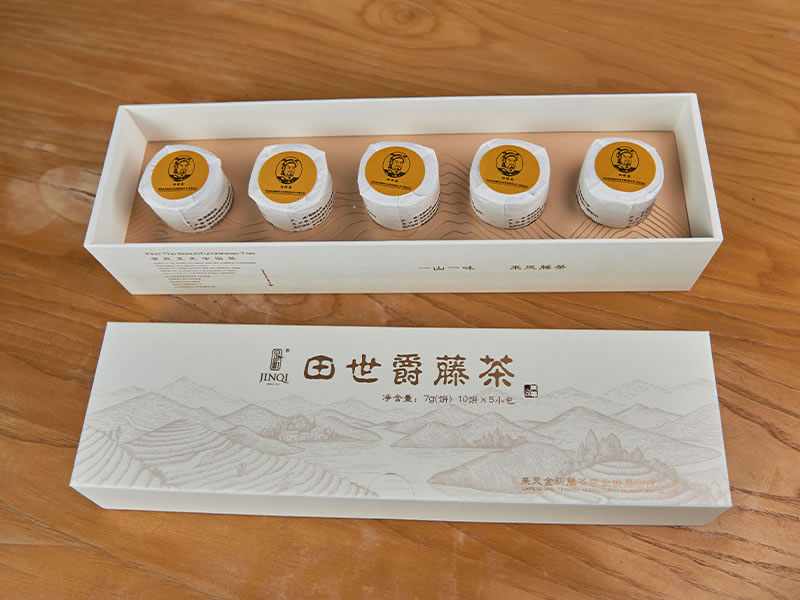
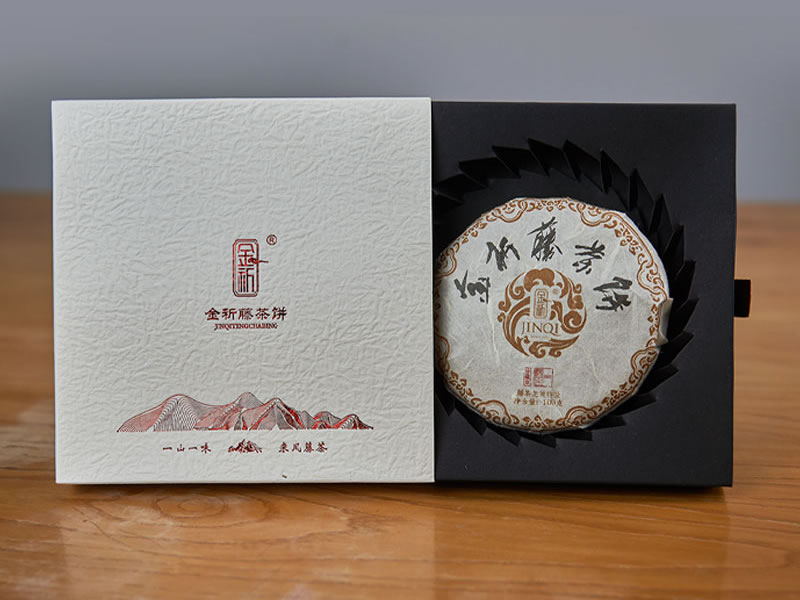
Enjoy Premium Bud Tip Vine Tea with JINQI
Listening to your body is key to maintaining health. If you notice dry skin, headaches, fatigue, or digestive issues, it might be time to adjust your fluid intake — and adding vine tea (Ampelopsis grossedentata) to your routine can be a flavorful, health-boosting way to do it.
At JINQI Vine Tea Co., Ltd., we produce authentic Laifeng-origin vine tea with naturally high flavonoid content, processed under GMP-certified standards for maximum purity and potency.
FAQs
Q1: Can vine tea replace water for daily hydration?
Vine tea can be part of your daily fluid intake but should complement plain water.
Q2: Is vine tea better for hydration than other teas?
Yes. Vine tea is naturally caffeine-free and rich in flavonoids, making it gentle and hydrating.
Q3: How much vine tea can I drink per day?
For most adults, 2–3 cups daily is safe and beneficial, depending on individual needs.