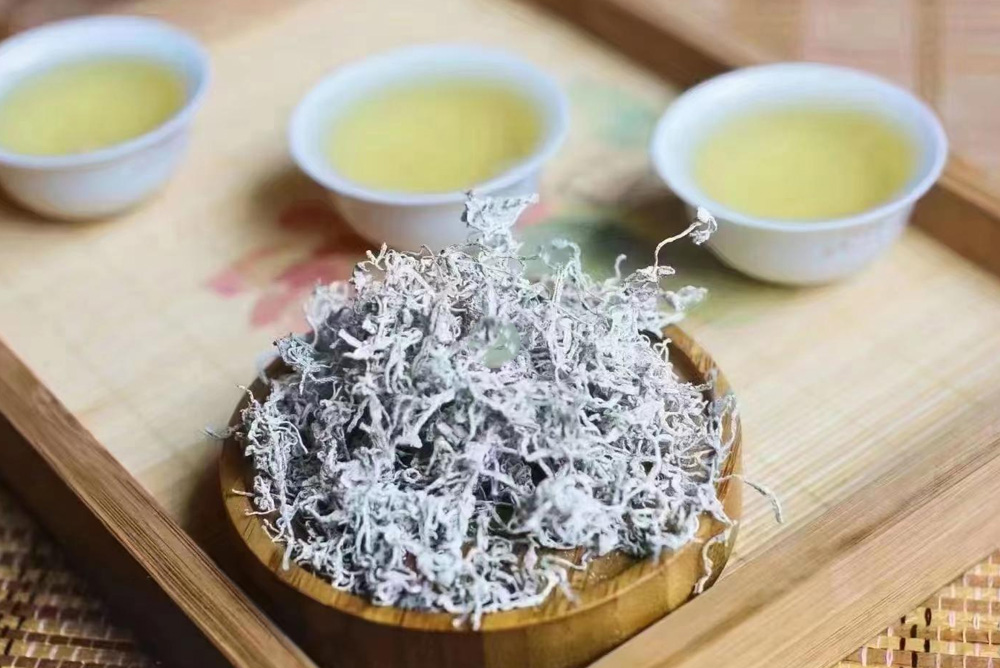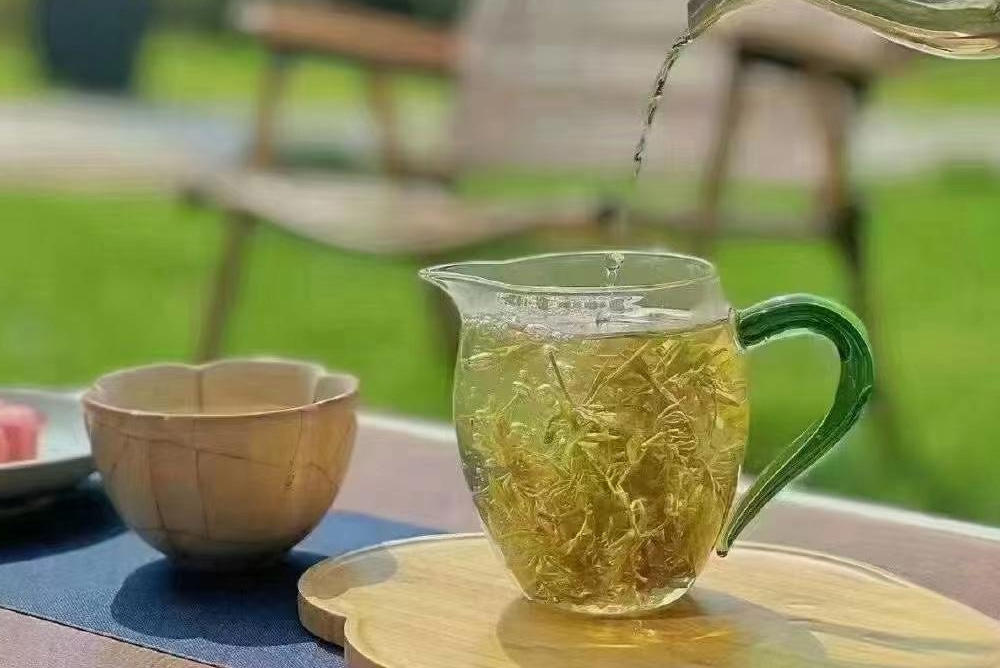
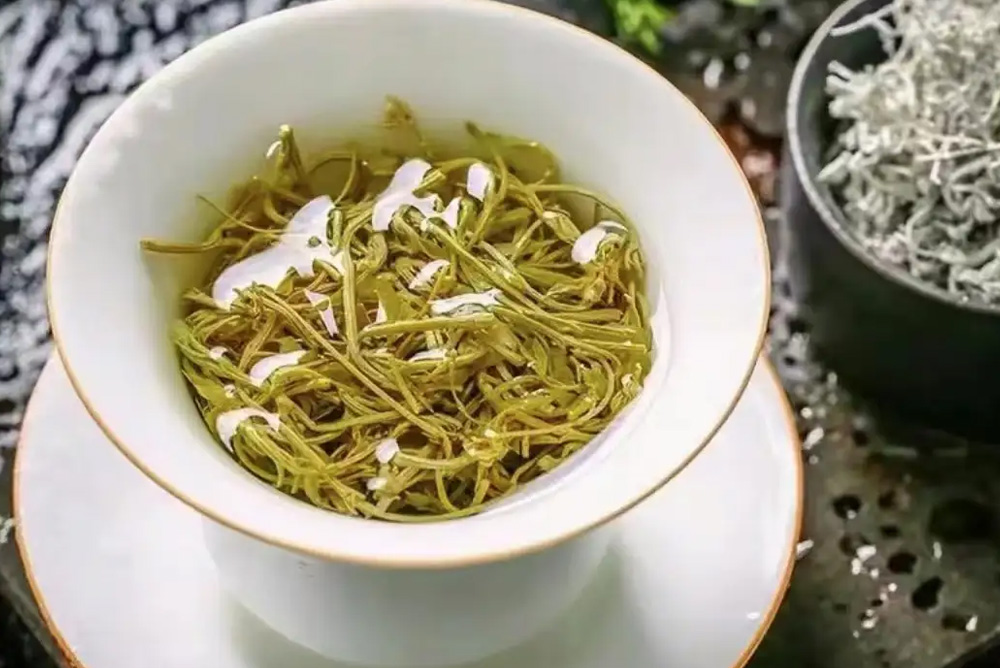
When most people finish drinking tea, they simply throw away the used leaves. But in professional tea evaluation, these brewed leaves — often called “tea residue” — can reveal a wealth of information about quality.
For vine tea (Ampelopsis grossedentata), examining the leaves after brewing is a reliable way to understand how fresh, well-processed, and carefully harvested the tea is. Here’s how you can do it.
1. Check the Tenderness
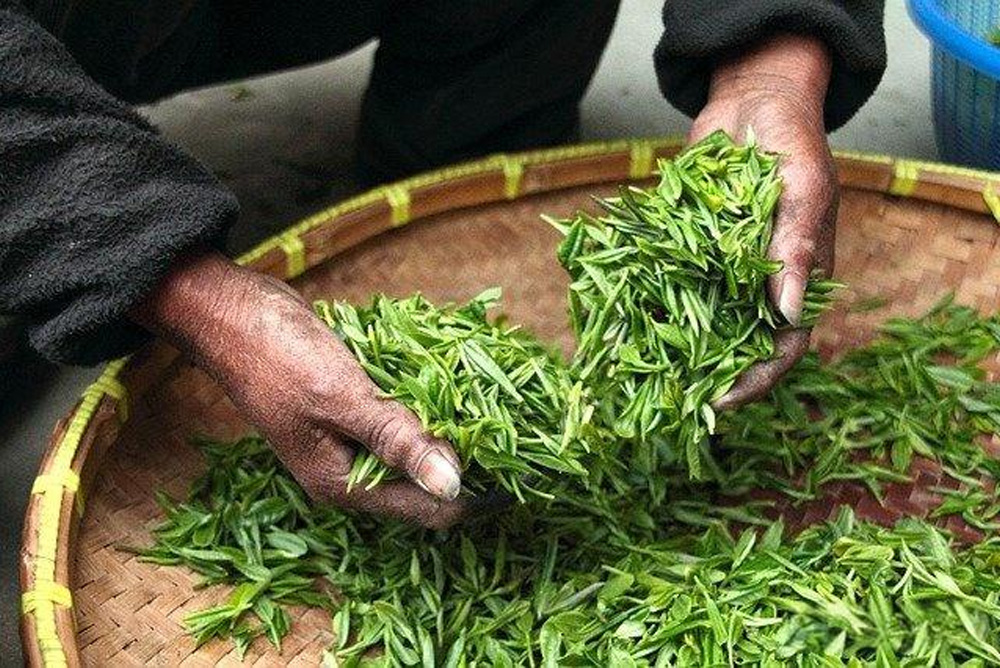
Gently touch the brewed leaves. High-quality vine tea leaves feel soft, elastic, and springy — signs they were harvested young and fresh. If the leaves feel hard or brittle, they were likely picked when older, which can reduce flavor and aroma.
2. Look at the Color
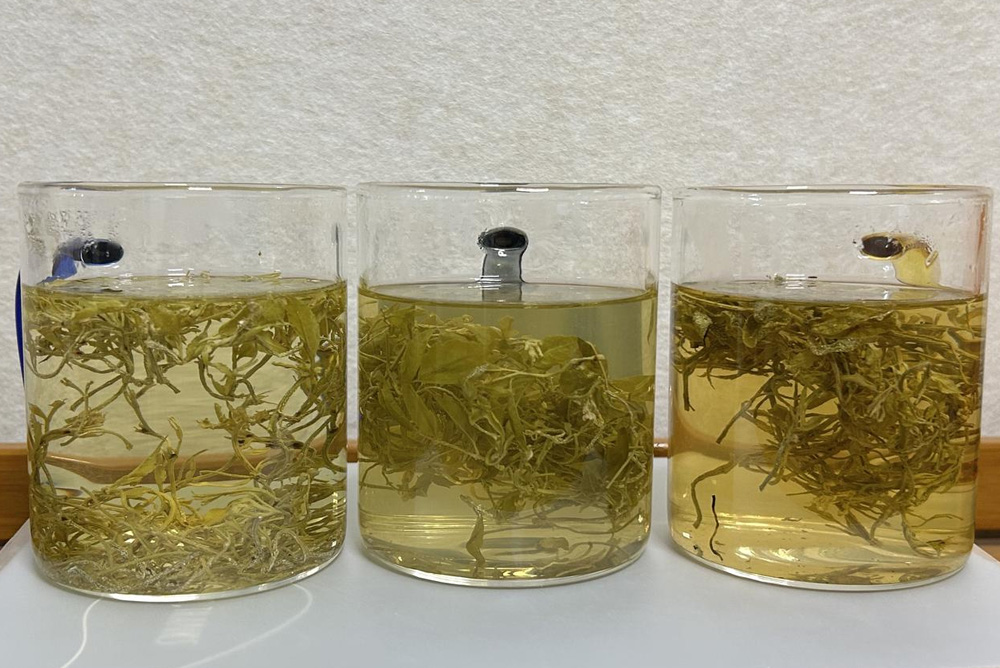
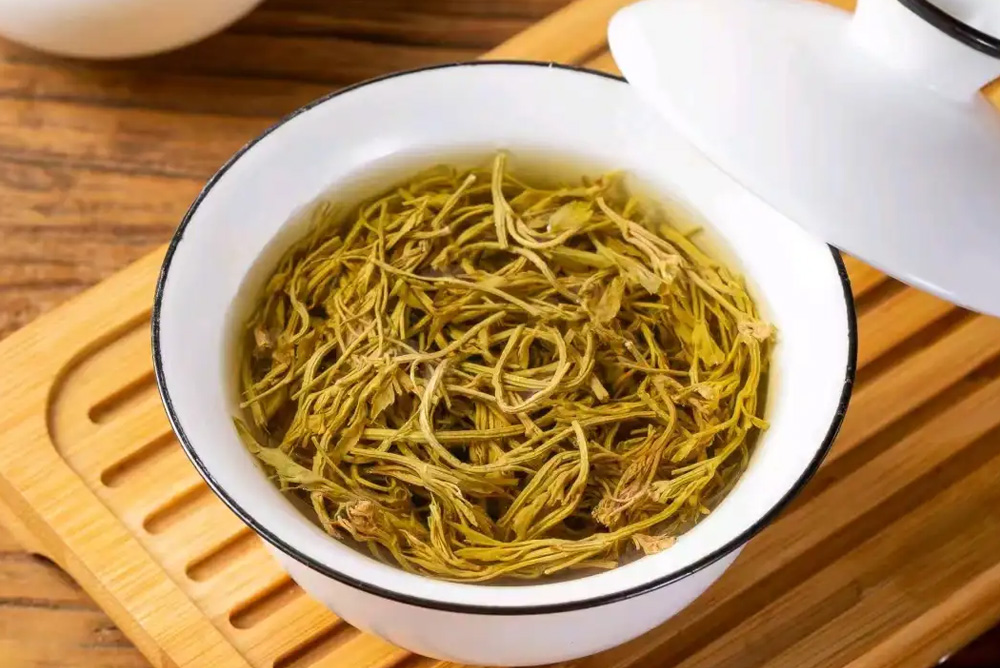
Color is one of the most obvious indicators of quality. For premium vine tea from Laifeng or Zhangjiajie, the brewed leaves should show a yellow-green tone with a natural sheen. This vibrant color reflects careful processing and excellent raw material quality. Dull, lifeless leaves often mean poor storage or rough processing.
3. Examine Uniformity
Consistency matters. Observe whether the brewed leaves are uniform in size, thickness, and maturity. Uneven leaves suggest inconsistent plucking or sloppy processing. A uniform leaf set means a professional harvesting and manufacturing process — the mark of a reliable producer.
4. Assess Leaf Shape and Spread
High-quality vine tea leaves unfurl naturally when brewed, returning close to their original picked shape. If the leaves remain tightly curled, or open too flat like paper, it may indicate flaws in processing such as over-rolling or improper drying.
Why This Matters for Buyers
For B2B buyers, importers, or serious tea enthusiasts, this simple inspection can help verify product claims without specialized equipment. It’s a practical skill to ensure you’re getting authentic, well-crafted Ampelopsis grossedentata.
Enjoy Premium Bud Tip Vine Tea with JINQI
Next time you brew vine tea, don’t discard the leaves too quickly. Take a moment to feel their texture, check their color, and see how they open. These small observations can reveal the craftsmanship behind your tea.
At JINQI Vine Tea Co., Ltd., we ensure every batch meets strict GMP standards, from eco-friendly cultivation in Laifeng County to precise processing that preserves the natural color, aroma, and nutrients of vine tea.
FAQs
Q1: What color should high-quality vine tea leaves be after brewing?
Yellow-green with a healthy sheen, indicating freshness and good processing.
Q2: Can leaf texture reveal vine tea quality?
Yes. Soft, elastic leaves mean tender plucking; hard leaves suggest older material.
Q3: Does leaf uniformity matter?
Yes. Even size and thickness reflect professional harvesting and processing.