Uric acid is produced in the liver, muscles, and adipose tissue and is the end product of purine metabolism. Under normal circumstances, approximately 75% of uric acid is excreted through the kidneys. The dynamic balance between uric acid production, renal excretion, and intestinal absorption is crucial for maintaining physiological status . However, once this dynamic balance is disrupted, it may lead to hyperuricemia (HUA). Under a normal purine diet, HUA is defined as a fasting serum uric acid level exceeding 420 μmol/L on two non-consecutive days. Studies have shown that HUA is closely associated with the occurrence and development of various diseases such as gout, obesity, glucose metabolism disorders, chronic kidney disease, metabolic syndrome, and non-alcoholic fatty liver disease . The prevalence of HUA among Chinese adults is approximately 14%, and it is showing a younger trend, making it the second most common metabolic disease after diabetes , which poses a significant threat to human health. Currently, common clinical drugs used to treat HUA include allopurinol, febuxostat, benzbromarone, probenecid, and pegylated uricase-specific enzymes . However, the targets of these drugs are mainly in the kidneys, which can increase the renal burden and cause renal damage. Some patients may experience adverse reactions such as allergic reactions, liver damage, and polyarthritis to the above-mentioned drugs, and long-term use may also be accompanied by issues of drug tolerance and compliance .
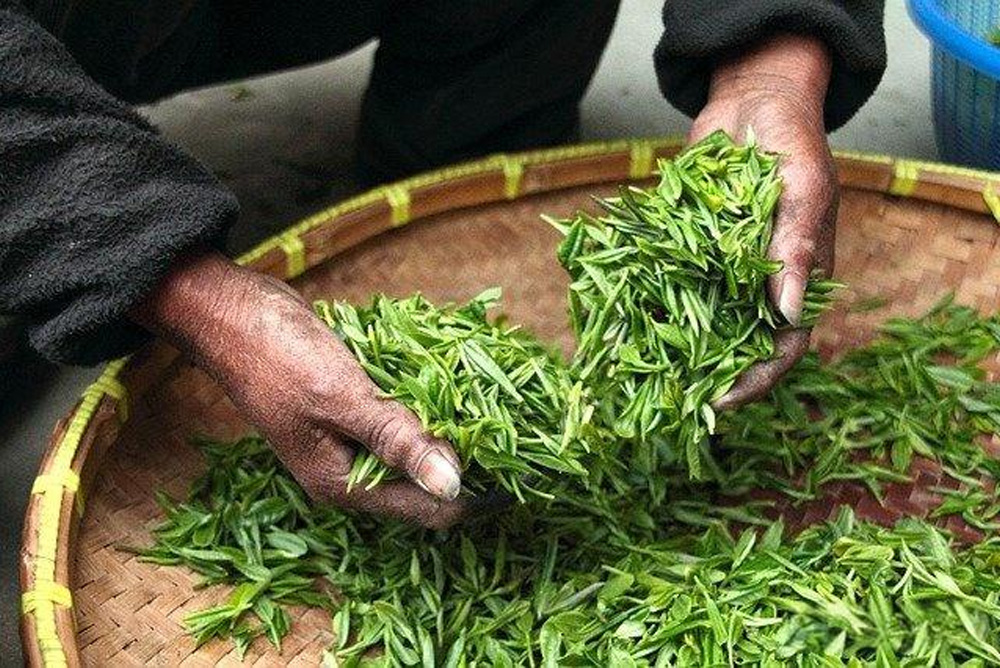
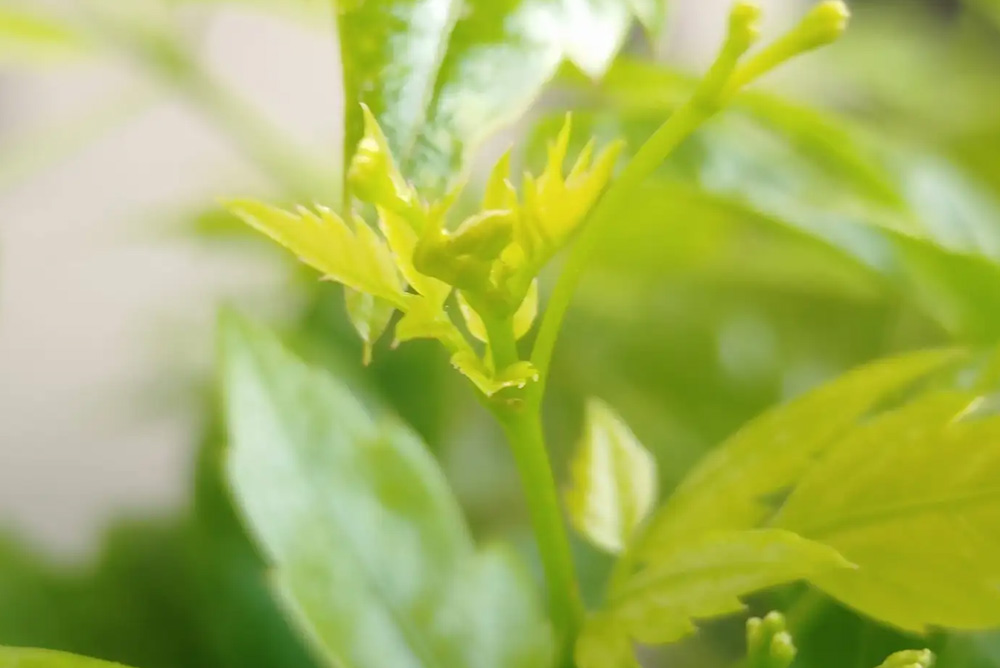
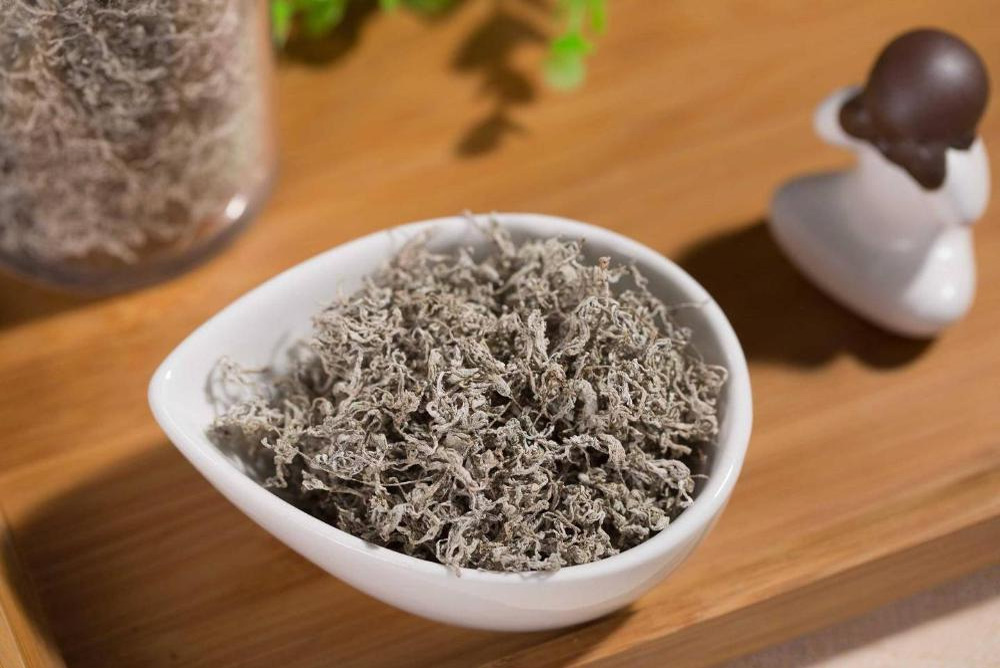
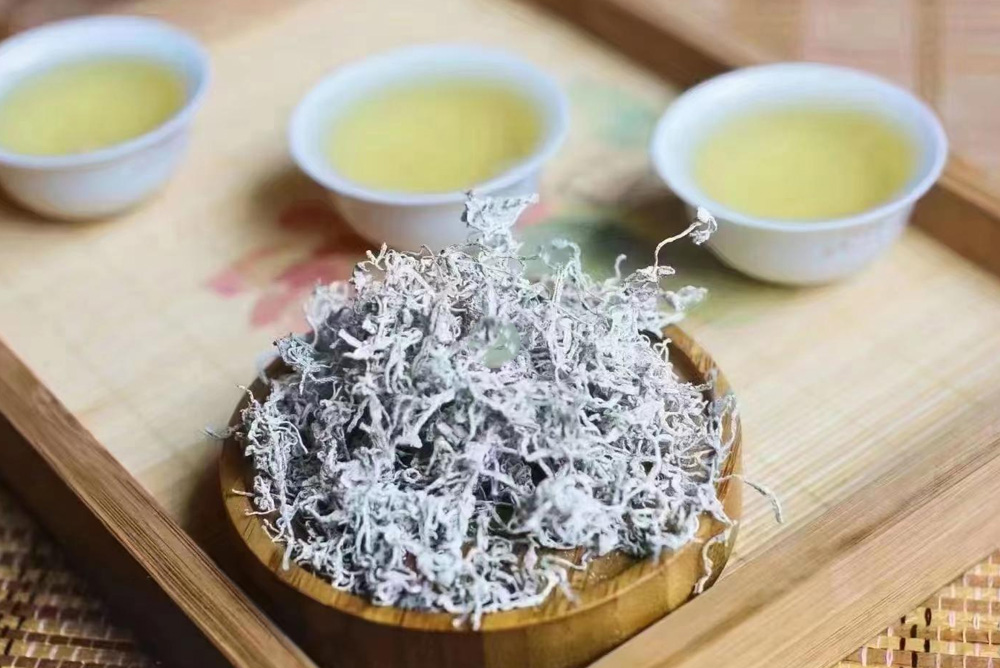
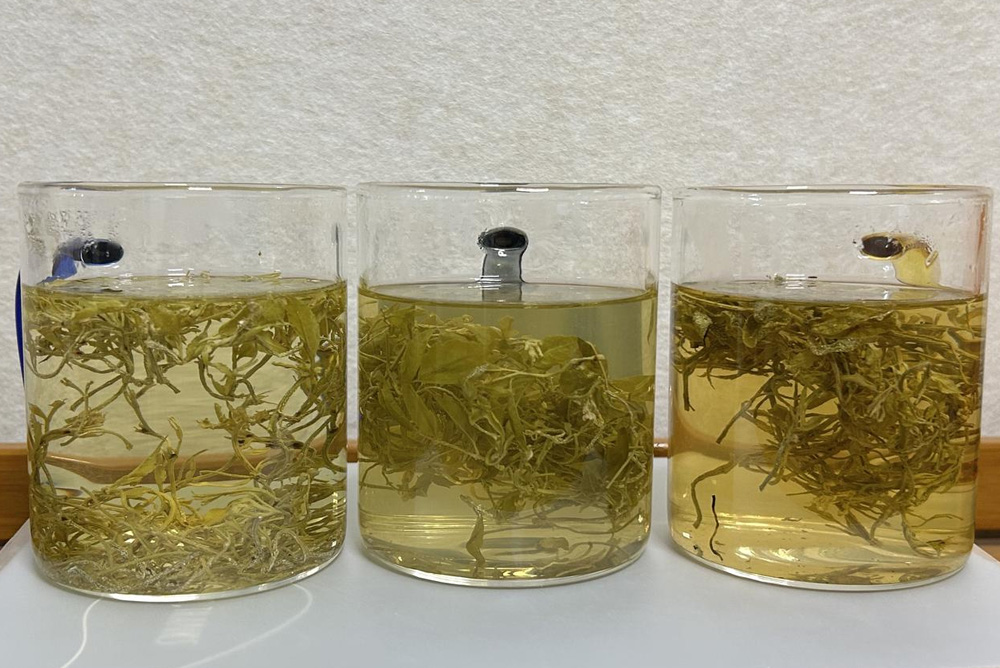
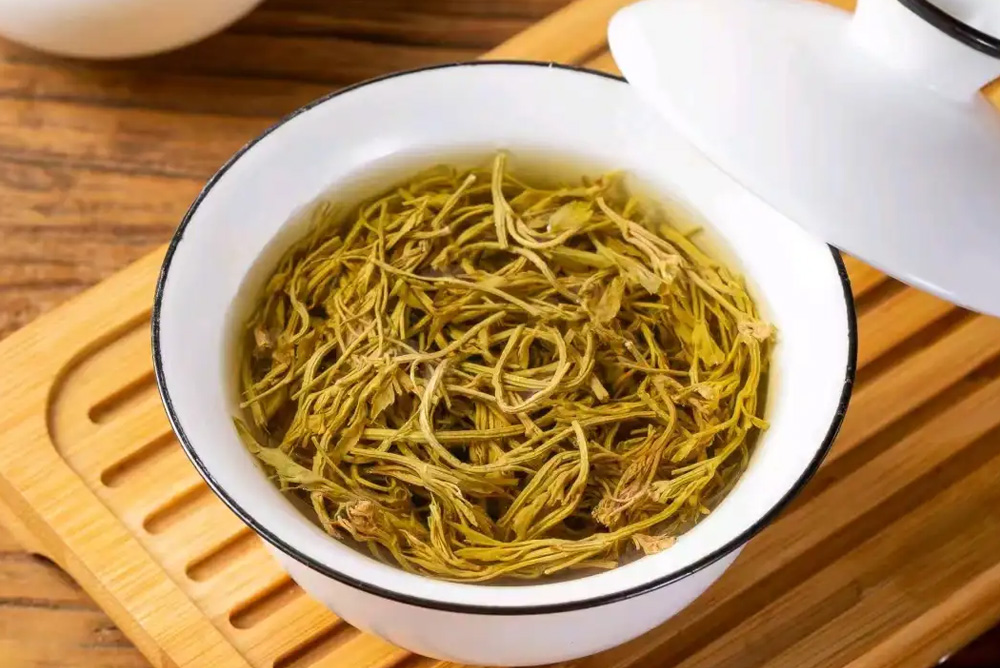
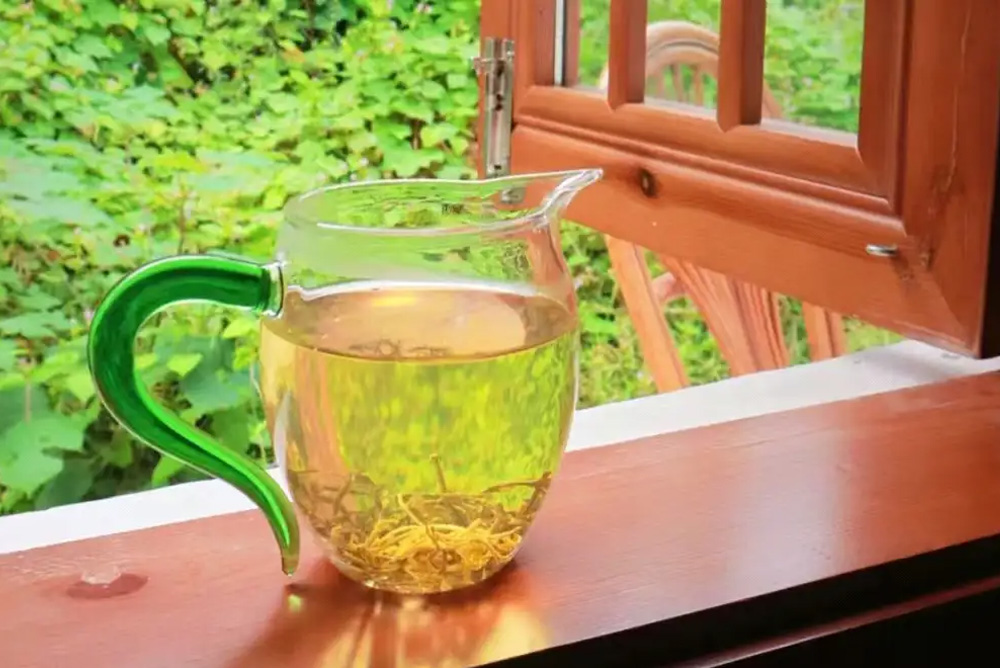
Therefore, researchers have turned their attention to natural plant-derived functional compounds with uric acid-lowering effects and few side effects. Ampelopsis grossedentata (vine tea) has a long history of use and diverse pharmacological effects. It is the young stems and leaves of Ampelopsis grossedentata, which is widely distributed in the southern region of the Yangtze River Basin in China , also known as “mei cha” (mold tea), “longxu cha” (dragon whisker tea), “ganlu cha” (nectar tea), and “Hakka white tea”. Vine tea is rich in compounds such as polysaccharides, steroids, terpenoids, volatile oils, and polyphenols, and its health-promoting effects have attracted wide attention from researchers at home and abroad. Vine tea can not only be used to treat minor illnesses such as coughs and fevers but also exhibits various pharmacological effects including liver protection, neuroprotection, blood glucose lowering, antioxidant, anti-inflammatory, and anti-tumor effects . Studies have found that vine tea can reduce uric acid production by inhibiting the activity of xanthine oxidase (XOD) , showing great potential in the clinical application of improving HUA. This article reviews the active ingredients of vine tea for uric acid lowering and their potential mechanisms of action, provides a comprehensive analysis of studies on vine tea in the treatment of HUA, and aims to clearly reveal the mechanism of action of vine tea in the treatment of HUA.
1. Hyperuricemia
1.1 Pathogenesis
1.1.1 Excessive Uric Acid Production
Approximately 67% of serum uric acid in the human body is endogenously produced, and purine metabolism from dietary intake accounts for about 33%. Although endogenous purines account for approximately 80% of the total purine sources, dietary purines are also an important factor affecting health. A high-purine diet, especially excessive intake of purine-rich animal meat, seafood, certain dairy products, and fermented alcoholic beverages, can increase the risk of HUA . The key enzymes involved in uric acid production include xanthine oxidoreductase (XOR) and adenosine deaminase (ADA). XOR is a molybdenum-flavoprotein that exists in two forms: xanthine dehydrogenase and xanthine oxidase. Both have the ability to metabolize purines into uric acid, but XOD has higher activity in reducing oxygen molecules and plays a key role in purine metabolism . ADA is a key enzyme in nucleotide catabolism, which is responsible for converting adenosine to inosine. Inosine is then converted to hypoxanthine by purine nucleoside phosphorylase (PNP), and finally oxidized to uric acid. XOD protein is expressed in various tissues of the human body, especially in the liver and small intestine . Increased XOD activity in these tissues is one of the main causes of HUA.
1.1.2 Insufficient Uric Acid Excretion
Insufficient uric acid excretion, especially insufficient renal uric acid excretion, is the main cause of HUA, accounting for approximately 90% . Under normal circumstances, more than 70% of urate is excreted through the kidneys, and only 5%-10% is excreted in urine. Uric acid excretion mainly depends on the transport of urate in the proximal renal tubule , involving a variety of transport proteins, including urate reabsorption transporters URAT1, GLUT9, and OAT4, which are encoded by the SLC22A12, SLC2A9, and SLC22A11 genes respectively and are responsible for uric acid reabsorption in the kidneys. Organic anion transporters OAT1 and OAT3 are encoded by the SLC22A6 and SLC22A8 genes respectively and are responsible for uric acid secretion. It has been confirmed in gene-knockout mice that the knockout of these two genes reduces urate secretion . In addition, sodium-dependent phosphate transporters are involved in the secretion of urate into the renal tubular lumen. ATP-binding cassette subfamily G member 2 (ABCG2) mediates uric acid excretion in an ATP-dependent manner, and the anion transporter multidrug resistance protein 4 (ABCC4) is the main pathway for uric acid excretion from the apical membrane . Furthermore, the accessory protein PDZ domain-containing protein 1 (PDZK1) can interact with urate transporters such as ABCG2, URAT1, OAT1, and OAT3 to promote uric acid excretion. When renal function is impaired or the reabsorption of uric acid by renal tubules increases, it can lead to insufficient uric acid excretion, thereby increasing serum uric acid levels and ultimately possibly causing HUA .
1.1.3 Other Influencing Factors
The formation of HUA is affected by various metabolic pathways, especially disorders of glucose and lipid metabolism, and these factors together lead to an increase in serum uric acid levels . Abnormal lipid metabolism, especially elevated triglyceride levels, can indirectly affect purine synthesis and further promote uric acid production . In addition, individual sensitivity to certain specific drugs, such as the anti-tuberculosis drug pyrazinamide, niacin, and low-dose aspirin (60-300 mg taken once daily), may also affect the normal metabolism of uric acid . The complex interaction between these metabolic pathways and drug responses reveals the multi-level mechanism of HUA formation.
1.2 Current Treatment Status
Currently, clinical drugs for the treatment of HUA mainly include uric acid production inhibitors, uric acid excretion promoters, and uricase for uric acid decomposition .
1.2.1 Uric Acid Production Inhibition Pathway
In terms of the uric acid production inhibition pathway, representative clinically approved drugs include allopurinol, febuxostat, and topiroxostat. Allopurinol, as a competitive inhibitor of XOR, can effectively reduce the metabolism of purines to uric acid and at the same time reduce the production of reactive oxygen species. However, since its metabolites are mainly excreted through the kidneys, the dose needs to be reduced in patients with renal insufficiency, and there is a risk of causing severe skin adverse reactions. Febuxostat is a non-purine, non-competitive XOR inhibitor. Compared with allopurinol, it has advantages in reducing uric acid production and drug tolerance, and also has a strong renal protective effect . However, febuxostat may cause various adverse reactions such as abnormal liver function and adverse cardiovascular events. Topiroxostat, a non-competitive inhibitor of XOR, is currently only approved in Japan for the treatment of gout and HUA. Clinical trials have shown that topiroxostat can reduce serum uric acid levels in a dose-dependent manner , and its effect is comparable to that of allopurinol [28], which may bring benefits to the cardiovascular system and kidneys.
1.2.2 Uric Acid Excretion Promotion Pathway
Drugs that promote uric acid excretion act on the kidneys and are involved in the reabsorption, excretion, and secretion and transport processes of urate. Benzbromarone is a non-selective uric acid excretory agent that interferes with uric acid reabsorption by inhibiting URAT1 and has low hepatotoxicity. Probenecid reduces uric acid by inhibiting proteins such as URAT1, OAT1, and GLUT9. It is a non-specific uric acid excretory agent with good tolerance but may cause urinary tract stones and drug interactions, and its efficacy is limited. In contrast, lesinurad and dotinurad are selective uric acid reabsorption inhibitors. Among them, dotinurad has been shown in clinical trials to reduce uric acid in a dose-dependent manner, and its efficacy is not affected in patients with renal insufficiency. Unfortunately, both drugs have been discontinued .
1.2.3 Uricase
Uricase drugs include rasburicase and pegylated uricase-specific enzyme, both of which have been approved for use. Rasburicase is usually used to treat HUA in malignant tumors and tumor lysis syndrome. Although it has good tolerance, it is not the first-choice drug due to high treatment costs and limitations in administration routes. Pegylated uricase-specific enzyme is recommended for the treatment of gout patients who do not respond to conventional uric acid-lowering treatments, but it requires intravenous injection, which makes the treatment process cumbersome and costly, and may cause allergic reactions.
1.2.4 New Drug Research and Development
Although existing drugs have achieved significant effects in reducing uric acid levels, their popularity in clinical applications is limited due to certain factors. Therefore, the research and development of new uric acid-lowering drugs has become a current research focus, aiming to find more effective and safe treatment options . At the same time, natural plant-derived functional compounds are considered to have potential application value due to their multiple effects such as inhibiting XOD activity and improving uric acid excretion, with almost no side effects .
2. Research Progress on Uric Acid-Lowering Effect of Ampelopsis grossedentata
As a medicinal and edible plant, Ampelopsis grossedentata has attracted much attention due to its rich bioactive compounds, especially flavonoids, which account for approximately 45% of its total active components . A number of studies have isolated and identified a variety of flavonoids from Ampelopsis grossedentata, such as dihydromyricetin, myricetin, quercetin, hesperetin, kaempferol, rutin, apigenin, vine tea flavonoids, luteolin, and naringenin . These compounds have been confirmed to have various pharmacological activities including liver protection, neuroprotection, blood glucose lowering, antioxidant, anti-inflammatory, anti-tumor, and bacteriostatic effects .
2.1 Extracts of Ampelopsis grossedentata
In recent years, researchers have obtained extracts of Ampelopsis grossedentata through methods such as water extraction and alcohol extraction, and used in vitro and in vivo experimental models to study, aiming to screen bioactive compounds with uric acid-lowering effects . Molecular docking technology, as an efficient method for studying the interaction between food bioactive compounds and protein molecules, has been widely used in this field . The research results of Li Jiachuan et al. showed that the main active components of Ampelopsis grossedentata extracts, including dihydromyricetin, myricetin, quercetin, and vine tea flavonoids, have high binding scores and good stability with uric acid-related target proteins (URAT1, GLUT9, ABCG2, XOD, ADA), showing the potential to reduce uric acid levels by interfering with the activity of uric acid synthases and uric acid transporters. In addition, the active components in the water extract of Ampelopsis grossedentata, such as apigenin and hesperetin, also show stable binding to ABCG2 and XOD proteins, which may be effective components for the treatment of HUA . In the in vitro uricase inhibitor system model, the water extract of Ampelopsis grossedentata showed obvious inhibitory effects on the half-inhibitory concentrations of ADA, PNP, and XOD, and the inhibition of enzyme activity was also confirmed in the cell model. In the model of human renal cortical proximal tubule epithelial cells (HK-2) lacking uricase , the water extract of Ampelopsis grossedentata reduces uric acid production by inhibiting the expression of URAT1 and GLUT9 proteins in HK-2 cells and the XOD activity in cell supernatant .
The use of hyperuricemic model rats and mice as experimental animals is a common method to evaluate the effectiveness of natural plant extracts and monomer compounds in lowering uric acid levels. Studies have shown that the intake of Ampelopsis grossedentata extracts can effectively inhibit XOD activity in model animals, thereby reducing uric acid production. In addition, the extracts of Ampelopsis grossedentata also reduce the expression of URAT1 and GLUT9 transporters to block urate reabsorption, and promote urate excretion by up-regulating the expression of ABCG2, thereby increasing the uric acid transport rate and ultimately synergistically reducing uric acid levels .
Although studies on the effect of Ampelopsis grossedentata intake on the human body are relatively limited, in a randomized, placebo-controlled crossover study conducted in 2018, 38 men participated. The results showed that although there was no statistically significant difference in postprandial uric acid levels between the Ampelopsis grossedentata extract intake group and the placebo group, the Ampelopsis grossedentata extract group significantly increased uric acid excretion in the subjects, indicating that the intake of Ampelopsis grossedentata extract helps to promote uric acid excretion, thereby inhibiting the increase in postprandial uric acid levels.
2.2 Studies on Flavonoid Monomers with Uric Acid-Lowering Effect in Ampelopsis grossedentata
Ampelopsis grossedentata contains complex bioactive compounds, and its extracts show a positive uric acid-lowering effect, but the specific active components responsible for its pharmacological effects have not been clarified. At present, although there are a large number of literature studies on the active components with uric acid-lowering effects in other natural plants, these components have also been found in Ampelopsis grossedentata. The presence of these flavonoids in Ampelopsis grossedentata provides ideas for the study of uric acid-lowering effects of flavonoid monomers in Ampelopsis grossedentata.
Flavonoids exert their effects through a variety of mechanisms, including inhibiting uric acid synthases to reduce uric acid production, regulating urate transporters (URAT1, GLUT9, ABCG2, OAT1, OAT2, OAT3) to improve uric acid reabsorption and excretion, and reducing the level of pro-inflammatory cytokines in the kidneys . Among the many active components, dihydromyricetin, as the main active component of flavonoids in Ampelopsis grossedentata, has been reported to reduce the levels of uric acid, urea nitrogen, and creatinine in HUA mice . At the same time, taxifolin exhibits anti-HUA effects by inhibiting XOD activity. Quercetin, a widely existing flavonoid compound, reduces the XOD activity in the liver and serum, decreases the expression of GLUT9 in the kidneys and intestines, and increases the expression of ABCG2, thereby reducing the uric acid level in HUA mice in a dose-dependent manner. Isorhamnetin, a 3-O-methylated metabolite of quercetin, has been shown to inhibit XOD activity both in vivo and in vitro. Apigenin, a natural flavonoid widely present in various plants, not only inhibits XOD activity in vivo but also inhibits the protein expression of URAT1 and GLUT9, promotes the expression of ABCG2 and OAT1, thereby promoting uric acid excretion, and can improve uric acid metabolism by inhibiting the Janus kinase 2/signal transducer and activator of transcription 3 (JAK2/STAT3) signaling pathway [48-49]. Similar to apigenin, luteolin inhibits XOD activity, can reverse the imbalance of uric acid transport-related proteins in HUA mice, and promote uric acid excretion. Naringenin and hesperetin, active components isolated from citrus compounds, show the ability to inhibit XOD activity. Naringenin reduces the expression of GLUT9 by inhibiting the PI3K/AKT signaling pathway and enhances the expression of ABCG2 by increasing PDZK1. Hesperetin reduces the expression of XOD and up-regulates the expression of OAT1 and OAT3. Both components can promote uric acid excretion in HUA mice.
3. Future Prospects of Uric Acid-Lowering Effect of Ampelopsis grossedentata
3.1 Uric Acid Lowering Through Microorganisms
In addition to the kidneys, the intestines also play an important role in uric acid excretion, contributing approximately 25%-35% of uric acid excretion. Intestinal microorganisms play an important role in the intestinal microenvironment. They not only play a role in host metabolism, immune regulation, and maintaining internal environment homeostasis but also are considered as new targets for the treatment of HUA. Intestinal flora affects uric acid metabolism in a variety of ways, including promoting the catabolism of purines and uric acid, regulating the absorption and excretion of uric acid by uric acid transporters, generating metabolites that are beneficial to uric acid excretion, and regulating intestinal immune function. Animal experiments have shown that a variety of natural plant extracts may have a positive impact on HUA by affecting intestinal microorganisms. Although Ampelopsis grossedentata is rich in active substances, its improvement of HUA by regulating intestinal microorganisms has not been thoroughly studied. By reviewing the existing literature, this article attempts to gain a deeper and clearer understanding of the potential mechanism of action of Ampelopsis grossedentata in the treatment of HUA.
In the complex ecosystem of the human body, intestinal flora plays a core role. Among them, bacteria of Firmicutes, Bacteroidetes, Actinobacteria, and Proteobacteria are the main bacterial groups in the human body. Lactic acid bacteria have particularly prominent functions: they not only reduce the absorption of purines in the intestines but also synthesize related uricase to promote uric acid decomposition. Studies have pointed out that the presence of Prevotella and Bacteroidetes is positively correlated with the levels of serum uric acid, creatinine, and urea nitrogen, and the expression of XOD gene in the liver is proportional to the activity of Bacteroides. Chimonanthus nitens Oliv. is a functional green tea and medicinal plant. The study by Meng et al.found that the flavonoid content in the ethanol extract of Chimonanthus nitens Oliv. leaves is as high as 76.11%, mainly quercetin and kaempferol. The extract of Chimonanthus nitens Oliv. not only effectively alleviates HUA by inhibiting uric acid synthases and regulating the expression of proteins such as GLUT9, URAT1, ABCG2, and OAT1 but also can restore the intestinal flora imbalance in HUA mice, reduce the absorption of purines in the intestines by increasing beneficial bacteria such as lactic acid bacteria, and improve the disorder of uric acid metabolism. The flavonoid extract of saffron by-products with kaempferol as the main component regulates the intestinal flora related to host metabolism and exerts an effective anti-HUA effect. In another study, the water extracts of 6 kinds of tea can significantly alleviate HUA, inhibit XOD activity, up-regulate ABCG2 expression, and in addition, can up-regulate lactic acid bacteria to promote uric acid decomposition, and inhibit uric acid synthesis by reducing the relative abundance of Bacteroides.
3.2 Uric Acid Lowering by Regulating Insulin Resistance
Insulin resistance increases uric acid production and reduces uric acid excretion, and reducing insulin resistance can lower serum uric acid levels. A large number of studies have confirmed that flavonoids can effectively improve insulin sensitivity and indirectly reduce uric acid levels. Continuous intake of luteolin for 4 weeks can restore insulin resistance, dyslipidemia, hyperuricemia, and nephritis cell infiltration in streptozotocin-induced diabetic mice. Similarly, dihydromyricetin and quercetin have also been shown to regulate insulin resistance by regulating specific intestinal flora. The above-mentioned flavonoids can not only directly improve HUA but also have the potential to reduce host uric acid levels by regulating insulin resistance.
4. Conclusion
Although the popularity of Ampelopsis grossedentata is limited in Western countries, studies on its anti-HUA effect have been increasing in recent years. This article reviews the mechanisms of action of Ampelopsis grossedentata in reducing uric acid levels: a) inhibiting the enzyme activity of XOD, PNP, and ADA to reduce uric acid production; b) inhibiting the expression of URAT1 and GLUT9, and up-regulating the protein expression of ABCG2, thereby increasing the uric acid transport rate and ultimately synergistically reducing uric acid levels; c) potentially exerting uric acid-lowering effects by regulating intestinal flora and insulin resistance. Although preliminary results have been achieved, the active components of Ampelopsis grossedentata and their specific association with HUA treatment still need further research. At present, most studies on Ampelopsis grossedentata focus on its mixed extracts, which involve multiple biological targets and action pathways. Future studies can, based on previous research, explore the comprehensive impact of the compound ratio of various bioactive compounds in Ampelopsis grossedentata on the therapeutic effect of HUA according to their content ratios. In addition, considering the association between HUA and various metabolic diseases, future studies should further explore the specific mechanism of Ampelopsis grossedentata in regulating HUA and seek new treatment strategies. This may include in-depth research on the in vivo mechanism of action of Ampelopsis grossedentata and its potential synergistic effects with existing HUA treatment drugs or intervention measures. Researchers should also consider exploring the therapeutic effect of Ampelopsis grossedentata on HUA patients under different doses and treatment durations, as well as its long-term safety and tolerance. In general, future studies should focus on fully revealing the internal mechanism of the regulatory effect of Ampelopsis grossedentata on HUA and its clinical application potential, aiming to provide a more effective and safe treatment option for HUA patients.