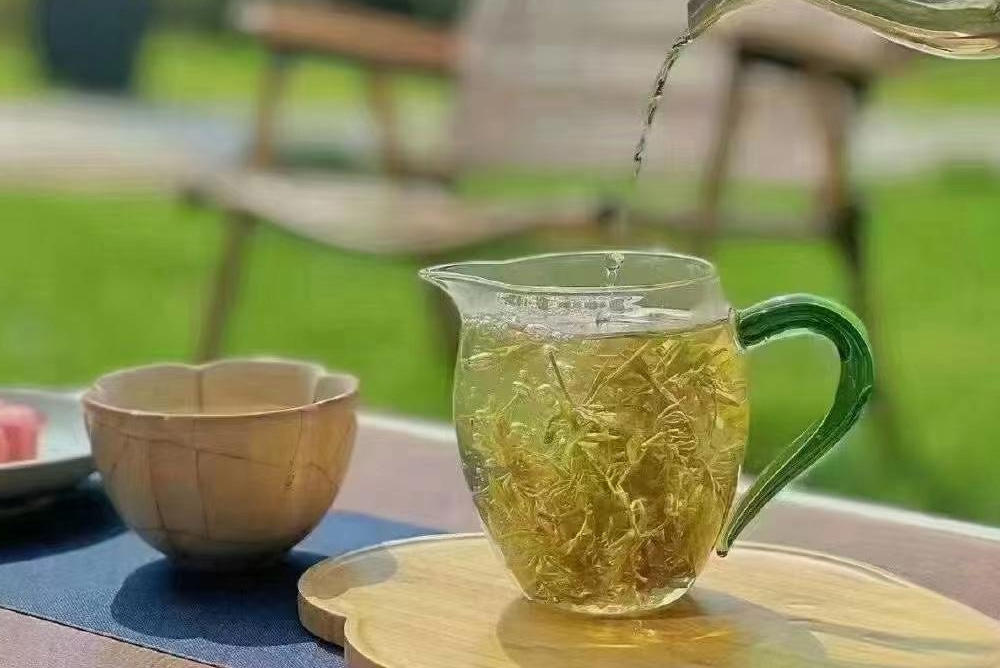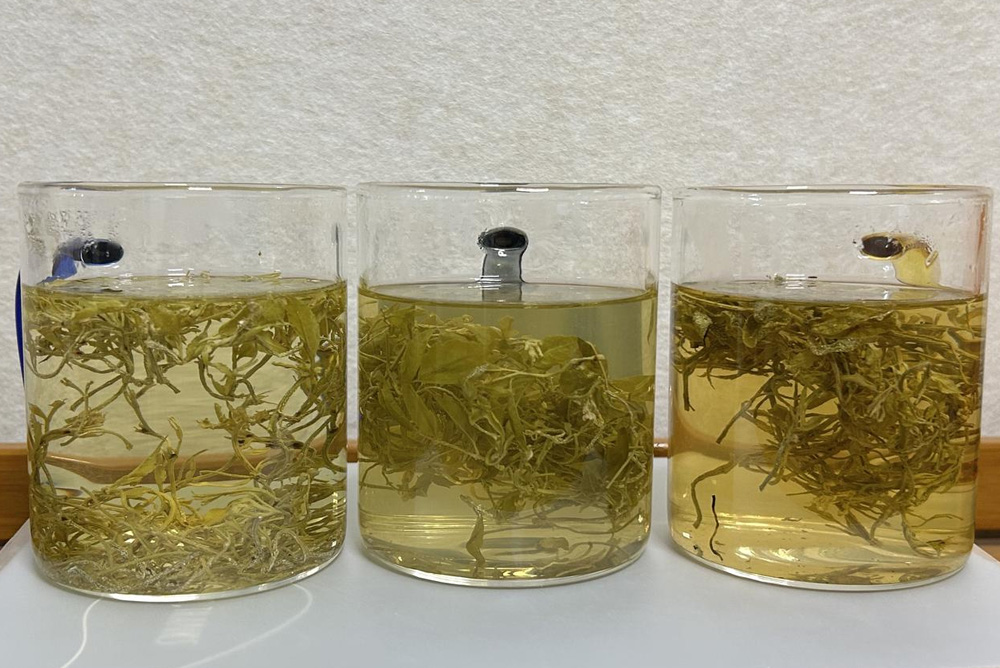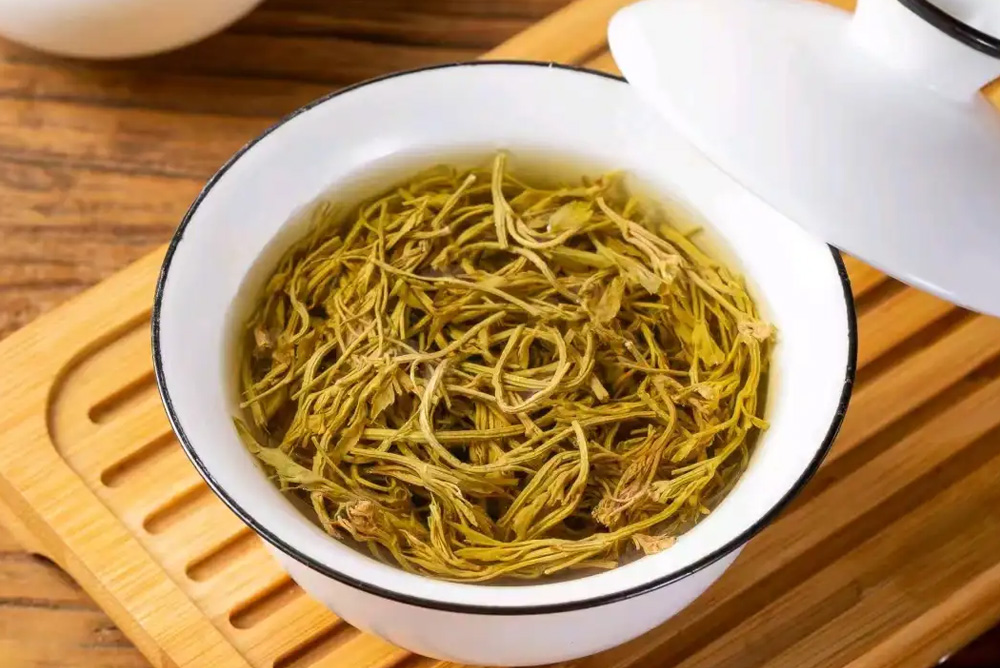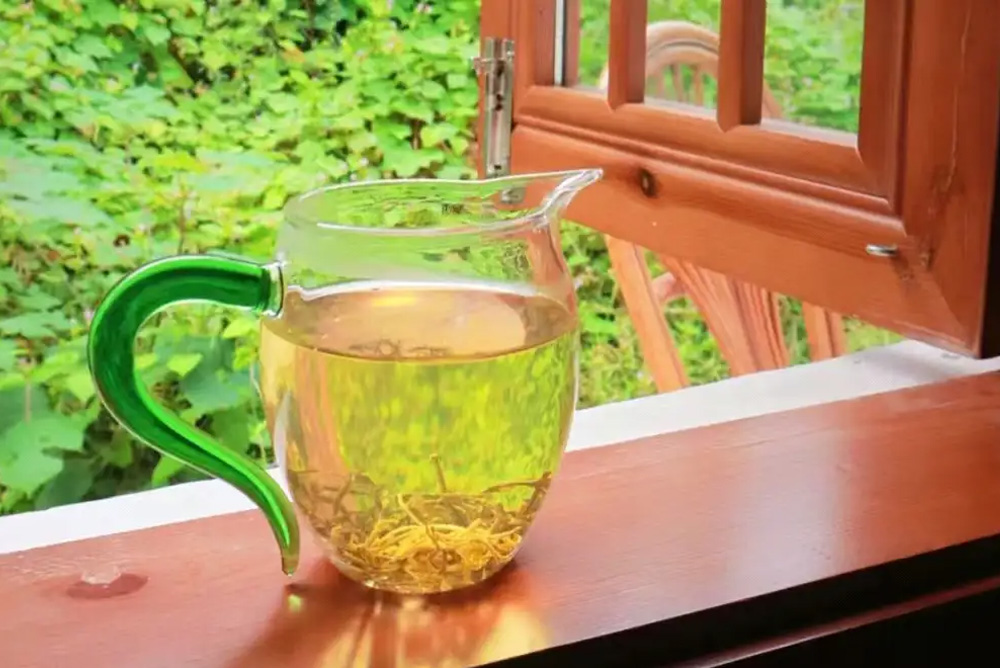
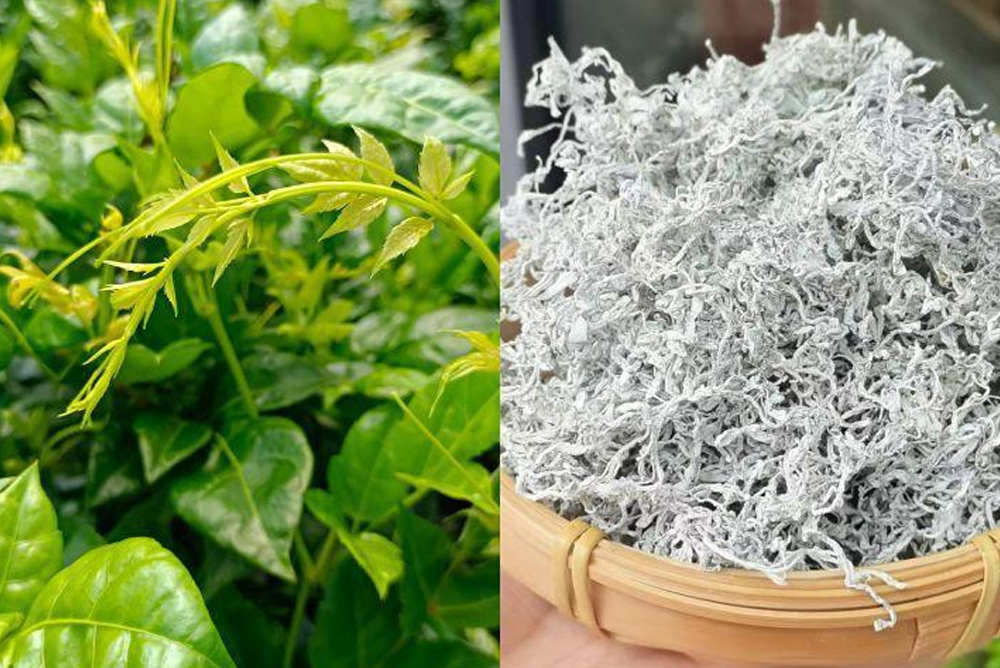
High in the misty mountains of Laifeng County, China, a rare and treasured herbal tea has been grown, picked, and crafted for generations — vine tea, or Ampelopsis grossedentata. Celebrated for its throat-soothing qualities, digestive benefits, and immune-boosting potential, vine tea is not just a drink; it’s a centuries-old tradition and a labor of love.
But not all vine tea is created equal. To truly experience its health benefits and distinctive flavor, you need to know where it comes from and how it’s made. Let’s take a journey to its origin and uncover what makes authentic vine tea so special.
The Perfect Birthplace for Vine Tea
The earliest known vine tea was discovered along the banks of the Maoyan River in Luotaping Township, Zhangjiajie. This area is surrounded on all sides by the Wuling Mountains and nourished by mineral-rich red sandstone soil — especially high in selenium, a trace mineral prized for its antioxidant properties.
Add in the natural hot springs, clean mountain air, and a dramatic difference between day and night temperatures, and you get the perfect conditions for developing vine tea’s high flavonoid content and sweet aftertaste.
What Makes Vine Tea So Loved?
Authentic vine tea offers both the refreshing taste of traditional tea and the functional benefits of a medicinal herb. Regular drinkers prize it for:
-
Throat comfort – Perfect for soothing irritation and supporting vocal clarity
-
Digestive support – Helps regulate the stomach and intestines
-
Cardiovascular balance – Assists in regulating blood sugar, blood pressure, and cholesterol
-
Immunity boost – Long-term consumption can help strengthen the body’s defenses
Its popularity has spread far beyond its birthplace, with nearby regions such as Yongshun and Enshi now cultivating it.
Harvesting: A Labor of Precision and Patience
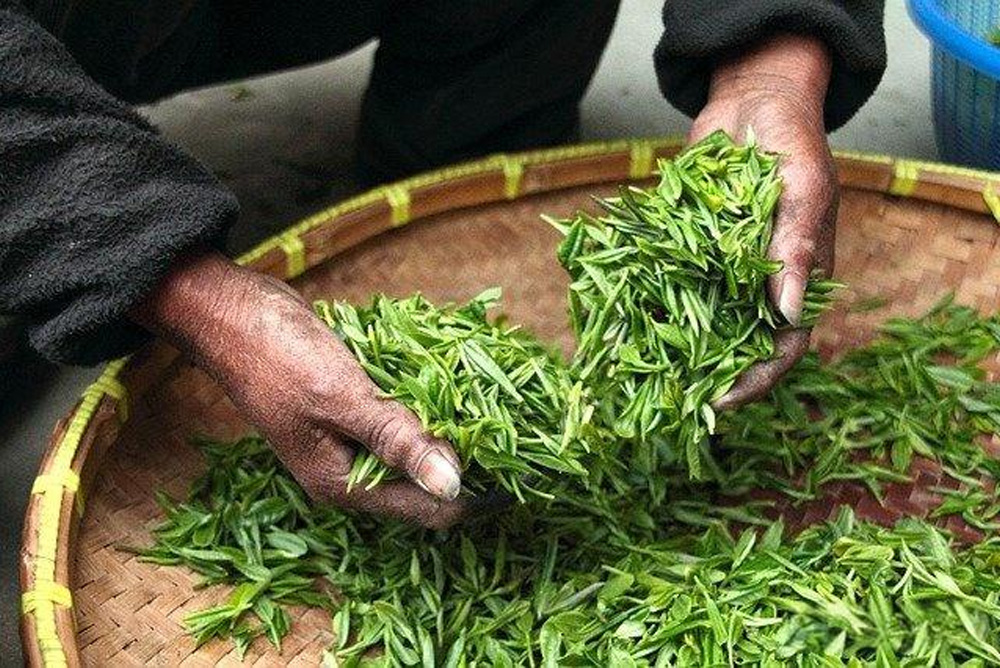
Vine tea harvesting runs from late March to August. Every 20 days, skilled tea farmers collect a fresh batch of tender leaves. Their workdays begin at 4 or 5 a.m., often trekking to tea gardens inaccessible by road. Carrying hand-woven bamboo baskets, they bring the leaves down the mountains on foot.
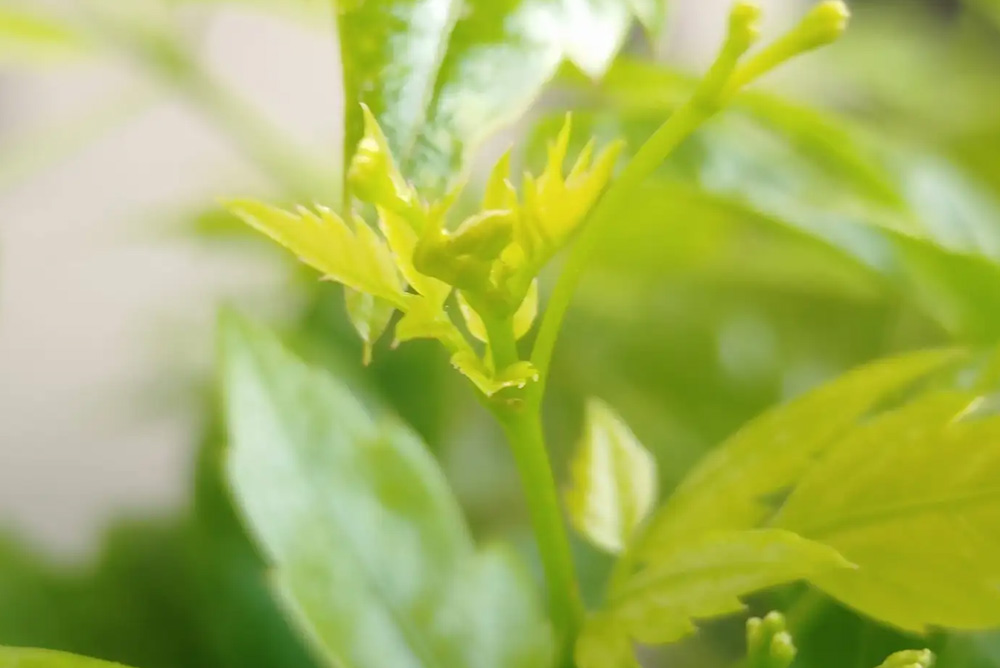
To protect the tea’s delicate tips and nutrient content, only manual grading and picking is allowed. The highest-quality buds — called “Dragon Whiskers” — are trimmed from the top 3–5 cm of the stem. Picking longer sections, up to 8–10 cm, increases the amount of stem, which can reduce flavor and sweetness.
On average, a skilled picker works an entire day to collect just 1.5 kg (about 3.3 lbs) of fresh leaves, which dry down to roughly 250 g (half a pound) of finished tea.
From Fresh Leaves to Finished Tea: The 21 Steps
Traditional Zhangjiajie vine tea production requires 21 separate steps — each critical to the tea’s aroma, flavor, and health benefits. The process includes:
-
Hand-selecting leaves
-
Withering, rolling, and sorting
-
Pan-firing over a wood-fired stove — repeated up to six times with cooling intervals
-
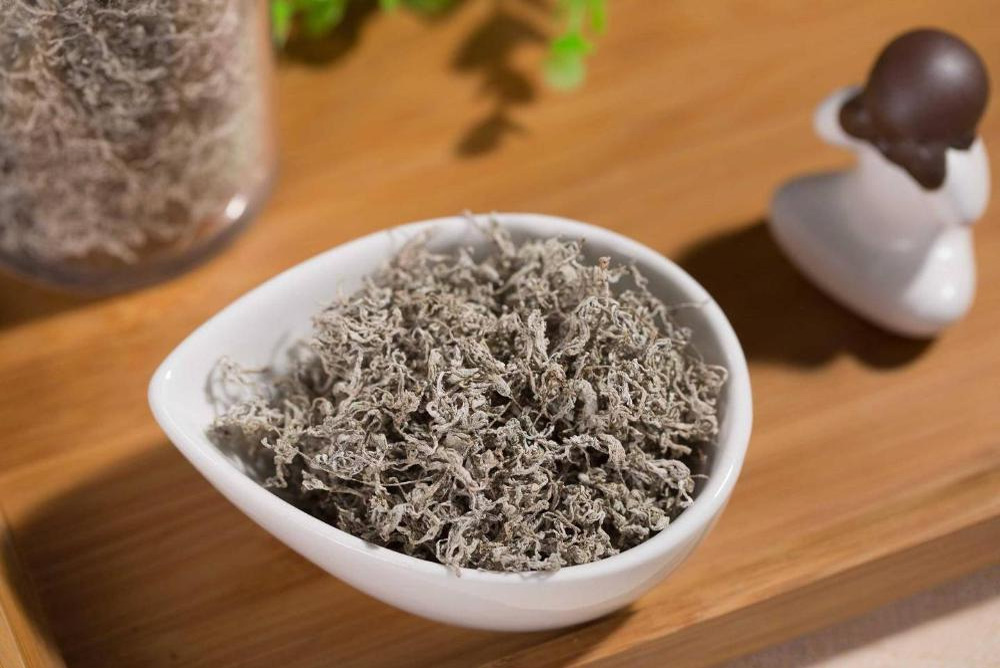
Hand-rolling for at least 40 minutes to bring out the signature “white frost” of flavonoids
-
Sun-drying on bamboo trays with multiple turns for even exposure
Each stage demands expertise. For example, insufficient rolling will reduce the frost coating and impact both taste and nutrient content. Likewise, improper sun-drying can leave the leaves unevenly cured, affecting shelf life.
The Life of a Vine Tea Farmer
From March through August, tea farmers often work until 1 or 2 a.m., only to wake again before dawn. Every batch represents weeks of effort — and the hope of a good season. This dedication is why genuine vine tea carries the mark of craftsmanship and why sourcing from trusted producers matters so much.
How to Choose Authentic Vine Tea
To ensure you’re getting the real thing:
-
Check the origin – Look for tea grown in Laifeng County or its immediate mountain areas.
-
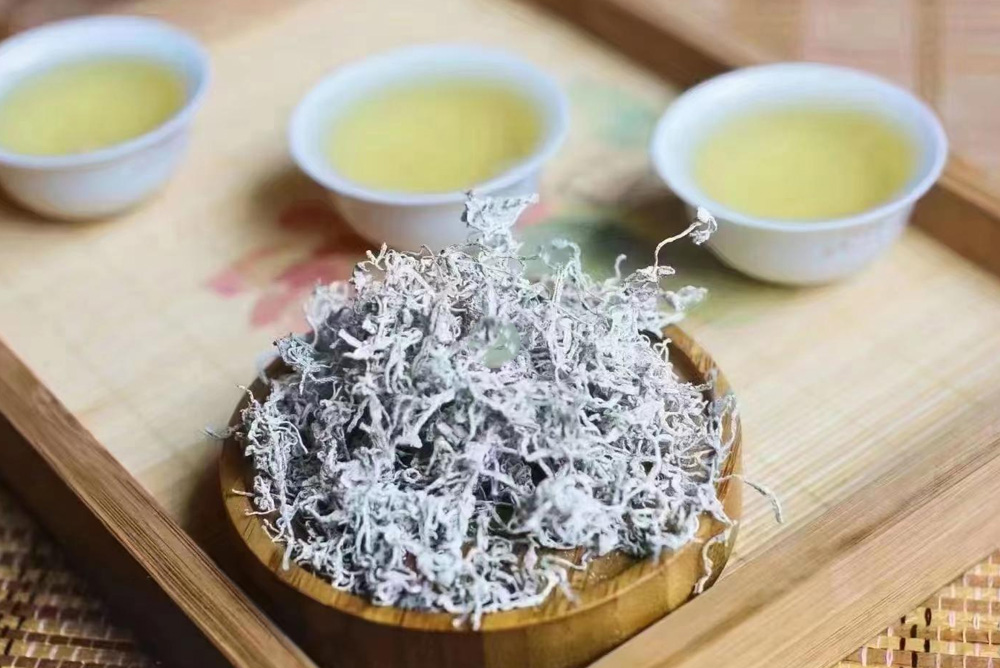
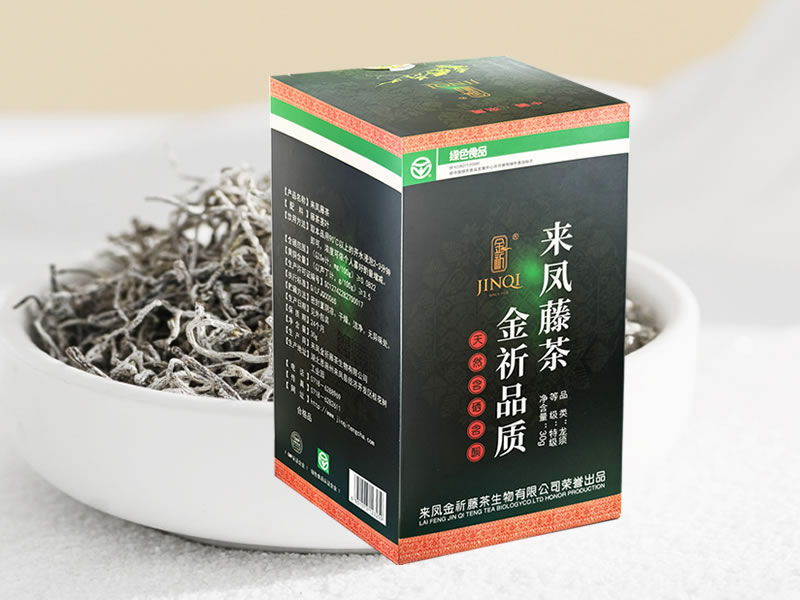
Inspect the leaves – Quality vine tea has uniform size, minimal stems, and a light frost coating.
-
Ask about processing – Authentic tea follows the traditional multi-step process, not industrial shortcuts.
Vine tea (Ampelopsis grossedentata) is more than just a health drink — it’s a heritage product rooted in the mountains of China. Its authenticity comes from a perfect blend of environment, tradition, and craftsmanship.
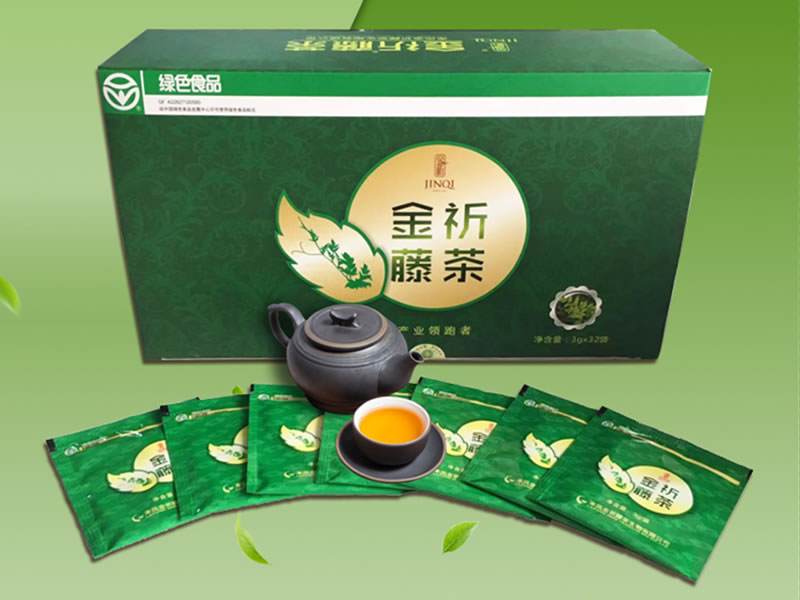
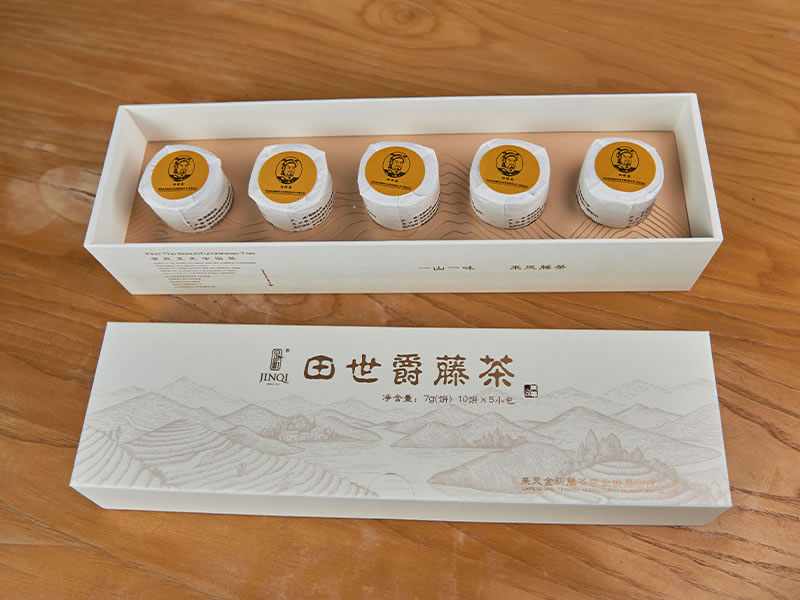
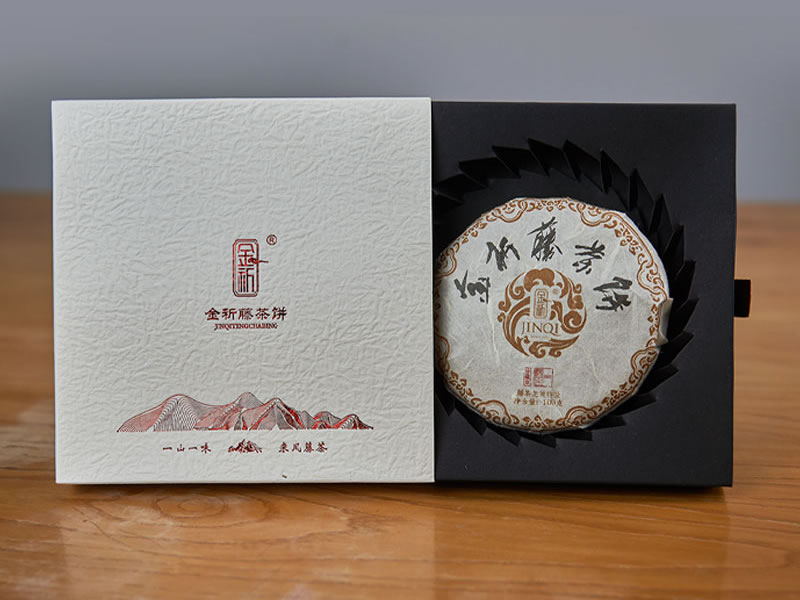
At JINQI Vine Tea Co., Ltd., we’ve been cultivating and processing authentic vine tea for over 20 years. From hand-picking in certified Green Food Base gardens to GMP-standard production, every leaf reflects our dedication to quality, sustainability, and tradition.
Whether you’re a distributor, wellness brand, or passionate tea drinker, we invite you to explore the difference that true origin and craftsmanship make.
FAQ
Q: Is vine tea caffeine-free?
Yes. It’s naturally caffeine-free, making it ideal for evening drinking.
Q: Why is selenium in vine tea important?
Selenium is a powerful antioxidant that supports immune and cardiovascular health.
Q: Can vine tea be brewed multiple times?
Yes, quality vine tea can be steeped 3–4 times while retaining flavor.