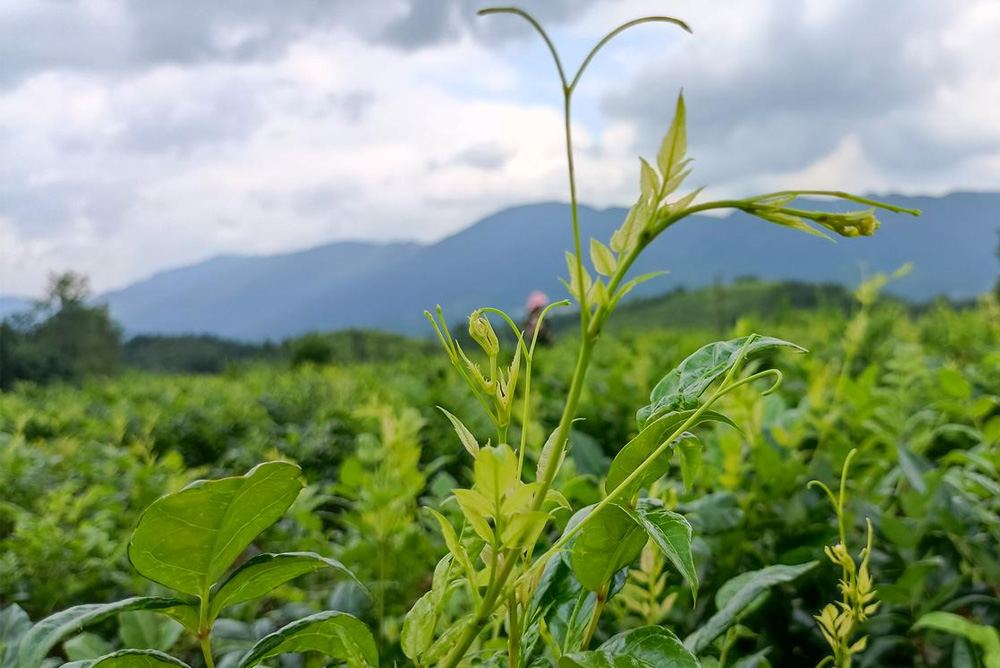
When you hear the word “tea,” you might think of green, black, or oolong leaves from the Camellia sinensis plant. But vine tea (Ampelopsis grossedentata) is something entirely different.
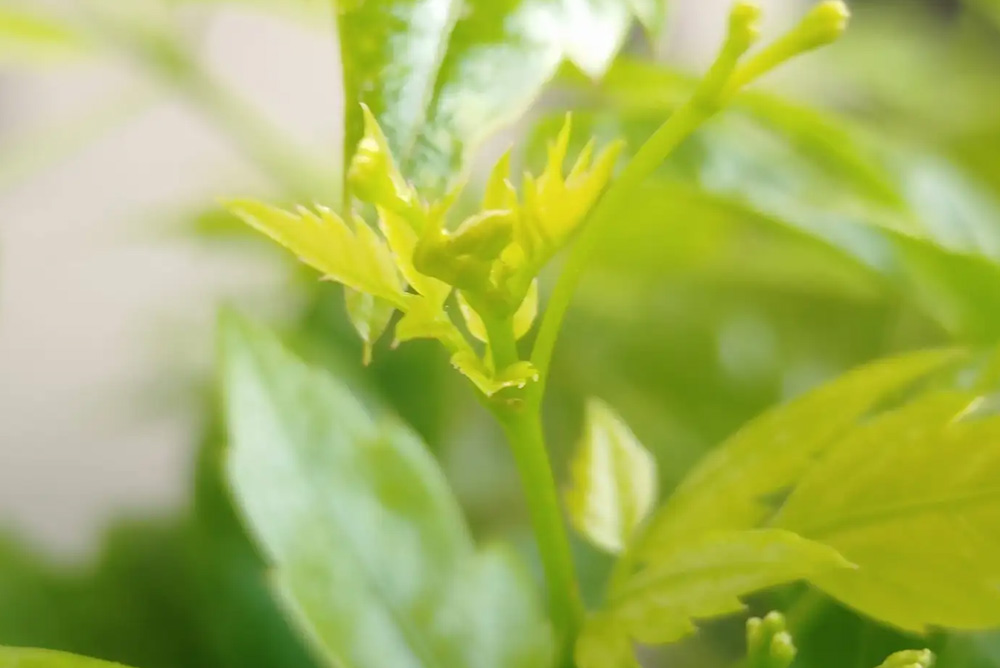
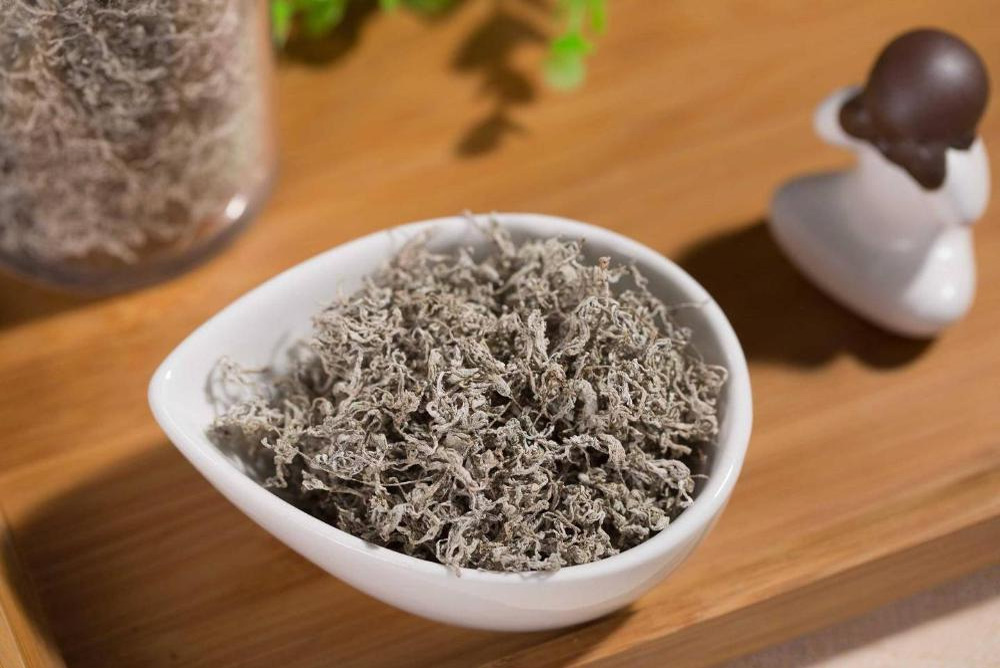
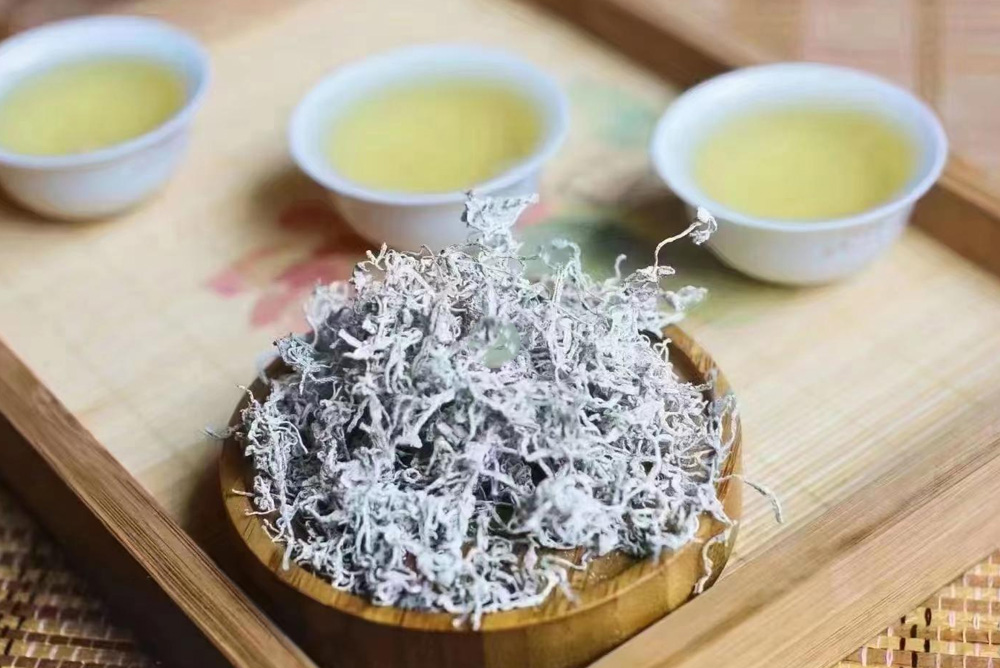
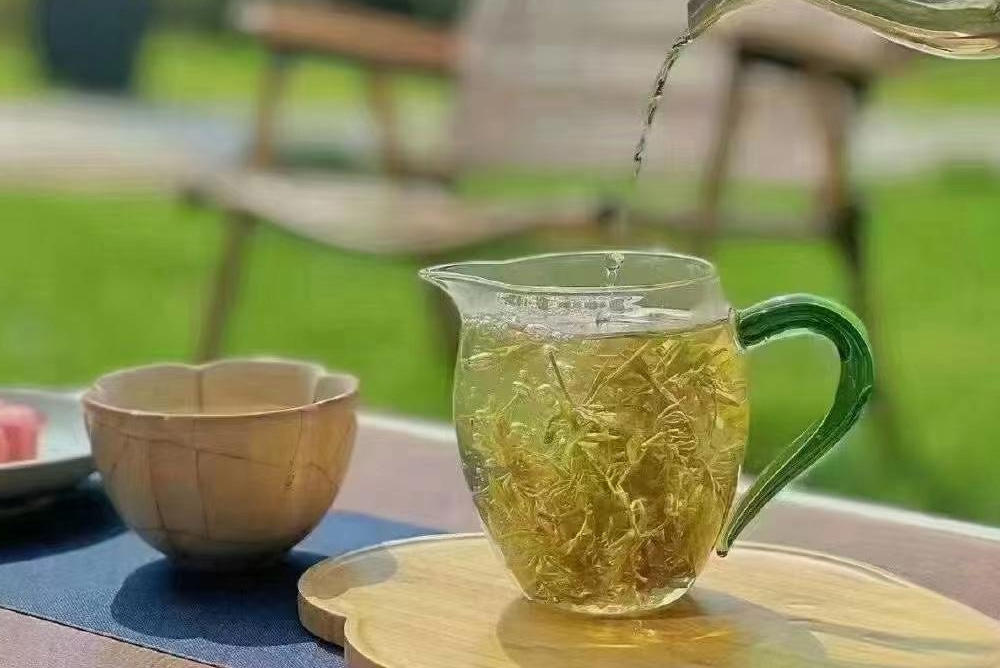
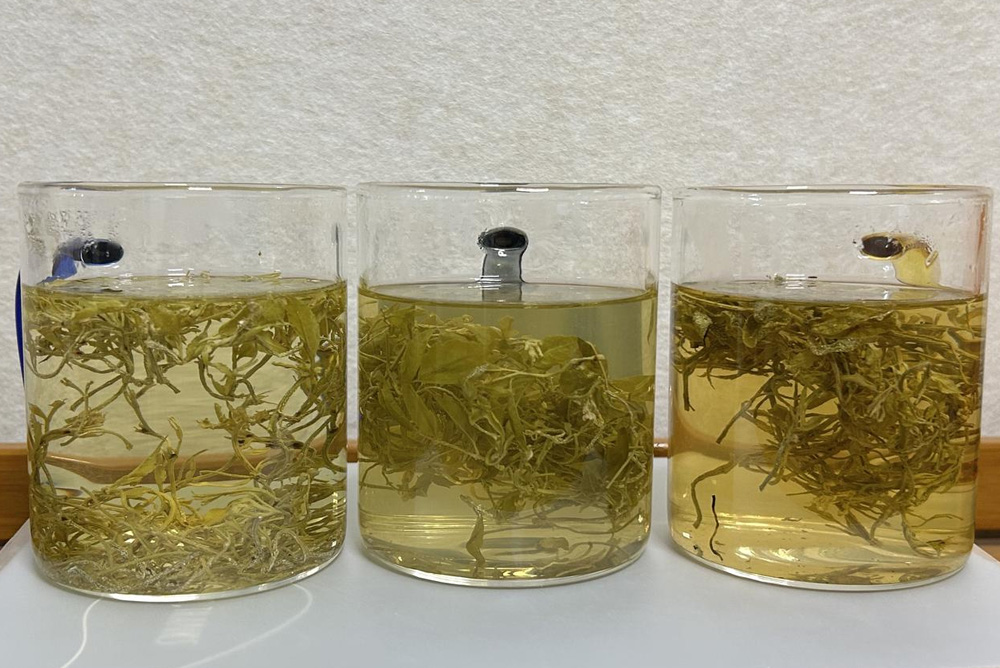
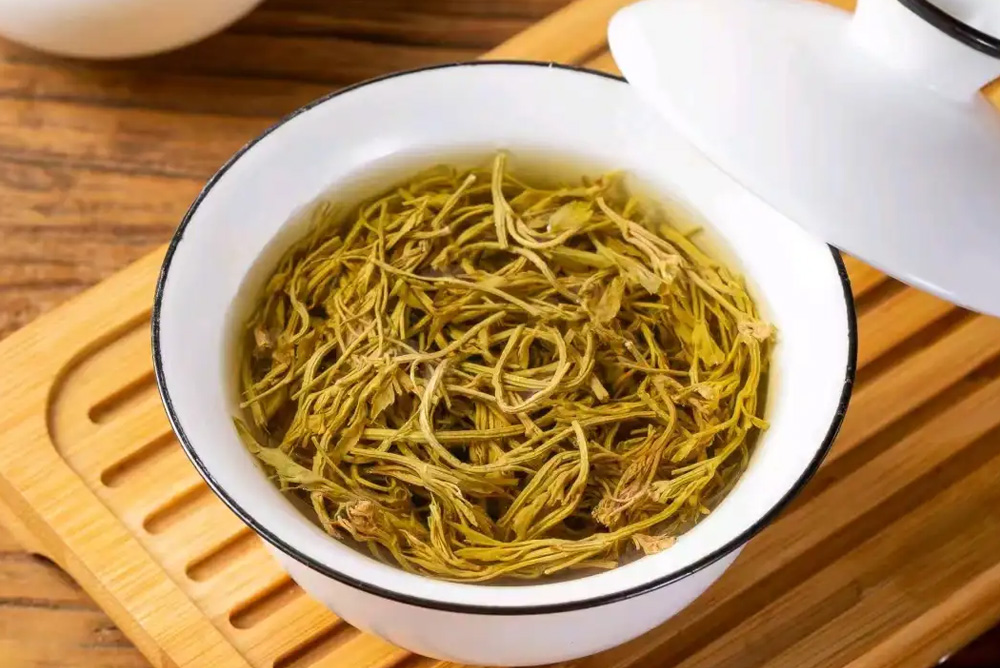
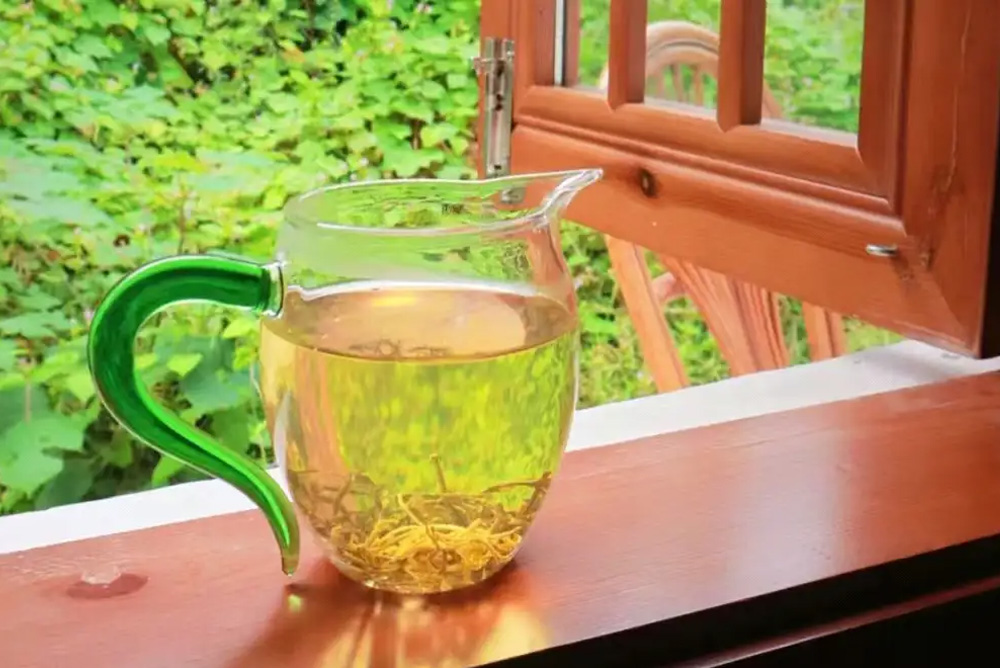
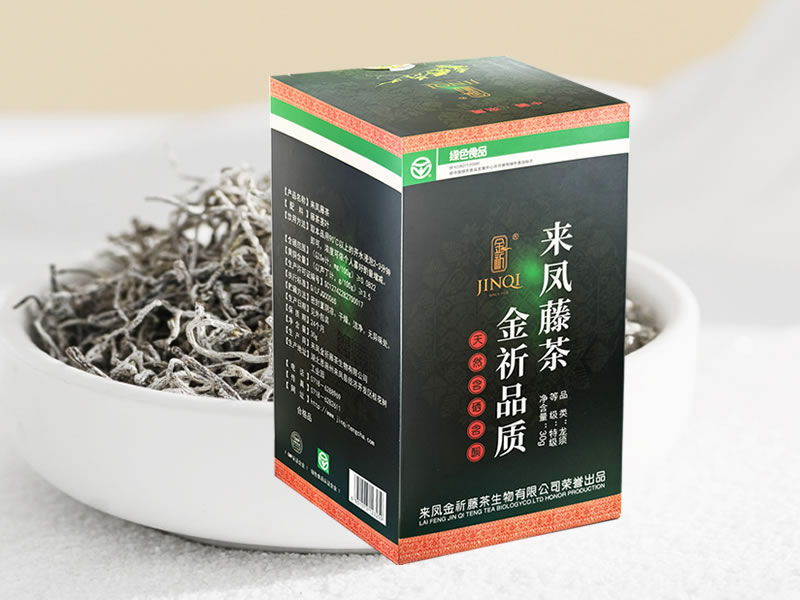
Although it’s prepared and enjoyed much like traditional tea, vine tea is a perennial climbing vine, not a tea bush. Made from the tender buds of the Ampelopsis grossedentata plant, the finished product has a distinctive white frost, a gentle grassy aroma, and a taste that starts slightly bitter but finishes with a refreshing sweetness. Many drinkers find their throat feels clearer and their voice stronger after a cup.
The Ideal Growing Environment for Vine Tea
Vine tea grows mainly in the mountainous regions of Hunan, Hubei, Yunnan, Guizhou, Guangdong, Guangxi, and Fujian. Among these, Enshi vine tea from Hubei Province is especially renowned.
Enshi sits in the heart of the Wuling Mountains, surrounded by peaks and shaped by karst and canyon landscapes. The area enjoys four distinct seasons, synchronized rain and warmth, ample sunshine, and high humidity. Frequent mists create the perfect microclimate for vine tea.
Thanks to this unique environment, Enshi vine tea is rich in natural flavonoids, producing a clear, bright liquor with a clean, mellow taste and a lingering sweet aftertaste.
The Craft of Making Vine Tea
The production of Ampelopsis grossedentata vine tea follows a precise process designed to protect its delicate flavors and health-promoting compounds:
-
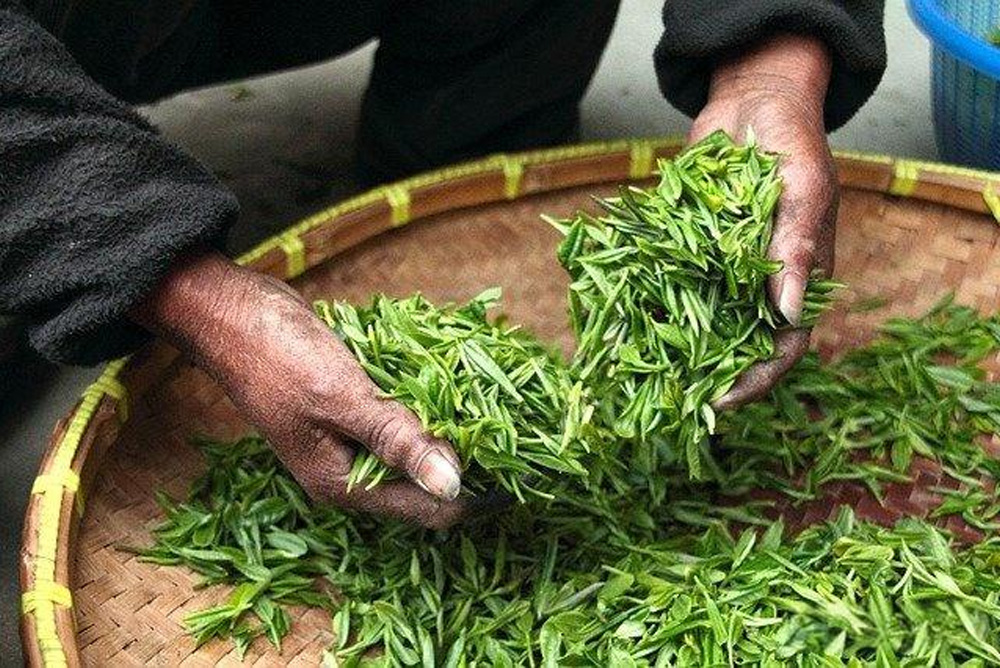
Harvesting – Tender shoots with two leaves and one bud or three leaves and one bud are selected for freshness and uniformity.
-
Withering – Fresh leaves are spread on bamboo trays to naturally release moisture while preserving tenderness.
-
Fixing (Kill-green) – High-temperature microwave treatment deactivates enzymes, sterilizes the leaves, and locks in their aroma.
-
Rolling – Professional rolling machines gently shape the leaves without damaging their fibers, ensuring even quality.
-
Loosening & Cooling – Leaves are quickly separated and cooled to remove residual moisture while keeping their shape and texture intact. Tea dust and broken pieces are removed.
-
Sun-drying – The leaves are air-dried on mesh trays under the sun, allowing the signature white frost (flavonoid crystals) to form naturally.
Why Vine Tea Is Not “Tea” – But Still Special
Unlike black or green tea, vine tea doesn’t contain caffeine and comes from a completely different plant family. Its value lies in its naturally high flavonoid content—particularly dihydromyricetin—which is linked to anti-inflammatory, antioxidant, and throat-soothing benefits.
This makes vine tea a unique herbal beverage that appeals to both health-conscious consumers and tea enthusiasts seeking something new.
Final Note – Authentic Vine Tea from JINQI
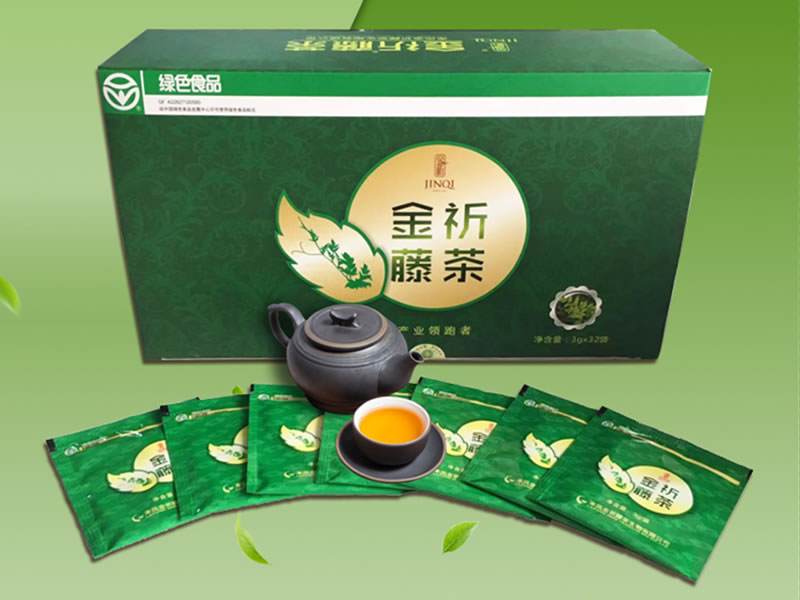
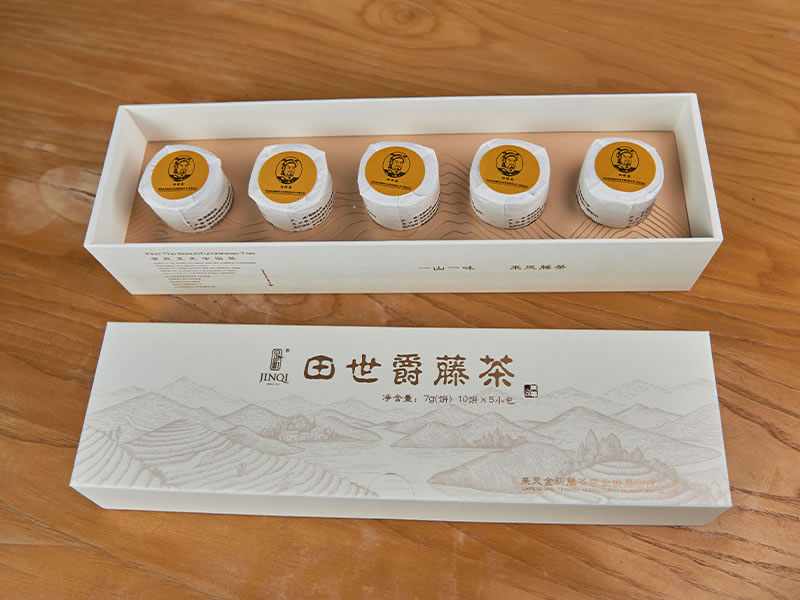
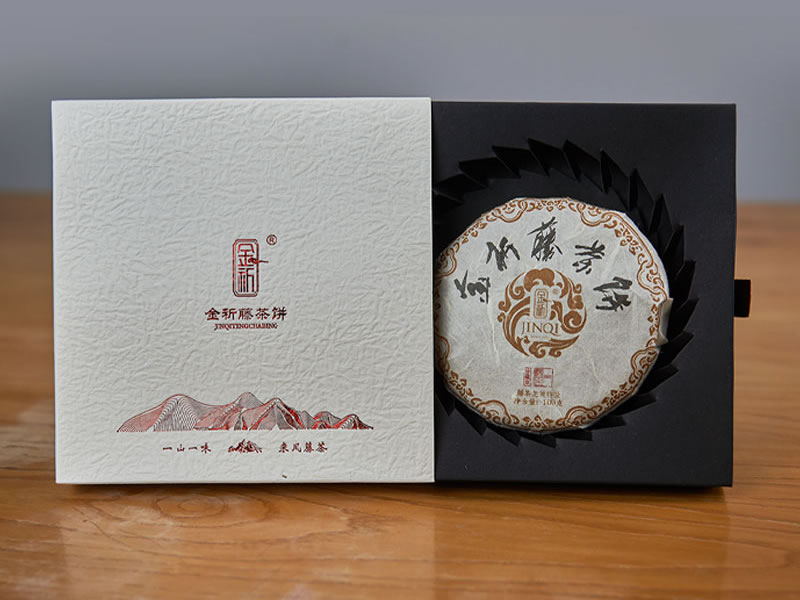
At JINQI Vine Tea Co., Ltd., we’ve been perfecting the cultivation and processing of Ampelopsis grossedentata for over 20 years. Grown in the pristine mountains of Laifeng County, our vine tea is GMP-certified, eco-friendly, and rich in natural flavonoids and selenium.
If you’re looking for a pure, authentic vine tea experience—from garden to cup—JINQI is your trusted source.
FAQs
Q1: Is vine tea safe for daily drinking?
Yes. It’s caffeine-free and gentle enough for everyday enjoyment.
Q2: What gives vine tea its white frost?
The white frost is crystallized flavonoids, mainly dihydromyricetin, which form naturally during sun-drying.
Q3: Does vine tea taste like green tea?
Not exactly—it’s grassy and slightly bitter at first, followed by a clean, lasting sweetness.