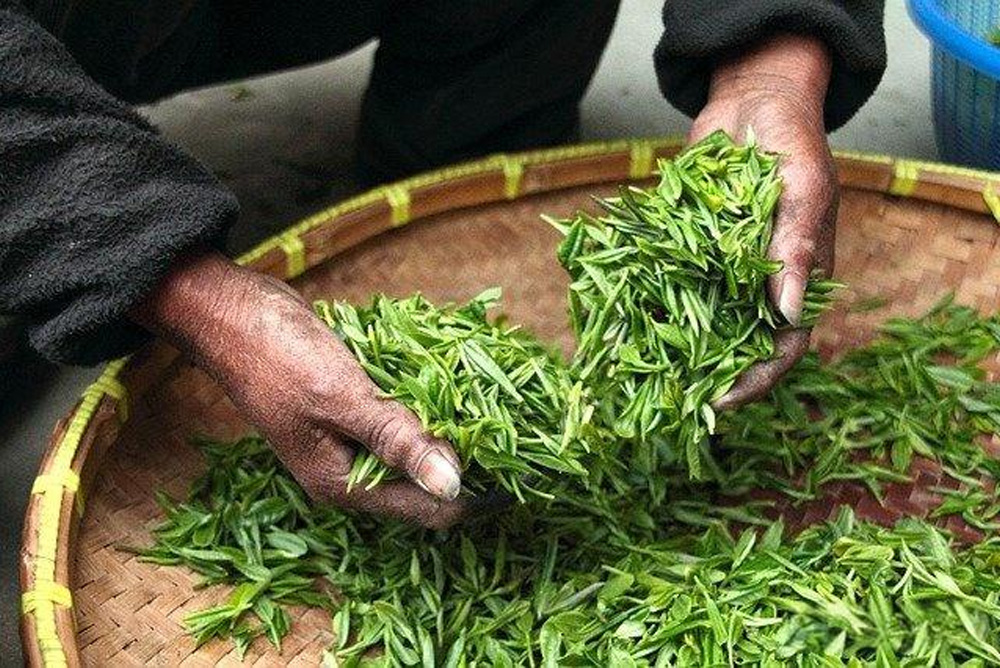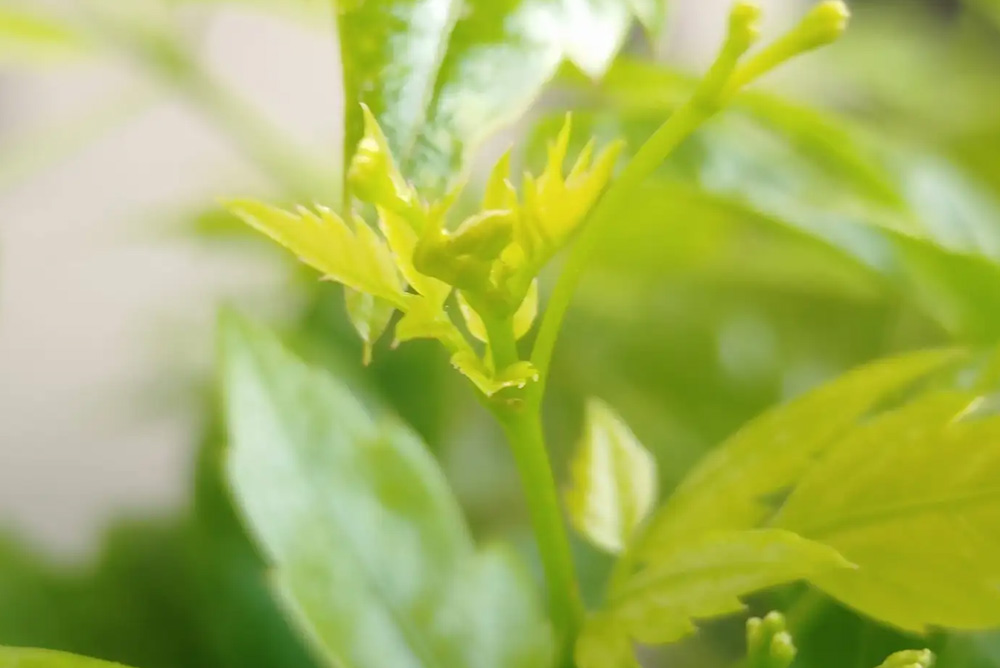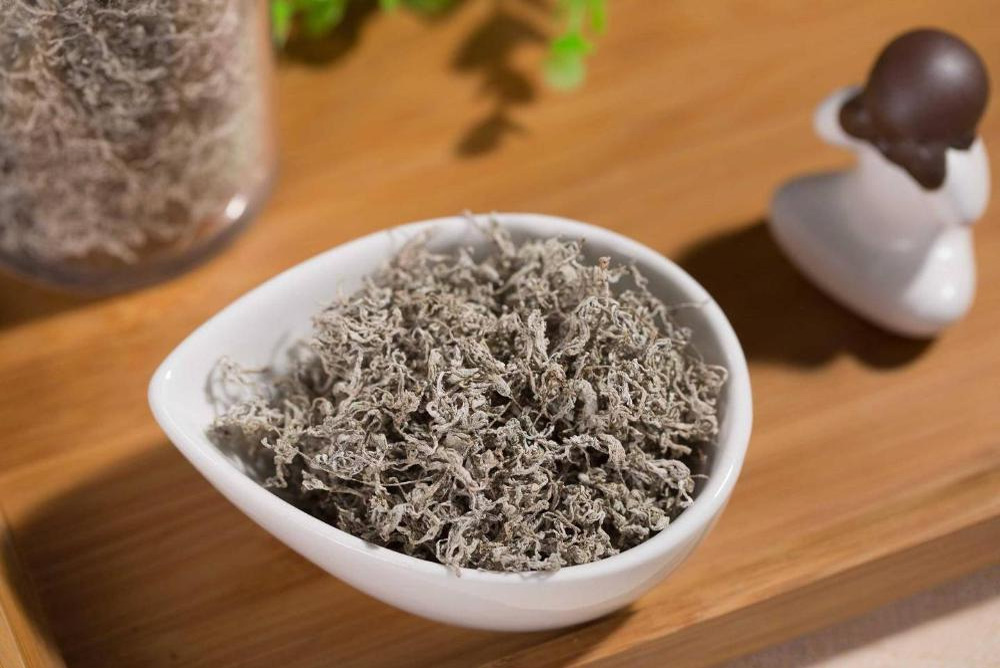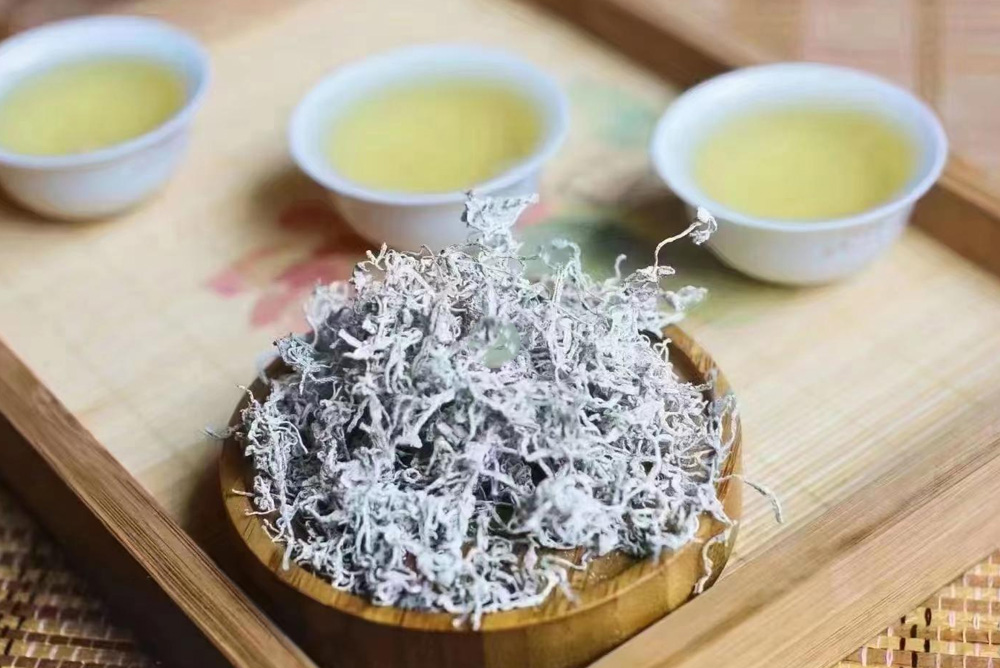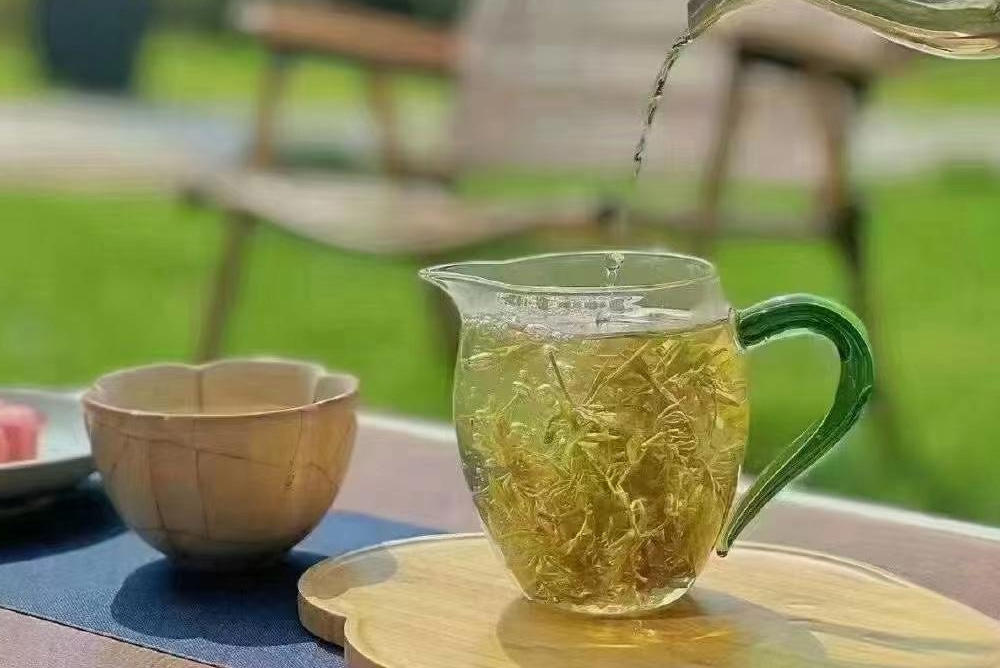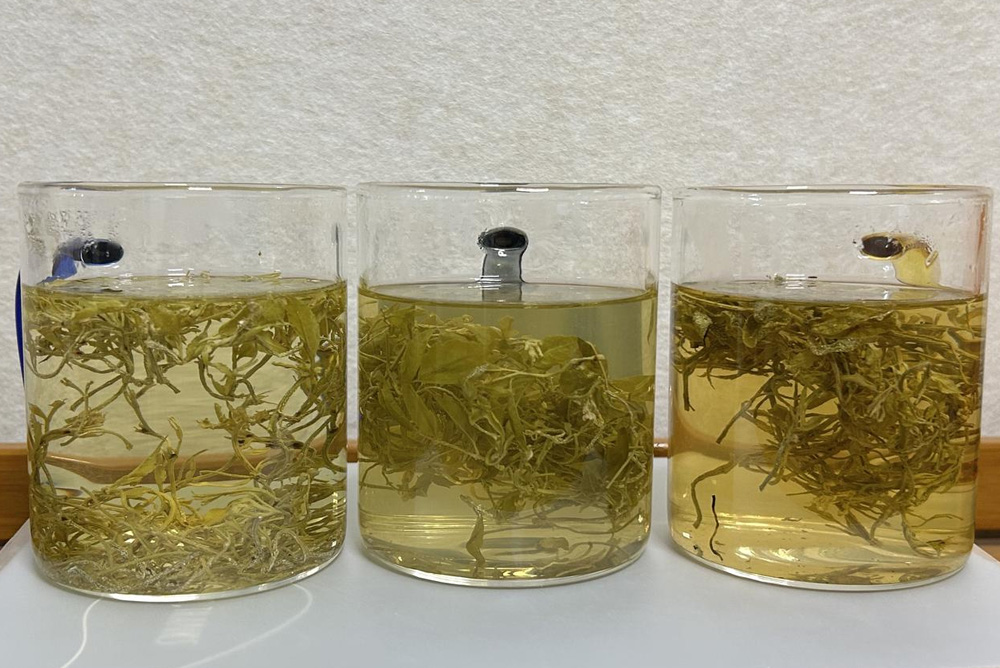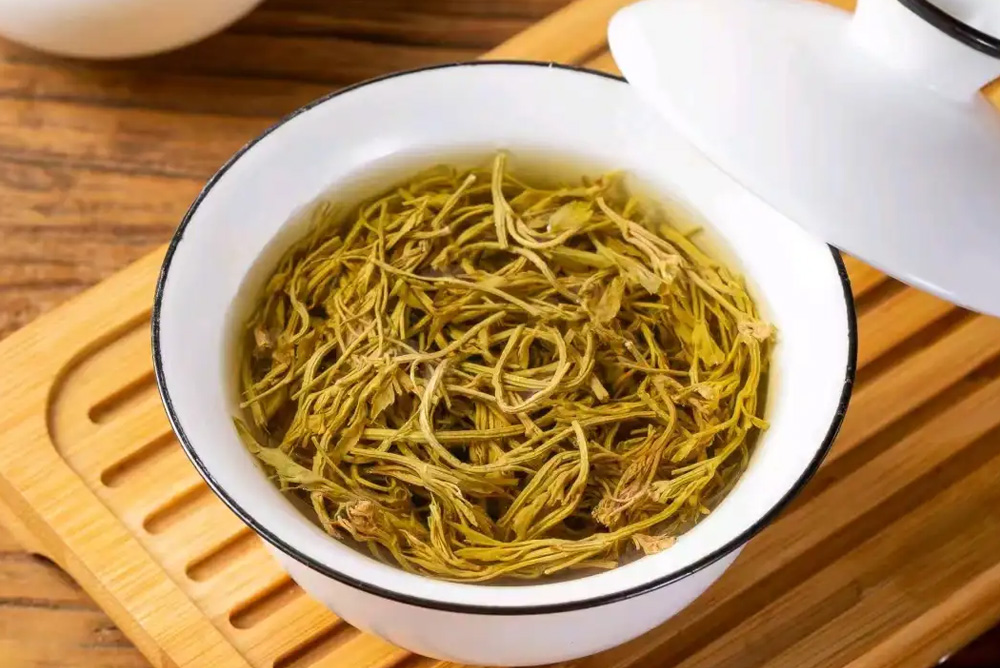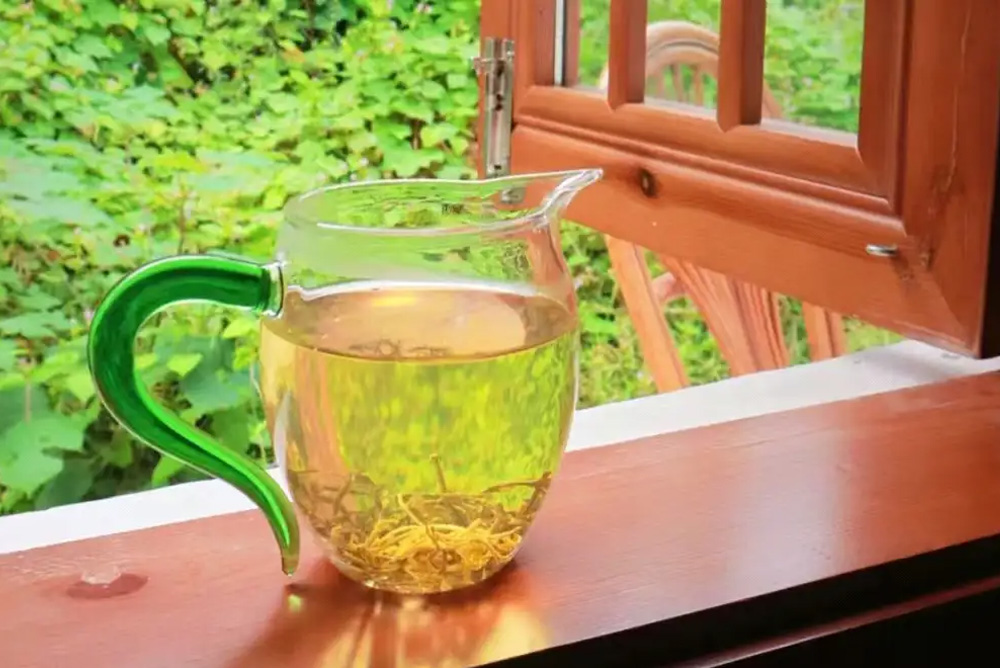
Laifeng County, Hubei Province – November 1, 2024 — Nestled along the 30°N latitude, Laifeng County in China’s Hubei Province is home to a tea long treasured by locals as the “Immortal Herb” and “Longevity Tea.” Known scientifically as Ampelopsis grossedentata, or vine tea, this unique plant has evolved from a wild mountain vine into the heart of a thriving modern industry, now covering nearly 100,000 acres and generating close to RMB 2 billion (USD 280 million) annually.
From Wild Vine to Cultivated Treasure
Historically mentioned in ancient texts such as the Book of Songs and classified by the Tang Dynasty tea master Lu Yu in The Classic of Tea, vine tea was once consumed only in the remote Wuling Mountains. A 1950s survey estimated about 20,000 acres of wild vine tea in Laifeng, but commercial cultivation only began in the late 1990s.
In 1996, local doctor Xiang Bangui recognized its potential health and economic value. Working with agricultural experts, he pioneered the domestication of wild vine tea. By 2003, a new variety — “Fengming Vine Tea” — was officially approved, leading to large-scale cultivation. In 2008, the introduction of cutting-propagation technology reduced the growing cycle from three years to same-year harvests, cutting costs by 80%.
Government incentives further accelerated expansion. Between 2013 and 2017, subsidies of RMB 600–1,000 per acre supported concentrated planting. Although market downturns later caused some farmers to abandon their crops, a 2019 policy package revitalized the sector by funding technology upgrades and improving market access.
A Growing Industrial Cluster
Today, Laifeng has built a complete protection and quality system for “original species, original location, original flavor” vine tea. The county established a Vine Tea Development Research Center, issued standardized production guidelines, and integrated farmers, bases, and enterprises into a unified quality control platform.
Laifeng now produces seven major product categories — from traditional loose-leaf teas to health supplements, foods, and personal care items — totaling 238 products. The industry benefits more than 20,000 farming households, forming a significant regional economic cluster.
Taking Vine Tea Global
One of Laifeng’s most recognizable ambassadors is Yang Yiqiong, known as the “Vine Tea Sister.” In September 2024, at the Australia-China Expo in Melbourne, she presented Laifeng vine tea in traditional Tujia dress, inviting visitors to taste the county’s signature “Longevity Tea.”
Since returning to her hometown in 2018, Yang has cultivated over 1,000 acres, established a cooperative, and built a processing plant. Facing initial sales challenges, she traveled nationwide to promote the product, reaching RMB 5 million in sales by the end of 2019. Partnering with Beijing-based ByteDance, she embraced e-commerce and livestreaming, rapidly expanding her customer base.
To integrate agriculture with tourism, Laifeng invested RMB 6 million in developing a leisure and wellness center at her tea base, attracting over 20,000 visitors between January and September 2024.
Building “China’s Vine Valley”
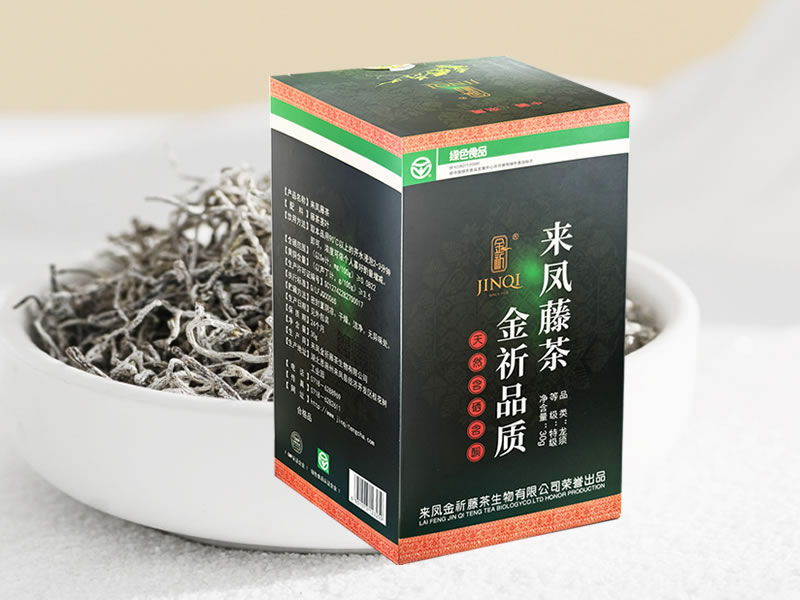
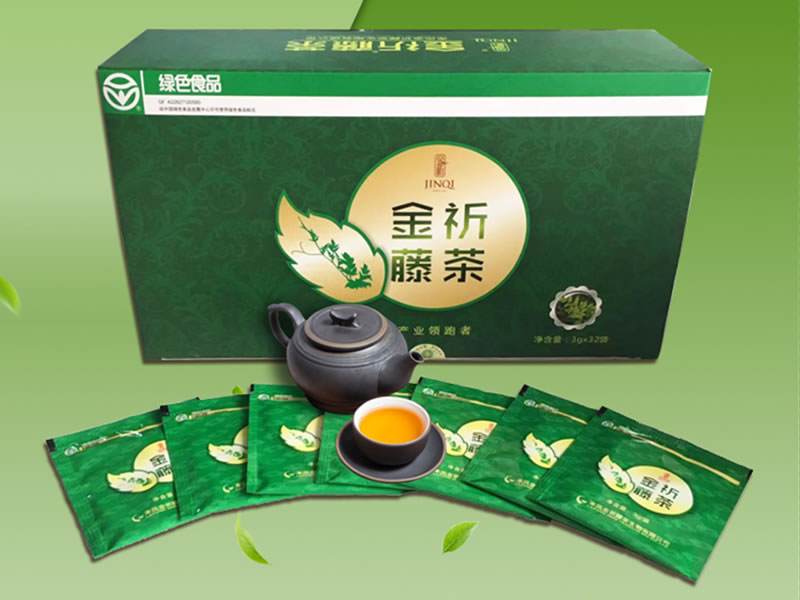
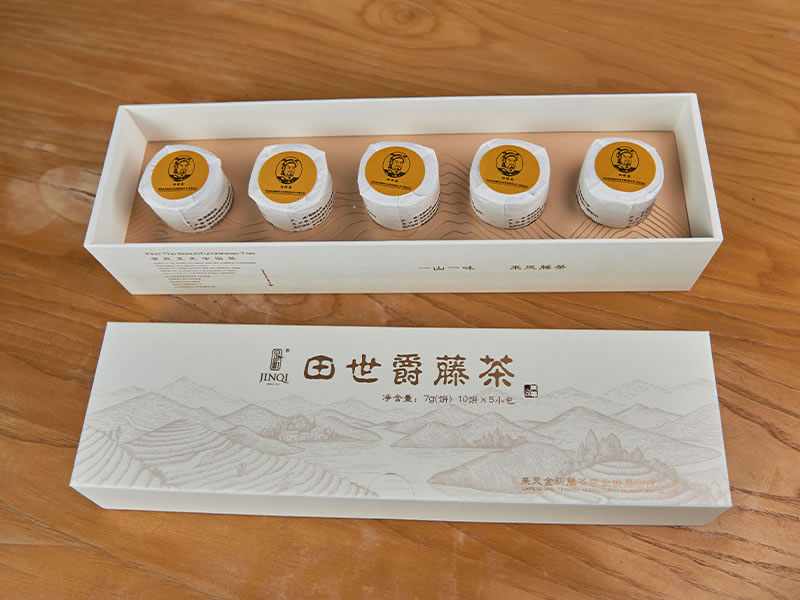
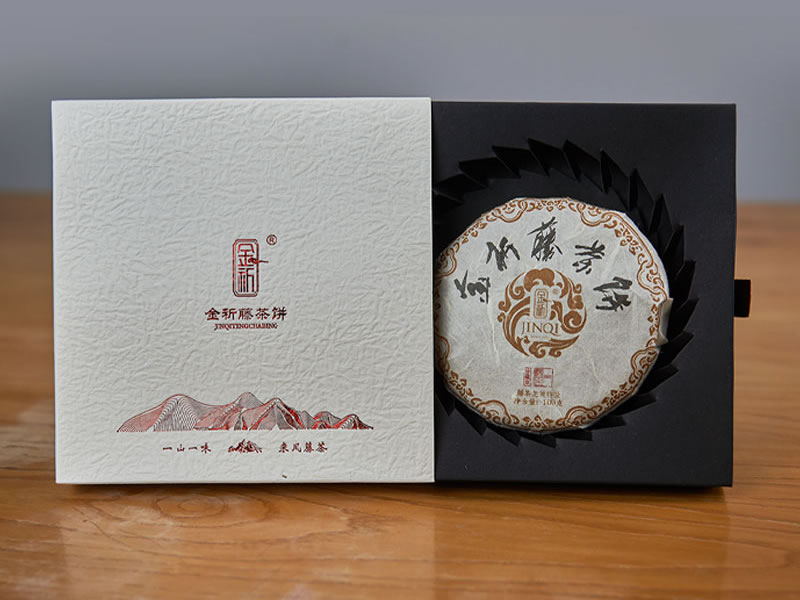
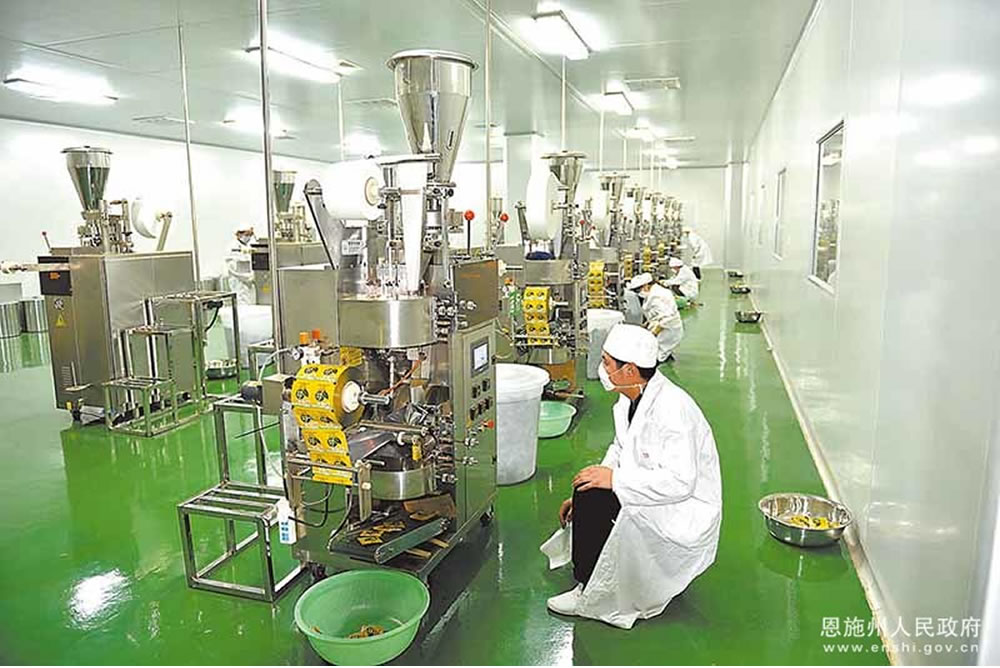
At Jin Qi Vine Tea Biological Co., fully automated production lines operate at full capacity, producing 150 tons of flavonoids, 60 million tea bags, 50 million sticks of matcha powder, and a range of high-value products each year. Since 2020, the company has invested more than RMB 50 million in new production lines for flavonoid extraction, toothpaste, and disinfectant.
Laifeng has also partnered with the Tea Research Institute of the Chinese Academy of Agricultural Sciences to develop industry standards. Its selenium-enriched vine tea is now a nationally protected geographical indication product, holding certifications including GMP, organic, and green food labels.
Currently, the county boasts 2,829 acres of certified organic vine tea, 52,000 acres of standardized green food raw material bases, 65 enterprises, 82 cooperatives, and 39 primary processing plants. A county-owned enterprise now operates the Vine Tea Group, linking 65 processing companies through a centralized supply chain platform, a dedicated trading market, and a vine tea museum. In the first eight months of 2024, sales by large-scale enterprises rose 78.2% year-on-year.
Looking ahead, Laifeng aims to establish itself as China’s national vine tea hub, focusing on production innovation, branding, marketing, scientific research, and integration of agriculture, culture, and tourism — ultimately realizing its vision of becoming the “China Vine Valley.”