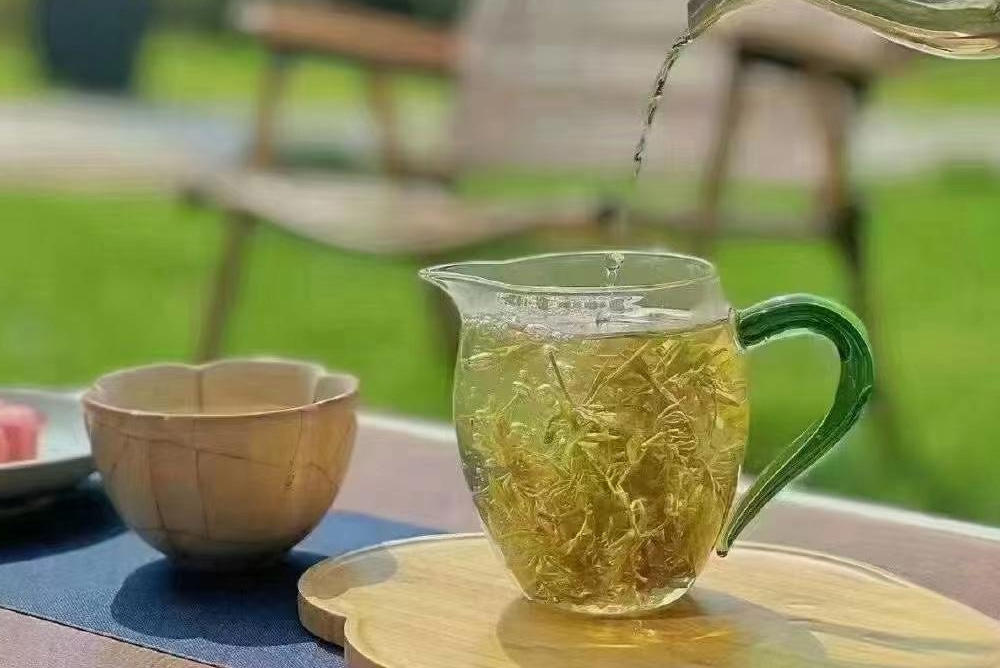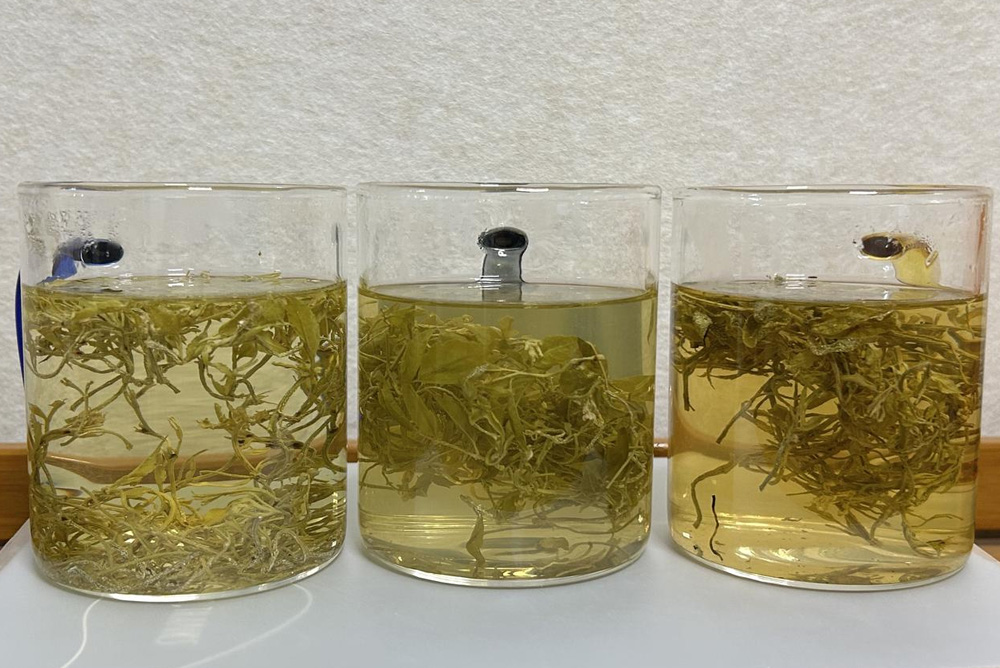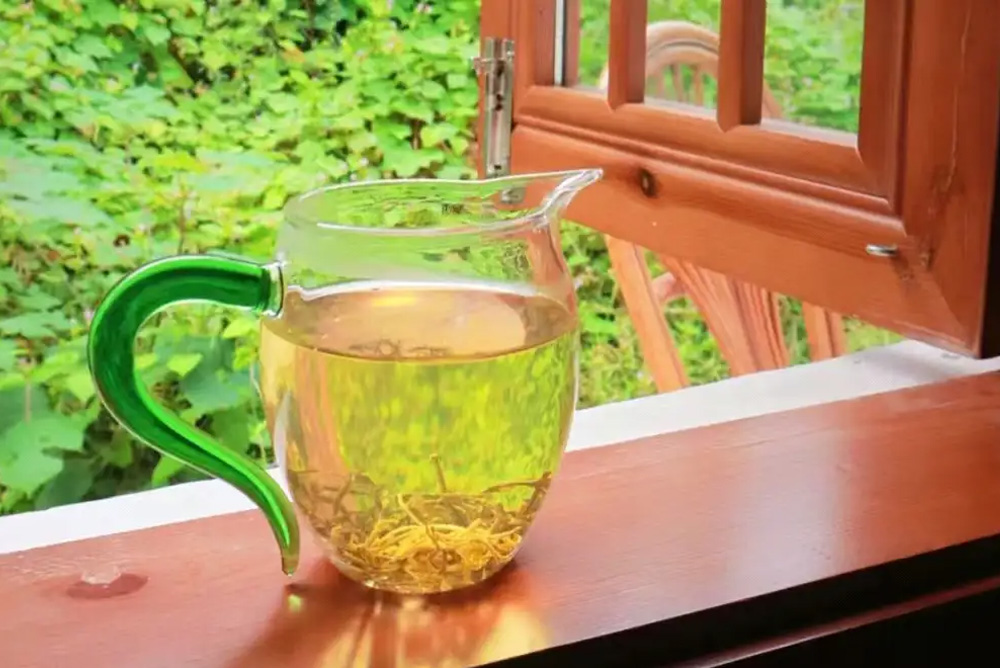
For many new tea enthusiasts, the name vine tea can be confusing—especially in Chinese, where the word “mei” sounds like “mold” and also appears in words for berries. Is vine tea moldy? Does it come from strawberries? And what exactly is it made from? Let’s clear up the mystery and explore its rich history, unique appearance, and powerful health benefits.
What Is Vine Tea Made From?
First things first—vine tea is neither moldy nor related to strawberries.
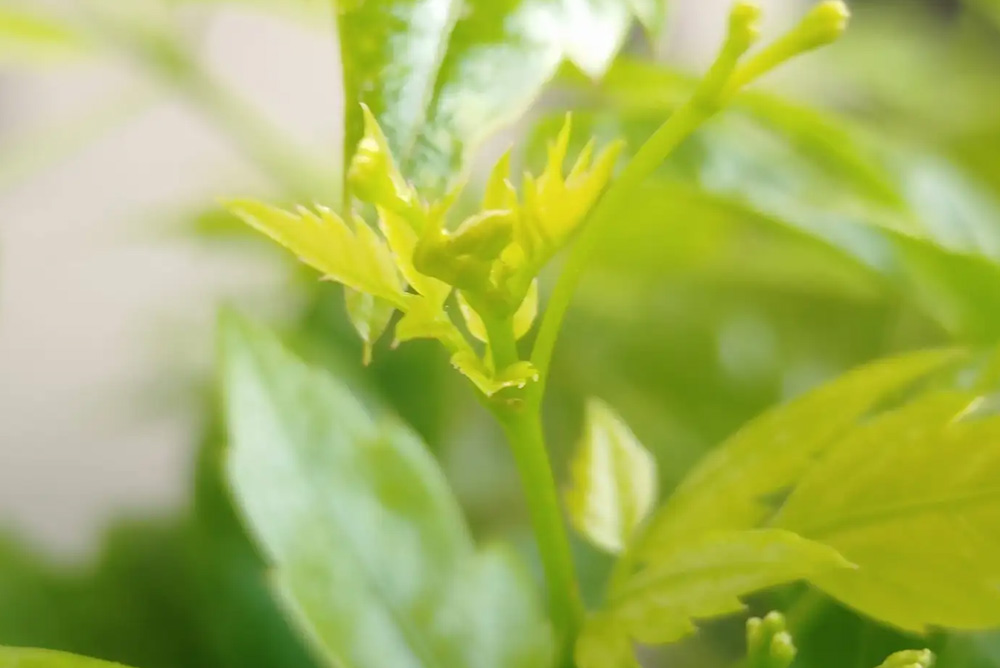
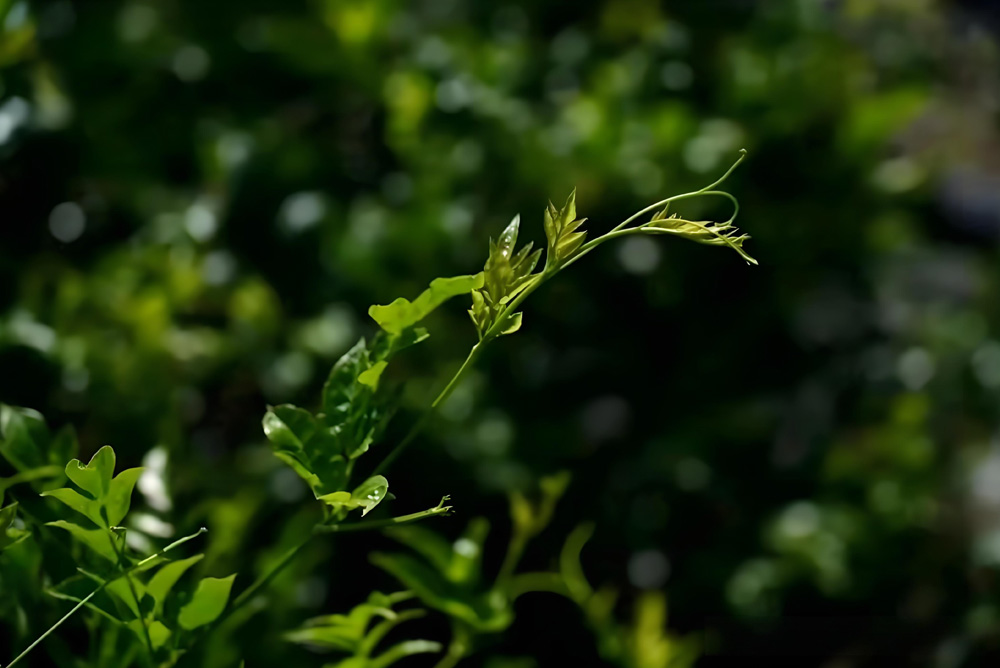
Its botanical name is Ampelopsis grossedentata, a vine plant from the grape family (Vitaceae). In many places, it is also called “teng cha,” meaning “vine tea.” In Enshi, its birthplace in the mountain valleys, locals often refer to it as “Enshi vine tea.”
While it may be new to some consumers, vine tea has been part of local life in Zhangjiajie for more than 700 years, according to historical records. Traditionally valued as both a tea and a medicinal herb, vine tea is known for its initial slight bitterness, followed by a cool, soothing sensation in the throat, and a remarkably long-lasting sweet aftertaste.
The Unique Appearance of Vine Tea
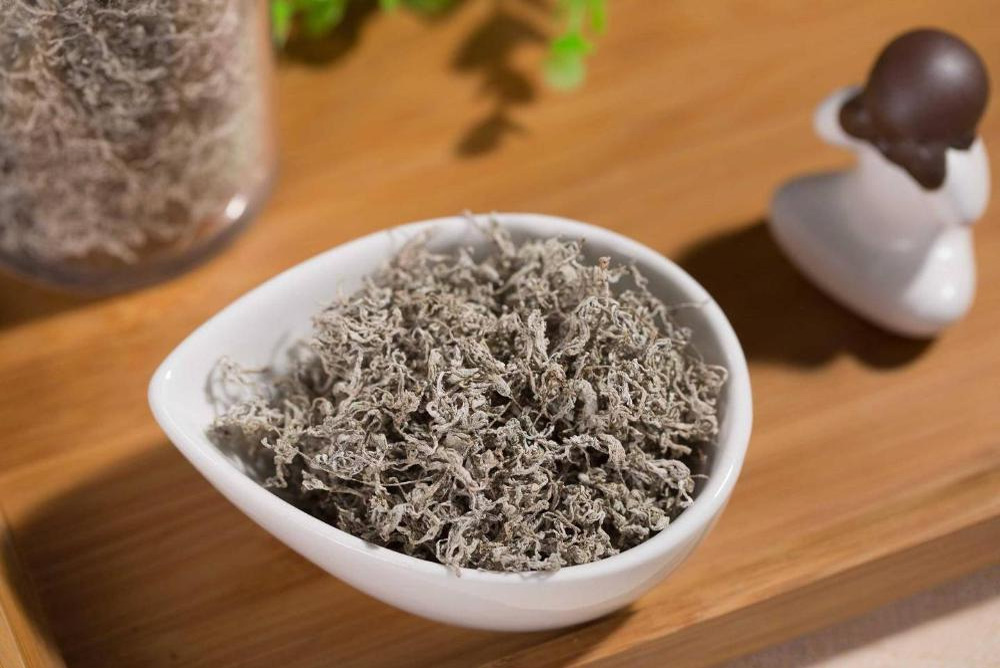
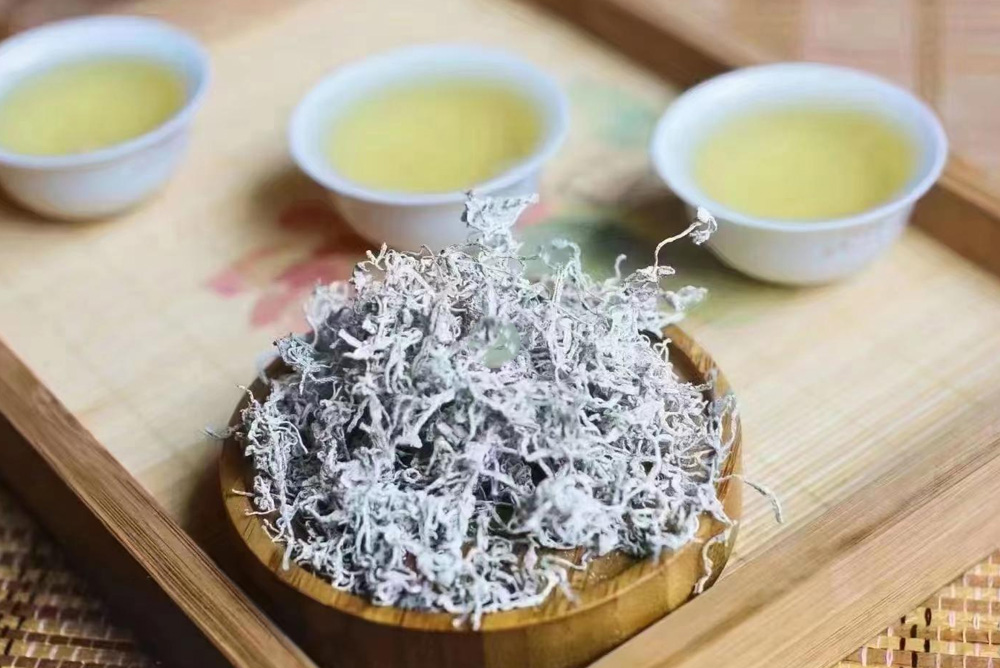
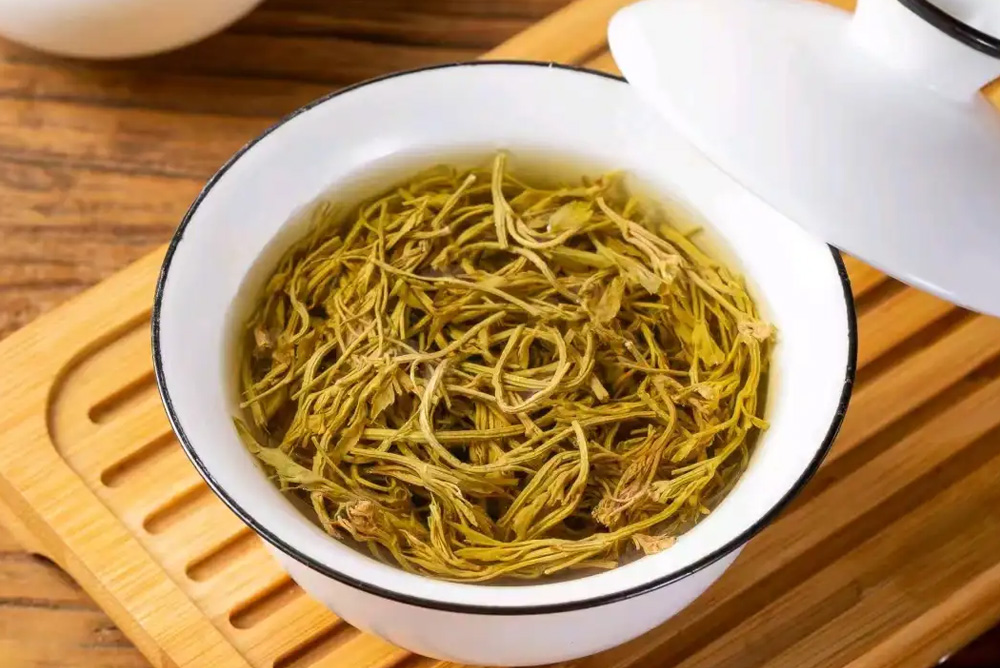
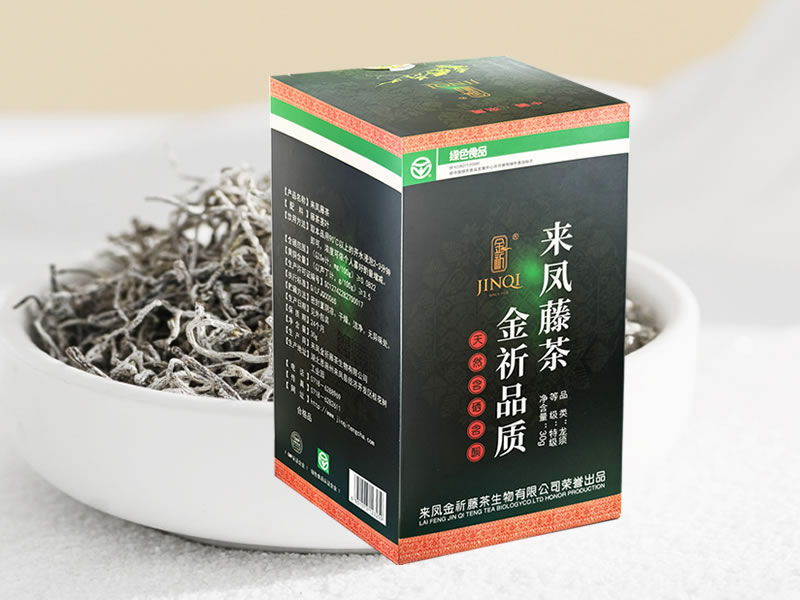
One of vine tea’s most distinctive features is the fine white frost that coats its dried leaves. This is not mold—it’s crystallized flavonoids, the plant’s most valuable compounds.
In fact, research shows vine tea is the plant with the highest known flavonoid content in the world, earning it the nickname “The King of Flavonoids.” Premium varieties, such as Longxu bud-tip vine tea, can have flavonoid levels exceeding 40%, compared to just 4–5% in traditional teas.
These high flavonoid levels give vine tea health properties unmatched by other teas, including antibacterial, anti-inflammatory, liver-protective, sleep-improving, and immunity-boosting effects—making it especially suitable for middle-aged and older adults.
What Does the “Mei” Really Mean in Vine Tea?
The word “mei” in the Chinese name has two main origins:
1. A Play on the Word for “Mold”
Historically, locals noticed the frosty coating on the tea and called it “mold tea” because it looked like it was dusted with mold. Of course, this “frost” is actually flavonoid crystals, not real mold. In the 1990s, when the tea began to be promoted outside the region, the character for “mold” was replaced with the more market-friendly “berry” sound-alike.
2. Botanical Naming Tradition
As a grape-family plant, vine tea follows the botanical naming pattern where many species include the “berry” character in their names. Another explanation is that its autumn fruits are small and purplish-red, resembling berries.
Some say “vine tea” doesn’t sound appealing, but in reality, the name reflects its origin, respects Tujia ethnic traditions, and follows botanical naming conventions—making it both culturally authentic and scientifically accurate.
Brewing and Enjoying Vine Tea
-
Amount: 2–3 grams of dried vine tea per cup
-
Water Temperature: About 95°C (203°F)
-
Tip: Do not rinse the leaves before brewing—most flavonoids release in the first infusion.
-
Taste: Mild bitterness at first, followed by a cooling sensation and long-lasting sweetness.
Discover Authentic Vine Tea with JINQI
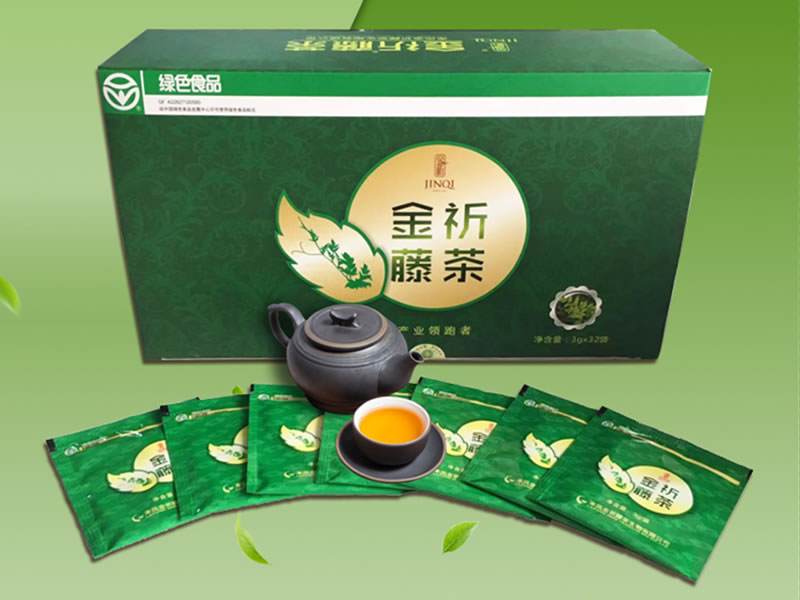
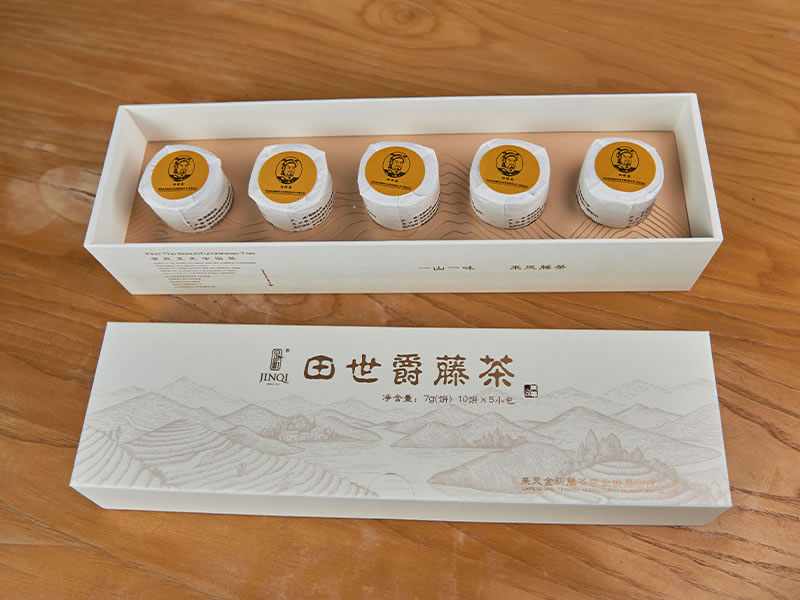
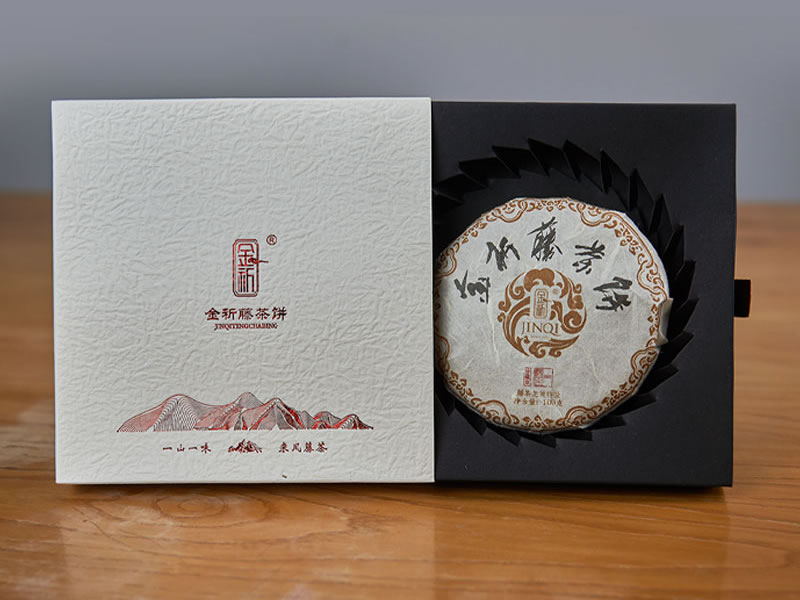
At JINQI Vine Tea Co., Ltd., we have been cultivating and producing Ampelopsis grossedentata in Laifeng County—the heartland of authentic vine tea—for over 20 years. Our GMP-certified, eco-friendly tea gardens ensure each batch is rich in flavonoids, selenium, and natural goodness. We are committed to bringing this culturally significant and health-promoting tea to customers worldwide.
FAQs
1. Is the white frost on vine tea mold?
No. It’s crystallized flavonoids, the main health compounds in vine tea.
2. Does vine tea come from tea trees?
No. It comes from a grape-family vine plant called Ampelopsis grossedentata.
3. Why is vine tea called “mei tea” in Chinese?
The name comes from the frosty coating on the leaves and botanical naming traditions for grape-family plants.