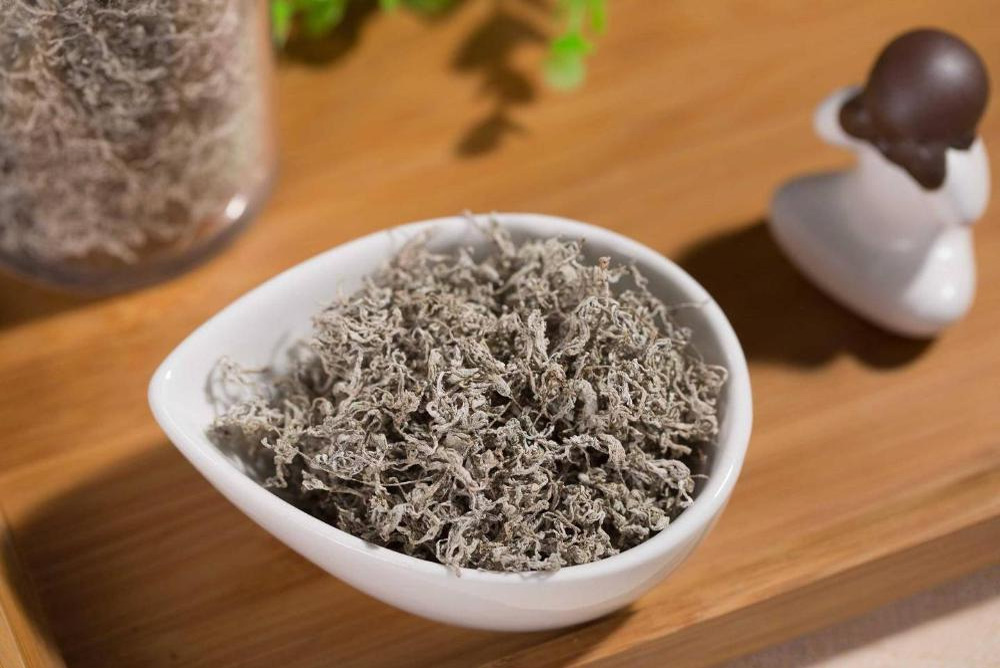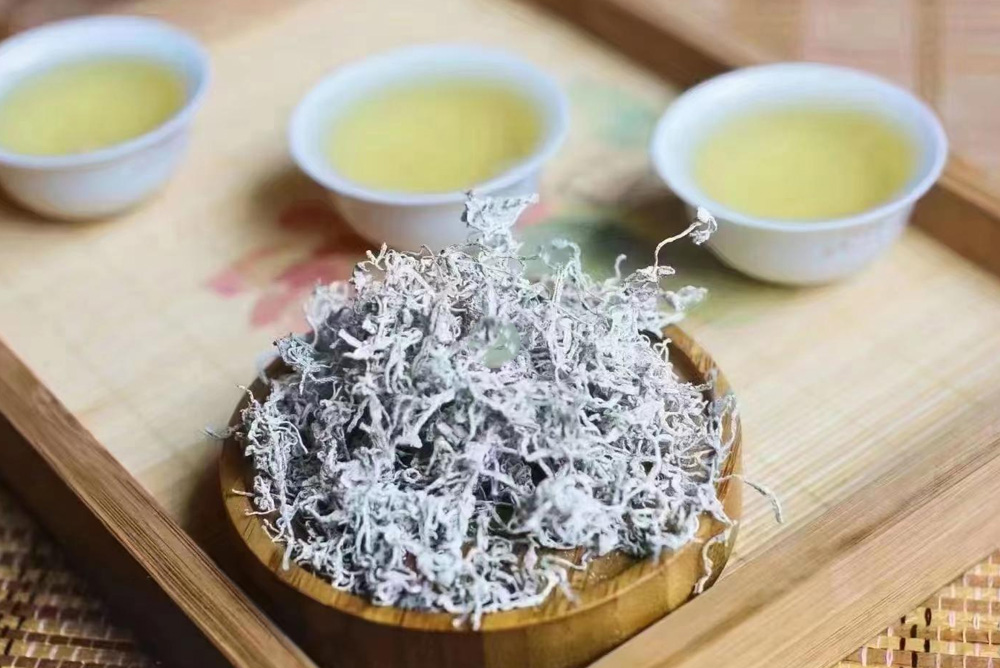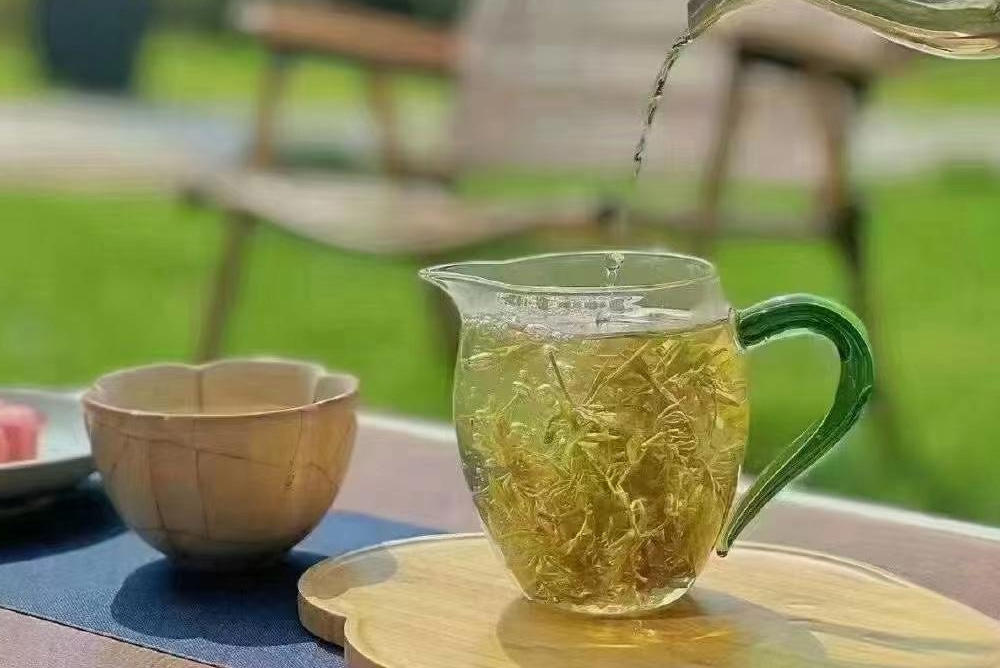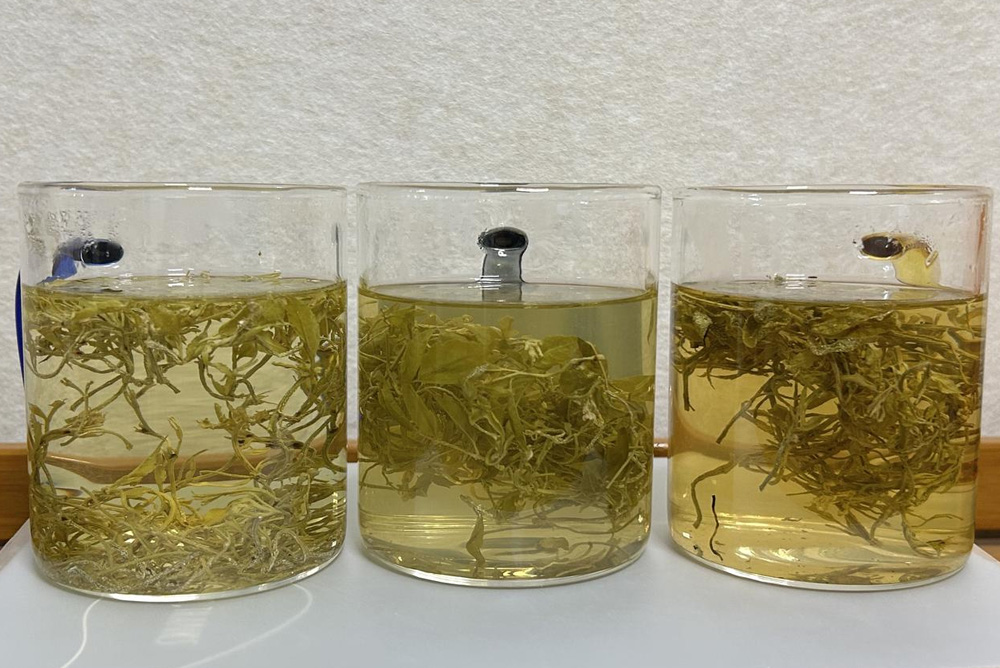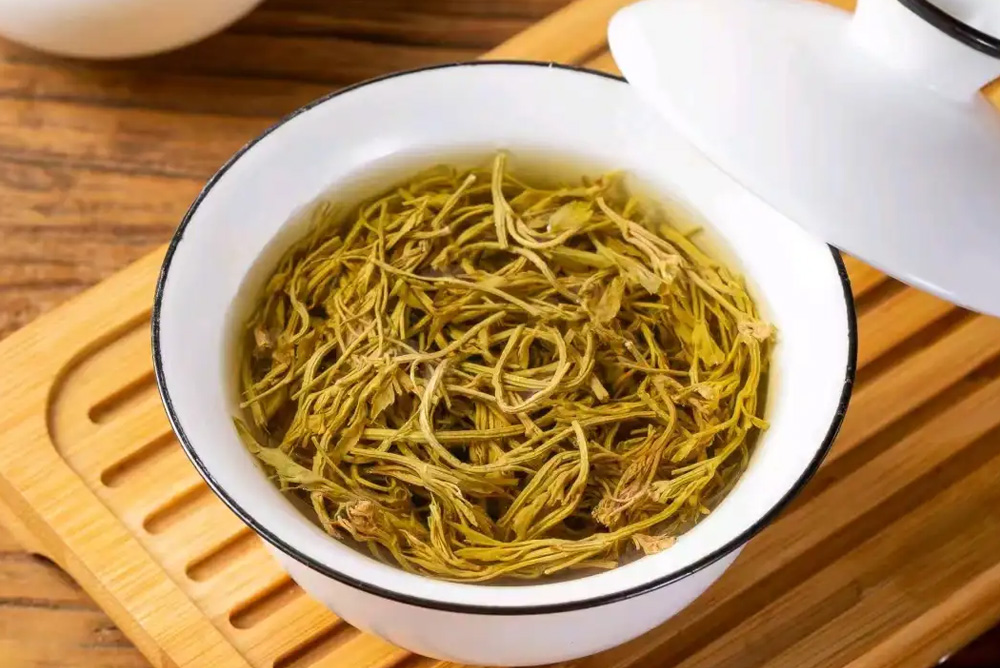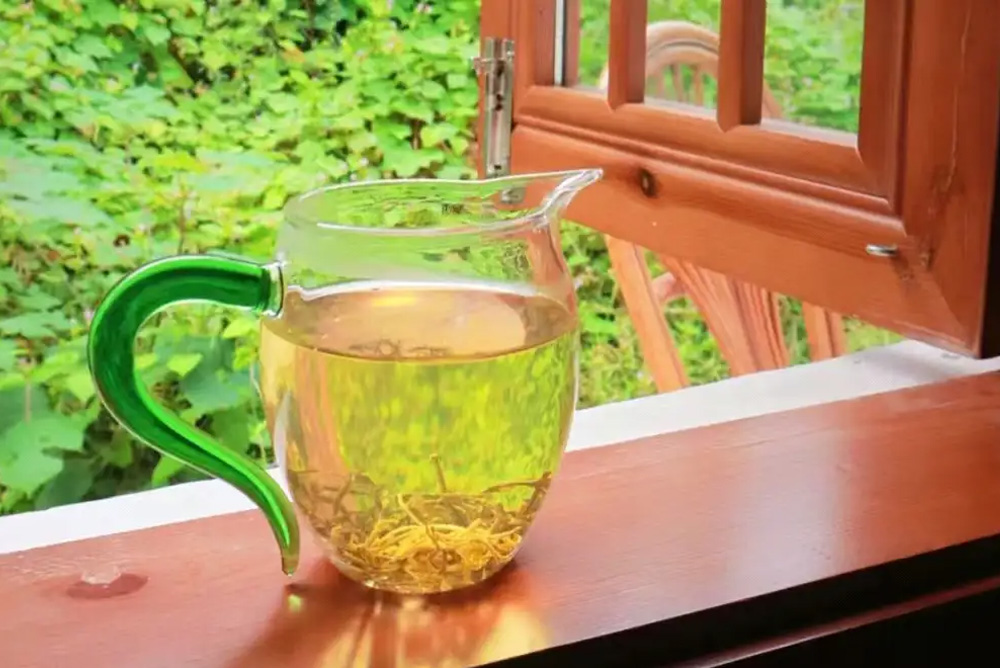
Many tea lovers ask why vine tea, scientifically known as Ampelopsis grossedentata, tastes different at various times of the year. The answer lies in the tea’s natural composition and the timing of the harvest.
What Gives Vine Tea Its Taste?
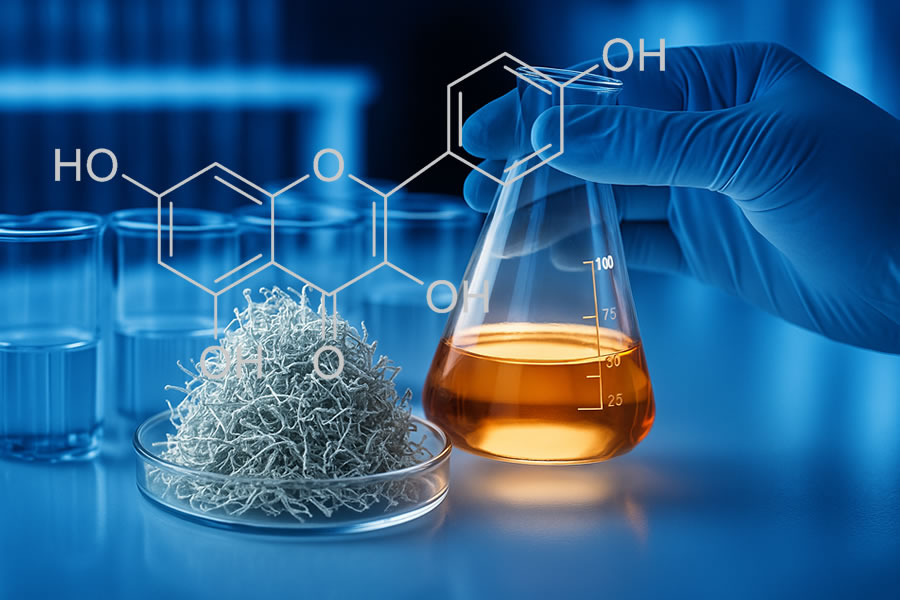
Vine tea is rich in:
-
14 trace minerals
-
17 amino acids
-
12.8–13.8% crude protein
-
7.5–8.3% total flavonoids (sometimes much higher in early harvests)
The initial bitterness and slight astringency come from tea polyphenols and flavonoids—just like in many green teas. These compounds provide the tea’s signature “bitter-then-sweet” effect.
-
Amino acids bring freshness and umami, enhancing the aftertaste.
-
Organic acids stimulate saliva production, giving a lasting sweet finish.
-
Natural sugars break down into maltose during brewing, deepening the sweetness over time.
How Vine Tea Tastes in Different Seasons
Spring Vine Tea (April–May)
-
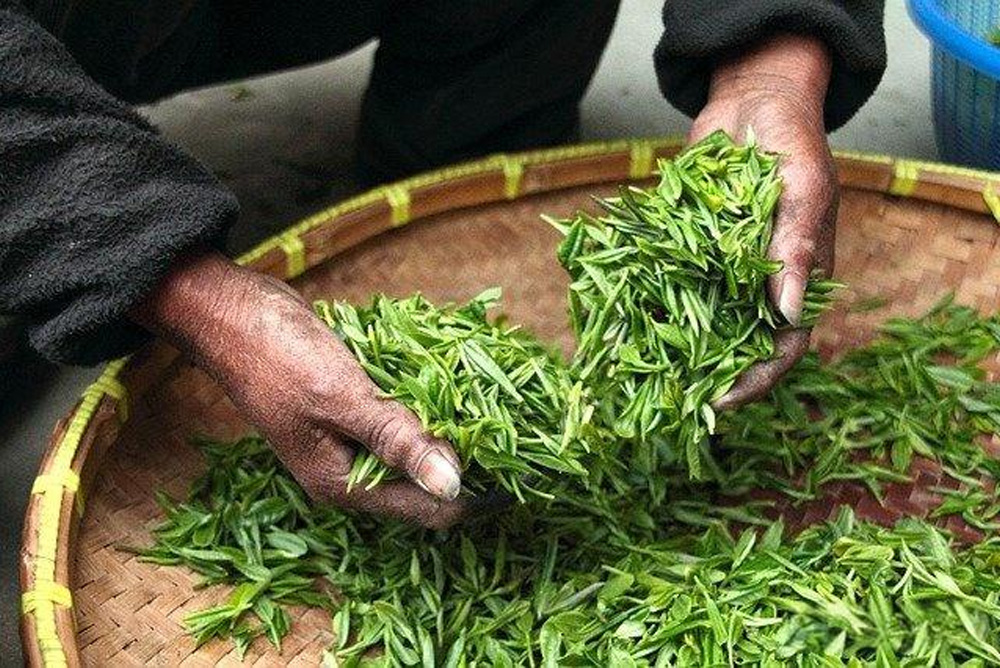
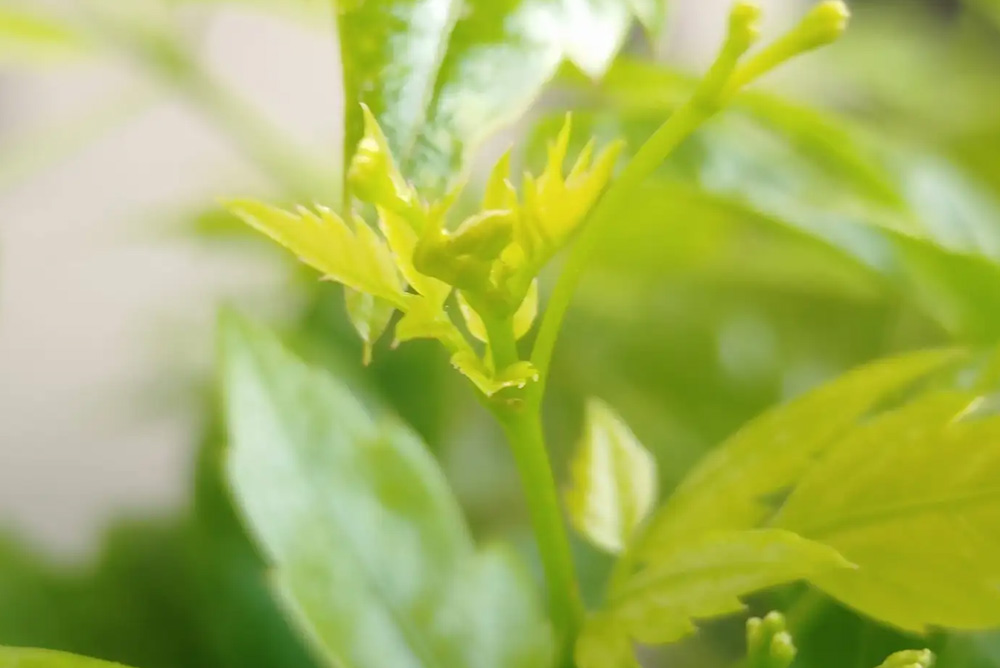
Harvest: Budding stage with tender, short leaves and short vines.
-
Flavonoid content: Highest—up to 36%.
-
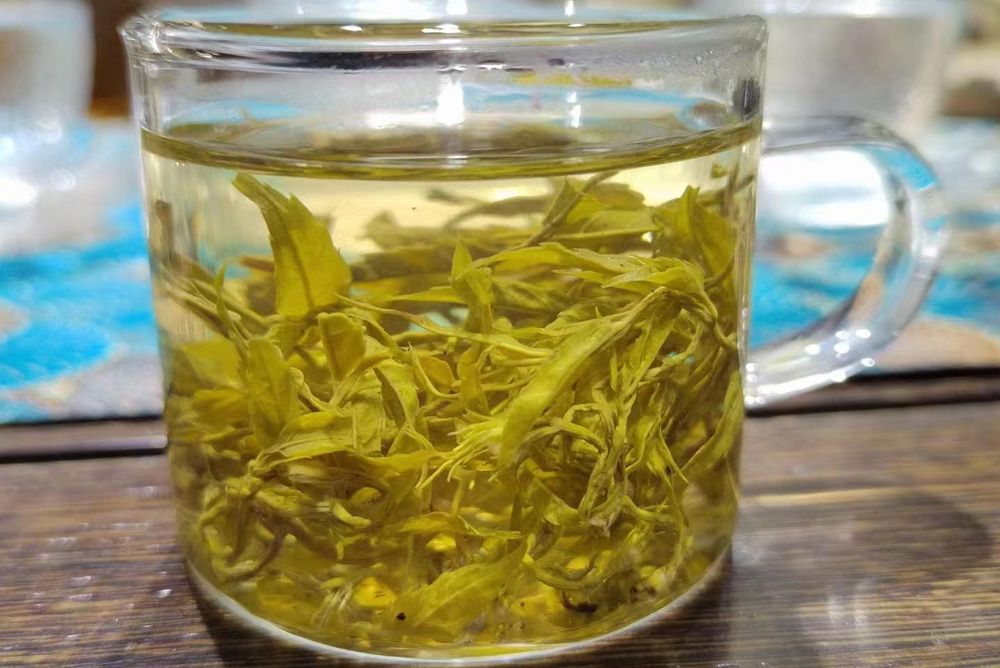
Taste: Yellow-green liquor with light grassy aroma, fresh and fragrant, similar to green tea.
Summer Vine Tea (June–August)
-
Harvest: Longer vines, smaller leaves, usually 60–80 mm buds.
-
Flavonoid content: Around 32%.
-
Taste: Yellow liquor, more robust flavor, less grassy aroma, lighter astringency, and smoother sweetness.
Autumn Vine Tea (September–October)
-
Harvest: Near leaf fall, longer stems, small leaves.
-
Flavonoid content: Around 25%.
-
Taste: Yellow liquor, pronounced sweet aftertaste, limited production.
Other Factors That Influence Flavor
Even within the same harvest season, taste can vary depending on:
-
Water temperature
-
Amount of tea leaves used
-
Brewing time
-
Water-to-tea ratio
Mastering these brewing variables can help you enjoy the best flavor profile from any season’s vine tea.
Experience Authentic Seasonal Vine Tea from JINQI
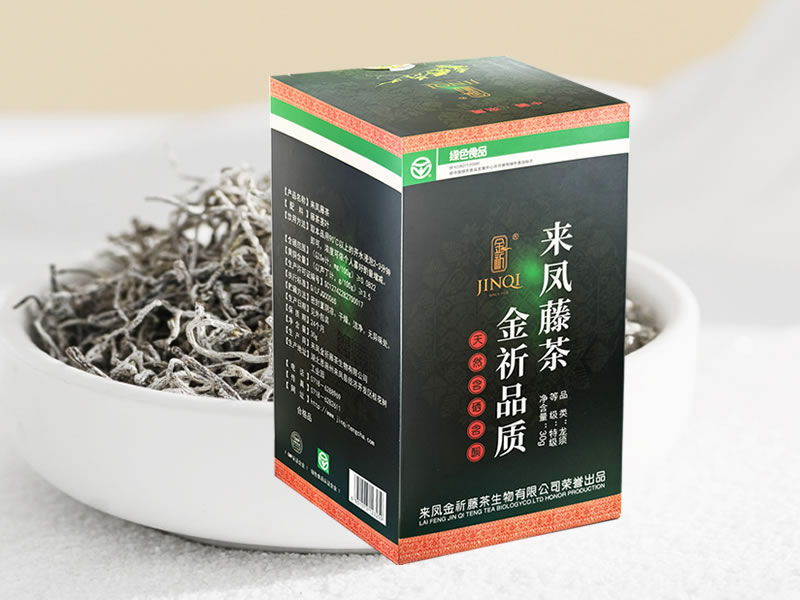
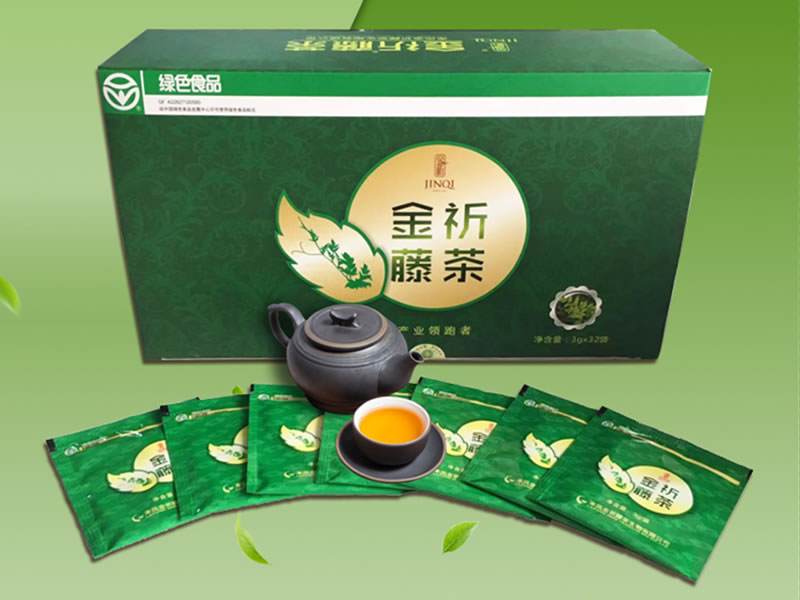
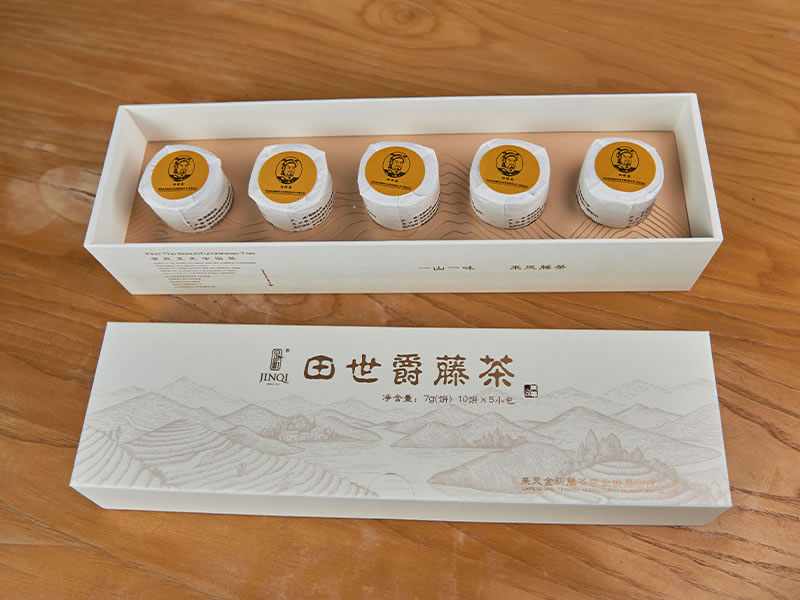
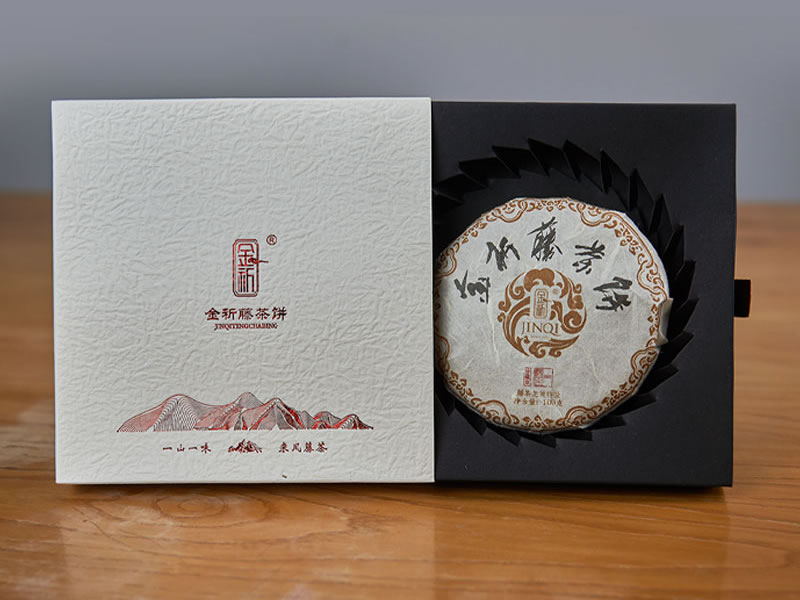
At JINQI Vine Tea Co., Ltd., we harvest and process Ampelopsis grossedentata at its peak to capture the unique taste of each season. Our tea is grown in Laifeng County’s Green Food Base certified gardens, processed under GMP-certified standards, and rich in natural flavonoids and selenium for both flavor and health benefits.
Taste the seasons in every cup.
Visit JINQI Vine Tea Co., Ltd. to explore spring, summer, and autumn vine tea harvested at their best.
FAQs
1. Why does vine tea taste different in each season?
Seasonal changes affect leaf maturity, flavonoid content, and aroma, creating distinct flavors.
2. Which season’s vine tea has the most flavonoids?
Spring vine tea has the highest flavonoid content—up to 36%.
3. Does brewing method affect vine tea flavor?
Yes. Water temperature, steeping time, and leaf quantity all influence the taste.