Mechanisms & Progress of Ampelopsis grossedentata Against Hyperuricemia
Uric acid is produced in the liver, muscles, and adipose tissue and is the end product of purine metabolism. Under normal circumstances, approximately 75% of

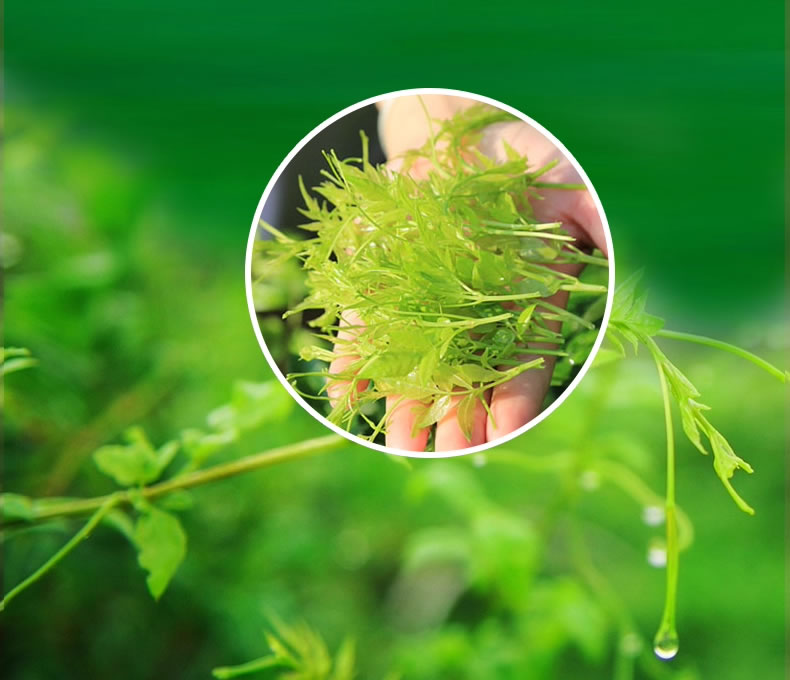
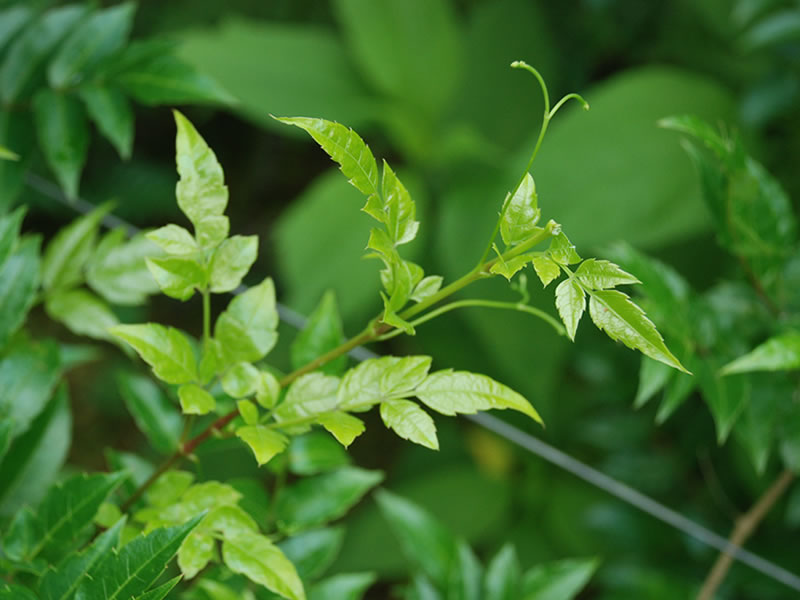
Vine tea, known scientifically as Ampelopsis grossedentata, is a rare herbal tea native to China’s Wuling Mountains. For centuries, it has been valued for its smooth taste, refreshing aroma, and powerful health benefits. Today, it’s often called the “Flavonoid King” for its exceptionally high levels of natural antioxidants.
Unlike green or black tea, vine tea is naturally caffeine-free, making it gentle enough for all ages and times of day. In this guide, we’ll explore its history, health benefits, cultivation, brewing, and modern uses.
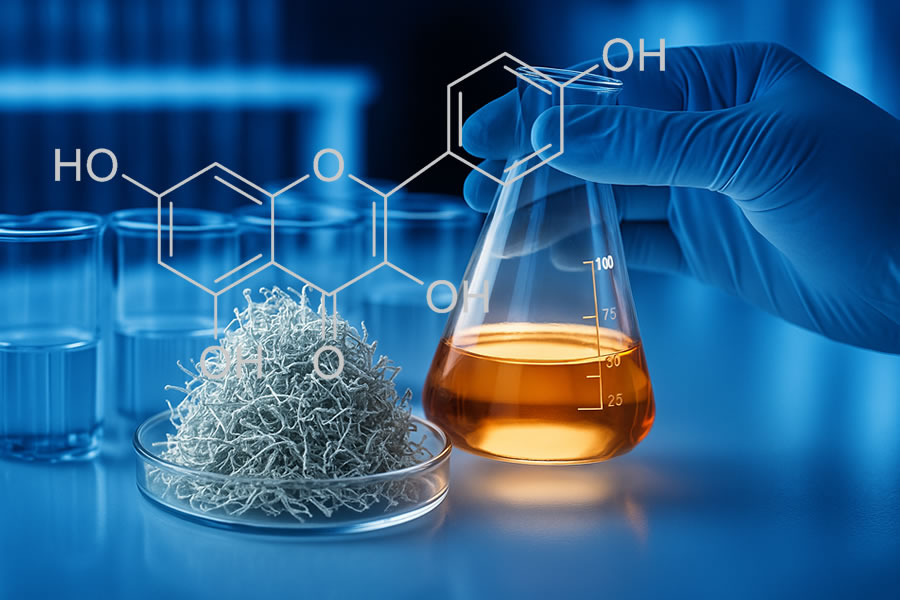
Vine Tea (Ampelopsis Grossedentata), also called the “Longevity Tea,” is rich in 14 trace elements, 17 amino acids, and high levels of flavonoids (dihydromyricetin), earning the title “King of Flavonoids.”
Key Benefits:
Four Lowers: blood pressure, sugar, lipids, uric acid
Four Antis: aging, thrombosis, cancer, fatigue
Four Regulations: immunity, digestion, sleep, metabolism
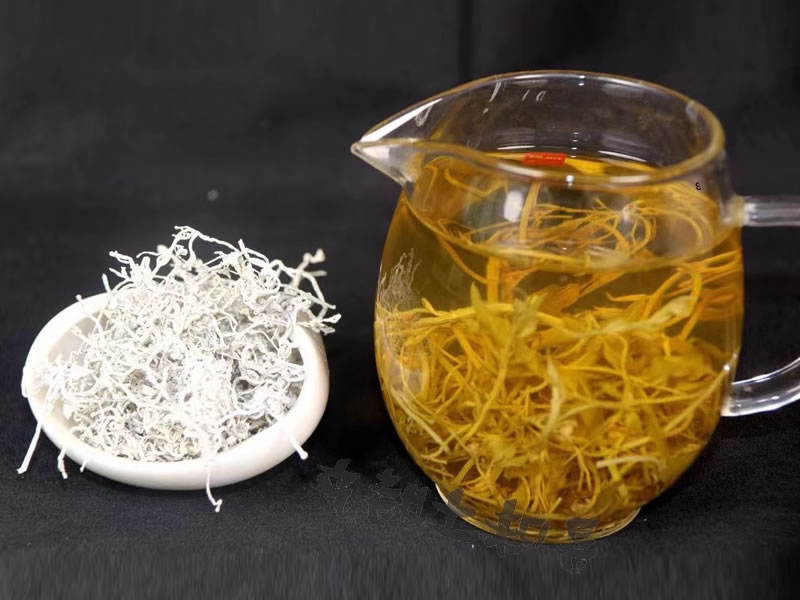
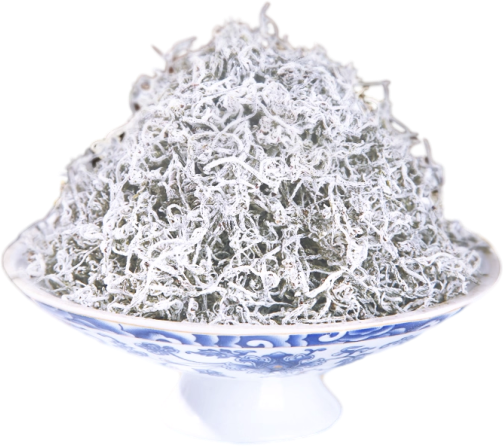
Its unique white frost holds the essence of nutrients. Regular drinking supports detox, liver protection, and immunity. Today, Laifeng County cultivates nearly 100,000 mu of vine tea, with products sold worldwide.
Vine tea has deep roots in Chinese culture, especially among the Tujia ethnic group in Laifeng County. Historical records mention vine tea in ancient Chinese texts, including references in The Classic of Tea. For generations, it has been known as:
Discover the natural wellness power of vine tea. Rich in flavonoids, amino acids, and trace minerals, it supports heart health, boosts immunity, protects the liver, balances blood sugar, and promotes restful sleep.

Vine tea helps maintain healthy blood pressure and circulation by reducing blood viscosity and relaxing blood vessels.

Rich in flavonoids and selenium, vine tea strengthens the immune system and helps the body resist infections.

Studies show vine tea improves insulin sensitivity and helps regulate blood sugar levels, making it beneficial for diabetics.

Dihydromyricetin in vine tea helps prevent alcohol-related liver damage and supports natural detoxification.

Naturally caffeine-free, vine tea calms the nerves, improves sleep quality, and reduces fatigue.
Vine tea is one of the richest plant sources of flavonoids in the world. Studies show:

Up to 53% in tender leaves.

Supports immunity and antioxidant activity.

Essential for body repair and function.

Including zinc, iron, and manganese.

Uric acid is produced in the liver, muscles, and adipose tissue and is the end product of purine metabolism. Under normal circumstances, approximately 75% of

Laifeng County, Hubei Province – October 14, 2022 — Once a wild plant growing on the rocky slopes of the Wuling Mountains, Laifeng vine tea has

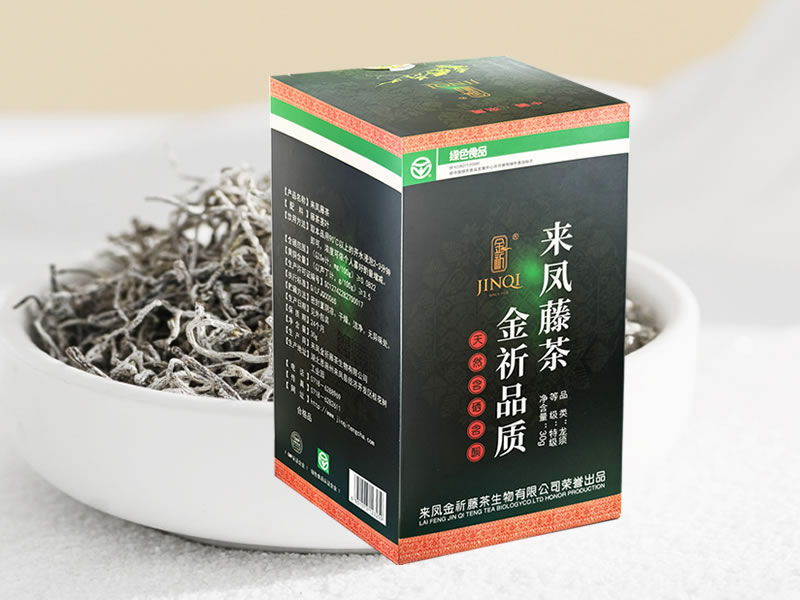
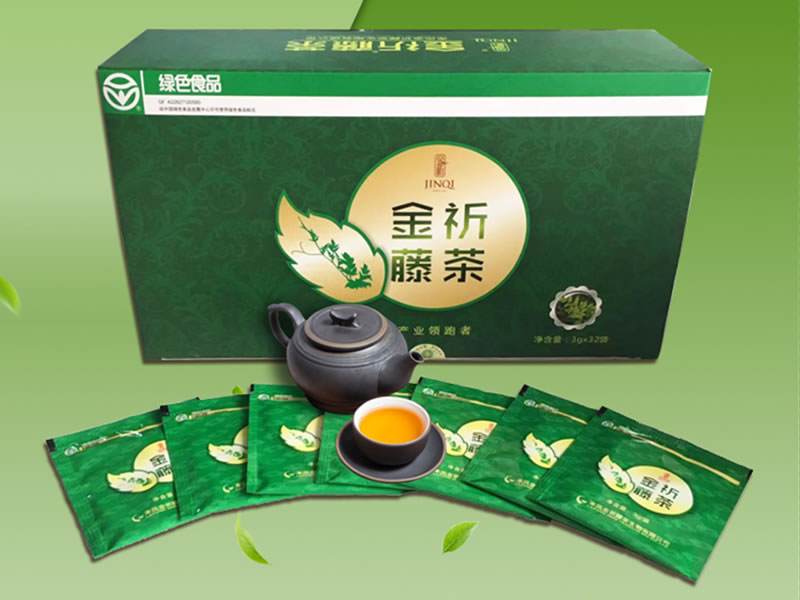
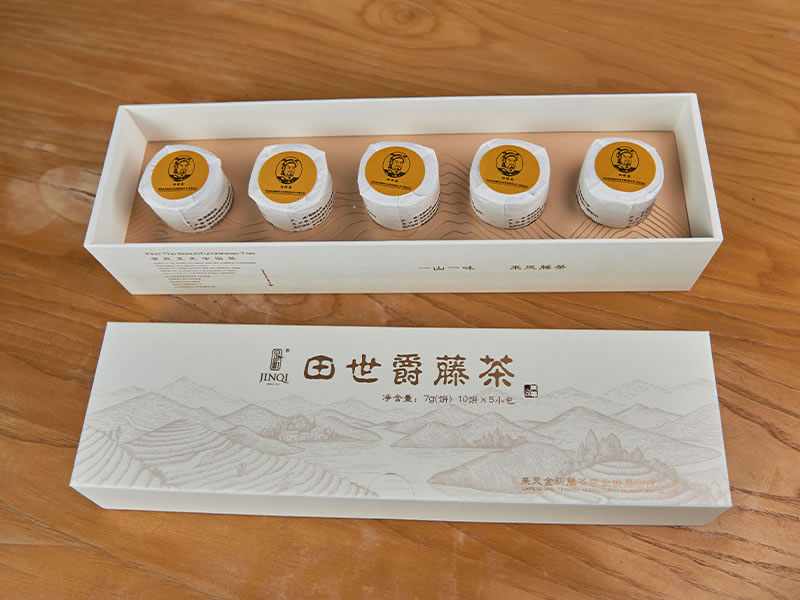
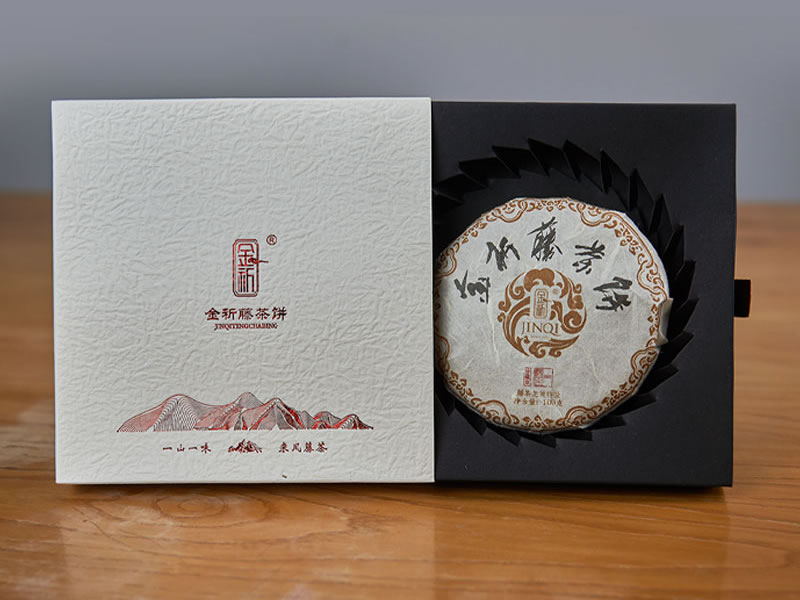
JINQI produces authentic Ampelopsis grossedentata, also known as vine tea, from Laifeng, China. With over 20 years of experience, we combine traditional harvesting and modern GMP-certified production to deliver safe, flavorful, and nutrient-rich tea to customers worldwide.
© 2025 Laifeng Jinqi Vine Tea Biological Co., Ltd.
WhatsApp us