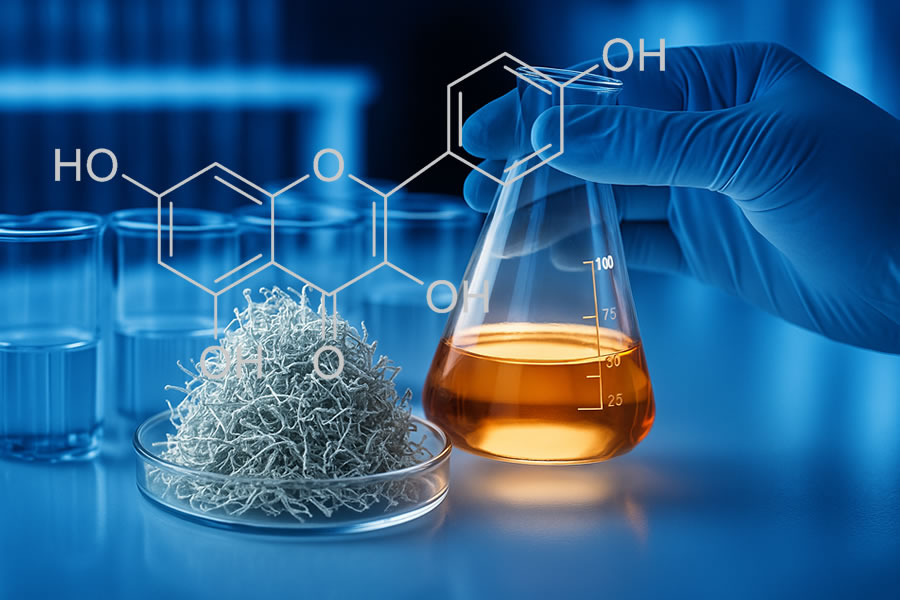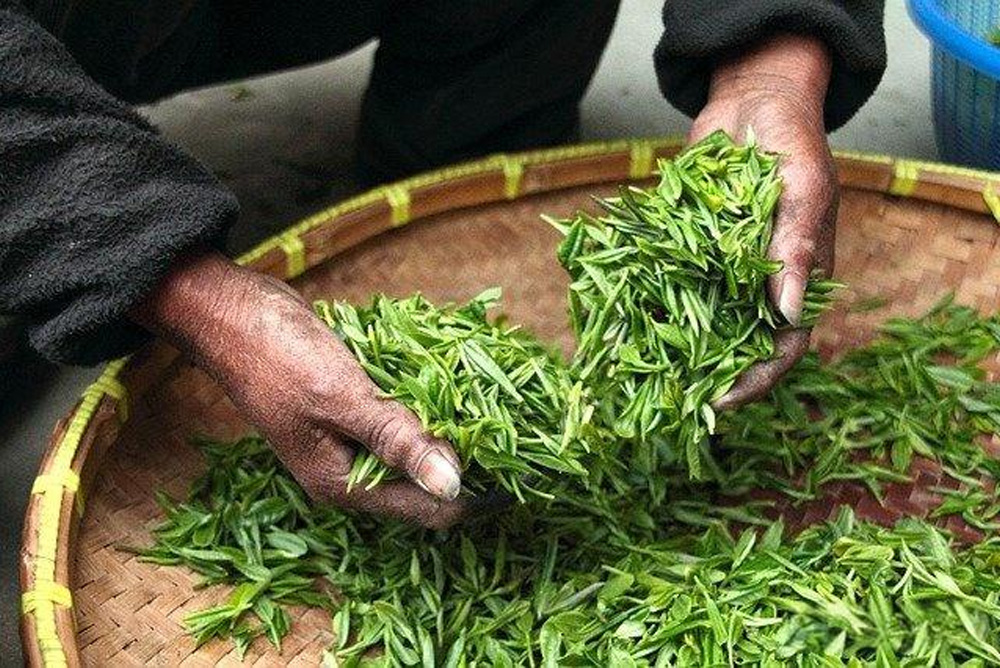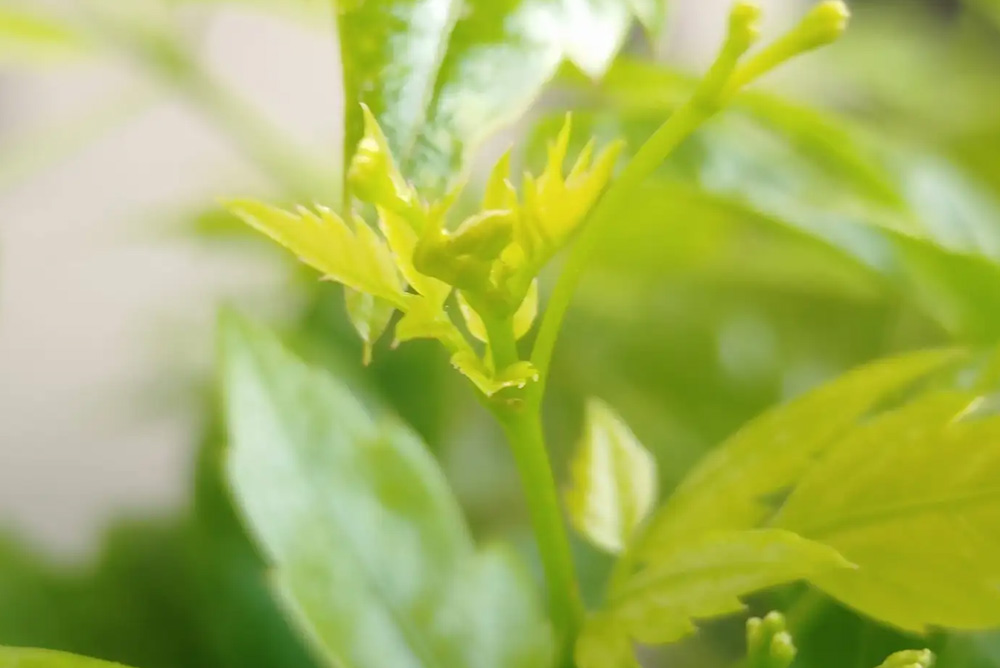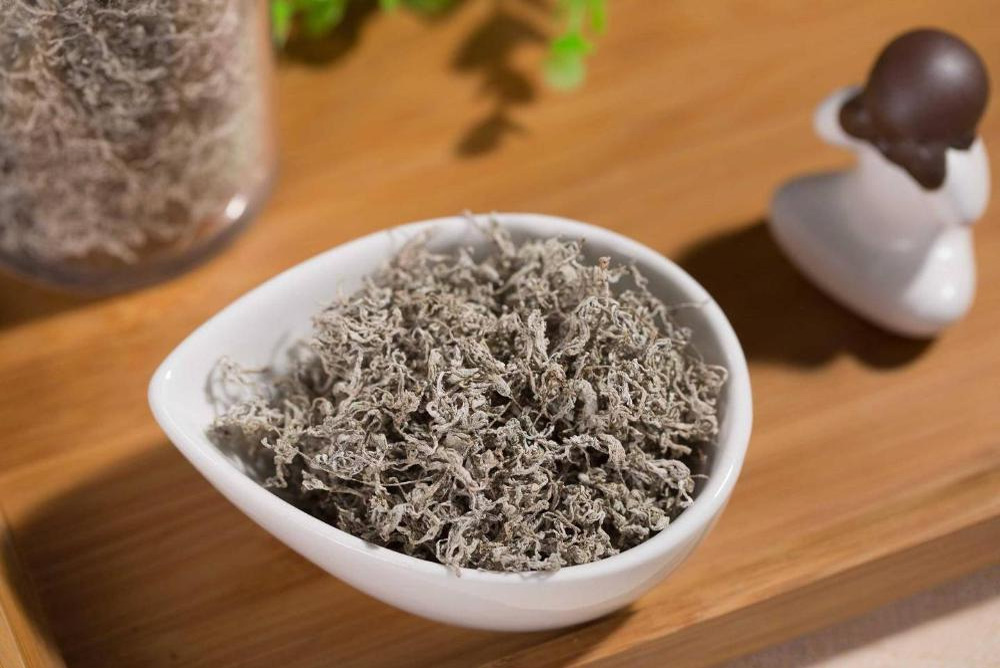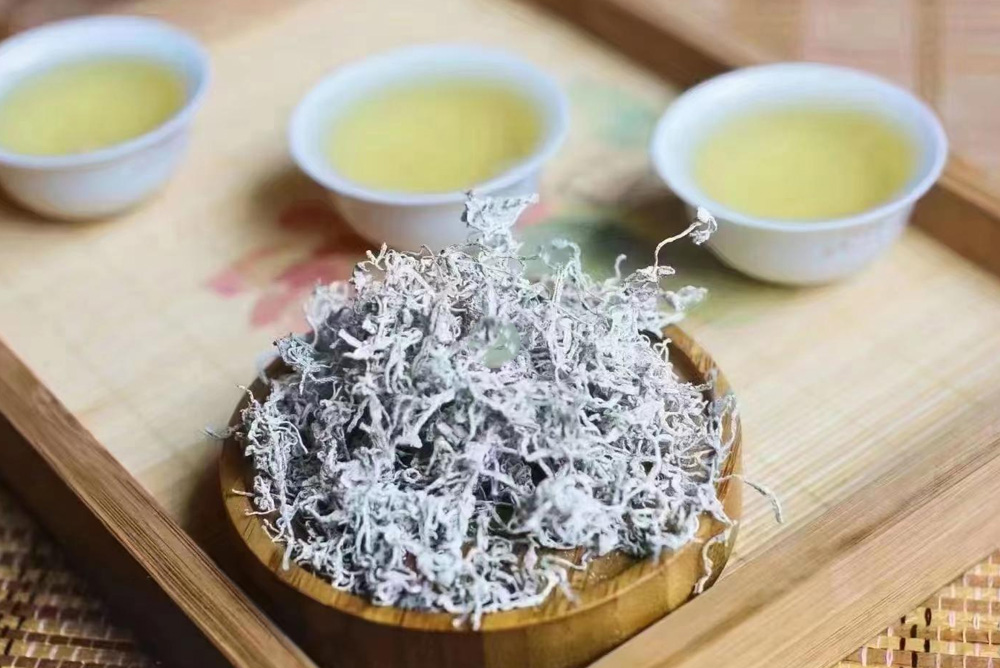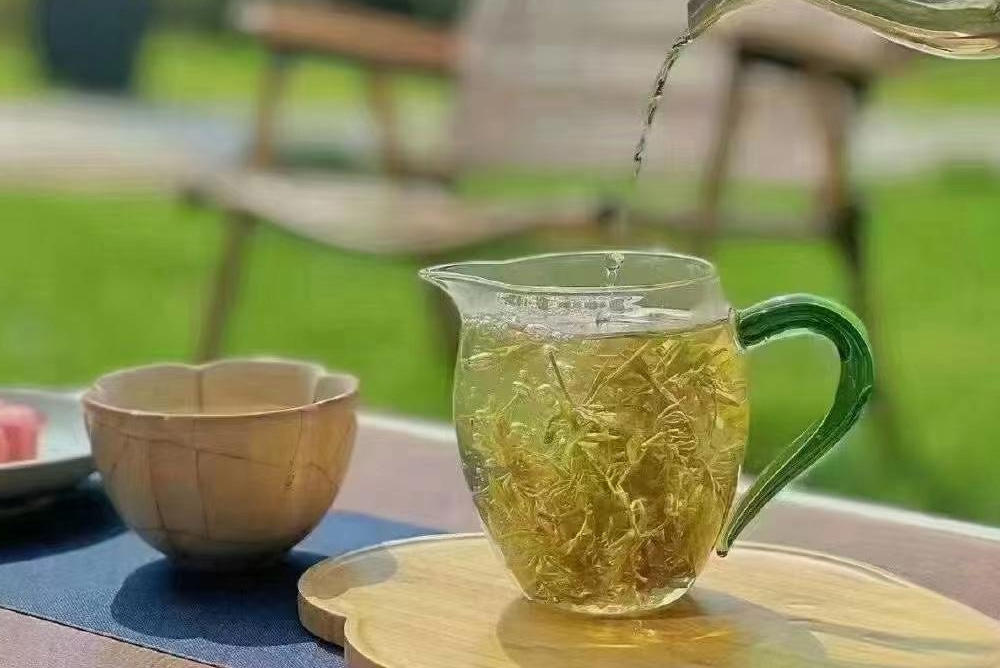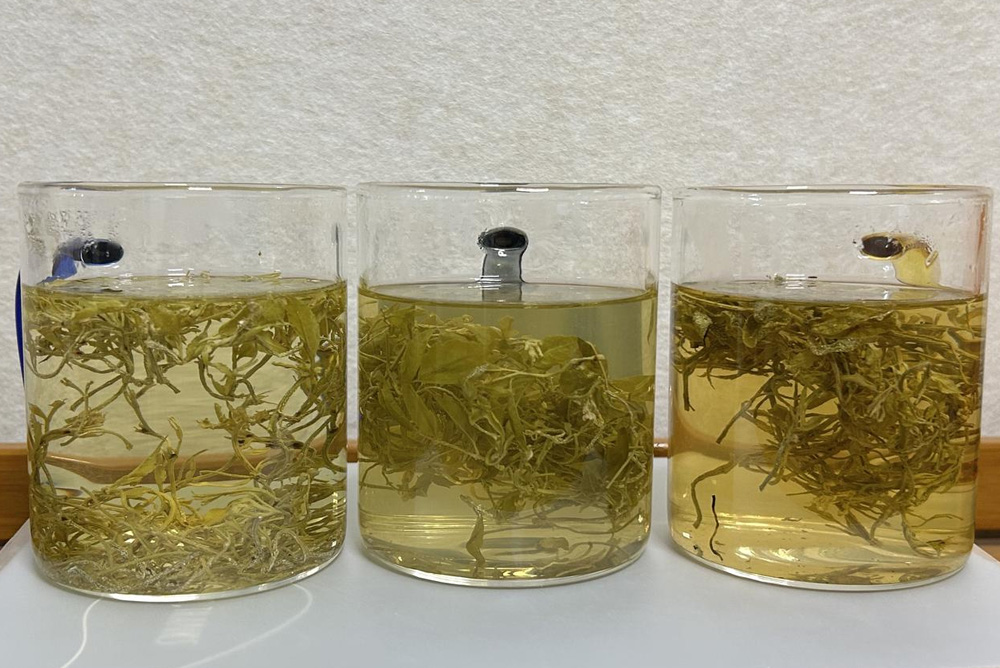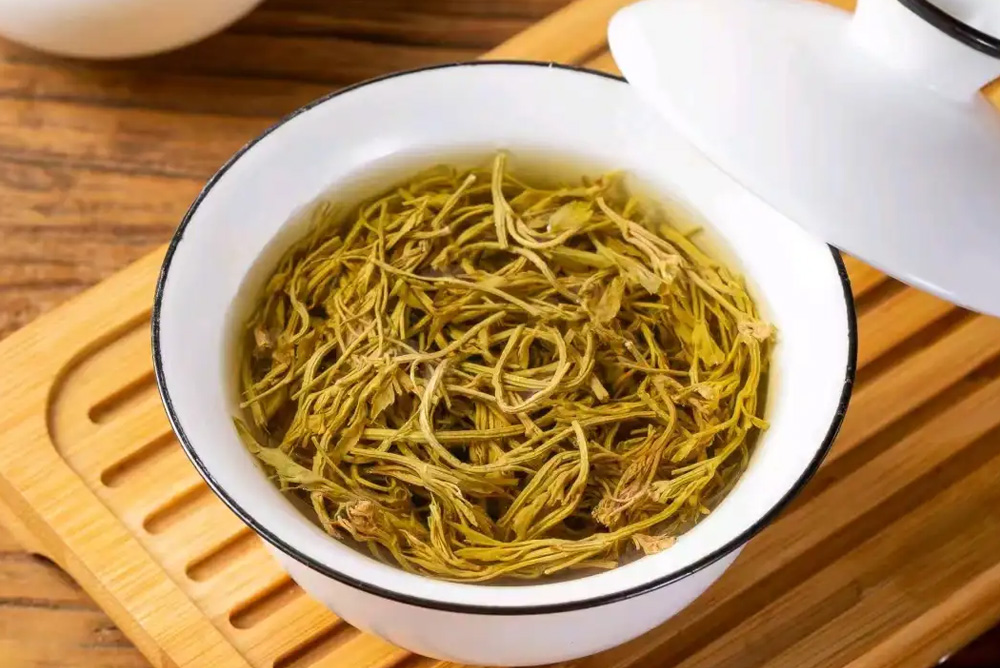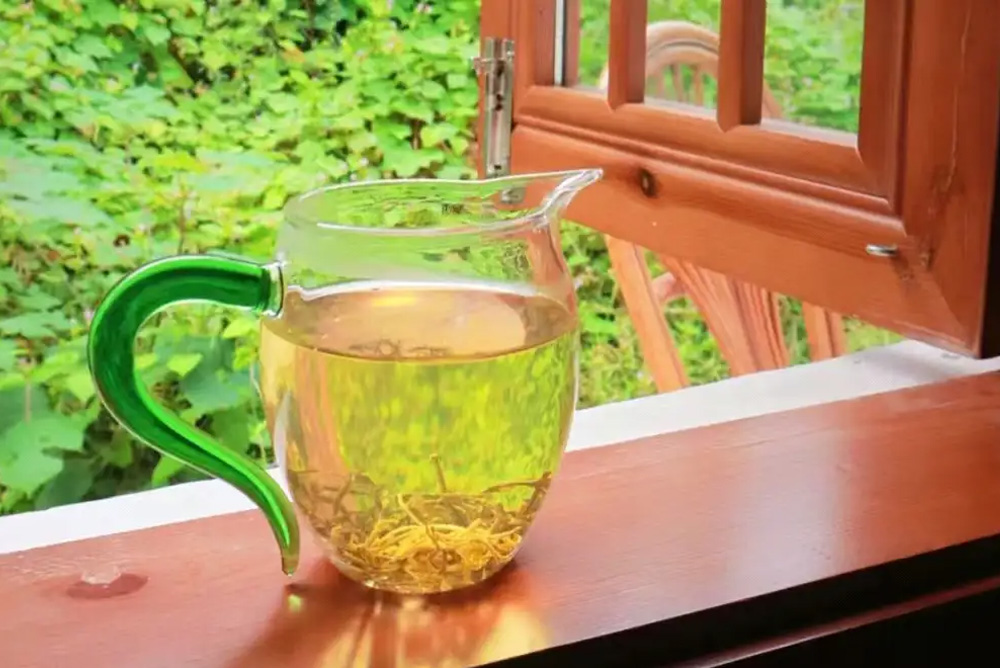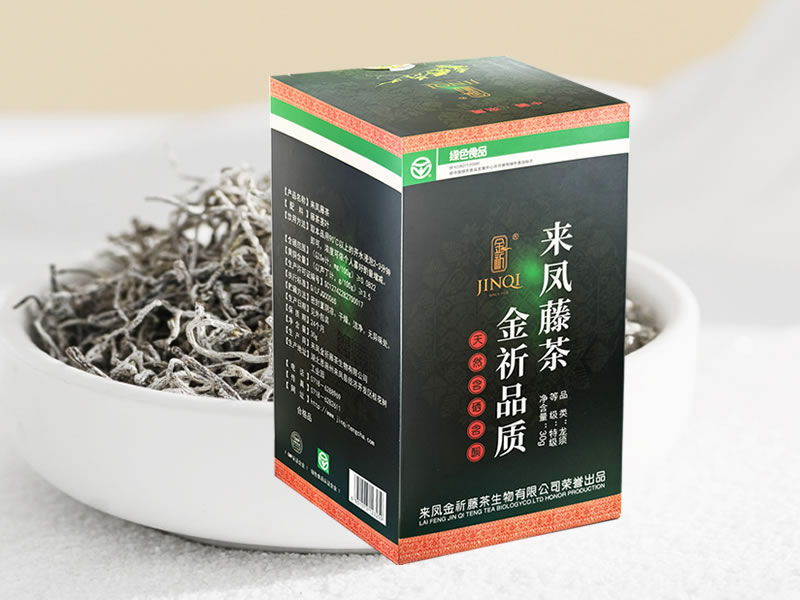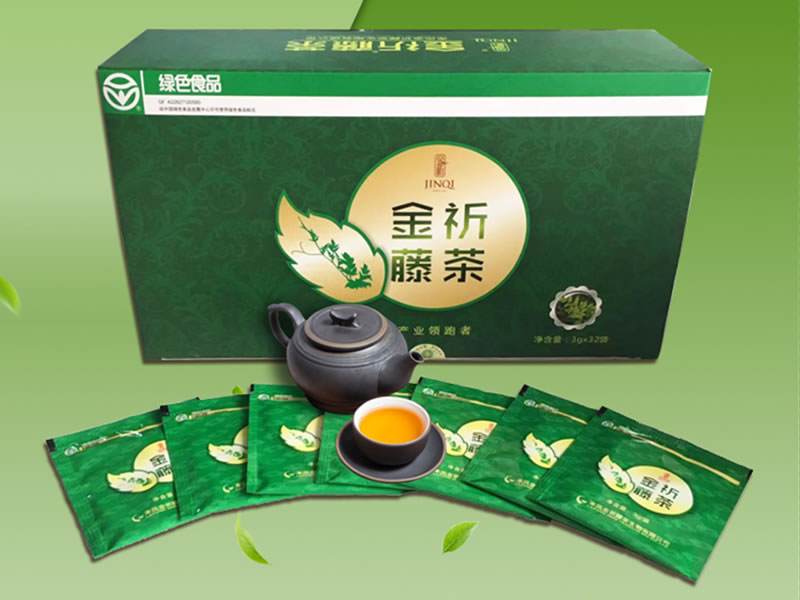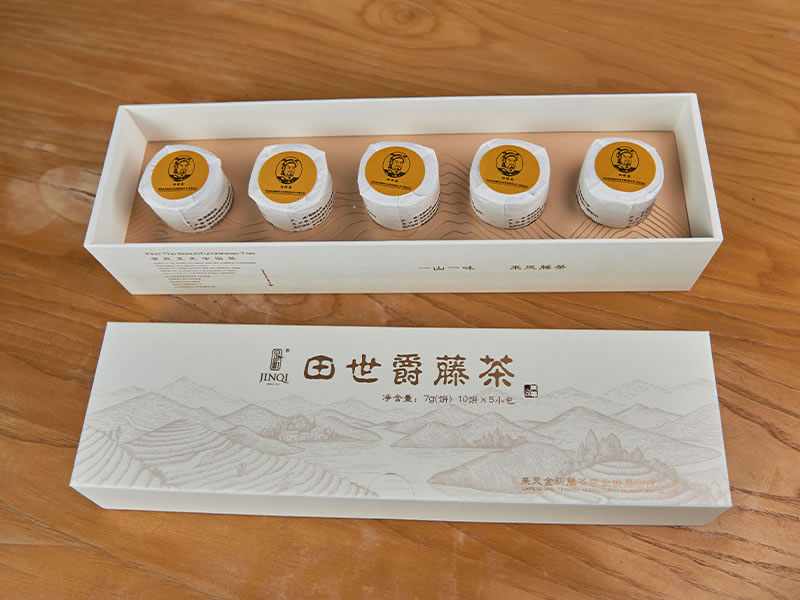
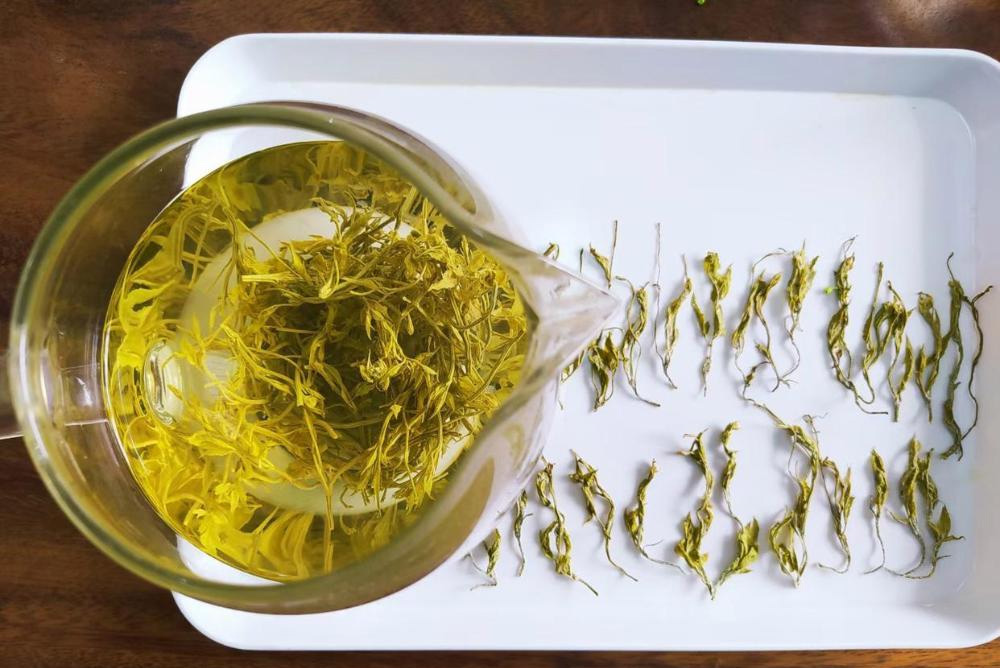
Vine tea, known scientifically as Ampelopsis grossedentata, is a unique herbal tea prized for its high nutritional value, mild taste, and health-promoting properties. Whether you are a tea connoisseur, health-conscious drinker, or a buyer sourcing premium herbal products, one question often arises — is vine tea better brewed or boiled? And what can you pair it with for a richer flavor? Let’s explore the answers.
Brew or Boil? The Better Way to Enjoy Vine Tea
You can enjoy vine tea either by brewing with hot water or by boiling it. However, brewing is generally recommended for two main reasons:
-
Convenience – Like most teas, vine tea releases its flavor and nutrients easily with boiling water. No prolonged heating is required.
-
Multiple Infusions – Brewed vine tea can be steeped 1–2 times without losing quality, while boiled vine tea is usually suitable for only one batch.
For everyday enjoyment, brewing saves time and preserves more of the tea’s natural qualities.
Perfect Pairings for Vine Tea
While vine tea on its own has a naturally refreshing, slightly sweet taste, pairing it with other ingredients can enhance both flavor and benefits:
-
Ginger – Adds warmth and digestive support.
-
Chrysanthemum – Balances the flavor and supports eye health.
-
Goji berries – Boosts antioxidants and adds a gentle sweetness.
These combinations are ideal for people who drink vine tea regularly and want to avoid flavor fatigue while maximizing wellness.
Health Benefits of Vine Tea (Ampelopsis grossedentata)
Vine tea is more than a pleasant beverage — it’s a powerhouse of plant compounds and minerals:
-
Better Sleep Quality – Naturally free from caffeine and theobromine, it promotes relaxation without stimulating the nervous system.
-
Oral and Respiratory Support – Rich in active flavonoids with antibacterial properties, helping to ease oral inflammation, gum issues, and mild respiratory discomfort.
-
Heart and Metabolic Health – Flavonoids may help dilate blood vessels, improve circulation, reduce triglycerides and cholesterol, and increase “good” HDL cholesterol.
-
Nutrient-Rich – Contains 17 amino acids and 14 trace elements, supporting immunity, digestion, and recovery.
-
Weight Management – Low in calories and free from tannins, making it gentle on digestion and suitable even after meals.
How to Brew Vine Tea for the Best Taste
Brewing vine tea is simple, but following the correct steps ensures optimal flavor and nutrition:
-
Skip the rinse – Unlike some teas, the first brew is the most potent, with up to 70% of flavonoids released in the first steep.
-
Use boiling water – Around 100°C (212°F) is ideal.
-
Pour carefully – Let the hot water run down the side of the cup until it’s about 70% full.
-
Cover and steep – Wait about 10 seconds, then enjoy.
-
Re-steep – Add fresh boiling water for up to 2 brews.
Discover an Authentic and Powerful Tea
With its incredible health benefits and delightful, soothing flavor, vine tea is the perfect addition to a wellness-focused lifestyle. From supporting sleep to boosting your nutrient intake, this caffeine-free herbal tea offers something for everyone. By brewing Ampelopsis grossedentata correctly, you ensure every cup is packed with the purity and potency nature intended.
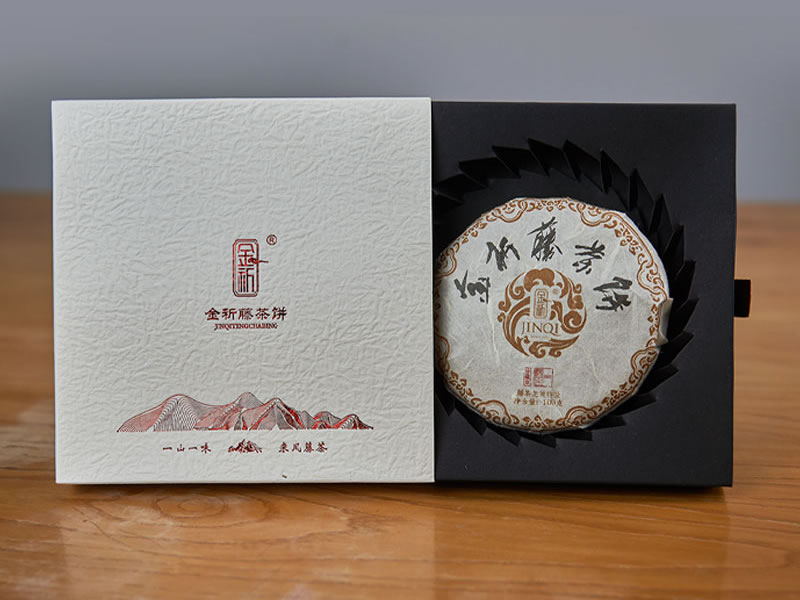
Ready to experience the best? JINQI is a leading producer of authentic vine tea, grown exclusively in the pristine mountains of Laifeng County. With over 20 years of expertise and GMP-certified production, we guarantee a product with superior nutritional content and unmatched quality. Explore JINQI’s premium vine tea products today and taste the difference!
FAQs
Q: Can I boil vine tea instead of brewing it?
Yes, but brewing is better for preserving flavor and allowing multiple infusions.
Q: Is vine tea safe for children and seniors?
Yes. It’s naturally caffeine-free and gentle, making it suitable for all ages.
Q: Can I drink vine tea after meals?
Yes. It contains no tannins, so it won’t interfere with protein absorption.