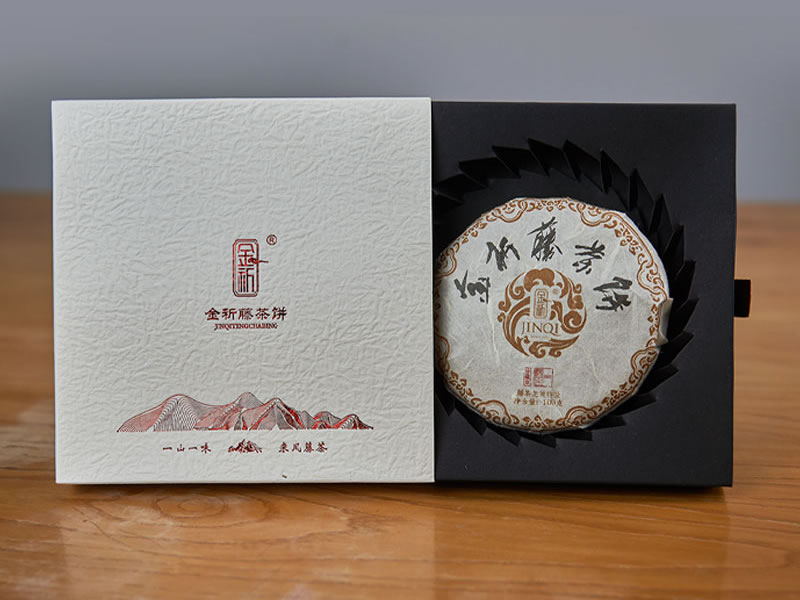
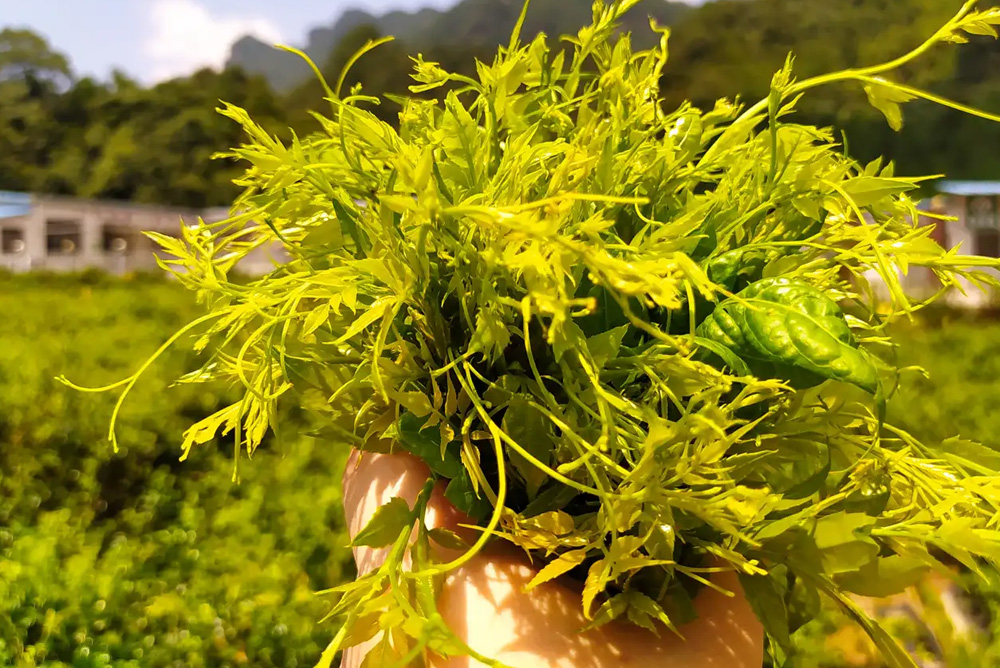
Vine tea, scientifically known as Ampelopsis grossedentata, is a rare herbal treasure with the highest known flavonoid content among plants—earning it the title “King of Flavonoids.” While it’s celebrated for its health benefits, many buyers are unsure how to choose, brew, or enjoy it correctly.
Here are 8 essential facts you should know before buying high-quality vine tea.
1. What Type of Tea Is Vine Tea?
Vine tea is a lightly fermented herbal tea, not a green tea. It contains no tea polyphenols, has a slightly bitter taste, and a naturally cooling nature. Thanks to its zero caffeine content, it won’t disturb your sleep—even if you drink it at night.
If you’re new to vine tea, start with around 2g per brew for a balanced taste. Those with sensitive stomachs should drink it after meals.
2. Where Does the Best Vine Tea Come From?
The vine tea plant is an ancient medicinal and edible species that survived the Ice Age. It thrives only under strict conditions:
-
Altitude: 400–1,200 meters above sea level
-
Climate: Year-round mist for optimal humidity
-
Soil: Rich in unique quartz sandstone minerals
The Enshi region in China, with its mountain terrain, humid climate, and mineral-rich soil, produces vine tea with exceptional flavor, quality, and high flavonoid content.
3. Is the White Frost Mold?
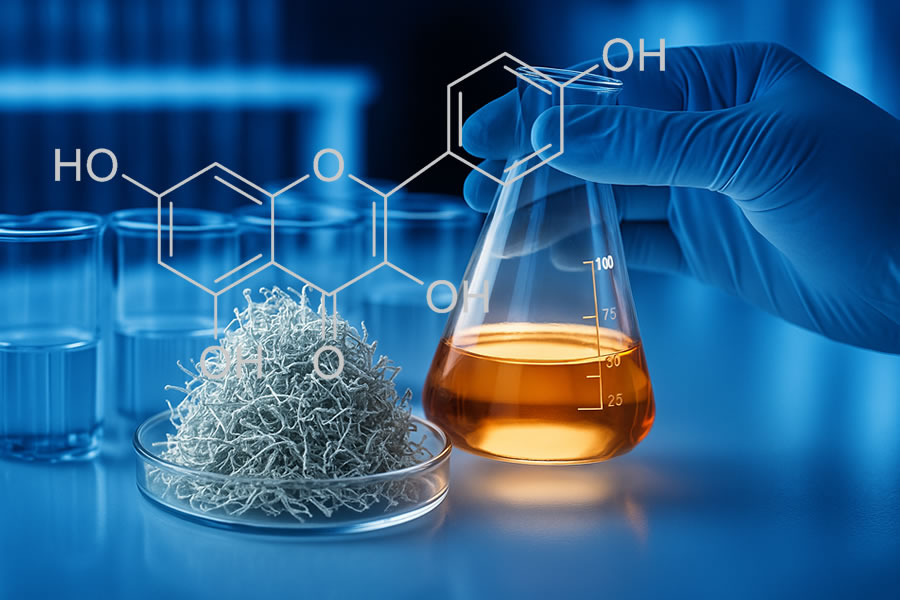
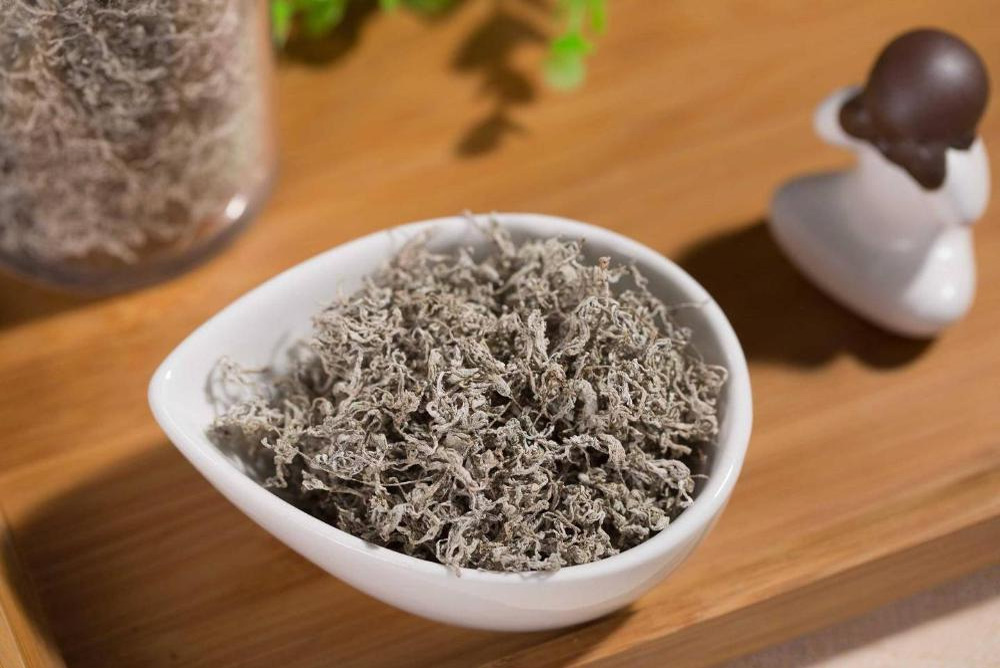
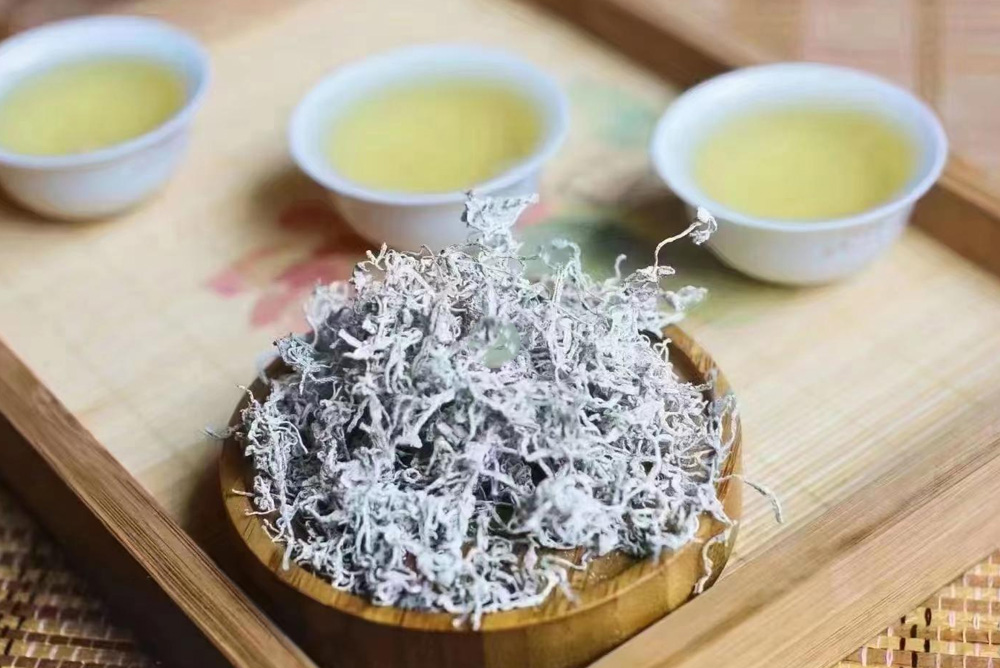
No—what looks like white frost on vine tea leaves is dihydromyricetin, a potent flavonoid compound. It forms naturally during processing when the plant’s cells release their beneficial compounds.
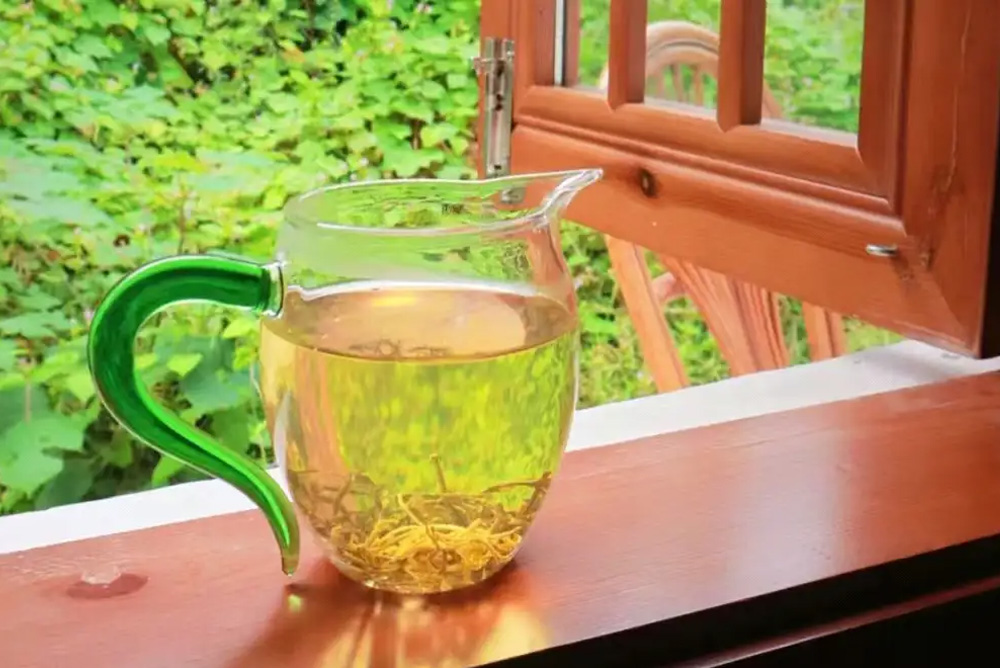
DHM dissolves in hot water and reappears when cooled, so white sediment after brewing is normal and safe to drink. Always brew with 95°C (203°F) water and avoid rinsing the leaves—the first infusion holds 70% of the beneficial compounds.
4. How Much Should You Drink Per Day?
A typical daily amount is 3–6g, brewed in two infusions. Adjust strength based on taste preference or health needs.
For throat discomfort or hoarseness, drink a stronger brew about an hour before bed to soothe irritation and promote restful sleep.
5. Can Children, Pregnant Women, and Seniors Drink It?
-
Children: Over 3 years old can drink vine tea. Add honey for a milder taste.
-
Pregnant women: Can drink in moderation, but avoid if unwell.
-
Seniors: Especially beneficial for chronic pharyngitis or throat dryness; supports immunity without affecting sleep.
6. Is Vine Tea Effective for Pharyngitis?
Yes. Dihydromyricetin, known as the “Penicillin of Plants,” is especially effective against throat inflammation. Light cases may see improvement in a few days to a week; chronic cases benefit from long-term use to prevent recurrence.
7. Can Vine Tea Help with Alcohol Detox?
Absolutely. Dihydromyricetin protects the liver by speeding up the breakdown of acetaldehyde—a toxic alcohol byproduct—into harmless substances. This reduces hangovers, headaches, and lingering alcohol odor. For best results, drink during or after alcohol consumption, brewing a stronger tea.
8. Grades, Brewing, and Shelf Life
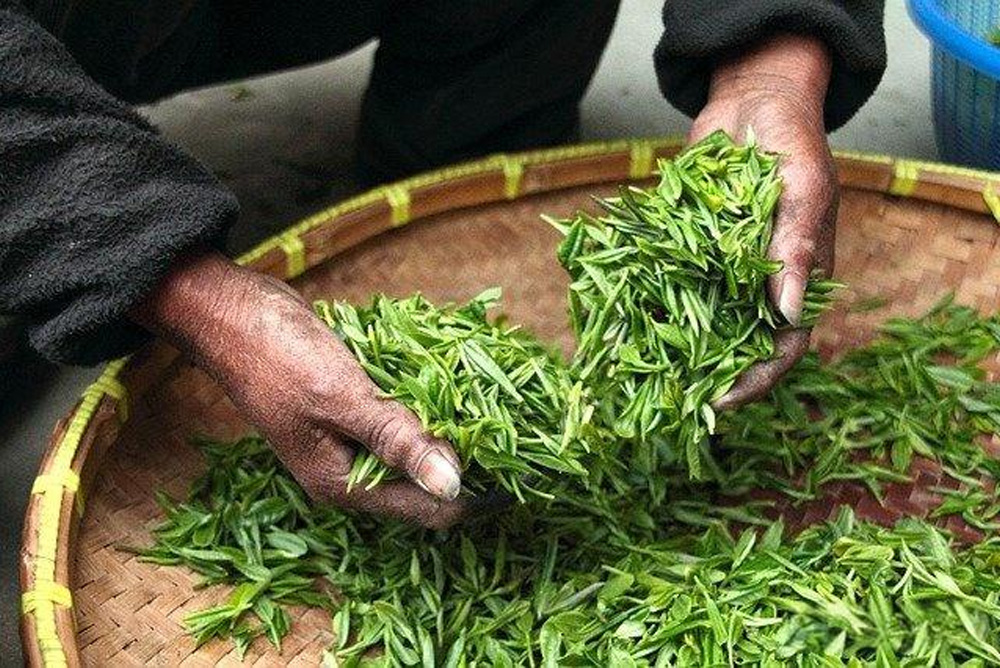
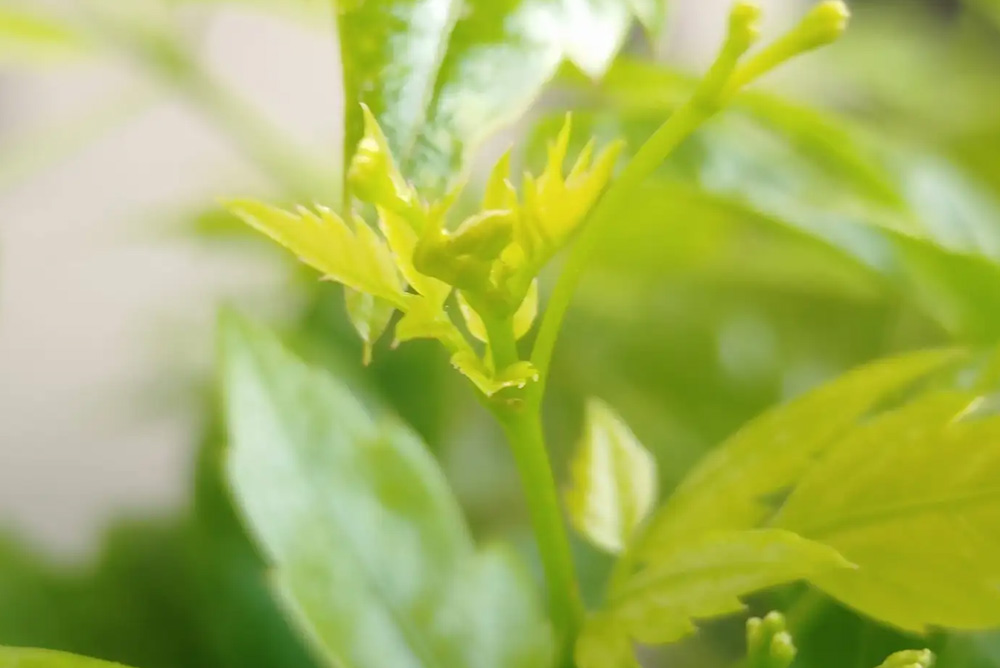
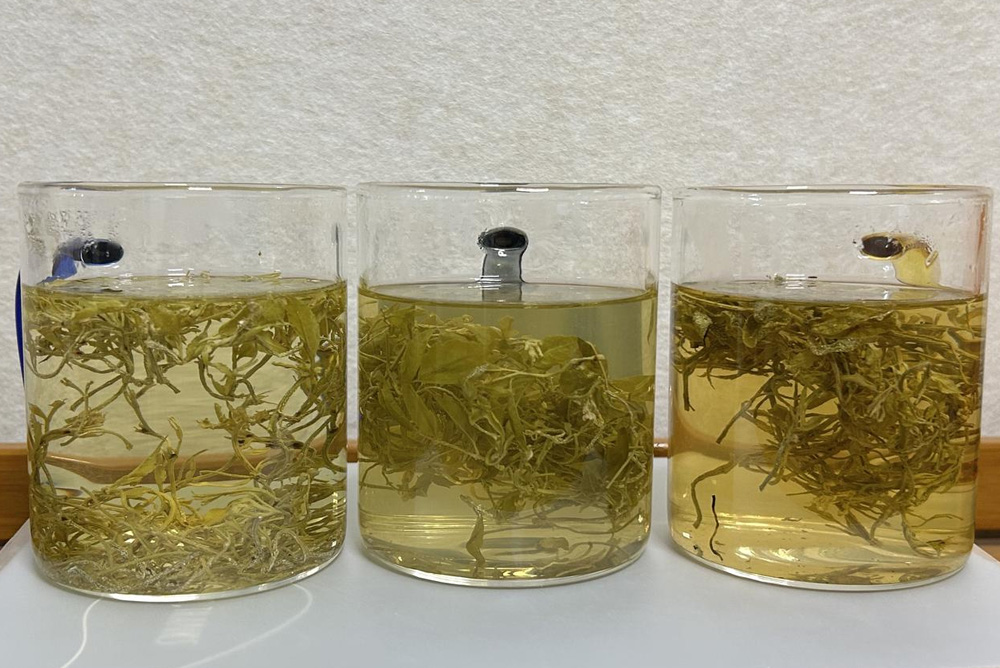
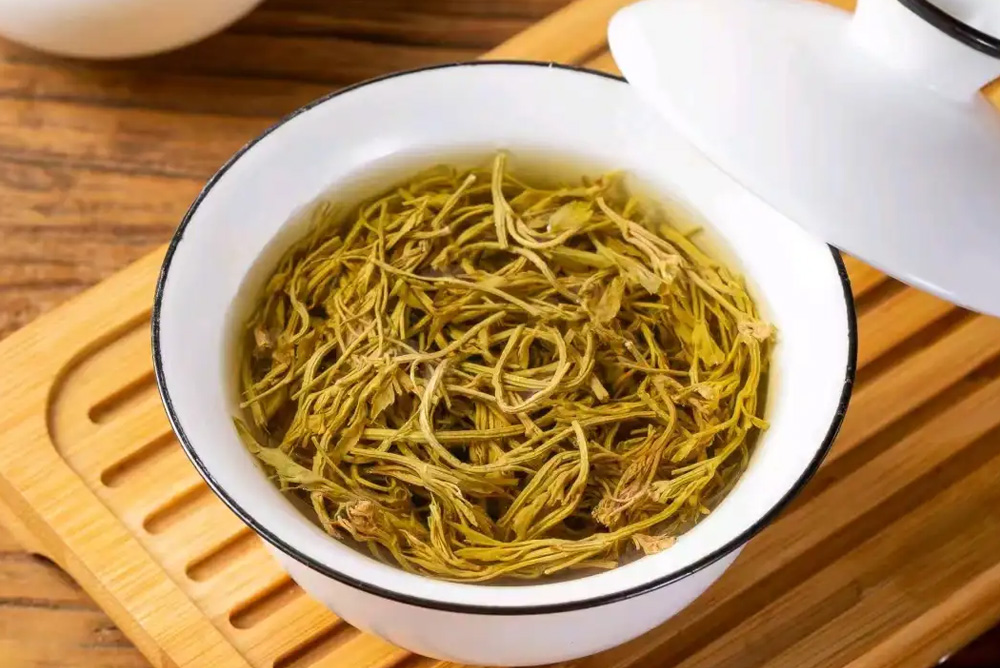
Vine tea is graded into mature leaves, tender leaves, and bud tips—with bud tips offering the best taste and highest flavonoid content.
Brewing tips:
-
Use 95°C water.
-
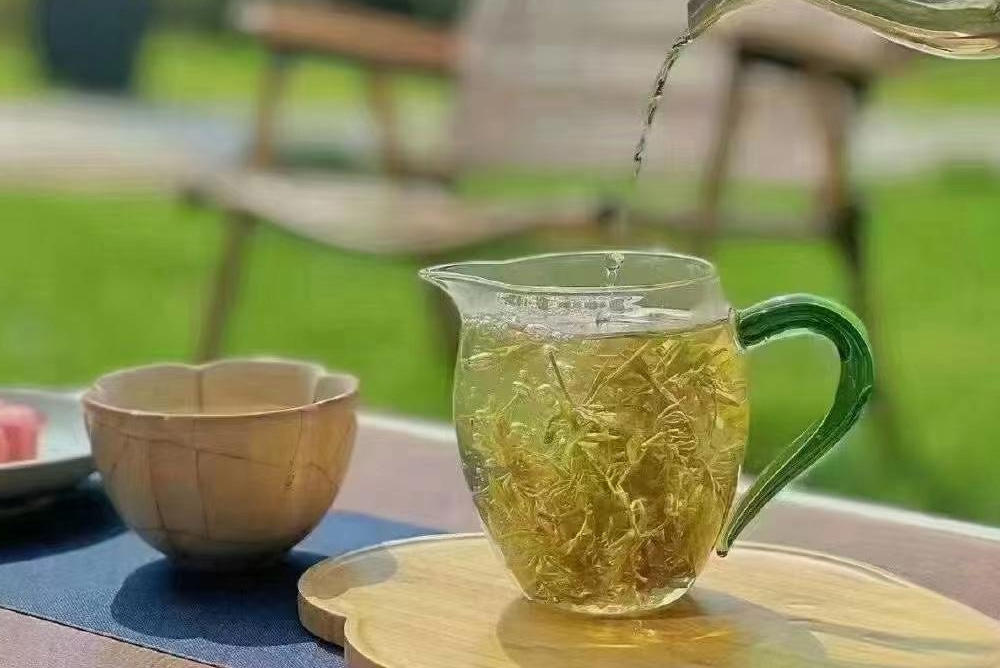
Steep until the white frost dissolves and the tea turns golden.
-
No rinsing—the first infusion is the most valuable.
Consume within 2 months after opening to maintain peak flavor. Even the leftover broken leaves can be brewed.
Why Choose JINQI Vine Tea?
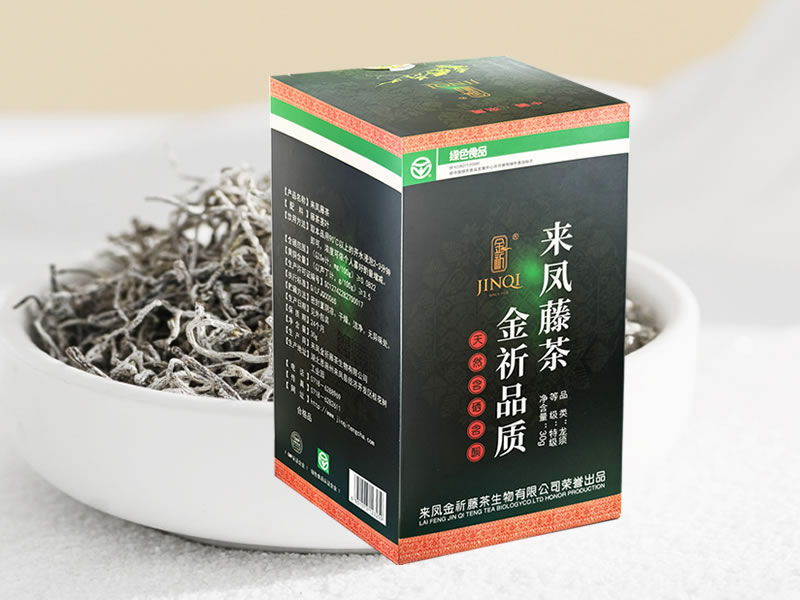
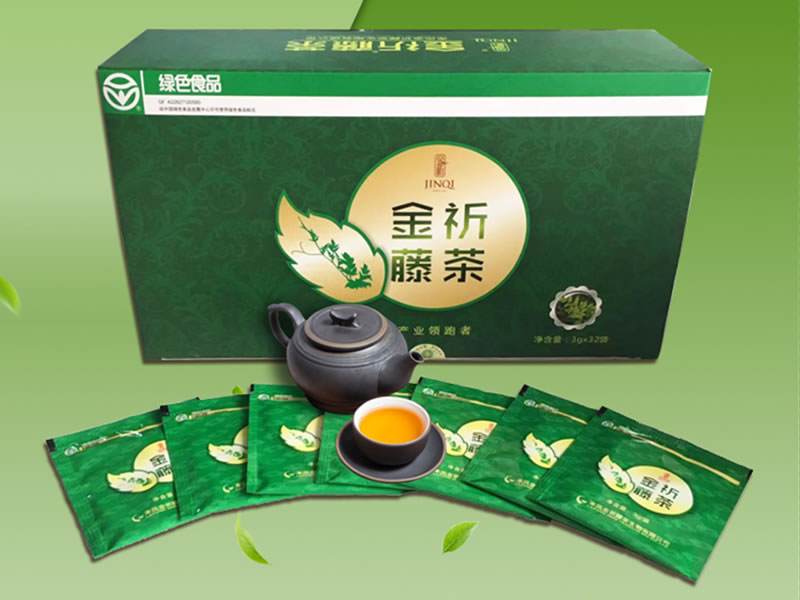
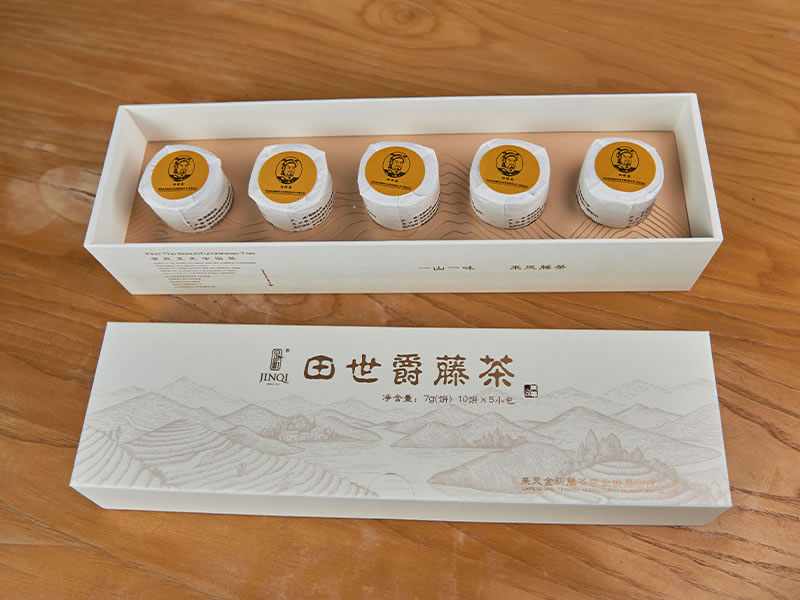
Wild vine tea is rare, and most quality products today are organically cultivated for better control over purity, flavor, and yield. At JINQI Vine Tea Co., Ltd., we grow Ampelopsis grossedentata in Laifeng County under organic, pesticide-free conditions, using GMP-certified facilities to ensure safety and consistency.
If you’re looking for authentic vine tea rich in flavonoids, selenium, and natural wellness benefits, choose JINQI—your trusted source for premium vine tea worldwide.
FAQs
1. What is the white powder on vine tea leaves?
It’s dihydromyricetin, a natural antioxidant, not mold.
2. Can I drink vine tea every night?
Yes. It’s caffeine-free and can improve sleep quality.
3. Where does the best vine tea come from?
Enshi, China, is the premium origin thanks to its ideal climate and mineral-rich soil.