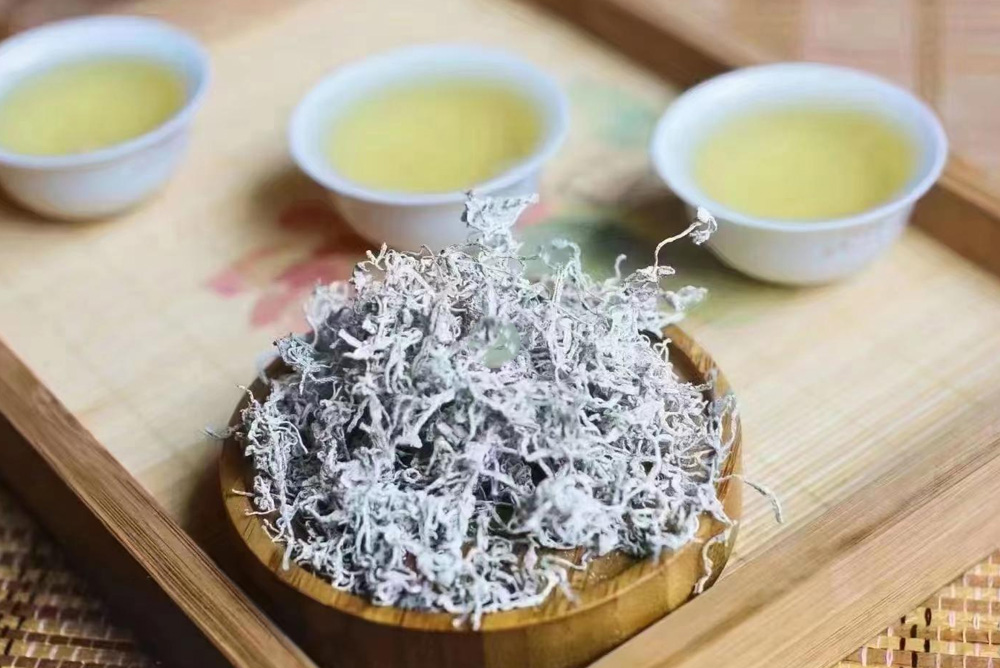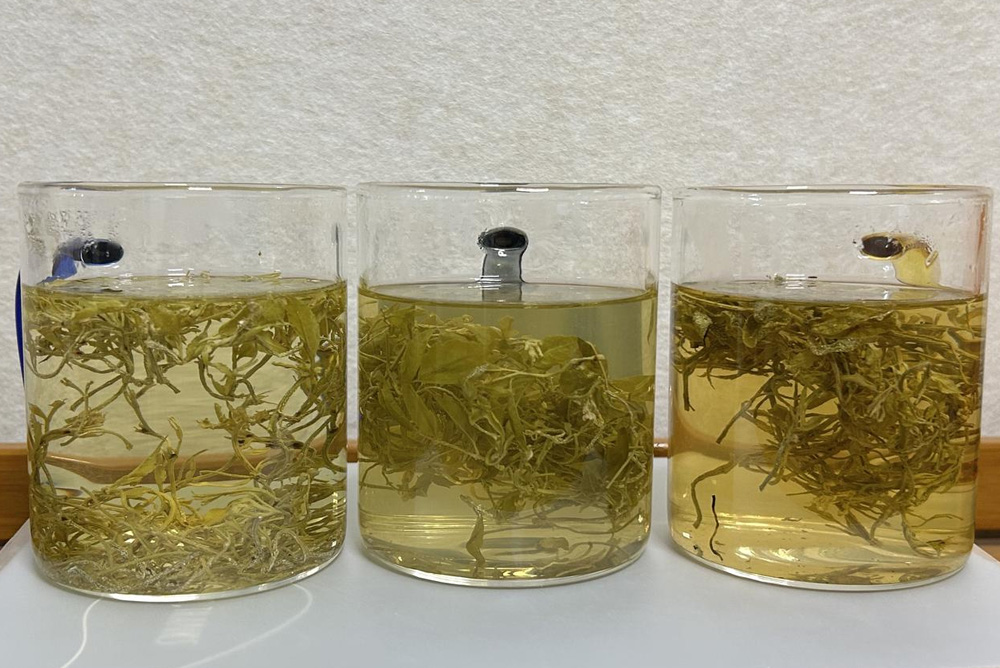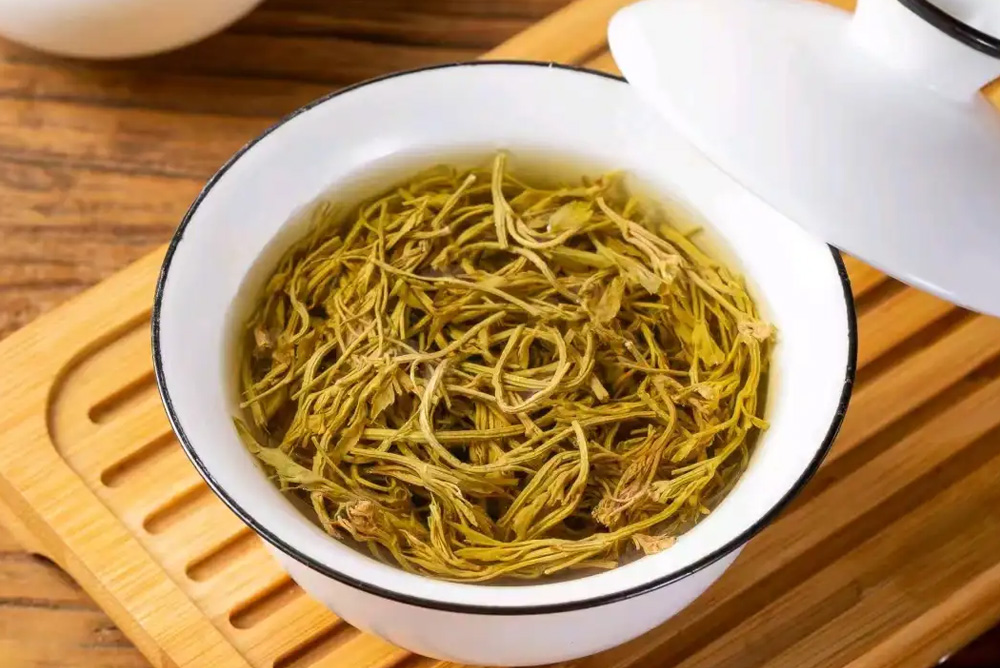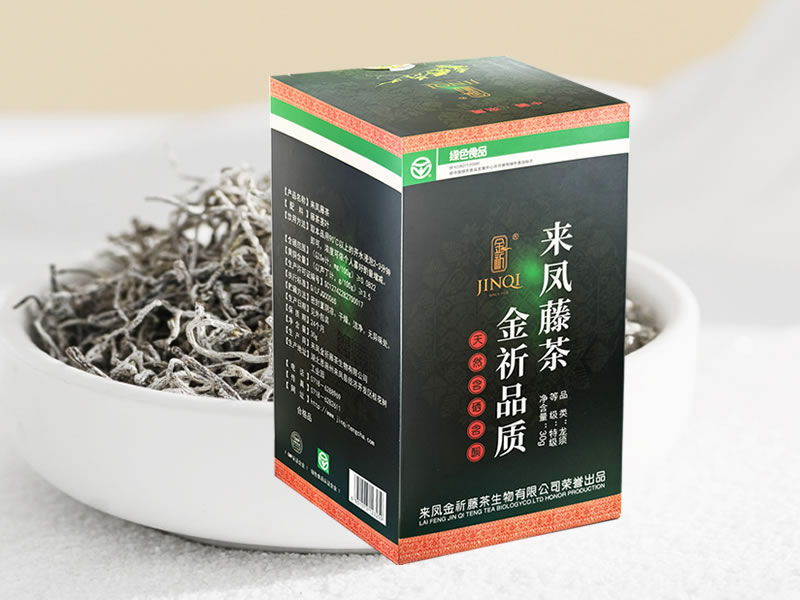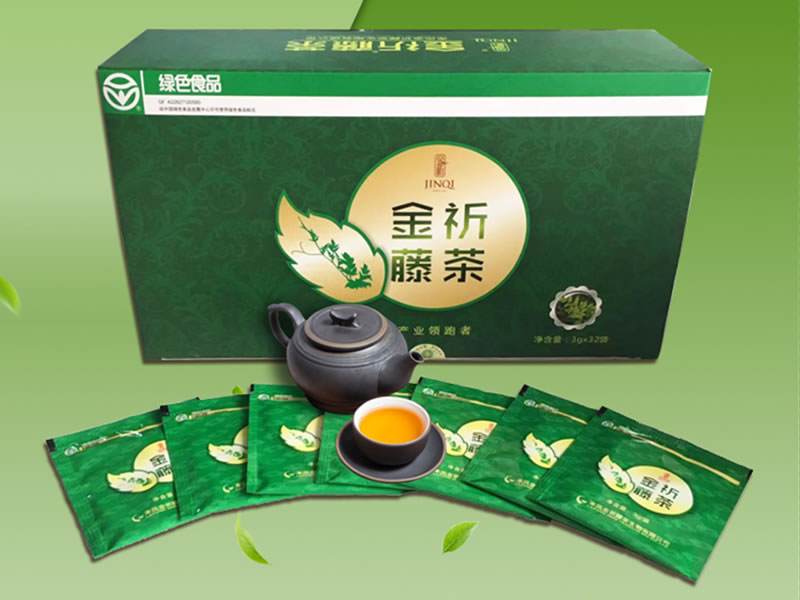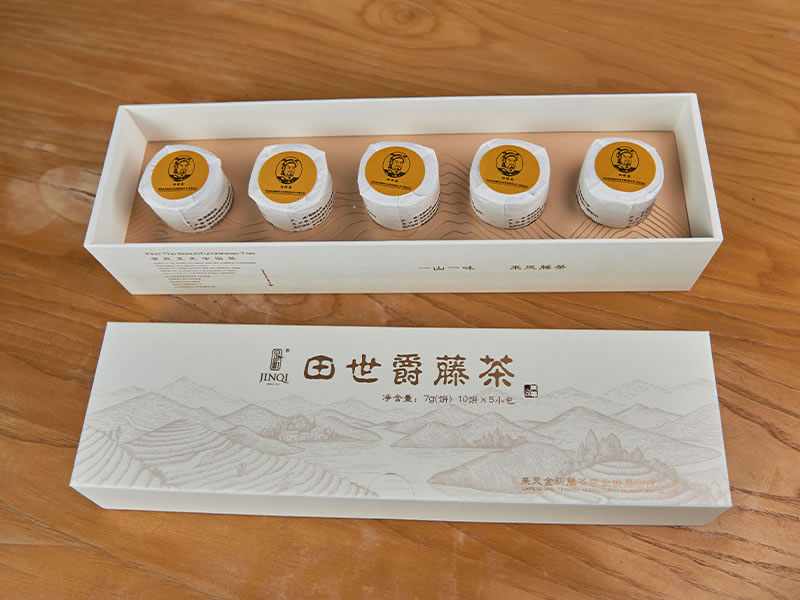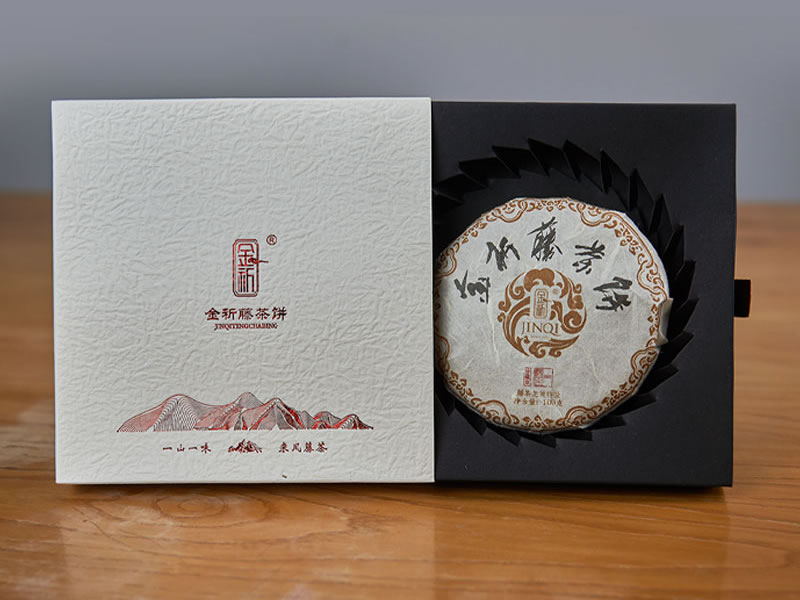
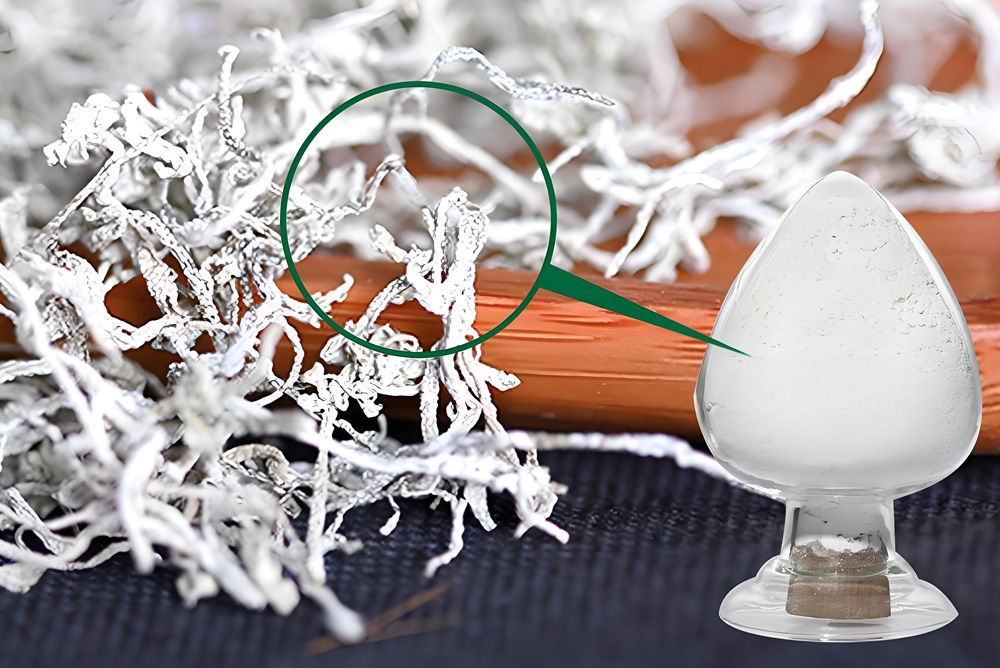
Vine tea, also known as Ampelopsis grossedentata, is famous for its exceptionally high flavonoid content—earning it the title “King of Flavonoids” among all plants discovered so far. Premium Maoyan vine tea can contain up to 37.81% total flavonoids, with dihydromyricetin—one of its most active compounds—reaching as high as 30.6%. In addition, it contains 17 essential amino acids and 14 trace minerals, including potassium, calcium, iron, zinc, and selenium.
But what exactly are flavonoids, and why are they so beneficial? Let’s break it down.
1. What Are Flavonoids and Dihydromyricetin?
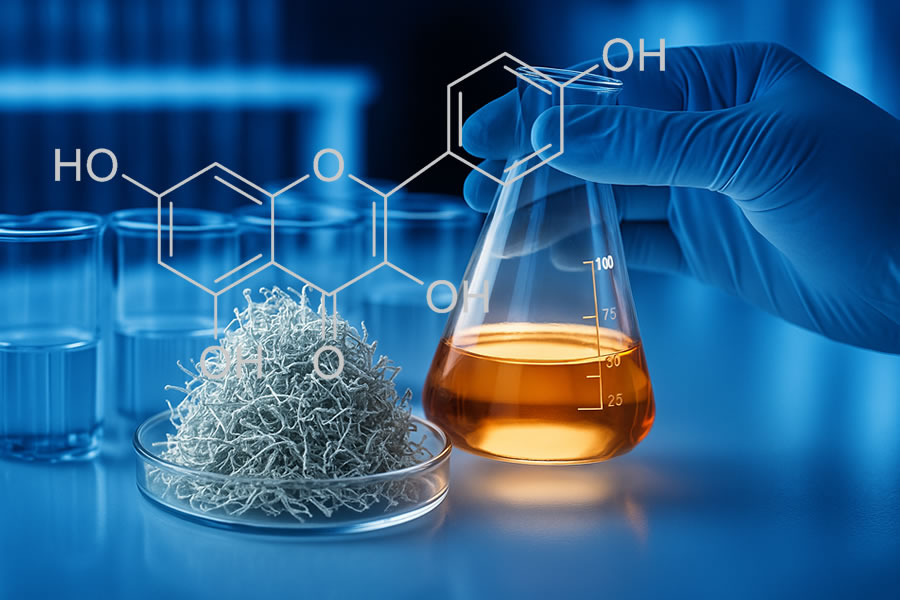
Flavonoids are a large group of plant-based compounds with strong antioxidant properties. Their structure consists of two phenol rings connected by a three-carbon bridge, often bonded with various functional groups like hydroxyl or methoxy.
Dihydromyricetin is a unique type of flavonoid primarily found in vine tea, extracted from woody vines in the grape family. Beyond the typical benefits of flavonoids—such as reducing free radicals, fighting inflammation, preventing blood clots, and protecting cells—dihydromyricetin is especially well-known for:
-
Helping detoxify alcohol and prevent hangovers.
-
Protecting the liver and reducing the risk of alcoholic and fatty liver disease.
-
Slowing the progression of liver cell damage and lowering liver cancer risk.
2. Key Health Benefits of Flavonoids in Vine Tea
Powerful Anti-Aging Effects
Flavonoids are potent antioxidants that neutralize oxygen free radicals, preventing oxidative damage to cells. Their antioxidant power can be over ten times stronger than vitamin E, helping delay cell aging and reduce cancer risk.
Cardiovascular Support
Flavonoids improve blood circulation, reduce cholesterol, and contain natural anti-coagulation agents that help lower the risk of heart and brain diseases. They also help relieve symptoms in people already dealing with cardiovascular conditions.
Anti-Inflammatory and Healing Properties
Flavonoids can suppress inflammatory enzymes, speed up wound healing, reduce pain, and relieve allergic reactions thanks to their strong anti-histamine effects.
3. Why Vine Tea Is Exceptional
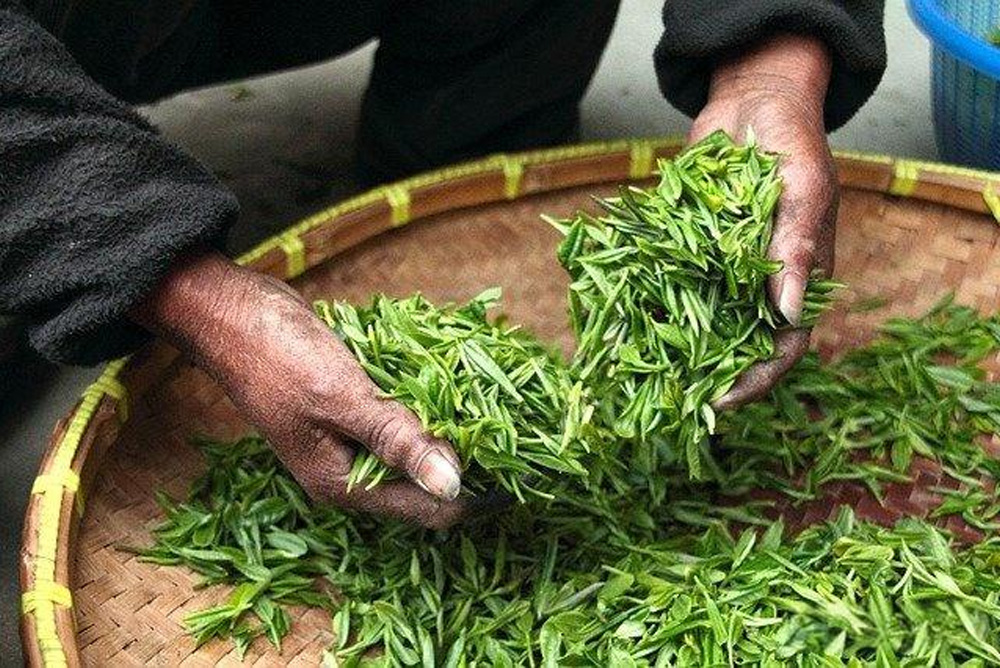
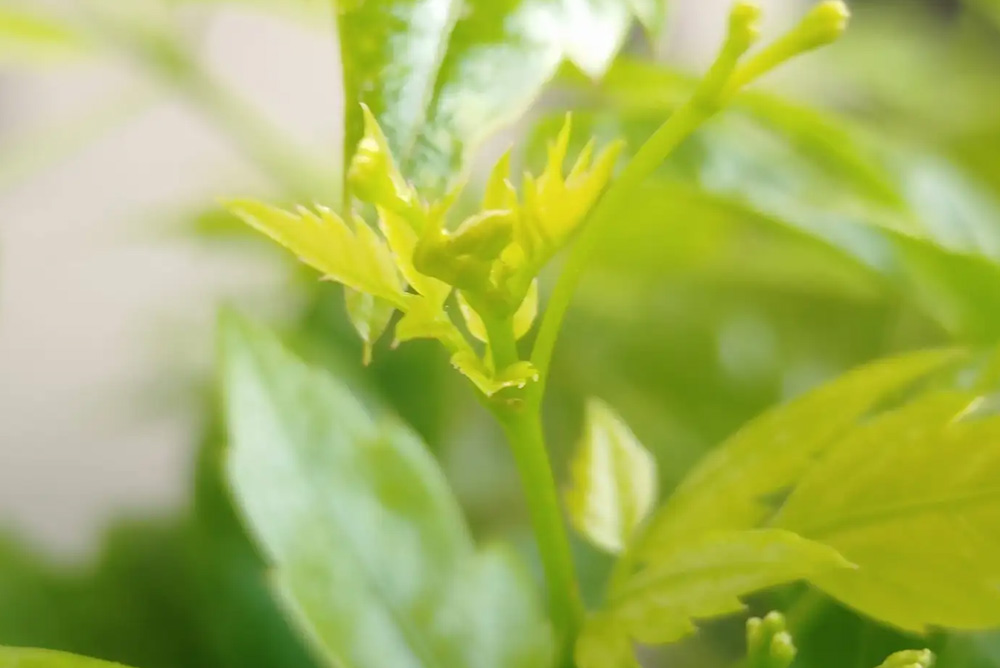
While many plants contain flavonoids, Ampelopsis grossedentata holds the highest concentration known in nature—especially in its young buds and tender leaves. This makes vine tea not only a soothing daily drink but also a functional health supplement that supports long-term wellness.
Final Thoughts
Flavonoids, especially dihydromyricetin, make vine tea a rare herbal treasure with wide-ranging health benefits—from liver protection to heart health, anti-aging, and inflammation control.
At JINQI Vine Tea Co., Ltd., we ensure that every batch of vine tea is grown in the pure environment of Laifeng County, processed under GMP-certified standards, and rich in its natural flavonoids for maximum health impact.
Experience the King of Flavonoids.
Explore our premium vine tea collection and bring authentic Ampelopsis grossedentata to your customers or your own daily routine.
FAQs
1. Why is vine tea called the “King of Flavonoids”?
Because it has the highest flavonoid content found in any plant, reaching up to 37.81%.
2. What is dihydromyricetin in vine tea?
It’s a special flavonoid with antioxidant, liver-protective, and anti-inflammatory properties.
3. Can drinking vine tea improve heart health?
Yes. Its flavonoids can improve blood circulation, lower cholesterol, and reduce cardiovascular risks.