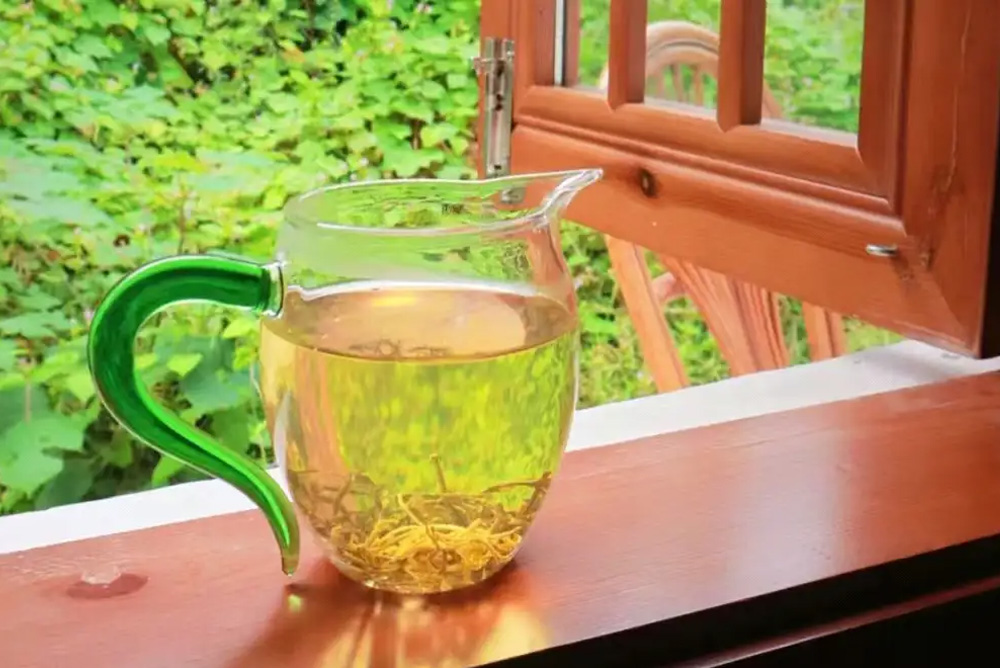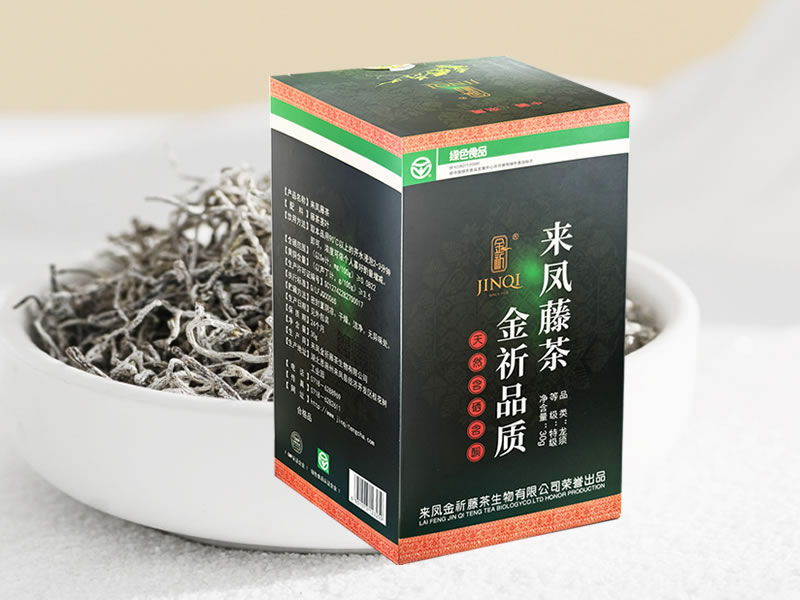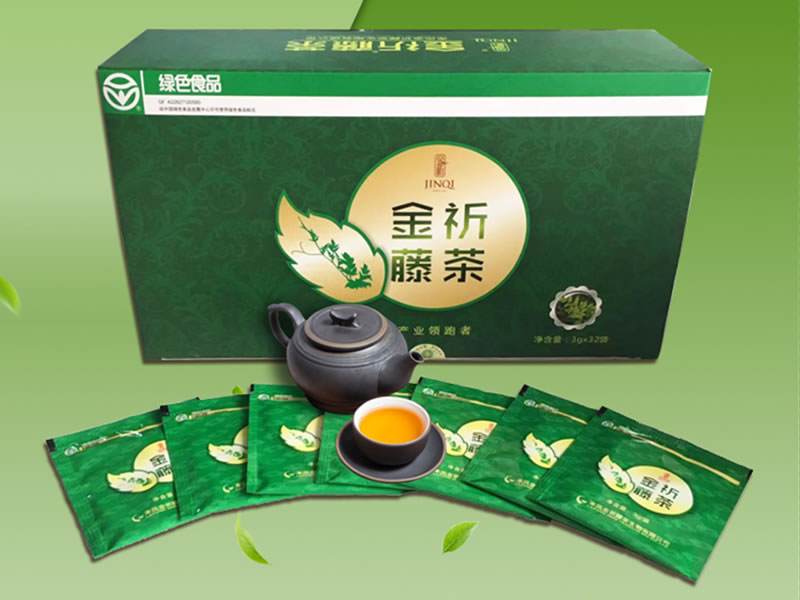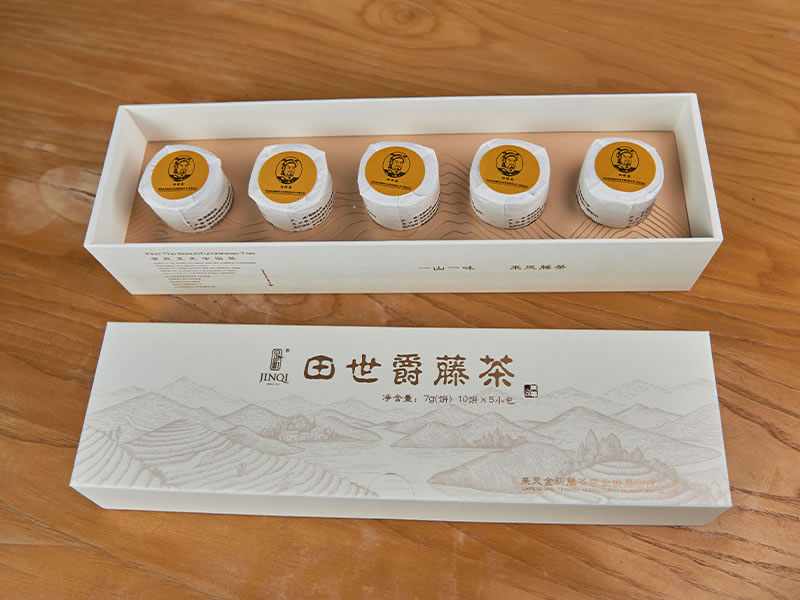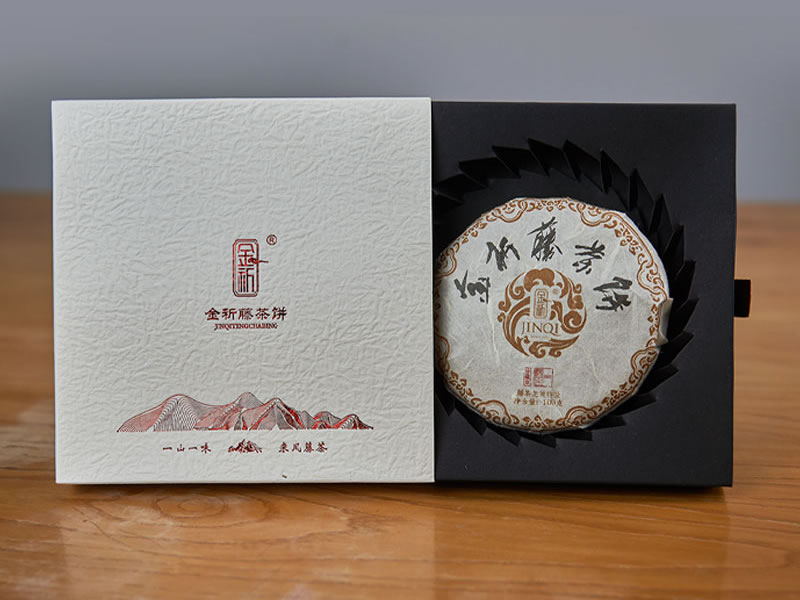
Vine tea, scientifically known as Ampelopsis grossedentata, isn’t just another herbal brew — it’s a centuries-old treasure rooted in China’s mountainous heartlands. At JINQI Vine Tea Co., we’ve been perfecting this craft for over 20 years, combining the wisdom of tradition with the precision of modern GMP-certified production.
From the high-altitude forests of Laifeng County to the moment you take your first sip, every step in our process is designed to protect the tea’s natural richness — especially its exceptionally high flavonoid content, which is linked to a wide range of health benefits. Let’s take a behind-the-scenes journey through how our vine tea goes from garden to cup.
1. Origin Matters: Laifeng’s Ancient Tea Gardens
Our story starts in Laifeng County, a region where nature has been at work for more than 380 million years. The soil is rich in geological minerals, the air is free from heavy metal pollution, and the winters deposit nutrient-rich sediment into the land.
Perched above the clouds, our 2,000+ acres of self-owned tea gardens enjoy year-round mist and soft sunlight — the perfect environment for nurturing healthy vine tea plants. This rare microclimate helps the leaves develop a delicate aroma and high levels of beneficial compounds.
2. Wild-Style Organic Farming
We grow vine tea just as nature intended — no pesticides, no synthetic fertilizers. Instead, we use rapeseed cake fertilizer, a natural, nutrient-rich option, and control weeds by hand.
Why do we do this? Because protecting the land means protecting the tea, and ultimately, the people who drink it. Every leaf that reaches your cup is free from harmful chemicals, making it safer and healthier.
3. Hand-Picked Morning Harvests
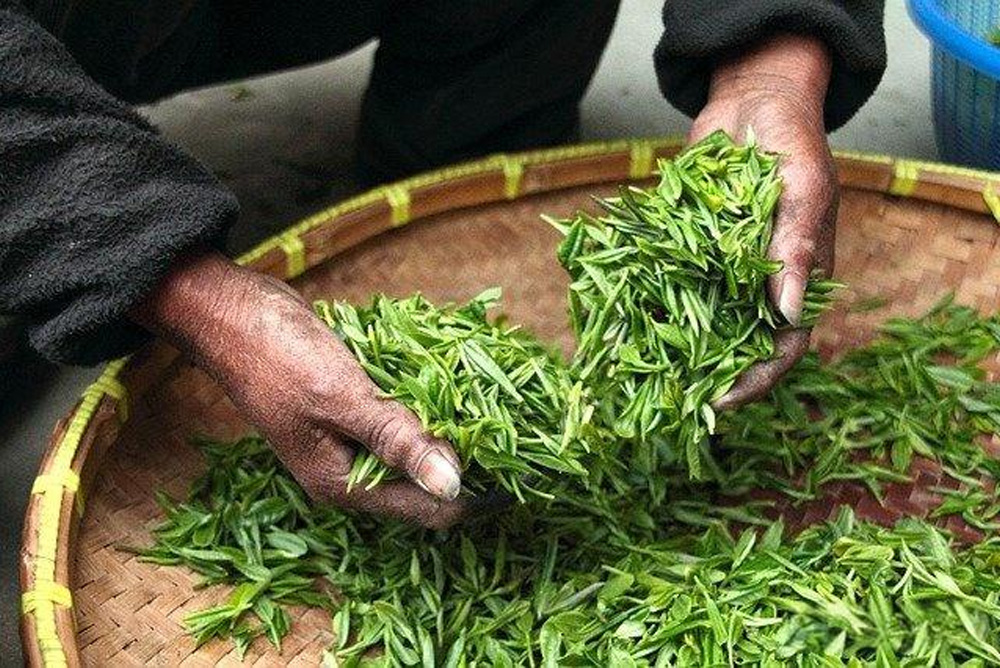
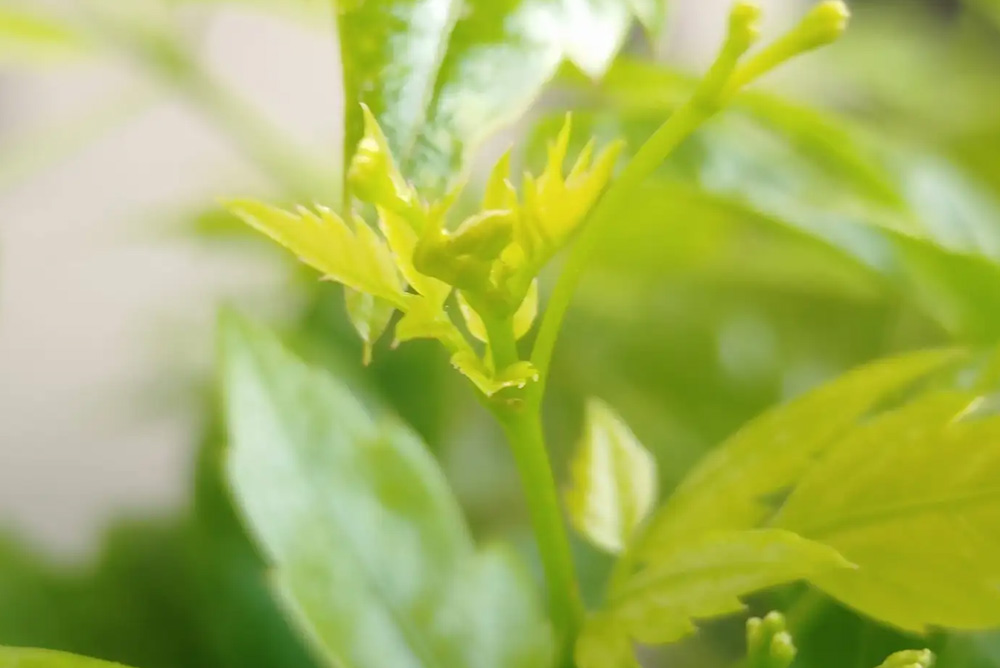
Only the youngest and most tender vine tips make the cut. Our harvest takes place early in the morning, when the leaves are at their freshest.
Each vine tip is carefully measured — between 6 to 12 cm in length — ensuring premium quality. Because these buds are so rare, one acre yields just around 125 kg of fresh tips per season. It’s slow work, but the flavor and nutritional value are unmatched.
4. From Field to Factory — Without Touching the Ground
Once picked, the tea leaves are transferred straight from bamboo baskets onto conveyor belts for the first sorting. This “no-ground” policy keeps the leaves clean and minimizes any chance of contamination.
5. Microwave Fixation: Locking in Flavor & Nutrients
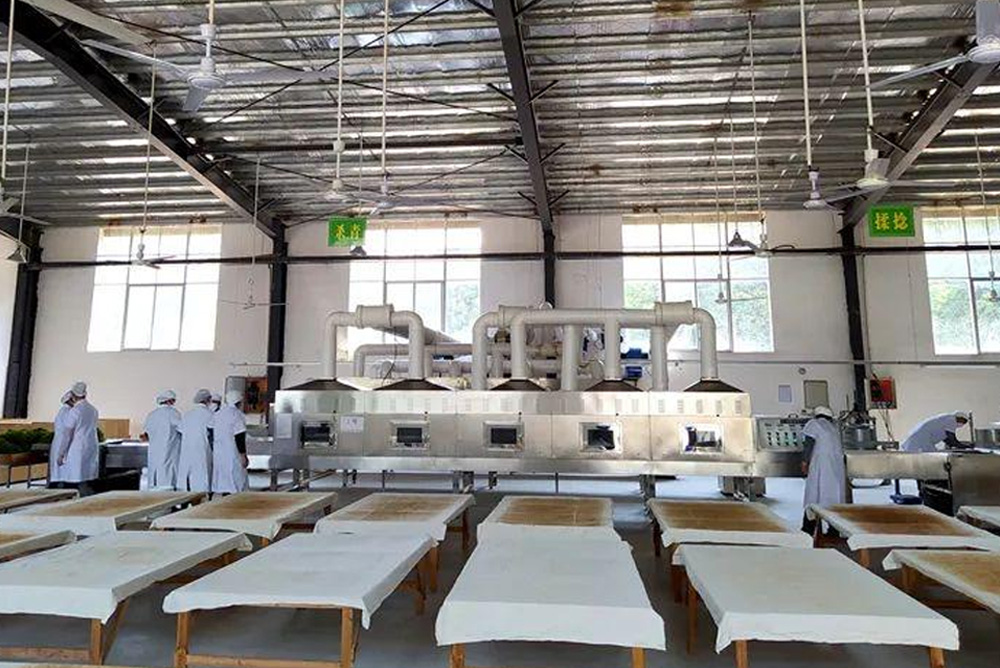
Traditional fixation methods can sometimes cause nutrient loss, but our constant-temperature microwave fixation technology stops oxidation instantly while preserving the tea’s natural flavor and aroma.
It also eliminates bacteria, ensuring that each batch meets our strict GMP quality standards. JINQI is currently the only vine tea company to use such a standardized production method for Ampelopsis grossedentata.
6. Sunlight Greenhouses for Natural Drying
After fixation, the tea is laid out in sunlight drying houses — an upgraded version of traditional open-air drying.
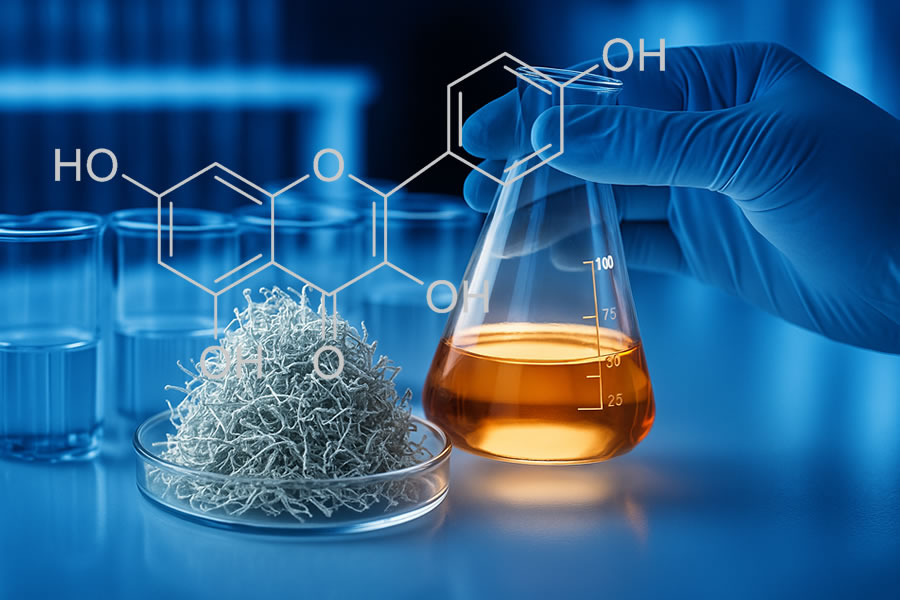
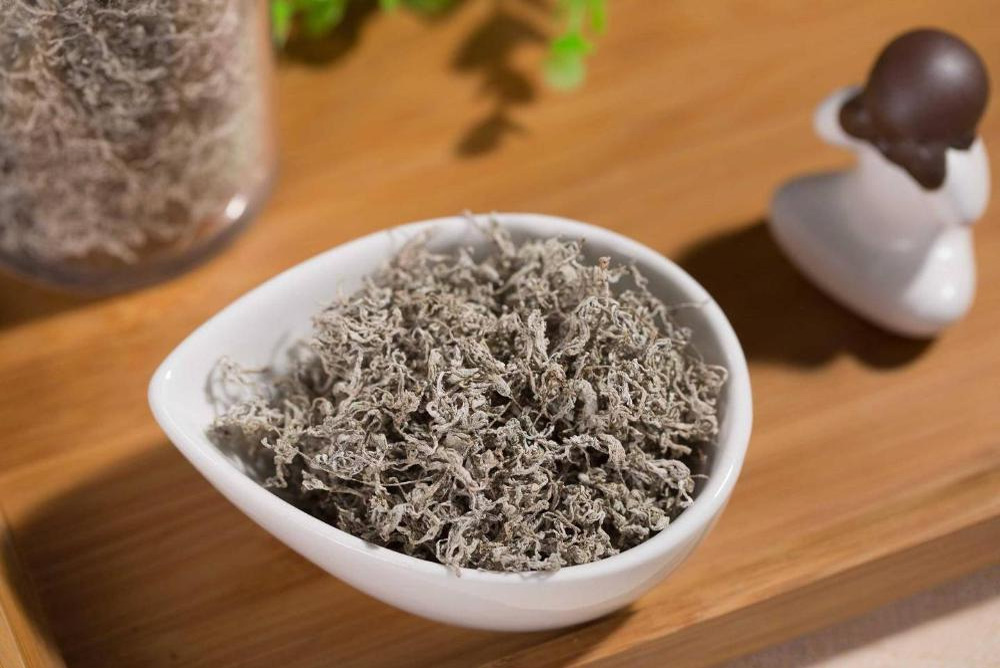
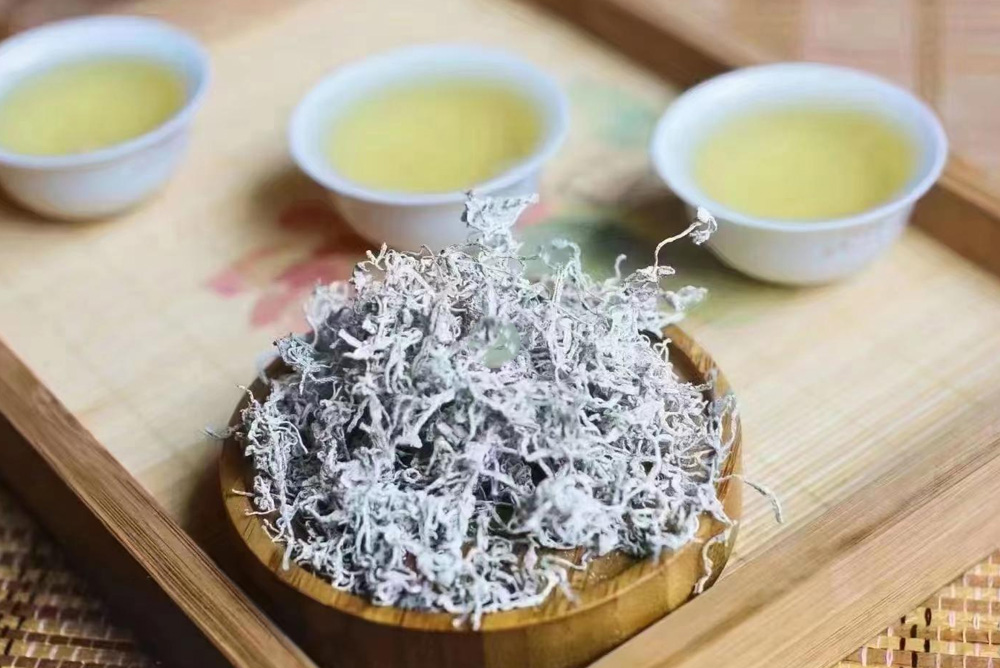
Here’s where the magic happens: during slow drying, a white natural plant enzyme called dihydromyricetin (a type of flavonoid) appears on the surface. This is the hallmark of high-quality vine tea, and its intensity depends on the amount of sunlight the leaves receive.
Our drying houses let in plenty of light but keep out dust and airborne particles. We invested over 3 million RMB in these facilities to ensure hygiene without compromising tradition.
7. Why There Are “Stems” in Your Tea
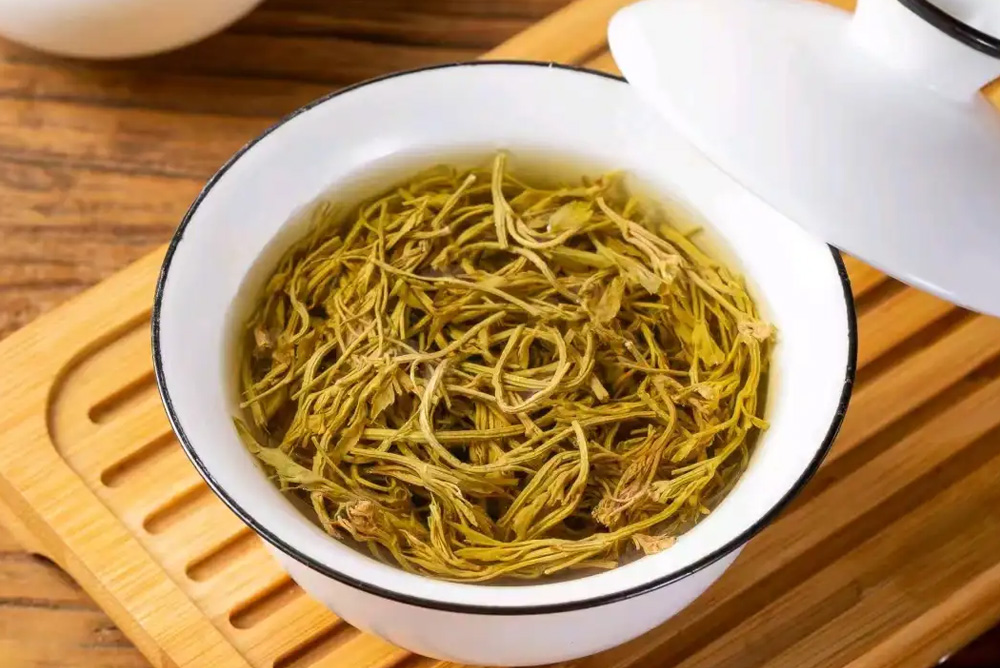
Some people notice small “stems” in their vine tea and wonder if it’s a flaw. The truth? Those are actually the vine tips — the part of the plant richest in flavonoids.
Because Ampelopsis grossedentata is a vine plant, we harvest mainly from the growing tips, which naturally contain more stem-like structures. When brewed, they release a smooth, slightly sweet taste along with maximum nutritional benefits.
The Value Behind the Price
Yes, premium vine tea costs more — but here’s why. From organic cultivation and manual weeding to early-morning harvesting and advanced nutrient-preserving technology, every step is labor-intensive and quality-focused.
We don’t cut corners because we believe tea should be as pure and health-giving as nature intended.
Brewing Tips for the Perfect Cup
To truly enjoy vine tea’s delicate flavor and health benefits:
-
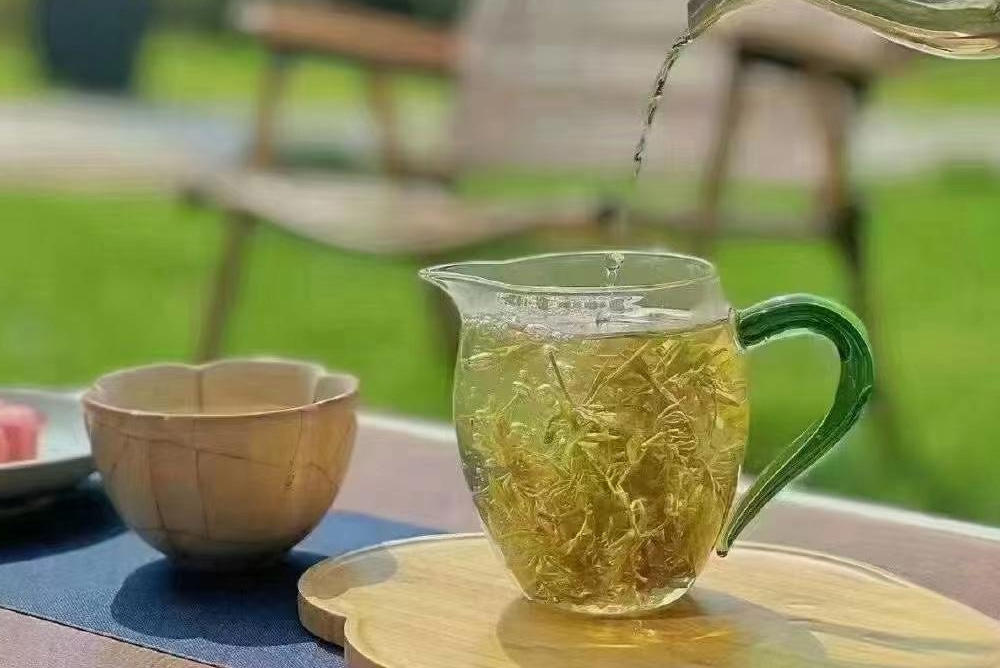
Water Temperature: Use water around 85–90°C (185–194°F).
-
Steeping Time: Brew for 3–5 minutes for the first infusion; extend for later steeps.
-
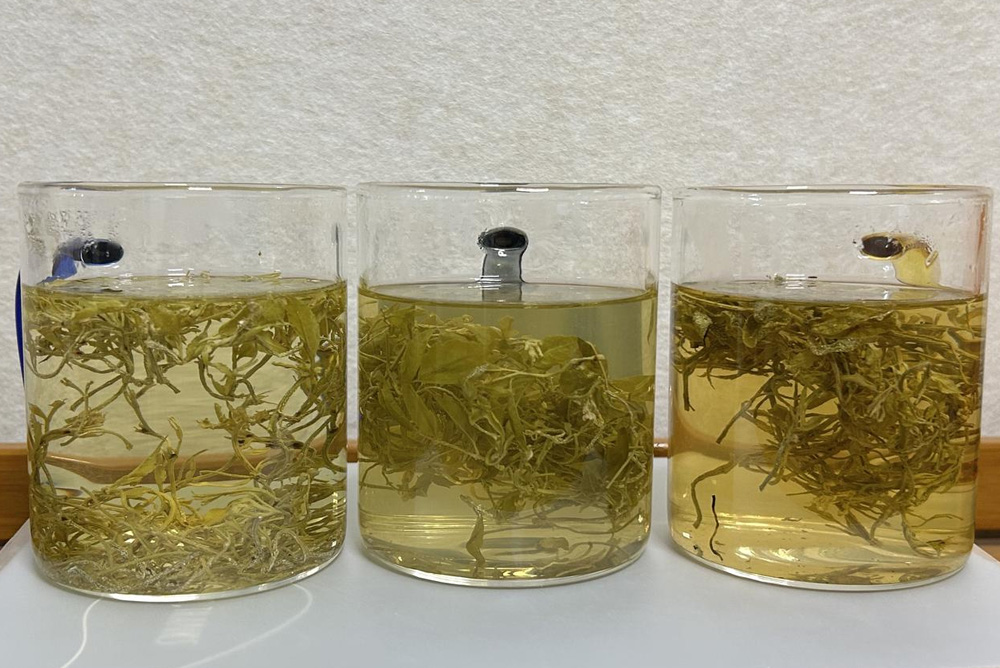
Multiple Infusions: High-quality vine tea can be brewed 3–5 times without losing flavor.
Health Benefits in Every Sip
Vine tea (Ampelopsis grossedentata) is celebrated for its high flavonoid content — especially dihydromyricetin — which has been linked to:
-
Supporting liver health
-
Reducing oxidative stress
-
Promoting healthy blood sugar levels
-
Encouraging cardiovascular wellness
Final Thoughts — From Our Mountains to Your Teacup
From the lush forests of Laifeng to your table, JINQI’s vine tea is a celebration of authenticity, quality, and sustainability. Every batch reflects our mission: to share the natural goodness of Ampelopsis grossedentata with the world.
If you’re a tea buyer, wellness retailer, or simply someone who values purity in every sip, connect with us to explore our full range of vine tea products.
FAQs
1. What is the difference between vine tea and regular green tea?
Vine tea comes from the Ampelopsis grossedentata plant, not the Camellia sinensis tea plant, and contains much higher levels of certain flavonoids.
2. Does vine tea contain caffeine?
No. Vine tea is naturally caffeine-free, making it suitable for any time of day.
3. Why does high-quality vine tea have a white coating?
That’s dihydromyricetin — a natural flavonoid that appears during drying and is a sign of nutrient-rich tea.