If you’re new to vine tea (Ampelopsis grossedentata), navigating the market can be tricky. Misleading claims and confusing questions often lead buyers astray. Here’s what you need to know to avoid common pitfalls and select high-quality vine tea.
Flavonoid Content: Don’t Believe the Exaggerated Claims
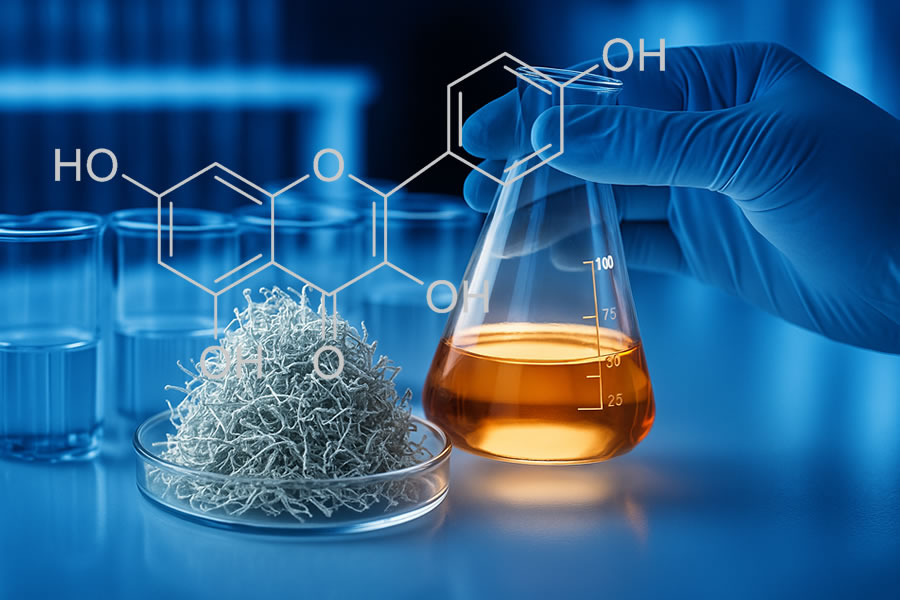
A common question buyers ask is whether vine tea contains 60% or 70% flavonoids. In reality, such claims are usually inflated and can signal unreliable sellers or counterfeit products. According to official research from Zhangjiajie, the highest total flavonoid content in tender vine tea shoots is about 44%, with normal levels closer to 26%. Genuine vine tea’s flavonoid content is naturally rich but doesn’t reach those exaggerated percentages.
Origin Matters: Understanding the Best Vine Tea Regions
Many buyers ask if the vine tea is from Luotaping Township, the well-known core production area. While Luotaping is famous, it actually includes many smaller villages. Among them, Changshou Village stands out for the highest quality, with superior flavonoid content and a pleasant sweet aftertaste. Choosing vine tea from this specific area ensures premium flavor and benefits.
The Truth About White Frost on Vine Tea Leaves
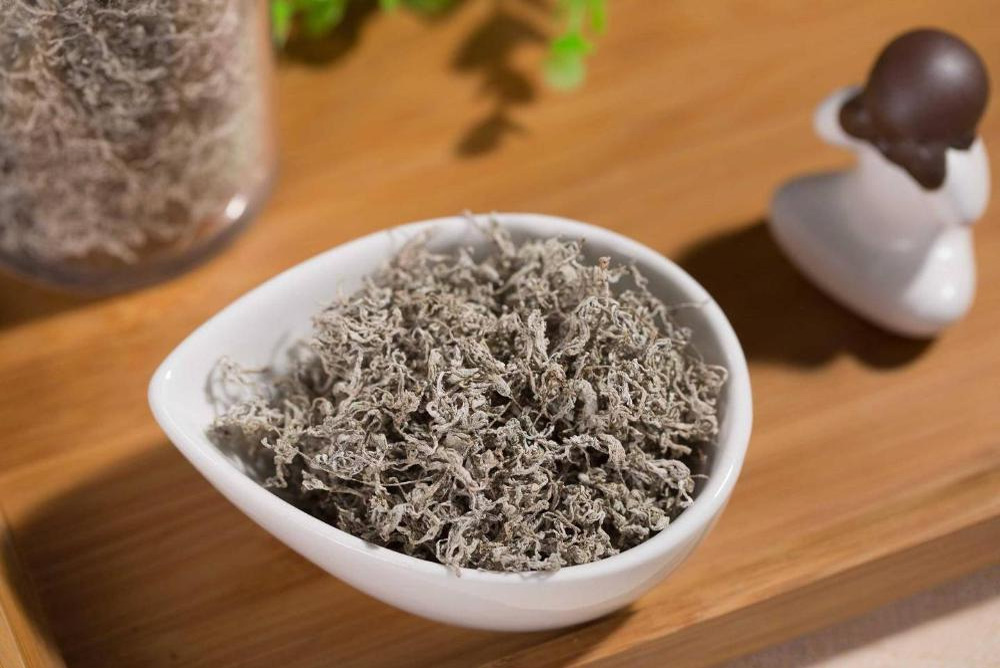
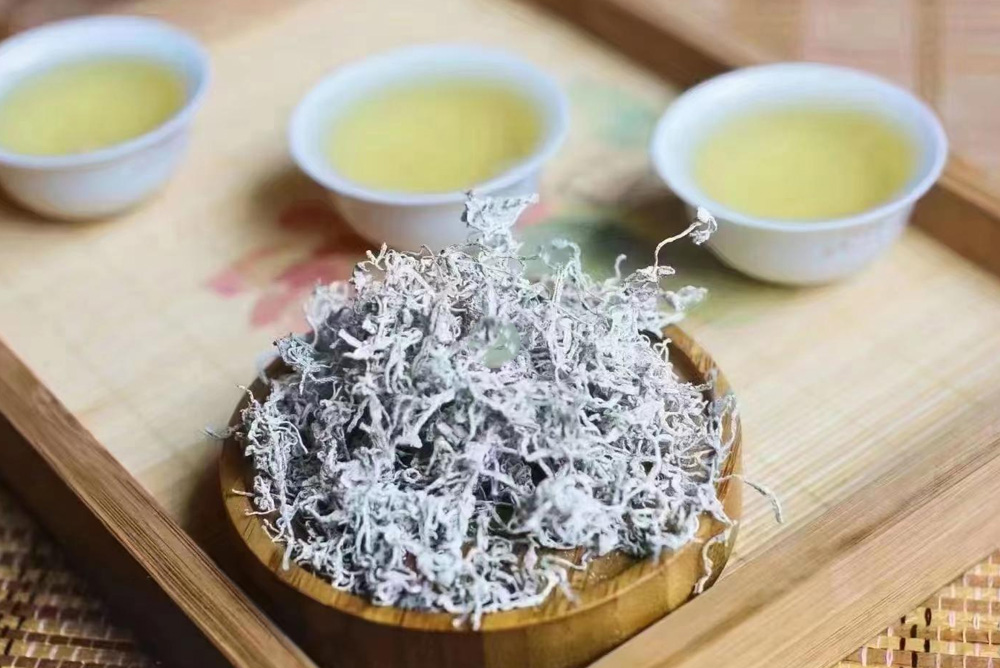
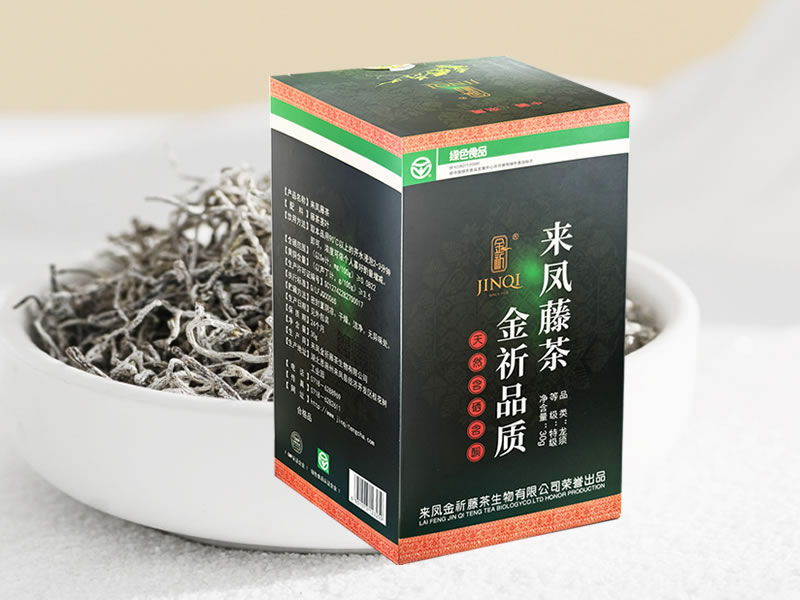
Some buyers believe that the whiter the “frost” on vine tea leaves, the better the quality. However, truly high-quality vine tea usually has a silvery or off-white frost, not a pure white coating. If the frost looks overly bright or pure white, be cautious—it might indicate inferior or treated leaves rather than authentic quality.
What Is “Longxu Ya Jian” Vine Tea?
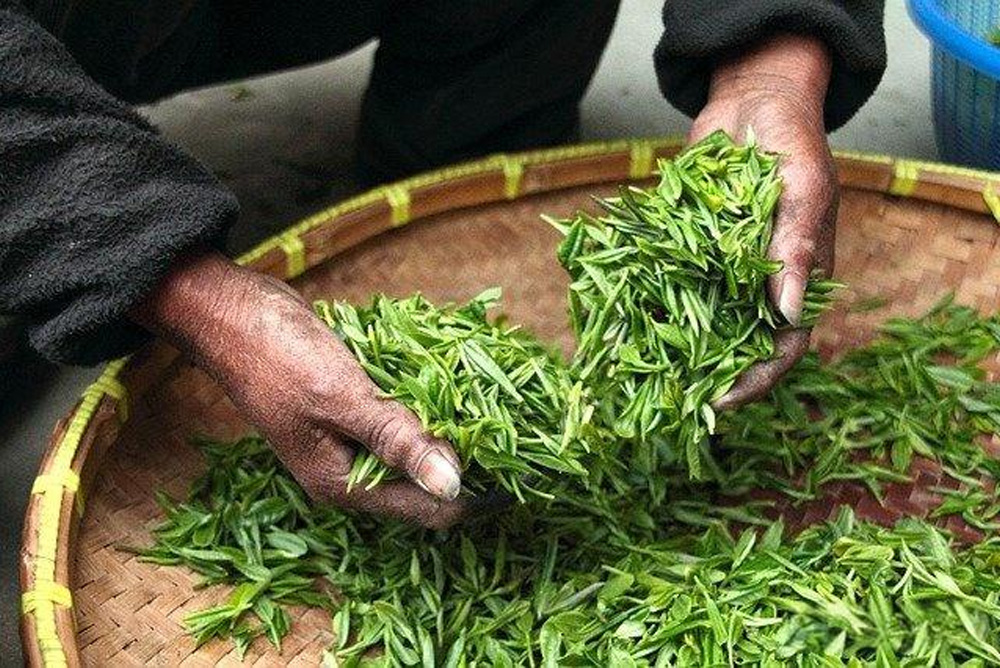
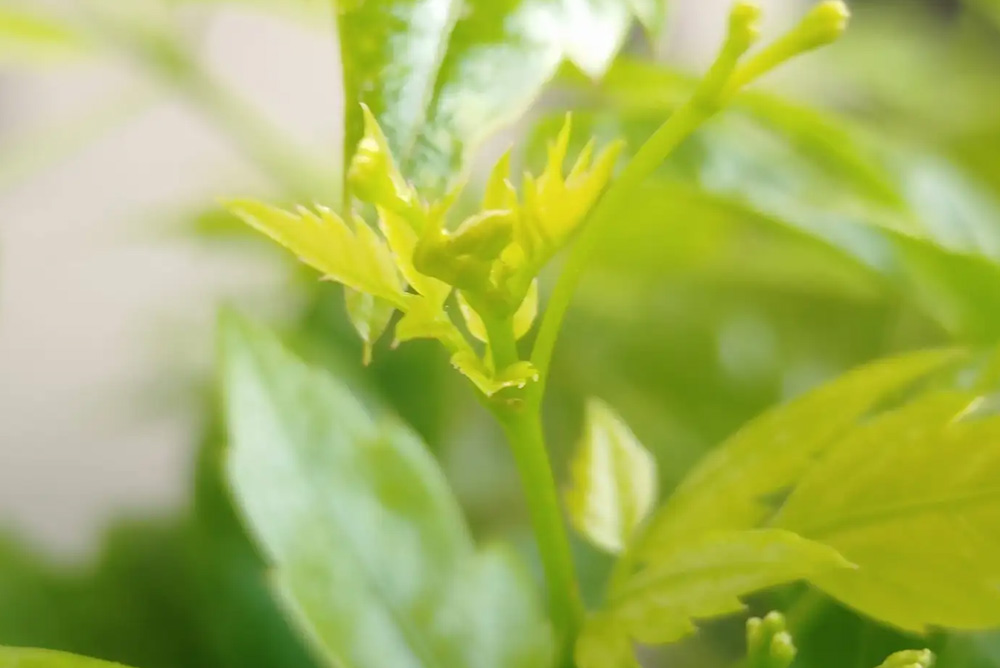
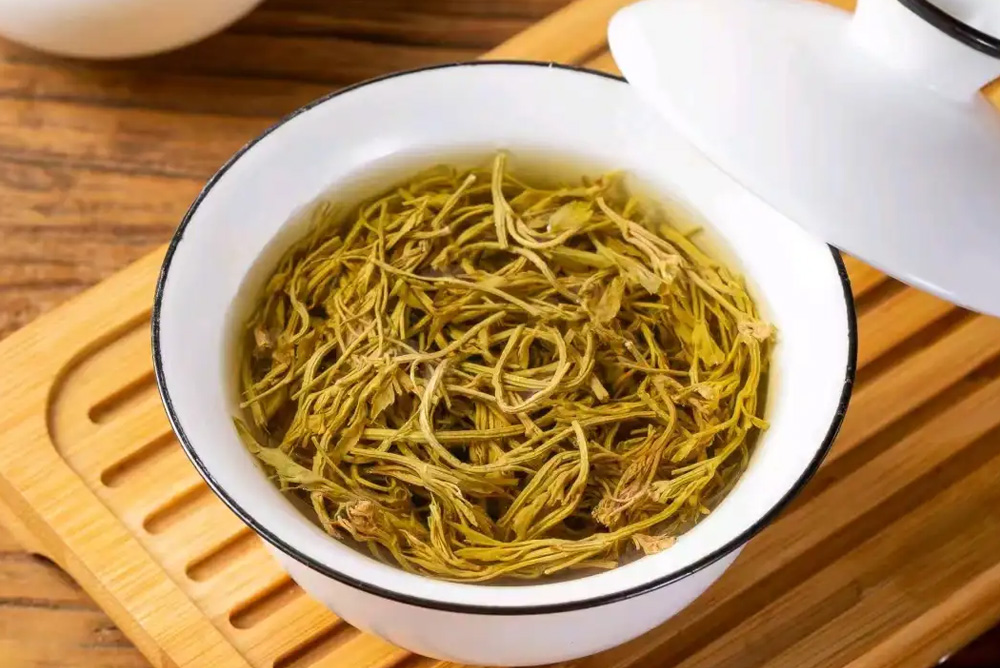
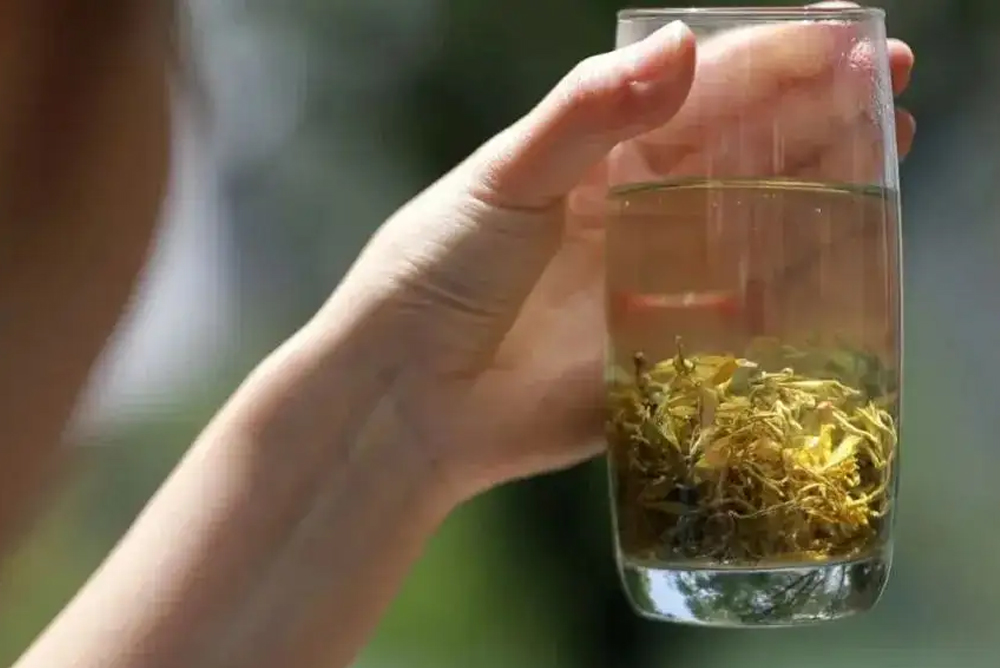
“Longxu Ya Jian” refers to the length of freshly picked vine tea shoots, not the picking season. Because vine tea plants have special characteristics, tea made from only the very tip buds tends to look poor in quality. Therefore, the highest grade vine tea typically includes shoots harvested from the top buds down to about 3–5 centimeters, sometimes up to 6–8 centimeters. This “Longxu Ya Jian” or “dragon whisker bud” tea is the premium grade you’ll find on the market.
Conclusion: Choose Authentic Vine Tea with Confidence
Understanding these key points about vine tea (Ampelopsis grossedentata) helps you avoid misleading claims and pick the best quality product. At JINQI Vine Tea Co., Ltd., we have over 20 years of experience producing authentic, high-flavonoid vine tea from Laifeng County, ensuring every batch meets strict quality standards. Ready to explore premium vine tea products? Contact us to learn more about our offerings and join the global community of health-conscious vine tea enthusiasts.