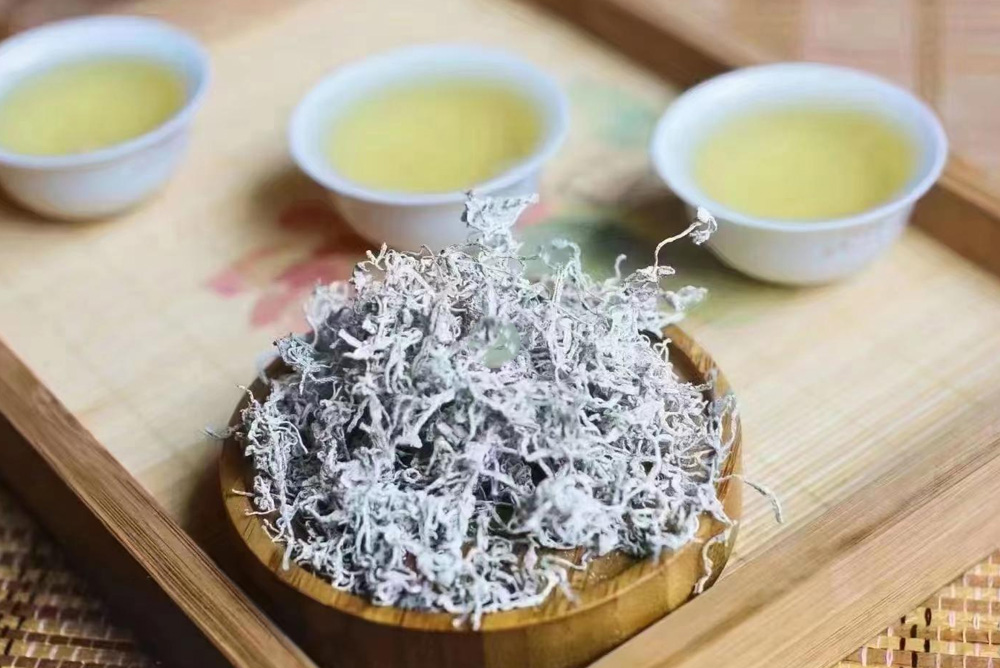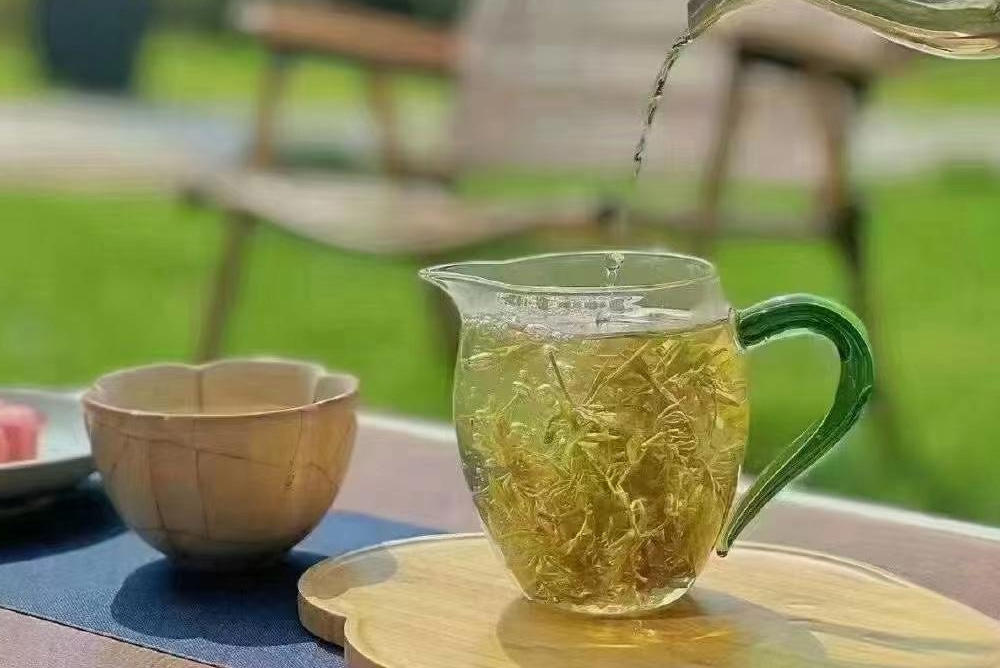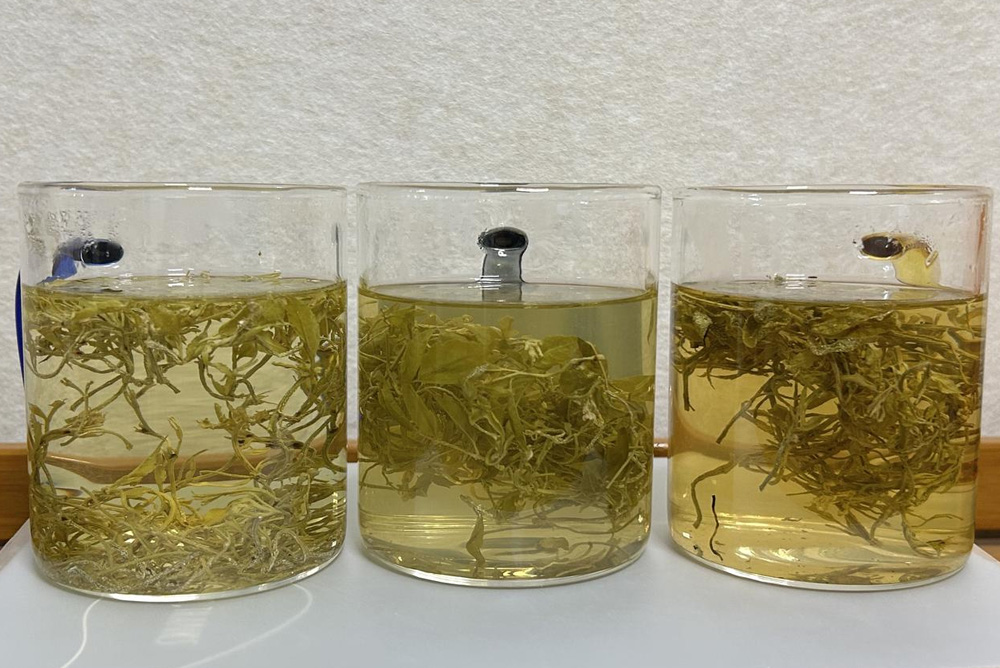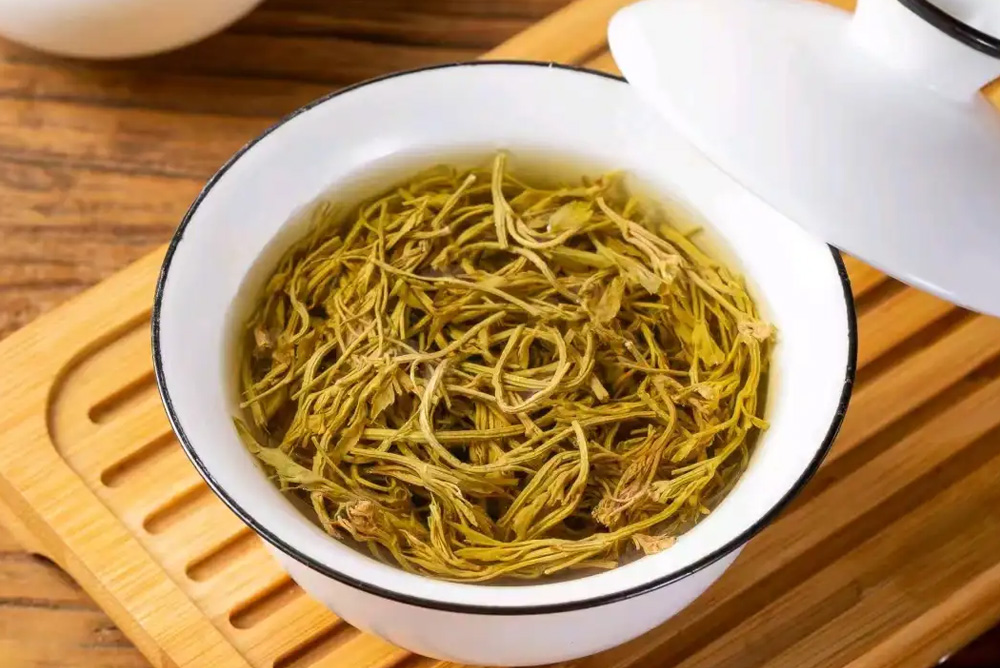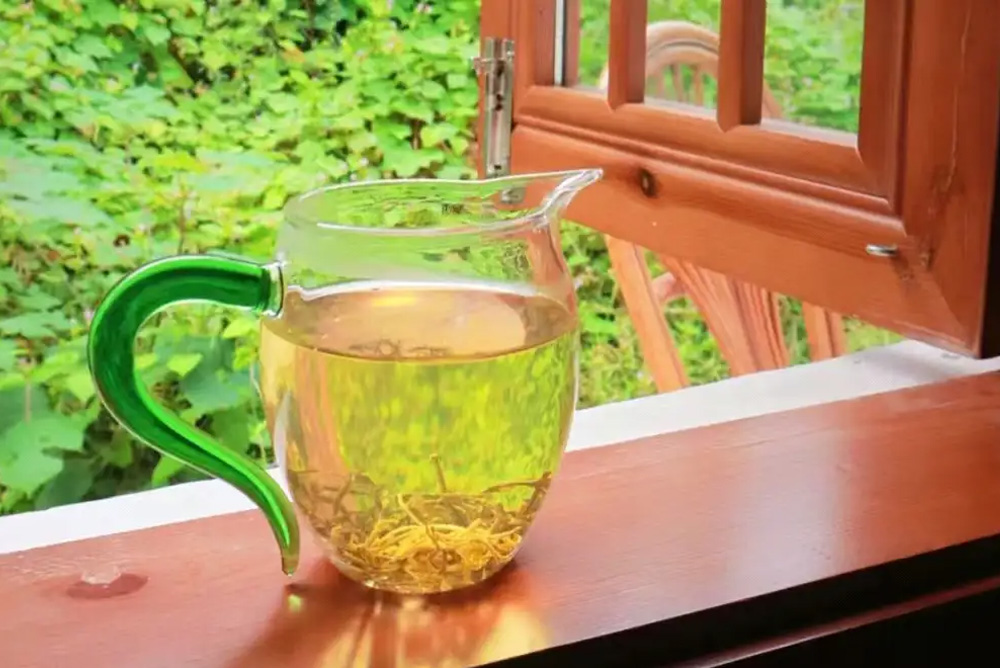
Vine tea, scientifically known as Ampelopsis grossedentata, is prized for its rich flavonoid content and health-boosting properties. But like any natural product, it doesn’t last forever. Many tea lovers wonder — if you’ve stored vine tea for three or four years, is it still safe and beneficial to drink?
In this guide, we’ll explain the shelf life of vine tea, how to store it correctly, and the risks of consuming it after it’s past its prime.
How Long Can Vine Tea Be Stored?
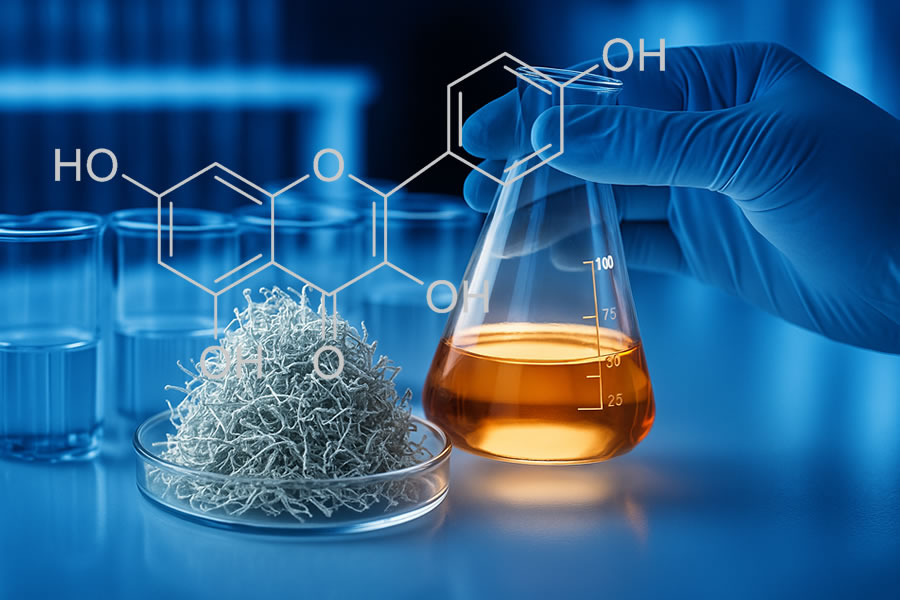
Vine tea is a naturally nutrient-rich herbal tea, containing high levels of flavonoids. When fresh and properly processed, it can help:
-
Support respiratory health and soothe the throat
-
Nourish the skin and promote a healthy complexion
-
Strengthen the immune system
-
Balance cholesterol and blood pressure
-
Promote relaxation and calmness
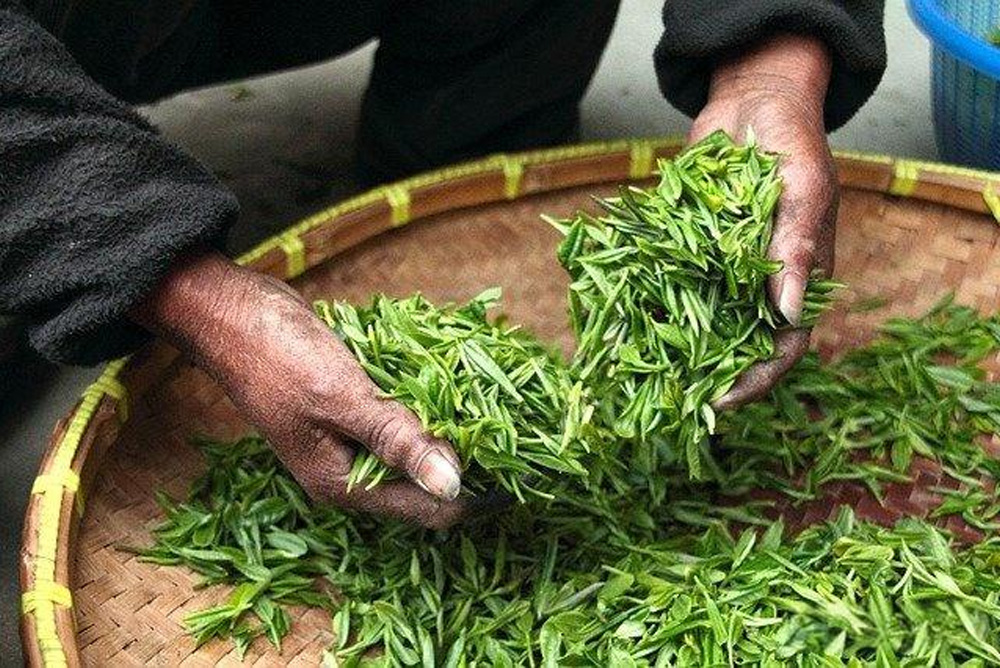
However, these benefits depend on freshness. Under normal conditions, the shelf life of vine tea is around 2 years. After that, the tea may begin to lose both flavor and nutritional potency.
What Happens After the Shelf Life?
If vine tea is stored for longer than two years — even up to three or four years — two main issues arise:
-
Loss of Nutrients – Flavonoid content decreases over time, reducing its health benefits.
-
Potential Spoilage – Prolonged storage, especially in warm or humid conditions, can lead to mold growth or contamination.
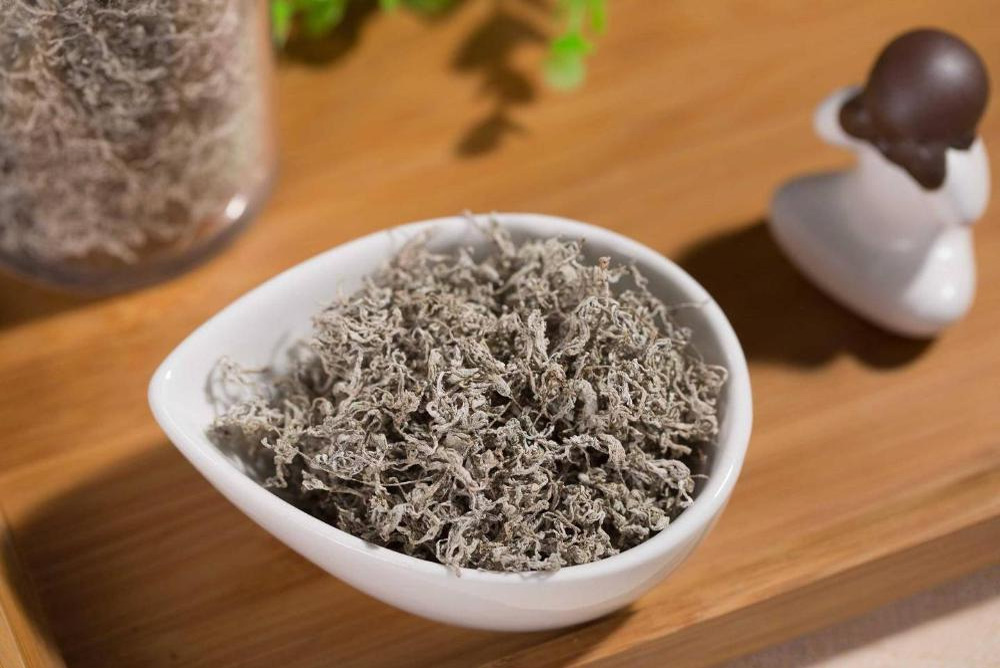
If the tea remains sealed, dry, and stored in a cool, ventilated place, it may still look and smell fine after 3–4 years. Technically, it can be brewed, but the flavor will be flatter and the health effects less pronounced.
Best Storage Practices for Vine Tea
To make the most of your Ampelopsis grossedentata, follow these storage tips:
-
Keep it airtight – Use sealed containers to prevent moisture absorption.
-
Store in a cool, dry place – Avoid sunlight and heat sources.
-
Limit air exposure – Open the container only when necessary to preserve aroma and freshness.
-
Avoid strong odors nearby – Vine tea can absorb smells from other foods or substances.
By following these steps, you can help your vine tea retain its flavor and quality for the full 2-year period.
Final Thoughts
Vine tea (Ampelopsis grossedentata) is a delicate herbal treasure with a relatively short shelf life of about two years. While it may still be safe to drink after three or four years if stored correctly, it’s best enjoyed fresh to experience its full flavor and health benefits.
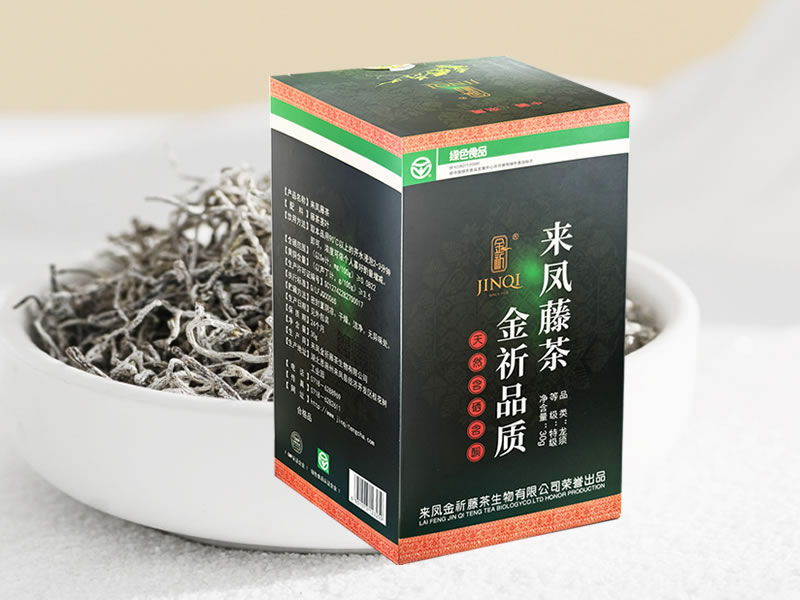
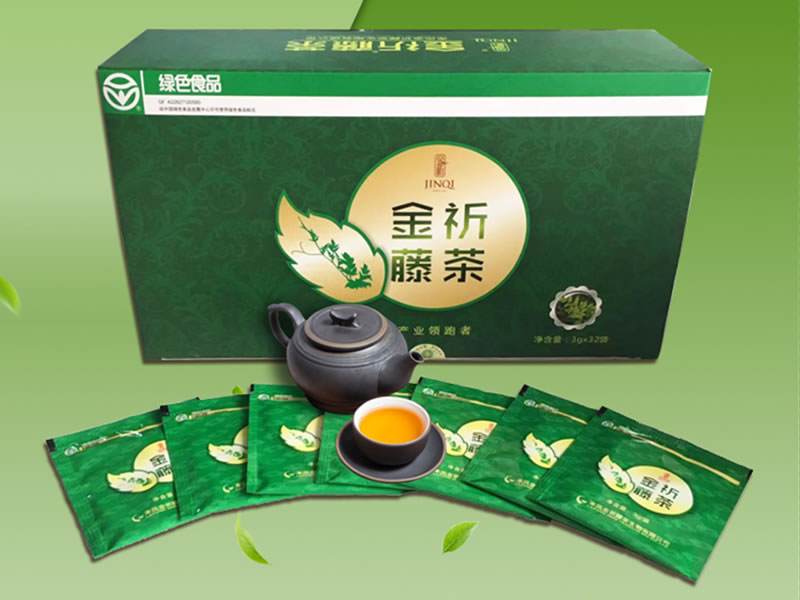
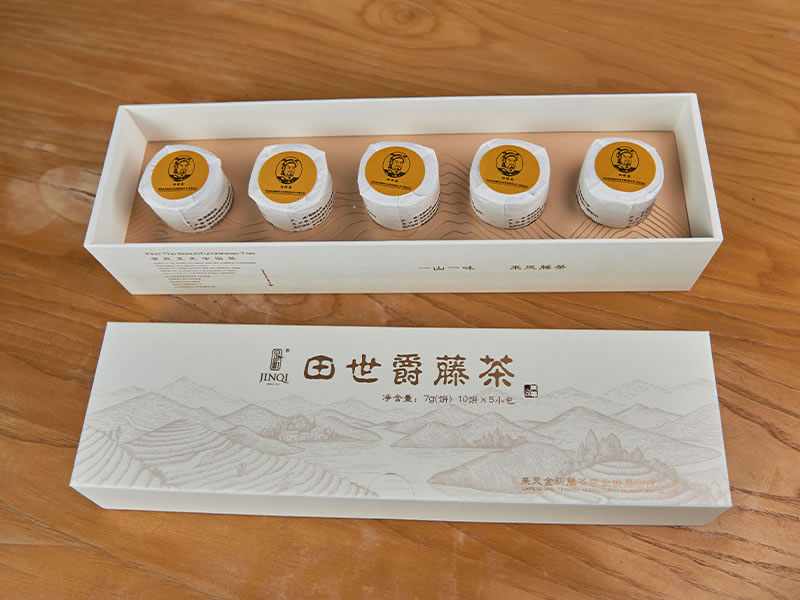
At JINQI Vine Tea Co., Ltd., we ensure every batch of vine tea is freshly harvested, GMP-certified, and packed for maximum freshness. Whether you’re a tea distributor, wellness retailer, or a health-conscious drinker, we’re here to deliver authentic vine tea from Laifeng County straight to you.
FAQs
Q: Can expired vine tea make you sick?
If it’s moldy or smells off, don’t drink it. While old tea may not always be harmful, it’s best to avoid anything past its safe storage period.
Q: How can I tell if vine tea has gone bad?
Look for signs of moisture, mold, or sour odors — all indicators it’s time to discard it.
Q: Is refrigeration necessary?
Not usually. Cool, dry, and dark storage is sufficient unless you live in a very humid climate.
Q: Does vine tea lose flavor over time?
Yes, vine tea naturally loses its aroma and taste as time passes. The delicate flavonoids and aromatic compounds that give Ampelopsis grossedentata its unique sweetness and refreshing aftertaste start to break down after the first year. By the two-year mark, you may notice a milder flavor, less fragrance, and a weaker brewing color. Proper storage — in an airtight, light-proof container kept in a cool, dry place — can slow this process, but even the best-stored vine tea can’t maintain its peak flavor indefinitely.
Q: Can I still brew vine tea after its best-before date?
If stored in a sealed, cool, and dry place, it can still be brewed, but the flavor and nutritional benefits will be reduced.