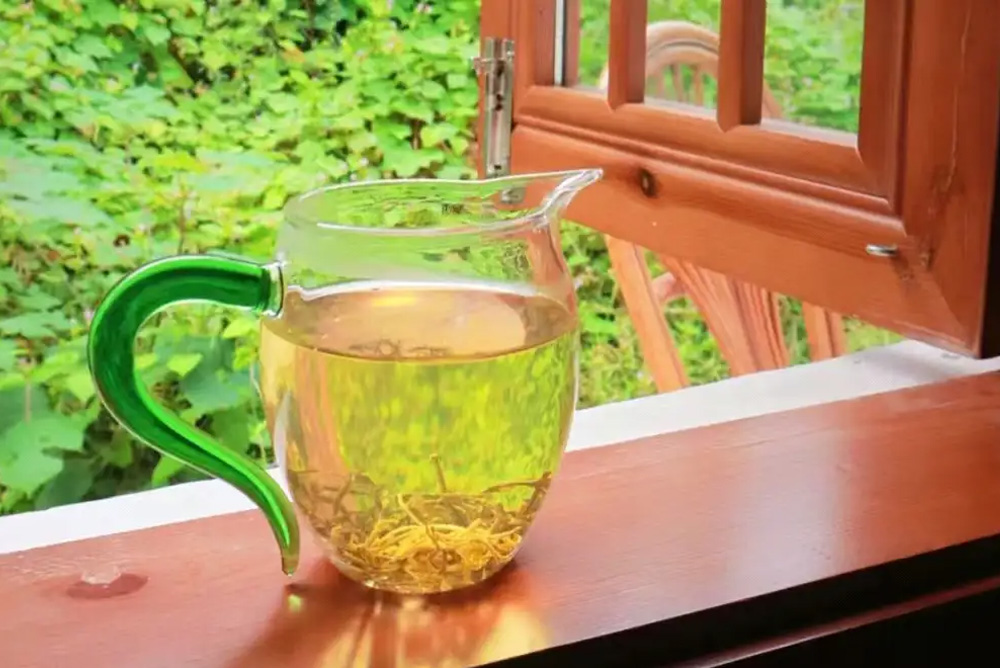
Vine tea, scientifically known as Ampelopsis grossedentata, is often called the “King of Flavonoids” for a reason. While green, black, and other traditional teas have their own charm, vine tea stands out for its unique nutritional profile, health benefits, and brewing style. Let’s look at the main differences.
1. Exceptionally High Flavonoid Content
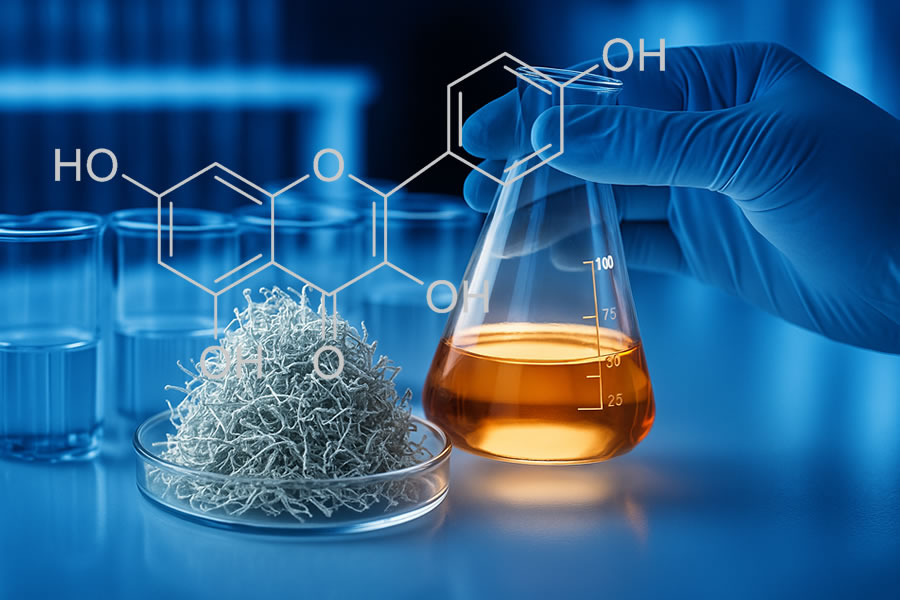
Flavonoids are powerful antioxidants nicknamed “natural penicillin” and “vascular cleansers.”
-
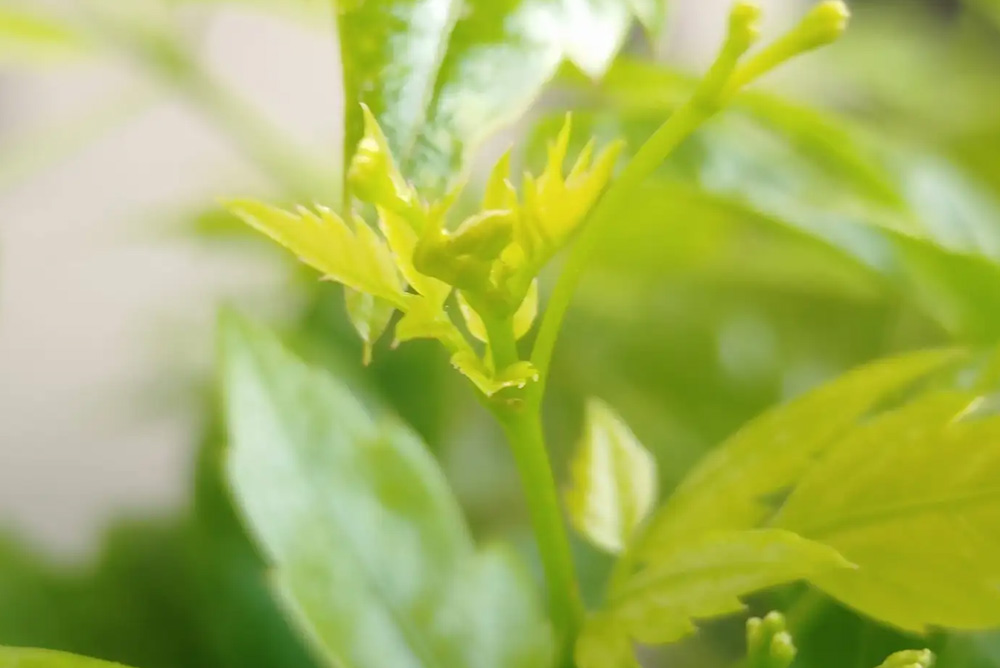
Vine tea: Average flavonoid content of 26.1%, with tender buds reaching up to 43.78%—the highest recorded among known plants. Most of these beneficial compounds are concentrated in the youngest tips and leaves.
-
Traditional tea: Significantly lower flavonoid content, making vine tea far superior for antioxidant support.
2. Naturally Caffeine-Free
-
Vine tea: Contains no caffeine, so it won’t cause nervous system stimulation or disrupt sleep. In fact, drinking it before bed can improve sleep quality.
-
Traditional tea: Often contains caffeine, which may cause insomnia or restlessness for sensitive individuals.
3. No Theobromine (Tea Alkaloids)
-
Vine tea: Free from tea alkaloids like theobromine, which can irritate the stomach lining in some people. Drinking vine tea on an empty stomach can actually help cleanse the digestive tract and support vascular health.
-
Traditional tea: Often contains theobromine, which may cause nausea, bloating, or stomach discomfort if consumed on an empty stomach.
4. Tannin-Free
-
Vine tea: Does not contain tannins, so it won’t interfere with protein absorption. You can enjoy it after meals without worrying about nutrient loss.
-
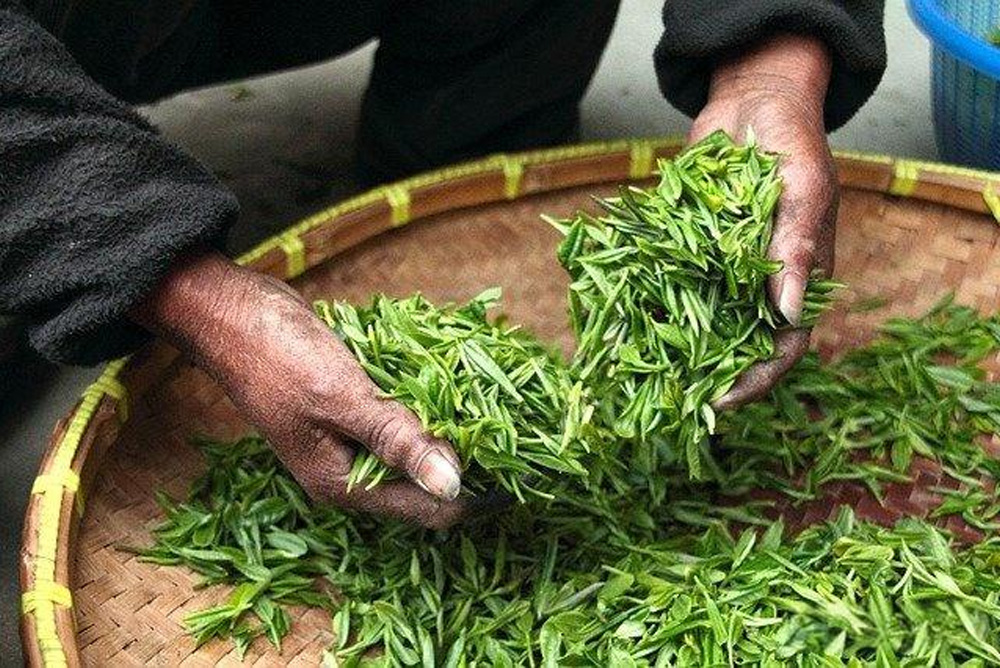
Traditional tea: Red tea contains about 5% tannins, green tea about 10%, and some teas up to 30%, which can affect digestion if over-brewed.
5. No Need to Rinse Before Brewing
-
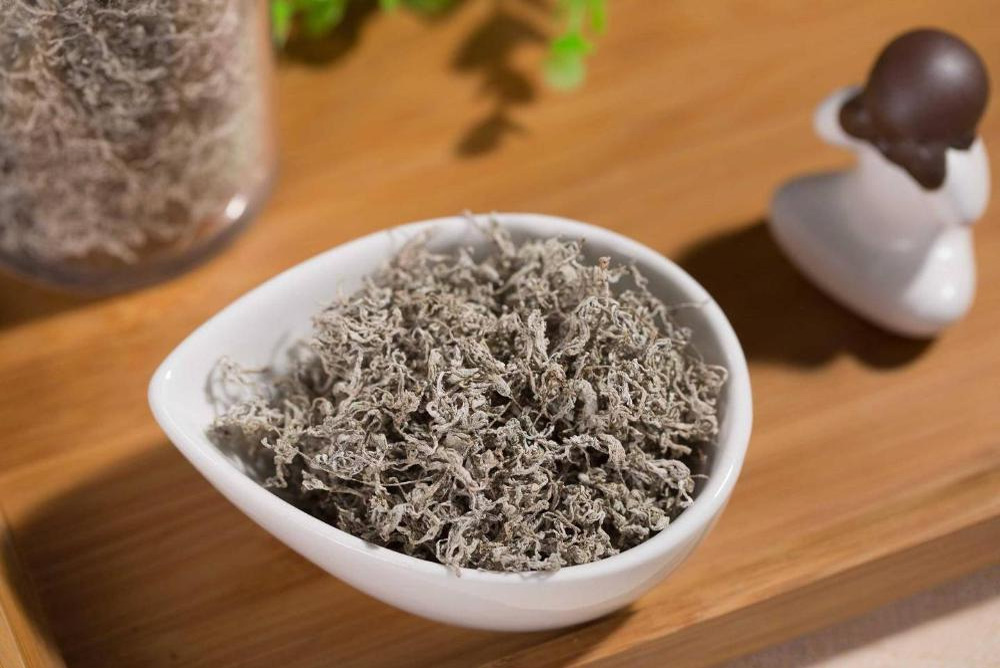
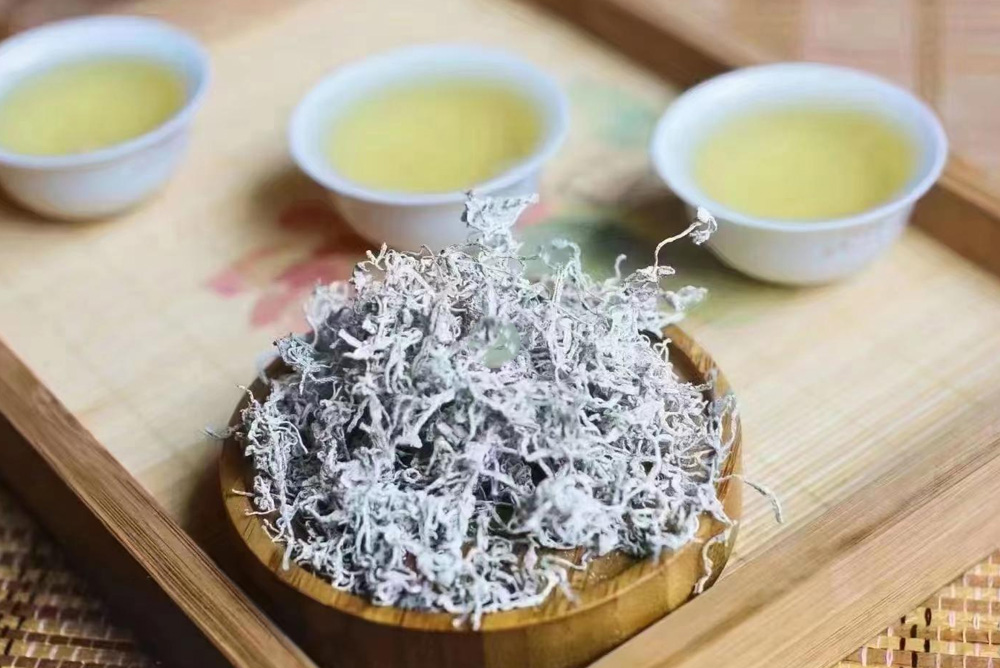
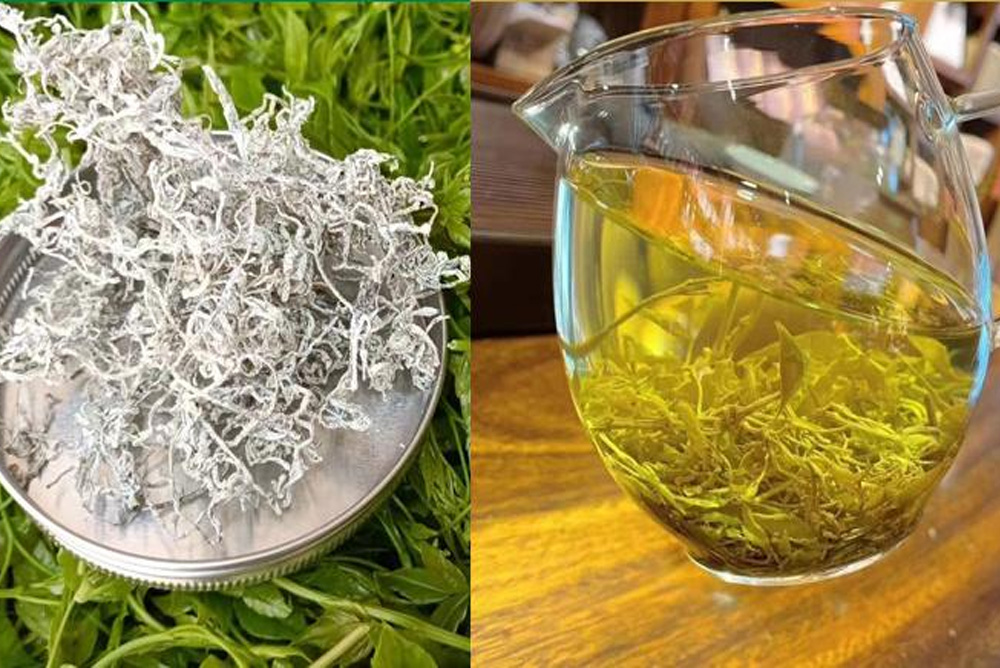
Vine tea: The first brew is the most valuable, containing concentrated flavonoids—especially dihydromyricetin, the natural white frost you see on the leaves. Rinsing washes these away, so skip the rinse.
-
Traditional tea: Often rinsed to remove surface impurities and awaken the leaves before brewing.
Why Choose JINQI Vine Tea?
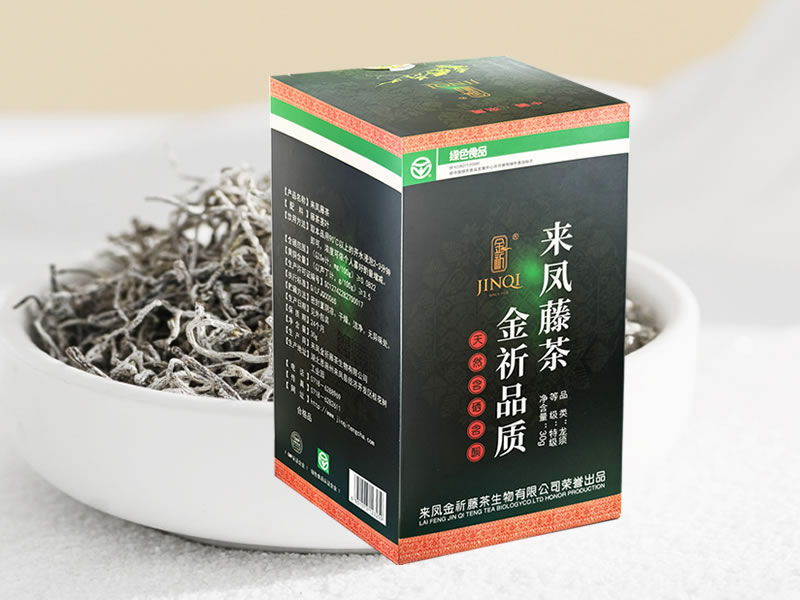
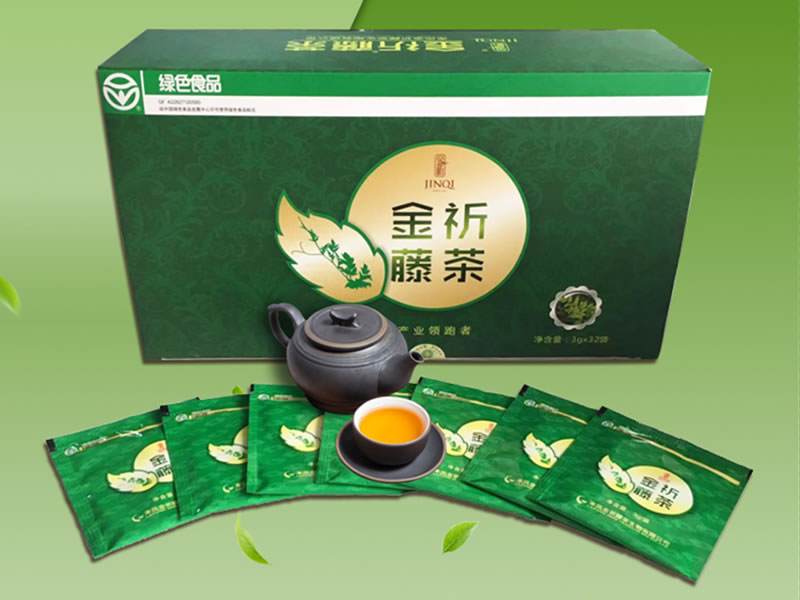
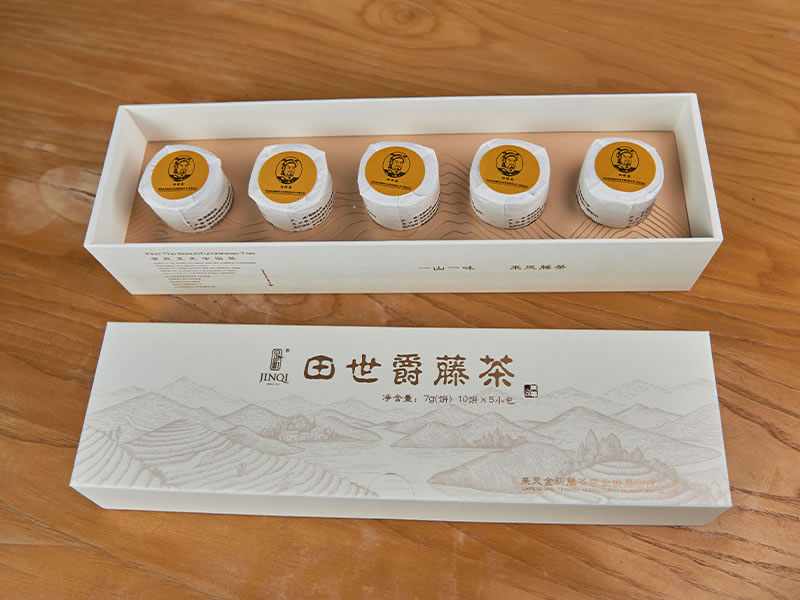
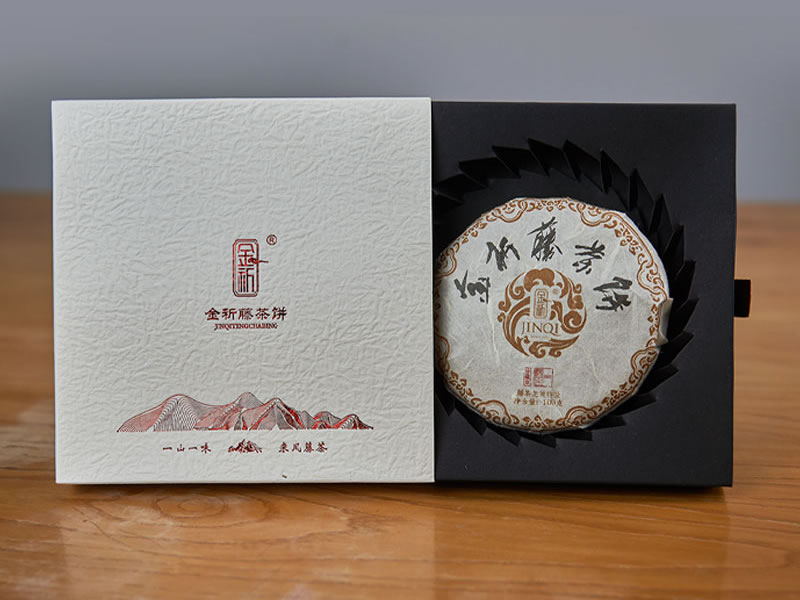
At JINQI Vine Tea Co., Ltd., we grow Ampelopsis grossedentata in Laifeng County’s pristine mountains, harvesting only the finest buds to preserve their extraordinary flavonoid content. Our tea is processed under GMP-certified standards and tested for purity—ensuring you get the full health benefits and authentic flavor in every cup.
Experience the difference of true vine tea.
Visit JINQI Vine Tea Co., Ltd. to explore our premium vine tea products and discover why Ampelopsis grossedentata is unlike any other tea.
FAQs
1. Why is vine tea called the “King of Flavonoids”?
Because it has the highest flavonoid content of any known plant, with buds reaching over 43%.
2. Does vine tea have caffeine?
No. Vine tea is naturally caffeine-free and won’t cause insomnia.
3. Should vine tea be rinsed before brewing?
No. The first brew contains most of its beneficial compounds, so rinsing will wash them away.