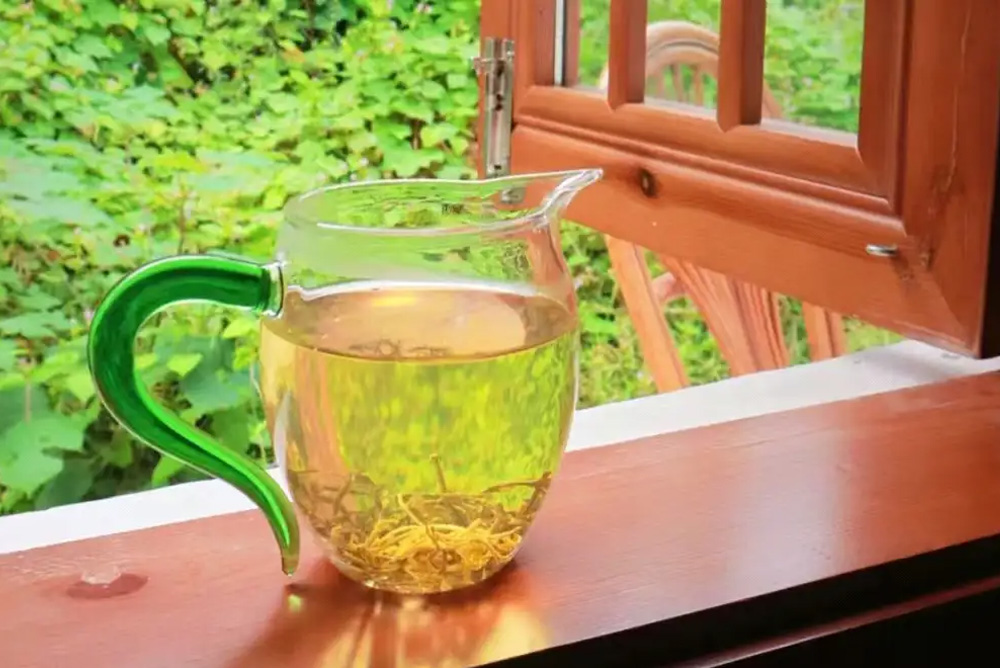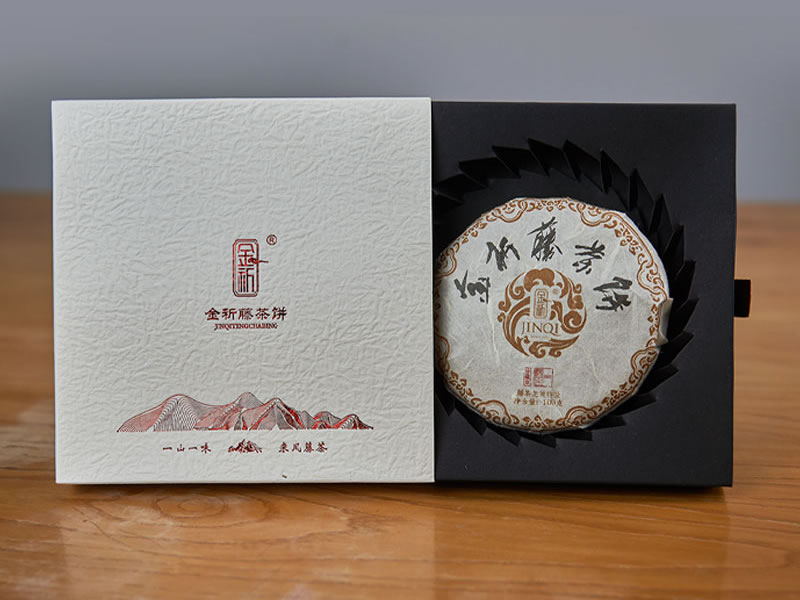
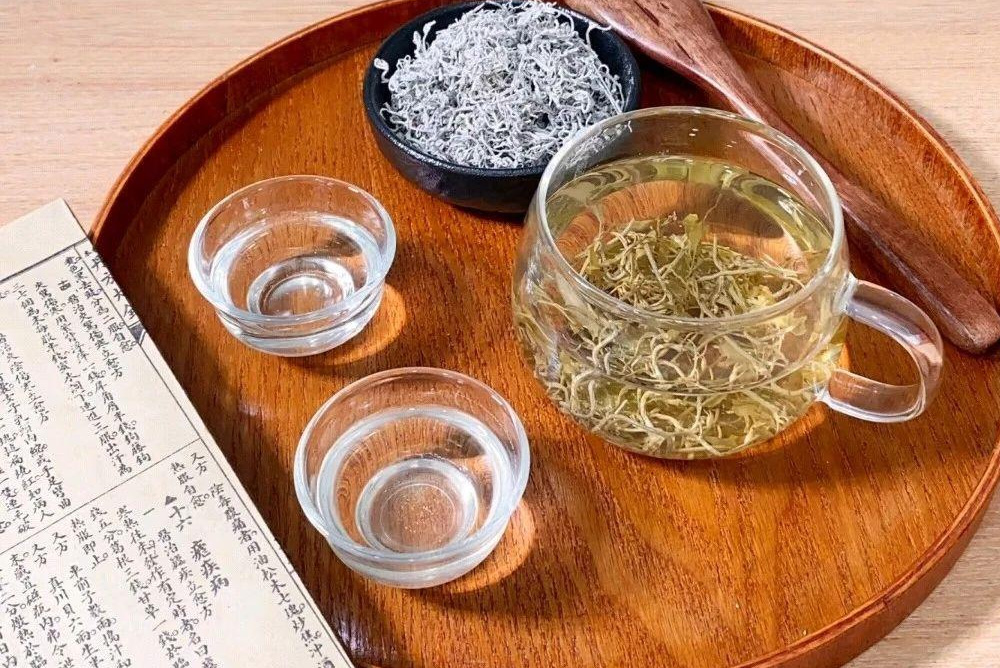
In recent years, vine tea — scientifically known as Ampelopsis grossedentata — has been making waves in the tea community. This traditional Tujia “daily drink” has stood out in a world dominated by green, black, white, oolong, yellow, and dark teas. But what exactly makes vine tea different?
Let’s break it down by origin, caffeine content, chemical composition, and nutritional value so you can see why it’s in a league of its own.
1. A Different Plant Altogether
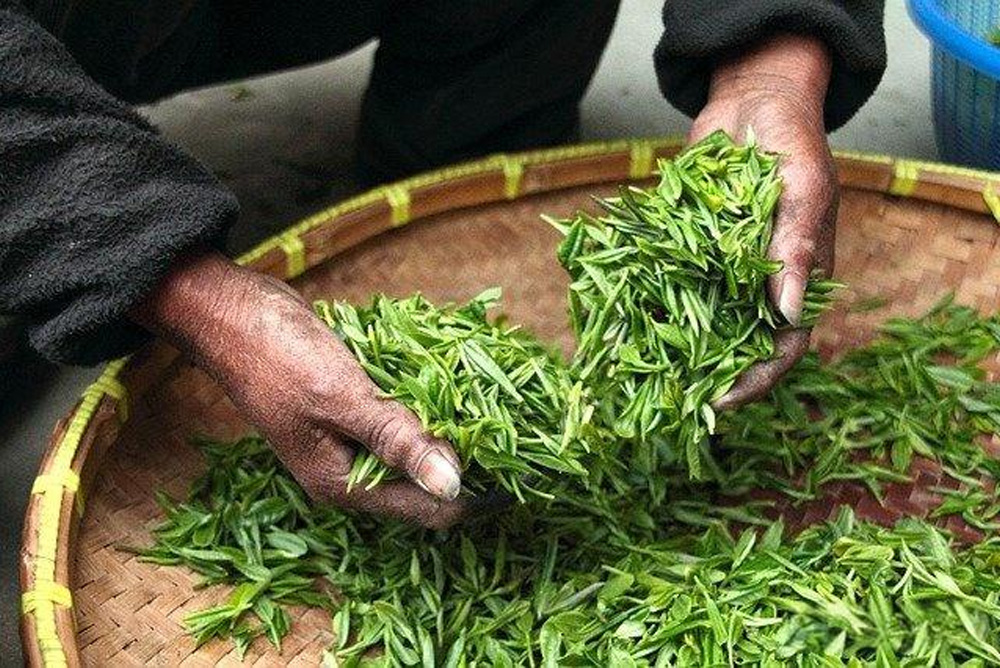
The six traditional tea types all come from the same plant family: Camellia sinensis (the tea plant). Whether you’re sipping green tea made from tender spring buds or fully oxidized black tea leaves, it all starts from this evergreen shrub.
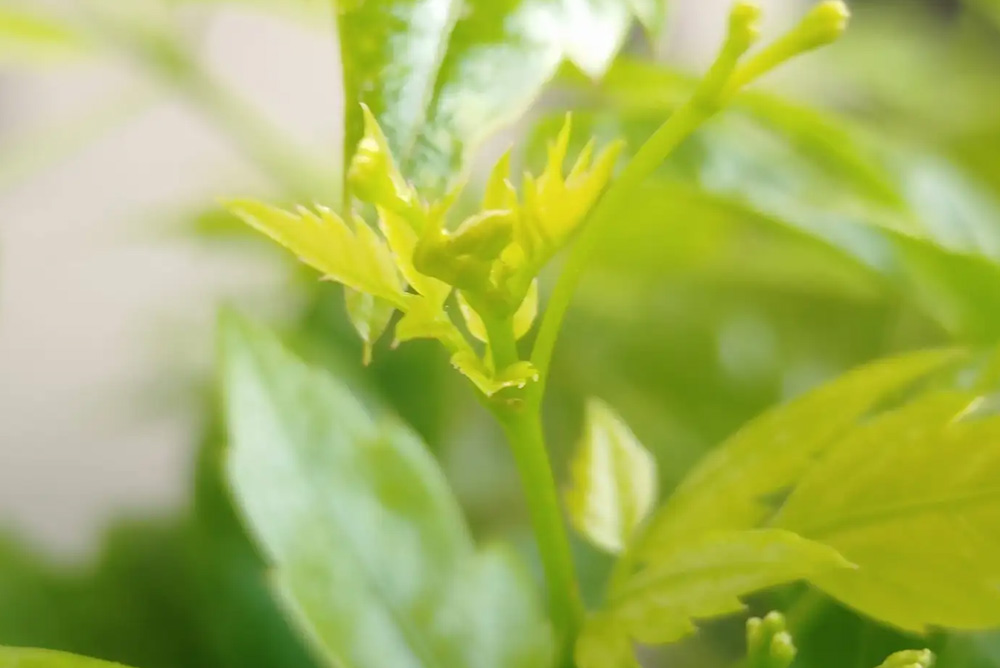
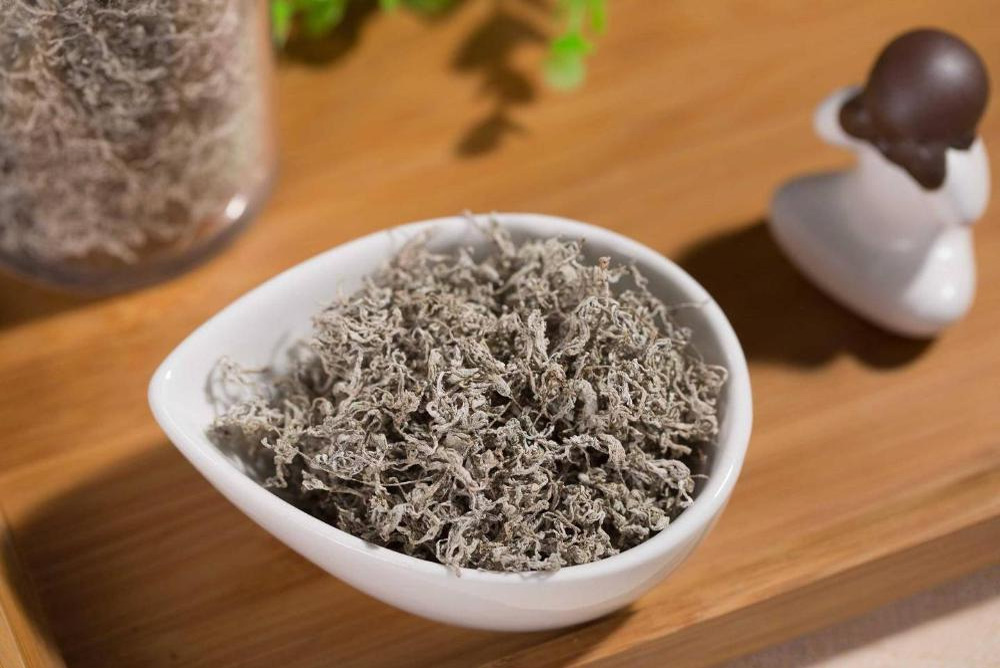
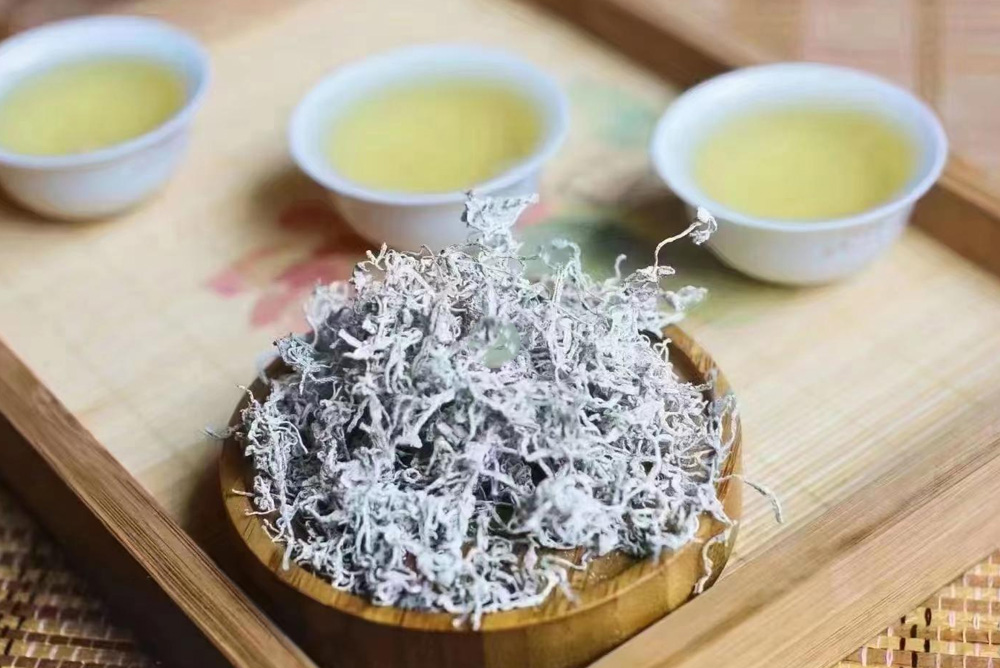
Vine tea, however, comes from an entirely different botanical lineage. Its scientific name is Ampelopsis grossedentata, a perennial climbing plant from the grape family (Vitaceae). It can be both medicinal and edible. After processing, the dried leaves develop a thin white frost-like coating — a natural concentration of beneficial flavonoids. Because grape family plants often carry the Chinese character for “berry” (莓) in their names, the drink is known as “vine tea.”
This difference in raw material is the foundation for all the other distinctions.
2. Naturally Caffeine-Free
One of the biggest advantages vine tea has over the six major teas is zero caffeine. Traditional teas all contain caffeine, which can make it harder to sleep if consumed late in the day.
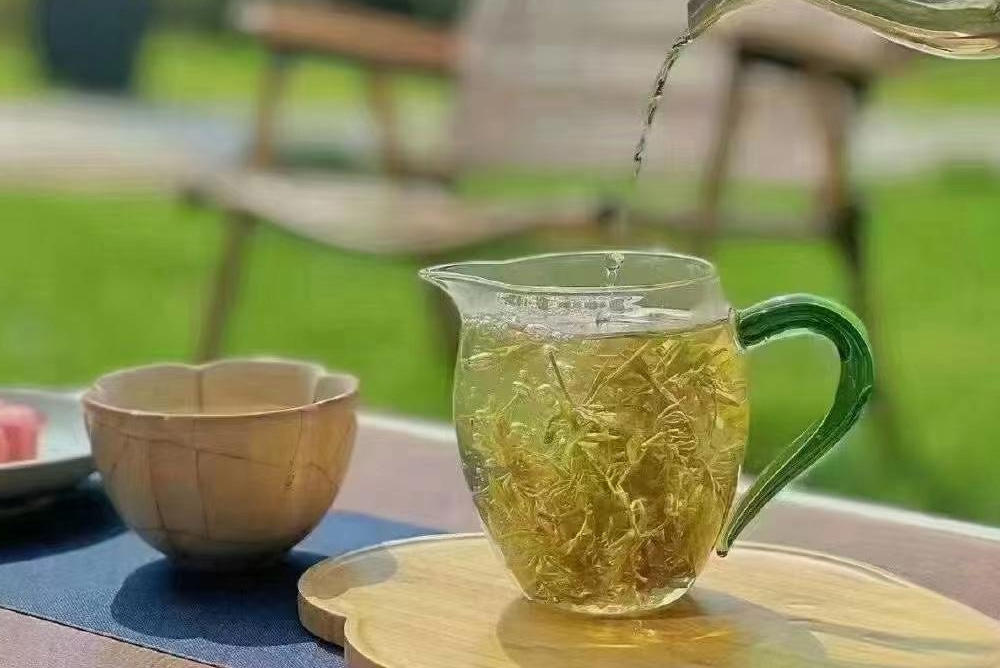
Vine tea gives you the pleasure of a warm, flavorful cup without the stimulation — perfect for evening enjoyment, older adults, or wellness-focused consumers who want to avoid caffeine.
3. No Tea Alkaloids or Tannins — No “Antidote Effect”
Most traditional teas contain theophylline and tannins. While tannins have certain benefits, they can also bind with medications and reduce their absorption — a reason tea is sometimes said to have an “antidote effect.”
Vine tea contains neither tea alkaloids nor tannins, meaning it doesn’t interfere with medicine absorption. This makes it a safer choice for people who are on regular medication and still want to enjoy tea.
4. Exceptionally High Flavonoid Content — The “King of Flavonoids”
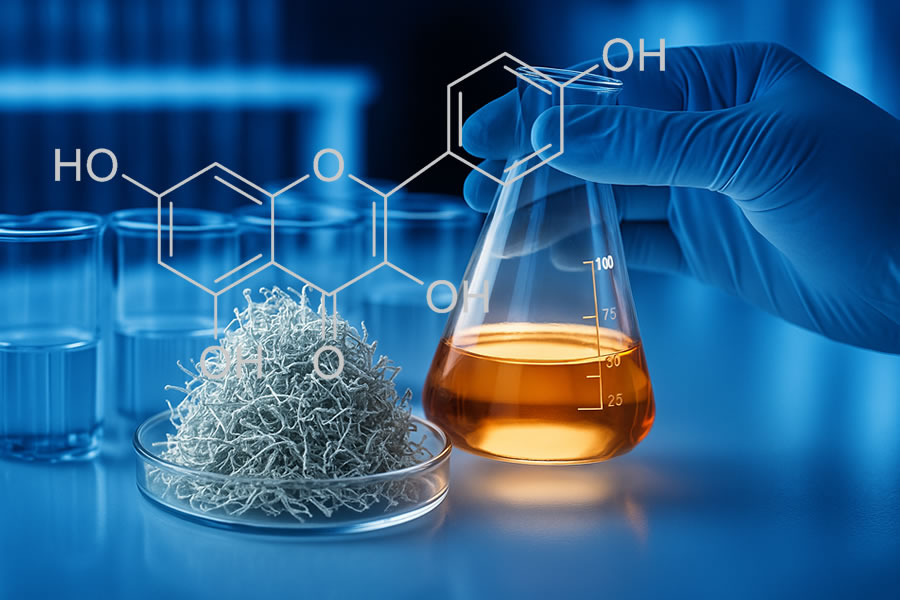
Here’s where vine tea truly outshines the rest: flavonoids. These natural plant compounds offer antioxidant, anti-inflammatory, and antimicrobial benefits — and vine tea has more of them than any other known plant.
-
Vine tea buds can contain flavonoids at levels above 40%.
-
Traditional teas contain only about 3–4%, with white tea topping the list among them at 4–5%.
Why does this matter? A 2021 Harvard study that followed 77,000 participants over 22 years found that every extra 10 mg of dietary flavonoids per day could reduce the risk of aging-related decline by 20%.
For middle-aged and older adults, flavonoids in vine tea can:
-
Reduce inflammation and heat in the body.
-
Support heart and brain health.
-
Protect the liver.
-
Improve sleep quality.
-
Slow down visible and internal signs of aging.
Brewing Tips for Maximum Benefit
-
Water temperature: 85–90°C (185–194°F).
-
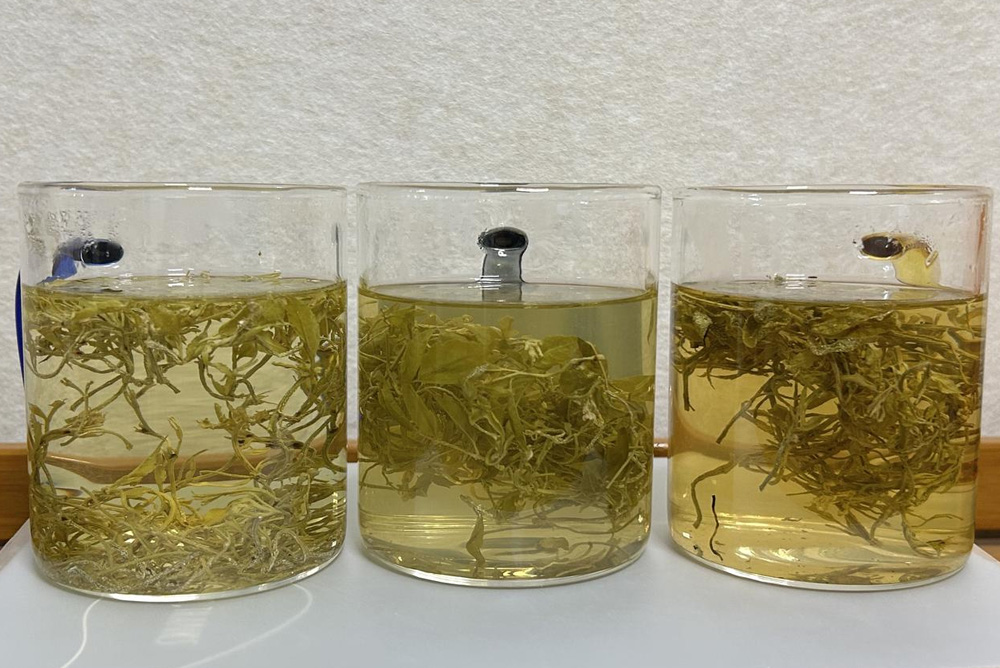
Steep time: 3–5 minutes for loose leaf; 5–8 minutes for pressed cakes or pearls.
-
Multiple infusions: Quality vine tea can be brewed several times without losing flavor or potency.
Why Choose JINQI Vine Tea
At JINQI Vine Tea Co., Ltd., we’ve spent over 20 years perfecting the cultivation, processing, and innovation of Ampelopsis grossedentata. Our tea gardens are Green Food-certified and completely free from harmful chemicals. Every batch is GMP-certified, fully traceable, and tested for safety and purity.
Our product range includes:
-
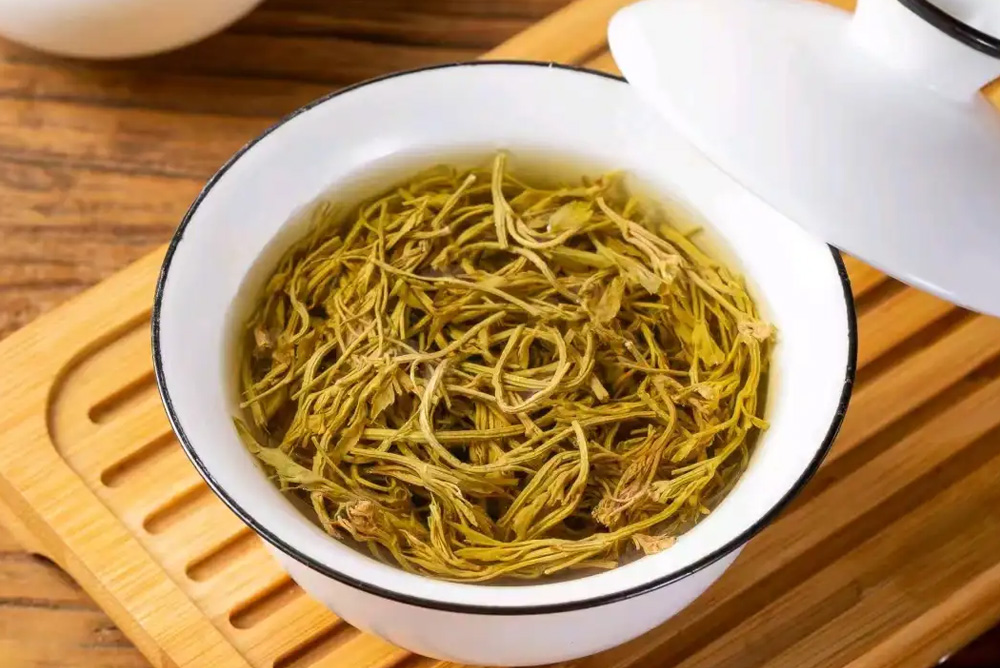
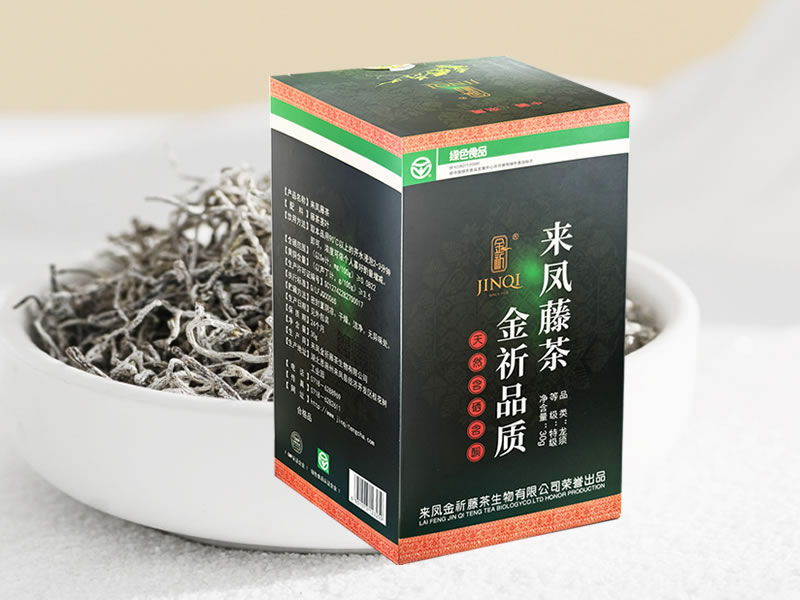
Loose Leaf Vine Tea
-
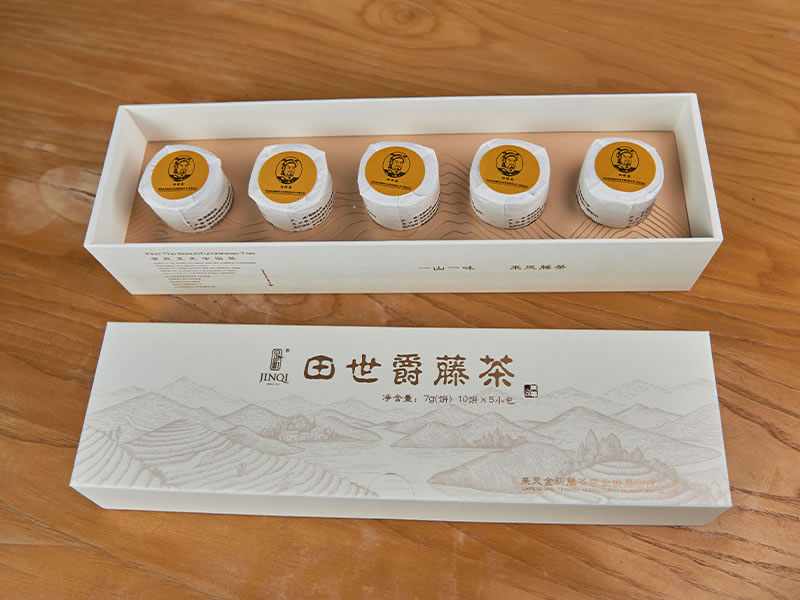
Pressed Tea Cakes & Pearls
-
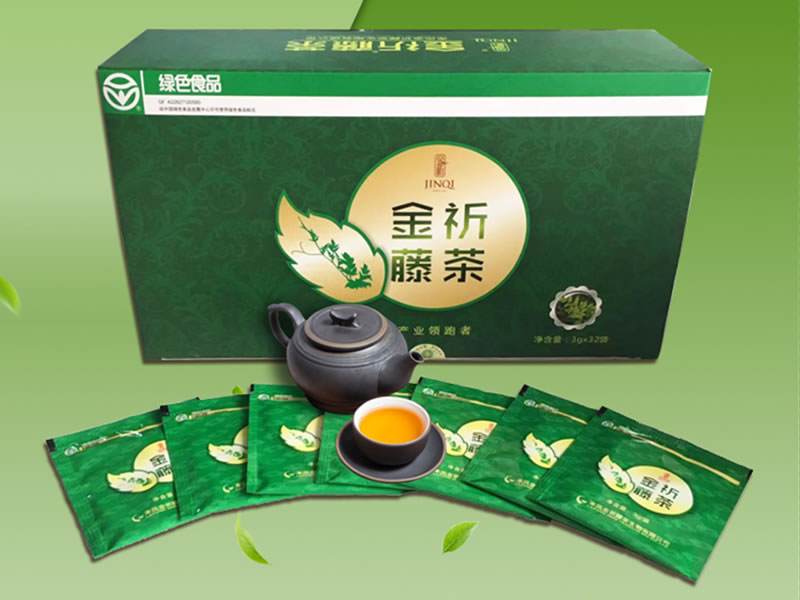
Tea Bags & Instant Vine Tea
-
Functional Beverages & Nutraceutical Extracts
-
Vine Tea Oral Care Products
We proudly serve customers across China and in over 10 international markets — from Germany to the United States.
Final Takeaway
Vine tea (Ampelopsis grossedentata) isn’t just another tea variety — it’s a different plant with a different chemical makeup, offering unique benefits traditional teas simply can’t match. From its caffeine-free nature to its unparalleled flavonoid levels, it’s a smart choice for anyone who values both wellness and flavor.
Discover the difference with authentic vine tea from JINQI — where tradition meets innovation in every cup.
FAQs
1. Is vine tea suitable for people sensitive to caffeine?
Yes, vine tea is naturally caffeine-free and can be enjoyed any time of day.
2. Does vine tea have a stronger flavor than green tea?
Not necessarily. It’s smooth, slightly sweet, and often described as refreshing rather than bitter.
3. Can vine tea be taken with medicine?
Yes, since it contains no tannins, it won’t interfere with medication absorption like some traditional teas.