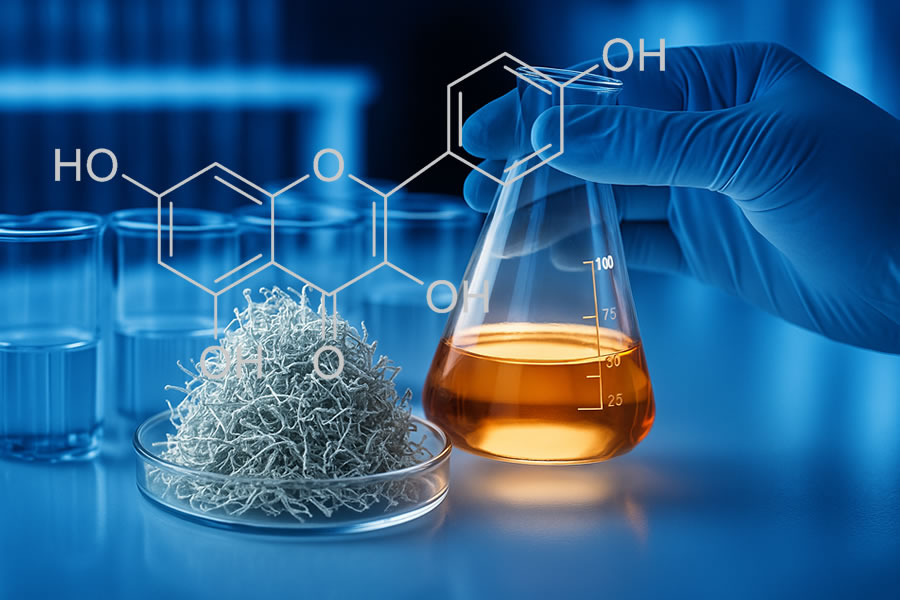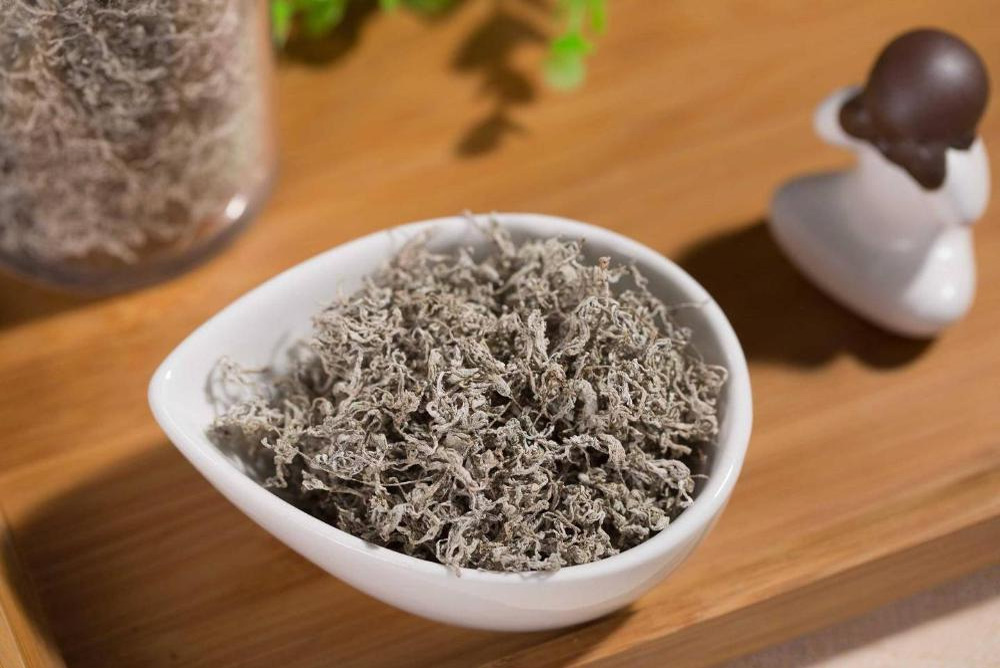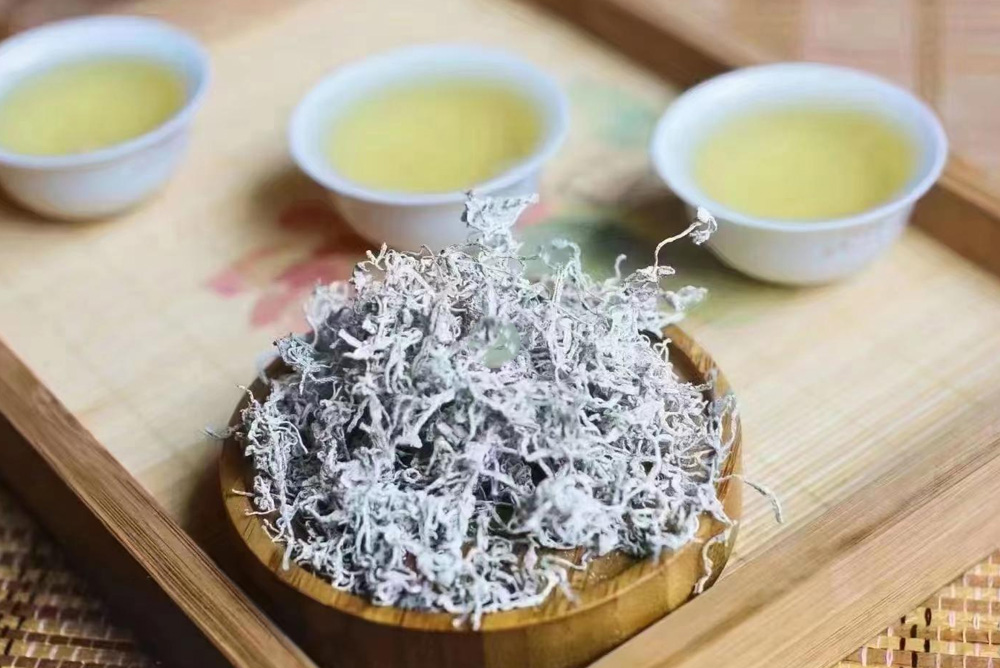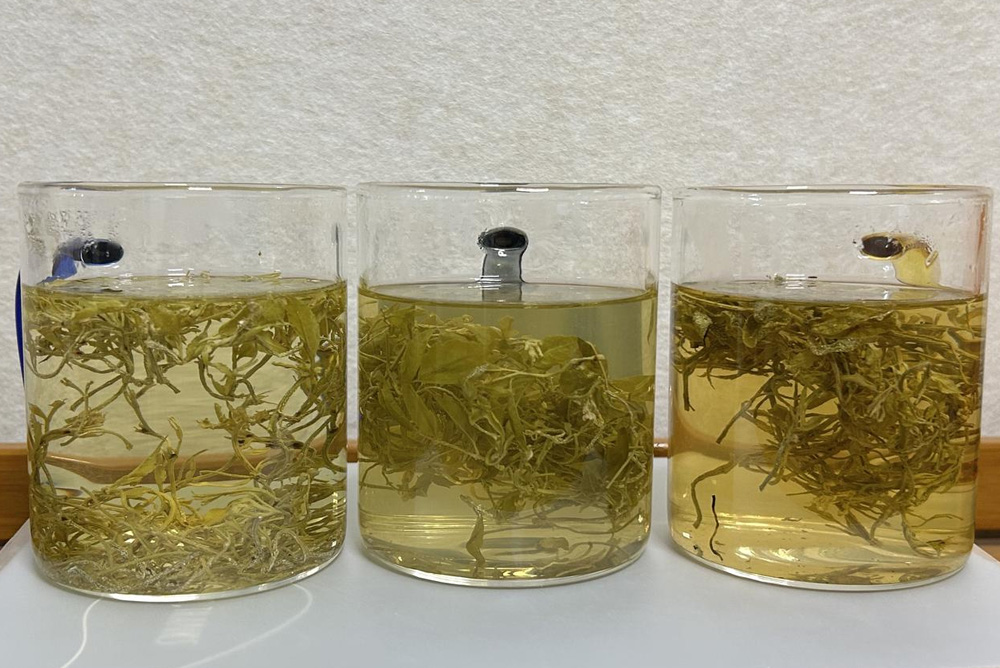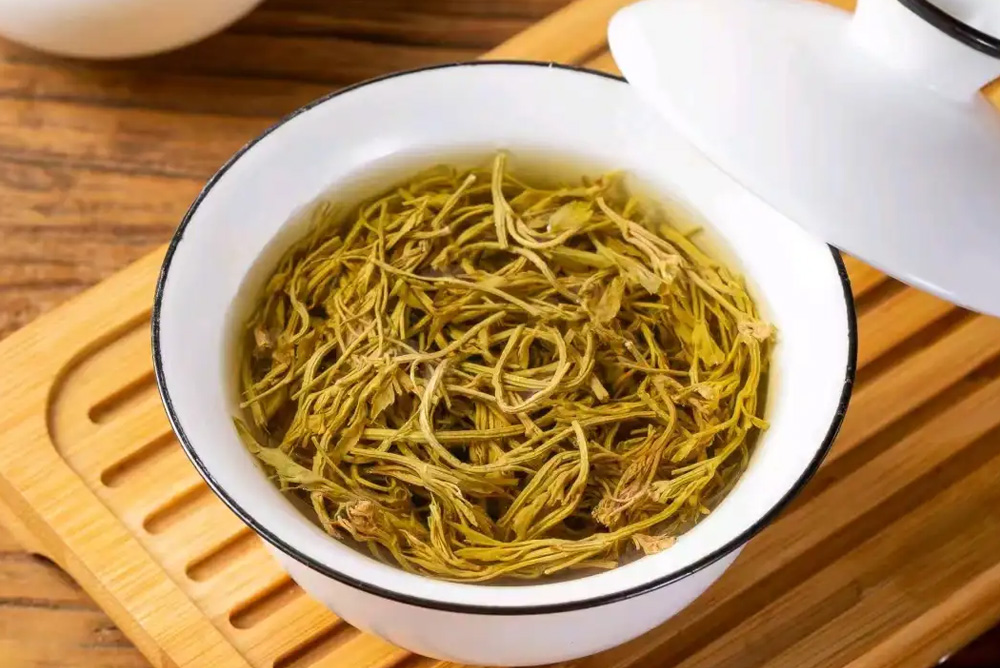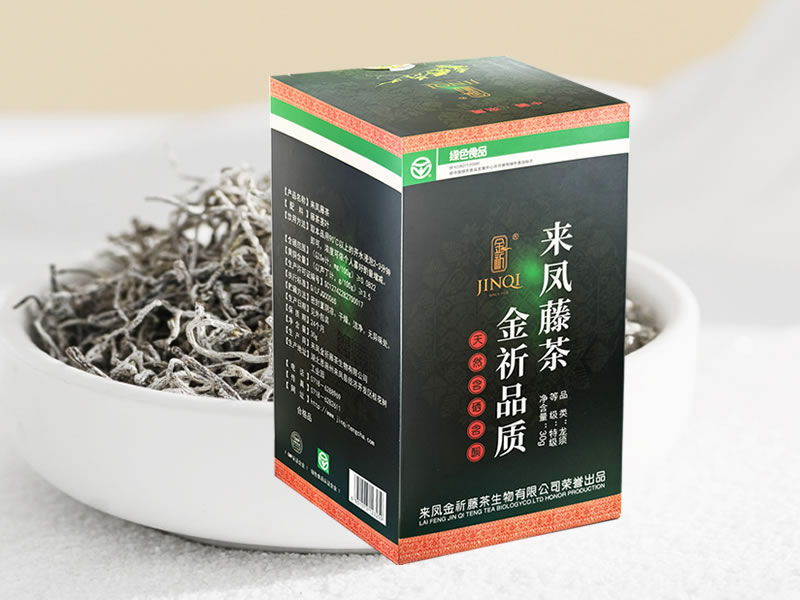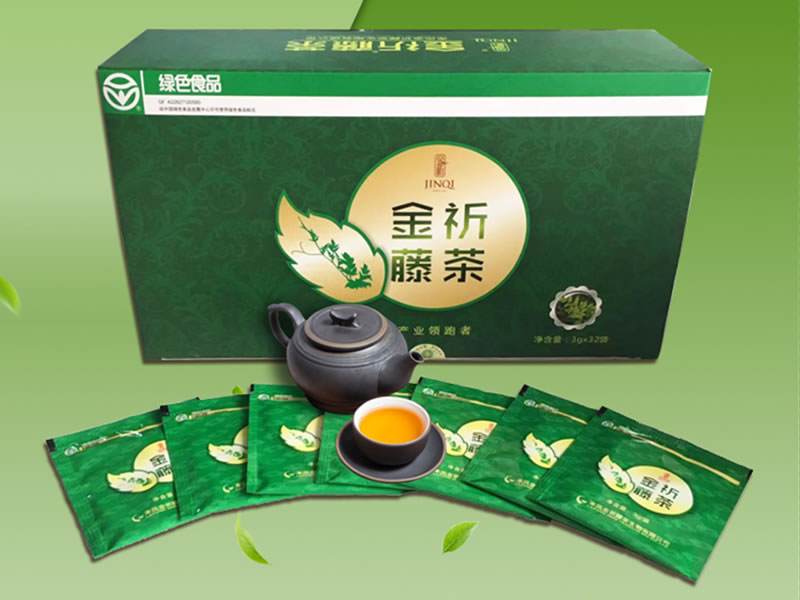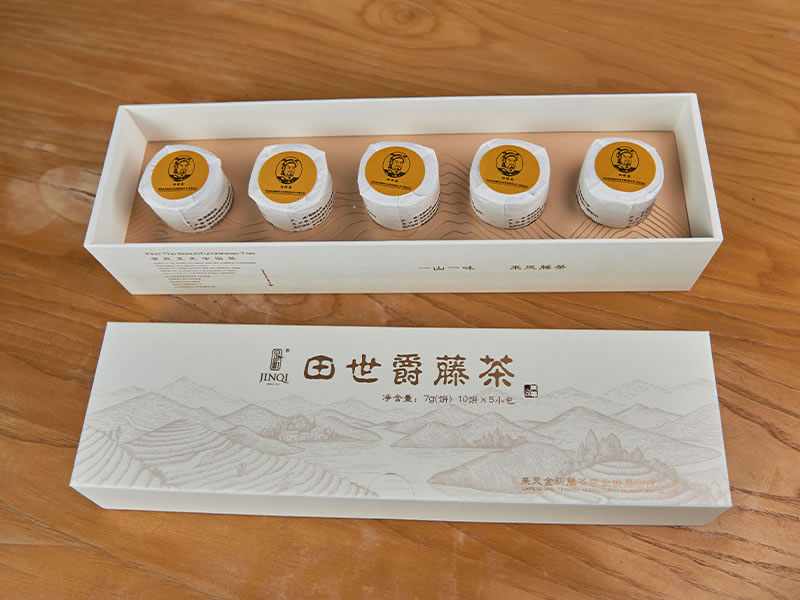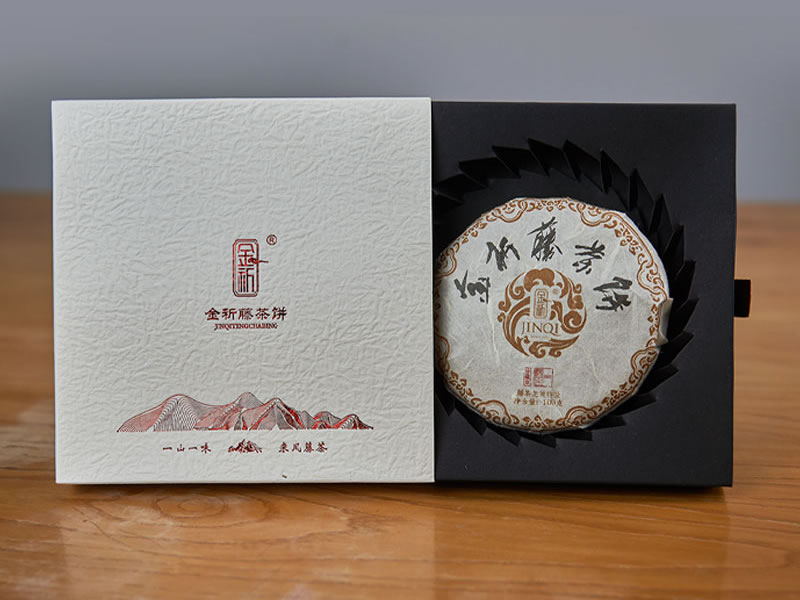
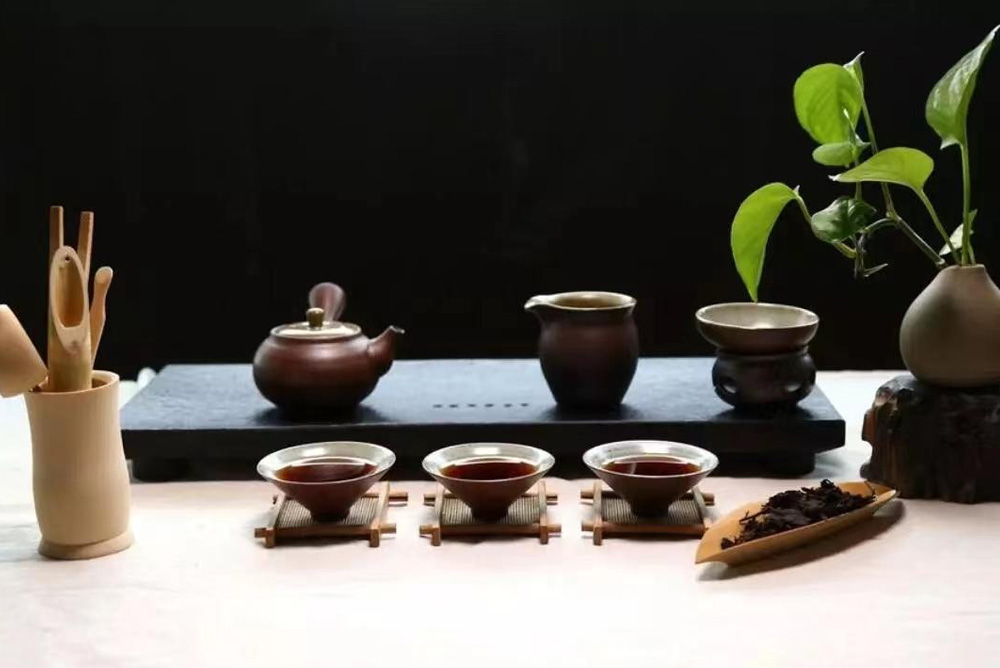
Vine tea, scientifically known as Ampelopsis grossedentata, is a unique herbal health tea with roots in traditional medicine. Originally used as a natural remedy, it is now enjoyed worldwide for its smooth flavor and powerful health benefits.
Rich in flavonoids, 17 amino acids, and 14 trace minerals, vine tea is known for:
-
Antioxidant and anti-radiation effects
-
Lowering blood pressure, blood sugar, and blood lipids
-
Clearing heat and soothing the lungs
-
Supporting liver health and detoxification
-
Reducing inflammation and protecting the heart
But here’s the secret—when you drink vine tea matters almost as much as drinking it. Following your body’s natural rhythm can maximize its benefits.
Morning: 9:00 – 11:00 – Start the Day Right
After a night of metabolism, your body wakes up needing hydration and nutrients. A light cup of vine tea in the morning helps:
-
Replenish water and amino acids
-
Boost energy for work or study
-
Promote digestion and relieve mild constipation
-
Improve circulation and help lower blood pressure
Tip: Make it a little weaker than your usual brew. While vine tea is naturally free of caffeine and tannic acid—making it gentler on an empty stomach—it’s still best to have it after a light breakfast rather than completely fasting.
Afternoon: 14:00 – 17:00 – Support Heart and Vessel Health
Midday is when “liver heat” often peaks according to traditional Chinese health theory. A stronger afternoon cup of vine tea can:
-
Reduce blood pressure and blood sugar
-
Support cardiovascular health
-
Boost immunity and help the body detox naturally
This is considered one of the best tea times of the day, especially for people with high blood pressure, high blood sugar, or high cholesterol.
Evening: 19:00 – 21:00 – Relax and Restore
Many people avoid tea at night for fear it will keep them awake. Vine tea is different—it contains no caffeine, so it won’t cause restlessness.
An evening cup can:
-
Aid digestion after dinner
-
Reduce excess oil and fat absorption
-
Protect the liver and kidneys with its high flavonoid content
-
Promote melatonin production, improving sleep quality
Note: Avoid drinking tea in the last hour before bed to reduce nighttime bathroom trips. The sweet spot is around 8:30 PM, when your immune system is at its most active.
Drinking vine tea (Ampelopsis grossedentata) at the right times can help you make the most of its health benefits—energizing your mornings, balancing your afternoons, and restoring your body in the evenings.
JINQI’s Commitment to Organic Excellence
At JINQI Vine Tea Co., Ltd., we grow our tea in Laifeng County under GMP-certified and organic practices, ensuring every cup is rich in flavonoids, safe to drink, and full of authentic flavor.
Start your day, boost your afternoon, and unwind at night—with a cup of JINQI vine tea.
FAQs
1. Can I drink vine tea on an empty stomach?
It’s gentler than most teas, but best enjoyed after a light breakfast.
2. Is it okay to drink vine tea at night?
Yes. It’s caffeine-free and may even improve sleep quality.
3. How many times a day can I drink vine tea?
Two to three times a day—morning, afternoon, and early evening—is ideal.