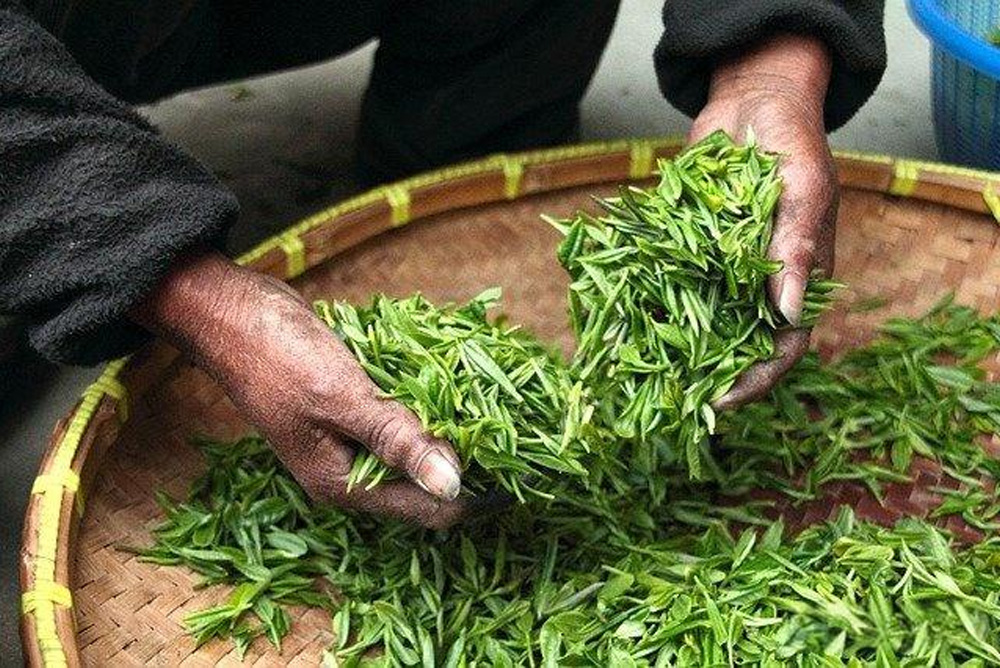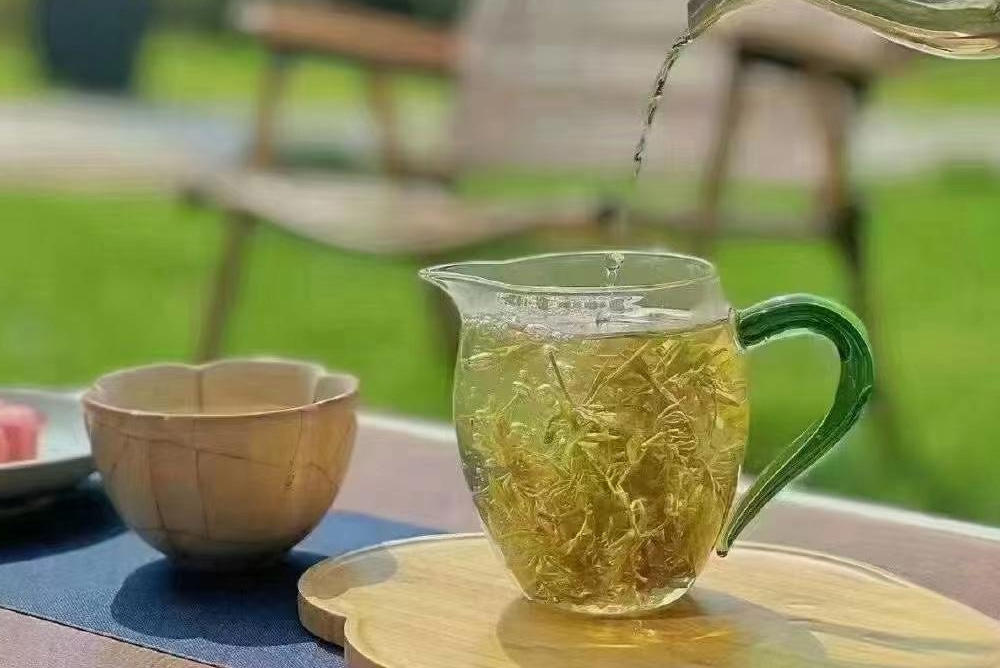
On the journey to health and longevity, many people overlook one of the simplest and most effective habits — drinking water. Tea, as water enriched with natural plant compounds, has been valued for centuries as a daily wellness essential.
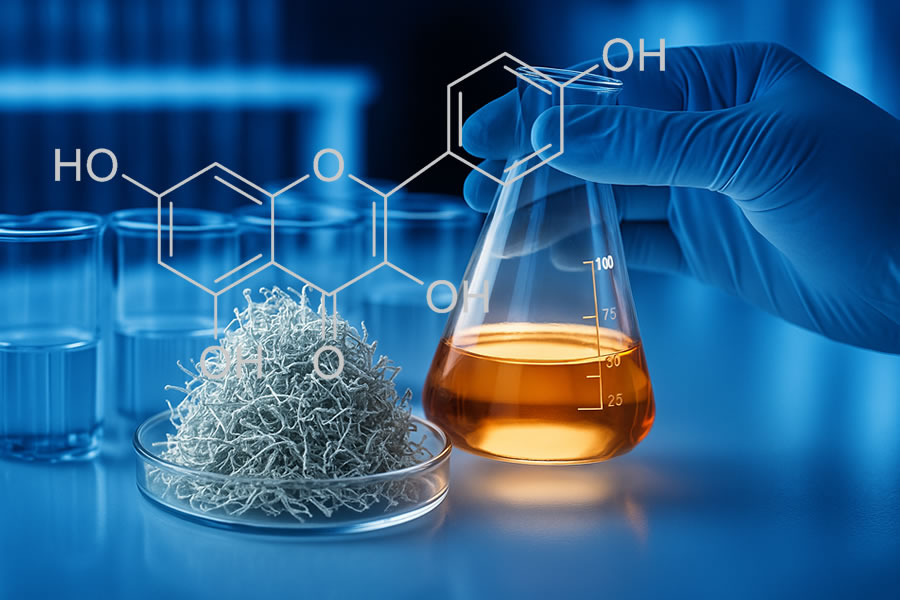
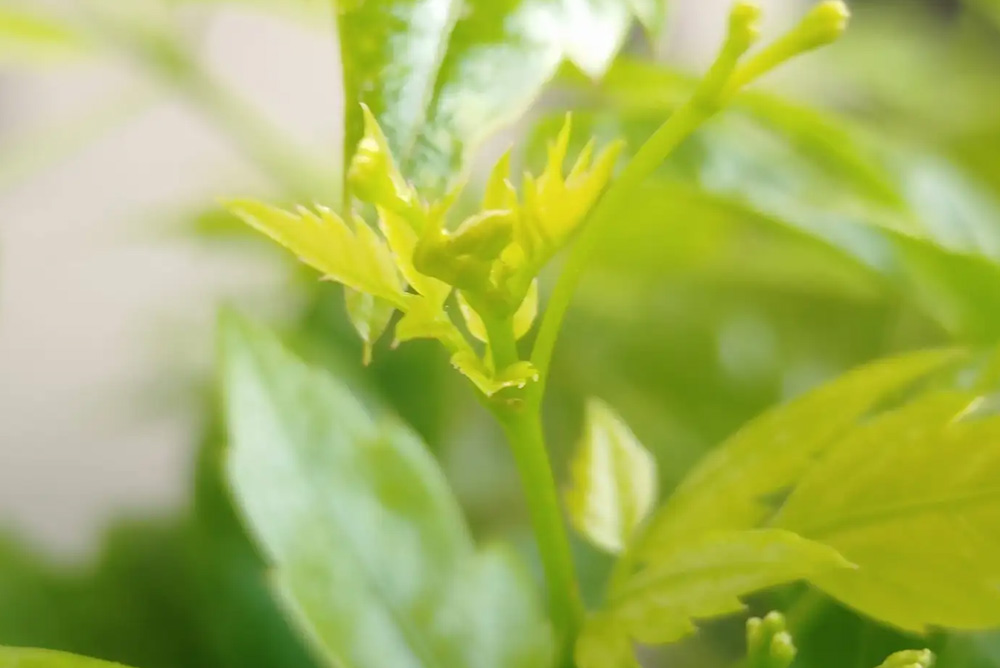
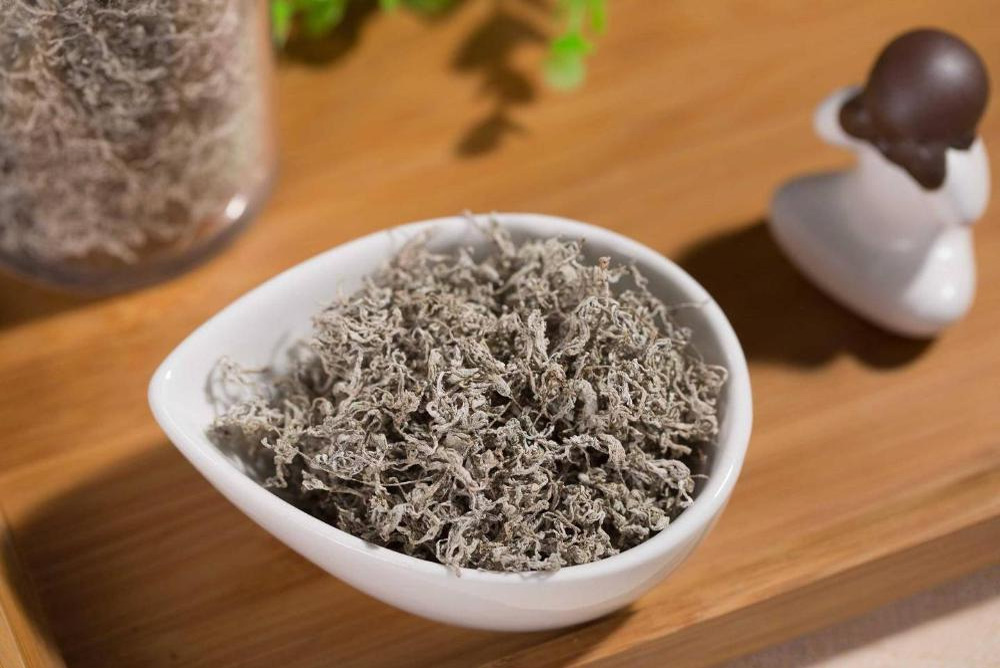
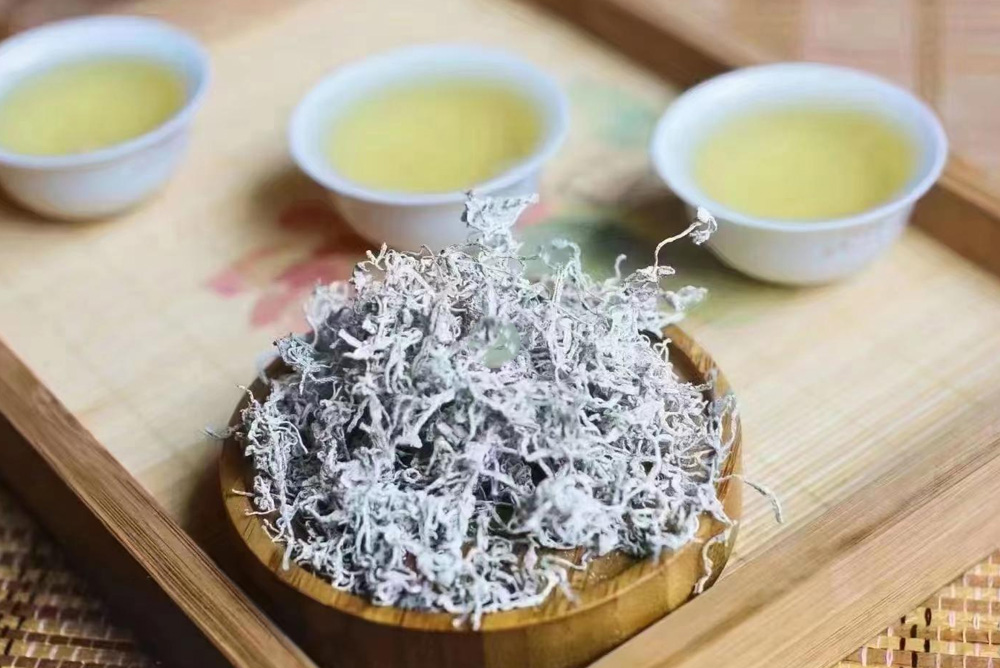
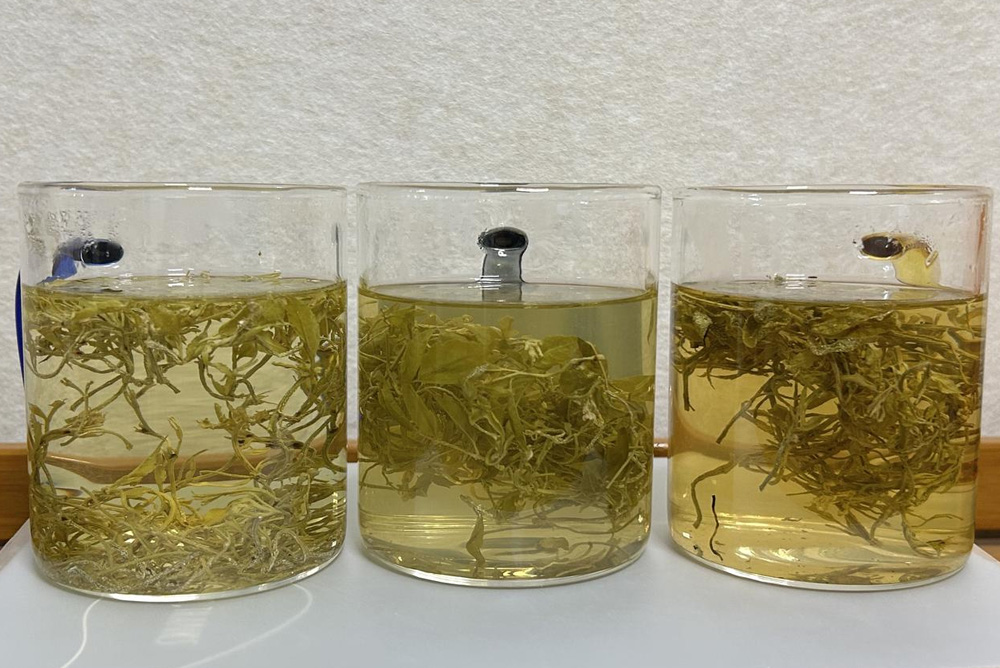
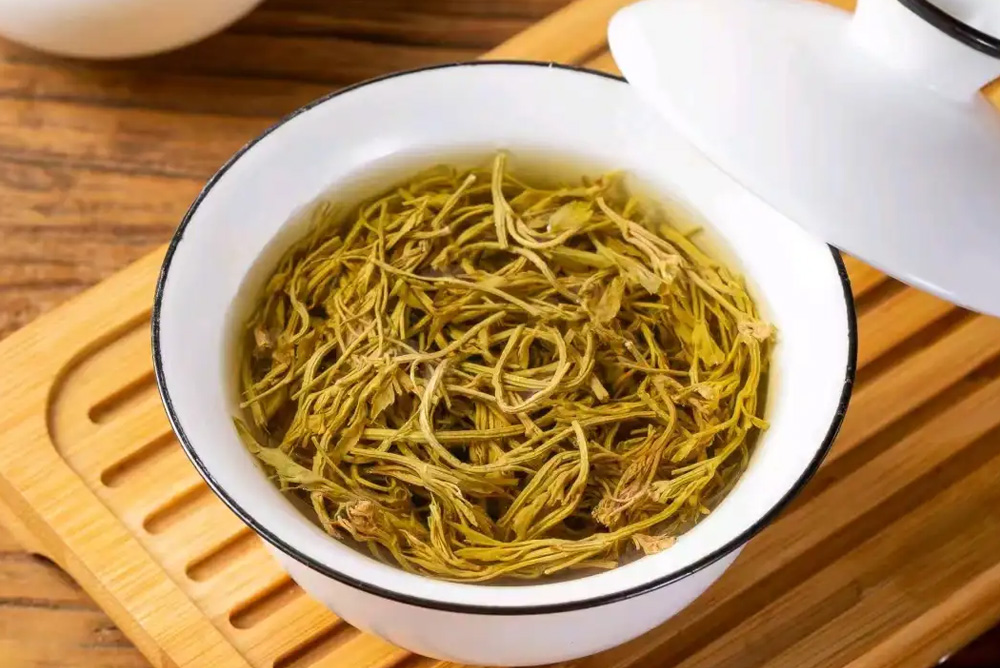
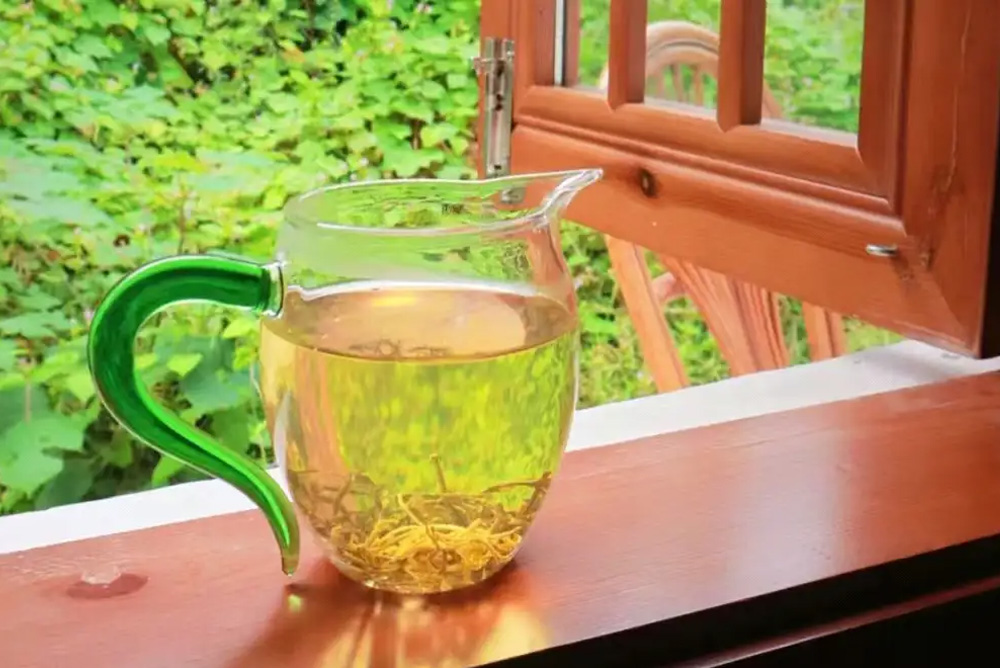
One herbal tea stands out for its benefits — vine tea (Ampelopsis grossedentata). Naturally caffeine-free and rich in flavonoids, it not only hydrates but also nourishes the body, making it an excellent choice for long-term health.
Why Water Matters for Health
Water makes up 60–70% of the human body and is the body’s most important solvent. Nutrients from food must dissolve in body fluids to be absorbed, and waste products must be carried away in water to be expelled. Water also helps regulate body temperature and keep organs functioning properly.
Special Importance for Middle-Aged and Elderly People
As we age, the body naturally loses water. For middle-aged and elderly individuals, insufficient hydration can lead to:
-
Dry skin and early wrinkles – Lack of moisture weakens skin’s defenses, increasing the risk of itching, cracking, and redness.
-
Constipation and nervous system issues – Dehydration slows digestion and may contribute to headaches, fatigue, and even more serious bowel issues.
-
Kidney strain – Less water means less urine output, forcing kidneys to filter more concentrated waste, which increases the risk of kidney problems.
Hydration in Dry Seasons
In autumn, the body often enters a “dry state” after losing moisture during summer. Dry winds can trigger headaches, sore throats, nasal congestion, coughing, stomach pain, and joint discomfort. The best defense is to restore hydration — and tea can help.
How to Drink for Longevity
-
Drink proactively, not just when thirsty – Thirst means your body is already dehydrated. Drink small amounts frequently.
-
Aim for 1.5–1.7 liters per day – Spread your intake throughout the day. For those with heart or kidney conditions, follow a doctor’s advice.
-
Time your hydration –
-
Morning: One cup to reduce blood viscosity and boost circulation.
-
Midday: 2–3 cups during work hours to stay alert and energized.
-
Evening: One cup about an hour before sleep to store water overnight.
-
-
Choose nutrient-rich hydration – Tea provides minerals and trace elements that help the body adapt to seasonal changes and boost immunity.
Why Vine Tea Is Ideal for Daily Drinking
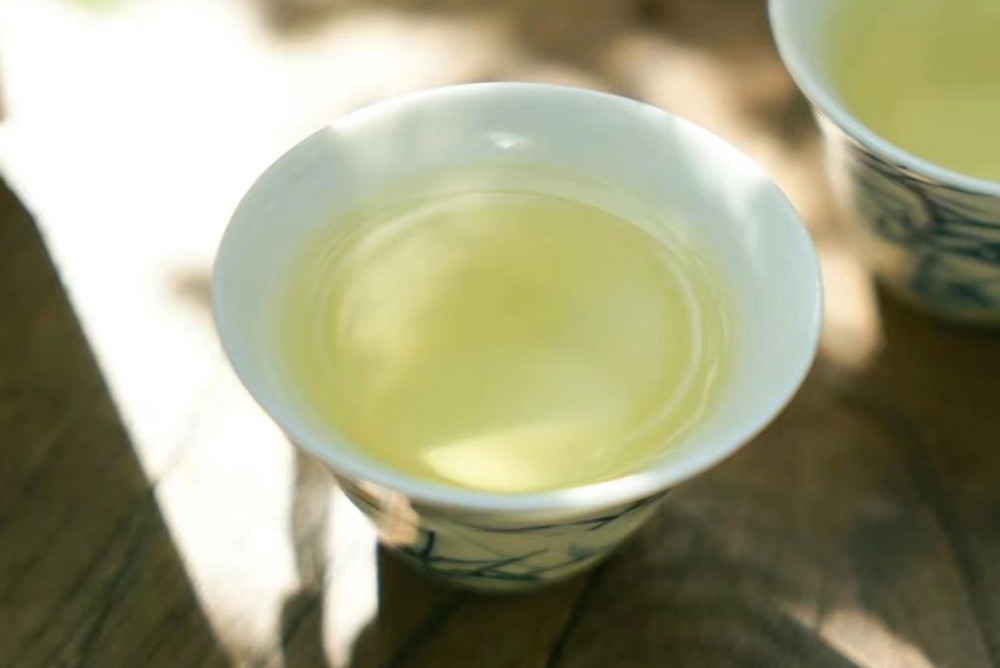
Unlike many teas, vine tea is naturally caffeine-free, so it can be enjoyed anytime, even at night. It contains high levels of flavonoids, selenium, and essential minerals, supporting cardiovascular health, liver function, and immune defense. Its smooth sweetness also makes it pleasant for frequent sipping.
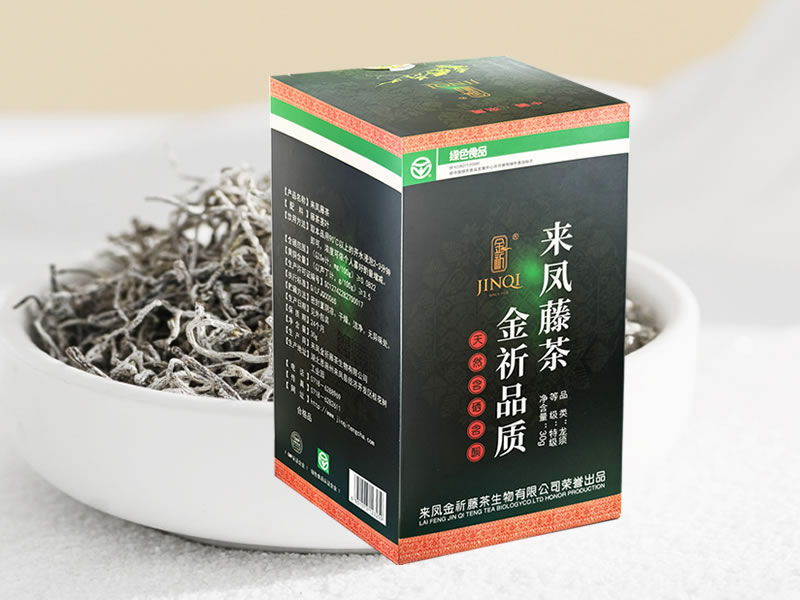
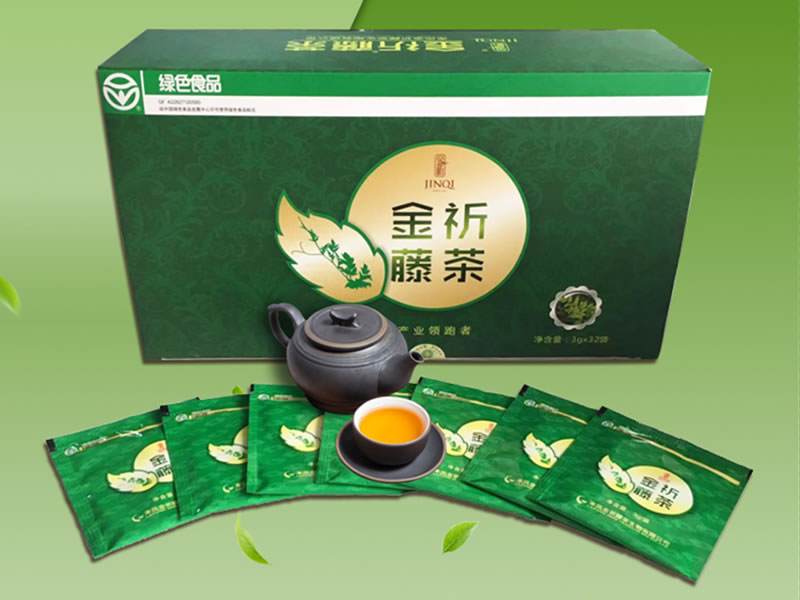
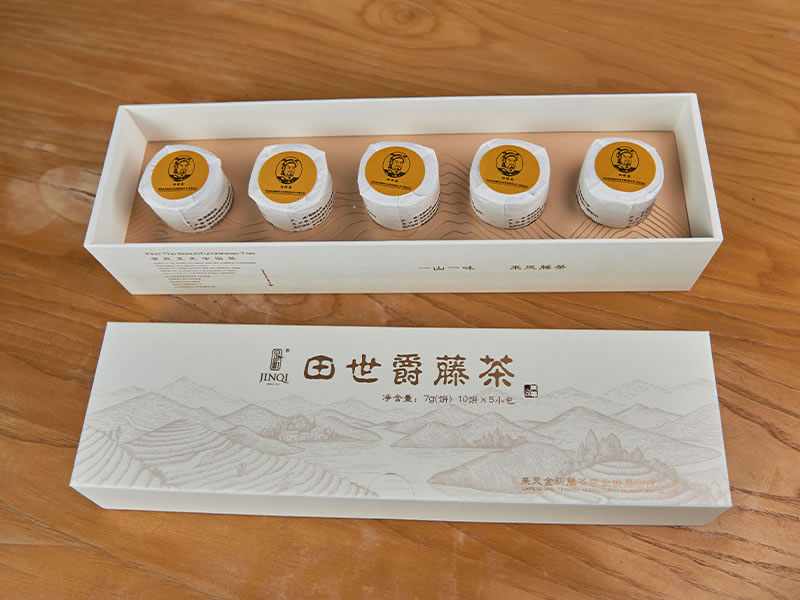
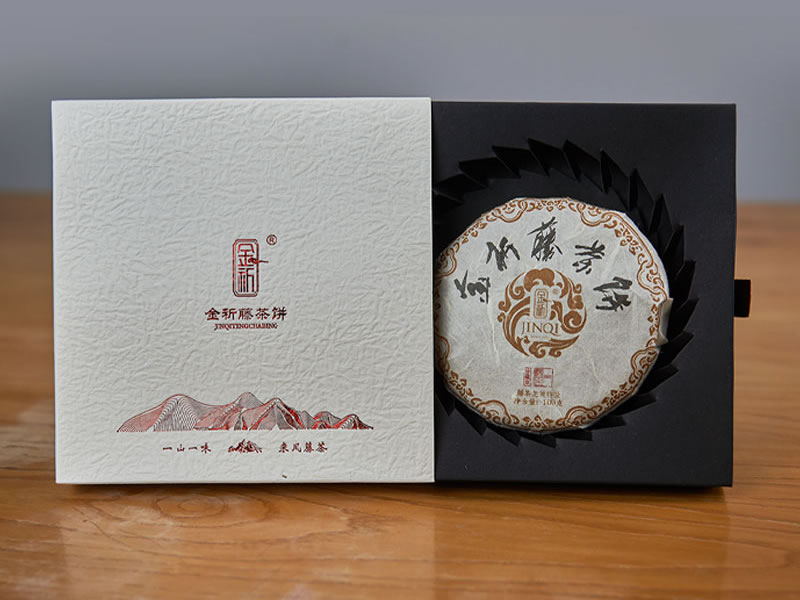
Enjoy Premium Bud Tip Vine Tea with JINQI
Proper hydration is one of the simplest longevity habits — and replacing part of your daily water intake with vine tea (Ampelopsis grossedentata) adds powerful antioxidants and minerals to your routine.
At JINQI Vine Tea Co., Ltd., we have over 20 years of experience producing premium vine tea from Laifeng County, using eco-friendly farming and GMP-certified processing to bring you authentic, high-quality tea from origin to cup.
FAQs
Q1: Is vine tea good for elderly people?
Yes. Vine tea is caffeine-free, rich in antioxidants, and gentle on digestion, making it ideal for seniors.
Q2: Can I drink vine tea every day?
Yes. Most people can enjoy vine tea daily as part of their hydration routine.
Q3: Does vine tea help in dry seasons?
Yes. Vine tea hydrates while providing minerals that help relieve dryness-related discomfort.