
For many tea lovers, drinking tea is a daily ritual to relax and enjoy life. Yet for some, an evening cup of tea means tossing and turning in bed. This is often blamed on caffeine, but here’s the good news: not all teas will keep you awake. In fact, one special herbal tea — vine tea (Ampelopsis grossedentata) — can actually help you sleep better.
Let’s explore why certain teas cause insomnia and how to choose a bedtime-friendly option.
Why Some Teas Cause Insomnia
Tea leaves naturally contain caffeine — a stimulant that boosts alertness and energy. For sensitive individuals, even a small amount of caffeine can make falling asleep difficult.
However, caffeine content varies depending on:
-
Tea type and plant variety
-
Growing conditions
-
Harvest season and leaf maturity
-
Processing methods
-
Brewing strength and duration
Some people can drink strong tea late at night without trouble, while others lose sleep after just a few sips.
4 Ways to Prevent Tea-Induced Insomnia
1. Adjust Tea Drinking Time
Caffeine takes about 3–4 hours to metabolize in the body. If you go to bed at 11 PM, finish your last caffeinated tea by 8 PM to minimize its effect.
2. Control Tea Strength
Weaker tea means less caffeine. Use fewer leaves or more water to dilute the brew.
You can also “wash” the tea — quickly rinse the leaves with hot water once or twice and discard the first brew. Start drinking from the third infusion for lower caffeine content.
3. Choose Low-Caffeine or Caffeine-Free Tea
Fully fermented teas like black tea, ripe pu-erh, and aged white tea generally have lower caffeine levels.
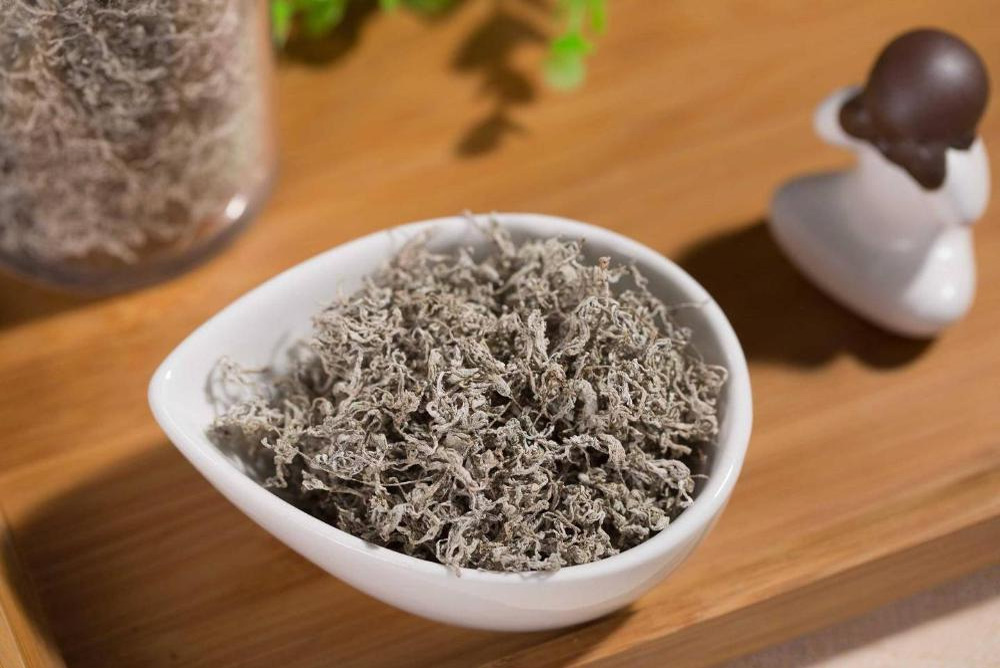
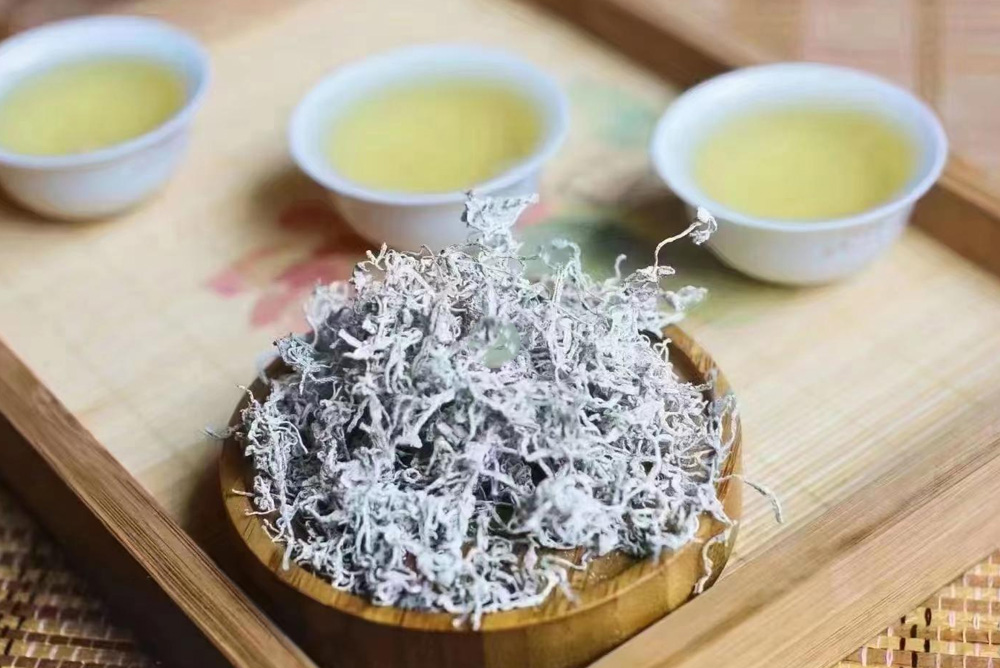
Best of all, try caffeine-free herbal teas. Vine tea (Ampelopsis grossedentata) is one of the best choices — it contains zero caffeine and is rich in natural flavonoids that can actually improve sleep quality.
Why Vine Tea is a Sleep-Friendly Herbal Tea
Unlike traditional tea leaves from the Camellia sinensis plant, vine tea is made from the young buds of a wild vine found in the Wuling Mountains.
Its benefits for sleep include:
-
No caffeine – won’t stimulate the nervous system or keep you awake.
-
Flavonoids for relaxation – especially dihydromyricetin, which helps calm nerves and promote melatonin production.
-
Nervous system balance – supports natural sleep-wake cycles.
Regular moderate consumption of vine tea can help you fall asleep faster and wake up feeling refreshed.
4. Pair Tea with Sweet Snacks
If you’ve had too much caffeinated tea, eat a small dessert or sweet snack. The sugar can help offset caffeine’s stimulating effects and help you relax before bed.
Enjoy Tea at Night Without Losing Sleep
You don’t have to give up your evening tea ritual. By adjusting your tea type, brewing method, and timing — and by choosing vine tea (Ampelopsis grossedentata) — you can enjoy a soothing cup that supports, rather than disturbs, your sleep.
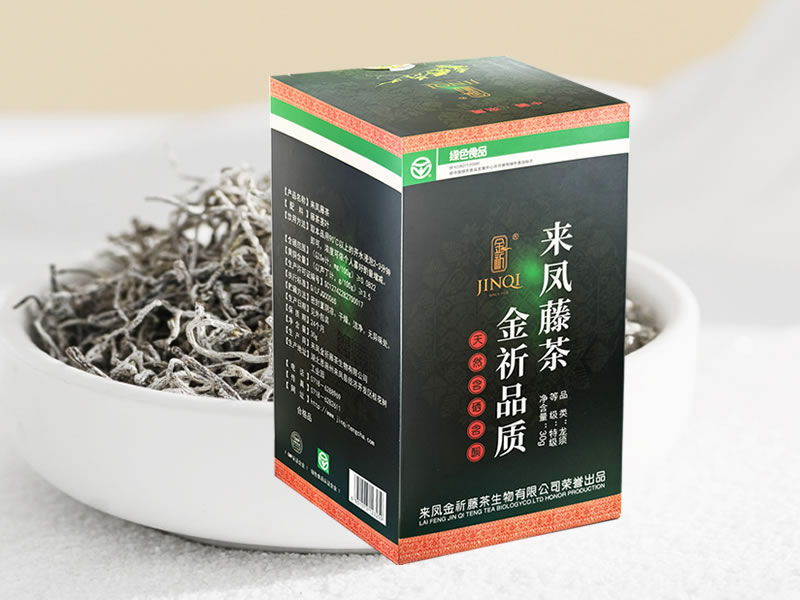
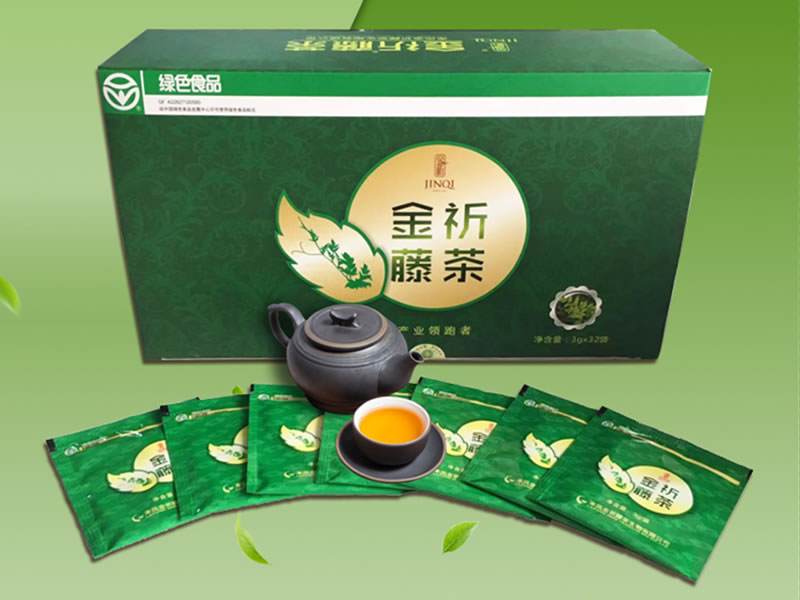
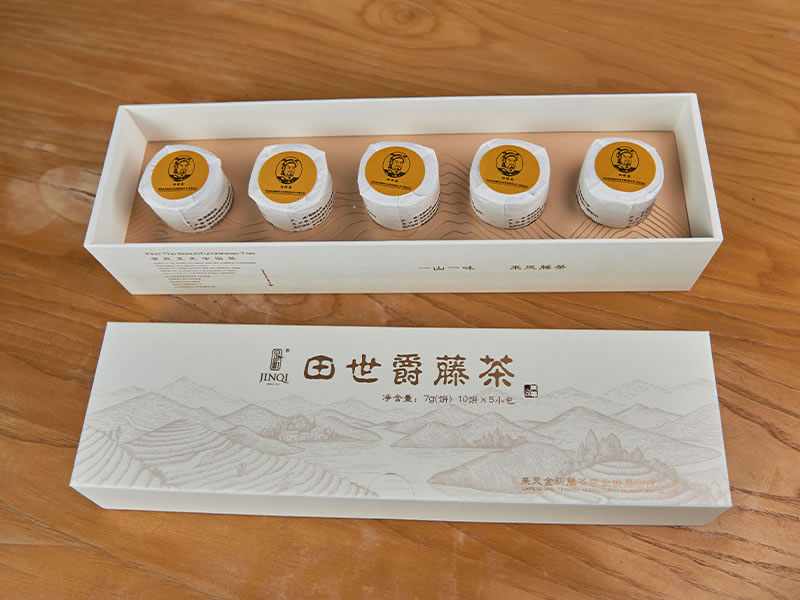
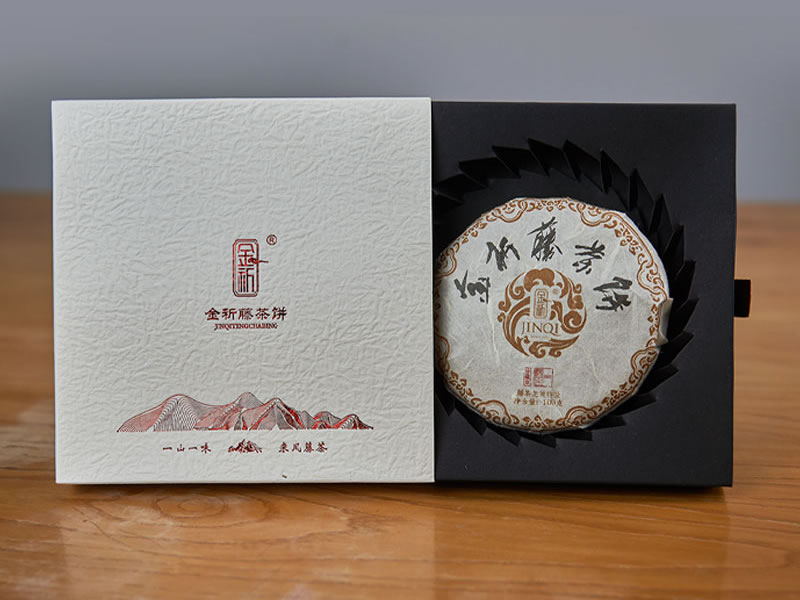
At JINQI Vine Tea Co., Ltd., we produce premium vine tea sourced exclusively from Laifeng County, following GMP-certified standards to ensure purity, safety, and maximum health benefits. Whether for personal wellness or as a premium product for your customers, our vine tea delivers unmatched quality.
FAQs
Q1: Does vine tea contain caffeine?
No. Vine tea is caffeine-free, making it ideal for evening consumption and for those sensitive to stimulants.
Q2: Can vine tea help with sleep?
Yes. The flavonoids in vine tea, especially dihydromyricetin, promote relaxation and melatonin production, improving sleep quality.
Q3: How should I brew vine tea for better sleep?
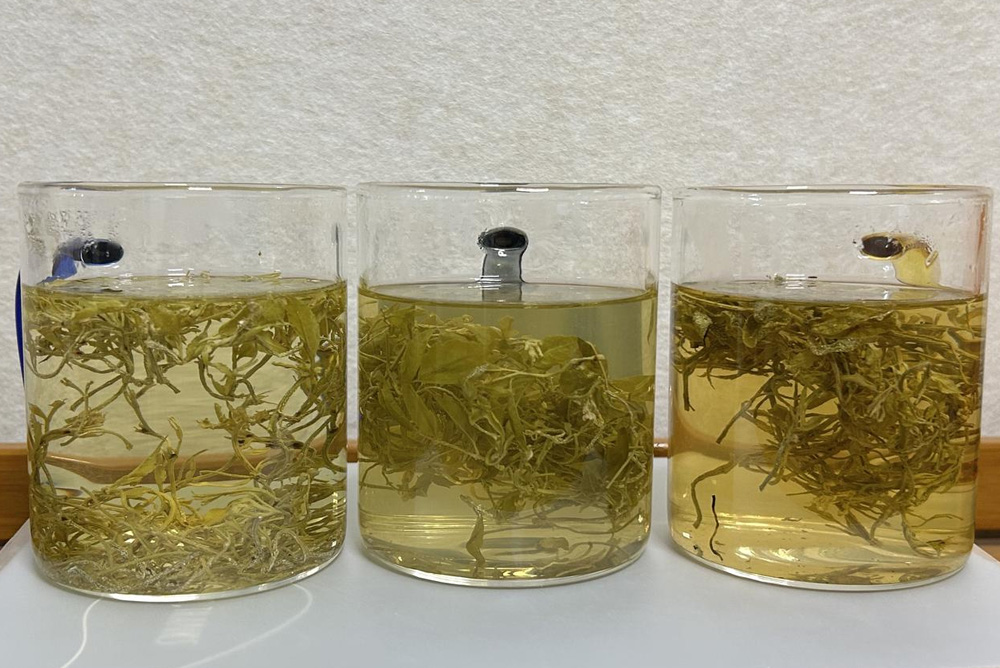
Steep 2–3 grams of vine tea in 90–95°C water for 2–3 minutes. Drink warm, preferably 1–2 hours before bedtime.