Table of Contents
ToggleIntroduction
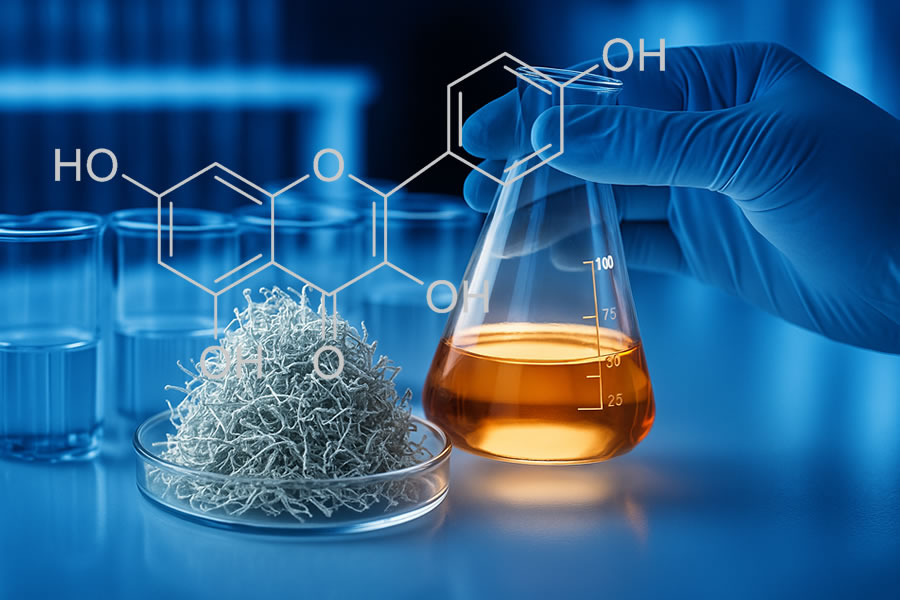
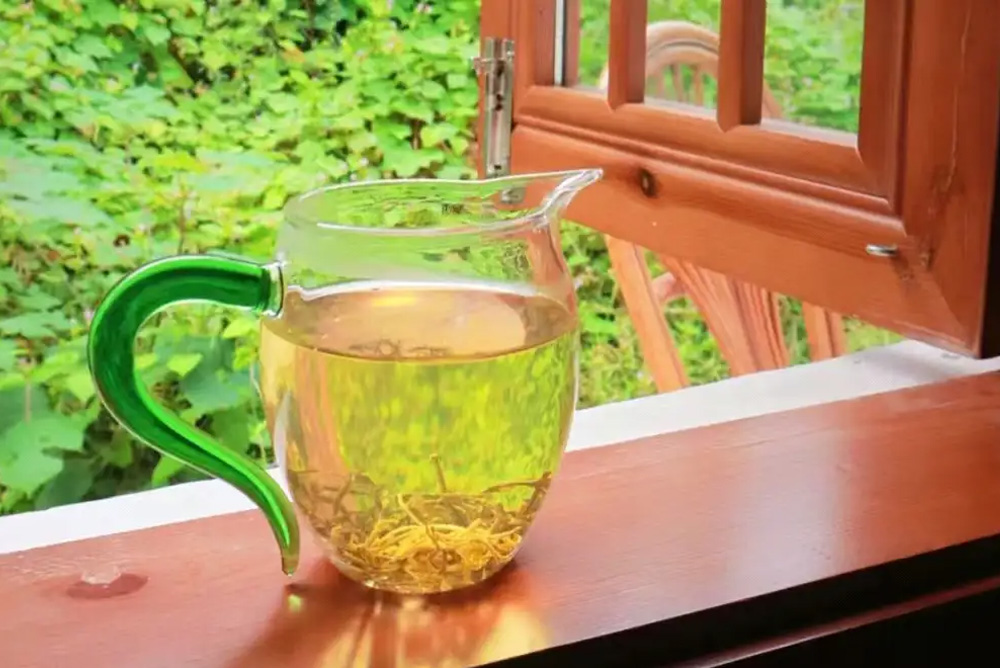
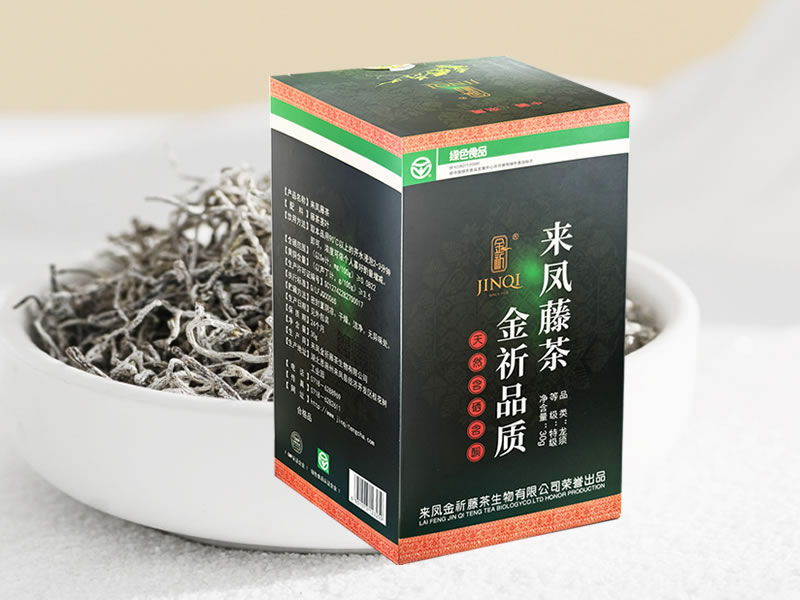
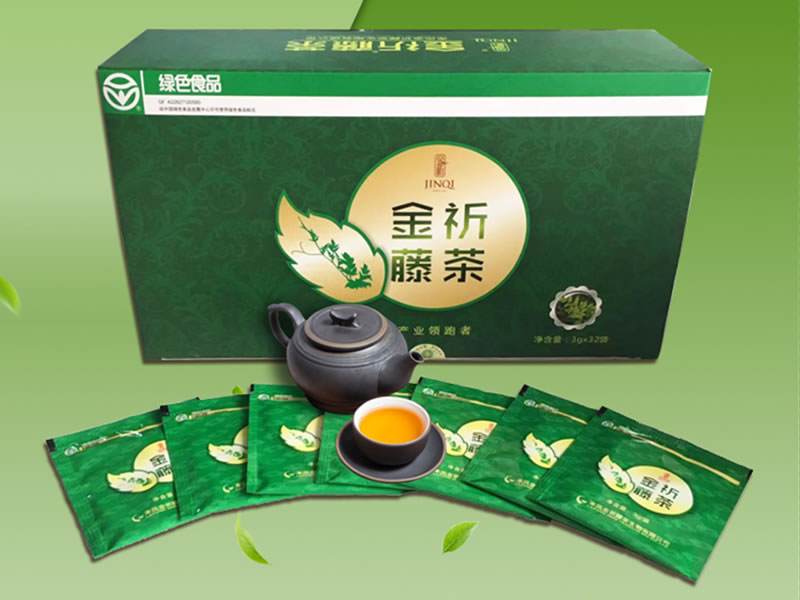
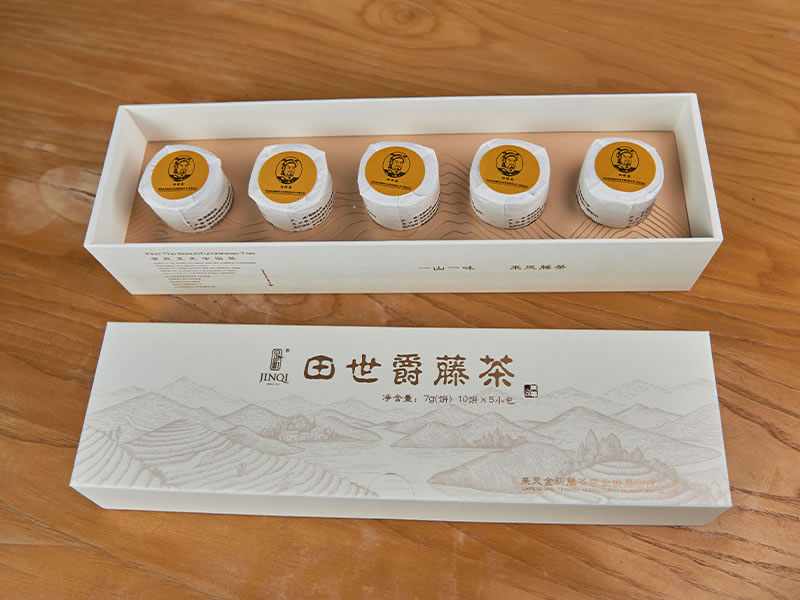
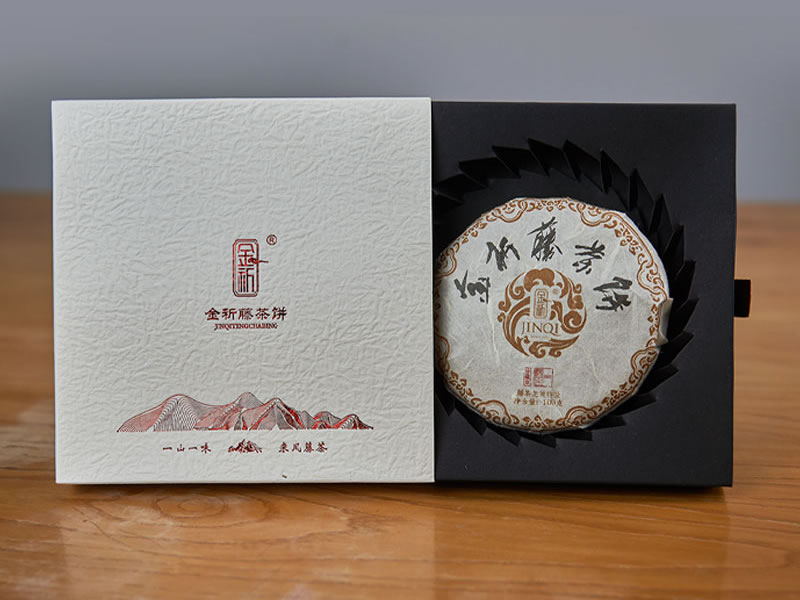
If you’ve never heard of Mei Tea, you’re not alone. Known scientifically as Ampelopsis grossedentata and often referred to as Vine Tea, this unique herbal tea is a hidden gem in China’s southern regions. Packed with flavonoids, amino acids, and essential trace elements, Mei Tea has earned the title “King of Flavonoids” for its powerful health benefits.
What Is Mei Tea and Why Is It Called the “King of Flavonoids”?
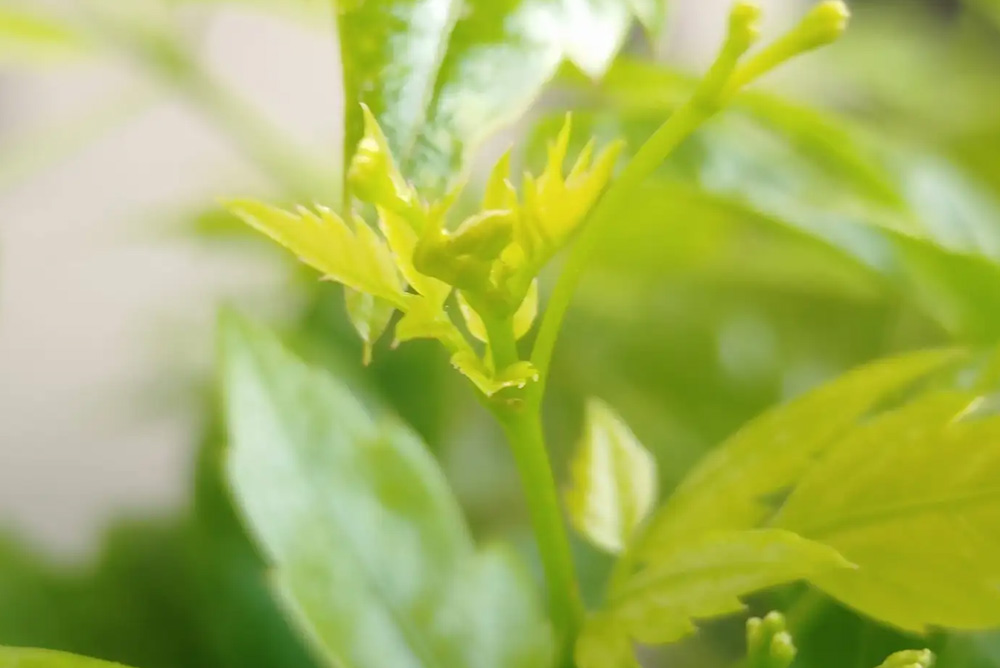
For many people, “Mei Tea” is still a little-known treasure. It is not technically a traditional tea, yet it offers even greater benefits than many well-known varieties. Mei Tea is a type of vine tea, scientifically known as Ampelopsis grossedentata, a wild climbing plant from the grape family (Vitaceae).
Origins and Growing Regions
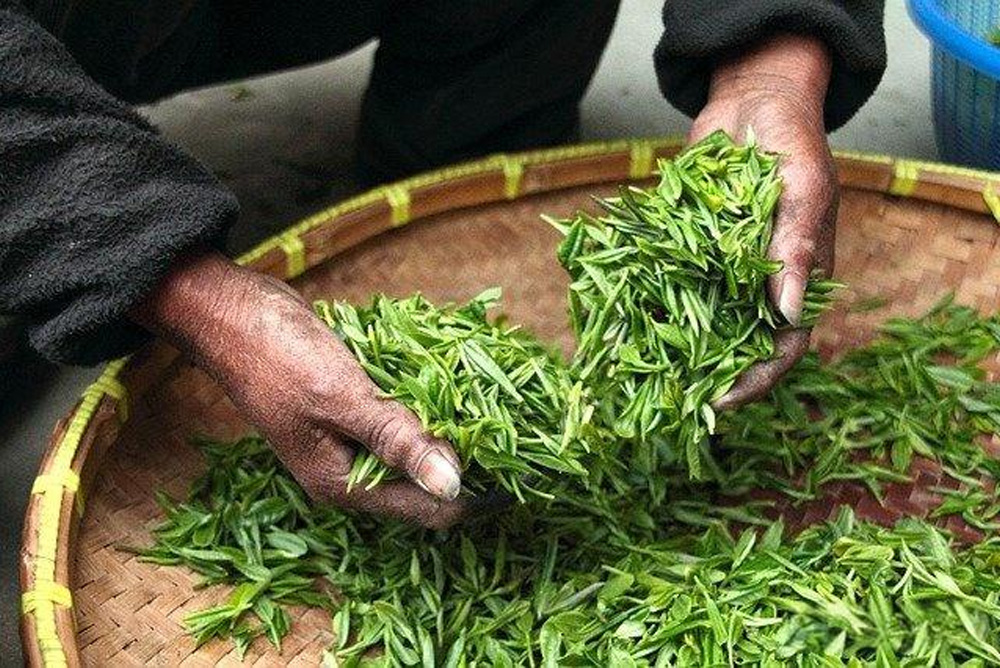
Mei Tea mainly grows south of the Yangtze River in China, particularly in the southeastern parts of Yunnan, Fujian, Guangdong, Guangxi, and Hunan. It goes by many local names.
In the Mao Yan River area of Zhangjiajie, Hunan, locals call it Mao Yan Mei, Shen Tang Mei, Qing An Mei Tea, Immortal Grass, or Tujia Divine Tea. In Bama, Guangxi — a region famous for longevity — vine tea is known as the “Longevity Vine,” “Longevity Sweet Dew,” or “Local Licorice.”
How Mei Tea Got Its Name
In 1993, Huang Hongquan, a senior forestry engineer from Yongding District, Hunan, along with other experts, conducted a field study in the Mao Yan River area. They discovered the local vine tea and sent samples for testing. The results were remarkable: it contained high levels of total flavonoids, dihydromyricetin, 17 amino acids, and 14 essential trace elements — all with exceptional medicinal value.
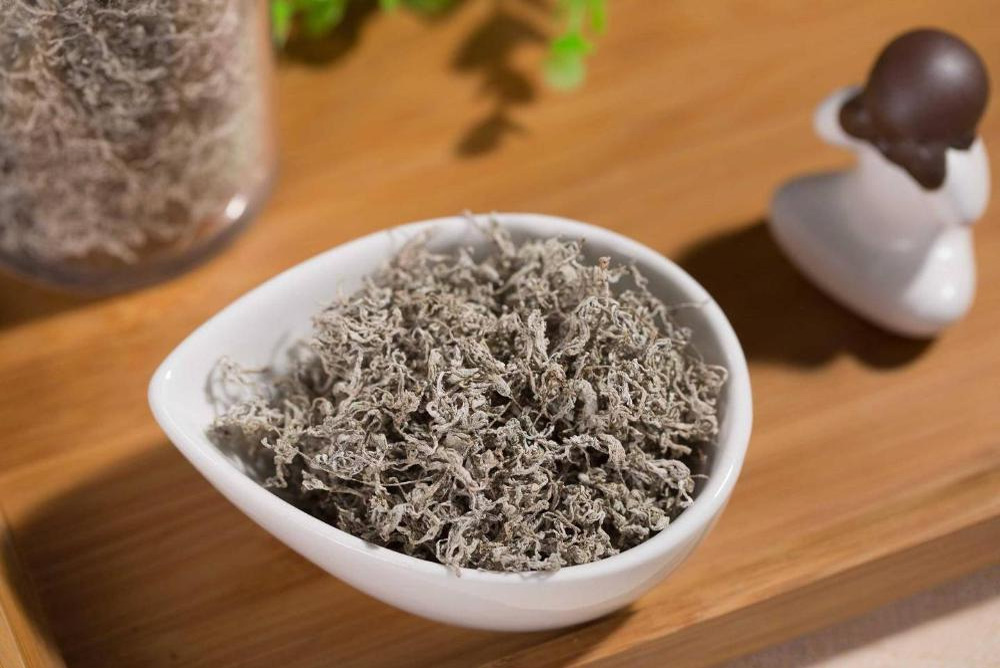
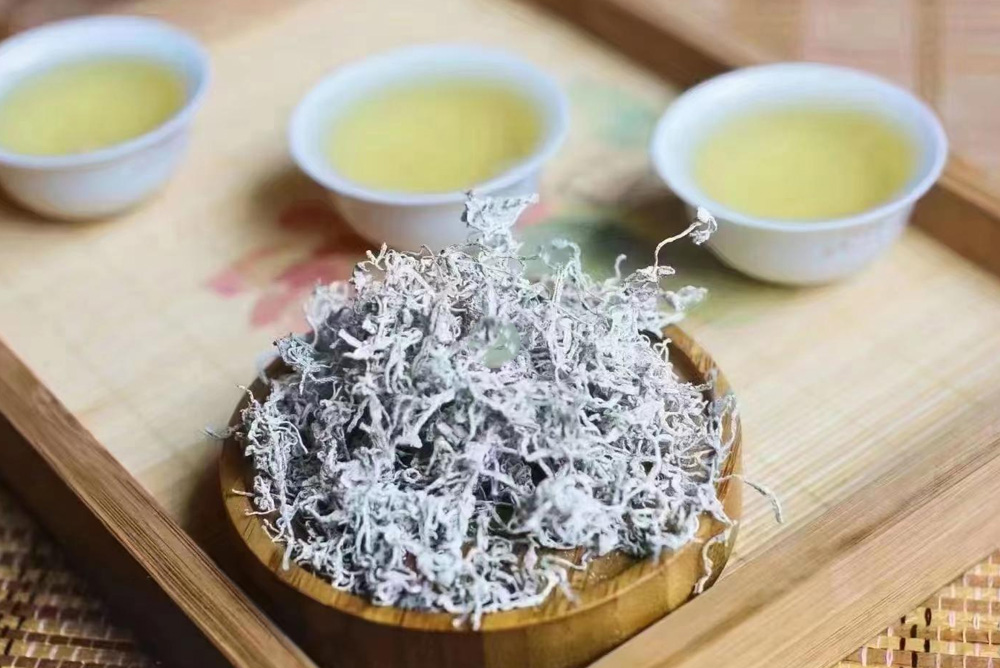
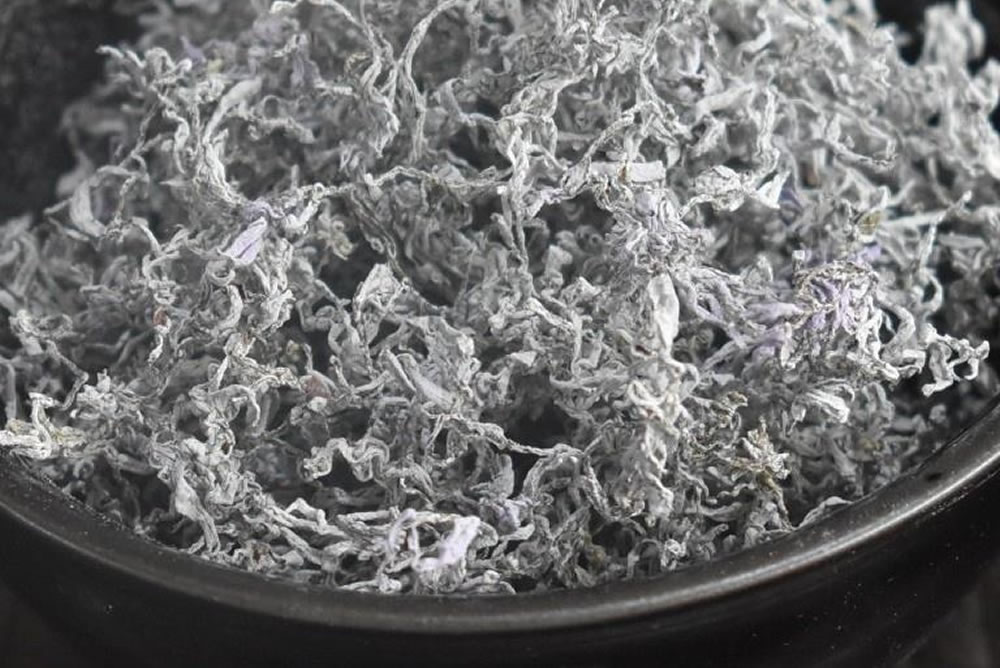
Recognizing its potential, the local government began research and promotion efforts. The Hunan Zhangjiajie Institute of Applied Botany initially named the product “Mold Tea” (霉茶), inspired by its white, frost-like coating that resembles mold. However, to make it more appealing to consumers, “mold” (霉) was replaced with “berry” (莓), leading to the final name: Mei Tea.
Six Key Health Benefits of Mei Tea
Antibacterial & Digestive Support
Mei Tea has a strong inhibitory effect on Helicobacter pylori — the bacteria linked to gastritis and stomach ulcers. Studies show that regular consumption can help relieve stomach pain, promote ulcer healing, and even clear the infection.Liver Protection & Hangover Relief
The flavonoids in Mei Tea protect liver cells, neutralize toxins, promote regeneration, and help prevent liver fibrosis or cirrhosis.Oral Health
Drinking Mei Tea can help treat mouth ulcers, periodontitis, and gingivitis. Users report noticeable pain relief, faster healing, and fewer recurrences.Eye Protection
Rich in flavonoids, amino acids, and trace minerals, Mei Tea provides antioxidants that nourish eye tissues, reduce fatigue, and improve vision. It is especially beneficial for those with vision issues related to diabetes.Reducing Tobacco Harm
Mei Tea’s flavonoids can bind to and neutralize harmful tar compounds from cigarettes, reducing symptoms like dry mouth, cough, phlegm buildup, and dull complexion in smokers.Boosting Immunity
Regular consumption can improve resistance to viruses. Even if you don’t drink it daily, adding Mei Tea to your routine when you have a cold can quickly relieve headaches, nasal congestion, and other symptoms.
Should You Rinse Mei Tea Before Brewing?
Yes — just like other teas, Mei Tea should be rinsed before drinking. During drying and processing, dust and impurities may cling to the leaves. A quick rinse removes these particles without affecting flavor or nutrients.
How to rinse Mei Tea:
Warm your teaware with hot water.
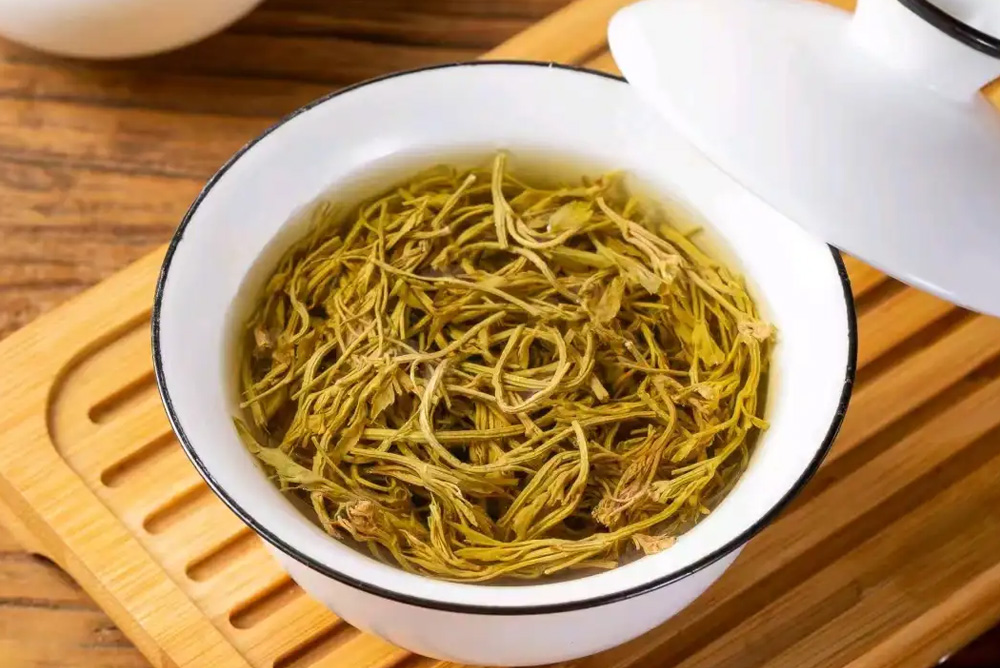
Add 3–5 grams of Mei Tea.
Pour in hot water and immediately discard it within 10 seconds.
This both cleans and “wakes up” the tea leaves.
The Correct Way to Brew Mei Tea
Unlike most teas, Mei Tea is often prepared in a thermos for maximum extraction of its beneficial compounds.
Steps:
Place the rinsed tea leaves in a thermos.
Pour in boiling water (about half the thermos capacity).
Swirl gently and discard the water — this is the rinse.
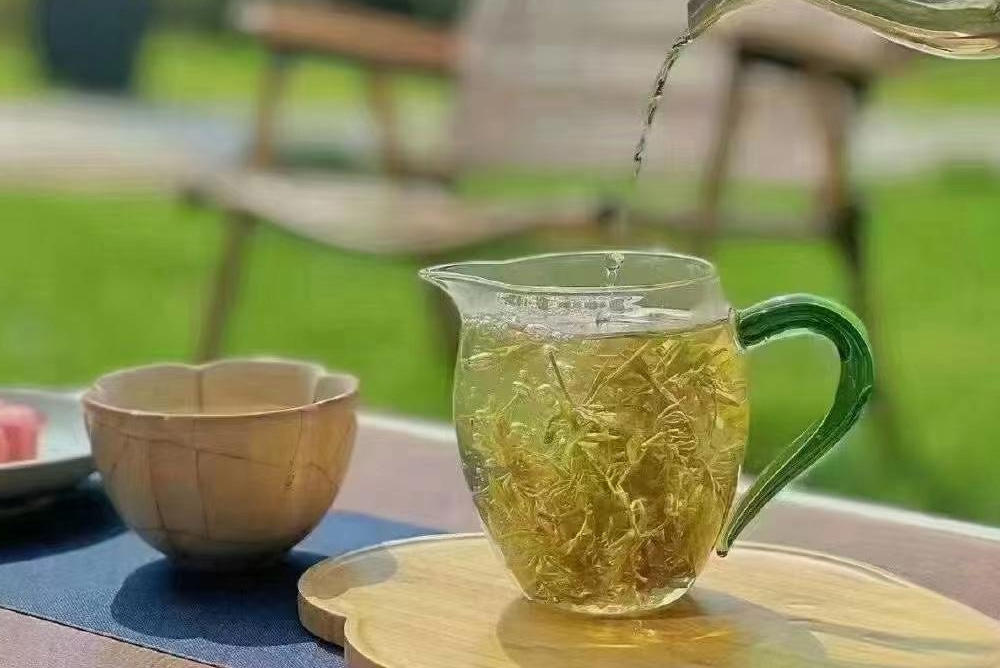
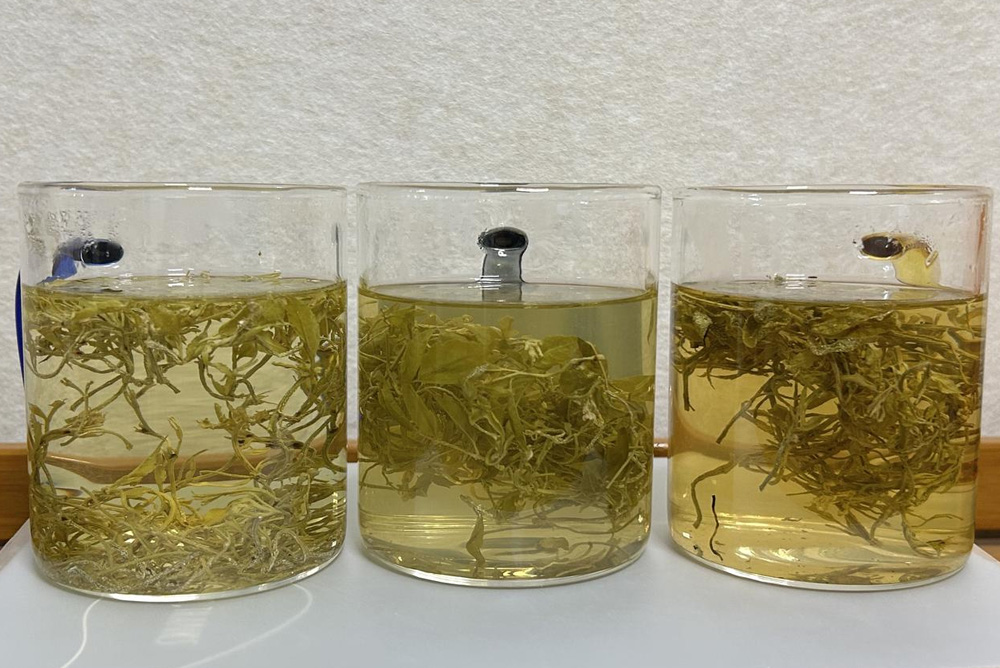
Refill with boiling water, close the lid, and steep for 5–10 minutes.
Pour out the tea to drink, and refill with hot water as needed.
This method ensures the tea retains its rich taste and full health benefits.
Mei Tea is more than just a beverage — it’s a natural health tonic with centuries of traditional use and modern scientific backing. Whether you’re looking to support digestion, protect your liver, boost immunity, or simply enjoy a unique and refreshing drink, Mei Tea deserves a spot in your daily wellness routine.