Many people debate whether overnight tea is safe to drink. In clinical practice, there is no strict rule saying it must be avoided, but health experts often advise against it for two main reasons:
-
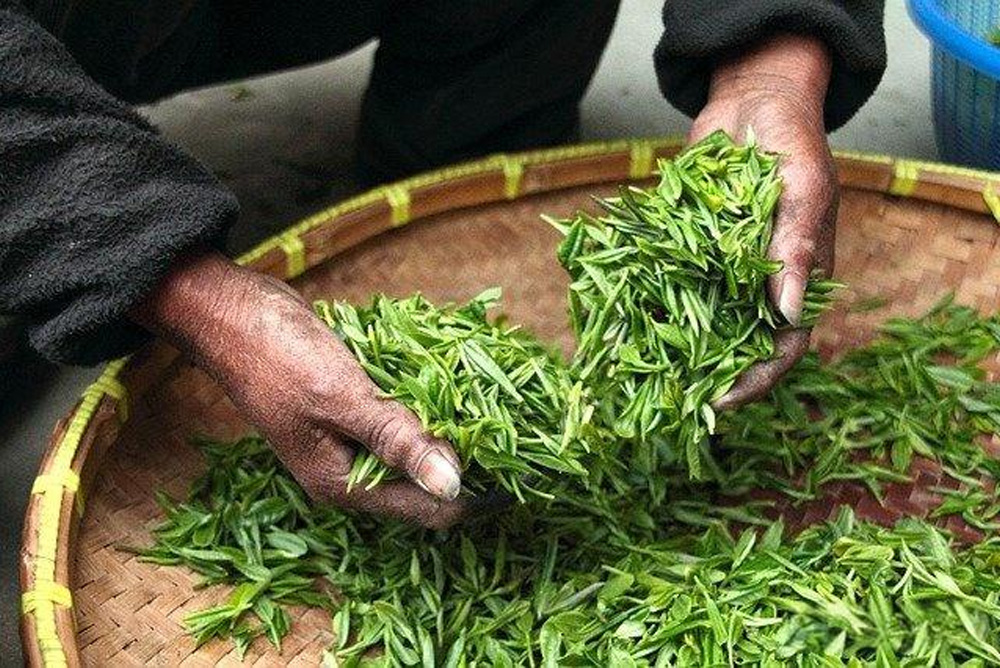
Tannin build-up in traditional tea
Most traditional teas contain tannins. When tea sits for a long time — especially overnight — more tannins are released. These can bind with stomach acids to form hard-to-digest compounds, reducing your body’s ability to absorb nutrients. -
Bacterial growth
Tea contains proteins and sugars that serve as food for bacteria and mold. Left in the open for too long, especially overnight, tea can develop harmful microbes. Drinking it may lead to stomach upset, vomiting, or diarrhea.
Why Vine Tea (Ampelopsis grossedentata) Is Different
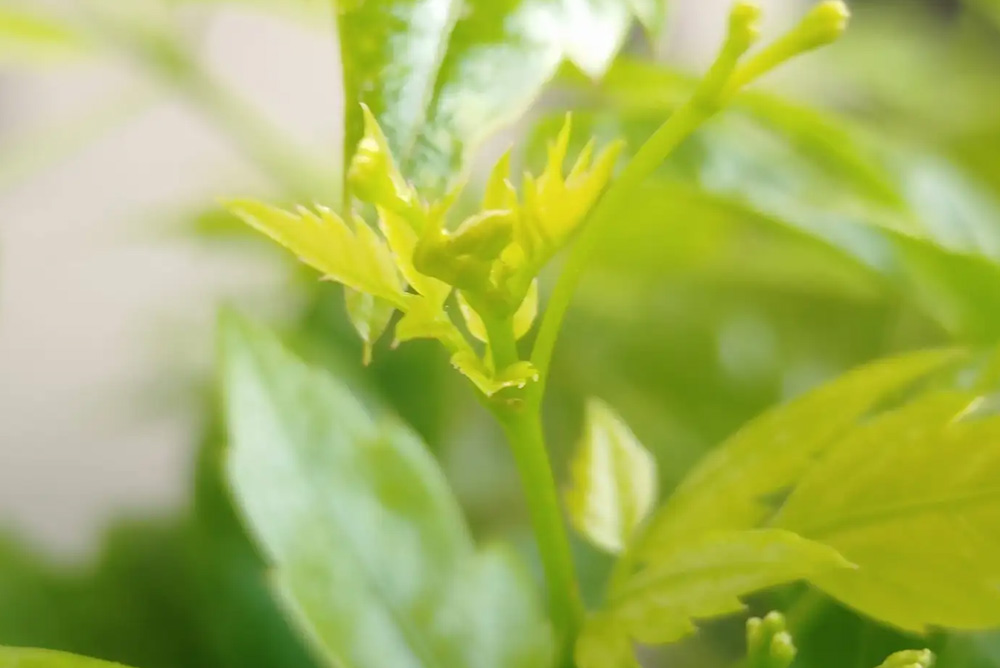
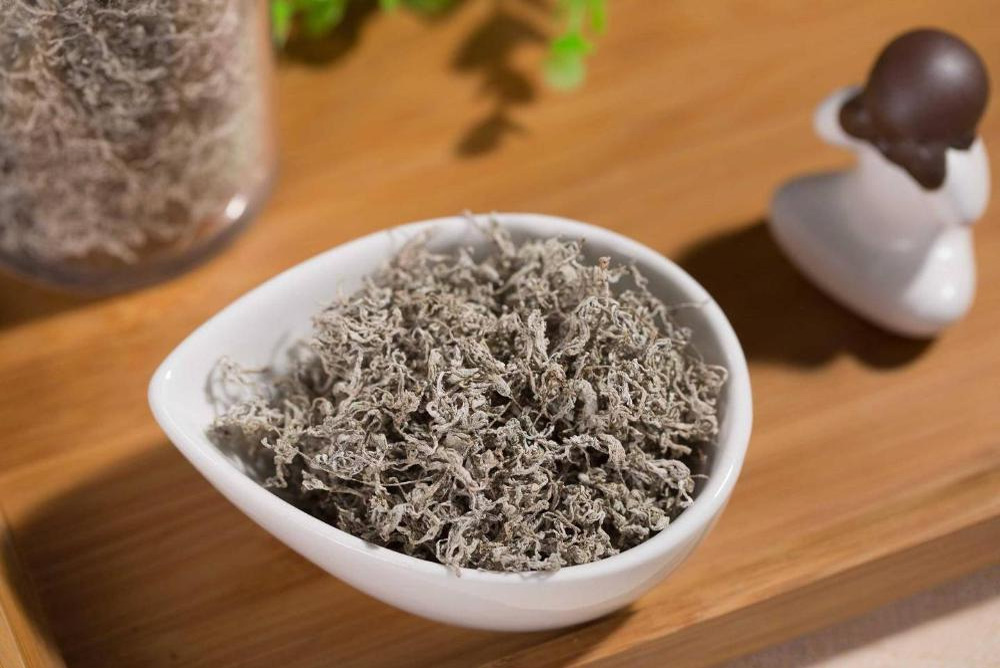
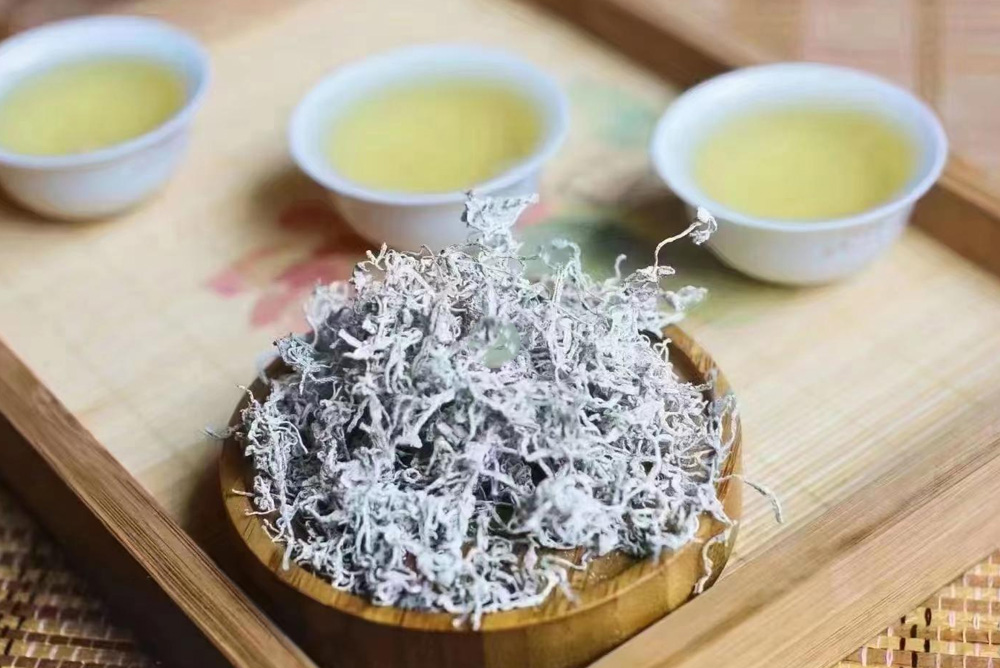
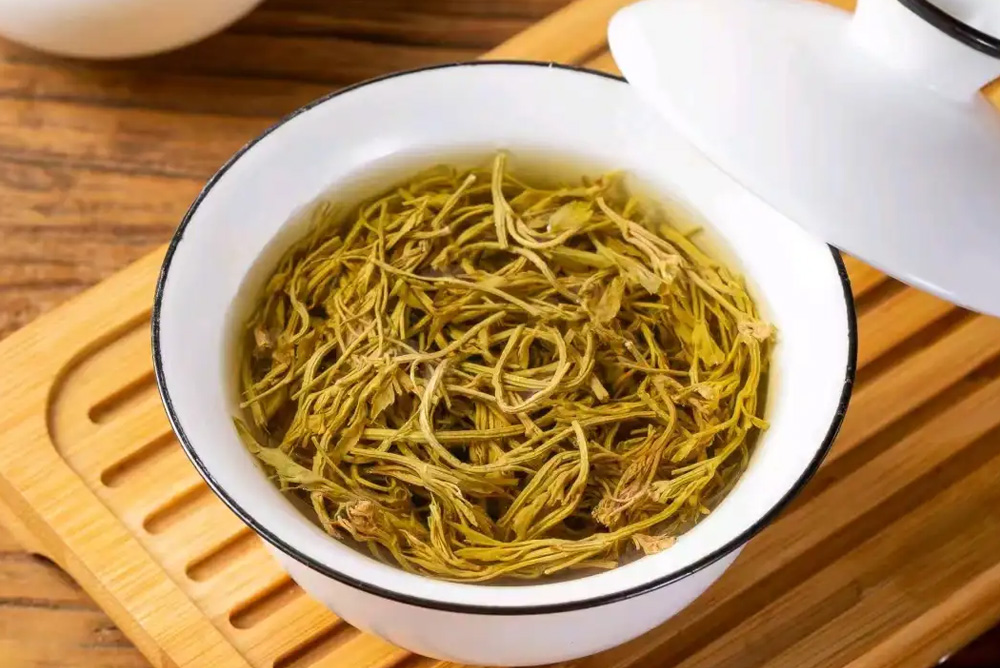
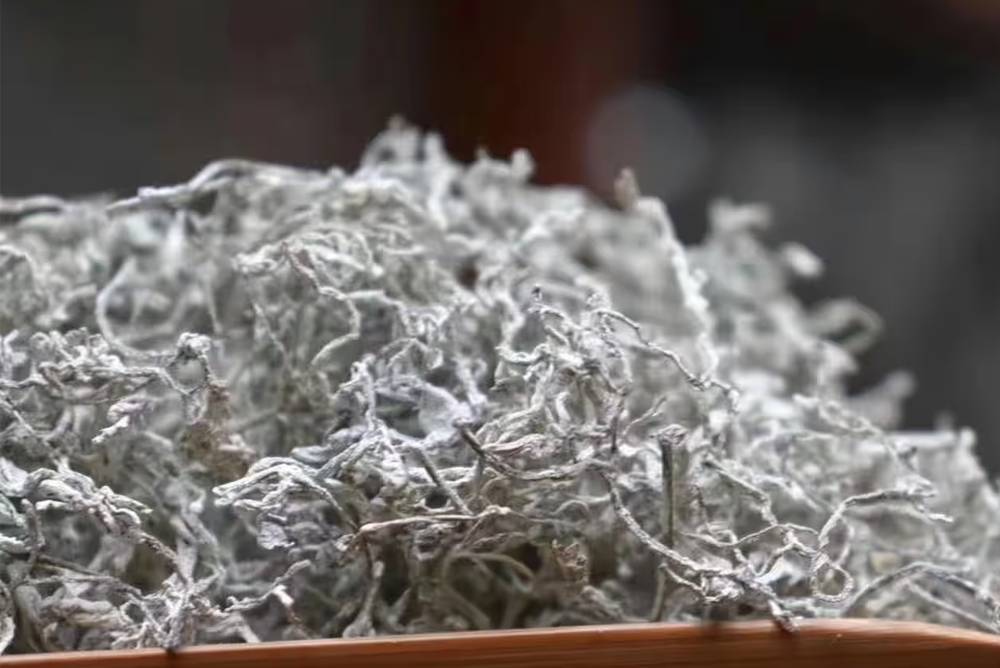
Vine tea, also known by its botanical name ampelopsis grossedentata, is unlike traditional teas in several important ways — making it safer to drink even after long brewing times.
-
No caffeine or theobromine
Vine tea contains no caffeine or theobromine, so it won’t cause restlessness or affect sleep. This makes it ideal for people with high stress levels or high blood pressure who still enjoy tea. In fact, vine tea may even help improve sleep quality. -
High flavonoid content for natural preservation
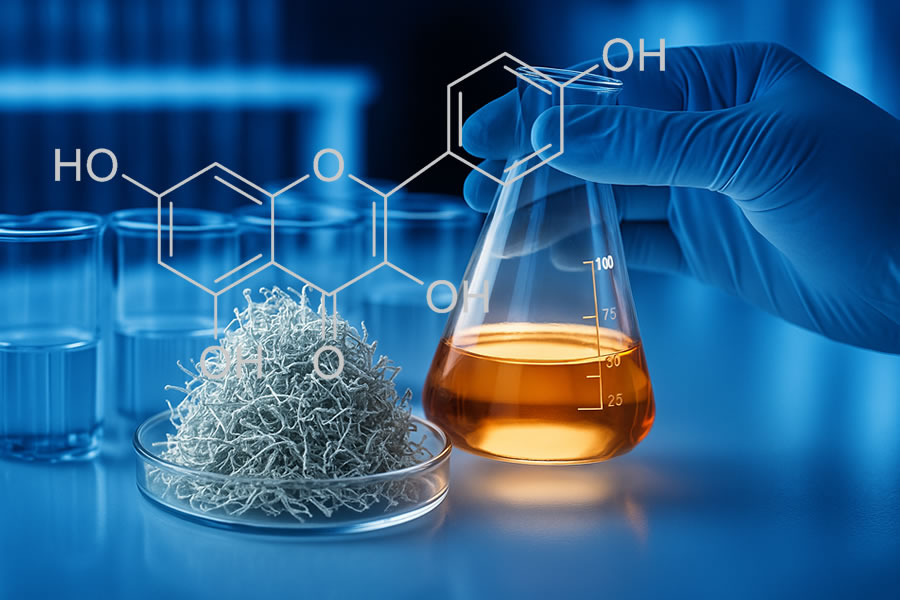
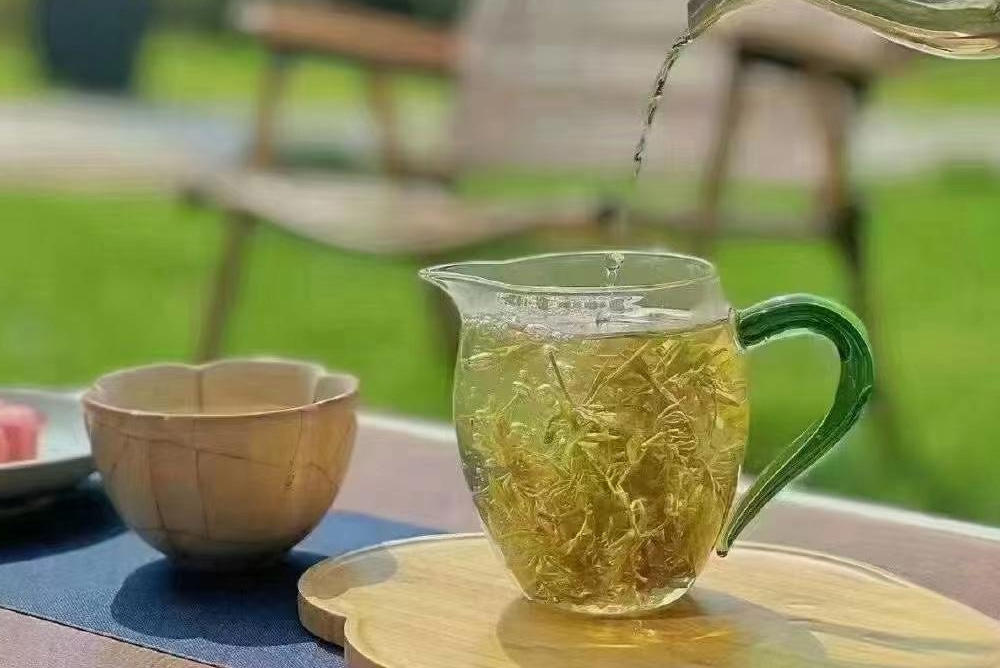
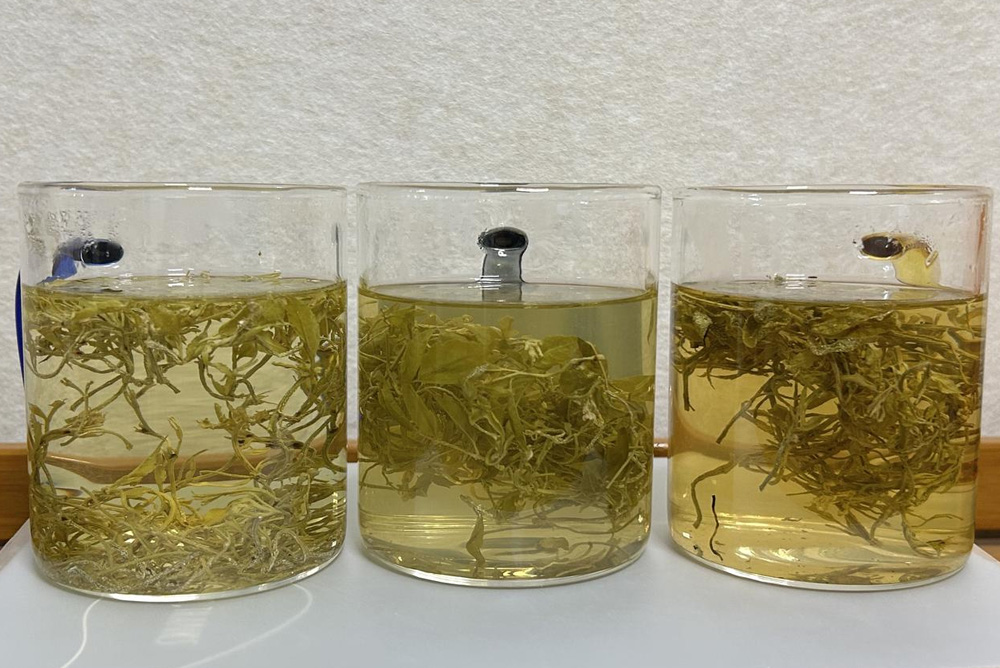
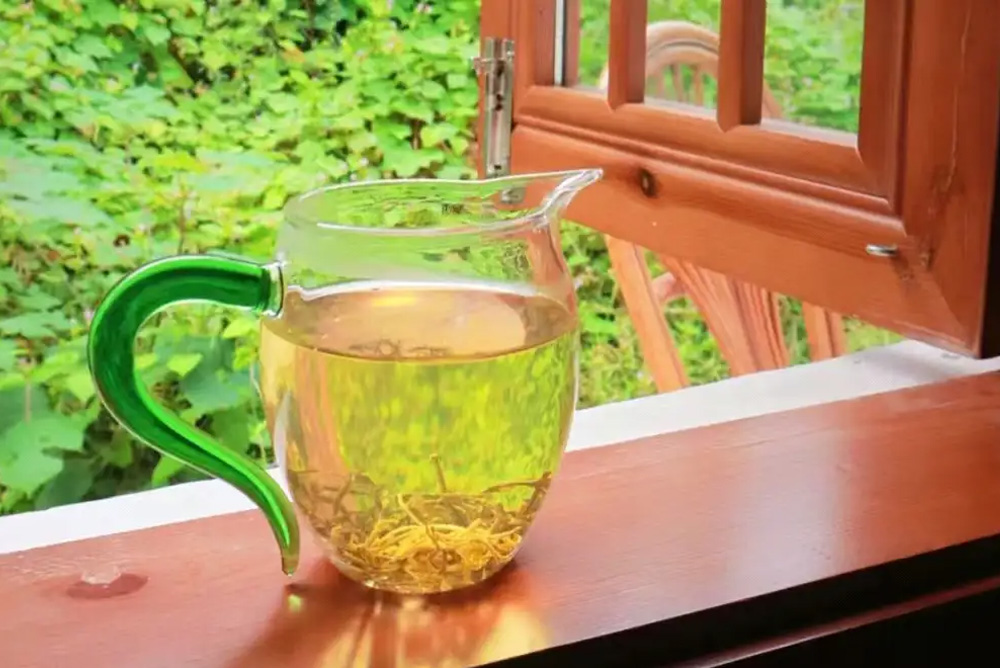
Known as the “King of Flavonoids” in the plant world, vine tea contains potent flavonoids that can kill bacteria. This antibacterial effect means that even after a week of steeping, vine tea doesn’t spoil easily. -
Tannin-free for better nutrient absorption
Without tannins, vine tea doesn’t form compounds that block nutrient absorption. You can enjoy it without worrying about digestive interference. -
Compatible with medication
Unlike some teas, vine tea has no known negative interactions with medications — whether herbal, Western, or traditional Chinese — and can even support nutrient absorption. -
Remarkable flavonoid levels
On average, vine tea contains about 26% flavonoids. Premium bud vine tea can reach as high as 43.7%, compared to just 3% in typical green tea.
A Note of Caution
While vine tea is far more stable than traditional tea, it’s still best to consume freshly brewed tea whenever possible for optimal flavor and safety.
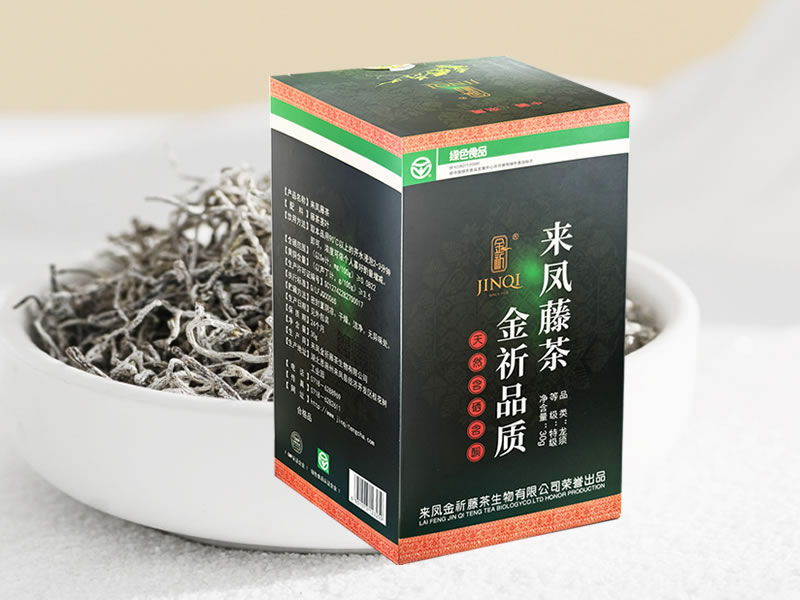
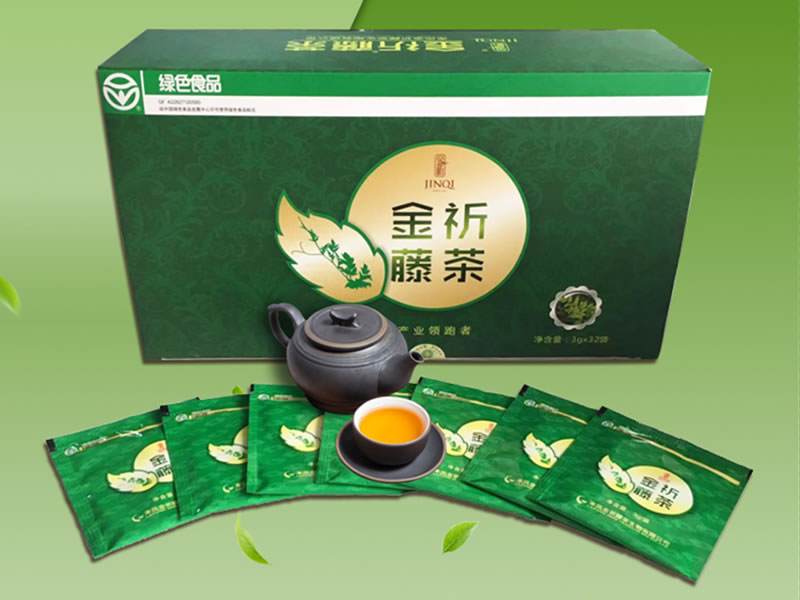
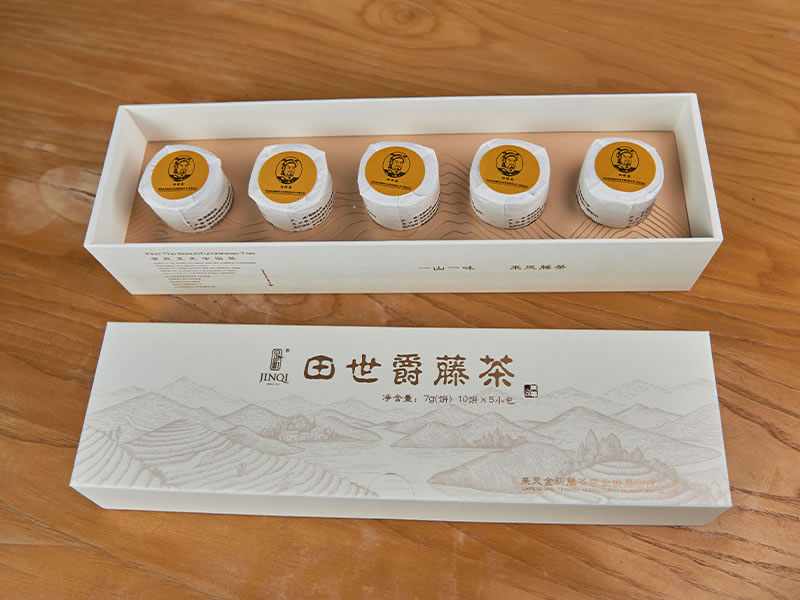
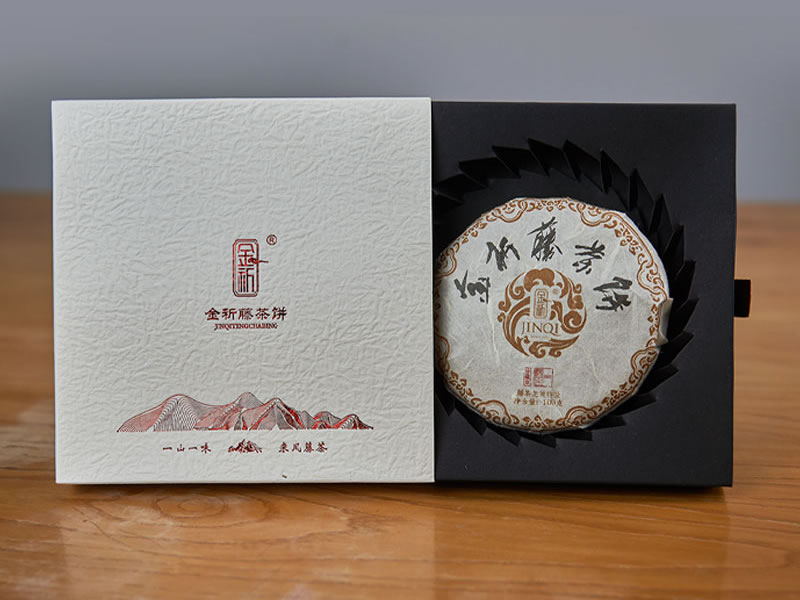
Discover our premium vine tea (ampelopsis grossedentata) — carefully sourced for maximum flavonoid content and rich, smooth flavor. Contact us today for wholesale pricing and international shipping options.