When tea lovers judge the quality of their brew, the sweet aftertaste—or “hui gan” in Chinese—is often a key factor. This refreshing, lingering sweetness can define a great tea. But what causes it? For many traditional teas, the aftertaste can be roughly explained by this formula:
36% tea polyphenols + 4% amino acids + 4% flavonoids + 3% organic acids + 3.5% sugars = a delightful sweet aftertaste
Among these ingredients, tea polyphenols and flavonoids are especially influential.
The Role of Tea Polyphenols
Research shows a clear positive relationship between tea polyphenol content and the strength of the sweet aftertaste. Simply put, the higher the polyphenol levels, the more noticeable and lasting the aftertaste.
Flavonoids: Bitterness Leading to Sweetness
Flavonoids contribute uniquely to taste. Initially, they can bring bitterness, but soon after, they create a sweet sensation that enhances the overall flavor. This is why olives, which are rich in flavonoids, also have a characteristic bittersweet taste. The higher the flavonoid content, the more pronounced this sweet aftertaste becomes.
Familiar Teas with Notable Sweet Aftertaste
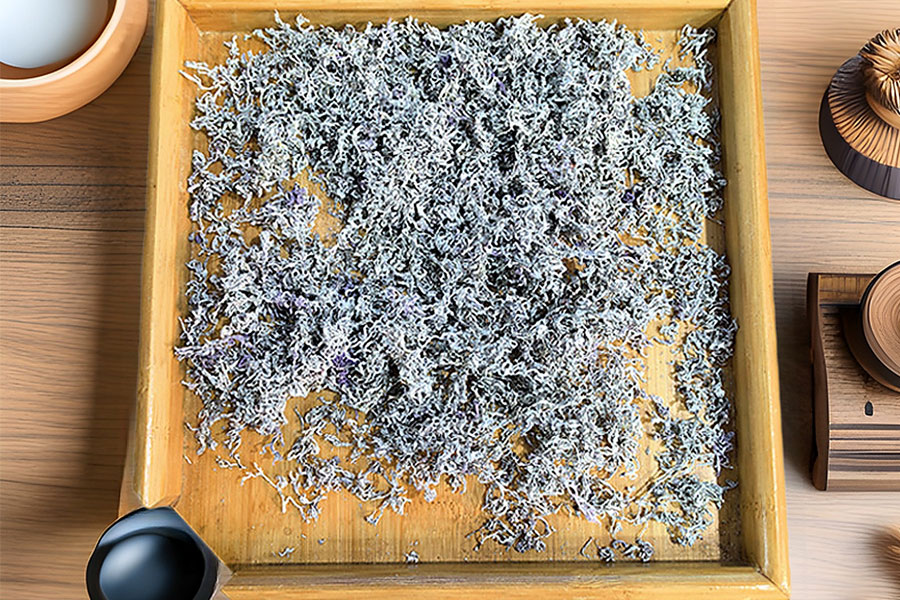
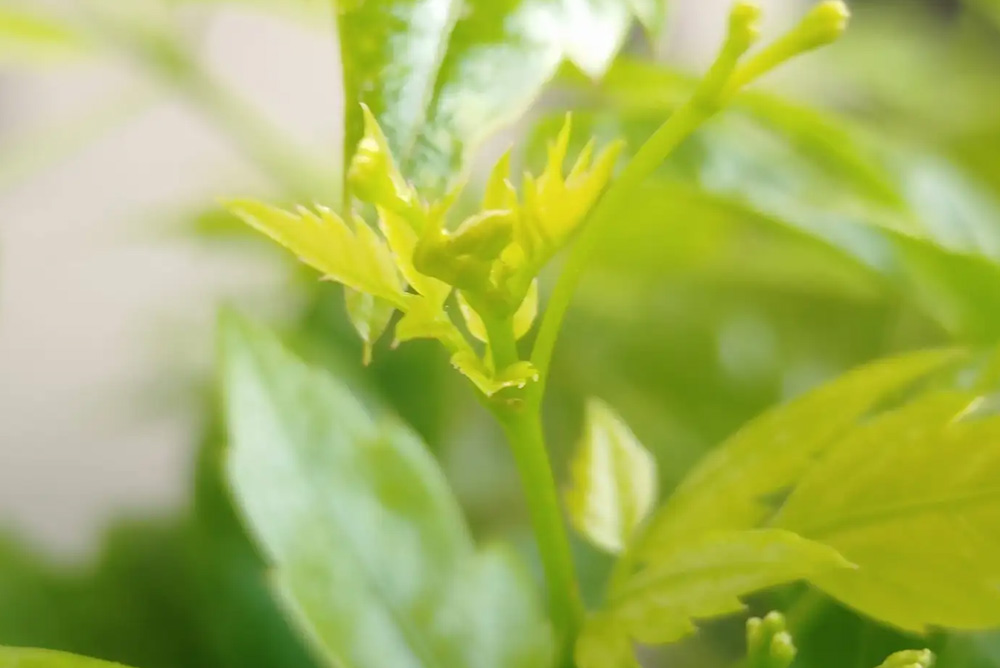
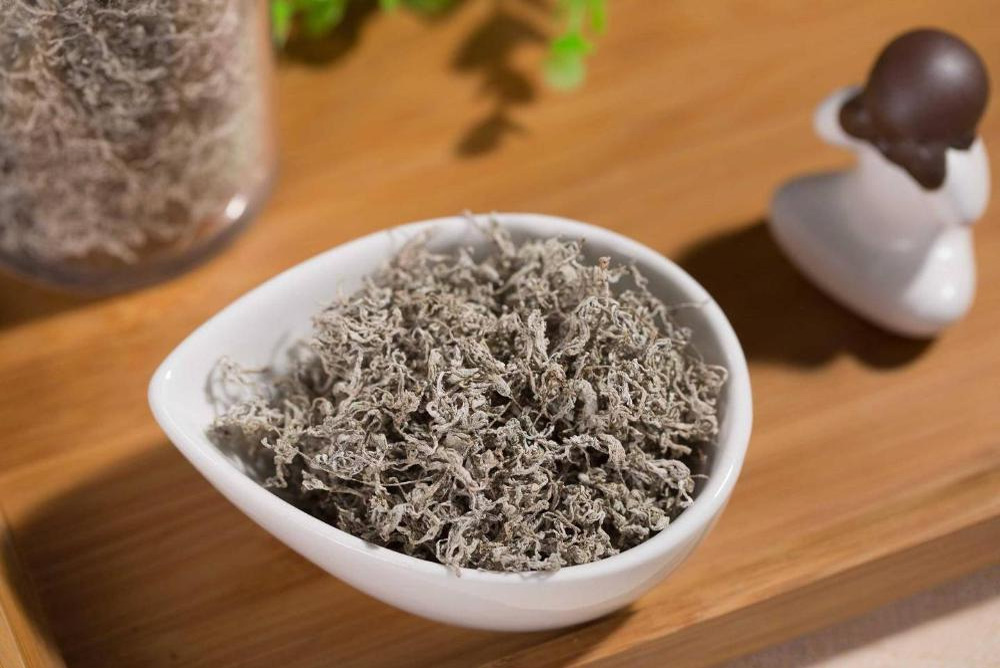
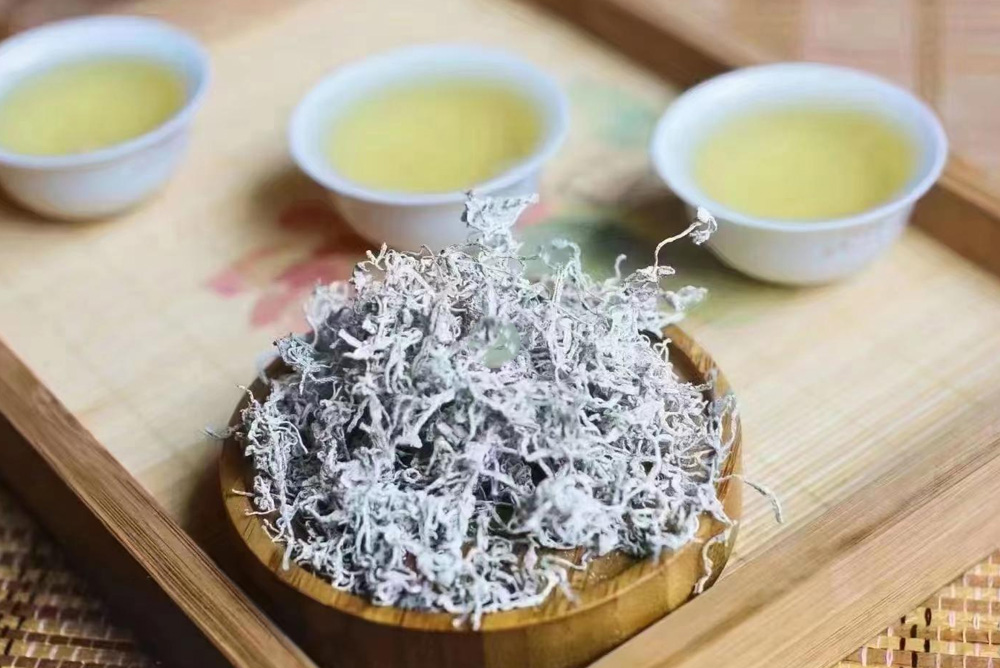
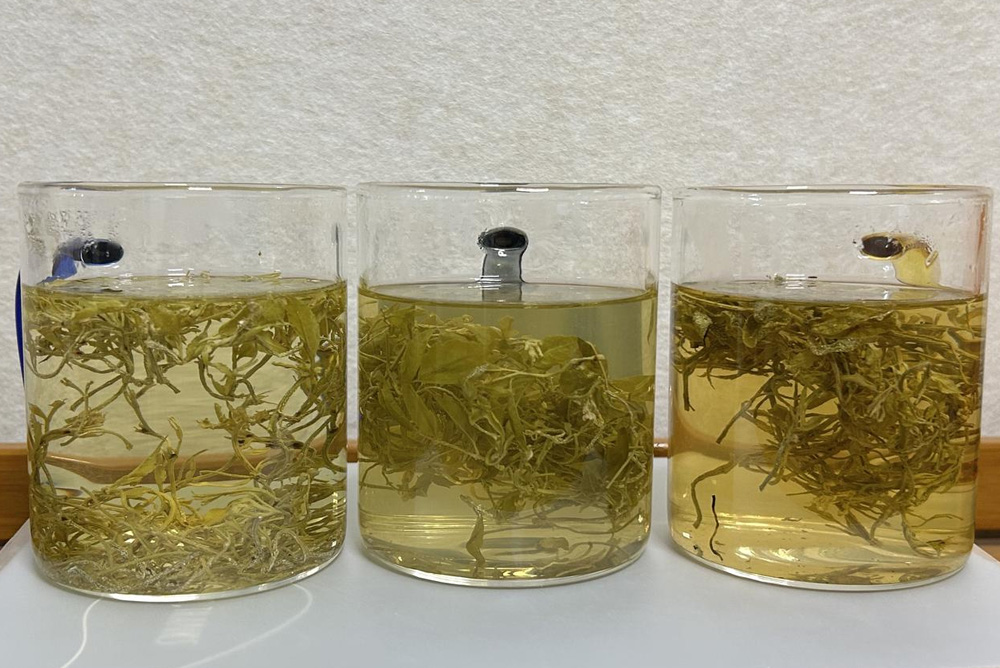
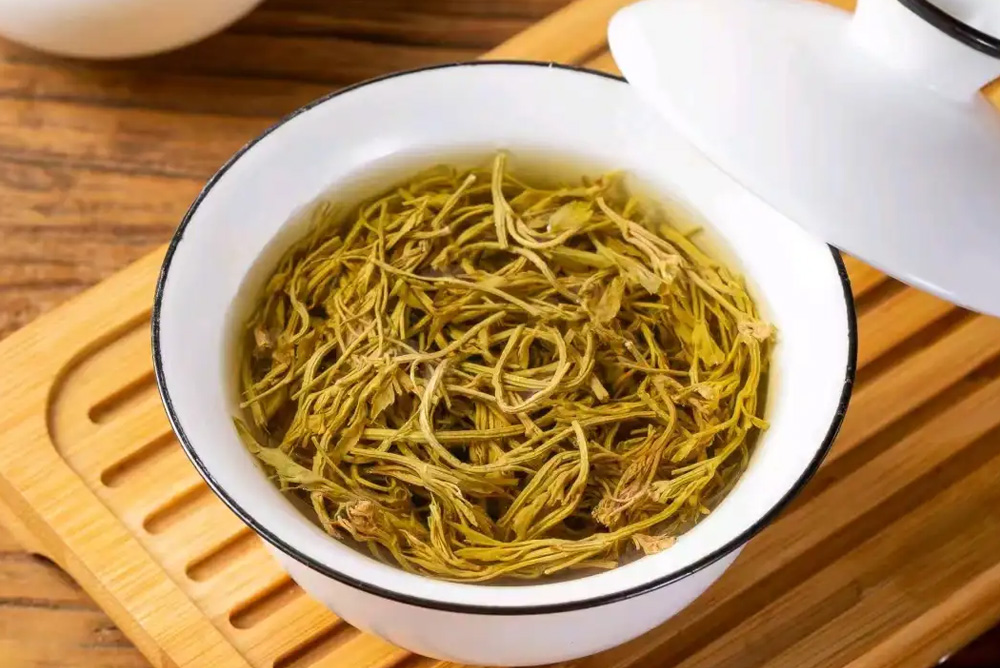
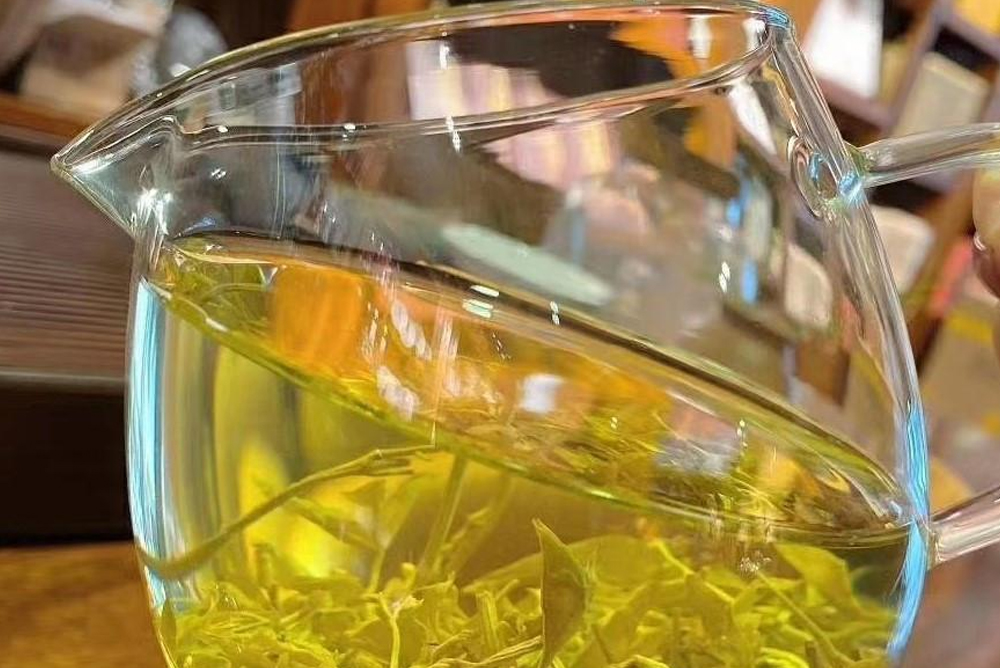
Teas like Tieguanyin (a type of oolong), Pu’er raw tea, and black tea are well-known for their pleasant sweet aftertaste. Vine tea (Ampelopsis grossedentata) shares this quality and is judged by many for its lasting sweetness.
Why Vine Tea’s Sweet Aftertaste Stands Out
Vine tea’s long-lasting sweet aftertaste is due to its exceptionally rich chemical makeup:
-
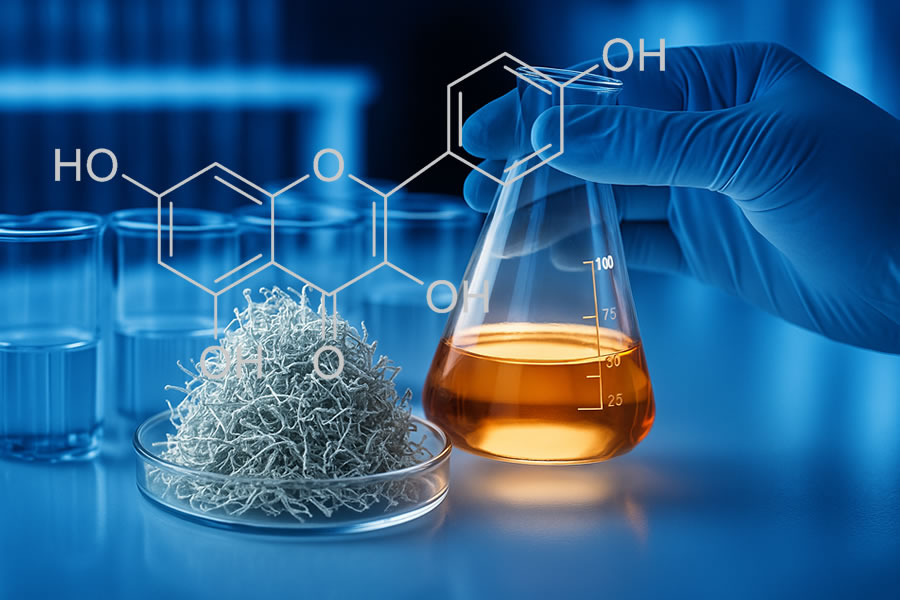
Tea polyphenols: Vine tea contains about 43.6% polyphenols, over three times the amount found in regular green tea (which usually ranges between 13-15%).
-
Flavonoids: The average flavonoid content in vine tea is around 26.1%, compared to just 3-4% in typical green tea. Particularly, “Longxu Ya Jian” (dragon whisker bud) vine tea can have flavonoid content as high as 43.7%, earning vine tea the nickname “King of Flavonoids” in the plant kingdom.
Conclusion: Experience the Sweetness of Authentic Vine Tea
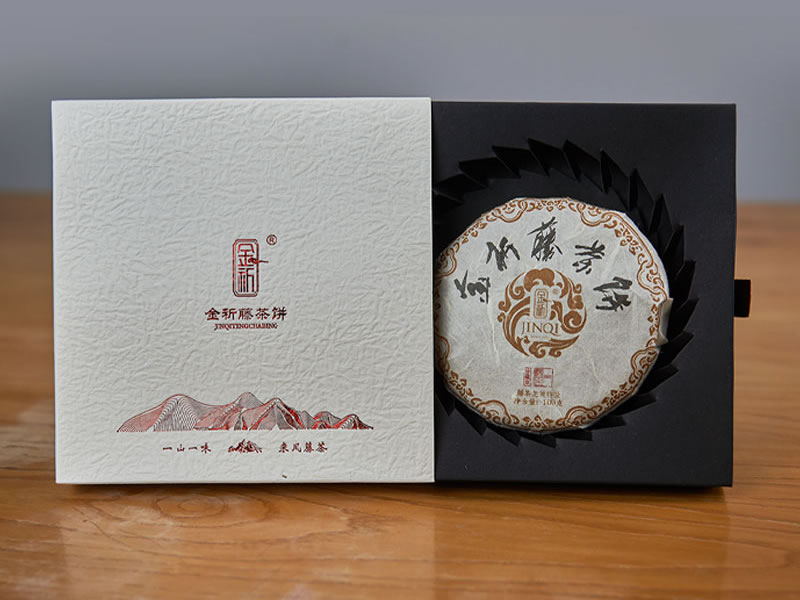
The natural sweet aftertaste of vine tea (Ampelopsis grossedentata) sets it apart as a unique and healthful herbal tea. At JINQI Vine Tea Co., Ltd., we ensure our products come from the highest-quality leaves grown in Laifeng County, preserving these rich flavonoids and polyphenols. Ready to enjoy the exceptional taste and benefits of premium vine tea? Contact us today!