Introduction
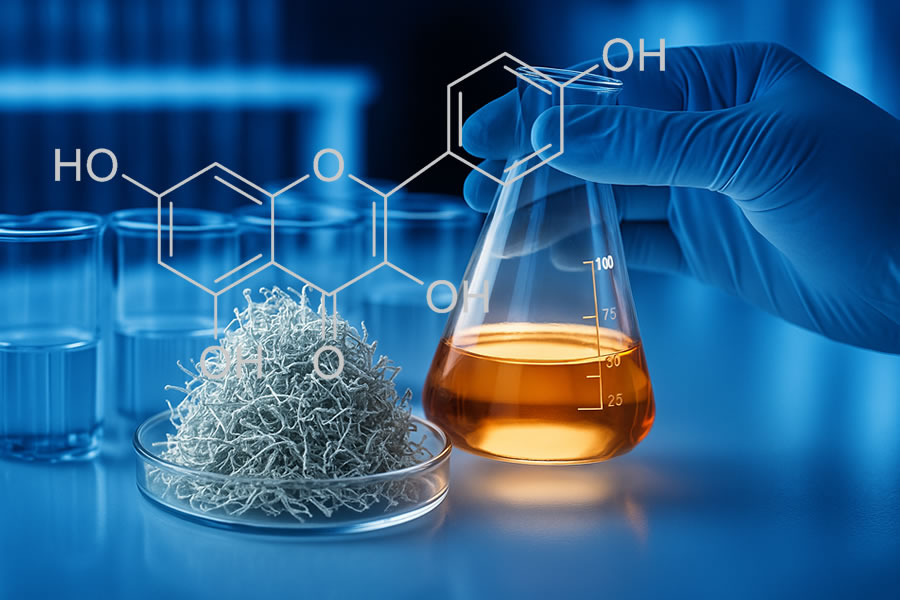
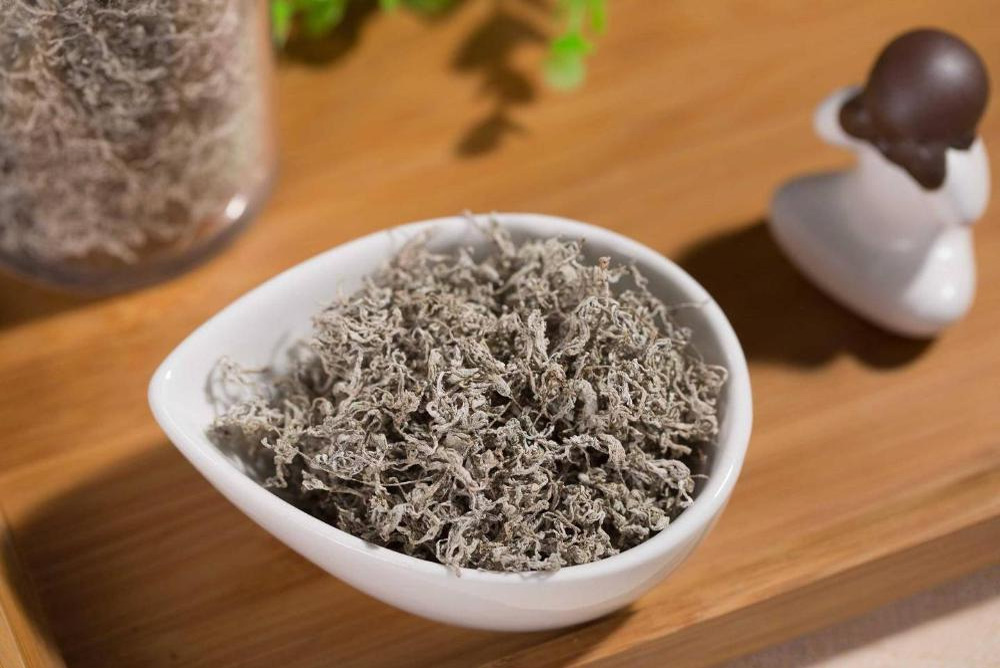
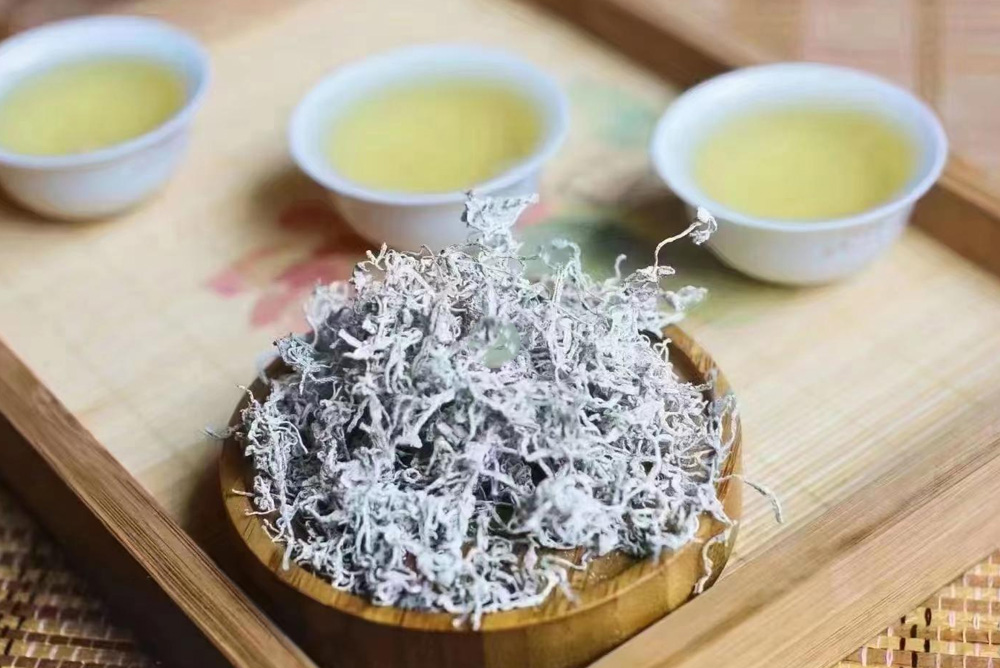
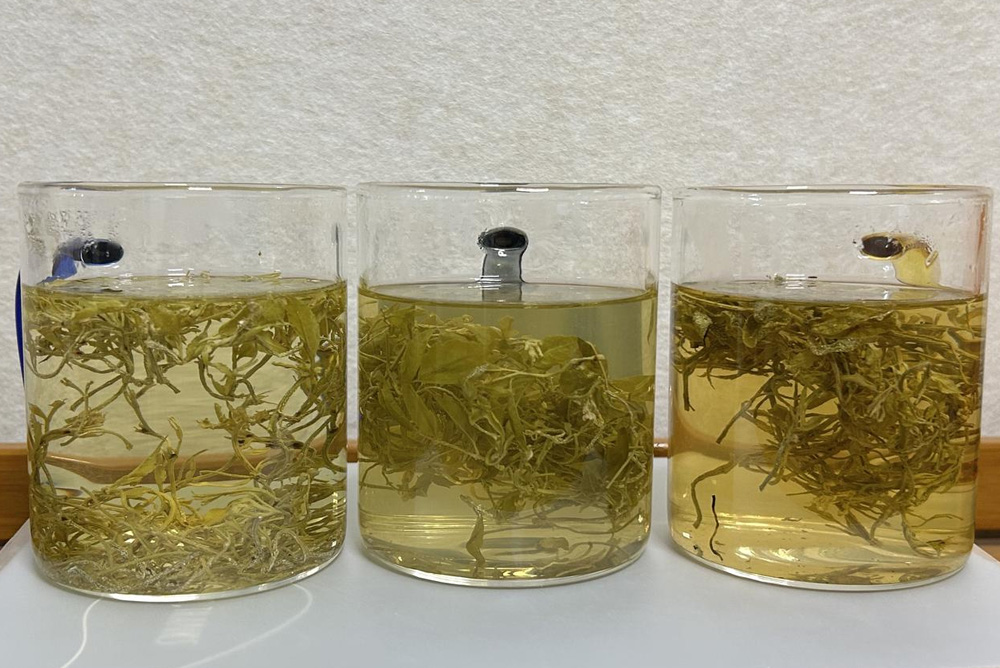
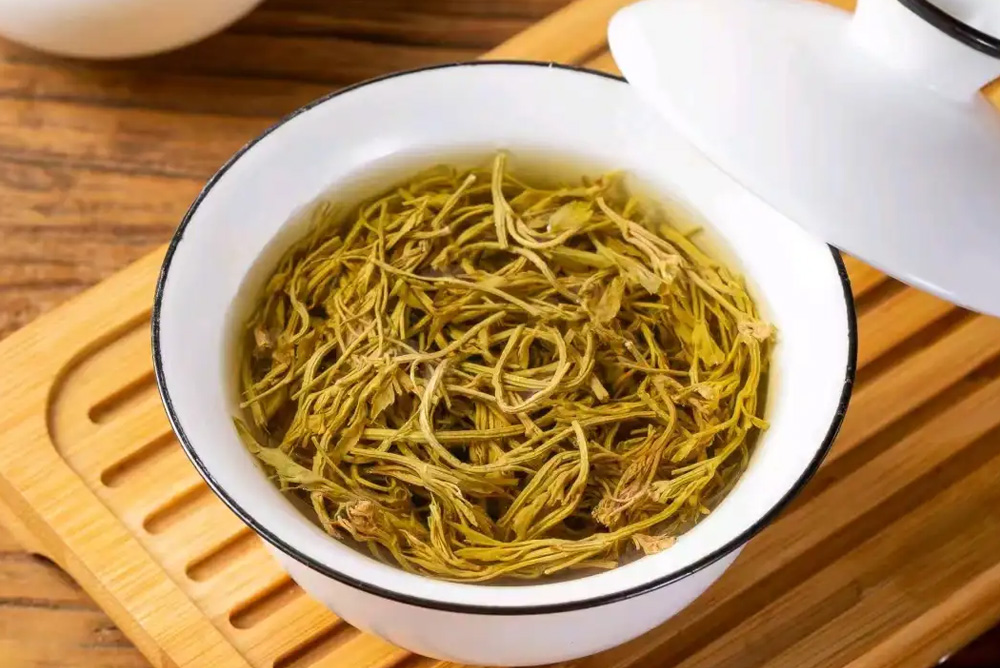
Dihydromyricetin (DHM), also known as Ampelopsin, is a naturally occurring flavonoid primarily extracted from Vine Tea (Ampelopsis grossedentata), a traditional botanical plant widely used in China for centuries.
In recent years, DHM has attracted growing attention from researchers, nutraceutical brands, and dietary supplement manufacturers due to its potential benefits in liver health, metabolic support, antioxidant protection, and cognitive wellness.
As scientific interest continues to expand, DHM is becoming one of the most promising plant-derived ingredients in the global nutraceutical market.
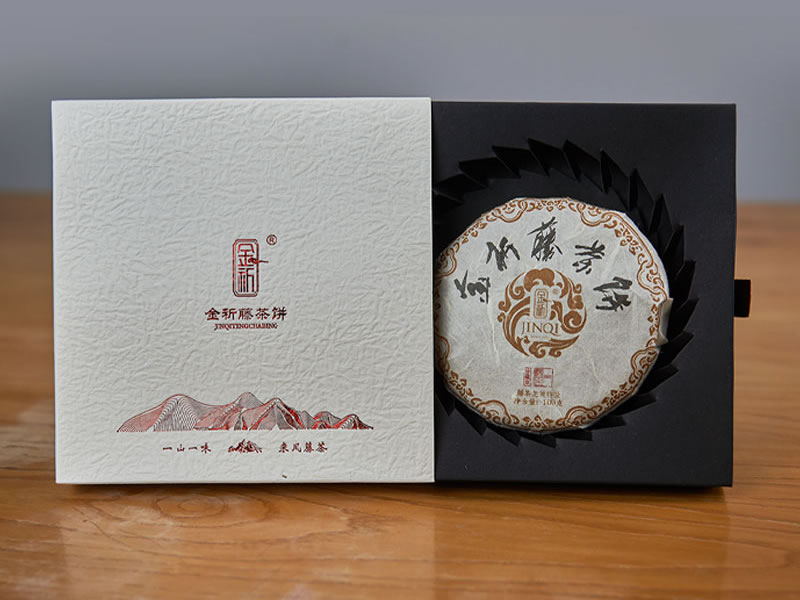
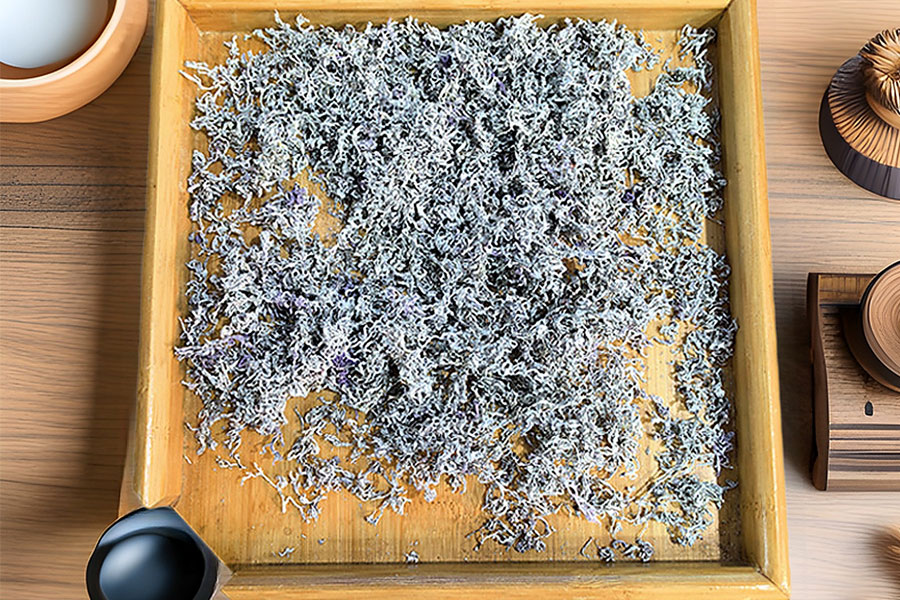
What Is Vine Tea Extract?
Vine Tea is a plant belonging to the Vitaceae family. It is naturally rich in flavonoids, particularly Dihydromyricetin (DHM), which is considered the primary bioactive compound responsible for many of its health-promoting effects.
Modern extraction technologies allow manufacturers to produce highly concentrated DHM extracts, commonly available in purity levels ranging from 50% to 98%.
DHM and Liver Health
One of the most extensively studied applications of DHM is liver protection.
Numerous animal studies have demonstrated that DHM may help:
- Reduce liver enzyme levels
- Protect liver cells from oxidative damage
- Improve liver function
- Support recovery from alcohol-induced liver stress
- Slow the progression of liver fibrosis
Research suggests that DHM may regulate pathways such as TGF-β/Smad signaling, helping reduce excessive collagen deposition associated with liver fibrosis.
In models of non-alcoholic fatty liver disease (NAFLD), DHM has also shown potential to reduce fat accumulation in liver cells through activation of the AMPK pathway, which plays a key role in energy and lipid metabolism.
Human Clinical Evidence
Unlike many botanical compounds that remain limited to laboratory studies, DHM has begun accumulating human clinical evidence.
Several randomized controlled trials have reported that DHM supplementation may:
- Reduce ALT and AST liver enzyme levels
- Improve markers of liver function
- Lower LDL cholesterol
- Improve glucose metabolism
- Reduce insulin resistance
- Support healthy inflammatory responses
A recent long-term double-blind, placebo-controlled clinical study lasting 12 months found significant improvements in liver enzyme normalization and liver stiffness measurements among participants receiving DHM supplementation.
These findings suggest that DHM may offer meaningful support for individuals with metabolic-associated liver conditions.
Anti-Inflammatory and Antioxidant Properties
Chronic inflammation and oxidative stress are recognized as key contributors to many modern health concerns.
Research indicates that DHM may help regulate inflammatory responses by influencing pathways such as:
- NF-κB signaling
- NLRP3 inflammasome activation
- TNF-α production
- IL-1β and IL-6 expression
In addition, DHM exhibits strong antioxidant activity, helping neutralize excess free radicals and support cellular protection.
These mechanisms have made DHM an attractive ingredient for healthy aging and wellness formulations.
Metabolic Health and Blood Sugar Support
Emerging research suggests that DHM may play a role in metabolic health management.
Studies have shown that DHM may:
- Improve insulin sensitivity
- Support healthy blood glucose levels
- Enhance mitochondrial function
- Reduce oxidative stress associated with metabolic disorders
- Promote lipid metabolism
Several ongoing clinical investigations are exploring DHM’s potential role in supporting individuals with type 2 diabetes and metabolic syndrome.
Cardiovascular Health Potential
Although human evidence is still limited, preclinical studies have produced encouraging results.
Research suggests DHM may:
- Help reduce LDL cholesterol levels
- Support vascular endothelial function
- Reduce inflammatory activity within blood vessels
- Inhibit foam cell formation
- Slow the progression of atherosclerotic plaque development
These findings indicate that DHM may become a valuable ingredient in future cardiovascular health formulations.
Brain Health and Cognitive Support
One of the most exciting areas of DHM research involves neurological health.
Studies suggest that DHM may be capable of crossing the blood-brain barrier, a critical requirement for compounds targeting the central nervous system.
Researchers have investigated DHM for its potential role in:
- Neuroprotection
- Cognitive support
- Healthy aging of the brain
- Reduction of oxidative stress in neural tissue
- Support of GABAergic signaling pathways
Animal studies have also explored DHM’s potential relevance in models of Alzheimer’s disease, Parkinson’s disease, anxiety, and depression.
While additional human studies are needed, these findings have generated significant interest within the nootropic and cognitive wellness industries.
Safety Profile
Safety is a major consideration for any nutraceutical ingredient.
Current toxicology studies indicate that DHM possesses a wide safety margin, with animal studies reporting high tolerated doses compared to effective functional doses.
Importantly, long-term human clinical studies have reported good tolerability with no serious adverse effects observed during supplementation periods extending up to 12 months.
As with all dietary ingredients, manufacturers should ensure compliance with applicable regulations and recommended dosage guidelines in target markets.
Future Outlook
Dihydromyricetin is emerging as one of the most promising botanical ingredients in the nutraceutical sector.
Growing scientific evidence supports its potential applications in:
- Liver health
- Metabolic wellness
- Blood sugar management
- Healthy aging
- Cognitive support
- Cardiovascular health
As more human clinical trials become available, DHM is expected to play an increasingly important role in next-generation dietary supplements and functional nutrition products.
For brands seeking innovative plant-based ingredients backed by expanding scientific research, Vine Tea Extract (Dihydromyricetin) represents a compelling opportunity for product development and market differentiation.
About Our DHM Extract
We supply high-quality Vine Tea Extract standardized for Dihydromyricetin content and manufactured under strict quality control standards.
Available specifications include:
- DHM 50%
- DHM 80%
- DHM 95%
- DHM 98%
Customized specifications and OEM support are available upon request.
Contact us to learn more about our Dihydromyricetin ingredients and formulation solutions.