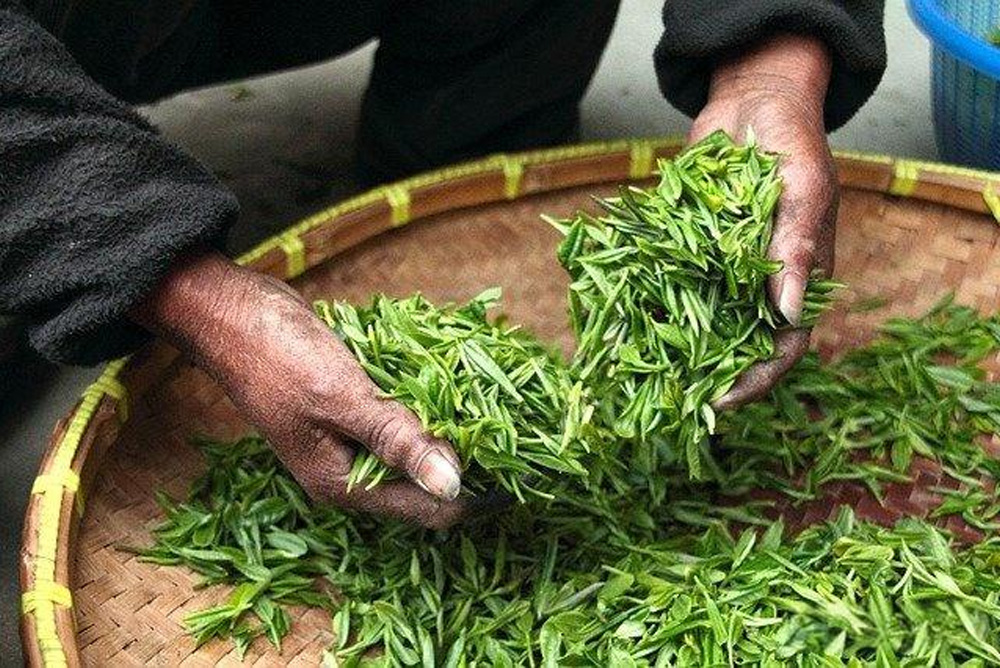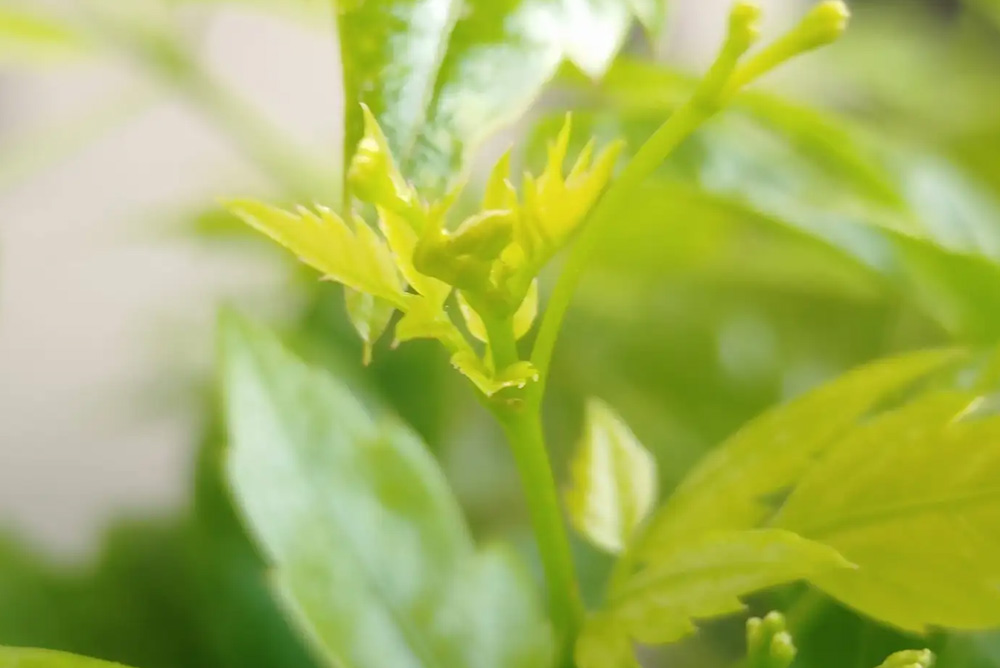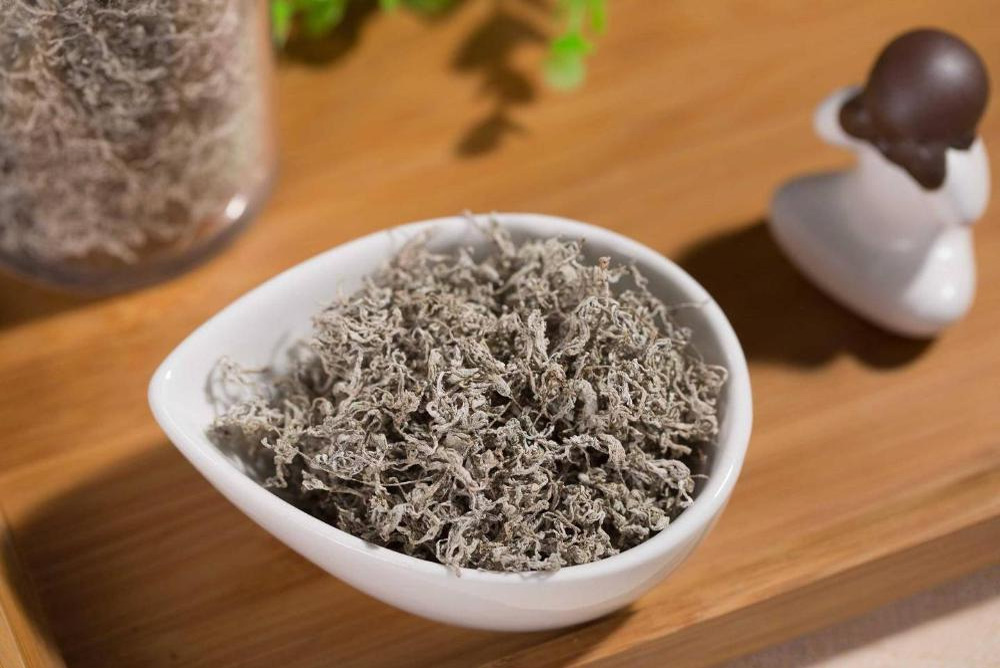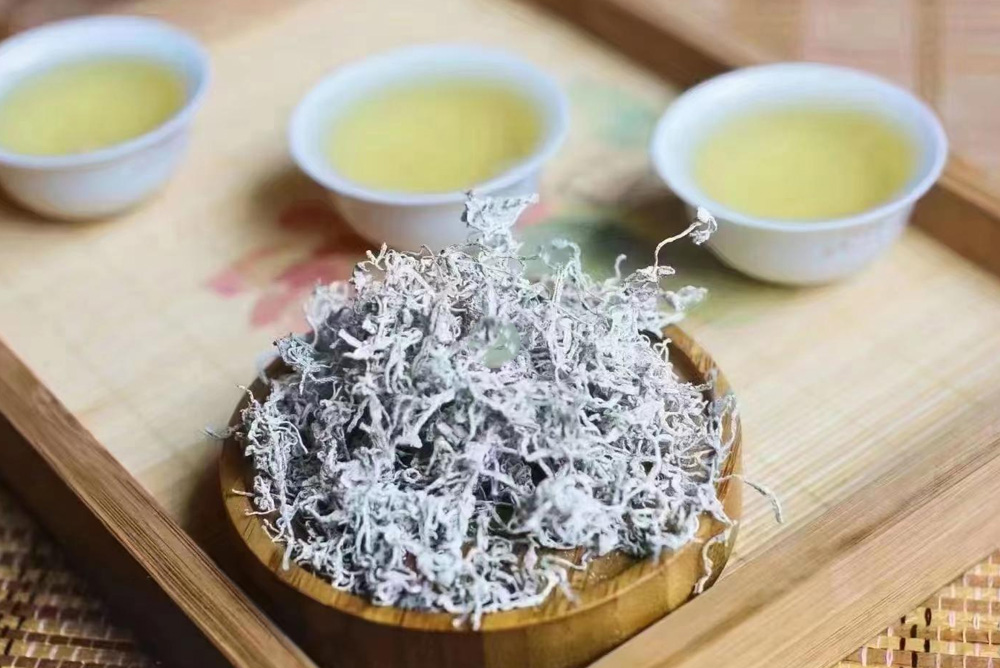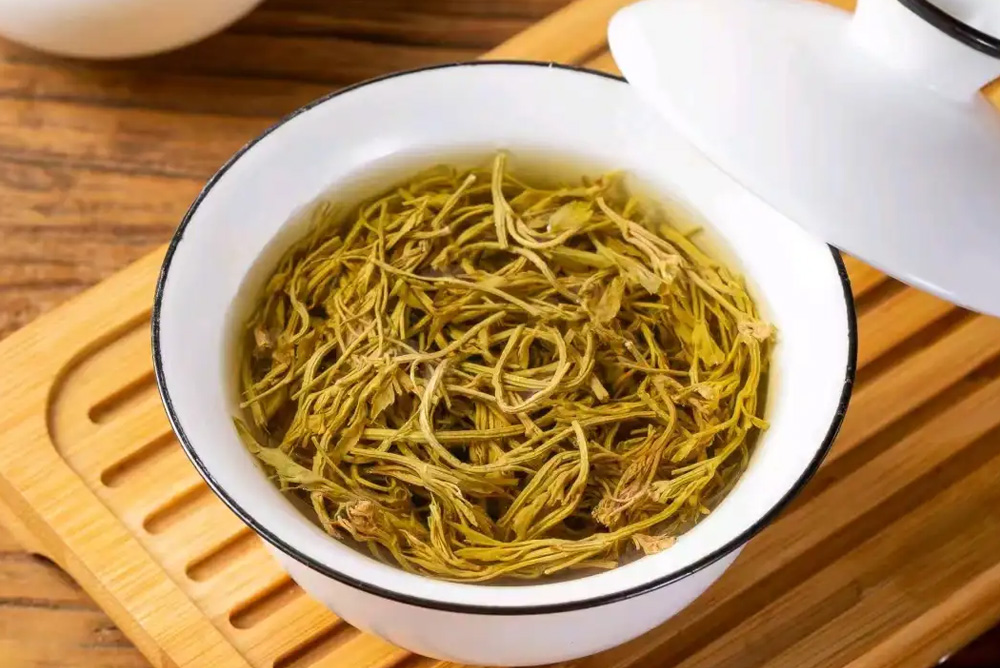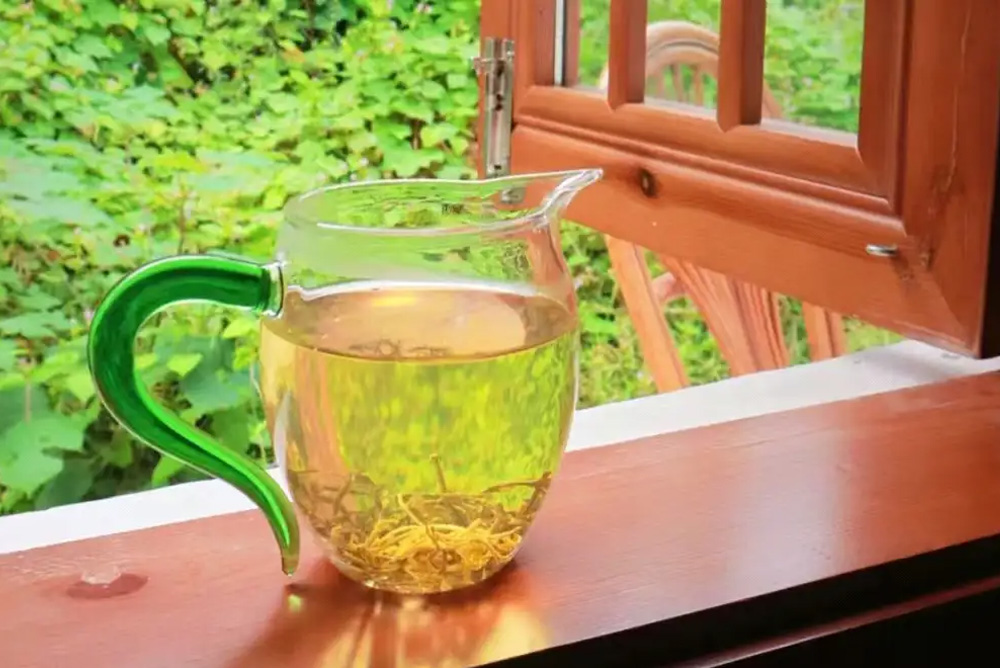
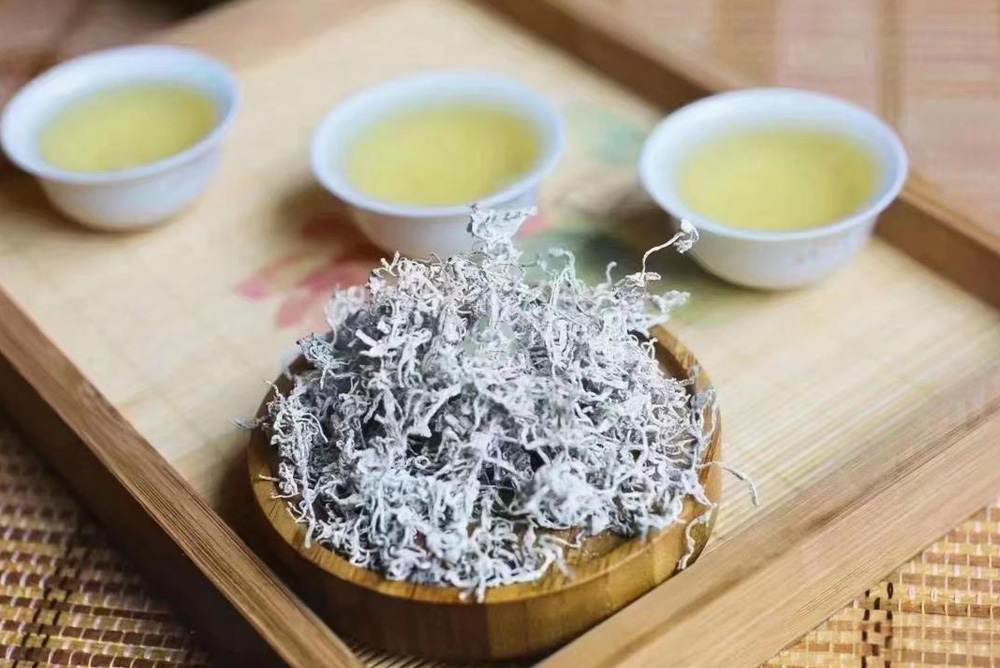
Vine tea, known scientifically as Ampelopsis grossedentata, is a rare herbal tea with centuries of history in traditional Chinese medicine. Unlike the six classic tea categories from the Camellia plant, vine tea comes from the grape family (Vitaceae) and is classified as a functional wellness tea.
Native to the misty mountains of Zhangjiajie at altitudes of 800–1,500 meters, this tea thrives in mineral-rich red sandstone soil with a mildly acidic pH of about 5.5. The region’s selenium-rich earth further boosts its nutritional profile, making Zhangjiajie vine tea particularly prized. Covered in a natural white frost on its emerald leaves, vine tea has a pleasantly sweet taste and is celebrated for its powerful health benefits.
Key Health Benefits of Vine Tea
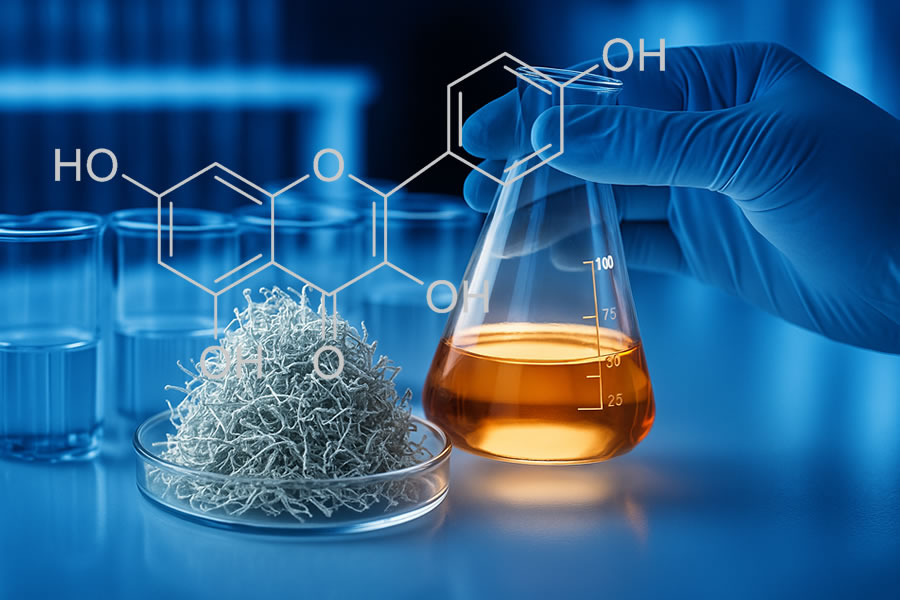
Traditional herbal texts such as Jiuhuang Bencao and National Compilation of Chinese Herbal Medicines describe vine tea as sweet and cooling, with detoxifying, antibacterial, and anti-inflammatory properties. Modern research has confirmed these traditional claims, highlighting its rich content of flavonoids, dihydromyricetin, 17 amino acids, and 14 essential minerals like potassium, calcium, iron, zinc, and selenium.
Here’s what regular, moderate consumption can offer:
1. Anti-inflammatory & Antibacterial Support
Vine tea helps combat bacterial and inflammatory conditions, making it a natural ally for soothing sore throats, coughs, gum inflammation, and oral ulcers. Its expectorant effect has even been compared to certain pharmaceutical cough remedies.
2. Cardiovascular Health
Known as a “vascular cleaner,” vine tea supports heart health by reducing blood lipids, lowering blood pressure, and helping regulate blood sugar levels. Regular use may help prevent atherosclerosis and other cardiovascular concerns.
3. Liver Protection
Vine tea has been shown to reduce liver tissue damage. Drinking it before alcohol consumption can help protect the stomach and liver, while enjoying a cup afterward may aid detoxification and recovery.
4. Anti-aging Properties
Thanks to its high flavonoid content, vine tea fights oxidative stress by neutralizing free radicals. This can help slow down the visible signs of aging and support long-term cellular health.
Who Should Consider Drinking Vine Tea?
Vine tea can be a great daily drink for many, but it’s particularly helpful for:
-
People with inflammatory conditions – Such as pharyngitis, chronic cough, gum problems, or oral ulcers.
-
Individuals with cardiovascular risks – Including high blood pressure, high cholesterol, or high blood sugar.
-
Frequent drinkers or night owls – Those who often consume alcohol or stay up late can benefit from its liver-protective effects.
-
Those with digestive sluggishness or stress-related insomnia – Vine tea can support gut health and relaxation.
⚠️ Note: Vine tea is naturally cooling in nature. People with weak or cold digestive systems should drink it occasionally rather than daily. Adding warming ingredients like ginger, goji berries, or red dates can help balance its cooling effect. Pregnant women and young children should avoid it due to their special constitutions.
Brewing Tips for the Perfect Cup
-
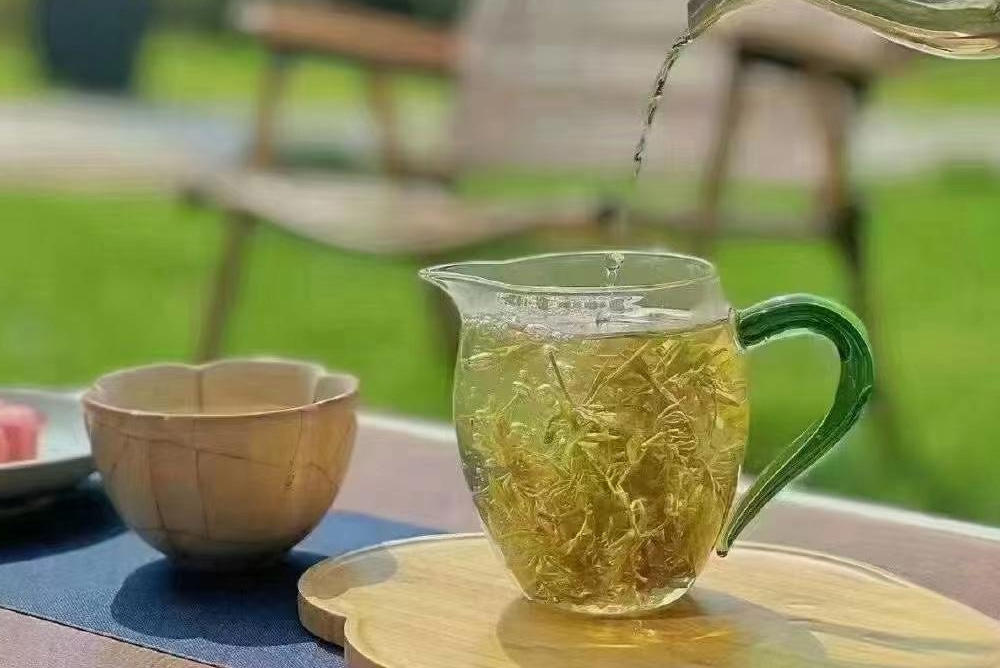
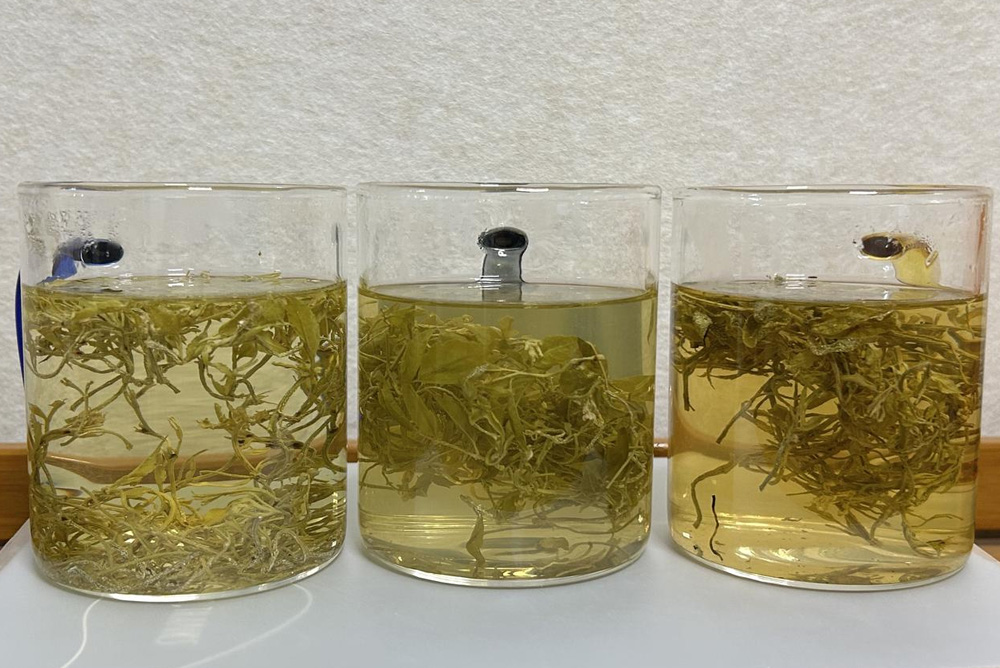
Water Temperature: Use water at around 90°C (194°F).
-
Amount: 2–3 grams of loose leaf vine tea per 200 ml cup.
-
Steeping Time: 2–3 minutes for the first brew, slightly longer for later infusions.
-
Enhancements: Add ginger slices, goji berries, or red dates to balance its cooling nature.
Why Choose JINQI Vine Tea?
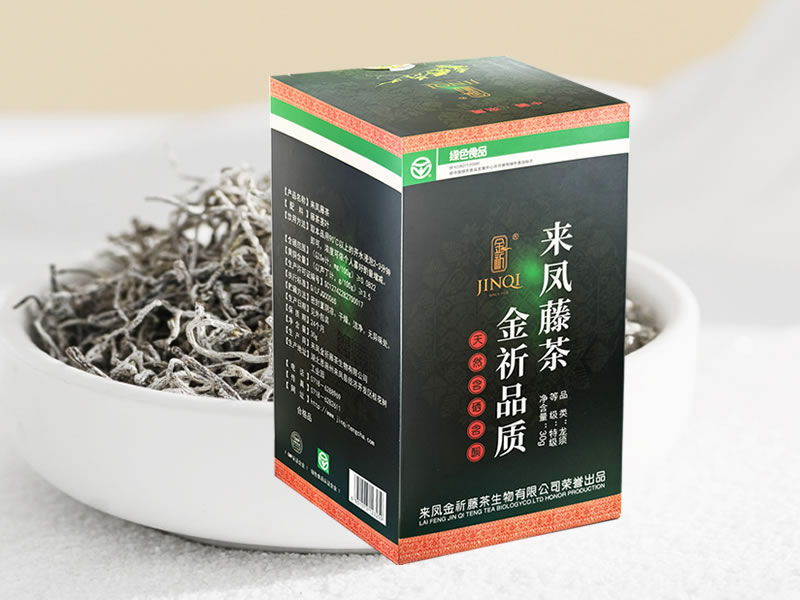
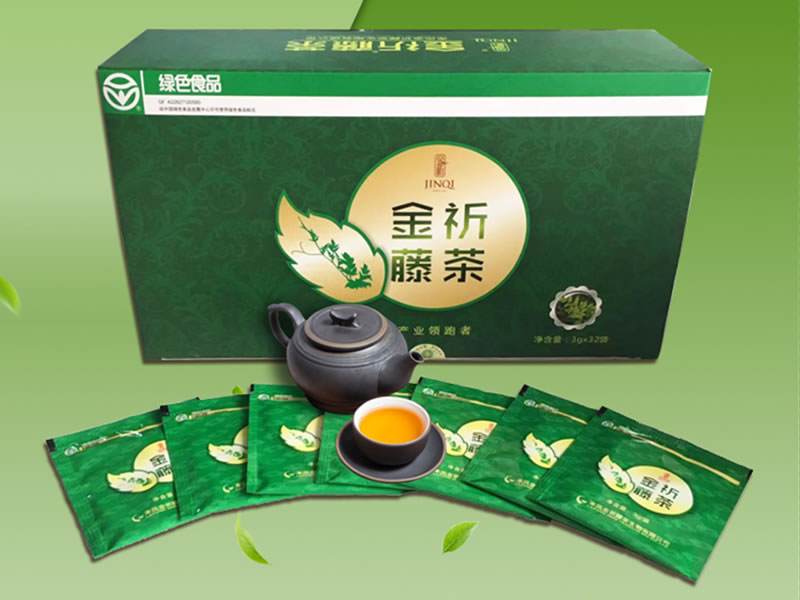
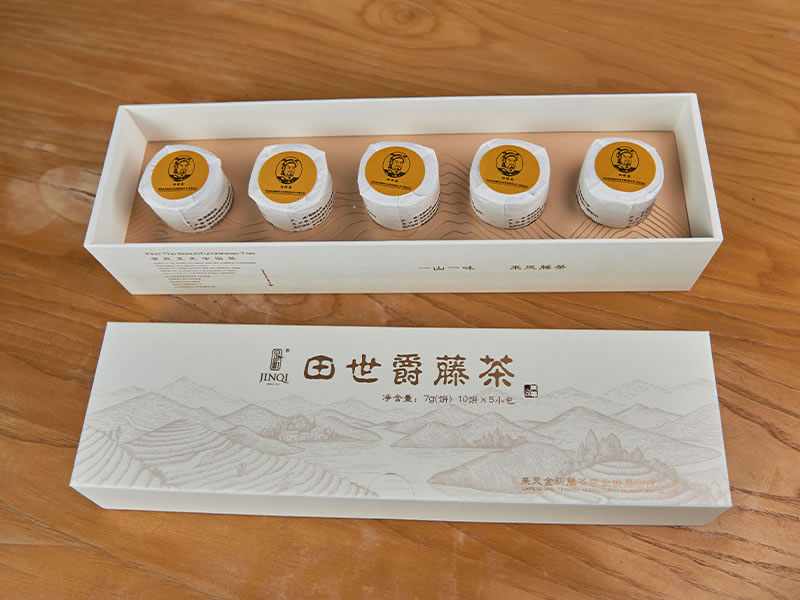
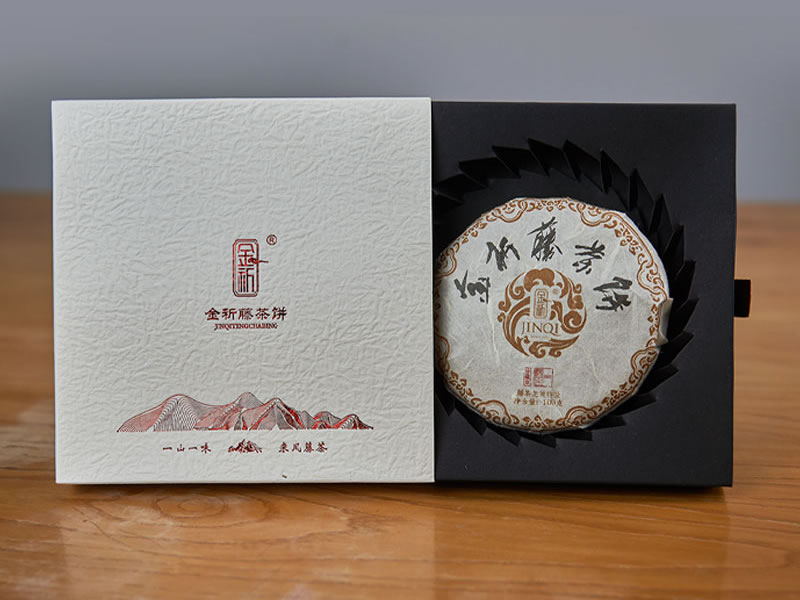
At JINQI Vine Tea Co., Ltd., we’ve been cultivating authentic Ampelopsis grossedentata for over 20 years in Laifeng County, the heartland of vine tea. Our tea gardens are Green Food Base Certified, ensuring eco-friendly farming without harmful chemicals. Every batch is produced in GMP-certified facilities, preserving the tea’s rich flavonoids, selenium, and natural aroma.
We export to markets across Europe, Asia, and North America, supporting local farmers and protecting Laifeng’s biodiversity along the way. With JINQI, you’re not just drinking tea—you’re tasting a tradition, backed by quality and sustainability.
Experience the health benefits of authentic vine tea.
Visit JINQI Vine Tea Co., Ltd. to explore our premium Ampelopsis grossedentata products and bring the taste of Laifeng’s mountains to your cup.
FAQs
1. What is vine tea (Ampelopsis grossedentata) good for?
Vine tea supports heart health, reduces inflammation, protects the liver, and offers strong antioxidant benefits.
2. Can I drink vine tea every day?
Yes, most people can enjoy it daily, but those with cold digestive systems should drink it in moderation or add warming ingredients like ginger.
3. Is vine tea caffeine-free?
Yes, vine tea is naturally caffeine-free, making it suitable for drinking any time of the day.