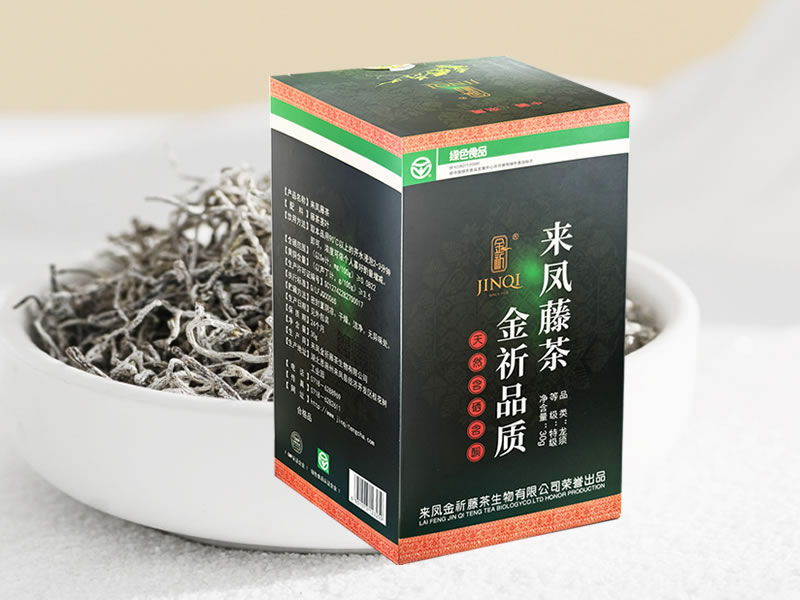
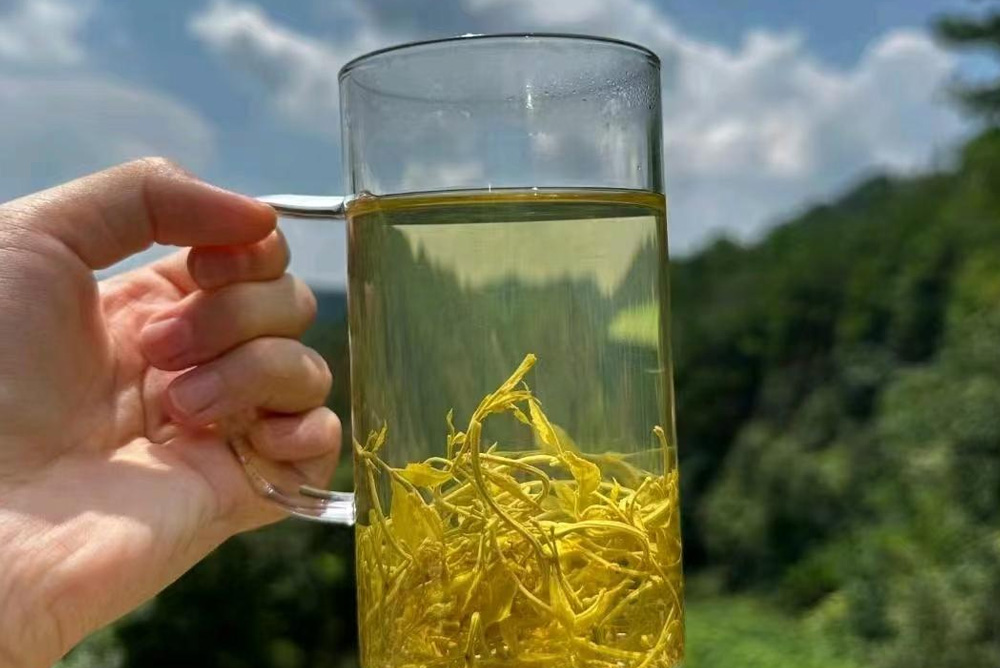
Tea is often described as “a story between one leaf and a cup of water.” Vine tea, however, tells a different story — it’s a tale between a wild mountain vine and pure water. Known scientifically as Ampelopsis grossedentata, this unique herbal tea is valued for its smooth sweetness, distinctive aroma, and high flavonoid content.
Beyond its pleasant taste, vine tea hides many fascinating facts that can change how you drink and enjoy it. Here are 12 you may not know.
1. Vine Tea Is Not Green Tea or White Tea
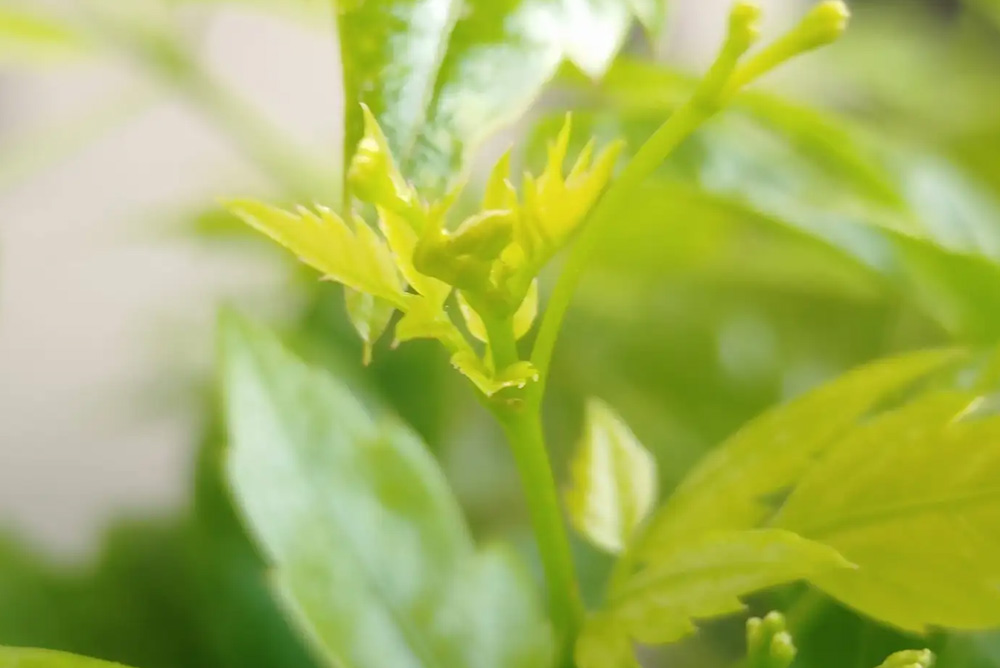
Vine tea comes from the small-leaf variety of Ampelopsis grossedentata, a vine in the grape family, not the Camellia family that produces green, black, and white teas. It is classified as a “medicinal and edible” herbal tea substitute.
2. Hunan’s Vine Tea and Hubei’s “Teng Cha” Are the Same Plant
In Hunan, it’s called vine tea; in Hubei, locals call it “Teng Cha” (vine tea). Both are made from the same plant’s young shoots, with regional names developed for branding purposes.
3. Vine Tea Bears Beautiful Red Fruits in Autumn
After the harvest season ends, the vine produces bright red, berry-like fruits — one reason behind the name “vine tea.”
4. April to September Yields the Best Value
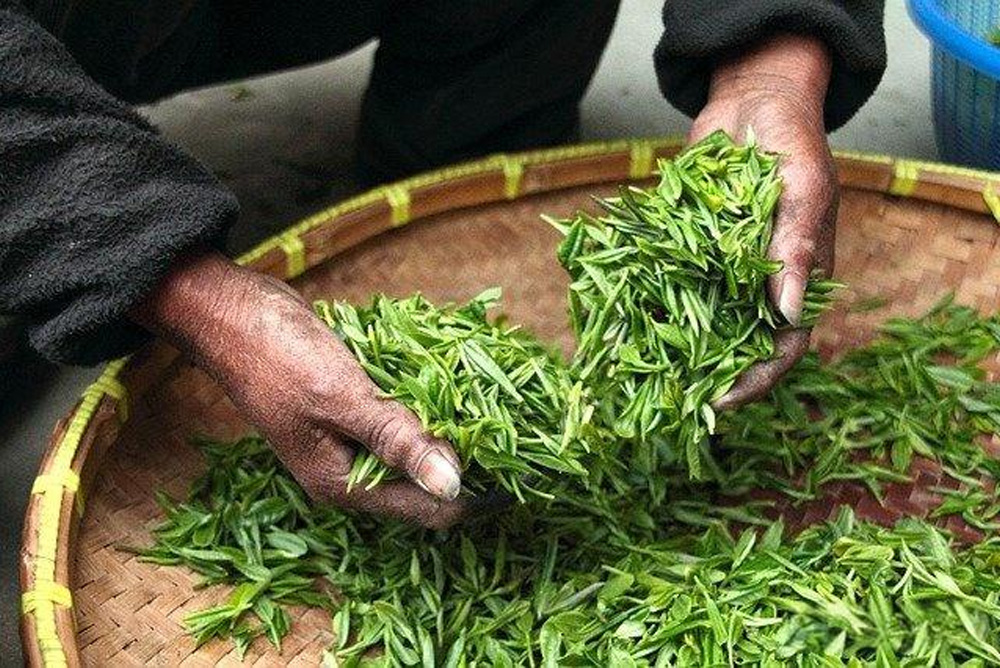
While early spring “bud tea” is prized, its short harvest season and high labor costs make it expensive. From late April to early September, farmers harvest young tips regularly, producing high-quality tea with excellent value.
5. Vine Tea Improves Sleep Quality
Naturally caffeine-free, vine tea won’t keep you awake at night. It also contains GABA and flavonoids that support melatonin production, helping you relax and sleep better.
6. Safe to Drink with Medication
Unlike traditional teas, vine tea contains no tannic acid, so it won’t interfere with most medicines or supplements — making it friendly for people with chronic health needs.
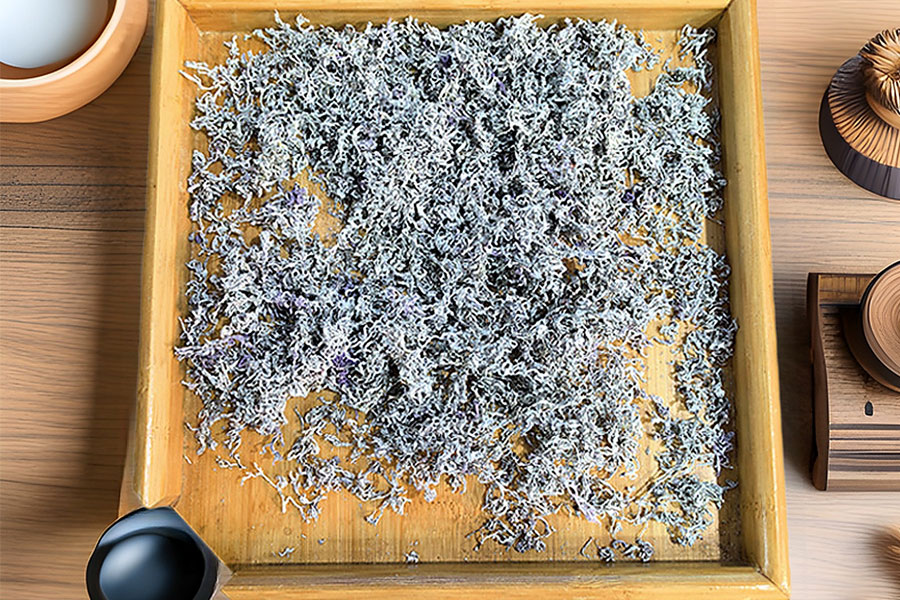
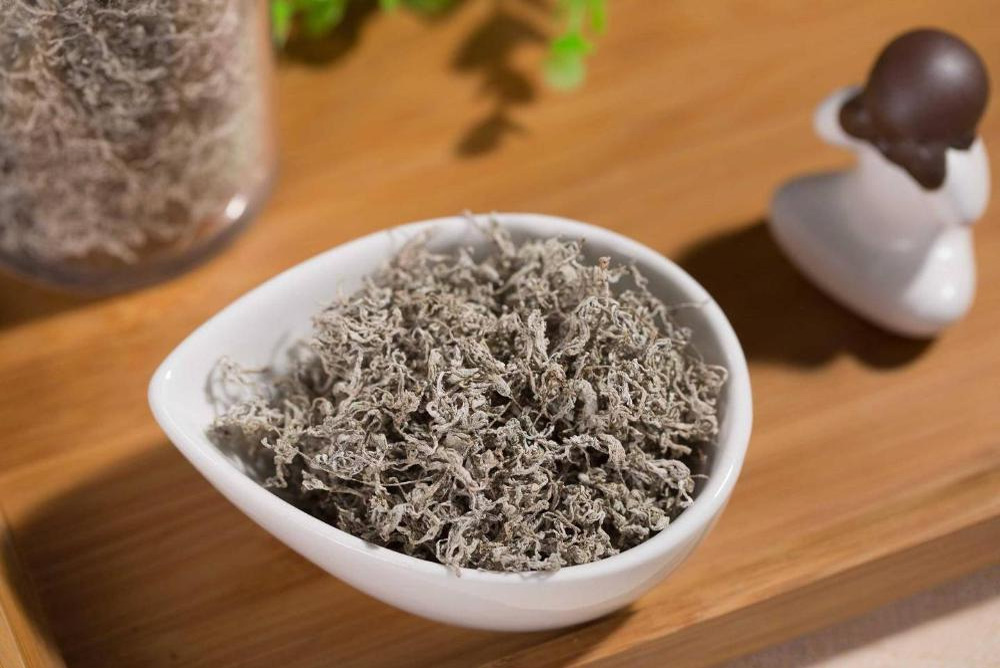
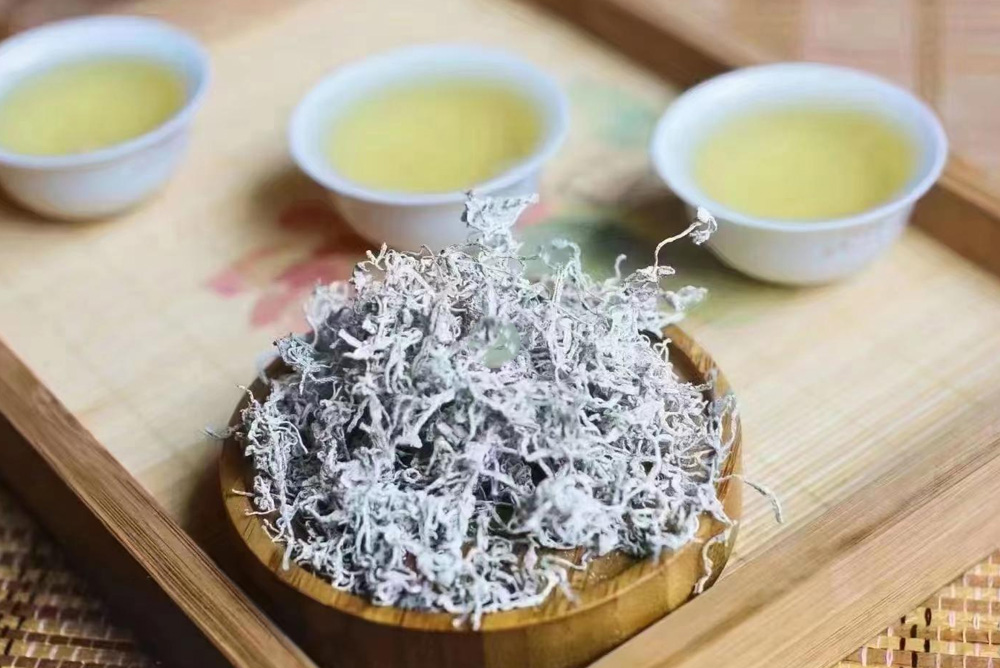
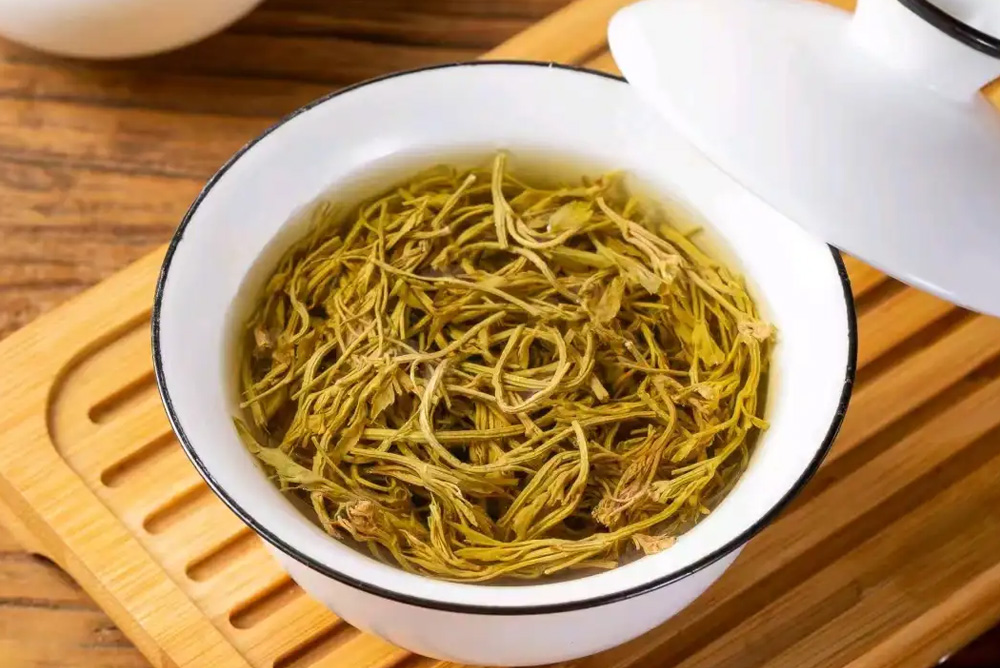
7. The White Frost on Vine Tea Is Flavonoid Crystals
That powdery white coating isn’t mold or chemicals. It’s crystallized flavonoids released when cells break during processing — the very source of its health benefits.
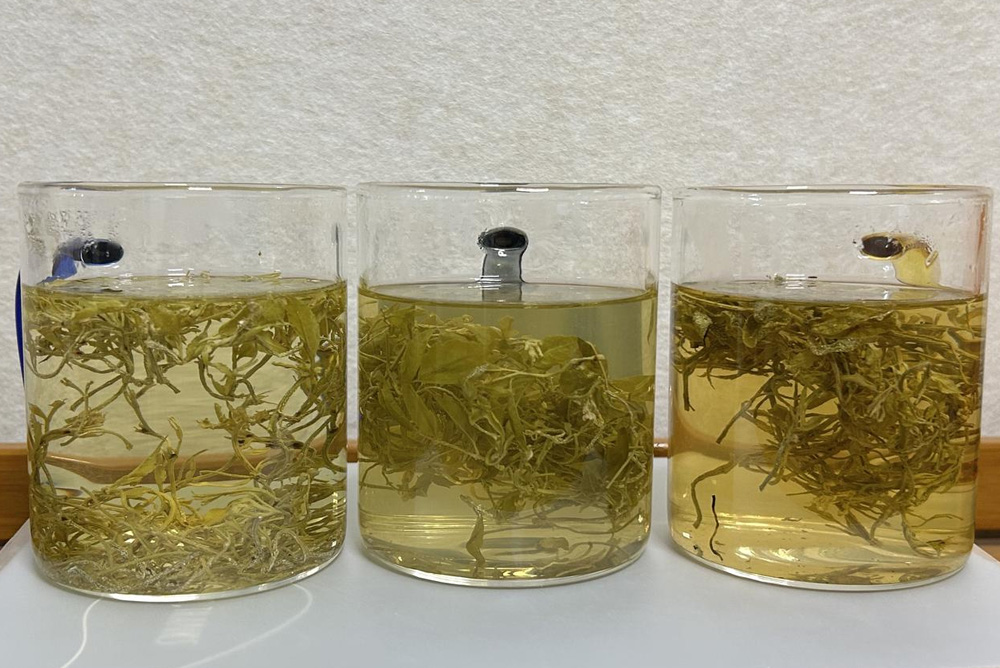
8. White Sediment in Cooled Tea Is Normal
When cooled, vine tea may develop white sediment as flavonoids precipitate. This is natural and a sign of high flavonoid content.
9. Do Not “Wash” Vine Tea Before Brewing
The white frost holds the tea’s active compounds. Rinsing it away means losing much of its health value.
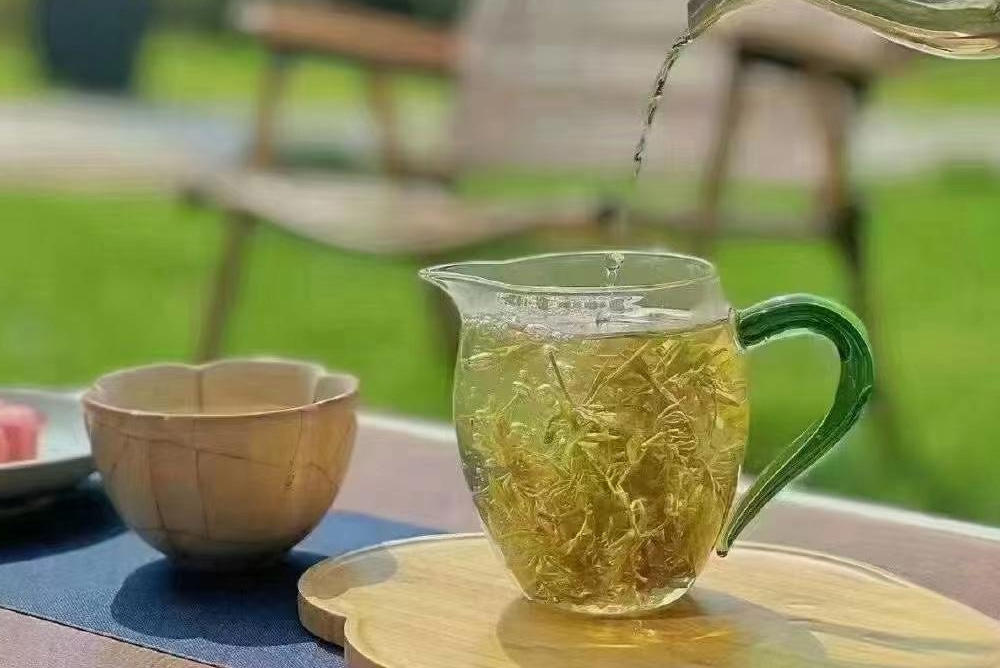
10. Use High Water Temperature for Brewing
For best flavonoid extraction, brew vine tea at 95°C (203°F) or above. Lower temperatures won’t dissolve its beneficial compounds effectively.
11. Avoid Boiling Vine Tea
Like fine green tea, vine tea is best enjoyed brewed, not boiled. Prolonged boiling can destroy vitamins and alter flavor without increasing benefits.
12. “Maoyan Vine Tea” Is a Regional Name for the Same Tea
“Maoyan Vine Tea” refers to vine tea grown in the Maoyan River region of Zhangjiajie, where the clean water, red sandstone soil, and rich biodiversity create exceptional quality.
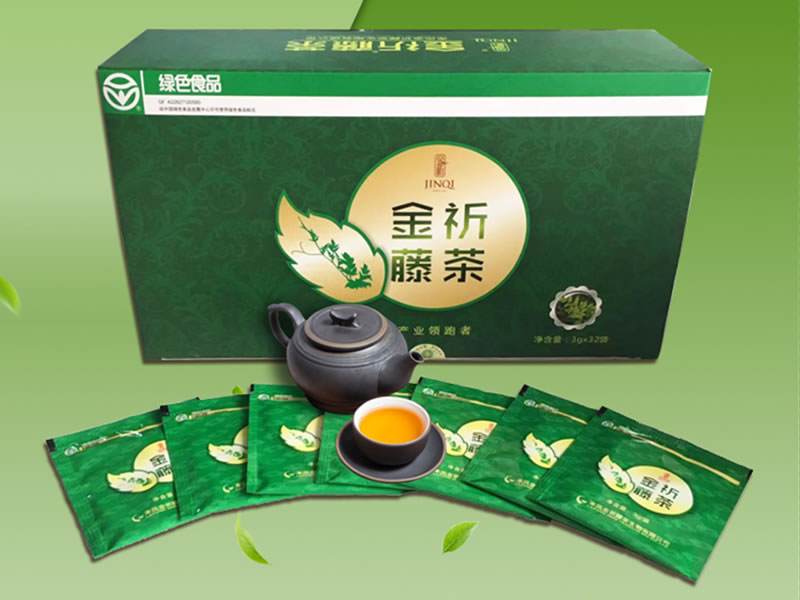
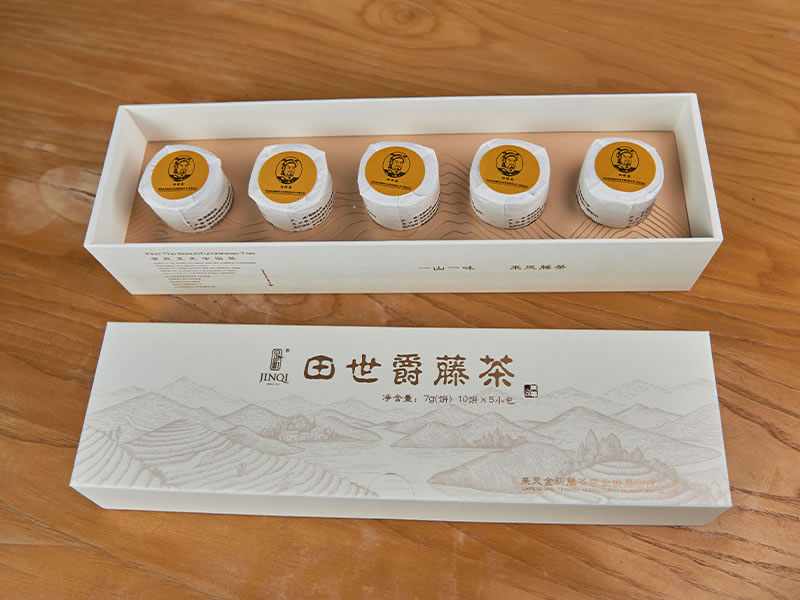
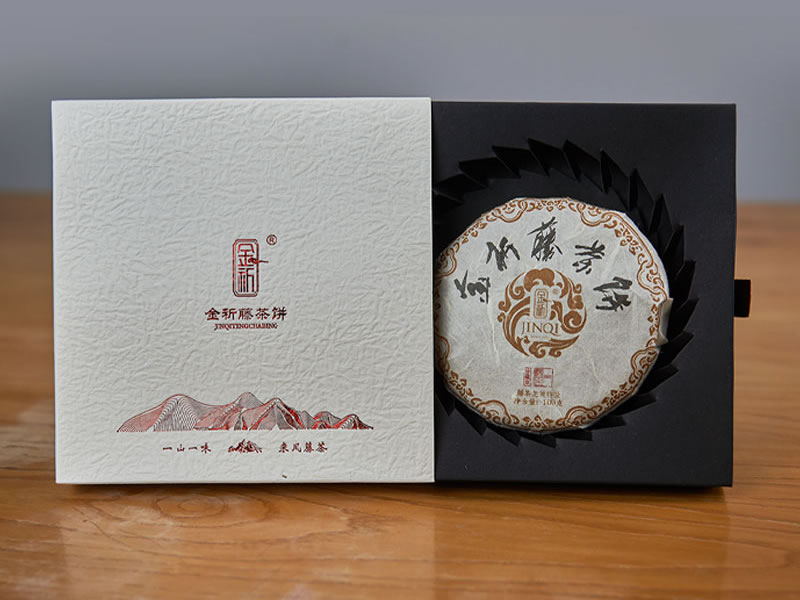
Enjoy Premium Bud Tip Vine Tea with JINQI
From its caffeine-free nature to its high flavonoid content, vine tea (Ampelopsis grossedentata) is unlike any other tea. Knowing these details can help you brew it correctly and enjoy its full health potential.
At JINQI Vine Tea Co., Ltd., we’ve spent over 20 years cultivating premium vine tea in Laifeng County, using eco-friendly farming and GMP-certified processing. Every cup delivers authentic flavor and natural wellness from the mountains of China to your table.
FAQs
Q1: Is vine tea the same as Maoyan vine tea?
Yes. Maoyan vine tea is grown in the Maoyan River area of Zhangjiajie, a premium origin of vine tea.
Q2: Does vine tea contain caffeine?
No. Vine tea is naturally caffeine-free and safe to drink at night.
Q3: What is the white frost on vine tea leaves?
It’s natural flavonoid crystals — the main source of vine tea’s health benefits.